2027 Applied Business & Technology Degree Enrollment Trends by Age Group: Traditional Students vs Adult Learners

Co-Founder and Chief Data Scientist
Program enrollment in applied business & technology reveals divergent patterns shaped by industry demands and credentialing challenges. Traditional students often enroll in response to structured pathways aligned with entry-level workforce expectations and practicums, while adult learners navigate career transitions amid credential inflation and evolving technical skill requirements.
Notably, the U. S. Bureau of Labor Statistics projects a 12% growth in roles requiring applied business & technology expertise between 2022 and 2032, intensifying employer preference for candidates with both experience and current certifications. This age-based enrollment disparity highlights a bifurcation in educational timing that reflects shifting workforce needs and program accessibility constraints within the field.
Key Things to Know About Applied Business & Technology Degree Enrollment Trends by Age Group
- Traditional college-age students dominate enrollment, reflecting employer preference for early-career candidates, but this limits middle-career professionals' access to the same foundational credentials.
- Adult learners face tradeoffs between immediate workforce re-entry and program completion pace, impacting how their updated skills align with evolving technology demands.
- Rising costs and time commitments disproportionately affect older enrollees, often necessitating employer sponsorship, which influences program selection and career trajectory decisions.
- Key Things to Know About Applied Business & Technology Degree Enrollment Trends by Age Group Key Things to Know About Applied Business & Technology Degree Enrollment Trends by Age Group
- Which Age Groups Represent the Largest Share of Applied Business & Technology Students? Students by Age Group
- Why Do Traditional Students Choose Applied Business & Technology Degree Programs? Traditional Students
- Why Do Adult Learners Return to School for a Applied Business & Technology Degree? Adult Learners
- How Do Academic Goals Vary Between Younger and Older Applied Business & Technology Students? Academic Goals by Age Group
- How Do Financial Concerns Differ Between Traditional Students and Adult Learners? Financial Concerns by Age Group
- What Challenges Do Adult Learners and Traditional Students Face While Earning a Applied Business & Technology Degree? Student Challenges by Age Group
- How Does Age Affect Applied Business & Technology Degree Student Retention? Age and Student Retention
- Which Applied Business & Technology Specializations Are Most Popular Among Adult Learners? Top Specializations for Adult Learners
- How Does Age Affect Job Opportunities for Applied Business & Technology Graduates? Impact of Age in Job Opportunities
- What Do Current Applied Business & Technology Enrollment Trends Reveal About Future Demand? What Do Current Applied Business & Technology Enrollment Trends Reveal About Future Demand?
Which Age Groups Represent the Largest Share of Applied Business & Technology Students?
Applied Business & Technology programs attract learners at diverse life stages, though enrollment skews heavily toward specific age segments. These patterns link closely to workforce entry timing, financial readiness, and accessible educational routes rather than student preference alone.
As enrollment trends in applied business & technology by age group show, understanding these dynamics reveals how educational programs adapt to varied career trajectories and economic realities.
- Ages 18-24: This traditional college-age cohort comprises the largest share of applied business & technology students, typically enrolling immediately after high school. Their focus is often on acquiring foundational skills swiftly to enter the workforce. Many benefit from full-time, campus-based formats that support immersive learning aligned with early career milestones and clearer academic-to-job transitions.
- Ages 25-34: Representing a growing cohort, this group frequently returns to education for reskilling or upskilling amid mid-career shifts or evolving industry demands. Their enrollment favors flexible program models such as part-time, online, or hybrid courses to accommodate work and family commitments while enhancing employability in technology-driven sectors.
- Ages 35-44: Enrollment declines in this group but remains notable. Adult students here often balance complex responsibilities that necessitate highly relevant curricula focused on immediate workplace application. Employers in this bracket may place higher value on practical experience, creating a distinct expectation compared to younger peers emphasizing theoretical foundations.
- Ages 45 and older: This segment comprises the smallest portion of applied business & technology students. Barriers like financial cost, time constraints, and perceived return on investment influence lower participation, although growing labor market demands for continuous learning have encouraged some adults to engage in targeted credentialing or explore alternative pathways like the easiest EdD programs.
Why Do Traditional Students Choose Applied Business & Technology Degree Programs?
Traditional students often select applied business & technology degree programs as a strategic response to balancing academic interests with pragmatic early career planning. These programs offer a clear signal of vocational readiness, emphasizing hands-on experience that matches their goal of entering the workforce efficiently. The appeal lies in the structured pathways these degrees provide, allowing students to explore technical and business fundamentals while maintaining flexibility toward specialization. According to a 2024 report by the National Center for Education Statistics, about 62% of traditional students prioritize programs that lead directly to employment, underscoring the integration of applied business & technology degree benefits for traditional college students in shaping their education decisions.
Enrollment trends among traditional students are influenced heavily by institutional recruitment strategies, guidance counseling, and secondary education exposure. High schools and community colleges increasingly highlight applied business & technology subjects as viable routes to stable employment, which informs students' perceptions of job market stability and career viability. Peer networks and early college coursework often reinforce these messages, contributing to program choice that aligns with labor market expectations. The growing popularity of programs recognized as the easiest associate degree to get online in applied business & technology also reflects their accessibility and appeal within this demographic.
Why Do Adult Learners Return to School for a Applied Business & Technology Degree?
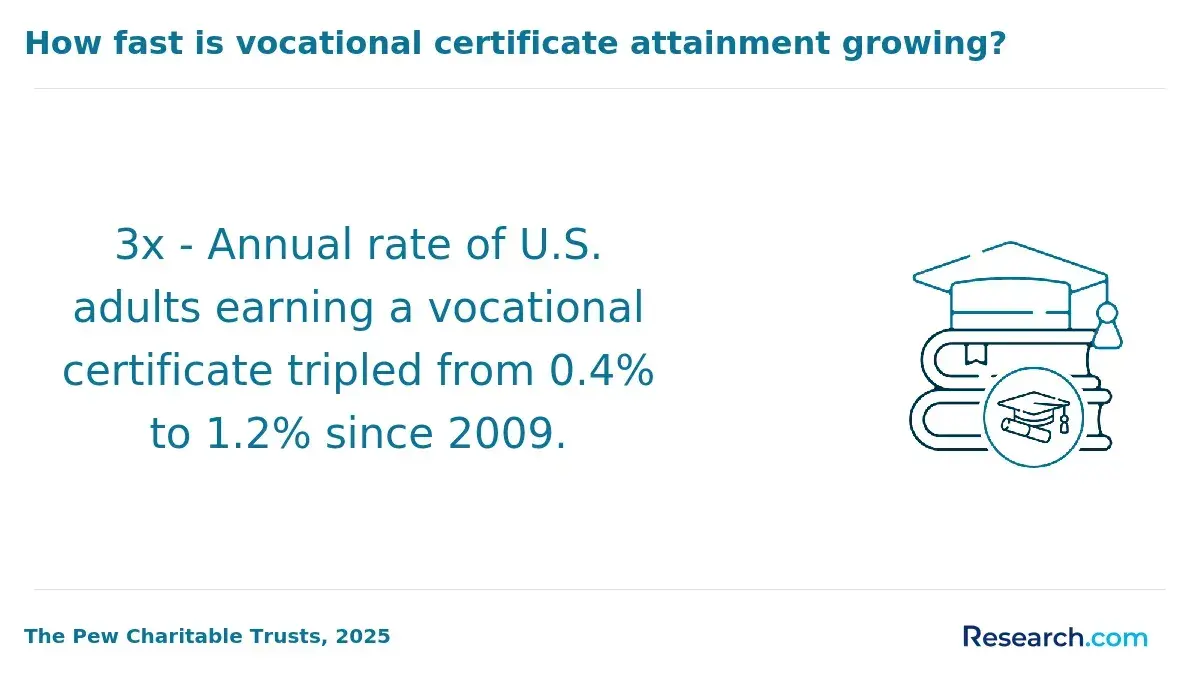
Adult learners pursuing an applied business & technology degree typically do so to meet specific career mobility objectives, such as obtaining credentials required for promotions or accessing roles with greater wage potential. Unlike traditional students, their decision is influenced by the need to navigate shifting industry demands and credential inflation that increasingly values formal qualifications. Many are motivated by the practical necessity to transition into technology-driven business areas or to secure positions that require up-to-date technical and managerial competencies.
According to the National Center for Education Statistics, nearly 45% of students in these programs are aged 25 or older, reflecting a significant trend of mid-career adults investing in education to maintain or enhance their labor market relevance.
Additional factors supporting adult enrollment include employer-provided tuition assistance programs and the expanded availability of flexible online and hybrid formats, which align better with work and family responsibilities. Changing workforce requirements also compel adults to reskill or upskill continually, as static skill sets quickly become obsolete in fast-evolving sectors like information systems and digital marketing.
The gap between academic offerings and workplace realities often drives adult learners to seek programs with strong industry alignment and experiential learning components that emphasize real-world application over theoretical constructs. This combination of accessibility, financial support, and curriculum relevance plays a crucial role in sustaining adult engagement in higher education.
The growing presence of adult learners has also influenced program design and delivery, accelerating the expansion of online education and reshaping classroom dynamics by introducing diverse peer perspectives rooted in professional experience. Their participation underscores the broader shift toward lifelong learning models that accommodate staged career development and reinforce workforce resilience in volatile economic environments.
Institutions increasingly tailor offerings to this demographic's needs, recognizing the value of integrating adult-centered scheduling, competency-based assessments, and networking opportunities that leverage mature learners' experiential knowledge and practical goals.
How Do Academic Goals Vary Between Younger and Older Applied Business & Technology Students?
Younger applied business & technology students often approach their education with an emphasis on exploration and broad-based skill development, aiming to build foundational knowledge that supports a range of entry-level opportunities or progression to graduate studies. Their academic goals typically include understanding core concepts across various disciplines, gaining internships, and developing networking capabilities that can help clarify career direction.
This stage reflects a willingness to invest time in general education alongside specialized courses to better evaluate long-term interests. According to a 2024 report from the National Center for Education Statistics, 42% of these students prioritize skill exploration over immediate career application, underscoring their exploratory intent in education.
Adult learners in applied business & technology programs generally pursue more focused academic objectives tied directly to professional advancement and workplace demands. Their priorities often include acquiring targeted certifications, updating practical skills, or completing degrees that accelerate transitions into higher responsibility roles or new fields.
Flexibility in scheduling and credit for prior experience are crucial factors that shape their educational decisions, reflecting the necessity to balance academic goals with existing work and family responsibilities. Data from the National Center for Education Statistics highlights that 68% of adult learners pursue degrees mainly to enhance job prospects or increase earning potential, revealing a clear alignment between education and immediate labor market outcomes.
One adult learner recalled delaying her application until late in the admissions cycle, uncertain if she could manage coursework alongside her full-time job and family care obligations. She carefully weighed program flexibility and prior credit options, ultimately choosing a path that allowed her to take evening classes and receive credit for relevant work experience.
The timing of her decision was influenced by rolling admission periods and the need for reassurance that she could complete her degree without sacrificing current employment. Her experience illustrates how practical considerations and strategic planning often define academic engagement for older students navigating applied business & technology education.
How Do Financial Concerns Differ Between Traditional Students and Adult Learners?
Traditional students pursuing an applied business & technology degree largely navigate financial concerns through a combination of family support, federal financial aid, or student loans, which shapes their tuition funding strategy and debt tolerance. Tuition costs weigh heavily, but the availability of aid programs means about 70% of full-time undergraduate students under 25 receive some form of financial assistance, according to the National Center for Education Statistics 2024 data.
This reduces immediate financial strain yet often shifts the burden toward long-term debt management, influencing how these students budget and prioritize educational expenses. The financial challenges faced by traditional vs adult learners also diverge because younger students typically have fewer competing obligations and may accept deferred earnings during their studies as a manageable cost of credential attainment.
Adult learners, conversely, confront more complex financial ecosystems when enrolling in applied business & technology programs. Many must balance tuition costs against existing responsibilities such as mortgages, childcare, and healthcare, while also weighing the immediate reduction in income if they reduce work hours to study. The Lumina Foundation's 2024 Adult Learner Survey reports nearly 60% of adult learners identify financial stress as a primary barrier, accentuated by less access to traditional aid designed for younger cohorts.
Employer tuition assistance and flexible enrollment options play critical roles here, as adult learners often view education expenses as strategic investments directly tied to career shifts or skill upgrades. These dynamics underscore different financial behaviors and opportunity cost calculations compared to traditional students, shaping enrollment choices and persistence.
These financial distinctions materially affect enrollment patterns and program format preferences, with adult learners gravitating toward flexible scheduling, including 6 week online courses with certificates and part-time paths that align with sustained workforce participation. Traditional students may prioritize full-time, on-campus options with clearer financial aid pathways. Ultimately, understanding these financial pressures and priorities is essential for prospective students to evaluate applied business & technology pathways not only on cost but also on their tangible return on investment, factoring in lifecycle economic decision-making and workforce realities.
What Challenges Do Adult Learners and Traditional Students Face While Earning a Applied Business & Technology Degree?
Traditional students in applied business & technology programs frequently encounter challenges rooted in their transitional life stage and academic environment. Most are navigating newfound independence while adapting to structured, often intensive coursework, which demands disciplined time management and foundational skill development. The shift from high school settings to rigorous degree requirements necessitates rapid acclimation to academic expectations and workload organization.
Additionally, traditional students often grapple with social integration and identity exploration, which can influence focus and persistence in their studies.
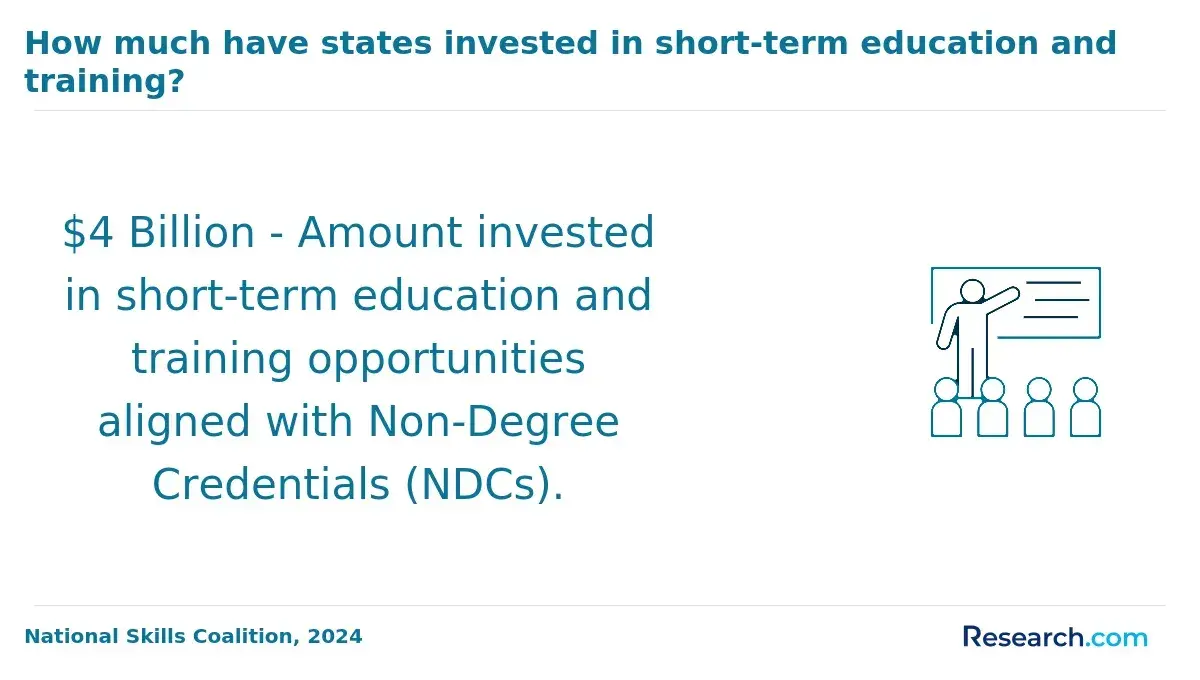
Adult learners face a different set of pressures shaped by overlapping professional and personal responsibilities. Many return to education after extended absences, confronting gaps in academic preparedness compounded by the need to balance full-time employment, family caregiving, and limited scheduling flexibility. Financial constraints weigh heavily, with the 2024 National Center for Education Statistics reporting that 62% of adult learners identify cost as a major barrier to completion.
Their educational pathways demand institutions offer adaptable formats like remote learning and flexible deadlines to accommodate these competing demands without sacrificing progress.
Institutions delivering applied business & technology programs must tailor support services and advising to these distinct needs, recognizing that a one-size-fits-all approach often falls short. Flexible learning modalities, career-relevant skill development, and targeted academic support are increasingly critical to bridge gaps for adult learners while helping traditional students build effective study habits within structured frameworks.
Addressing these nuanced challenges enhances retention and aligns program outcomes more closely with diverse student circumstances and evolving workforce expectations.
How Does Age Affect Applied Business & Technology Degree Student Retention?
Retention challenges among younger applied business & technology students often stem from their ongoing adjustment to academic demands and fluctuating motivation. Many face uncertainty about their career direction, which can hinder early commitment to degree completion. This group may also struggle with readiness for college-level rigor and balancing social or financial pressures, affecting persistence through the first crucial academic year. National Student Clearinghouse Research Center data from 2024 show that only about 57% of traditional-aged students continue from year one to year two in comparable programs, reflecting these compounded challenges.
Older adult learners in applied business & technology programs typically display higher retention rates-nearly 68% persist into their second year-driven largely by clearer objectives tied to employment needs and skill acquisition. Yet, their retention is tempered by external demands such as managing work schedules and family responsibilities, which require institutions to offer flexible learning options. While their life experience fosters goal-oriented persistence, time constraints and competing priorities underscore the necessity for supportive structures like online courses and adaptable scheduling to sustain progress.
One graduate recalled navigating a rolling admissions cycle while juggling full-time employment and childcare, delaying application submission due to concerns about meeting prerequisite documentation. Although worried about losing her spot, she ultimately found that ongoing communication with admissions staff allowed her to complete enrollment without penalty. This experience highlighted how timing and preparedness, especially for adult learners balancing multiple obligations, significantly shape early retention prospects in applied business & technology programs.
Which Applied Business & Technology Specializations Are Most Popular Among Adult Learners?
Among adult learners pursuing an applied business and technology degree, specialization choices reflect strategic career decisions centered on immediate applicability and alignment with existing professional experience. Unlike traditional students who may lean toward more technical fields, adult learners emphasize programs that enhance managerial, operational, and leadership capabilities to facilitate salary growth, lateral moves, or longer-term industry transitions.
Enrollment trends strongly favor specializations that integrate business acumen with practical technology skills, reflecting labor market demand for adaptable professionals capable of bridging organizational and technical domains. According to the National Center for Education Statistics 2024 update, these trends align with a broader shift toward adult learners selecting applied business and technology degree specializations for adult learners who need clear returns on their educational investment.
- Project Management: This specialization's popularity stems from its cross-industry applicability and direct link to certification pathways valued by employers. Working professionals often seek it to validate and expand skills essential for overseeing complex projects, improving team efficiency, and securing promotions.
- Information Systems Management: Adult learners gravitate here because it merges IT knowledge with business strategy, meeting employer demand for professionals who can manage technology deployment aligned with organizational goals. Career advancement and salary improvement often motivate this choice.
- Organizational Leadership: Reflecting needs in mid-to-senior management, this specialization supports skill upgrading in team coordination and strategic planning. Its alignment with growing sectors like healthcare administration and consulting makes it attractive for career reinvention.
- Business Analytics: Although less popular among adult learners than younger cohorts, this specialization attracts those aiming to leverage data-informed decision-making in managerial roles, balancing technical skills with business relevance.
- Supply Chain Management: This field's operational focus appeals to professionals aiming to improve logistical efficiency and respond to evolving global trade demands, often translating into tangible career mobility.
Employers increasingly value the combination of prior work experience and updated skill sets from these specializations, confirming that adult learners' choices reflect a calculated approach to workforce reskilling and functional expertise expansion. These patterns contrast with more technically intensive specializations favored by traditional students, illustrating distinct motivations in specialization selection among segments of the applied business and technology programs.
For those weighing options, evaluating programs that offer flexibility and demonstrable alignment with labor market trends can be critical. Accessible options for upgrading skills are also important, as adult learners often balance education with ongoing employment. In this context, understanding the nuances of the most sought-after applied business and technology programs among mature students can guide informed decisions toward sustainable career progression.
For example, insights into program affordability and practical outcomes can be explored via resources detailing affordable online masters in history, offering a model of accessible, career-relevant graduate education.
How Does Age Affect Job Opportunities for Applied Business & Technology Graduates?
Younger graduates in applied business & technology commonly access job opportunities primarily through entry-level roles and internship pipelines that emphasize adaptability and foundational technical skills. Employers often view this cohort as more malleable and willing to integrate into evolving organizational cultures, although they typically lack extensive professional experience. This dynamic influences early-career hiring patterns toward training-focused positions with limited immediate leadership prospects.
The impact of age on career opportunities for applied business and technology alumni is evident in these structured onboarding processes, which frequently prioritize candidates aged 18 to 24 for roles demanding rapid skill acquisition but minimal prior work history.
Conversely, older applied business & technology graduates benefit from accumulated work experience and transferable skills that can support lateral or mid-level career entry, especially when their education complements existing expertise. Labor market data from the U.S. Bureau of Labor Statistics in 2024 indicates faster promotion rates for individuals with relevant prior experience, although employer biases regarding technological fluency and adaptability can hinder hiring outcomes for this group. These candidates may face challenges integrating into workplace cultures or wrestling with age-related stereotypes despite often holding competitive qualifications.
Prospective students assessing their paths would do well to consider these nuances, including those exploring specialized fields like careers in forensics, where experience and ongoing education intersect crucially with hiring practices.
What Do Current Applied Business & Technology Enrollment Trends Reveal About Future Demand?
Shifts in enrollment within applied business & technology programs reflect evolving perceptions of career value among diverse student groups. While traditional college-age students continue to pursue these degrees for foundational skills and early workforce entry, a notable rise in adult learners highlights growing demand for credentials that facilitate reskilling and professional agility.
This demographic shift underscores an increasing preference for programs offering flexible delivery formats, such as hybrid and online options, which better accommodate working adults' schedules and learning needs.
These enrollment patterns align closely with labor market dynamics underscored by technological advancement and employer demand for practical competencies. A 2024 report from the Bureau of Labor Statistics projects an 8% employment growth in related occupations over a decade, signaling expanding industry needs and workforce shortages.
As automation reshapes business functions, programs that integrate employer collaboration and lifelong learning pathways are likely to expand, reflecting ongoing industry specialization and reinforcing the strategic importance of applied business & technology education in maintaining workforce relevance.
References
- Adult learners: who they are and what they want out of college | EAB https://eab.com/resources/blog/adult-education-blog/adult-learners-who-they-are-what-they-want-college/
- Younger Generations Continue Starting Businesses at Highest Rates, According to Latest GEM USA Report GEM Global Entrepreneurship Monitor https://www.gemconsortium.org/news/younger-generations-continue-starting-businesses-at-highest-rates%2C-according-to-latest-gem-usa-report
- 8 Reasons Why You Should Study Business Administration I CBS https://www.cbs.de/en/blog/why-study-business-administration
- How Higher Education Institutions Can Address the Needs of Adult Learners https://www.higheredtoday.org/2022/04/18/how-higher-education-institutions-can-address-the-needs-of-adult-learners/
- 10 Must-Know Small Business Tech Trends for 2026 https://www.zoom.com/en/blog/small-business-tech-trends/
- The End of the Traditional Student Era: Higher Ed’s New Enrollment Reality - Collegis Education https://collegiseducation.com/insights/end-of-traditional-student-era/
- Making sure you're not a bot! https://www.iastatedigitalpress.com/jtmae/article/id/14484/
- 8 Reasons to Go Back to School as an Adult https://chartercollege.edu/news-hub/reasons-go-back-school-even-adult/
- The Benefits of College for Adult Learners - ReUp Education https://reupeducation.com/blog/the-benefits-of-college-for-adult-learners/
- 10 Trends in Business Education Every Student Should Know https://beal.edu/trends-in-business-education/
Other Things You Should Know About Applied Business & Technology
Traditional students often prefer on-campus or hybrid formats that provide a full campus experience and direct interaction with peers and faculty. Adult learners, balancing work and family responsibilities, gravitate toward fully online or asynchronous programs for flexibility. This divergence means institutions must carefully design program delivery to meet each group's learning and scheduling needs, as adult learner enrollment may decline if programs lack flexible formats tailored to their circumstances.
Adult learners frequently juggle full-time employment and family duties alongside their studies, making high-intensity course loads impractical. While traditional students may handle heavier semester workloads or back-to-back classes, adult learners benefit more from reduced or part-time course options that sustain progress without burnout. Prioritizing manageable workloads for adult learners is crucial to retention and degree completion but may extend time to graduation compared to traditional counterparts.
For adult learners, prioritizing flexibility in course scheduling, accessible online resources, and streamlined administrative support tends to yield better educational outcomes and degree completion. Traditional students may gain more from on-campus resources such as networking events, in-person mentoring, and peer collaboration, which support career entry. Assessing personal circumstances and career goals is vital; those needing balance should favor flexibility, while those seeking robust campus engagement might lean toward traditional setups.