2027 Applied Business & Technology Career Hotspots: Cities With the Best Pay, Job Openings, and Growth

Co-Founder and Chief Data Scientist
An individual preparing to launch or advance a career in applied business & technology faces a pivotal decision: where to establish themselves professionally. This choice shapes access to high-paying roles, abundant job openings, and long-term growth opportunities. For recent graduates or early-career professionals, a city's economic landscape, industry concentration, and emerging tech hubs profoundly impact their ability to build a successful career.
Recent labor market data from the U. S. Bureau of Labor Statistics shows that metropolitan areas with specialized business and technology sectors experience growth rates 25% higher than the national average. These trends underscore how location can widen or narrow career trajectories for applied business & technology practitioners. This article examines the cities offering the strongest career opportunities for applied business & technology graduates, focusing on pay scales, job openings, and growth potential in 2024 and beyond.
Key Things to Know About Applied Business & Technology Career Hotspots
- Higher salaries in tech-centric cities like San Francisco, where median applied business & technology roles exceed $95,000 annually, reflect concentrated industry demand, guiding candidates to weigh living costs against income benefits.
- Urban job openings vary widely; Dallas leads with a 12% annual employment growth rate, signaling expanding opportunities but requiring readiness for regional market competition and sector specialization.
- Strong industry demand in manufacturing hubs such as Detroit prioritizes applied business & technology skills linked to automation, requiring tailored training to align with evolving local employer needs.
- Key Things to Know About Applied Business & Technology Career Hotspots Key Things to Know About Applied Business & Technology Career Hotspots
- Which Cities Offer the Best Career Opportunities for Applied Business & Technology Graduates? Which Cities Offer the Best Career Opportunities for Applied Business & Technology Graduates?
- Which Cities Pay the Highest Salaries for Applied Business & Technology Professionals? Top-Paying Cities
- Which Cities Have the Fastest Job Growth for Applied Business & Technology Careers? Fastest Job Growth
- Which Industries Drive Applied Business & Technology Hiring in Different Cities? Hiring Industries
- How Does Cost of Living Affect Applied Business & Technology Career Value by City? Living Cost
- Which Skills Help Applied Business & Technology Graduates Compete in Top Job Markets? Which Skills Help Applied Business & Technology Graduates Compete in Top Job Markets?
- How Do Remote and Hybrid Work Affect Applied Business & Technology Career Hotspots? Remote Work
- How Can Students Prepare for Relocating to a Applied Business & Technology Career Hotspot? Relocation Tips
- How Do Different Applied Business & Technology Career Hotspots Compare? City Comparison
- Which City Best Fits Your Applied Business & Technology Career Goals? Best City
Which Cities Offer the Best Career Opportunities for Applied Business & Technology Graduates?
Choosing the right city after earning a degree in applied business & technology goes beyond simply targeting the highest salary. Employers' demand, concentration of relevant industries, and regional economic stability heavily influence job availability and career longevity. For example, San Francisco offers top pay exceeding $110,000 annually and strong job growth tied to its tech hub economy, but high living costs may erode take-home earnings and quality of life. Conversely, cities like Austin show rapid employment expansion at nearly 15%, providing more entry-level openings and entrepreneurial opportunities that might better serve graduates seeking a balance between career growth and affordability. Seattle and Boston also demonstrate robust markets with competitive salaries and diverse industry bases, making them strong candidates for those prioritizing both advancement and job security.
Evaluating career prospects in applied business & technology requires considering multiple factors rather than compensation alone. The best U.S. cities for applied business and technology careers integrate competitive salaries with projected employment growth and a healthy number of openings to sustain upward mobility. Raleigh-Durham, for instance, leverages its research universities and burgeoning tech sector to maintain above-average salary levels while offering steady job growth. This multifaceted approach helps graduates align their location choices with long-term professional goals and lifestyle preferences. Those weighing career paths should explore nuanced scenarios-such as a data analyst favoring a city with cloud computing investments or a business technologist drawn to startup ecosystems-to make informed decisions that reflect both industry trends and personal ambition.
For early-career professionals needing clarity on educational pathways linked to these urban opportunities, understanding what is the easiest masters degree to get online can aid in strategic upskilling. Ultimately, selecting the ideal metropolitan area involves a careful balance of employer demand, salary scales, and growth forecasts, calibrated to an individual's specialization and career vision within applied business & technology.
Which Cities Pay the Highest Salaries for Applied Business & Technology Professionals?
Salaries for applied business & technology professionals vary significantly across U.S. cities due to local industry concentration, cost of living, and labor market conditions. Geographic location influences not only earning potential but the practical value of those earnings when weighed against expenses like housing and transportation. For example, a salary that seems lucrative in one metro area might offer much less spending power in another with a higher cost base. Moreover, cities with diversified economies and growing tech sectors often provide stronger long-term opportunities beyond base pay. Below are some of the top-paying U.S. cities where applied business & technology professionals can find the highest salaries and robust employment prospects.
- San Francisco, California: San Francisco leads with an average annual salary near $115,000 for applied business & technology roles, fueled by its dense cluster of major tech corporations and financial institutions. Although this salary tops national averages, workers should consider the city's extremely high living costs, particularly housing, which may offset take-home gains.
- Seattle, Washington: Seattle's tech-driven economy offers salaries averaging about $105,000, supported by giants in cloud computing and software development. Rising startups and an upward labor market growth rate add to Seattle's appeal, though local housing prices and urban expenses remain above the national median.
- Austin, Texas: Offering a balance of attractive salaries around $95,000 and a notably lower cost of living, Austin is drawing many early-career professionals and recent graduates. Its expanding sectors in enterprise software and cybersecurity allow for competitive pay without the high expenses seen in coastal tech hubs.
- Boston, Massachusetts: Boston commands salaries close to $100,000, propelled by its biotech, financial tech sectors, and strong academic presence. While pay is robust, high regional costs, especially housing and commuting, are important considerations for professionals evaluating net benefits.
- New York City, New York: New York's diverse economy drives robust demand for applied business & technology talent, with salaries typically exceeding $100,000 in finance and tech roles. The city's broad industry base and networking opportunities offer career growth, but the steep cost of living can erode real wage advantages.
For those planning to enter this field, understanding these dynamics is crucial. Choosing a location should factor in not only salary levels but also market stability and lifestyle impacts. Additionally, individuals seeking to maximize their return on investment might explore programs offering the cheapest bachelor degree online, enabling flexibility to live in higher-paying metro areas without incurring excessive debt.
Which Cities Have the Fastest Job Growth for Applied Business & Technology Careers?
Employment growth for applied business & technology careers in the U.S. is uneven across metro areas, reflecting distinct economic drivers and industry presences. Rapidly expanding markets often combine technology innovation with strong business service sectors, creating a complex demand for professionals who can navigate both spheres. These cities provide not just job openings but also diverse pathways-ranging from startups to enterprise-level firms-that shape career trajectories in nuanced ways. Understanding where growth occurs, and the factors behind it, helps prospective graduates prioritize their job search and professional development more strategically.
Below are five U.S. cities experiencing the fastest employment growth for applied business & technology occupations, with considerations about what fuels their labor markets and opportunities they offer.
- Austin, Texas:Austin leads with a 6.5% increase in applied business & technology roles, anchored by a thriving startup scene and expansion of established tech companies. The city's ecosystem values versatile skills like data analytics and business process automation, making it a hotspot for professionals seeking innovative and well-compensated roles.
- Raleigh, North Carolina:Raleigh posts a 5.8% job growth rate driven by its strong educational institutions and focus on fintech, healthcare IT, and IT consulting sectors. Its evolving role requirements mean professionals must continuously upskill, as competition within this rapidly expanding market is intensifying.
- Denver, Colorado:At 5.2%, Denver's applied business & technology employment growth is supported by a diversified economy that includes financial services, telecommunications, and advanced manufacturing. This stability appeals to those aiming for long-term positioning in both established firms and emerging ventures.
- Salt Lake City, Utah:With growing tech integrations within financial services and healthcare, Salt Lake City has seen increased demand for cross-disciplinary applied business & technology expertise, particularly in digital transformation roles, supporting sustained career progression.
- Charlotte, North Carolina:Charlotte benefits from its status as a financial hub with growing tech-driven banking services, fostering a 5.0% rise in related occupations. The city's blend of traditional finance and new technology roles offers diverse opportunities but requires adapting to fast-evolving industry standards.
A recent graduate who relocated to Austin described the decision as a "calculated risk." Initially hesitant about competition, the graduate found that thriving startups demanded agile skills beyond textbook knowledge-particularly in project management combined with data-driven business insights. The rapid pace meant early projects were challenging, but the supportive entrepreneurial environment facilitated growth opportunities unmatched in smaller markets. This balance of pressure and potential reflected the complex realities behind Austin's headline growth figures, illustrating how rapid expansion influences individual career experiences beyond mere job counts.
Which Industries Drive Applied Business & Technology Hiring in Different Cities?
The landscape of hiring for applied business & technology careers reflects the regional dominance of key industries, each driving distinct workforce needs. Understanding which sectors lead demand in various cities can help professionals target locations offering not only immediate jobs but also future growth potential. Recent data from the U.S. Bureau of Labor Statistics and 2024 industry reports highlight the importance of aligning one's skill set with local industry trends rather than relying solely on generic job market assumptions. Below are the principal industries shaping opportunities for applied business & technology practitioners across major U.S. urban centers.
- Technology Sector: Concentrated in innovation hubs like San Francisco, Seattle, and Austin, this sector demands skills in software development, cybersecurity, and cloud computing. The rapidly evolving tech environment fuels persistent need for professionals who can implement and secure digital systems, making these cities prime for those focused on cutting-edge applied business & technology roles.
- Financial Services: In metropolitan areas such as New York City and Chicago, financial services drive employment through data analytics, fintech, and business intelligence roles. These cities offer positions tied to investment management and banking platforms, valuing professionals who blend business acumen with technological proficiency to optimize financial operations.
- Healthcare Industry: Cities like Boston and Minneapolis are expanding healthcare IT and medical technology sectors that integrate complex data management and regulatory compliance. This generates demand for applied business & technology experts capable of enhancing clinical and administrative systems, reflecting a blend of healthcare knowledge with information technology skills.
- Manufacturing and Advanced Production: Manufacturing centers including Detroit and Pittsburgh focus on automation, robotics, and supply chain innovation. These industries require applied business & technology workers skilled in operational efficiency and digital integration to support modernization efforts and sustain competitive advantage in a legacy industry.
- Renewable Energy and Sustainability: Emerging markets in Denver and Portland emphasize green technologies and smart infrastructure projects. Here, applied business & technology professionals contribute to analyzing data and deploying systems that advance sustainability goals and urban resilience, indicating expanding opportunities as cities prioritize environmental impact.
- Smart Infrastructure and Urban Tech: Beyond renewable energy, cities investing in smart city initiatives require specialists in data analytics and IoT applications to manage complex urban systems. This sector blends technical expertise with business strategy, creating multifaceted roles in growing urban centers nationwide.
How Does Cost of Living Affect Applied Business & Technology Career Value by City?
Salary figures alone rarely tell the full story of career value in applied business & technology fields across U.S. cities. The high salaries reported in hubs like San Francisco and New York, often exceeding $100,000 annually, are offset by steep housing costs, transportation challenges, and elevated taxes and healthcare expenses. For example, an early-career professional earning $95,000 in San Francisco might find that two-thirds of their income goes toward rent and commuting, leaving less disposable income despite the impressive salary. This illustrates how cost of living directly erodes purchasing power, making moderate salaries in more affordable locales potentially more advantageous.
Cities such as Austin, TX, and Raleigh, NC, offer a compelling counterpoint with salaries in the $75,000 to $90,000 range paired with living costs 15-25% below major metropolitan centers. These lower expenses can allow for higher savings rates, reduced reliance on debt, and better quality of life despite a lower nominal wage. Recent data underscores that regional affordability and career value for applied business and technology professionals improve greatly when total living costs are factored in alongside salary. For students evaluating educational pathways, including the pursuit of accelerated online MFT programs or related qualifications, understanding these trade-offs is critical for long-term financial resilience and job satisfaction.
Moreover, as employment growth projections from the U.S. Bureau of Labor Statistics show an 8-15% increase in tech-related roles concentrated in medium-sized cities with manageable living costs, these emerging markets promise sustainable career opportunities. Prioritizing purchasing power and everyday expenses over headline salary figures allows for a more strategic approach to city selection. Ultimately, assessing the cost of living impact on applied business and technology salaries in U.S. cities means recognizing that a lower paycheck in an affordable city can produce better financial outcomes than a higher paycheck in an expensive metro area.
Which Skills Help Applied Business & Technology Graduates Compete in Top Job Markets?
Employers in major job markets increasingly prefer candidates who not only possess technical expertise but also demonstrate adaptable professional skills. This dual competency enables graduates to navigate multifaceted challenges where business objectives intersect with technological demands. For example, a data analyst in a competitive metro area like Boston may need to both interpret complex datasets and communicate actionable insights to non-technical stakeholders. Such roles demand fluency across disciplines, making it essential for candidates to cultivate a comprehensive skill set that goes beyond narrow specialization. Below are five key skills that give applied business & technology graduates a competitive advantage in demanding employment landscapes.
- Data Analytics Proficiency: Mastering data interpretation tools like SQL or Python enhances decision-making accuracy. Employers reward candidates who can transform raw data into strategic insights, particularly in metro areas with dense corporate hubs. Practical experience through internships or data-driven projects helps build this capability.
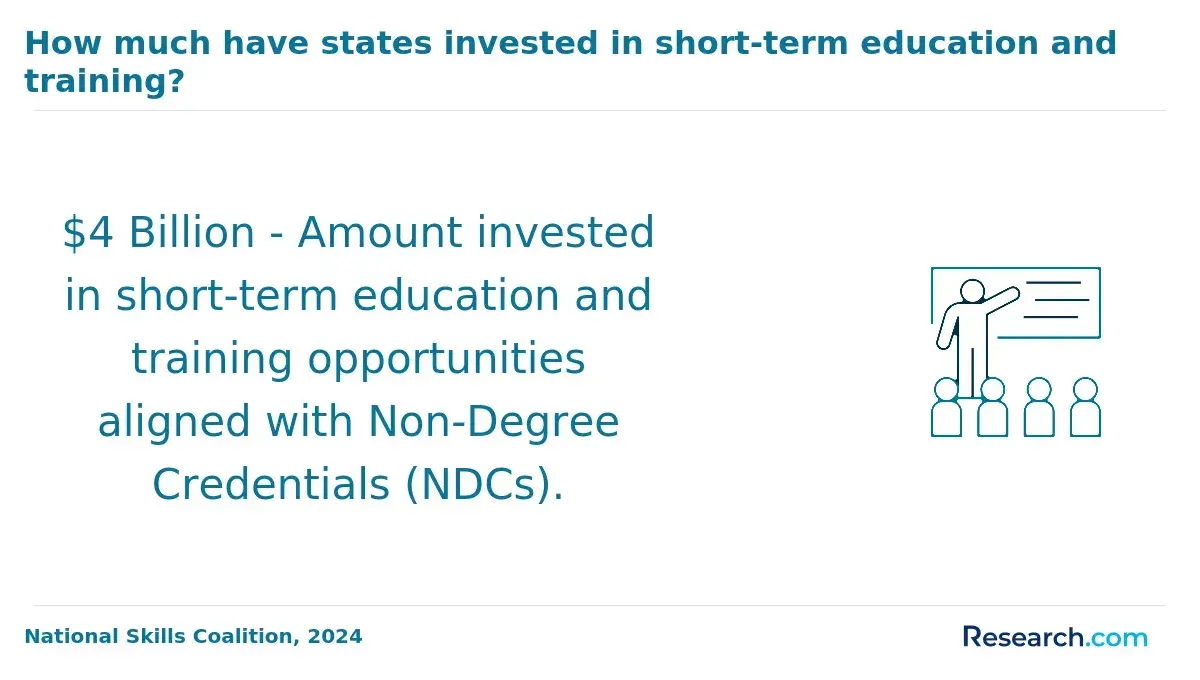
- Enterprise Software Familiarity: Knowledge of ERP systems such as SAP or Oracle supports streamlined operations and integration across departments. Given the 72% employer demand for these skills reported by the National Skills Coalition, hands-on training or certifications remain critical for career differentiation.
- Cybersecurity Fundamentals: Understanding basic security protocols protects business assets and ensures regulatory compliance. As cyber threats escalate, firms in tech-heavy cities like Seattle prioritize candidates who can safeguard digital infrastructures, making this an essential foundational skill.
- Communication & Translation Skills: The ability to convert technical jargon into clear business strategies is vital. Growing regions like Austin seek professionals who bridge technology and business by facilitating cross-functional collaboration, which can be honed through project-based teamwork and presentations.
- Emotional Intelligence & Adaptability: The fast innovation cycle in urban markets rewards candidates who navigate change with empathy and resilience. According to LinkedIn's 2024 Workforce Report, these soft skills contribute to 30% more interview callbacks, emphasizing their role alongside technical proficiency.
How Do Remote and Hybrid Work Affect Applied Business & Technology Career Hotspots?
The expansion of remote and hybrid work models has redefined the relevance of traditional career hubs for applied business & technology professionals. While cities like San Francisco and New York remain influential due to their dense technology ecosystems and networking infrastructure, recent data from the U.S. Bureau of Labor Statistics and Pew Research Center (2024) reveal that around 40% of workers in technology-related business roles now operate in hybrid or fully remote settings. This shift enables talent to engage with employers beyond local geographic constraints, increasing access to diverse job markets that include emerging centers such as Austin and Raleigh. However, many roles within applied business & technology still depend on in-person collaboration and physical presence, especially in industries where proximity to innovation clusters and infrastructure is integral to competitive compensation and rapid career growth.
The impact of remote and hybrid work on employment opportunities varies according to occupation, employer practices, and regional labor conditions. Organizations prioritizing outcome-based performance often embrace flexible schedules, yet not all firms offer the same level of remote integration, affecting job availability and advancement possibilities. Networking remains a critical factor; cities with strong professional communities provide advantages in mentorship and visible career pathways that remote work can only partially replicate. According to a 2024 Gartner report, 72% of employers in these sectors consider hybrid arrangements key to attracting talent, but sustaining long-term growth frequently necessitates engaging with local labor market dynamics and maintaining connections that virtual settings cannot fully substitute.
One applied business & technology graduate recalled hesitating before accepting a hybrid role based out of a smaller city known more for cost-effective living than a robust tech scene. Although initially concerned about missing the energy and opportunities in major hubs, they found that remote work opened doors to roles in firms headquartered elsewhere, broadening their career prospects without the pressure to relocate. Over time, the graduate balanced attending occasional on-site meetings with leveraging virtual professional groups to remain connected. This combination offered a relief from urban living costs while still fostering career momentum, illustrating how hybrid work can reshape but not eliminate the value of traditional industry hotspots.
How Can Students Prepare for Relocating to a Applied Business & Technology Career Hotspot?
Successfully relocating to a business and technology career hotspot requires more than simply securing a job offer; it demands strategic planning well before graduation. Students must navigate complex factors like local economic trends, cost-of-living variations, and industry skill demands to ensure both short-term stability and long-term growth. For example, a graduate aiming to move to Seattle's thriving tech market should prepare financially for high housing costs while aligning their skill set with dominant local sectors such as cloud computing and data analytics. Below are practical steps to help Applied Business & Technology students ready themselves for a smooth transition to top U.S. career hotspots.
- Research Target Job Markets: Understanding employment growth, salary ranges, and dominant industries in cities like Austin, Seattle, and Boston enables students to tailor their education and certifications. The U.S. Bureau of Labor Statistics' 2024 data highlights these cities as prime hotspots with robust opportunities in business and technology fields.
- Develop Relevant Skills: Acquiring expertise in emerging tools such as advanced programming languages or business analytics improves competitiveness. Aligning skills with specific city demands can create a critical advantage when pursuing job openings in the chosen region.
- Build Professional Networks: Networking through professional organizations, virtual meetups, and industry conferences significantly impacts job placement, as confirmed by LinkedIn studies in 2024. Early engagement fosters connections that ease relocation and uncover hidden opportunities.
- Plan Financially: Accounting for cost-of-living differences, especially housing and transportation, is critical. Strategies like securing temporary housing or roommate arrangements can reduce initial financial stress, supported by data from the Council for Community and Economic Research.
- Gain Local Experience: Securing internships or co-op positions in the target city before moving provides insight into local corporate culture and builds stronger resumes. Universities and career centers often support placements in high-demand metropolitan areas, as noted by the National Association of Colleges and Employers' findings.
Students looking for cost-effective educational pathways might explore programs offering the cheapest data science degree, which can complement the skills needed in Applied Business & Technology hotspots.
How Do Different Applied Business & Technology Career Hotspots Compare?
No single city stands out as the best for every applied business & technology graduate because career outcomes depend on a complex mix of salary, job availability, industry presence, cost of living, and long-term growth potential. Evaluating multiple labor market factors rather than focusing solely on pay or openings leads to more strategic decisions. This approach helps students and early-career professionals align their priorities with the unique advantages and tradeoffs each metropolitan area offers. Below are key comparisons among prominent applied business & technology career hotspots.
- San Jose, California: Known for some of the highest average salaries in the nation-often exceeding $110,000 annually-San Jose benefits those targeting senior roles in business analysis, data science, and IT management. However, its significantly high cost of living may negate much of this financial advantage for recent graduates.
- San Francisco, California: Similar to San Jose, San Francisco offers robust pay and a concentration of tech-driven companies. It provides strong job openings in advanced analytics and technology strategy, though the steep housing expenses might limit quality of life for those early in their careers.
- Austin, Texas: Austin stands out for balancing moderate salaries ranging roughly from $80,000 to $95,000 with rapid workforce expansion fueled by startups and digital infrastructure growth. It is often ideal for those prioritizing career growth and affordable living.
- Raleigh, North Carolina: Raleigh exhibits a thriving applied business & technology market with competitive salaries and a high pace of job creation, backed by investments in technology hubs. It offers a friendly environment for early-career professionals seeking upward mobility without the stress of extreme living costs.
- Chicago, Illinois: Chicago provides diversity in industry sectors and specialization opportunities coupled with competitive salaries and relatively lower living costs than coastal hubs. It suits professionals looking for both breadth of employment options and sustainable expenses.
- Atlanta, Georgia: As an emerging hub, Atlanta mixes increasing job openings across business and technology with a cost of living advantage. Corporate relocations and expanding industries here signal strong long-term growth potential.
- Midwestern and Southeastern Emerging Markets: These regions generally offer promising long-term career growth supported by expanding industries and investments, benefiting graduates willing to trade off immediate top-tier salaries for stability and growth.
When planning your career path, consider these geographic differences carefully-balancing salary expectations, job growth, and cost-of-living tradeoffs can optimize your prospects in applied business & technology. For those wondering how much is criminal justice school, similar considerations about location-specific costs and opportunities apply.
Which City Best Fits Your Applied Business & Technology Career Goals?
Choosing a city for your applied business & technology career requires moving beyond surface-level salary comparisons or job rankings. The best location depends on your specific professional goals, industry focus, and lifestyle preferences. For example, a high salary in San Francisco, averaging over $110,000 in 2024 according to the U.S. Bureau of Labor Statistics, must be weighed against its significantly higher cost of living. Meanwhile, Austin offers a lower average salary near $85,000 but benefits from more affordable living expenses and projected job growth of over 15% through 2026, especially in software development and business solutions.
Seattle presents a balanced option with competitive salaries near $100,000 and strong expansion in cloud computing and e-commerce, supported by substantial investment in tech infrastructure. When evaluating cities, consider employment growth rates, industry concentration, cost of living, and networking opportunities holistically. Your personal work style and long-term sustainability-whether prioritizing early-career job openings or gradual advancement-also influence this decision.
Ultimately, no single metro area universally outperforms others for every applied business & technology graduate. The ideal city aligns with your unique combination of professional ambitions and personal circumstances, as supported by recent 2024 employment and salary data from major government and industry sources. Thoughtful analysis of these factors ensures a strategic relocation that supports lasting career and lifestyle success.
References
- Life at Applied | Careers at Applied Systems https://www1.appliedsystems.com/en-us/about-us/jobs/
- The cities that supercharge your career https://www.bbc.com/worklife/article/20170509-the-cities-that-supercharge-your-career
- Up and Coming Best Cities & Places for Tech Jobs https://www.computerscience.org/resources/tech-cities-for-recent-grads/
- Top 10 IT destinations in the world https://www.suojobs.com/blog-detail.php
- IT Career Path: A Guide to Opportunities and Growth - ICMS https://www.icms.edu.au/degree-discovery/it-career-path-guide-opportunities-and-growth/
- Choose a Career Where Business and Technology Collide https://www.wlu.ca/future-students/undergraduate/assets/resources/business-and-technology-career.html
- Top 10 Highest Paying Jobs with a Business Degree in Amsterdam https://www.ue-amsterdam.com/blog/top-10-highest-paying-jobs-with-a-business-degree-in-amsterdam
- The Most In-Demand Skills for Global Careers in Business, Technology, and Management https://www.swissuniversity.com/post/the-most-in-demand-skills-for-global-careers-in-business-technology-and-management
- Remote & Hybrid Careers https://jobs.baesystems.com/global/en/remote-hybrid
- 25 Hotspots For Digital Careers In Europe (And Beyond!) - Pentasia https://www.pentasia.com/blog/25-hotspots-for-digital-careers-in-europe-beyond-189
Other Things You Should Know About Applied Business & Technology
Higher starting pay in some cities often corresponds to competitive markets with demanding workloads and limited upward mobility. Conversely, cities with moderate entry salaries may offer richer professional development, mentorship, and clearer promotion tracks. For early-career professionals, prioritizing cities known for robust career advancement opportunities over immediate salary spikes can lead to better long-term earnings and job satisfaction. Evaluating local employer practices and turnover rates alongside pay data is crucial to making an informed choice.
Top educational programs in applied business & technology may not always be located in the highest-paying cities, leading students to choose between superior academics and richer professional networks. While prestigious programs provide stronger technical foundations, cities with extensive industry hubs allow faster access to internships and industry events. For many, selecting a city that balances a credible program with active local employers maximizes real-world readiness and job placement chances. Prioritize cities where sponsored projects and employer partnerships align with career goals over raw program rankings alone.
High concentrations of applied business & technology workers in a city can signal vibrant ecosystems but also fierce competition for roles and promotions. Oversupply may depress wage growth and increase voluntary job changes due to better alternatives elsewhere. Conversely, moderately sized markets with growing demand can offer steadier advancement but fewer immediate openings. Professionals should assess labor market reports for their specialization and prefer cities exhibiting balanced supply-demand dynamics that support sustained career growth without oversaturation.
Employers in different cities often foreground distinct skills based on local industry composition and innovation levels-some may emphasize data analytics and digital transformation, while others prioritize project management and client-facing experience. Understanding these regional nuances helps graduates tailor their learning, certifications, and internships to match employer demand rather than generic skill sets. Prospective professionals should proactively research city-specific job descriptions and seek mentorship to cultivate competencies that align with local hiring trends and expected career trajectories.