
2027 How to Become a Business Development Officer: Education, Salary, and Job Outlook

Co-Founder and Chief Data Scientist
Becoming a business development officer is a strong option for people who want a career at the intersection of sales, strategy, market research, partnerships, and revenue growth. The role is not limited to cold outreach or closing deals. Business development officers help organizations decide where to grow, which clients or partners to pursue, how to position new offerings, and how to turn market insight into measurable business opportunities.
This career can fit graduates, sales professionals, marketing specialists, analysts, entrepreneurs, and mid-career professionals who enjoy building relationships and solving commercial problems. It also rewards people who can combine data-driven thinking with persuasive communication, because employers increasingly expect business development teams to use CRM systems, automation, market intelligence tools, and financial analysis to guide decisions.
This guide explains the credentials, skills, internships, career paths, salary expectations, work settings, challenges, and advancement strategies that can help you decide whether becoming a business development officer is the right next step.
What are the benefits of becoming a business development officer?
- The business development officer role is projected to grow by 11% through 2025, driven by expanding global markets and digital transformation initiatives.
- Average salaries range from $65,000 to $95,000 annually, with top earners benefiting from bonuses linked to successful deals.
- Careers in this field offer strategic influence and adaptability, making them ideal for those interested in innovation and cross-industry collaboration.
What credentials do you need to become a business development officer?
Most business development officer roles require a mix of formal education, practical sales or market experience, and evidence that you can identify growth opportunities. Employers usually care less about one single major and more about whether you can analyze markets, communicate with clients, build a pipeline, and contribute to revenue goals.
The most common credentials include:
- Bachelor's degree: Many employers prefer or require a bachelor's degree in business administration, marketing, finance, accounting, economics, communications, or a related field. These majors build a foundation in market analysis, customer behavior, financial decision-making, and business operations.
- Master's degree: An MBA or related graduate degree is not always required, but it can help candidates compete for senior, strategic, or management-level roles. Graduate study is especially useful for professionals moving into corporate strategy, enterprise partnerships, international business, or leadership positions.
- Professional certifications: Certifications for Business Development Professionals can strengthen a resume when they match the role. Credentials such as Certified Management Accountant or Certified Sales Professional may be useful for candidates who need to demonstrate financial, sales, or management expertise.
- Industry-specific preparation: Business development looks different across industries. A finance-focused BDO may need stronger financial modeling and risk analysis skills, while a marketing-focused BDO may need deeper knowledge of customer acquisition, positioning, and campaign strategy.
- Ongoing learning: Employers increasingly value candidates who understand data analytics, digital marketing, CRM platforms, automation tools, and technology-enabled sales processes. Short courses, certificates, workshops, and platform-specific training can help keep skills current.
- Practical experience: Internships, sales development roles, account support positions, market research projects, and client-facing jobs can all provide relevant experience. The strongest candidates can show measurable results, such as qualified leads generated, partnerships supported, proposals created, or revenue opportunities identified.
If you are still choosing an undergraduate path, reviewing popular college majors related to business can help you compare programs that build relevant analytical, financial, communication, and leadership skills.
What skills do you need to have as a business development officer?
A successful business development officer needs both commercial judgment and people skills. The role requires you to find opportunities before competitors do, qualify whether those opportunities are worth pursuing, and communicate value clearly enough to move prospects, partners, and internal teams toward action.
In 2025 and beyond, business development work is becoming more analytical and technology-assisted. AI, predictive analytics, automation, and CRM data can help identify promising accounts and improve outreach timing, but they do not replace trust-building, negotiation, industry knowledge, or strategic judgment.
- Market research and analysis: You need to understand market size, customer needs, competitor positioning, buying behavior, and industry trends. Strong BDOs do not chase every opportunity; they evaluate which ones are likely to produce profitable growth.
- Financial forecasting: Business development decisions often involve projected revenue, margins, customer acquisition costs, payback periods, and return on investment. You should be comfortable interpreting numbers and explaining the business case behind a proposal.
- Project management: Deals, partnerships, and expansion initiatives involve deadlines, stakeholders, documentation, follow-ups, and approvals. Good project management keeps opportunities from stalling after the first conversation.
- Sales and negotiation: BDOs must be able to qualify leads, present value, address objections, negotiate terms, and guide prospects toward next steps. The best negotiators protect both the relationship and the company's commercial interests.
- Technical proficiency: CRM platforms, automation tools, prospecting databases, reporting dashboards, and visualization software are now core business development tools. Technical fluency helps you work faster and make better-informed decisions.
- Strategic thinking: A BDO should connect daily outreach to broader company goals. That means understanding which customers, partners, channels, or regions support long-term growth rather than focusing only on short-term activity metrics.
- Communication and leadership: Clear writing, persuasive presentations, active listening, and internal influence are essential. You may need to align sales, marketing, product, finance, legal, and executive teams around the same opportunity.
- Networking: Business development depends on relationships. Effective networking means building useful, credible connections over time instead of only reaching out when you need something.
Common skill gaps to address early
- Relying too heavily on scripts: Templates can save time, but senior prospects expect tailored insight.
- Confusing activity with progress: More emails or calls do not matter if they are not reaching qualified prospects or advancing real opportunities.
- Ignoring financial impact: A promising relationship still needs a clear business case.
- Underusing CRM data: Poor data hygiene can weaken forecasting, follow-up, and management trust.
What is the typical career progression for a business development officer?
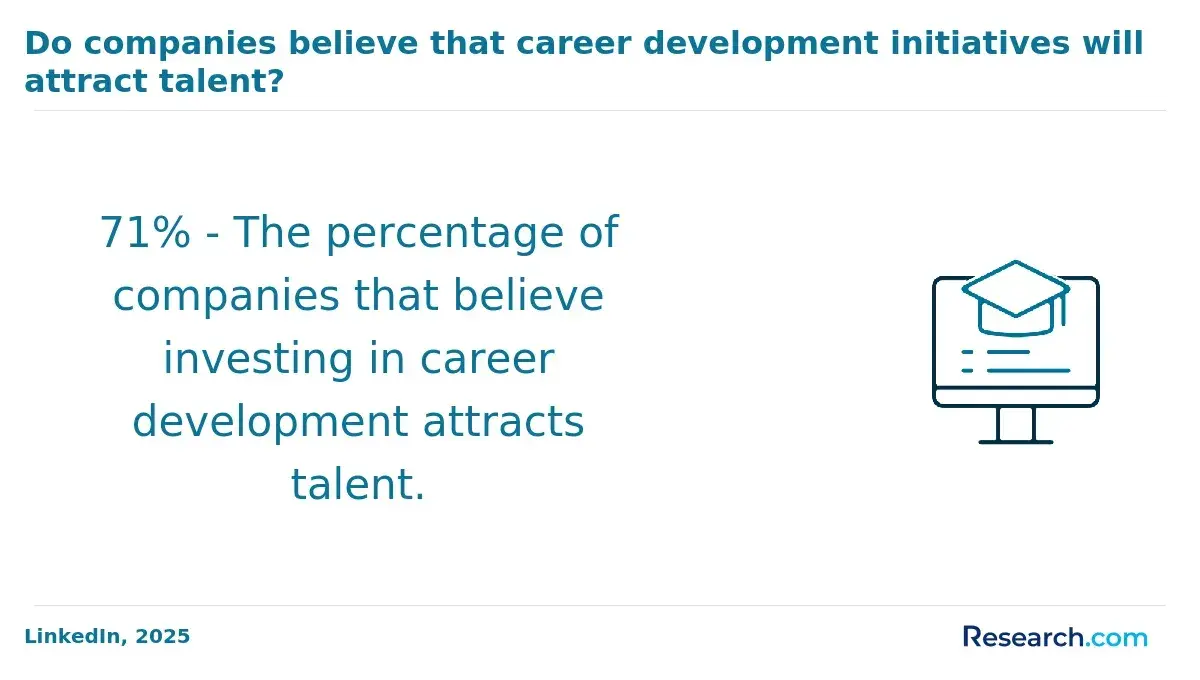
Business development careers usually progress from prospecting and lead generation to ownership of larger deals, strategic partnerships, team leadership, and executive growth strategy. The pace varies by industry, company size, performance, and whether the role is tied to sales, partnerships, corporate development, or market expansion.
- Business Development Representative or Sales Development Representative: Starting roles often focus on lead generation, outreach, prospect qualification, appointment setting, and early client engagement. This stage typically lasts 0-2 years and builds the discipline needed for pipeline development.
- Business Development Officer or Business Development Manager: After gaining experience, professionals often move into roles lasting around 2-5 years, where they manage sales pipelines, develop proposals, negotiate deals, and maintain client or partner relationships.
- Senior Business Development Manager or Team Lead: At about 5-7+ years, professionals may handle larger accounts, coach junior staff, manage complex opportunities, and coordinate small teams or market initiatives.
- Director of Business Development or Strategic Partnerships Lead: Around 7-10+ years, the work becomes more strategic. Responsibilities may include setting growth priorities, supervising multiple teams, building major partnerships, and aligning business development with company strategy.
- VP of Business Development, Chief Growth Officer, or Chief Revenue Officer: At the 10-15 years level, business development can lead to executive roles focused on company-wide growth, revenue strategy, partnership ecosystems, market expansion, and cross-functional leadership.
- Lateral career moves: Many professionals move into product management, growth marketing, account management, customer success, corporate strategy, or partnerships because business development builds transferable knowledge of customers, markets, competitors, and revenue models.
- Specialized paths: Technology, healthcare, finance, professional services, and other sectors often reward industry expertise. Hybrid selling models and virtual-first approaches are also becoming standard practices.
The strongest career progression usually comes from documenting measurable outcomes. Track qualified opportunities created, revenue influenced, partnerships launched, conversion rates improved, proposal win rates, market research contributions, and team leadership results.
Business development officer pay can vary widely because compensation often depends on industry, location, experience, company size, and whether the role includes commissions, bonuses, or equity. A BDO in a high-growth technology company or major financial market may have a very different pay structure from a BDO in a nonprofit, education, healthcare, or local services organization.
The average business development officer salary in the United States ranges between about $79,000 and $86,000 per year, with national averages reported at $79,430 and $86,227.
Entry-level salaries typically start near $50,000, while seasoned officers in competitive sectors or large markets can earn upwards of $124,000 annually. In major cities like New York, opportunities may push salaries from $100,000 to over $200,000, especially within specialized roles or high-demand industries.
What affects business development officer earnings?
- Experience: Senior officers who can show a record of closed deals, successful partnerships, market expansion, or revenue growth usually command higher pay.
- Industry: Technology, finance, and Web3 roles may offer stronger earning potential, especially when compensation includes variable pay or equity incentives.
- Location: Major urban markets often pay more because of employer demand, higher deal volume, and cost-of-living differences.
- Education and credentials: Advanced degrees or certifications can help candidates qualify for senior roles, though results and industry knowledge often matter just as much.
- Compensation structure: Base salary is only one part of pay. Some roles include performance bonuses, commissions, profit-sharing, or equity incentives.
When comparing offers, ask how success is measured, whether variable pay is realistic, what percentage of the team reaches targets, how territories or accounts are assigned, and whether the role is responsible for new business, partnerships, renewals, or all three.
For professionals who want a flexible path to improve their qualifications, online colleges with open admission policies may offer accessible options for continuing education while working.
The best internships for future business development officers are those that expose you to market research, client communication, lead generation, proposal writing, partnership support, competitive analysis, and revenue strategy. The title does not always have to say “business development.” Sales, marketing, strategy, partnerships, operations, and market research internships can also build relevant experience.
- Corporate business development internships: Corporations remain a common training ground. Interns may support market research, client outreach, proposal development, sales pipeline tracking, competitor analysis, and strategic planning in industries such as finance, technology, or manufacturing.
- Business development analyst internships: These roles are especially useful for students who want to strengthen research and quantitative skills. Tasks may include analyzing target markets, preparing reports, identifying potential accounts, and supporting go-to-market planning.
- Nonprofit and government internships: Nonprofit and public-sector organizations can provide experience in donor outreach, stakeholder engagement, grant support, public-private partnerships, and program development. These internships are useful for candidates interested in social impact, economic development, or community partnerships.
- Healthcare and pharmaceutical internships: Healthcare providers and pharmaceutical companies such as AbbVie may offer roles connected to integration projects, process improvements, quality assurance, cross-functional collaboration, and compliance-sensitive business initiatives.
- Industry-specific internships: Climate tech startups, sports management groups, professional services firms, and other niche organizations may involve commercialization strategy, partner outreach, industry analysis, and customer discovery. These experiences can help you build specialized market knowledge.
How to choose the right internship
- Look for measurable work: Choose roles where you can point to research completed, prospects identified, proposals supported, events organized, or partnerships developed.
- Prioritize client or stakeholder exposure: Even limited participation in meetings, outreach, or presentations can strengthen your readiness for full-time BDO roles.
- Ask about tools: Experience with CRM systems, prospecting platforms, spreadsheets, dashboards, or presentation tools can make your resume more competitive.
- Consider industry fit: If you want to work in technology, healthcare, finance, or sustainability, an internship in that sector can help you build vocabulary and credibility early.
Students who want to strengthen their qualifications further may consider an online masters degree cheap option, especially if they are balancing work, internships, and long-term career development.
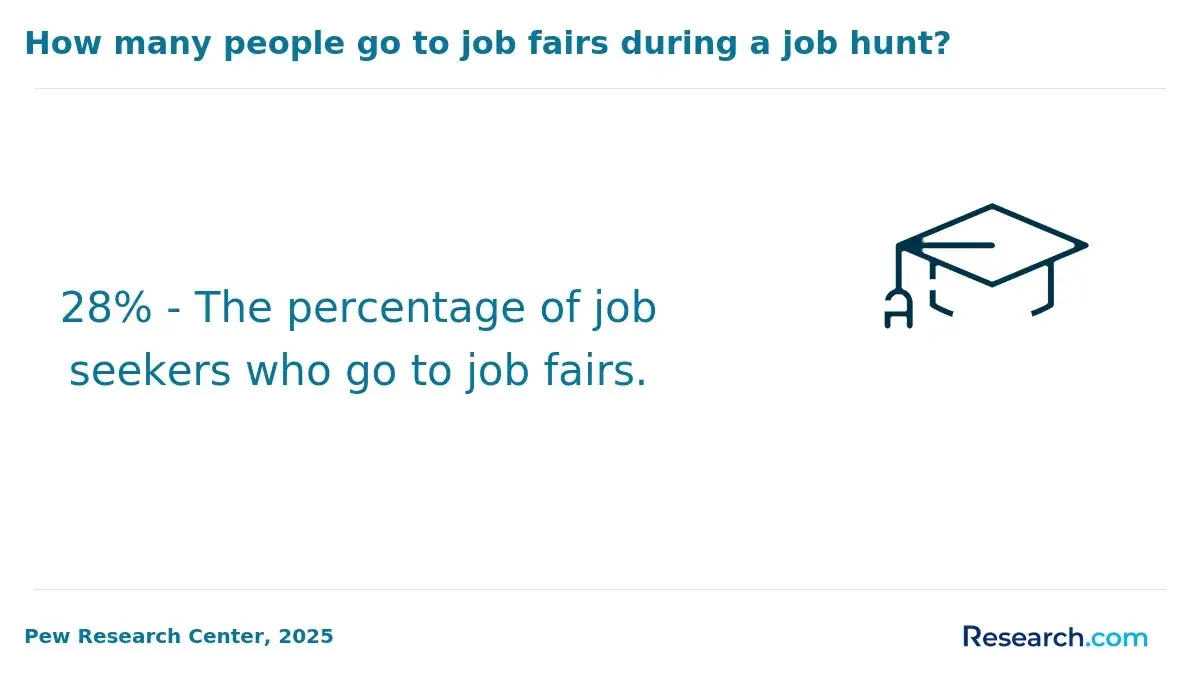
Advancement as a business development officer depends on more than years of experience. Employers promote professionals who can prove that they understand markets, build valuable relationships, improve revenue outcomes, and lead cross-functional work. To move into senior roles, you need to shift from executing outreach to shaping growth strategy.
- Build a measurable track record: Document revenue influenced, qualified opportunities created, partnership value, proposal win rates, account growth, market expansion results, and process improvements. Promotion decisions are easier when your impact is visible.
- Pursue advanced education: Specialized courses in complex negotiations, international markets, strategic planning, financial analysis, or leadership can prepare BDOs for roles that require broader decision-making and management responsibility.
- Develop technology credentials: Training in sales technology, data analytics, automation, or CRM platforms can strengthen your value. As over 80% of sales teams incorporate AI tools, technical know-how is increasingly important for advancement.
- Strengthen networking and mentorship: Industry groups, conferences, alumni networks, professional associations, and executive mentors can help you understand how to move from individual contributor work into strategy and leadership.
- Follow traditional progression paths: Many BDOs advance into Team Leader, Sales Manager, Senior Manager, Director, and executive-level positions after demonstrating operational consistency and people-management ability.
- Move cross-functionally when useful: Some professionals transition into roles such as Product Marketing Manager, strategic partnerships, customer success leadership, corporate strategy, or growth marketing. These moves can broaden career options and prepare you for senior growth roles.
- Prepare for executive leadership: High performers may progress to VP of Business Development or Chief Revenue Officer, leading company-wide growth initiatives and managing teams across sales, marketing, partnerships, product, and operations.
Career advancement mistakes to avoid
- Only tracking activity metrics: Calls, emails, and meetings matter, but senior leaders want to see commercial outcomes.
- Neglecting internal relationships: Business development depends on product, finance, legal, marketing, and operations teams. Poor internal collaboration can slow deals and limit advancement.
- Staying too general: Broad skills are useful, but industry expertise can make you more competitive for senior roles.
- Avoiding leadership responsibilities: Coaching junior staff, leading projects, and improving processes can help prove management readiness.
Business development officers work wherever organizations need to grow revenue, build partnerships, enter markets, secure funding, or expand services. The role appears in large corporations, startups, nonprofits, government agencies, healthcare systems, universities, professional services firms, and emerging sectors.
Business development officer jobs in California and industries hiring business development officers in Los Angeles often reflect the region’s mix of technology, entertainment, healthcare, education, finance, sustainability, and professional services. Similar opportunities exist in other major business hubs, although job titles and compensation structures vary by employer.
- Major corporations: Firms like Amazon, Google, and JPMorgan Chase employ business development officers to identify new markets, build partnerships, support enterprise growth, and create new revenue streams.
- Startups and growth-stage companies: Smaller companies often need BDOs to validate markets, build early partnerships, win anchor clients, and create repeatable growth processes. These roles can offer broad responsibility but may also involve higher uncertainty.
- Nonprofits: Organizations such as the American Red Cross, United Way, and World Wildlife Fund rely on business development skills for donor relations, corporate partnerships, outreach strategies, and sustainable funding aligned with their missions.
- Government agencies: Federal bodies like the U.S. Department of Commerce and the Small Business Administration may use business development professionals to support economic development, small business programs, public-private partnerships, and regional growth initiatives.
- Healthcare systems: Leading providers including Mayo Clinic, Kaiser Permanente, and HCA Healthcare use business development officers to support strategic alliances, service expansion, community programs, and market growth.
- Educational institutions: Universities such as Harvard and Stanford, along with state schools, hire business development officers to expand corporate sponsorships, executive education programs, innovation partnerships, and employer relationships.
Many roles now include hybrid or remote work because outreach, prospecting, CRM management, and partnership meetings can often be handled digitally. However, senior business development jobs may still require travel, in-person meetings, conferences, and relationship-building events.
For candidates exploring business development officer jobs in California or other competitive markets, knowledge of ESG standards, sustainability sectors, digital outreach, and AI-supported strategy can be a useful advantage. Prospective students can also review the list of accredited online colleges with no application fee when comparing education options that may support long-term career growth.
Business development can be rewarding, but it is also a high-pressure role. You may be expected to create growth in uncertain markets, influence decision-makers who are not ready to buy, and coordinate internal teams that have competing priorities. The work requires patience, resilience, and strong judgment.
- Pressure for quick impact: Organizations often expect fast contributions to revenue. This can create tension when true business development requires research, relationship-building, long sales cycles, and strategic positioning rather than immediate transactions.
- Unclear role boundaries: Some employers blur the difference between sales, account management, partnerships, marketing, and business development. Before accepting a role, clarify responsibilities, targets, reporting lines, and how success will be measured.
- Skills gaps and readiness demands: Talent mismatches across industries mean BDOs must prove they can solve real business problems, not just generate interest. Employers increasingly expect data literacy, technology fluency, and industry-specific knowledge.
- Rejection and emotional resilience: Many prospects will not respond, deals will stall, and priorities will shift. BDOs need the resilience to stay professional, learn from failed opportunities, and keep the pipeline moving.
- Leadership strain and slow decisions: Executive burnout, budget uncertainty, and complex approval processes can delay decisions. Successful BDOs learn how to maintain momentum without damaging relationships.
- Regulatory complexity: Data privacy, compliance, procurement rules, and industry regulations can affect outreach, prospect data, contracts, and partnerships. Careless handling of these issues can create legal or reputational risk.
- Adapting to AI and automation: AI tools can improve lead generation and research, but overreliance on automated outreach can weaken credibility. Human judgment remains essential in complex enterprise relationships and strategic partnerships.
To excel as a business development officer, treat the role as consultative growth work rather than simple selling. Your job is to understand what the market needs, where your organization can create value, and how to move the right opportunities from initial interest to practical business outcomes.
- Know your market deeply: Study competitors, customer pain points, buying triggers, regulatory changes, pricing models, and emerging trends. Strong market knowledge helps you speak with authority and identify better opportunities.
- Use data before outreach: Research accounts, decision-makers, funding signals, hiring patterns, technology stacks, partnerships, and industry news before contacting prospects. Personalized outreach usually performs better than generic messaging.
- Master CRM discipline: Keep records accurate, log next steps, update deal stages, and use CRM data to forecast realistically. Clean data builds trust with managers and helps you avoid missed follow-ups.
- Develop financial fluency: Learn how your company makes money, what margins matter, and how to explain the financial value of a deal or partnership. This skill separates strategic BDOs from basic prospectors.
- Improve emotional intelligence: Listen carefully, identify stakeholder concerns, handle objections calmly, and adapt your communication style. Trust often determines whether an opportunity advances.
- Network with purpose: Use industry events, speaking engagements, LinkedIn, alumni groups, and sector-specific forums to build relationships before you need them. A strong network can shorten sales cycles and uncover opportunities early.
- Set measurable goals: Track leading indicators such as qualified meetings, proposals, partner conversations, and pipeline value, along with outcomes such as closed revenue or signed agreements.
- Collaborate across teams: Work closely with marketing, product, finance, legal, operations, and customer success. Their input can improve targeting, messaging, pricing, implementation planning, and long-term client satisfaction.
- Keep learning: Invest in ongoing education around emerging technologies, data-driven business strategy, negotiation, global markets, and digital communication. The tools will change, but learning agility remains valuable.
Business development is a good fit if you enjoy identifying opportunities, meeting people, solving ambiguous problems, and connecting strategy with action. It may not be the best fit if you prefer highly predictable tasks, limited social interaction, or work where success is not tied to measurable outcomes.
- You are curious about markets: Strong BDOs like asking why customers buy, what competitors are missing, and where new demand may appear.
- You communicate well: The role requires persuasive writing, clear presentations, careful listening, and the ability to build credibility with different audiences.
- You are comfortable with ambiguity: Not every opportunity will have a clear process. You may need to test messaging, refine targets, and work through incomplete information.
- You can handle rejection: Many prospects will say no or ignore outreach. If rejection motivates you to improve rather than discourages you completely, the role may fit.
- You like technology-enabled work: Modern BDOs often use AI-powered CRM systems, analytics, prospecting platforms, and digital communication tools for targeted outreach and pipeline management.
- You want a flexible but demanding work environment: Hybrid work can offer flexibility, but the role may also involve travel, shifting priorities, evening networking events, and pressure to meet targets.
- You are motivated by compensation upside: Competitive salaries typically range from $85K to $105K, with senior roles surpassing $150K, reflecting the profession's demands and rewards.
- You enjoy cross-functional collaboration: Business development involves working with sales, marketing, product, finance, legal, and leadership teams. If you prefer isolated work, this may be challenging.
- You prefer creating new opportunities: This career is often better for people who like pursuing new business, partnerships, and market expansion rather than only maintaining existing accounts.
Educationally, many aspiring officers benefit from undergraduate dual degree programs that combine business with technology, communication, data, or another complementary field. A good self-check is whether you feel energized by innovation, networking, negotiation, and measurable growth goals. If those activities appeal to you, business development may be a strong career match.
What Professionals Who Work as a Business Development Officer Say About Their Careers
-
: "The salary potential for Business Development Officers is impressive, especially given the high demand in various industries. Having job stability in a role that continuously adapts to market changes makes this career choice very rewarding. If you're someone who thrives in dynamic environments, this path is definitely worth considering.
— Jason"
-
: "Working as a Business Development Officer has challenged me to think strategically and creatively on a daily basis. The unique opportunities to collaborate across departments and lead projects are invaluable for acquiring well-rounded professional skills. It's a career that truly fosters growth and sharpens leadership abilities over time.
— Camilo"
-
: "The professional development pathways in business development roles are extensive, with many companies offering robust training and mentorship programs. It's fulfilling to see clear advancement opportunities and to be part of shaping company growth. This career provides an excellent blend of responsibility and continuous learning.
— Alexander"
Other Things You Should Know About Becoming a Business Development Officer
Networking remains essential for business development officers in 2027. It helps them establish and nurture relationships, gain insights into market trends, and identify new business opportunities. Effective networking can also lead to partnerships, collaborations, and potential sales leads, which are crucial for growth and success in this role.
Professional certifications can strengthen a business development resume, especially in sales, project management, and CRM tools. Common options include Certified Professional Sales Leader, PMP, and vendor credentials such as Salesforce Administrator. Employers often value these alongside a bachelor’s degree and 2 to 5 years of related experience.
In 2027, critical skills for a business development officer include strong communication and interpersonal skills, strategic thinking, proficiency in digital tools and CRM software, and the ability to analyze market trends and data effectively. Adaptability to evolving market demands is also essential.
- Business Development Executive Career Path Guide | aiApply https://aiapply.co/careers/business-development-executive
- Business development manager job profile | Prospects.ac.uk https://www.prospects.ac.uk/job-profiles/business-development-manager
- Steps To Become A Business Development Officer https://www.activatedscale.com/blog/business-development-officer-career-path
- Salary Business Development Manager - Poland https://www.pensjometr.pl/en/salaryinfo/management/business-development-manager
- Business Development Officer Job Description Template | Free https://avahr.com/business-development-officer-job-description-template/
- How to Become a Business Development Officer https://www.wgu.edu/career-guide/business/business-dev-officer-career.html
- Why work in business development? https://www.monaco.edu/en/faq-all-the-answers-to-your-questions-3/why-work-in-business-development/
- How to be successful in your first Business Development role - Build+ https://buildplus.io/blog/business-development-first-90-days
- Career Development Guide: Advancing as a Business Development Officer https://www.expertia.ai/career-tips/career-development-guide-advancing-as-a-business-development-officer-71887e


