2027 Private Student Loan Checklist Before You Borrow

Student Finance & Loan Expert
Facing the complexity of private student loans can lead to costly mistakes that affect your financial future. Many borrowers overlook key factors such as interest rates, repayment options, and lender reputations before committing. This can result in unfavorable loan terms and long-term debt burdens that hamper career and life goals. Understanding what to evaluate before borrowing is essential for making informed decisions. This article outlines a thorough checklist, highlighting critical considerations to help prospective students navigate private loan options wisely and secure financing that aligns with their educational and financial needs.
- What should you check first before choosing a private student loan over federal aid? Before Private Loans
- How do private student loans work and differ from federal student loans? Private vs Federal
- How can you estimate how much you should safely borrow for school? How Much to Borrow
- What credit score, income, and cosigner requirements do private lenders use? Approval Criteria
- How do private student loan interest rates, APR, and fees affect total cost? Rates and APR
- What terms, repayment options, and protections should you compare across lenders? Comparing Lenders
- How do in-school, grace period, and post-graduation repayment options work? Repayment Options
- How will a private student loan impact your credit, debt-to-income ratio, and future borrowing? Credit Impact
- What should parents and graduate students review before taking private education loans? Parent & Grad Loans
- When does refinancing or consolidating private student loans make financial sense? Refinancing Choices
What should you check first before choosing a private student loan over federal aid?
Graduate and professional students face new federal borrowing caps starting July 1, 2026: $20,500 per year with a $100,000 lifetime limit for most graduate programs, and $50,000 per year with a $200,000 lifetime limit for professional degrees, according to Valet citing 2026 federal loan rules. These limits can create significant funding gaps that often require supplemental private loans.
Before committing to a private student loan, check private student loan eligibility requirements USA, as private lenders typically need good credit or a qualified co-signer. They may also charge variable interest rates, unlike federal loans that offer fixed rates and benefits like income-driven repayment and deferment.
Compare private student loan interest rates United States carefully, along with fees, repayment terms, and whether you can lock in a fixed rate. Also, confirm if lenders report to credit bureaus and if there are prepayment penalties or hardship options.
Calculate the total loan amount needed beyond federal limits. For example, a law student might reach the $200,000 federal loan ceiling but still require extra funds for tuition and living expenses. It's essential to shop for private loans with transparent lenders and good customer service.
Consider repayment flexibility and options to defer or repay early without fees. If you're unsure how student loans can cover non-tuition costs, see can you use student loans for rent to learn more about managing living expenses with loans.
How do private student loans work and differ from federal student loans?
Private student loans in the United States are credit-based loans offered by banks, credit unions, and other lenders. Unlike federal loans, private loans require a credit check and often a co-signer. Their interest rates are typically variable but can be fixed depending on the lender and borrower's credit profile. Federal student loans, by comparison, have fixed interest rates set by Congress and do not require credit checks or co-signers.
The differences between federal and private student loans in the United States also include repayment options. Federal loans offer flexible plans like income-driven repayment and loan forgiveness programs, which are rarely available with private loans. Private lenders tend to have less flexible repayment terms and provide fewer protections during financial hardship.
Federal loan limits restrict how much students can borrow annually and in total. For instance, Parent PLUS loans have federal caps of $20,000 annually and $65,000 aggregate. According to IonTuition's analysis of the OBBBA in 2026, about 30% of families using Parent PLUS loans will hit these limits and need private loans or alternative financing to cover remaining costs.
Private loans fill this funding gap but require careful comparison of interest rates, fees, and repayment terms. Borrowers with strong credit can secure better rates, while those without credit history may face higher costs or need a co-signer. For those wondering how to get student loans without parents, exploring private loan options is often necessary. Knowing how private student loans work in the United States helps students and families plan education financing effectively.
How can you estimate how much you should safely borrow for school?
Estimate your safe borrowing amount by calculating total educational costs such as tuition, fees, books, housing, and daily expenses. Subtract scholarships, grants, and federal student aid to identify the funding gap, which may require private loans. When estimating safe borrowing limits for private student loans, consider your expected post-graduation income carefully. Ideally, your total student loan debt at graduation should not exceed your first-year gross salary to maintain manageable repayments.
Private student loan APRs vary widely, typically ranging from 2.84% to 17.95%. For example, a $10,000 private loan at 16% APR over 15 years could cost about $26,437 in total repayment, compared to $17,201 for a similar federal loan-over 50% more in total cost. This difference highlights the importance of minimizing private loan amounts where possible.
To plan effectively, account for different loan scenarios: Use loan calculators to estimate monthly payments based on your specific interest rates and terms.Consider the impact of variable versus fixed APRs on affordability if rates increase.Set aside emergency reserves if your income might fluctuate after graduation.
Before borrowing, ask yourself if your projected income supports your loan payments without sacrificing essentials and whether you can realistically increase income or cut expenses if needed. These questions are crucial when calculating private student loan amount limits.
For specialized borrowing guidance, explore options like graduate MBA loans, which often offer favorable terms tailored to advanced degrees.
What credit score, income, and cosigner requirements do private lenders use?
Private lenders often require a credit score between 650 and 700 for loan approval, though some lenders set higher thresholds depending on the loan product. Borrowers with lower scores may face higher interest rates or denial. Income requirements generally involve showing stable monthly income enough to cover loan payments. Undergraduates with limited income history usually must have a cosigner with stronger credit and income credentials, reflecting the critical role cosigners have in private student loan credit score requirements.
Cosigner eligibility for private student loans is strict because of the associated risk. Approximately 92.45% of private undergraduate student loan dollars and 68.46% of graduate private loan dollars involve a cosigner, highlighting dependence on family support with strong credit (Education Data Initiative, Private Student Loan Debt, 2024 Q1). Cosigners typically need excellent credit-often 700 or above-and sufficient income to pass debt-to-income ratio assessments.
Applicants lacking strong credit or verifiable income must rely on a cosigner to qualify. Some lenders may allow graduate students with good credit and income to self-cosign, but this is rare for undergraduates. When a cosigner isn't available, alternative loan programs or federal loans may be options. Income verification usually involves pay stubs, tax returns, or bank statements. Lenders expect a debt-to-income ratio below 40% to 45% to ensure manageable payments.
For borrowers exploring loan options, comparing rates is essential. For instance, the best bank student loan refinance rates can offer valuable savings and more flexible terms.
How do private student loan interest rates, APR, and fees affect total cost?
Interest rates, APR, and fees critically influence the total repayment amount for private student loans. The interest rate is the annual percentage charged on the loan principal, affecting monthly payments and overall cost. APR (Annual Percentage Rate) combines interest and most fees, providing a clearer comparison between loans. A lower interest rate lowers monthly payments, but high fees can still result in a steep APR and greater financial burden.
For instance, a 6% interest rate combined with origination fees results in a higher APR than 6% alone, increasing the total interest paid. Borrowers should weigh both interest rates and fees carefully. Variable rates may start lower than fixed rates but risk rising unexpectedly, making payments less predictable.
Common fees include origination, late payment, and prepayment penalties, which add to loan costs over time. Avoiding loans with large fees or penalties can ease repayment and increase flexibility.
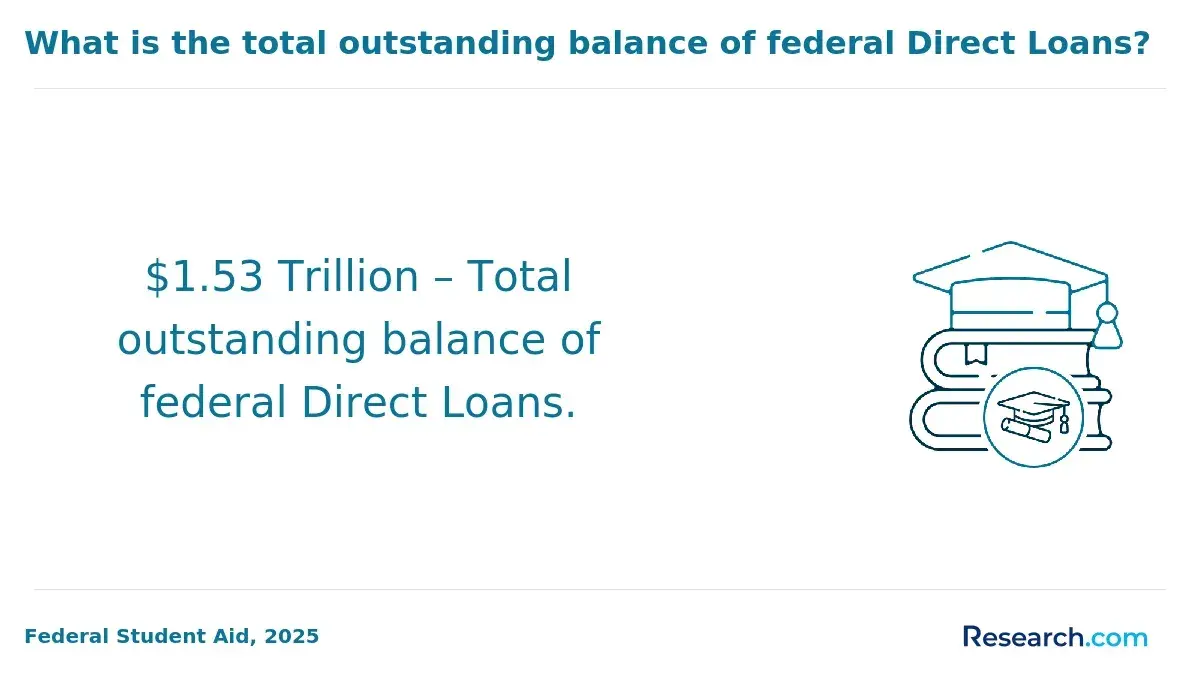
According to Education Data Initiative, private loans account for 9.13% of U.S. student loan debt-$167.4 billion of the $1.833 trillion total. Of that, 17.7% is refinance debt, illustrating how high repayment levels push borrowers to find better terms.
Borrowers should:
- Compare APRs rather than just nominal interest rates.
- Consider all loan fees before borrowing.
- Assess risks of fixed versus variable rates based on financial stability.
- Look into refinancing options if loan terms become unfavorable.
What terms, repayment options, and protections should you compare across lenders?
Interest rates on private student loans vary widely depending on credit scores, loan amounts, and market factors. Fixed rates offer stable payments, while variable rates often begin lower but can rise over time, increasing the total cost. Pay attention to origination fees, prepayment penalties, and whether interest compounds daily or monthly, as these affect your overall loan balance.
Repayment plans differ among lenders and may include graduated payments, income-based options, or extended terms. Check if your lender offers deferment or forbearance during hardship or continued education. Some lenders provide interest-only payments while in school, which can ease financial pressure upfront.
Protections such as cosigner release policies and borrower forgiveness options are important to consider. Many private loans require cosigners, so understanding when your cosigner can be released is crucial. Also, look for borrower assistance programs like temporary payment reductions or hardship accommodations, especially since private loans typically lack federal forgiveness programs.
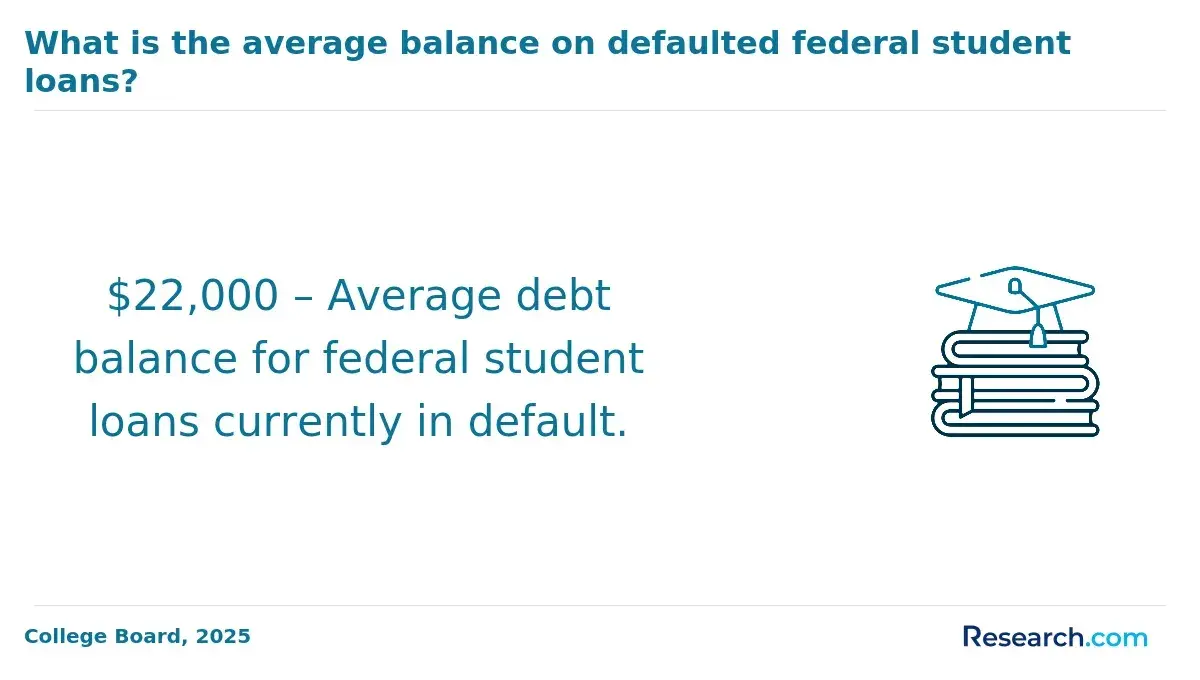
Lender reputation for customer service and transparency matters. Private student loans have a lower default rate (1.62%) compared to federal loans (10.0%), reflecting stricter underwriting standards but fewer options for less qualified borrowers (Education Data Initiative, Student Loan Debt Statistics, 2025 Q3-Q4).
How do in-school, grace period, and post-graduation repayment options work?
In-school repayment options let borrowers postpone payments while enrolled half-time or more, but interest usually accumulates on private student loans during this period. Some lenders provide interest-only payments, reducing overall loan costs. It's important to know that unpaid interest typically capitalizes after school, increasing the principal balance.
Grace periods begin right after schooling ends and last between six to twelve months, depending on the lender. During this time, payments may not be required, but interest continues to accrue. For instance, a loan with a 7% interest rate and a 6-month grace period will see its balance rise by about 3.5% if no payments are made. Paying interest during this phase helps reduce total costs.
After grace periods, repayment options usually start, with terms varying by lender. Borrowers may choose between fixed or variable rates, with repayment periods ranging from 5 to 20 years. Some lenders allow refinancing, interest-only phases, or graduated payments. Planning can help avoid missed payments and credit damage.
Graduates should ask lenders:
- Is interest accruing during school and grace periods?
- What payment options exist for deferment or forbearance?
- Are there penalties for early repayment or refinancing?
- How flexible is the repayment schedule after graduation?
Experts predict private student loan volume might nearly double from $10 billion annually due to changes like the elimination of Grad PLUS loans and new caps. Knowing loan repayment phases plays a key role in managing private loans effectively.
How will a private student loan impact your credit, debt-to-income ratio, and future borrowing?
Private student loans appear as new installment loans on your credit report, immediately influencing your credit score. Making timely payments can build a positive credit history, while missed or late payments cause significant damage. Lenders evaluate your creditworthiness before approval, so maintaining a strong credit record can help secure better interest rates.
These loans increase your debt-to-income (DTI) ratio by adding monthly obligations, which can restrict future borrowing for mortgages or car loans. For example, a $30,000 private loan at 5% interest over 10 years results in roughly $318 monthly payments, directly raising your DTI.
Borrowers with high DTI or poor credit may face disqualification from competitive loan offers or favorable terms. Unlike federal loans, private loans seldom provide income-driven repayment or forgiveness programs, making financial management crucial.
Graduate and professional students often carry balances near six figures; borrowers eligible for Public Service Loan Forgiveness average $88,260 in student debt according to Education Data Initiative PSLF data. Managing private loans carefully is vital to avoid heavy financial burdens.
Before applying, prospective borrowers should:
- Review credit reports to ensure accuracy.
- Calculate DTI including the new loan payments.
- Assess how private loan payments affect future credit access.
- Consider federal loan options first for income-driven plans and forgiveness.
What should parents and graduate students review before taking private education loans?
Before taking out private education loans, analyze key factors such as the type of interest rate-fixed or variable-and how it impacts total repayment costs. Compare these rates with federal loan options, which typically include more borrower protections. Also, check for origination fees, late payment penalties, and prepayment policies to avoid unexpected expenses.
Consider loan term lengths and monthly payments carefully. While longer terms lower monthly payments, they increase the overall interest paid. Confirm whether the lender offers deferment or forbearance options, as few private loans provide this flexibility for managing financial hardships.
Graduate students with limited credit history should evaluate cosigner requirements and the possibility of cosigner release after consistent on-time payments. This opportunity helps establish independent credit over time.
Review borrower protection options such as forgiveness programs or loan discharge in cases of disability or death. These safeguards are generally stronger with federal loans, so check each private lender's policies and documentation requirements thoroughly.
The Consumer Financial Protection Bureau reported about 4,500 private student loan complaints with a 33% increase from the previous year, highlighting the importance of examining customer service reputation carefully.
Compare multiple lenders and ask about rate discounts for autopay or excellent credit scores. Using rate comparison tools can assist in finding favorable loan terms and avoiding costly surprises after borrowing.
When does refinancing or consolidating private student loans make financial sense?
Refinancing or consolidating private student loans can improve affordability by lowering interest rates or monthly payments, which helps borrowers pay off debt faster. Those with improved credit scores since their original loan approval often qualify for better refinancing terms.
Consolidation merges multiple loans into a single monthly payment, simplifying repayment but usually not reducing interest rates. It's useful for borrowers managing several private loans who want more straightforward budgeting.
Refinancing may be worthwhile if your financial situation has improved, such as higher income or better credit history. Switching from a variable to a fixed rate loan via refinancing can also provide payment stability and guard against future rate increases.
Be aware that refinancing federal loans with private lenders removes federal protections like deferment and forbearance. According to Education Data Initiative, about 19.33% of private student loan debt was in deferment, 1.86% in forbearance, and 2.91% in grace periods as of 2024 Q1, indicating that many borrowers rely on these options. If you expect to need such protections, refinancing may not be the best choice.
Check if your current loan servicer offers competitive repayment plans before refinancing. Also, consider whether shortening your loan term fits your budget-it may increase monthly payments but reduce overall interest costs.
- Refinance to lower interest rates or monthly payments
- Consolidate for simpler management of multiple loans
- Protect federal loan benefits before refinancing
Other Things You Should Know About
For 2027, private student loans don't impact federal aid eligibility directly. However, they can affect credit scores and debt-to-income ratios, which financial aid considerations could indirectly be influenced by. Prioritizing manageable private loan amounts ensures better financial health when applying for future aid.
Missing a payment on a private student loan can lead to late fees, increased interest rates, and damage to your credit score. Unlike federal loans, private lenders may have less flexible forbearance or deferment options. It's important to communicate promptly with your lender if you face difficulty making payments to explore possible solutions.
Paying off a private student loan early can reduce the total interest you owe over the life of the loan. Many private loans do not have prepayment penalties, so you can save money by making extra payments or paying in full ahead of schedule. Confirm with your lender whether early repayment is permitted without fees.
Discharging private student loans through bankruptcy is difficult and rare. Unlike federal student loans, private loans are not easily forgiven in bankruptcy unless you can prove undue hardship, which requires a separate legal process. Borrowers should consider this when deciding to take out private loans and prepare accordingly.