2027 Best Paralegal School Loans

Student Finance & Loan Expert
Many aspiring paralegals face the challenge of funding their education while managing existing financial obligations. Securing affordable and flexible student loans can be difficult, especially for those transitioning from unrelated fields. Without proper information, students risk high interest rates or unfavorable repayment terms that hinder long-term financial stability. This situation often leads to delays in completing necessary coursework or causes unnecessary financial stress.
This article evaluates the best loan options tailored for paralegal programs, focusing on cost, repayment flexibility, and eligibility to provide readers with practical guidance for making informed borrowing decisions.
- What types of student loans are available for paralegal programs and certificates? Loan types
- How do federal and private student loans compare for paralegal school costs? Federal vs private
- How much can you borrow for paralegal studies and what interest rates apply? Limits & rates
- What are the eligibility requirements and FAFSA steps to fund paralegal education? Eligibility & FAFSA
- Which federal loan options work best for paralegal associate, bachelor's, or post-bacc programs? Best federal loans
- How do repayment plans affect monthly payments for paralegal school loans? Repayment options
- Are there loan forgiveness or repayment assistance programs for paralegals and legal professionals? Forgiveness options
- When does refinancing or consolidating paralegal student loans make financial sense? Refinance & consolidate
- What should parents know about Parent PLUS and private loans for paralegal students? Parent loans
- How can future paralegals minimize debt and choose the best loan package? Minimize debt
What types of student loans are available for paralegal programs and certificates?
Paralegal school student loan options primarily include federal loans offered through accredited Title IV institutions, which provide the most favorable terms. Direct Subsidized Loans are available to students enrolled at least half-time, with the government covering interest during enrollment, reducing overall costs. Direct Unsubsidized Loans are also accessible, regardless of financial need, but interest starts accruing immediately.
Both loan types have annual limits, beginning at $5,500 for dependent undergraduates and $9,500 for independent students. These amounts can cover part or the full cost of tuition, depending on the program. Direct PLUS Loans allow graduate students and parents to borrow up to the total cost of attendance minus other aid received. These require a credit check and generally carry higher interest rates, making them useful for covering additional expenses or gaps in funding.
Private loans are an alternative but typically come with higher interest rates and fewer borrower protections than federal loans. Students seeking federal and private student loans for paralegal programs should prioritize federal options because of fixed interest rates and flexible, income-driven repayment plans.
A paralegal certificate student can combine subsidized and unsubsidized loans up to $20,500 annually, with the possibility of supplementing this through a PLUS Loan. Learning how to pay for dental school offers insights that can apply to managing financing for paralegal studies as well.
Awareness of eligibility, loan limits, and repayment terms helps avoid excessive debt and maintain financial stability during and after completing a paralegal program.
How do federal and private student loans compare for paralegal school costs?
Federal student loans for paralegal school offer fixed interest rates, income-driven repayment plans, and forgiveness options, making them a safer and often more affordable choice. These loans cover tuition, fees, and some living expenses within limits established by the U.S. Department of Education. They do not require credit checks or co-signers, which is beneficial for students without a credit history. This makes federal student loans a reliable option for managing paralegal school expenses when comparing federal student loans vs private loans for paralegal programs.
Private student loans reported by Private Loan Market WSJ Buy Side on College Ave can cover amounts from $1,000 up to the school's certified cost of attendance. This allows private lenders to finance full tuition and living costs, potentially exceeding federal loan limits. However, private loans often have variable interest rates based on creditworthiness and lack federal protections such as income-driven repayment plans or forgiveness. Borrowers should carefully evaluate a comparison of private and federal loans for paralegal school expenses before choosing.
Students facing gaps between federal loan limits and total paralegal school costs should consider:
- Interest rates: Federal loans offer fixed rates; private loans frequently have variable rates that may increase.
- Repayment flexibility: Federal loans provide deferment and forbearance options; private loans typically do not.
- Credit requirements: Federal loans do not require credit checks; private loans usually need good credit or a co-signer.
Choosing the right loan depends on individual financial situations and risk tolerance. To understand the optimal timing and options, students can also review guidance on when to apply for student loans, helping to minimize long-term debt for paralegal school.
How much can you borrow for paralegal studies and what interest rates apply?
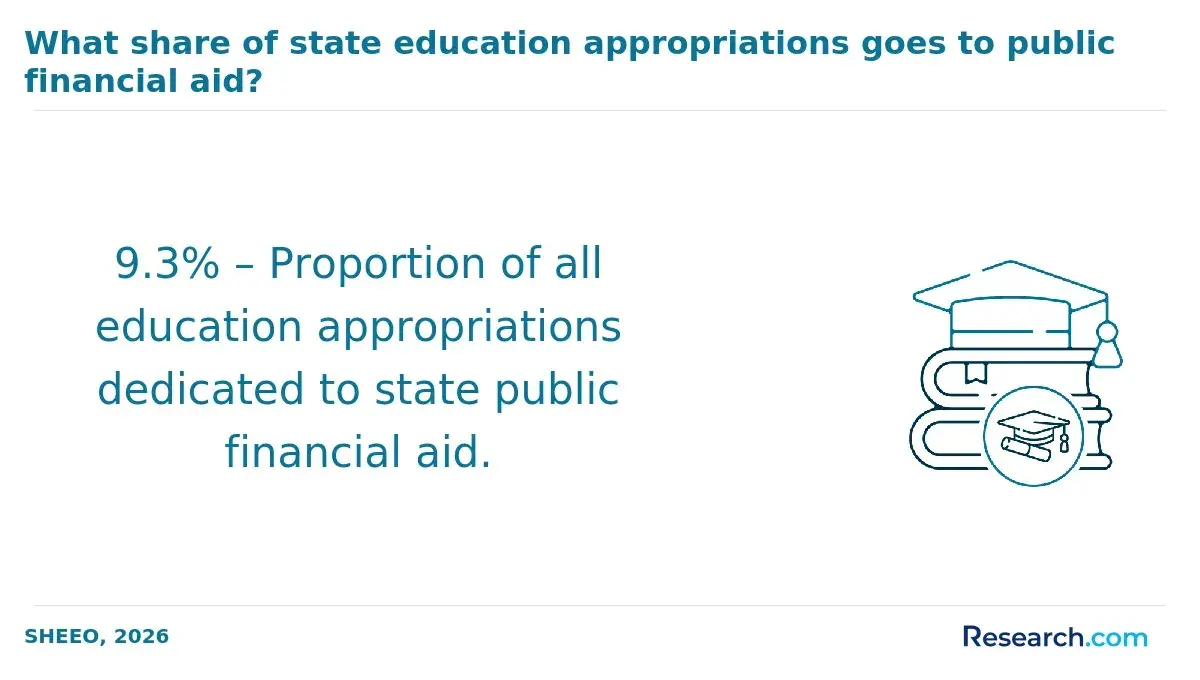
Students pursuing paralegal programs can borrow up to $20,500 annually through federal student loans, with aggregate maximum loan amounts reaching $138,500 for combined undergraduate and graduate studies. Private loans may allow higher limits depending on creditworthiness and lender policies, sometimes covering the total cost of attendance, including tuition, fees, and living expenses. Knowing the maximum loan amounts for paralegal programs helps students plan their finances effectively.
Interest rates on these student loans differ considerably by loan type and borrower profile. Federal direct loans for undergraduates typically have fixed interest rates around 5.5%, while graduate-level loans often exceed 6%. Private loans offer a broader spectrum of rates, influenced by credit scores and whether a cosigner is involved.
Best rates currently available, such as those listed by NerdWallet for College Ave graduate school loans, range from fixed APRs as low as 2.59% to as high as 15.99%. Borrowers with strong credit or a cosigner tend to access the lower end of this range, while those with weaker credit face higher rates and increased repayment costs. Comparing average interest rates on paralegal student loans is essential for affordability and long-term planning.
Students should also consider options such as parent PLUS loans that might offer additional funding. Balancing loan amounts with manageable payments is critical; for example, borrowing $15,000 at 3.5% fixed interest results in much lower monthly payments than borrowing the same amount at 12%.
What are the eligibility requirements and FAFSA steps to fund paralegal education?
Eligibility criteria for federal student loans for paralegal programs generally include U.S. citizenship or eligible non-citizen status, enrollment in an accredited institution, and maintaining at least half-time student status. Federal loans require demonstrating financial need through the Free Application for Federal Student Aid (FAFSA), while some private lenders may evaluate credit history and require co-signers instead. Veterans and military members often qualify for specialized funding options.
A step-by-step FAFSA guide for paralegal education funding begins with creating an FSA ID to apply electronically. Students report income, assets, and household information to calculate the Expected Family Contribution (EFC). This figure, combined with the school's cost of attendance, affects eligibility for grants, work-study, and loans. Applying early-ideally as soon as FAFSA opens on October 1 for the upcoming award year-is crucial. Responding promptly to verification requests prevents delays in aid disbursement.
Private lenders don't use FAFSA data but require proof of enrollment and may run credit checks. Loan terms vary widely, so comparing interest rates, fees, and repayment options is important. For example, Ascent, mentioned by Yahoo Finance, offers a 9-month grace period on graduate loans to ease financial transitions after school. Borrowers can explore best bank student loan refinance rates to find competitive refinancing options after graduation.
Which federal loan options work best for paralegal associate, bachelor's, or post-bacc programs?
Federal student loans are a smart choice for financing paralegal associate, bachelor's, or post-baccalaureate programs because of their low interest rates and flexible repayment options. Direct Subsidized Loans are best for undergraduates, as the government pays interest while students are in school, reducing overall borrowing costs. For post-baccalaureate students, Direct Unsubsidized Loans provide funding but accrue interest during enrollment.
Direct PLUS Loans offer extra funding for graduate and professional students, though credit approval is required. These loans have higher interest rates but can increase borrowing limits when unsubsidized loans don't cover costs. Income-driven repayment plans like PAYE, REPAYE, and IBR adjust monthly payments based on income, which helps those starting in paralegal careers manage loan repayment.
Borrower protections are essential. According to Borrower Protections Money, Abe provides extensive hardship and repayment flexibility options, including deferment and forbearance, helping students avoid default during financial challenges or career changes.
Students should maximize federal loans before considering private options. Limitations include a maximum cumulative borrowing of $57,500 for undergraduates with annual caps, while graduate students have higher limits. Federal loans also offer forgiveness programs like Public Service Loan Forgiveness, valuable for paralegals working in nonprofit sectors.
How do repayment plans affect monthly payments for paralegal school loans?
Repayment plans shape monthly payments for paralegal school loans by adjusting payment amounts and schedules. Standard plans offer fixed payments over about 10 years, providing predictability but generally higher monthly costs. Graduated plans start with lower payments that increase every two years, which can help recent graduates managing entry-level salaries.
Income-driven repayment plans base monthly payments on income and family size, potentially lowering payments to $0 for a time. These plans suit paralegal students with modest or part-time income but may extend repayment length and increase total interest paid.
Private loans, often used for paralegal certificate programs, usually lack the flexibility federal loans provide. Sallie Mae stands out as a top private lender for such non-degree programs, offering fixed and variable rates with multiple repayment options, including deferred or interest-only payments during school. These features can reduce payments immediately after graduation.
Borrowers should consider:
- Choosing plans that match expected starting salaries to prevent payment shock
- Using income-driven options if earnings are uncertain or expected to grow slowly
- Exploring lender-specific perks like Sallie Mae's interest-only periods for early payment relief
Adjusting repayment strategies can lower monthly costs but may raise total loan expenses and impact credit. Communicating early with lenders about flexibility is crucial for smart loan management.
Are there loan forgiveness or repayment assistance programs for paralegals and legal professionals?
Loan forgiveness and repayment assistance options exist specifically for paralegals and other legal professionals. Public Service Loan Forgiveness (PSLF) applies to federal student loans for those employed full-time by qualifying government agencies, nonprofit legal aid organizations, or public interest law firms. After making 120 qualifying payments under an approved repayment plan, borrowers can have their remaining loan balance forgiven. Many paralegals in these sectors qualify for PSLF.
Income-driven repayment plans like PAYE, REPAYE, and IBR reduce monthly payments based on income and family size. While not immediate forgiveness programs, these plans may provide forgiveness after 20 to 25 years of qualifying payments.
State and local governments also offer loan repayment assistance programs (LRAPs) for legal professionals serving underserved communities or working in public interest law. Eligibility and benefits vary, so checking local bar associations or government websites is recommended.
Private loans often lack forgiveness options. Lenders evaluate credit and income, and according to Cosigner Advantage Credible, adding a cosigner can improve approval chances and lower interest rates. It's wise for borrowers to compare private loan terms carefully and prioritize federal options.
Paralegals entering high-need areas like public defense or legal aid can benefit from combining PSLF with income-driven plans. Additionally, some employers offer assistance programs as part of job benefits, which graduates should explore.
When does refinancing or consolidating paralegal student loans make financial sense?
Refinancing or consolidating paralegal student loans can reduce your overall interest rate or monthly payments, especially if you currently have multiple loans with various rates. Consolidation combines these into a single monthly payment but may increase total interest if the repayment period is extended.
Refinancing makes sense when you qualify for a lower fixed or variable interest rate. For example, SoFi's graduate loans offer fixed APRs from 3.23% to 14.83%, reflecting borrower credit profiles. Those with strong credit and steady income may secure rates near the lower end, leading to significant interest savings.
It's important to remember, refinancing federal loans into private loans eliminates benefits such as income-driven repayment plans and loan forgiveness. Federal loan consolidation preserves some benefits but usually does not lower interest rates.
Key reasons to consider refinancing or consolidating include:
- Getting a fixed APR at least 1-2% lower than current rates
- Reducing or stabilizing monthly payments
- Simplifying multiple loans into one payment
- Improving credit or income to qualify for better terms
Loans with rates above 10% should especially be reviewed for refinancing. However, extending repayment from 10 to 20 years can increase total interest despite lower monthly payments. Comparing loan terms carefully is essential before deciding. For more details, consult resources like research.com.
What should parents know about Parent PLUS and private loans for paralegal students?
Parents exploring loan options for paralegal students should consider the differences between Parent PLUS loans and private loans. Parent PLUS loans are federal loans taken by parents, featuring fixed interest rates and borrowing limits based on the total cost of attendance minus other aid. These loans require a credit check but do not offer income-driven repayment plans, which can result in higher monthly payments.
Private loans, available to students or parents, vary widely in interest rates, terms, and eligibility. Rates may be fixed or variable and usually depend on creditworthiness. Many private lenders ask for a cosigner if the student has limited credit history. While private loans may provide more flexible repayment options and sometimes lower interest rates for qualified borrowers, they lack the federal loan protections.
For example, SoFi loans can fund up to $400,000, an amount that often surpasses the cost of paralegal programs. This extensive coverage can simplify financing but requires careful comparison of rates and repayment terms to avoid excessive debt.
Key points to keep in mind:
- Parent PLUS loans offer federal protections but limited repayment flexibility.
- Private loans can cover funding gaps but may need a creditworthy cosigner.
- Private lenders like SoFi often provide borrowing amounts beyond typical paralegal costs.
- It is essential to evaluate interest rates, fees, and repayment options before choosing a loan type.
How can future paralegals minimize debt and choose the best loan package?
Future paralegals can significantly reduce their debt by focusing on scholarships and grants before considering loans. According to Scholarship Alternative Sallie Mae, many scholarships are available specifically for paralegal majors, which can greatly decrease the need to borrow. Securing these funds should always come first.
When loaning, federal options often provide better protections with fixed interest rates, income-driven repayment plans, and deferment options. For example, Direct Subsidized Loans do not accumulate interest while students are in school, lowering the total amount repaid.
It is crucial to borrow only what's needed for tuition and essential living costs. Over-borrowing leads to increased long-term debt and interest. Careful budgeting helps avoid using loans for discretionary spending.
Look closely at repayment terms, including grace periods and loan forgiveness programs like Federal Public Service Loan Forgiveness, available for qualifying government or nonprofit employees after graduation. Private loans should be considered only after federal options are exhausted, as they often have variable rates and less flexibility. Some private lenders may offer co-signer release options to improve loan terms once credit qualifies.
- Utilize scholarships and grants before loans.
- Choose federal loans for stronger borrower protections.
- Borrow only necessary amounts with a strict budget.
- Check repayment terms and forgiveness programs.
- Avoid private loans unless federal options are maxed out.
Other Things You Should Know About
Yes, student loans can be used to cover not only tuition but also necessary expenses such as books, supplies, and equipment required for paralegal programs. When budgeting for your loan amount, consider these additional costs to ensure you borrow enough to cover the full scope of your education-related expenses.
If you drop out or transfer, your loan eligibility and disbursement might be affected. You must notify your loan servicer and school promptly, as loan repayment typically begins after a grace period once you leave school. Transferring can require updating your enrollment information to continue receiving federal loan benefits without interruption.
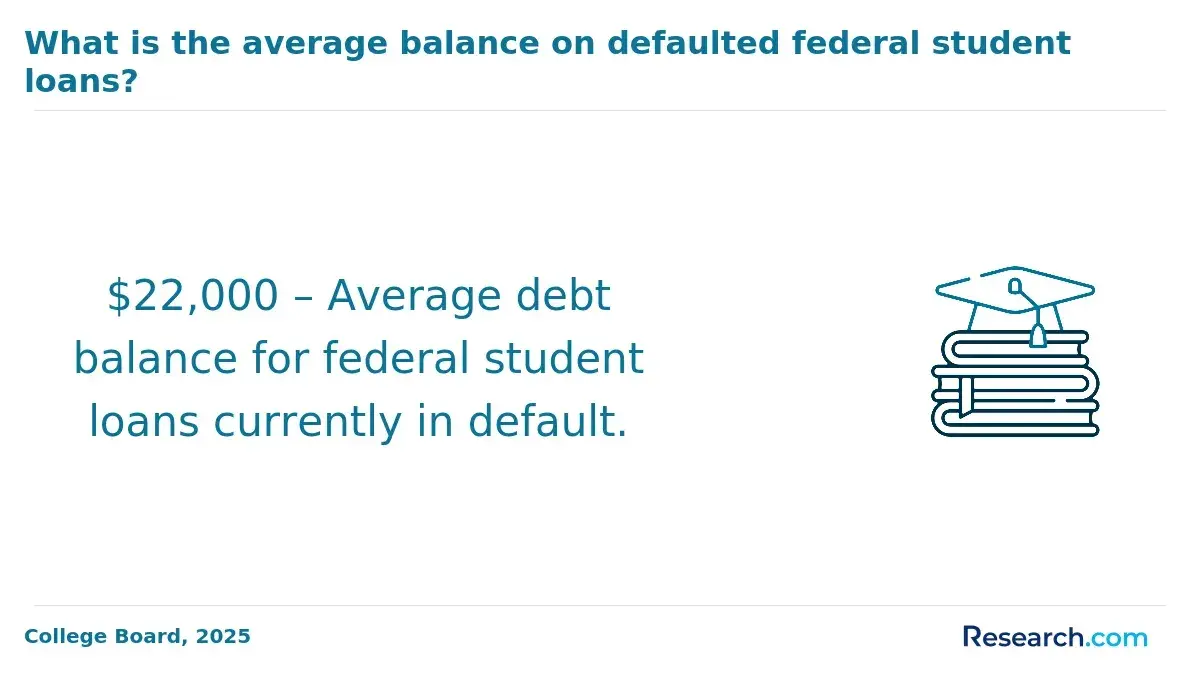
Defaulting on student loans can severely impact your credit score and may lead to wage garnishment, tax refund offsets, and damaged eligibility for future federal aid. It is crucial to communicate with your loan servicer immediately if you face repayment difficulties to explore options like deferment or income-driven repayment plans.