2027 Online Behavioral Health Management Degrees With the Most Flexible Enrollment Paths

Co-Founder and Chief Data Scientist
Choosing an online behavioral health management degree is really a choice about flexibility, career direction, and risk. SAMHSA's national data released in 2024 estimated that about 59 million U.S. adults experienced any mental illness in 2023, which keeps pressure on clinics, health systems, nonprofits, and public agencies to improve access and operations. This guide is for working adults, career changers, and healthcare staff comparing online options. You'll learn which degree formats are most flexible, what they cost, how to check quality, and how each path connects to management roles.
Key Things You Should Know
- The most flexible paths are usually asynchronous bachelor's completion programs, part-time master's programs, competency-based degrees, and stackable graduate certificates that can later be applied toward a healthcare or behavioral health management degree.
- Cost varies widely: College Board's 2024 pricing data placed average published tuition and fees at $11,610 for in-state public four-year colleges and $43,350 for private nonprofit four-year colleges, before aid and online-specific fees.
- Behavioral health management is not the same as clinical licensure; BLS 2024 data reports a $117,960 median wage for medical and health services managers, but therapy, counseling, and social work roles require separate state-regulated credentials.
What is an online behavioral health management degree and who is it designed for?
An online behavioral health management degree prepares students to lead, coordinate, or improve services in mental health, substance use treatment, community health, integrated care, and human services organizations. The focus is usually administrative rather than clinical: budgeting, compliance, staff supervision, data reporting, patient access, program evaluation, quality improvement, and ethical leadership.
This field sits between healthcare administration, public health, psychology, social services, and nonprofit management. A student who wants to manage intake workflows at a mental health clinic, supervise a recovery services program, or move from direct care into operations may find the degree highly relevant. A student whose primary goal is to become a licensed therapist should treat it as a complementary management credential, not a replacement for a counseling, social work, psychology, or marriage and family therapy licensure pathway.
The best fit depends on the learner's background and target role. The table below compares common degree levels and what each one is usually designed to accomplish.
| Degree path | Typical student profile | Best-fit goal | Flexibility advantage | Main caution |
| Associate degree or certificate in behavioral health support | Entry-level student or career changer | Start in case management support, peer support, intake, or human services | Shorter timeline and lower credit load | Limited access to management roles without experience or further education |
| Bachelor's degree in behavioral health management, health services, psychology, or human services management | Working adult seeking advancement | Qualify for coordinator, supervisor, compliance, or program operations roles | Often accepts transfer credits and may offer online completion tracks | May not satisfy clinical licensure requirements |
| Master's degree in behavioral health administration, healthcare management, public health, or human services leadership | Experienced healthcare, social service, or nonprofit professional | Move into director, administrator, quality, policy, or executive-track roles | Often available part time with asynchronous coursework | Requires careful ROI review because graduate tuition can vary sharply |
| Graduate certificate | Degree holder who needs targeted management knowledge | Add behavioral health, healthcare leadership, compliance, or population health skills | Stackable, shorter, and easier to fit around work | May not carry the same employer weight as a full degree |
Students comparing behavioral health management with broader healthcare leadership may also want to review an online masters in healthcare management, especially if they want roles that span hospitals, insurers, clinics, and digital health organizations rather than behavioral health settings alone.
How do online behavioral health management programs differ from traditional campus-based options?
Online behavioral health management programs differ from campus-based options mostly in delivery, scheduling, interaction style, and how field-based assignments are arranged. The curriculum may be similar, but the student experience can feel very different, especially for adults balancing work shifts, caregiving, or military responsibilities.
Most online programs use a learning management system where students watch lectures, submit assignments, join discussions, complete case analyses, and collaborate on projects. Some courses are fully asynchronous, while others require scheduled live sessions. Campus-based programs may offer more face-to-face networking and easier access to local faculty, but they are less convenient for students who cannot relocate or commute.
The comparison below can help you decide whether online or campus delivery better matches your life and learning style.
| Factor | Online behavioral health management degree | Campus-based behavioral health management degree | Decision point |
| Schedule | Often asynchronous or evening-friendly | Usually tied to fixed class times | Online is stronger for working adults with unpredictable schedules |
| Networking | Virtual discussions, group projects, alumni platforms, optional residencies | In-person faculty, classmates, campus events, and local employer connections | Campus may help if you want a local professional network |
| Field experience | May be completed near the student's location if required | Often arranged through campus-area partners | Online students should ask who secures placements and whether current employment can count |
| Learning format | Requires self-direction and comfort with digital tools | Provides more structured in-person routines | Online works best for organized students who can manage weekly deadlines |
| Cost structure | May reduce commuting and relocation costs but can include technology fees | May include campus fees, housing, transportation, and parking costs | Compare total cost, not tuition alone |
A common mistake is assuming online automatically means easier. In strong programs, the same graduate-level reading, analysis, writing, and applied projects are expected. The real benefit is control over when and where you complete the work.
Which online behavioral health management degrees offer the most flexible enrollment and pacing paths?
The most flexible online behavioral health management degrees are usually not defined by the major name alone. Flexibility comes from enrollment design: start dates, course length, transfer policy, pacing, synchronous requirements, fieldwork rules, and whether credentials can stack into a larger degree.
Use the table below to compare the most common flexible enrollment models. This is especially useful if you are deciding between speed, affordability, and work-life balance.
| Flexible path | How it works | Best for | Trade-off to check |
| Asynchronous bachelor's completion program | Students complete upper-division coursework online after transferring prior college credits | Adults with an associate degree or unfinished bachelor's credits | Transfer limits can affect both cost and graduation timeline |
| Part-time master's program | Students take one or two courses per term while working | Healthcare, nonprofit, social service, or public agency professionals | Longer completion time can delay promotion or salary benefits |
| Accelerated eight-week or seven-week terms | Courses run in shorter blocks, sometimes with multiple start dates per year | Motivated students who can handle concentrated workloads | Fast terms can be difficult during busy work or caregiving periods |
| Competency-based education | Students progress by demonstrating mastery rather than following a traditional semester pace | Experienced professionals who already know parts of the content | Requires strong self-management and may not suit learners who need frequent live instruction |
| Stackable certificate-to-degree route | A certificate in behavioral health leadership, healthcare administration, or population health may apply toward a degree | Students who want to test graduate study before committing fully | Credits may not transfer outside the issuing institution |
| Low-residency online program | Most coursework is online, with occasional campus or weekend intensives | Students who want online convenience plus limited in-person networking | Travel costs and required dates may reduce flexibility |
For many students, the most flexible choice is not the fastest program. A highly accelerated program can be efficient, but it may be less realistic for someone managing full-time employment, clinical shifts, or family care. A part-time program with generous transfer credit, predictable course rotations, and no required daytime meetings may be more flexible in practice.
Before enrolling, compare programs using a short decision process rather than relying only on rankings or advertising claims. These steps help reveal whether a program's flexibility is real or just marketing language.
- Ask whether courses are fully asynchronous, mostly asynchronous, or require scheduled live attendance.
- Confirm the number of annual start dates and whether every required course is offered often enough to avoid delays.
- Request a transfer credit estimate in writing before committing to a bachelor's completion program.
- Ask whether a certificate can apply toward a future degree and whether those credits expire.
- Check whether fieldwork, capstone projects, or practicums can be completed through your current employer.
- Compare withdrawal, leave-of-absence, and reentry policies in case work or family obligations interrupt your study plan.
What admissions requirements do online behavioral health management programs typically have?
Admissions requirements vary by degree level, but online behavioral health management programs usually evaluate academic readiness, professional experience, writing ability, and fit with the program's goals. Selective graduate programs may also look for healthcare, human services, behavioral health, nonprofit, military, public safety, or administrative experience.
The most common admissions materials are predictable, but the details matter because they can affect how quickly you can apply and whether you qualify for transfer or prerequisite credit.
- Associate or bachelor's programs typically require a high school diploma or equivalent, official transcripts, a minimum GPA, and sometimes placement testing or prerequisite coursework.
- Bachelor's completion programs usually require prior college credits and may ask for an associate degree, general education completion, or a minimum number of transferable credits.
- Master's programs generally require a bachelor's degree from an accredited institution, official transcripts, a resume, a statement of purpose, and sometimes professional references.
- Graduate certificates often require a completed bachelor's degree, though some are designed for current graduate students or working professionals in health and human services.
- Programs connected to clinical or supervised practice may require background checks, immunization records, drug screening, or employer verification for field placements.
One admissions red flag is a school that accepts nearly any applicant but cannot clearly explain curriculum quality, accreditation, student support, or career alignment. Open-access pathways can be legitimate and valuable, but students should still expect transparent requirements and a clear academic plan.
If you are comparing behavioral health management with a broader healthcare administration degree, review admissions prerequisites carefully. Some healthcare administration programs emphasize finance, operations, and policy, while behavioral health tracks may expect familiarity with community services, mental health systems, or substance use treatment settings.
How long do online behavioral health management degrees take, and what do they cost?
Online behavioral health management degrees can take a few months to several years depending on the credential, transfer credits, enrollment intensity, and whether the program uses standard semesters or accelerated terms. The most important cost question is not only "What is tuition?" but "What will I pay after transfer credit, employer assistance, scholarships, fees, and time away from work?"
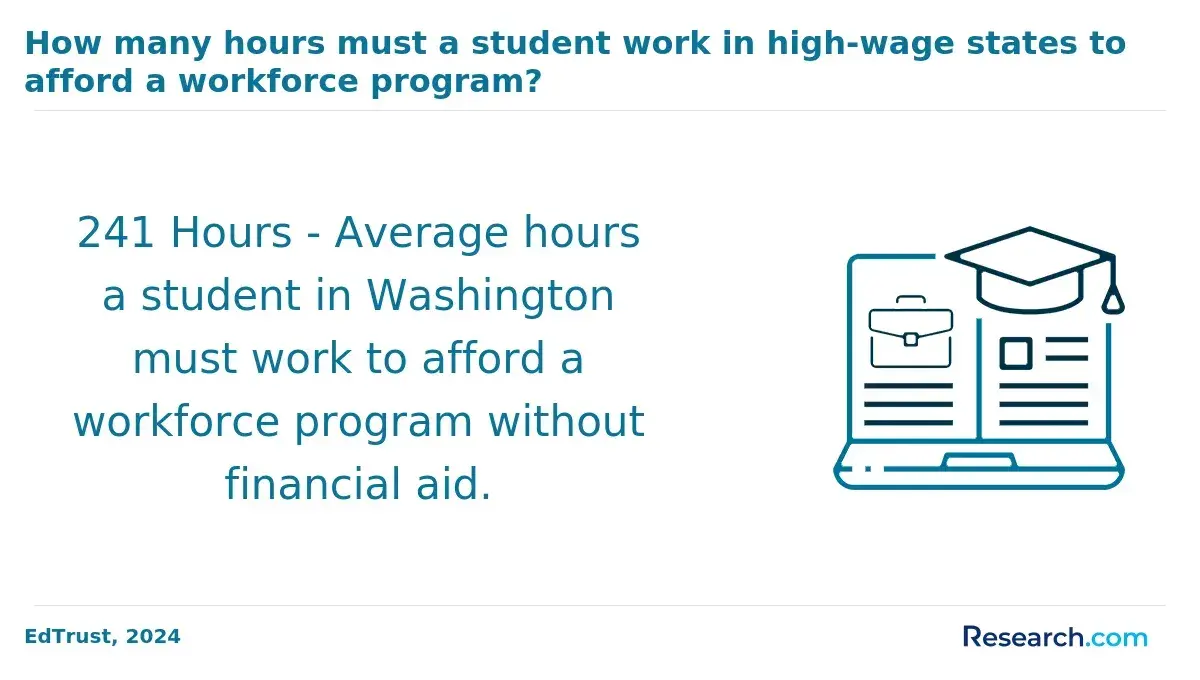
College Board's 2024 data reported average published tuition and fees of $11,610 for in-state students at public four-year institutions and $43,350 at private nonprofit four-year institutions. Those figures are not specific to behavioral health management, but they show why students should compare net price and not assume that online programs are automatically low-cost.
The table below summarizes typical timelines and cost drivers by credential type. Use it to identify the path that fits your budget and urgency.
| Credential | Common completion time | Cost factors to compare | When it may be worth considering |
| Undergraduate certificate | One semester to one year | Per-credit tuition, certificate fees, whether credits apply to a degree | You want a low-commitment entry point into behavioral health operations |
| Associate degree | About two years full time; longer part time | Community college tuition, transferability, online course fees | You need a foundation for entry-level human services or future bachelor's study |
| Bachelor's completion degree | One to three years depending on transfer credits | Transfer acceptance, upper-division tuition, residency credit requirements | You already have credits and need a management-oriented bachelor's credential |
| Master's degree | One to three years depending on pace | Graduate tuition, employer reimbursement, capstone or practicum fees | You are pursuing director, administrator, quality, policy, or senior program roles |
| Graduate certificate | Six months to one year | Stackability, graduate tuition rate, employer reimbursement eligibility | You already have a degree and need focused behavioral health leadership training |
When schools publish tuition, they may not include every expense. Before comparing offers, ask each program for a full estimate that includes the following cost categories.
- Tuition per credit and total required credits after transfer evaluation
- Online learning, technology, graduation, clinical clearance, or assessment fees
- Books, digital platforms, software, and exam proctoring expenses
- Residency travel costs if the program has required in-person sessions
- Lost income if accelerated study reduces your ability to work
- Financial aid eligibility, employer tuition assistance, military benefits, scholarships, and payment plans
It is also smart to look beyond your own major when learning how colleges calculate affordability. For example, guides that break down construction management degree cost can still help you understand universal cost issues such as per-credit pricing, transfer credits, fees, and the difference between sticker price and net price.
What core courses and specializations are included in behavioral health management curricula?
Behavioral health management curricula usually blend healthcare administration, behavioral health systems, ethics, data, quality improvement, and human services leadership. The strongest programs teach students how care is delivered and how organizations are funded, regulated, staffed, measured, and improved.
Course titles vary, but many programs include a mix of the following content areas. These subjects matter because behavioral health leaders must understand both people-centered care and operational constraints.
- Behavioral health systems and service delivery, including mental health, substance use, crisis services, community-based care, and integrated care models
- Healthcare management, organizational behavior, supervision, workforce planning, and interprofessional collaboration
- Health policy, Medicaid, reimbursement, grant funding, nonprofit finance, and budgeting
- Compliance, ethics, privacy, risk management, documentation, and patient rights
- Quality improvement, outcomes measurement, program evaluation, and evidence-informed decision-making
- Health equity, cultural responsiveness, social determinants of health, trauma-informed systems, and community partnerships
- Data analytics, electronic health records, reporting dashboards, and performance metrics
- Capstone, applied project, internship, or practicum focused on a real organizational problem
Specializations can make a degree more useful if they match a clear career goal. Common concentration areas include addiction services administration, integrated behavioral health, healthcare quality, public health, nonprofit leadership, population health, health informatics, long-term care administration, and community mental health leadership.
Technology is becoming more important in this field. Telehealth operations, AI-assisted documentation tools, digital intake platforms, and analytics dashboards are changing how behavioral health organizations schedule patients, monitor outcomes, and report performance. Students do not need to become software engineers, but they should expect employers to value data literacy, privacy awareness, and the ability to improve digital workflows.
Students interested in records, privacy, data quality, and health technology may find that a HIM degree aligns better than a general behavioral health management program. That route can be especially relevant for roles involving electronic health records, coding workflows, compliance reporting, and health data governance.
How can students verify accreditation and quality for online behavioral health management programs?
Accreditation is one of the most important quality checks for any online degree. At minimum, the institution should hold recognized institutional accreditation from an accreditor accepted by the U.S. Department of Education or the Council for Higher Education Accreditation. This affects financial aid eligibility, credit transfer, graduate admissions, and employer trust.
Programmatic accreditation is more complicated. Behavioral health management degrees may be housed in healthcare administration, public health, social work, psychology, counseling, or human services departments, and not every legitimate management degree has a specialized accreditor. However, if a program claims to prepare students for a licensed clinical role, programmatic accreditation and state approval become much more important.
Use the following checks before submitting an application or deposit. They are practical safeguards against enrolling in a program that does not support your goals.
- Verify the institution's accreditation through an official accreditation database rather than relying only on the school's marketing page.
- Ask whether the degree is intended for management, clinical licensure, public health practice, social work, counseling, or another specific pathway.
- Confirm whether credits transfer to public universities, graduate programs, or professional programs you may pursue later.
- Review faculty backgrounds for behavioral health administration, healthcare operations, public health, social services, compliance, or applied research experience.
- Ask for student outcome information such as retention, graduation, licensure pass rates if relevant, internship support, and employer partnerships.
- Read the academic catalog for required courses, fieldwork rules, course rotation, withdrawal policies, and graduation requirements.
Common red flags include unclear accreditation language, pressure to enroll immediately, vague career claims, missing tuition details, and promises that one degree will qualify you for every behavioral health job. Quality programs are usually specific about what they do and do not prepare students to do.
What behavioral health management careers can you pursue with an online degree?
An online behavioral health management degree can support careers in mental health clinics, substance use treatment centers, hospitals, integrated care practices, community health organizations, county agencies, managed care organizations, nonprofit service providers, correctional health programs, and telebehavioral health companies. The best job fit depends on degree level, prior experience, state requirements, and whether the role is administrative or clinical.
The table below connects common roles to typical responsibilities. It is not a guarantee of eligibility, but it can help you match the degree to realistic job targets.
| Career path | Typical responsibilities | Degree level commonly preferred | Best-fit background |
| Behavioral health program coordinator | Coordinate services, track referrals, support reporting, communicate with staff and partner agencies | Bachelor's degree or relevant experience | Human services, psychology, public health, peer support, or case management |
| Clinical operations manager | Improve scheduling, intake, staffing workflows, documentation, and patient access | Bachelor's or master's degree | Clinic administration, healthcare operations, behavioral health services |
| Substance use treatment program manager | Oversee program operations, compliance, staff coordination, grant reporting, and service quality | Bachelor's or master's degree | Addiction services, recovery programs, community health, nonprofit leadership |
| Quality improvement specialist | Analyze outcomes, support audits, develop improvement plans, and monitor performance indicators | Bachelor's or master's degree | Healthcare quality, data reporting, compliance, public health |
| Community behavioral health administrator | Manage budgets, grants, partnerships, staffing, regulatory reporting, and strategic planning | Master's degree often preferred | Behavioral health leadership, public administration, healthcare management |
| Care coordination or integrated care manager | Support coordination between primary care, behavioral health, social services, and community resources | Bachelor's or master's degree | Patient navigation, social services, nursing, public health, case management |
This degree is most useful when paired with relevant experience. A student with several years in case management, intake, peer support, medical office operations, or nonprofit programs may be able to use the credential to move into supervision. A student with no healthcare or human services background may need to start in coordinator or support roles before being competitive for management jobs.
Employers often look for practical skills in addition to the credential. Strong candidates can communicate with clinical and administrative teams, understand compliance expectations, interpret service data, manage conflict, write clearly, and improve processes without losing sight of patient needs.
What salary ranges and job outlook can behavioral health management graduates expect?
Salary outcomes vary by role, location, employer type, degree level, and experience. Behavioral health management graduates may pursue roles that fall under several occupational categories, so it is better to compare relevant labor-market benchmarks than to rely on a single "degree salary" claim.
BLS May 2024 wage data reported a median annual wage of $117,960 for medical and health services managers. That benchmark is useful for senior healthcare management roles, but entry-level behavioral health coordinators, nonprofit program staff, and community service roles may pay less, especially before a graduate degree or substantial supervisory experience.
The table below summarizes career categories that behavioral health management graduates often compare. Use it to understand the salary context and job outlook, not as a promise of individual earnings.
| Occupational category | Relevant behavioral health management connection | Recent U.S. labor-market signal | How to interpret it |
| Medical and health services managers | Clinic operations, behavioral health administration, integrated care management | BLS reported a $117,960 median annual wage in May 2024 | Most relevant for experienced managers and graduate-level leadership paths |
| Social and community service managers | Nonprofit behavioral health programs, community agencies, human services leadership | BLS reported a $78,240 median annual wage in May 2024 | Useful benchmark for community-based and nonprofit management roles |
| Substance abuse, behavioral disorder, and mental health counselors | Clinical or direct-service work in counseling settings | BLS reported a $59,190 median annual wage in May 2024 | Relevant only if you pursue a clinical counseling pathway and meet state requirements |
Job outlook is also favorable for healthcare management. BLS projections published for the 2023 to 2033 period show medical and health services manager employment growing much faster than the average for all occupations. For students, this means the broader healthcare administration market is expanding, but competition for the best behavioral health leadership roles will still depend on experience, credentials, and local employer needs.
To evaluate ROI, compare the program's total net cost with the roles you can realistically pursue within one to three years after graduation. A lower-cost bachelor's completion program may be a strong investment for someone already working in behavioral health. A higher-cost master's degree may make sense if your employer values graduate education for director-level roles or provides tuition assistance.
Are there licenses or certifications linked to behavioral health management roles, and how are they earned?
Behavioral health management degrees are often linked to licenses and certifications, but the connection depends on the role. Management jobs may not require a clinical license, while counseling, therapy, social work, psychology, nursing, and some substance use treatment roles are regulated by state boards. This distinction is essential before enrolling.
The table below clarifies common credentials and how they relate to behavioral health management. Requirements vary by state, so students should always confirm rules with the relevant licensing board or certifying organization.
| Credential type | Who may need it | Typical pathway | Management degree relationship |
| Licensed professional counselor or equivalent state counseling license | People providing independent counseling or psychotherapy | Accredited or state-approved graduate counseling degree, supervised hours, exam, state application | A management degree alone usually does not qualify |
| Licensed clinical social worker or equivalent social work license | People providing clinical social work services | CSWE-accredited social work degree, supervised experience, exam, state application | Management coursework can help later with supervisory or director roles |
| Substance use or addiction counselor credential | Professionals providing substance use counseling or recovery services | State-specific education, supervised practice, exam, and continuing education | Behavioral health management can support program leadership but may not meet counseling credential rules |
| Certified professional in healthcare quality or similar quality credential | Quality, compliance, and performance improvement professionals | Experience-based eligibility, exam, and ongoing renewal depending on the credential | Can pair well with management degrees focused on outcomes and compliance |
| Project management, nonprofit management, or healthcare administration certifications | Administrators managing programs, grants, teams, or operations | Varies by certification; may include coursework, experience, and an exam | Can strengthen administrative credibility without replacing degree requirements |
If licensure is part of your long-term plan, do not rely on admissions staff alone. Take these steps before enrolling in any online program that mentions counseling, therapy, social work, or addiction services.
- Identify the exact license or credential required for the job title you want in your state.
- Read the state board's education requirements, including accreditation, course content, supervised hours, and exam rules.
- Ask the school for a written licensure disclosure for your state of residence and any state where you plan to work.
- Confirm whether online coursework, field placements, and supervision arrangements satisfy state rules.
- Keep records of syllabi, practicum hours, supervisors, and evaluations in case a board requests documentation later.
The safest assumption is that behavioral health management prepares you for administrative leadership unless the program explicitly meets clinical licensure requirements. That does not make the degree less valuable; it simply means the value is different.
Other Things You Should Know About Behavioral Health Management
Yes, many 2027 online behavioral health management degree programs offer flexible schedules allowing students to balance full-time work and their studies. These programs typically feature part-time enrollment options, asynchronous classes, and personalized learning plans to fit a busy professional's lifestyle.
Employers are more likely to accept an online degree from an accredited institution with a relevant curriculum and clear learning outcomes. The diploma usually matters less than accreditation, experience, skills, and whether the program fits the role.
Ask about accreditation, transfer credits, total cost, start dates, synchronous requirements, fieldwork rules, student support, career services, and whether the program is designed for management or clinical licensure. Request important answers in writing.
References
- Self-Paced Online Degree Programs https://www.umassglobal.edu/why-umassglobal/flexible-ways-to-learn/self-paced
- Core Curriculum Healthcare Education Integration - Substance Use | SAMHSA https://www.samhsa.gov/substance-use/treatment/resources/provider-support/core-curriculum
- Behavioral Health Accreditation Promotes Accountability - NCQA https://www.ncqa.org/blog/behavioral-health-accreditation-promotes-accountability/
- Certification, Credentials and Licensure — Regional Behavioral Health Workforce Coalition https://www.buildbehavioralhealth.org/certs-cred-license
- Online Mental & Behavioral Health Certificates: Program Reviews https://www.edumed.org/online-schools/behavioral-mental-health-certificate/
- Introduction to Behavioral Health | Behave Health https://behavehealth.com/blog/introduction-to-accreditation-in-behavioral-healthcare
- NIAHO® psychiatric hospital accreditation program https://www.dnv.com/services/niaho-psychiatric-hospital-accreditation/
- Behavioral Health Specialist Salary and Job Description https://www.warnerpacific.edu/blog/behavioral-health-specialist/
- 9 Mental Health Careers You Can Pursue with a BA https://www.nec.edu/news/9-mental-health-careers-you-can-pursue-with-a-ba
- A Complete Guide to Careers in Behavioral Health Fields https://behavioralhealth.careers/blog/careers-in-behavioral-health-guide/