2027 Can You Get More Student Loans If You Run Out of Money?

Student Finance & Loan Expert
Many students face financial shortfalls after exhausting their initial student loan limits. Without additional funds, they risk interrupting their education or delaying graduation. This issue commonly arises for borrowers pursuing graduate degrees or changing programs after completing an unrelated undergraduate major. Understanding options for obtaining more student loans can prevent these setbacks.
This article explores eligibility criteria, federal and private loan alternatives, and strategies to secure supplemental funding. It aims to guide readers in navigating the complexities of borrowing more student aid to continue their education without undue financial strain.
- Can you get more student loan money after reaching your original borrowing limit? More Loans
- What should you do immediately if you run out of financial aid mid-semester? Out of Aid
- How do annual and lifetime federal student loan limits work for undergrads and grads? Loan Limits
- Can you increase your federal loans through a FAFSA correction or aid appeal? FAFSA Appeal
- When should you consider a private student loan to cover remaining college costs? Private Loans
- Are there emergency funds, payment plans, or short-term options besides new loans? Alternatives
- How do Parent PLUS and Grad PLUS loans help when other aid isn't enough? PLUS Loans
- How will borrowing more affect your future monthly payments and total interest cost? Payment Impact
- Can you switch repayment plans or use income-driven plans if you over-borrow? IDR Options
- What steps can you take if you still can't afford school even with extra loans? Affordability Steps
Can you get more student loan money after reaching your original borrowing limit?
Once you reach your original federal student loan borrowing limit, options for increasing student loan amounts if initial funds run out are limited and regulated. Undergraduate students face specific annual and aggregate limits for Direct Subsidized and Unsubsidized Loans. For instance, dependent undergraduates may borrow up to $31,000 total, with no more than $23,000 in subsidized loans. After reaching this cap, federal loan debt cannot increase at that education level.
Additional federal borrowing becomes available in these scenarios:
- Starting graduate or professional school resets aggregate limits, allowing new federal loans under graduate-level caps.
- PLUS Loans for parents or graduate students offer borrowing beyond undergraduate limits but require credit approval.
- Private student loans can cover costs exceeding federal limits, though they often have higher interest rates and less favorable terms.
Coordination with your financial aid office can help explore options like adjusting your cost of attendance to justify more loan eligibility. Despite this, federally mandated caps cannot be exceeded without advancing to another degree level.
In recent years, the average annual federal student loan for undergraduates has declined, even as overall borrowing by students and parents grew. These trends highlight the tightening of loan limits and the need to explore alternatives. Prospective students should consider graduate-level loans or the availability of student loans for dental school and other programs for more borrowing after exhausting their initial eligibility.
Can you get additional federal student loans after reaching your borrowing limit? The answer lies mainly in changing your education level or applying for PLUS loans, making it vital to understand all available federal and private options.
What should you do immediately if you run out of financial aid mid-semester?
If you run out of financial aid mid-semester, act immediately to avoid disrupting your education. First, contact your school's financial aid office to clarify your current aid status and explore emergency options. Many schools provide short-term emergency grants, institutional loans, or payment plans for quick relief.
Next, assess your eligibility for additional funding. If you haven't reached federal loan limits, you may qualify to increase Direct Subsidized or Unsubsidized Loans during your next loan period. Inform your financial aid officer to adjust your loan amount. Keep in mind, the average federal loan balance for borrowers recently reached $39,547, signaling significant long-term responsibilities.
When federal options are maxed out, consider alternative sources and additional student loan options mid-semester such as:
- Private student loans, which may require credit approval and often have higher interest rates;
- Scholarships or grants based on merit or hardship, offered by your school or outside organizations;
- Work-study or part-time jobs on or off campus to generate income without added debt.
For those exploring private funding, researching student loans for students with poor credit can expand your options. To get emergency financial aid quickly, communicate proactively with your financial aid office and reassess your budget to avoid future shortfalls. Consulting a student loan counselor can also help develop personalized strategies to maintain enrollment and manage costs effectively.
How do annual and lifetime federal student loan limits work for undergrads and grads?
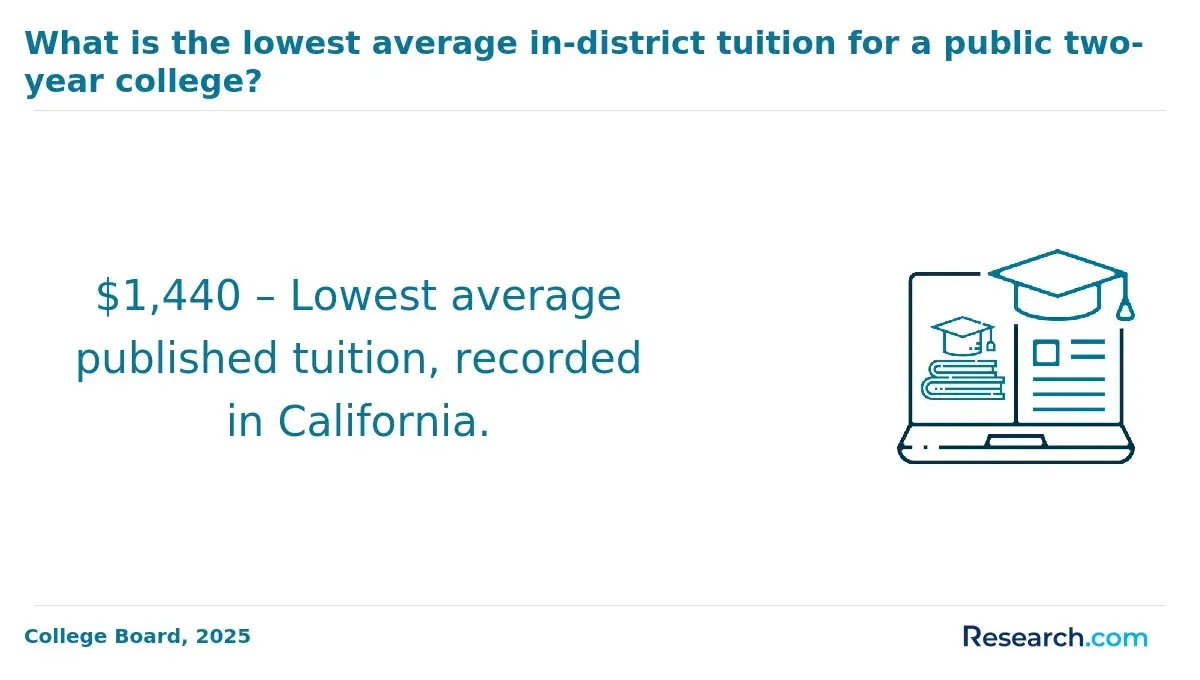
Federal student loan limits establish how much undergraduates can borrow annually and over their academic lifetime. For the annual and lifetime federal student loan limits for undergraduates, dependent freshmen may borrow up to $5,500 per year, whereas independent or graduate students have higher starting limits at $9,500 annually. Lifetime borrowing caps for undergraduates are $31,000 for dependents and $57,500 for independents, with a $23,000 maximum on subsidized loans.
Graduate and professional students follow a different system with no strict yearly cap but an aggregate limit of $138,500, including undergraduate loans. This combined limit accounts for federal Direct Subsidized and Unsubsidized Loans. Once these federal student loan limits for graduate and professional students are reached, no further federal loans are available.
Students facing unexpected financial hardships can request reassessment through their school's financial aid office-a process called professional judgment. Despite 30% of undergraduate FAFSA applicants reporting financial shocks, only 9% saw adjustments in their aid. Communicating changing financial circumstances proactively can improve access to additional aid or increased loan eligibility, even when limits seem restrictive. For borrowers considering loan refinancing, exploring options that include a student loan refinance sign up bonus may offer added financial benefits and support managing loan repayments more effectively.
Can you increase your federal loans through a FAFSA correction or aid appeal?
Federal student loan limits set by the FAFSA cannot be increased simply through a FAFSA correction or by appealing for more financial aid on federal student loans. The Department of Education enforces strict annual borrowing caps based on a student's grade level and dependency status, which means these limits remain unchanged even after submitting corrections or standard aid appeals. For instance, undergraduate dependent students face maximum annual loan limits ranging from $5,500 to $7,500 depending on their academic year. While corrections may update income or enrollment information, they do not raise these established loan caps.
There are some exceptions: if a student switches to a costlier academic program or changes enrollment status, the financial aid office can adjust loan eligibility accordingly. A professional judgment appeal may also revise the student's cost of attendance (COA) to account for higher expenses, potentially increasing loan eligibility within federal limits.
Once federal loan options are exhausted, students might consider Parent PLUS Loans or private loans. Parent PLUS borrowing reached $12.6 billion, representing about 12% of all education loan dollars, with total debt among parent borrowers at $116 billion. Students seeking extra funds beyond federal limits should discuss Parent PLUS loans with family and explore private loans carefully, weighing interest rates and repayment terms. Helpful resources like best banks that refinance student loans can also assist with loan management.
Students aiming to increase federal student loan eligibility through FAFSA correction should set realistic expectations, since adjustments alone rarely result in higher borrowing limits.
When should you consider a private student loan to cover remaining college costs?
Private student loans should be considered only after fully utilizing federal student loans, grants, scholarships, and work-study options. Federal loans provide lower fixed interest rates and valuable borrower protections, including income-driven repayment plans and deferment options, which are typically not available with private loans. These loans are meant to fill gaps such as increased tuition, housing, or unexpected costs like textbooks and technology fees.
Private loans become necessary when your total financial aid package doesn't cover your cost of attendance or if urgent financial changes occur. For example, once the federal loan aggregate limit-$57,500 for undergraduates-has been reached, private borrowing may be required to continue funding education.
When comparing private lenders, carefully consider:
- Interest rates
- Repayment flexibility
- Borrower benefits
- Credit check and co-signer requirements
Refinancing federal loans through private lenders is an option after graduation but results in losing federal protections. Private student loan debt reached $139.8 billion by late 2025, with nearly 20% from refinancing, showing growing reliance on these loans to bridge funding gaps. Borrowers should evaluate their financial situation and repayment ability before taking on additional private loan debt.
Are there emergency funds, payment plans, or short-term options besides new loans?
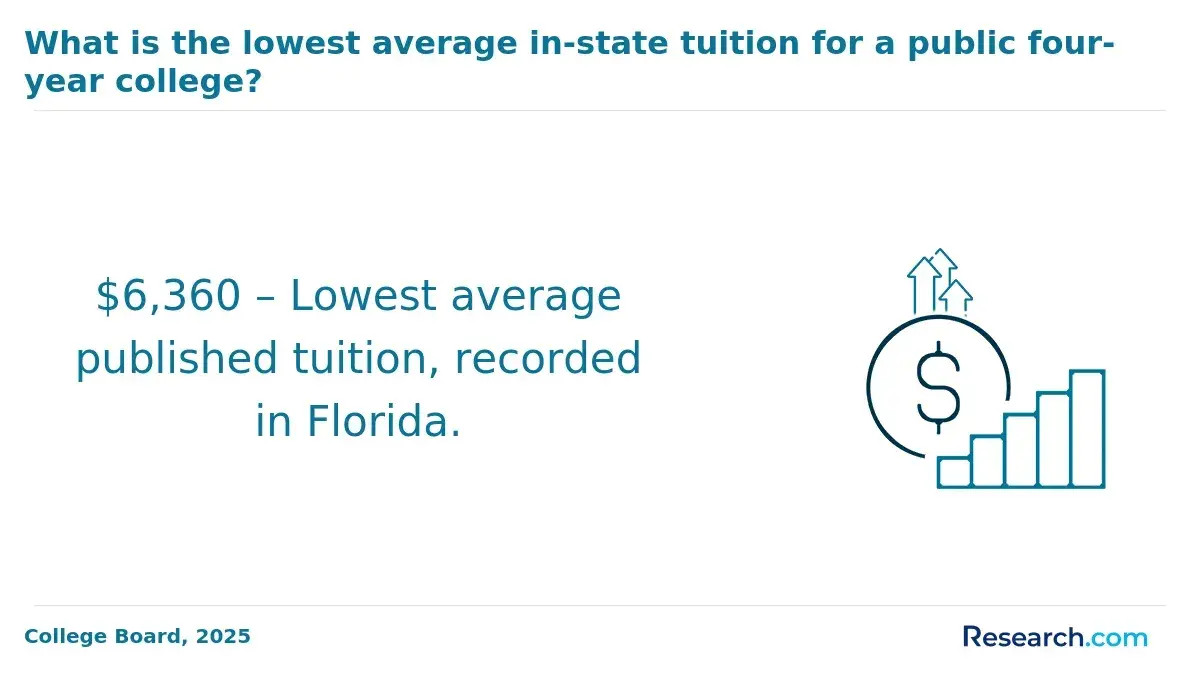
Many students face financial challenges that cannot always be solved by taking out new student loans. About 28% of public four-year colleges provide completion grants or emergency aid programs that support students facing unexpected hardships. These initiatives, highlighted by The Hope Center for College, Community, and Justice, have been shown to improve graduation rates by 3-5 percentage points among low-income recipients.
Completion grants offer one-time assistance to help students overcome difficulties that might otherwise delay their progress or cause them to drop out. Emergency aid funds cover urgent expenses such as housing, food, or medical bills without increasing debt, often coming with fewer repayment requirements than loans.
Other helpful options include flexible payment plans allowing tuition to be paid in installments over several months. These plans help students manage payments more easily but usually require early enrollment and coordination with the financial aid office.
Some colleges also provide short-term loans with quick approval processes and rapid repayment schedules. These smaller loans can fill urgent gaps but are less widely available than federal student loans. Exploring these alternatives-emergency aid, payment plans, and short-term loans-can reduce the need for traditional borrowing while addressing immediate financial obstacles to degree completion.
How do Parent PLUS and Grad PLUS loans help when other aid isn't enough?
Parent PLUS and Grad PLUS loans provide important financial support when other aid is not enough. Parent PLUS loans allow parents of dependent undergraduates to borrow up to the full cost of attendance, minus other aid. Grad PLUS loans help graduate or professional students cover remaining education costs beyond standard aid, including tuition and living expenses.
These loans address late-year funding gaps or unexpected expenses. For example, parents can use Parent PLUS loans to cover tuition, fees, housing, and books, even if their child is part-time. Graduate students often use Grad PLUS loans to reduce the need for extensive work hours, helping maintain academic progress.
In fact, 28% of undergraduates working 30+ hours weekly are 13 percentage points less likely to feel financially secure than those working less (Federal Reserve, Economic Well-Being of U.S. Households in 2024 - Higher Education and Student Loans, 2025). PLUS loans can ease this burden by offering higher borrowing limits with broader eligibility, though they do require credit approval and generally have higher interest rates than other federal loans.
These federal loans act as a critical option for bridging financial gaps late in the school year or in case of unexpected needs, supporting students and their families when other funding falls short.
How will borrowing more affect your future monthly payments and total interest cost?
Borrowing additional student loans significantly increases your future monthly payments and the total interest you'll pay over time. Interest accumulates from the moment loans are disbursed and compounds throughout the repayment period. For instance, adding $5,000 in federal loans at a 5% interest rate can raise your interest costs by approximately $1,250 during a standard 10-year repayment.
Income-Driven Repayment (IDR) plans can lower monthly payments by adjusting them based on your income, but they often extend the loan term, which results in higher total interest paid. Borrowers taking on more debt should be ready for longer repayment periods and increasing cumulative interest costs.
Many borrowers facing cash shortages choose forbearance or deferment instead of borrowing more. By 2025, about one in four federal borrowers had loans in forbearance and 10.0% of federal loan dollars were delinquent in Q4, highlighting a preference for postponing payments rather than increasing debt. However, interest continues to accrue during forbearance, adding to your loan balance and future payment amounts.
Before increasing your loan amount, carefully assess your projected income and consider existing management options such as IDR or forbearance. Borrowing beyond your repayment capacity puts you at risk of default and long-term financial difficulties.
Can you switch repayment plans or use income-driven plans if you over-borrow?
Over-borrowing on student loans can create a heavy financial burden, but switching to income-driven repayment (IDR) plans can help reduce monthly payments. IDR programs like Income-Based Repayment (IBR), Pay As You Earn (PAYE), and Revised Pay As You Earn (REPAYE) cap payments at a percentage of your discretionary income, adjusting based on your earnings and family size.
These plans also offer loan forgiveness after 20 to 25 years of qualifying payments, which is especially beneficial for those with substantial graduate school debt. Borrowers with advanced degrees often face average debts near $280,000, with median monthly payments over $2,000 on standard 10-year plans, making IDR plans a valuable option.
Other alternatives include graduated or extended repayment plans that lengthen loan terms but usually increase total interest paid and lack the income sensitivity of IDR options. Switching plans requires contacting your loan servicer and submitting income documentation annually to maintain eligibility.
Private loans usually do not offer income-driven options, so refinancing either through federal consolidation or private lenders may be necessary to access more flexible terms. Key points to consider:
- Switch early to reduce monthly payments and lower default risk.
- Provide annual income verification to stay qualified for IDR.
- Understand possible tax implications of loan forgiveness.
What steps can you take if you still can't afford school even with extra loans?
If school costs remain unaffordable despite extra student loans, consider alternative strategies to ease financial strain and improve outcomes. Start by applying for scholarships and grants that don't require repayment, which can offset expenses without adding debt. Reach out to your school's financial aid office about emergency funds or internal assistance designed for students facing financial hardships.
Adjusting your enrollment status may also help. Part-time attendance or a temporary break can prevent further loan accumulation while allowing you to work part-time or full-time. Some employers offer tuition assistance programs that reduce the need for loans. For those already with loans, income-driven repayment plans or federal forbearance options can lower monthly payments based on your income and family size, helping manage debt more sustainably.
Reassessing your educational path could significantly reduce costs. Transferring to a community college, choosing online programs, or focusing solely on essential credits can minimize unnecessary borrowing and avoid extra semesters. Data from the Federal Reserve's Economic Well-Being report shows that adults who started but did not finish a degree were over twice as likely to be behind on student loan payments compared to graduates-highlighting the risks of borrowing without completing your program.
Other Things You Should Know About
No, private student loans cannot be consolidated with federal student loans through federal consolidation programs. Federal Direct Consolidation Loans only combine federal loans from the Department of Education. Private loans must be refinanced separately through private lenders if you want to combine them, but this will not retain federal loan benefits like income-driven repayment plans or loan forgiveness.
If you run out of student loan funds in 2027, consider several options: apply for additional federal loans if eligible, explore private loan lenders, or seek financial aid from your institution. Check if you qualify for any grants or scholarships. Always assess the terms and repayment conditions before taking more loans. ---
If you default on additional student loans, the consequences are the same as with initial federal or private loans. For federal loans, default can lead to wage garnishment, tax refund offsets, and damaged credit. Private lenders may accelerate the debt, demand full repayment immediately, and involve collection agencies. Avoiding default and staying in communication with lenders is crucial.
Yes, having existing federal student loan debt does not automatically disqualify you from receiving new federal loans. Eligibility depends on remaining loan limits and your current enrollment status. However, your total debt burden and credit history may be considered if applying for certain loan types like PLUS loans or private loans.