2027 Best College Financing Options for Parents

Student Finance & Loan Expert
Parents often face the challenge of financing college costs while balancing other financial responsibilities. Rising tuition fees and living expenses make it difficult to choose the most effective funding method. Without clear guidance, families risk accumulating high-interest debt or missing out on beneficial financial aid.
Many are unsure whether to prioritize federal loans, private loans, or alternative plans like income-share agreements. This article explores the best college financing options for parents, emphasizing strategies to minimize debt and maximize financial aid to support students' education without compromising long-term financial stability.
- What are the main ways parents can help pay for college without overborrowing? Parent options
- How do federal Parent PLUS loans work and who should consider them? Parent PLUS
- How should families compare federal student loans, Parent PLUS, and private parent loans? Compare loans
- What should parents know about FAFSA, CSS Profile, and maximizing need-based aid? Maximize aid
- How do interest rates, fees, and borrowing limits differ across parent financing options? Rates & limits
- What repayment options are available for Parent PLUS and private parent loans? Parent repayment
- How can parents lower monthly payments through consolidation, refinancing, or term changes? Lower payments
- Are there loan forgiveness, discharge, or tax benefits available for parent borrowers? Parent forgiveness
- How can parents protect their credit and avoid default on college financing? Protect credit
- What strategies help families minimize debt, use 529s, and create a sustainable pay plan? Minimize debt
What are the main ways parents can help pay for college without overborrowing?
To help pay for college without excessive debt, parents can use several effective strategies. Maximizing savings with tax-advantaged accounts like 529 plans allows contributions to grow tax-free, reducing the need for future loans. Exploring scholarships and grants targeted at families provides funds that don't require repayment, easing financial pressure.
Working part-time or generating side income during the school year is another way parents can offset immediate costs and avoid borrowing. Some employers offer tuition assistance, which is worth checking out as part of college financing strategies for parents to avoid heavy borrowing.
Federal Parent PLUS loans are available but come with higher interest rates and fees compared to federal student loans, so they should be used cautiously after other options have been exhausted. Private loans for parents generally have less favorable terms, making them a last resort.
Budgeting carefully during the college preparation phase is essential. The 2024 Sallie Mae/Ipsos "How America Pays for College" report found parents underestimated four-year costs by an average of 28%, with 43% underestimating by over $20,000.
Encouraging enrollment at community colleges for the first two years or choosing in-state public universities can lower tuition without sacrificing academic quality. Combining these approaches helps parents support their children while avoiding excessive borrowing.
Parents and students should also be aware of other ways to manage expenses, including understanding student loans for housing costs, which can be a significant part of the overall budget.
How do federal Parent PLUS loans work and who should consider them?
Federal Parent PLUS loans allow parents of dependent undergraduate students to borrow up to the full cost of attendance minus any other financial aid. These loans are funded directly by the U.S. Department of Education and require a credit check, though the standards are less strict than private loans.
Interest rates for Parent PLUS loans are fixed at 8.99%, which is significantly higher than the average 3.2% fixed APR offered by top private parent lenders, according to Federal Student Aid and U.S. News & World Report.
Parents who wonder how do federal parent plus loans work should note these loans are useful when other federal aid and private loans do not cover tuition or other expenses. They come with federal protections like deferment, forbearance, and in some cases, income-contingent repayment.
However, the higher interest rates mean the total repayment cost can be much greater. For example, a $20,000 loan at 8.99% interest will accrue substantially more interest than a similar-sized loan from a private lender at 3.2%.
Who should consider federal parent plus loans? These loans can be a good option for families challenged to qualify for private credit due to credit history, as federal credit requirements are more flexible. Yet, these loans offer fewer borrower protections than student loans taken by students, including limited forgiveness and income-driven repayment options.
Parents should also be aware that federal loans can sometimes be used for expenses beyond tuition, such as using student loans for housing, which adds flexibility to how education costs are managed.
How should families compare federal student loans, Parent PLUS, and private parent loans?
Families comparing federal student loans vs Parent PLUS loans for families should carefully weigh interest rates, borrowing limits, repayment options, and credit requirements. Federal student loans usually offer the lowest interest rates and income-driven repayment plans, making them the preferred choice for most students.
Parent PLUS loans are federal loans for parents that allow borrowing up to the full cost of attendance minus other aid. While their interest rates are higher than standard federal loans, they provide access to funds when subsidized or unsubsidized loans fall short.
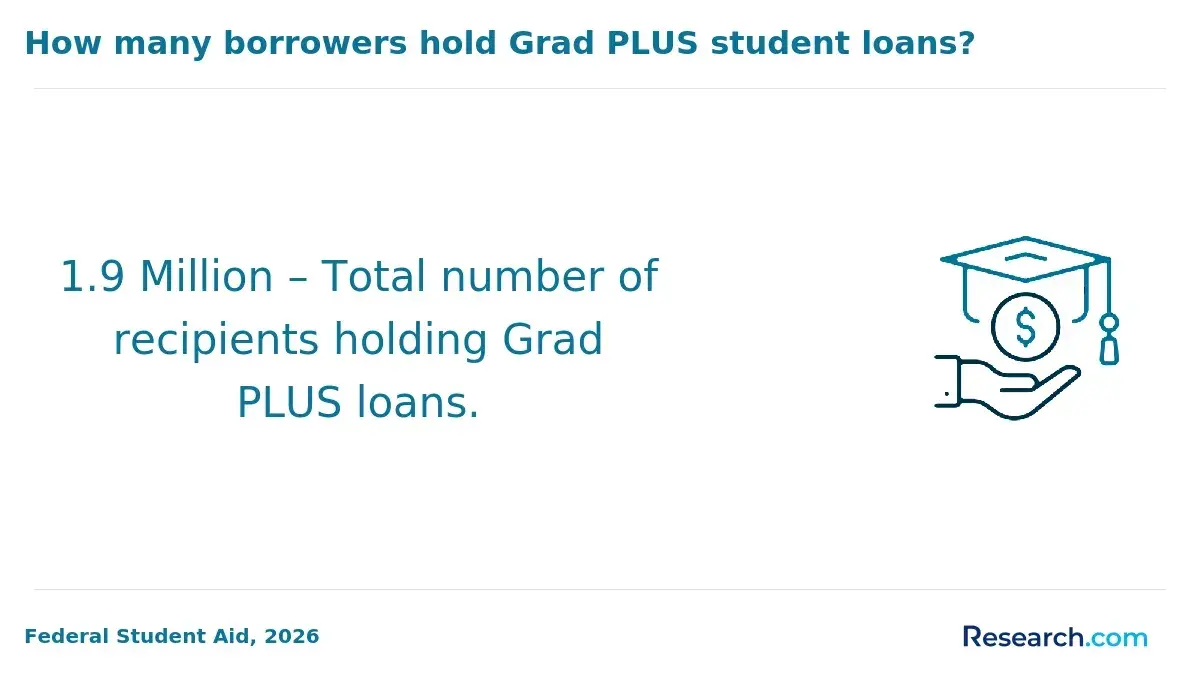
A 2024 Brookings Institution report noted about 3.7 million Parent PLUS borrowers owe $111 billion collectively, with nearly 12% having balances over $100,000, underscoring the risk of high debt accumulation and the need for cautious borrowing.
For those exploring private parent loans and federal financing options, private loans from banks or lenders often require strong credit and carry higher variable or fixed rates. They usually lack income-driven repayment plans and borrower protections like deferment or forgiveness.
Consider these points when deciding:
- Prioritize federal loan rates and benefits, including deferment options.
- Use Parent PLUS loans for additional funding beyond student loans, with careful monitoring.
- Reserve private parent loans as a last resort, fully understanding terms and rate variability.
Students and families should also research scholarships for adults going back to school as a way to reduce reliance on borrowing. Helpful resources include scholarships for adults going back to school.
What should parents know about FAFSA, CSS Profile, and maximizing need-based aid?
Parents should complete the Free Application for Federal Student Aid (FAFSA) and the CSS Profile accurately and early to maximize federal and state aid eligibility for college tuition.
FAFSA is required for federal aid and most state programs, while many private colleges require the CSS Profile for institutional aid. Missing deadlines or submitting incomplete information can significantly reduce available aid.
Precise reporting of financial details and strategic timing in valuing assets can lower the Expected Family Contribution (EFC), which in turn increases aid eligibility. For instance, paying off debts or carefully timing retirement account withdrawals may reduce reportable assets.
FAFSA primarily supports federal funds and some grants, whereas the CSS Profile examines factors like home equity and medical expenses more closely, influencing institutional aid decisions.
Monitoring aid offers from multiple colleges is essential, as institutional aid packages often vary widely even for similar financial situations. If family circumstances change after applying, such as job loss or medical emergencies, appealing aid decisions can lead to additional assistance.
If there remain funding gaps after maximizing grants and scholarships, private parent loans might be a viable option. Borrowers with strong credit scores can benefit from interest rates 3-4 points lower than Parent PLUS loans, potentially saving over $10,000 in interest on a $40,000 loan over 10 years. To find the best terms, explore banks that offer student loans.
Understanding financial aid applications like FAFSA and CSS Profile is crucial to navigating these options effectively.
How do interest rates, fees, and borrowing limits differ across parent financing options?
Interest rates, fees, and borrowing limits differ widely among parent financing options, impacting affordability and repayment terms. Federal Parent PLUS Loans have fixed interest rates near 8.05% with origination fees about 4.228% deducted at disbursement. These loans allow borrowing up to the full cost of attendance minus other aid, offering flexibility but relatively high costs.
Unsecured personal loans for college tend to have interest rates between 6% and 15%, influenced by creditworthiness. Origination or application fees typically range from 1% to 5%. Borrowing limits usually fall between $5,000 and $100,000, which may not cover expensive programs fully. The higher rates and fees reflect the increased risk lenders face without collateral.
Home Equity Lines of Credit (HELOCs) provide significantly lower interest rates-typically 3% to 5% less than Parent PLUS or personal loans. A Bankrate analysis of Federal Reserve data reported average HELOC rates several points below fixed loan rates, making them a cost-effective option for homeowners. Borrowing limits depend on home equity, generally up to 85% loan-to-value, with the average U.S. homeowner having about $206,000 in tappable equity.
However, HELOCs carry variable interest rates and require home equity as collateral, which poses a risk of foreclosure if payments are missed.
- Parent PLUS: fixed ~8%, fees ~4.2%, borrowing up to full attendance cost.
- Personal Loans: 6-15%, fees 1-5%, limits $5,000-$100,000.
- HELOCs: 3-5% lower rates, variable interest, borrowing linked to home equity (~85% LTV).
What repayment options are available for Parent PLUS and private parent loans?
Parent PLUS loans offer several repayment options to manage loan costs. The standard plan mandates fixed monthly payments over 10 years, while the graduated plan starts with lower payments that increase every two years, also spanning 10 years.
Extended repayment stretches payments up to 25 years, lowering monthly amounts but increasing total interest paid. Income-Contingent Repayment (ICR) is the only income-driven option but applies only after consolidating the loan into a Direct Consolidation Loan.
Private parent loans usually have fewer repayment choices and vary by lender. Common options include immediate repayment starting during the student's enrollment, interest-only payments while the student is still in school, and deferred repayment that delays payments until after graduation. Some lenders may impose higher interest or fees for deferred plans, so knowing the terms beforehand is important.
Given that Parent PLUS loans carry interest rates around 8%, parents should carefully weigh how repayment schedules impact their finances. Starting repayment early or choosing extended plans can make monthly payments more manageable.
Alternatively, boosting savings through 529 plans remains a strategic approach. According to a Sallie Mae study, families with 529 plans covered about 26% of college costs on average, and those who began saving before high school built almost three times more savings than late starters.
How can parents lower monthly payments through consolidation, refinancing, or term changes?
Parents seeking to lower monthly student loan payments have several strategies: consolidation, refinancing, and adjusting loan terms. Each option offers different advantages depending on financial situations.
Loan consolidation merges multiple federal student loans into a single payment, often extending repayment terms up to 30 years. This can reduce monthly payments by 40%-60%, easing monthly cash flow but increasing the total interest paid over time.
Refinancing involves replacing existing loans with a new private loan, potentially securing a lower interest rate. This can drastically cut monthly payments if market rates are favorable. However, refinancing federal loans privately means losing federal borrower protections and benefits, so it requires careful consideration.
Adjusting loan terms may include negotiating longer repayment periods or enrolling in income-driven repayment plans, which calculate payments based on income and family size. Payments can drop to 10% of discretionary income, but longer loan durations often increase interest costs.
Additional relief can come from education tax credits like the American Opportunity Tax Credit, which lowers federal tax bills by up to $2,500 per eligible student annually. Education tax benefits reduced U.S. taxpayers' liabilities by over $17 billion, helping parents manage loan payments more effectively.
Are there loan forgiveness, discharge, or tax benefits available for parent borrowers?
Parent borrowers face more restrictions for loan forgiveness compared to student borrowers. Federal Parent PLUS Loans generally don't qualify for most income-driven repayment plan forgiveness programs.
However, they may be discharged in cases of death, total and permanent disability, or the death of the borrower's child. Discharges are also possible due to school closure, false certification, or bankruptcy, though proving undue hardship in bankruptcy cases can be difficult.
Parent PLUS loans cannot directly access Public Service Loan Forgiveness (PSLF) because they are ineligible for income-driven repayment plans required for PSLF. One option is to consolidate Parent PLUS loans into a Direct Consolidation Loan, then repay under income-driven plans like Income-Contingent Repayment (ICR). This allows potential forgiveness after 25 years of qualifying payments.
There are limited tax benefits with Parent PLUS loans. Interest paid may be deductible up to $2,500 annually, depending on income limits.
Families can also reduce borrowing by encouraging students to work part-time. According to the National Center for Education Statistics, 42% of undergraduates worked 20 hours or less weekly and borrowed about $1,800 less annually than nonworking peers. This strategy can ease parental debt burdens and improve financial outcomes.
How can parents protect their credit and avoid default on college financing?
Parents can protect their credit and avoid loan default by managing borrowing carefully and prioritizing scholarships and grants. Grants and scholarships covered nearly a third of undergraduate costs on average, and families applying to multiple private scholarships often receive substantially more aid.
Applying for a variety of scholarships reduces reliance on loans. When borrowing is necessary, federal student loans are preferable due to lower interest rates and flexible repayment options such as income-driven plans and deferment. A balanced approach using federal loans, scholarships, and savings helps maintain manageable debt levels.
Regularly monitoring credit reports helps identify errors or early warning signs. Setting up automated payments or reminders can prevent missed deadlines, which significantly affect credit scores.
Refinancing private loans may lower interest but should only be considered once income is stable, as it can reduce borrower protections. Open communication with lenders about financial hardships can enable modified repayment plans to avoid default.
Building an emergency fund covers unexpected college-related expenses and reduces missed payments risk. Many institutions offer financial counseling to create personalized budgeting strategies. Protecting credit requires combining strategic borrowing with proactive financial management.
What strategies help families minimize debt, use 529s, and create a sustainable pay plan?
Less than one-fifth of families develop a comprehensive multi-year college financing plan before enrollment, but those who do are significantly more likely to avoid high-interest credit card or personal loan debt. This approach enables families to allocate resources progressively and reduce expensive borrowing.
Effective planning includes early evaluation of expected costs, income, and savings, with annual adjustments to track tuition increases. Using 529 plans strategically is critical-start early to maximize tax advantages and automate monthly contributions. If multiple children attend college, 529 accounts can be transferred to minimize total expenses.
Families should prioritize federal student loans for their lower interest rates and flexible repayment options, resorting to private loans only after exhausting savings and federal aid. Budgeting beyond tuition, to include books, housing, and transportation, helps prevent unexpected debt.
- Explore scholarships and work-study programs for additional financial support.
- Regularly review and adjust your financing plan to reflect changes like new scholarships or income shifts.
This proactive strategy leads to more sustainable payments and reduces dependence on credit.
Other Things You Should Know About
Yes, parent student loans can impact a parent's credit score because the borrower is personally responsible for repayment. Timely payments help maintain a good credit history, while missed or late payments may lower credit scores and increase borrowing costs for future loans.
In 2027, parents should consider a combination of 529 Savings Plans, federal PLUS Loans, and scholarships to finance college education. These options provide tax benefits, flexible repayment terms, and do not necessarily affect the parent's credit score. Researching and comparing these options can help minimize debt.
Private parent loans usually lack the flexible borrower protections available with federal loans, such as income-driven repayment plans or deferment options. Parents should carefully review loan terms before borrowing and consider the risks of fewer repayment options.
Parents can consolidate their federal parent loans through a Direct Consolidation Loan, which combines multiple loans into one monthly payment. This may simplify repayment but can also extend the loan term and increase total interest paid over time.