2027 Best Nurse Anesthesia Student Loans

Student Finance & Loan Expert
Many aspiring nurse anesthetists face rising educational costs that strain their finances before starting their careers. Limited awareness of specialized loan options often leads to missed opportunities for more favorable terms and manageable repayment plans.
This financial burden can delay career progress and increase stress for students balancing rigorous programs and personal obligations. Navigating loan choices specific to nurse anesthesia programs is essential to avoid excessive debt and secure funding aligned with professional goals.
This article explores the best student loan options tailored to nurse anesthesia students, aiming to guide readers toward informed borrowing decisions and financial stability throughout their education journey.
- What are the best student loan options specifically for nurse anesthesia programs? Student Loan Choices
- How do federal nurse anesthesia student loans compare to private loan options? Federal vs Private Loans
- What interest rates, fees, and borrowing limits apply to nurse anesthesia student loans? Interest and Fees
- Which federal loans can graduate nurse anesthesia students use, and how do they work? Graduate School Loans
- How do I qualify and apply for nurse anesthesia student loans through the FAFSA and lenders? Loan Eligibility
- What repayment plans are best for high-debt nurse anesthesia borrowers after graduation? Repayment Plans
- How do income-driven repayment and PSLF work for certified registered nurse anesthetists? CRNA Debt Relief
- Should nurse anesthesia students consider Grad PLUS loans, and what are the trade-offs? Grad PLUS Loans
- When does refinancing nurse anesthesia loans make sense, and what should I compare? CRNA Loan Refinancing
- How can nurse anesthesia students minimize borrowing and manage debt while in school? Minimizing CRNA Debt
What are the best student loan options specifically for nurse anesthesia programs?
For nurse anesthesia students, securing the best nurse anesthesia student loan programs means focusing on minimizing interest costs while maximizing repayment flexibility. Tuition can exceed $200,000, such as at Johns Hopkins University's DNP Nurse Anesthesia program, making federal loans the cornerstone of affordable financing options for nurse anesthesia students.
Federal Direct Grad PLUS loans are a primary choice, providing fixed interest rates and access to income-driven repayment plans and Public Service Loan Forgiveness (PSLF), which benefit those pursuing public sector healthcare careers. Private student loans may supplement these but often carry higher interest rates and fewer borrower protections.
Key loan options include:
- Federal Direct Unsubsidized Loans: Lower interest rates and automatically available with FAFSA.
- Federal Grad PLUS Loans: Cover remaining costs after unsubsidized loans; require credit approval.
- Loan Consolidation Options: Can reduce monthly payments by extending repayment, though may increase total interest.
- Private Lenders Specializing in Nurse Anesthesia: Tailored loans for CRNA students with varying terms; careful comparison is essential.
Given education debt often surpassing $200,000, prioritizing federal loans is vital for borrower protections during repayment. Refinancing or private options should follow only after maximizing federal benefits and establishing steady payments. For insights on what student loans can cover beyond tuition, see what can student loans be used for.
How do federal nurse anesthesia student loans compare to private loan options?
Federal nurse anesthesia student loan benefits include fixed interest rates set by the U.S. Department of Education, which tend to be lower than those from private lenders. These federal loans also offer income-driven repayment options and potential loan forgiveness programs, features often missing in private loans.
However, new proposals from the American Association of Nurse Anesthesiology would cap federal graduate student loan borrowing at $100,000 for nurse anesthesia programs, down from the previous $200,000 cap for professional degrees.
This significant reduction means many CRNA students might find federal loans insufficient to cover all tuition and living expenses. As a result, supplementing with private loans becomes necessary, though these usually have higher interest rates, fewer protections, and stricter repayment terms.
Private loans often require a creditworthy cosigner and lack income-based repayment or forgiveness options.
- Federal loans capped at $100,000 for many CRNA students under new guidelines.
- Federal loans offer lower fixed interest rates plus borrower protections.
- Private loans provide higher borrowing limits but with increased cost and risk.
- Private loan eligibility depends on credit and may need a cosigner.
- Combining federal and private loans might be required to meet all expenses.
Students should prioritize federal borrowing to secure better repayment terms. When considering private loans, understanding all terms is essential. For those concerned about qualifying for loans, options such as student loans for bad credit borrowers might offer useful alternatives.
Comparing private vs federal nurse anesthesia loans carefully can help mitigate financial risks associated with nurse anesthesia program financing.
What interest rates, fees, and borrowing limits apply to nurse anesthesia student loans?
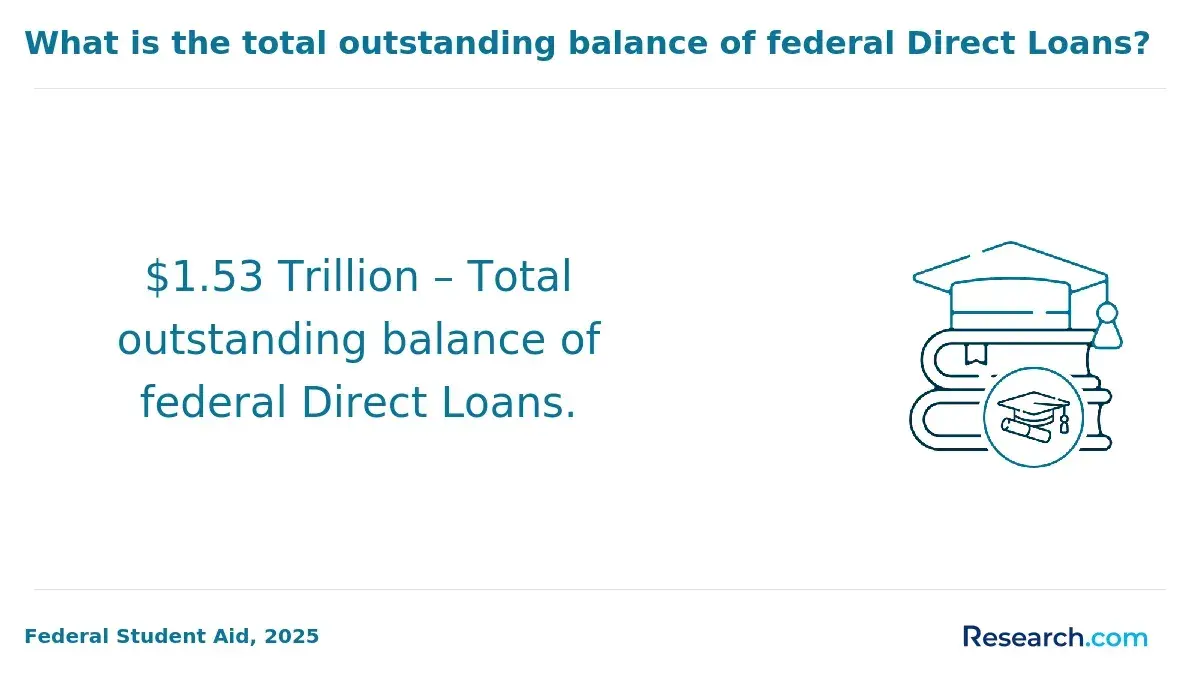
Nurse anesthesia student loans come with varying interest rates, fees, and borrowing limits depending on the lender and loan type. Federal student loans offer the most favorable terms, with fixed interest rates generally below 7%, no origination fees on federal Graduate PLUS loans, and annual borrowing limits up to $20,500 for unsubsidized loans.
Graduate PLUS loans allow borrowing up to the full cost of attendance, including tuition and living expenses, minus any other financial aid received. Understanding borrowing limits for nurse anesthesia student loans is crucial to managing debt effectively.
Private student loans usually carry higher interest rates, ranging from 6% to 14%, often variable and based on credit scores. They also frequently charge upfront origination or application fees between 1% and 5%, which increase the total loan cost.
Borrowing limits for private loans depend heavily on creditworthiness and lender policies; however, they generally cover up to the total cost of attendance without federal caps.
According to a 2025 American Association of Nurse Anesthesiology Facebook statement, nearly 80% of Certified Registered Nurse Anesthetist (CRNA) respondents expressed deep concern about reliance on costly private loans that lack the protective features of federal loans.
These concerns highlight the importance of exhaustively maximizing federal aid before turning to private alternatives. This issue is particularly relevant when comparing nurse anesthesia student loan interest rates and fees to find the most sustainable option.
When evaluating loan options, it is advisable to carefully compare interest rates, fees, and repayment options. Federal loans often come with predictable costs and forgiveness programs, while private loans require stringent credit checks and may impose higher financial burdens. For additional insight on federal borrowing, consider reviewing parent student loan rates as part of the broader student loan landscape.
Which federal loans can graduate nurse anesthesia students use, and how do they work?
Graduate nurse anesthesia programs typically rely on federal graduate student loans for nurse anesthesia programs such as Direct Unsubsidized Loans and Grad PLUS Loans. These loans help cover tuition, fees, and living expenses.
Direct Unsubsidized Loans are popular due to their fixed interest rates and no repayment requirement while enrolled at least half-time. Grad PLUS Loans, although carrying higher interest rates and requiring a credit check, allow borrowing up to the full cost of attendance minus other financial aid received.
Borrowers should note both loan types accrue interest during deferment and repayment, which can increase the total amount owed if unpaid while in school. Direct Unsubsidized Loans have an annual borrowing limit of $20,500, while Grad PLUS Loans cover costs exceeding that cap. Understanding how federal nurse anesthesia student loans work is essential for managing debt effectively.
Repayment options for these federal loans include income-driven plans and Public Service Loan Forgiveness (PSLF), which benefit healthcare graduates. Certified registered nurse anesthetists (CRNAs) may qualify for specific loan forgiveness and repayment assistance programs.
The National Health Service Corps (NHSC) Rural Community Loan Repayment program offers up to $100,000 for three years of full-time service at eligible rural facilities, or $50,000 for part-time service, providing valuable support for those serving underserved areas.
These options make federal loans a strategic choice for nurse anesthesia students aiming for careers in underserved communities. Early application and awareness of eligibility enhance the potential benefits. For those exploring ways to manage student debt after graduation, the best way to refinance student loans offers additional insight into managing and reducing loan burdens.
How do I qualify and apply for nurse anesthesia student loans through the FAFSA and lenders? - Apply & qualify
Begin your nurse anesthesia student loan application by completing the Free Application for Federal Student Aid (FAFSA) at fafsa.gov. This determines your eligibility for federal loans such as Direct Unsubsidized Loans and Grad PLUS Loans. To qualify, you must be enrolled in an eligible graduate-level or professional anesthesia program and meet citizenship or eligible non-citizen status. Federal loans often include benefits like income-driven repayment plans and deferment options.
Once FAFSA is submitted, your school will provide financial aid offers detailing available federal loans. You need to accept these loans through your school's financial aid office. Note that federal loan limits for graduate students usually max out at $20,500 annually for unsubsidized loans.
For additional financing or refinancing opportunities, consider private lenders specializing in health professional loans. They typically require a creditworthy co-signer or strong credit history. Private loan conditions vary widely:
- Interest rates range from 4% to 13%, fixed or variable
- Repayment plans depend on each lender's policies
- Some lenders offer perks like unemployment protection and autopay interest discounts
Refinancing high-interest loans through specialized private lenders may lower interest rates by 2 to 3 percentage points, potentially saving tens of thousands over the life of the loan. When applying, be ready to submit proof of enrollment, income, and credit details to lenders.
Balancing federal and private loans can optimize your borrowing costs, repayment flexibility, and access to support programs critical for nurse anesthesia students.
What repayment plans are best for high-debt nurse anesthesia borrowers after graduation?
Nurse anesthesia graduates often carry student loan debt exceeding $200,000, making income-driven repayment (IDR) plans such as Income-Based Repayment (IBR) and Pay As You Earn (PAYE) crucial. These plans adjust monthly payments to a percentage of discretionary income, easing financial strain during early career stages. Because federal loan caps are below typical debt amounts, IDR plans help keep payments affordable while reducing default risk.
IDR plans provide loan forgiveness after 20 to 25 years of qualifying payments, an essential benefit for those with large remaining balances. Graduates anticipating significant salary growth might opt for graduated repayment plans, which start with lower payments that increase approximately every two years in line with usual pay raises in anesthesia. However, this approach usually results in more total interest paid compared to IDR, so weighing immediate cash flow against long-term cost is important.
Refinancing may offer lower interest rates but typically eliminates federal protections like IDR and Public Service Loan Forgiveness (PSLF). Borrowers employed in nonprofit or government positions should explore PSLF alongside IDR to potentially eliminate debt after 10 years of qualifying payments.
Key points to consider when selecting a repayment plan include:
- Income stability and career growth projections
- Employment sector eligibility for PSLF
- Ability to pay above minimum monthly amounts to reduce principal
- Long-term financial goals such as home ownership or family planning
How do income-driven repayment and PSLF work for certified registered nurse anesthetists?
Income-driven repayment (IDR) plans adjust monthly student loan payments based on income and family size, which can significantly lower payments for certified registered nurse anesthetists (CRNAs) during early career stages or education periods.
Payments generally range from 10% to 20% of discretionary income. After 20 or 25 years of qualifying payments under IDR, any remaining loan balance may be forgiven, though forgiveness may be taxable.
Public Service Loan Forgiveness (PSLF) offers full loan forgiveness after 120 qualifying payments (10 years) for those working full-time for qualifying employers, such as government or non-profit healthcare organizations. CRNAs working at public hospitals or clinics often qualify, and unlike IDR forgiveness, PSLF forgiveness is tax-free.
Combining IDR and PSLF benefits CRNAs by lowering monthly payments while working in public service. For example, CRNAs earning less than the median wage of $212,650 reported by the U.S. Bureau of Labor Statistics can manage cash flow effectively early in their careers.
Key considerations include:
- Submitting the Employment Certification Form annually to monitor PSLF progress.
- Ensuring only federal Direct Loans are used; Perkins or FFEL loans require consolidation.
- Confirming employment meets PSLF criteria and making qualifying monthly payments.
- Understanding that IDR payments may rise as income increases over time.
With a 38% projected job growth for CRNAs from 2022 to 2032, leveraging IDR and PSLF programs is a strategic financial approach. Evaluating loan types and employment settings is crucial to maximize these benefits.
Should nurse anesthesia students consider Grad PLUS loans, and what are the trade-offs?
Nurse anesthesia students often face financial challenges during full-time study, making Grad PLUS loans a tempting option despite their higher costs. These loans cover the full cost of attendance minus other aid, which is critical when students cannot maintain full-time employment during clinical education. According to Health eCareers, many nurse anesthesia students rely heavily on borrowing and savings throughout their programs.
Grad PLUS loans carry an interest rate near 8.05% and a 4.228% origination fee deducted at disbursement, increasing the overall debt. Approval depends on a credit check, and students with adverse credit must find an endorser or prove extenuating circumstances, complicating loan access.
Repayment begins immediately after disbursement, though deferment options exist while enrolled. However, interest accrues during deferment, potentially adding approximately $12,000 in interest on a $50,000 loan over three years. Borrowers can reduce this by:
- Making interest-only payments during school to limit capitalization.
- Utilizing income-driven repayment plans after graduation.
- Using Grad PLUS loans only after federal subsidized and unsubsidized loans are exhausted.
Students should carefully weigh the benefits and costs of Grad PLUS loans, combining them with scholarships or part-time work when possible to minimize long-term debt growth and financial risk.
When does refinancing nurse anesthesia loans make sense, and what should I compare?
Refinancing nurse anesthesia loans can be a smart financial move if it lowers your interest rate, reduces monthly payments, or adjusts the loan term to better suit your goals. For instance, switching from a variable to a fixed rate protects against future increases. Improved credit since taking out the original loan might also qualify you for better terms.
Before deciding to refinance, consider these critical factors:
- Interest Rates: Ensure the new rate is significantly lower to offset refinancing costs.
- Loan Term: Shorter terms save interest but increase monthly payments; longer terms lower payments but increase total interest.
- Loan Type: Federal loans offer income-driven repayment and forgiveness options, which private refinancing often eliminates.
- Fees: Watch for origination fees, prepayment penalties, and other refinancing costs.
With proposed reduced federal loan limits for CRNA education, which 75% of SRNAs say would make training financially impossible, relying on refinancing to manage higher private loan debt could become necessary. Consolidating multiple federal and private loans might simplify payments but means losing federal protections.
For recent graduates with heavier debt, refinancing can help by lowering monthly payments or setting a fixed payoff schedule. However, if you qualify for federal income-driven repayment or loan forgiveness programs, refinancing might not be beneficial. Assess your financial situation, career plans, and repayment preferences carefully before refinancing nurse anesthesia loans.
How can nurse anesthesia students minimize borrowing and manage debt while in school?
Nurse anesthesia students can reduce borrowing and better manage debt by applying several financial strategies during their education. Maximizing scholarships and grants-many offered by states and professional organizations-helps avoid loans since these funds don't require repayment. Early, thorough research and application are crucial.
Working part-time in healthcare roles that align with study schedules provides income and valuable experience, helping offset living expenses and reduce loans. Students should carefully balance work and academics to maintain progress.
Choosing programs with lower tuition or stronger financial aid packages, such as public universities or hybrid/online options, can significantly cut costs. Comparing tuition and aid offers before committing is essential.
Budgeting plays a key role: tracking expenses and minimizing discretionary spending lowers monthly costs and prevents unnecessary borrowing. A solid financial plan ensures loans cover only necessary expenses like tuition, fees, and basic living costs.
It's important to understand loan options. Federal student loans typically offer better interest rates and flexible repayment compared to private loans, so exhausting federal options first is advised.
Advanced practice nurses commonly face a median student loan balance of $66,420, with nearly 29% owing over $100,000-exceeding proposed lifetime federal caps (McHugh et al., 2025, JAMA Health Forum). Frequent loan monitoring and communication with servicers prevent interest capitalization and support exploring income-driven repayment post-graduation.
Combined, these steps empower nurse anesthesia students to manage debt effectively and enter their careers with financial confidence.
Other Things You Should Know About
While there are no loan forgiveness programs exclusively for nurse anesthesia students, some federal and state programs offer forgiveness for nurses or healthcare workers in underserved areas. Graduates working in critical shortage facilities or public service may qualify for programs like Public Service Loan Forgiveness (PSLF). Eligibility requirements and benefit amounts vary by program and employer.
Employer tuition assistance can reduce the amount you need to borrow for nurse anesthesia programs and may help lower overall student loan debt. Some employers offer repayment assistance or tuition reimbursement as benefits, but these programs often have specific service requirements or limits. Using employer assistance strategically can improve your financial outlook during and after school.
Deferring student loans while attending nurse anesthesia school can ease immediate financial pressure, but interest usually continues to accrue on most loan types. This can significantly increase the total amount you repay over time. Understanding the consequences of deferral and planning for interest capitalization can help manage long-term loan costs effectively.