2027 Can You Increase Your Student Loan Amount Mid-Year?

Student Finance & Loan Expert
Imagine a graduate student who unexpectedly faces higher tuition fees or unplanned living expenses halfway through their academic year. They wonder if they can increase their student loan amount without waiting for the next academic cycle. Many borrowers find themselves uncertain about the process and eligibility for mid-year loan adjustments, which can cause financial stress.
This article explains the circumstances under which a student loan amount can be increased mid-year. It offers clear guidance on navigating the application and approval process, helping readers make informed decisions about managing their education finances.
- Can you increase your federal student loan amount in the middle of the school year? Midyear loan increase
- What steps should you take if your financial need changes after your aid is awarded? Changed need steps
- How do schools recalculate your cost of attendance when you request more loan funds? COA recalculation
- What federal student loan limits apply if you want to borrow additional funds mid-year? Federal limits
- Can parents raise a Parent PLUS Loan amount after the term has already started? Parent PLUS increase
- Is it possible to increase a private student loan amount after you've already borrowed? Private loan increase
- How do mid-year loan increases affect interest charges and total repayment costs? Cost impact
- What are the deadlines and paperwork to request a loan increase from your school? Deadlines & forms
- How could boosting your loan amount change your repayment plan and monthly payment? Repayment changes
- What alternatives should you consider if you're denied a mid-year loan increase? If increase denied
Can you increase your federal student loan amount in the middle of the school year?
You cannot increase your federal student loan amount mid-year unless there is a specific qualifying reason. Federal student loans have strict annual and aggregate limits determined by the U.S. Department of Education based on your academic level and dependency status.
However, if you have not yet borrowed your full eligible amount for the school year, you may be able to request additional federal student loan funds during the school year, provided your school approves the request.
Mid-year loan increases typically happen when a student's circumstances change, such as enrolling in more credit hours or experiencing financial need shifts that justify more aid. Schools conduct financial aid reviews and may adjust loan limits if you submit documentation like an updated cost of attendance or increased budget.
Examples where mid-year increases are possible include:
- Adding summer courses within the same academic year that require extra funding.
- Unexpected program-related expenses such as required equipment or travel costs.
- Changes in family income or financial status increasing your demonstrated need.
Keep in mind you cannot exceed federal loan limits, which range from $5,500 to $12,500 annually depending on your education level and dependency. For those interested in specific types of aid, visiting resources on dental school financial aid can provide further guidance.
College Board data shows total annual student borrowing rose slightly, reflecting growing use of federal loans for unexpected mid-year expenses. Knowing can you increase your federal student loan amount mid-year and how to request additional funds helps students manage changes promptly and responsibly.
What steps should you take if your financial need changes after your aid is awarded?
If your financial need changes after your aid is awarded, contact your financial aid office quickly to request a reevaluation. Explain your new circumstances, such as unemployment, unexpected medical expenses, or increased educational costs, to seek an adjustment.
Universities typically offer a financial aid appeal process that may increase your loan amount or provide additional assistance.
To strengthen your case when you want to increase student loan amount after award, gather supporting documentation like pay stubs, bills, or termination letters. Different schools have varying policies, so ask about deadlines and required forms right away.
If federal aid cannot be increased due to loan limits, explore alternative funding options including private loans, scholarships, or part-time jobs. Some students may reach federal borrowing caps, making it essential to understand when should you apply for student loans to optimize your financial planning.
For those who already receive the maximum federal loan, financial aid offices might suggest adjusted budgets or extending your program to spread costs. Federal Parent PLUS or Grad PLUS loans could offer extra borrowing opportunities but involve credit checks and different terms.
Always follow up after submitting appeals to confirm receipt and status. Persistence helps you adjust financial aid due to changed circumstances and minimize funding gaps. Keep documentation of all communications for future reference.
How do schools recalculate your cost of attendance when you request more loan funds?
When requesting additional student loan funds mid-year, schools perform a cost of attendance recalculation for increased student loans to assess eligibility. The cost of attendance (COA) includes tuition, fees, room and board, books, supplies, transportation, and personal expenses. This adjustment reflects your current financial needs and justifies higher loan amounts.
Schools verify changes such as extended enrollment, added semesters, or unexpected essential costs like medical bills. For example, enrolling in summer classes after your initial loan award may prompt a COA increase. The recalculated COA serves as the basis for adjusting federal or institutional loan eligibility.
Documentation is essential during the process for adjusting federal student loan amounts mid-year. Invoices, housing contracts, or receipts for necessary supplies are typically required to support your request. Without verifiable proof, schools cannot increase your COA or loan limits, and loan amounts must stay within federal annual and aggregate limits.
The process can take several weeks, depending on timely document submission. Schools also consider your existing loan balances relative to federal borrowing caps. For reference, bachelor's degree recipients borrowed an average of $29,560, reflecting patterns schools use as benchmarks.
Some student requests may be denied if eligibility criteria, including satisfactory academic progress, are not met or if your COA is already maximized. Students exploring refinancing opportunities might find value in a student loan refinance bonus programs to manage debt more effectively.
What federal student loan limits apply if you want to borrow additional funds mid-year?
Federal student loan borrowing limits mid-year are strictly enforced by the U.S. Department of Education. If you request additional funds, your total borrowing cannot exceed the annual and aggregate federal loan caps. These limits vary by academic year and dependency status.
For example, dependent freshmen may borrow up to $5,500 annually in Direct Subsidized and Unsubsidized loans, while independent freshmen can borrow up to $9,500.
Any mid-year increase in loan amounts must stay within these predefined limits. If you've borrowed $3,000 as a dependent freshman, you cannot request more than $2,500 additional before the academic year ends. Also, loan increases are subject to your school's cost of attendance, ensuring the total loan amount does not exceed allowable educational expenses.
Additional federal student loan eligibility criteria require submitting updated financial documents and a revised loan application for institutional approval. Mid-year increases are not automatic and depend on school evaluation. Borrowers should carefully monitor total aid since exceeding federal limits can lead to denials or adjustments in other financial aid sources.
According to NCES Fast Facts, average annual loans for first-time, full-time undergraduates declined by 8% over a decade, reflecting tighter borrowing patterns and regulatory scrutiny. Students looking for options to manage their debt after borrowing might explore student loan refinance lenders.
Can parents raise a Parent PLUS Loan amount after the term has already started?
Parents cannot increase a Parent PLUS Loan amount once the loan period has begun. After disbursement and the start of the federal financial aid year, the loan amount remains fixed. To secure the full loan, parents must apply before the academic term starts. If additional funds become necessary mid-year, the parent must apply for a new Parent PLUS Loan for the next period instead of modifying the existing one.
This means careful planning is essential before accepting a Parent PLUS Loan. If unexpected expenses occur after the term begins, options may include private loans or personal financing, as federal Parent PLUS loan limits cannot be raised mid-term. Schools are unable to increase an already disbursed loan but can assist with applications for future terms.
Interest rates impact the total repayment cost significantly. For example, the federal Direct Subsidized and Unsubsidized loan interest rate dropped from 6.53% to 6.39% in recent years, highlighting the importance of borrowing correctly from the outset to avoid higher costs.
Additionally, the Parent PLUS Loan maximum is capped at the student's cost of attendance minus other aid received, limiting any mid-term borrowing increases. Effective budgeting and working closely with the financial aid office can prevent the need for extra borrowed funds during the year.
Is it possible to increase a private student loan amount after you've already borrowed?
Increasing a private student loan amount during the academic year is possible but varies by lender and your credit status. Unlike federal loans, private lenders lack a standardized process for additional borrowing after the initial loan disbursement.
Some lenders permit increases if there are unexpected expenses or changes in your cost of attendance, while others might require a new application or updated financial info.
To request a loan increase, contact your lender to verify eligibility and documents needed. Typically, proof of increased educational costs such as tuition hikes or added fees is required. Lenders will also reassess your credit history and income before approval.
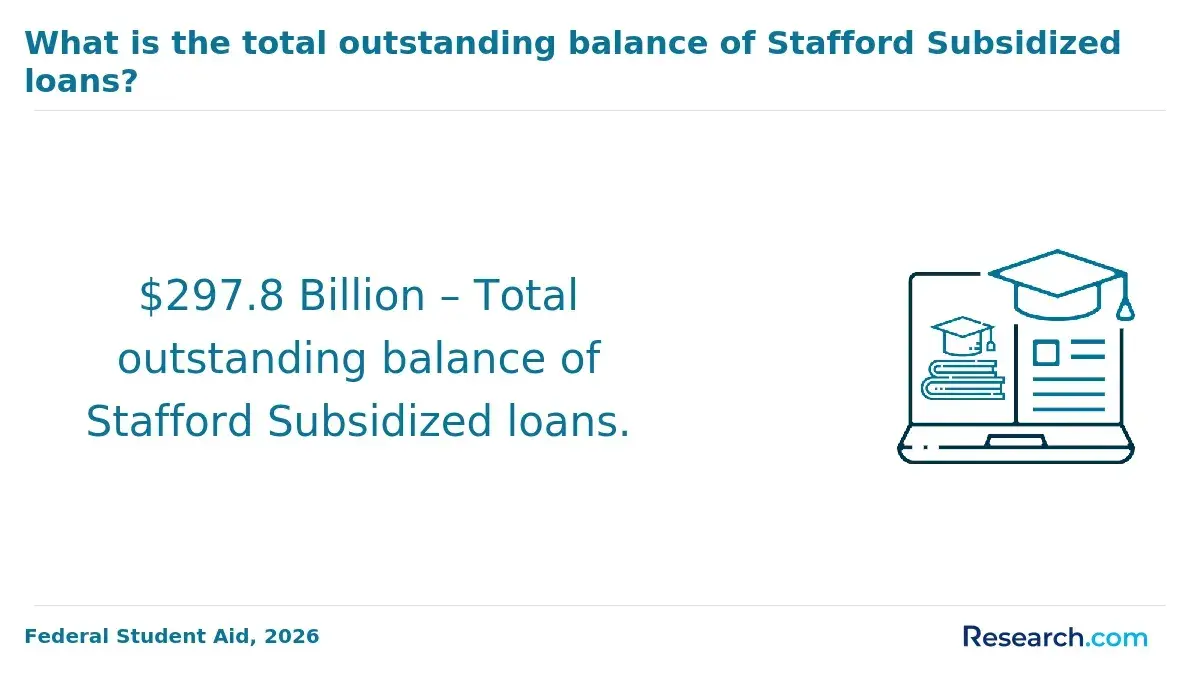
Private loans account for about 14% of total student aid borrowing, while federal unsubsidized loans represent 44% and subsidized loans 15%, according to LendingTree data. Federal loans often offer more flexible mid-year borrowing options like Direct PLUS or unsubsidized loans.
If increasing your private loan isn't possible, consider these alternatives:
- Applying for additional federal aid if eligible.
- Requesting emergency grants or institutional assistance.
- Exploring private scholarships or part-time work.
Private loan increases usually come with higher interest rates and fewer borrower protections compared to federal loans. Carefully evaluate your debt and repayment ability before seeking a higher amount to avoid excessive financial stress after graduation.
How do mid-year loan increases affect interest charges and total repayment costs?
Increasing your student loan amount mid-year raises your interest charges and total repayment costs because interest begins accruing immediately once additional funds are disbursed. For instance, adding $2,000 at a 5% annual interest rate halfway through the year results in about $50 more interest over 12 months, increasing your overall debt.
Interest capitalizes if unpaid during deferment or other periods, adding to the principal and causing exponential growth in the amount owed. This makes loan balances grow faster and extends repayment timelines unless monthly payments increase significantly, leading to higher total costs.
Loan types affect when interest accrues: subsidized federal loans do not accumulate interest while you're in school, but any unsubsidized increase starts accruing interest immediately. Private loans typically begin charging interest from the moment of disbursement.
If you're under repayment pressure-highlighted by the Delinquency Shows Repayment Pressure data-taking on more debt mid-year can worsen financial strain. Borrowers should use loan calculators or speak with their loan servicer to grasp the true cost of mid-year increases.
Strategies to reduce costs include:
- Making interest payments during school to avoid capitalization.
- Increasing monthly payments after graduation.
- Considering income-driven repayment plans that adapt based on earnings.
Failing to factor in these dynamics may lead to unexpected financial burdens. Careful borrowing aligned with your long-term plan is essential for managing loan costs effectively.
What are the deadlines and paperwork to request a loan increase from your school?
To request a student loan increase mid-year, check your school's deadlines, which usually align with new semester or quarter start dates. Requests typically need to be submitted at least 30 days before the disbursement date to allow for processing. Missing these deadlines can delay or prevent an increase.
Required paperwork often includes a loan increase form from your school's financial aid office or portal. You must provide documentation supporting your need for extra funds, such as updated cost of attendance budgets or proof of unexpected expenses like housing or medical costs. Some schools may also ask for a detailed letter explaining why the original loan amount was insufficient.
Full-time undergraduates may request an increase if their enrollment status changes or if new expenses arise. Graduate students may face different limits and deadlines. Confirm whether your school caps increases within the academic year.
Loan increases are subject to federal limits and eligibility determined by your financial aid package. Your school's financial aid office will adjust your eligibility before submitting a new loan request to the loan servicer. You may need to re-sign promissory notes and complete loan entrance counseling.
- Submit requests early, ideally 30 days before disbursement.
- Provide supporting documentation for extra expenses.
- Verify school-specific caps and deadlines.
- Prepare to complete updated loan agreements.
The Education Data Initiative shows federal student loan debt increased by $36.40 billion in recent data, representing nearly three-quarters of total growth. This underscores the importance of managing loan increases carefully through proper paperwork and timing.
How could boosting your loan amount change your repayment plan and monthly payment?
Increasing your student loan amount mid-year impacts your repayment plan by raising both the total balance and the accrued interest. Typically, your monthly payments will increase as the repayment schedule adjusts to cover the higher principal and interest.
For example, raising a $20,000 loan by $5,000 under a standard 10-year plan results in higher monthly payments to reflect the added debt.
Income-driven repayment plans calculate payments based on your earnings rather than loan balance, but even here a larger loan may lengthen the repayment period or increase overall interest costs. It's important to communicate changes with your loan servicer to understand how your repayment will be adjusted.
Loan amounts differ by institution type; the National Center for Education Statistics (NCES) reports average annual loans at private nonprofit 4-year colleges tend to be higher than those at public 4-year, private for-profit 4-year, and all 2-year institutions. These differences highlight how borrowing capacity and policies vary, ultimately affecting repayment obligations.
Additional borrowing can limit future refinancing or consolidation options, due to financial strain from higher balances.
- Consider your current income and job outlook before increasing your loan mid-year.
- Consult your loan servicer to fully understand repayment changes.
- Evaluate how your institution's loan policies might influence your borrowing decisions.
What alternatives should you consider if you're denied a mid-year loan increase?
If your request for a mid-year increase in student loans is denied, there are several ways to manage your educational expenses. Private student loans can supplement federal aid but often require credit approval and may have higher interest rates. Always compare terms carefully before committing.
Applying for scholarships or grants is another effective strategy, as these funds don't require repayment and can significantly ease financial pressure.
Adjusting your budget or working part-time can also help cover costs. Many students find jobs with flexible hours to balance work and study. Additionally, check if your institution offers emergency financial aid or internal loans designed for unexpected needs.
Federal work-study programs can offer part-time employment opportunities, helping to reduce expenses without increasing debt.
Loan limits affect many borrowers. 32% of federal borrowers owe less than $10,000, and 21% owe between $10,000 and $20,000; together, they hold just 12% of outstanding federal debt. This suggests many students might hit borrowing caps, making supplementary funding options essential.
Other Things You Should Know About
In 2027, increasing your student loan amount mid-year is possible if you have not yet reached the borrowing limit. This requires contacting your financial aid office and applying for additional funds, typically through the FAFSA for federal loans or your lender for private loans. It’s crucial to ensure any extra borrowed amount aligns with your actual financial needs.
Increasing your student loan amount mid-year generally does not impact your eligibility for grants or scholarships, as those funds are typically awarded based on your financial need and academic criteria independent of loan increases. However, if your total financial aid changes significantly, your school may re-evaluate your overall package, which could indirectly affect need-based aid.
Yes, private lenders commonly require a new credit check when you request an increase to your private student loan amount, even mid-year. Approval depends on your creditworthiness at the time of the request, which may result in denial or different loan terms compared to your initial loan.
Increasing your student loan amount mid-year typically does not reset or extend the grace period for repayment on your existing loans. Each loan has its own repayment timeline, so any additional loan funds borrowed during the academic year will begin their own grace period after disbursement, potentially leading to overlapping repayment schedules.