2027 Best Architecture School Loans

Student Finance & Loan Expert
Many prospective architecture graduate students face the challenge of securing affordable financing to cover high tuition costs and related expenses. Those with undergraduate degrees in unrelated fields often find limited knowledge about specialized loans suited for architecture programs. Without tailored information, borrowers risk incurring high interest rates or unfavorable repayment terms. Identifying reliable loan options can significantly impact both educational access and long-term financial health. This article examines the best architecture school loans available, providing clear guidance on loan types, benefits, and strategies to help applicants make informed borrowing decisions aligned with their academic and career goals.
- What types of student loans are best for architecture school and how do they work? Best loan types
- How do federal and private loans for architecture students compare on cost and protection? Federal vs private
- How much should architecture majors realistically borrow for tuition, supplies, and studio costs? How much to borrow
- What are the eligibility and FAFSA steps to get federal loans for architecture programs? FAFSA steps
- How do interest rates, fees, and borrowing limits differ for undergraduate and graduate architecture loans? Rates and limits
- Which repayment plans work best for architects with internships, low starting salaries, or unstable income? Best repayment
- What loan forgiveness or repayment assistance options exist for architects and design professionals? Forgiveness options
- How can parents finance an architecture degree using PLUS loans and alternative options? Parent financing
- When does refinancing or consolidating architecture school loans make financial sense? Refinance vs consolidate
- What happens if you can't pay your architecture school loans and how do you avoid default? Avoiding default
What types of student loans are best for architecture school and how do they work?
Federal student loans remain the best federal student loans for architecture school students because of their lower interest rates and flexible repayment options. Direct Subsidized Loans provide interest-free periods during enrollment, easing financial strain. Direct Unsubsidized Loans are also available but start accumulating interest immediately, which can increase total debt over time.
Private student loan options for architecture students can help fill funding gaps but often carry higher interest rates and less borrower protection. These loans should be considered only after maximizing federal loan opportunities. Some private lenders offer variable or fixed rates, although repayment flexibility is usually limited.
Income-Driven Repayment (IDR) plans adjust federal loan payments based on income, crucial since the median starting salary for architects tends to be lower than many other professions. Programs like Pay As You Earn (PAYE) or Revised Pay As You Earn (REPAYE) reduce monthly payments and may offer loan forgiveness after 20 to 25 years.
Loan consolidation can simplify multiple federal loan payments into one, but may extend repayment time and increase total interest. Architecture students typically graduate with around $40,000 in student-loan debt, higher than the general borrower average of about $29,000 (Architects Foundation / AIA Issue Brief, 2024), highlighting the need to explore repayment strategies early.
For additional financial planning, consider researching if can you use student loans for rent or other living expenses, which may impact overall loan budgeting.
How do federal and private loans for architecture students compare on cost and protection?
Federal loans for architecture students generally offer lower interest rates and stronger borrower protections compared to private loans. Direct Subsidized and Unsubsidized Loans have fixed rates around 5.5% for undergraduates, which is typically lower than private loans, which vary from 6% to 14% depending on creditworthiness and the lender. These federal options include benefits such as income-driven repayment plans, deferment options, and potential loan forgiveness programs-features often missing in private loans. This makes them more advantageous when considering protection and repayment options for architecture student loans.
Private loans, while sometimes necessary to cover the high costs of architectural education, usually carry variable rates that may rise and often require credit checks and cosigners. This can complicate borrowing for students without established credit histories and increase financial risk. The 2024 NAAB Report shows median total in-state tuition and fees for a 5-year B.Arch at public universities near $92,000, compared to about $164,000 at private institutions. Federal loan limits more closely align with public tuition costs, providing a safer borrowing path.
Students should focus on maximizing federal loans before turning to private credit. For example, annual federal loan limits of $31,000 over five years come close to covering public university expenses but may fall short of private tuition. Private loans often fill this gap but with higher cost and risk. Careful budgeting and understanding loan terms are essential to avoid excessive debt burdens. For guidance on how early to apply for student loans, planning ahead is critical.
In summary, federal vs private loans for architecture students cost and benefits highlight federal loans as more affordable and protective, while private loans are secondary options for costly programs but involve greater financial risk.
How much should architecture majors realistically borrow for tuition, supplies, and studio costs?
Architecture majors should realistically borrow only what covers essential tuition, supplies, and studio costs, which can vary depending on the school and program length. A typical full undergraduate architecture degree lasts four to five years, with tuition costs averaging between $10,000 and $40,000 annually at public and private institutions. Students must also budget for specialized supplies and studio fees, averaging $1,000 to $2,500 per year depending on school requirements. These figures reflect typical borrowing costs for architecture students.
Using this estimated budget range, students can calculate a total borrowing amount of roughly $50,000 to $220,000 to cover tuition and additional program-related expenses. Borrowing beyond these necessary costs raises repayment burdens without improving academic value.
Interest rates heavily impact the total repayment amount. Federal Direct Loans carry an average 5.5% interest rate for undergraduates, while private loans average 9-10% APR, creating a significant cost gap, according to the U.S. Department of Education and the CFPB. Prioritizing federal loans initially helps minimize long-term expenses.
Students should also:
- Apply for scholarships and grants to reduce loan dependency
- Plan annual budgets carefully to avoid excess borrowing
- Consider community colleges or lower-cost options for foundational courses
- Account for potential studio material costs, which may spike during senior projects
For those exploring financing options, private parent loans for college can also be a part of the strategy but often come with higher interest rates. Using a targeted borrowing approach keeps debt manageable and aligned with direct educational expenses, reducing the risk of unsustainable loan repayment associated with average architecture school loan amounts.
What are the eligibility and FAFSA steps to get federal loans for architecture programs?
Federal loan eligibility for architecture students requires meeting criteria set by the U.S. Department of Education. Applicants must be U.S. citizens or eligible non-citizens, maintain satisfactory academic progress, and be enrolled at least half-time in an eligible architecture program. They must also not be in default on prior federal student loans and demonstrate financial need for subsidized loans.
Completing the step-by-step FAFSA process for architecture programs is key. FAFSA collects financial data used by schools to determine expected family contribution and to assemble aid packages that can include Direct Subsidized and Unsubsidized Loans. Since FAFSA needs to be filed annually, submitting it early-preferably before the institution's priority deadline-maximizes available aid.
Additional borrowing options include Parent PLUS Loans for dependent students, which require credit approval, and graduate-level Direct Unsubsidized Loans for advanced degrees. Loan limits are important: undergraduates may borrow up to $31,000 in Direct Loans while graduate students have a cumulative limit of $138,500 including undergraduate debt. Proper loan management can prevent excessive borrowing.
A survey by the Association of Collegiate Schools of Architecture revealed 57% of recent graduates had student debt, with a median balance near $45,000, underscoring early financial planning's importance. Prospective students looking for federal loans can also explore resources such as federal loans for nursing school to compare funding strategies.
How do interest rates, fees, and borrowing limits differ for undergraduate and graduate architecture loans?
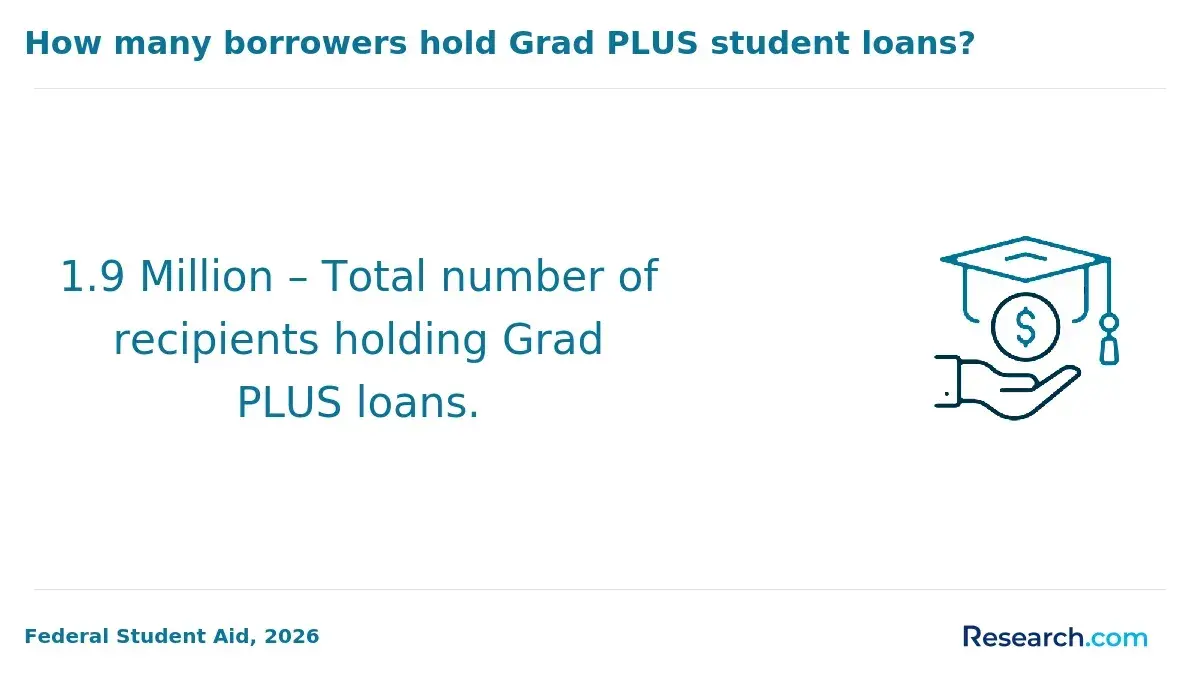
Interest rates for federal architecture student loans vary by level and type. Undergraduate Direct Subsidized and Unsubsidized Loans typically range from 4.99% to 7.54%, while graduate loans like Direct Unsubsidized Graduate Loans and Grad PLUS Loans often carry rates between 6.54% and 7.54%. Private loan rates fluctuate more widely, with graduates usually facing higher rates due to increased borrowing risk. Federal loans include origination fees of about 1% to 4%, with slightly higher fees for graduate and PLUS loans. Private loans often have less transparent fees, which may include origination or late payment charges.
Borrowing limits differ significantly between undergraduate and graduate students:
- Undergraduates can borrow up to $57,500 in federal loans over their academic career, with annual limits ranging from $5,500 to $7,500.
- Graduate students may borrow up to $138,500 federally, including $20,500 annually in unsubsidized loans plus Grad PLUS loans to cover remaining costs.
This expanded graduate borrowing limit reflects the longer duration and higher costs of advanced architecture programs. The financial impact of student debt affects career choices markedly. According to the Architects Foundation's 2024 issue brief, architecture graduates with debt are twice as likely to delay licensure exams and 1.5 times as likely to postpone purchasing a home compared to peers without education debt.
Which repayment plans work best for architects with internships, low starting salaries, or unstable income?
Income-Driven Repayment (IDR) plans provide critical flexibility for architects during internships, low-paying positions, or variable income periods. These plans adjust monthly loan payments based on earnings and household size. For instance, Pay As You Earn (PAYE) and Revised Pay As You Earn (REPAYE) limit payments to 10-15% of discretionary income, often reducing payments to zero in low-income years.
IDR plans also offer loan forgiveness after 20 to 25 years, benefiting those in extended early-career phases. For architects engaged in unpaid or modestly paid internships, aligning monthly payments with actual income helps prevent financial strain. Choosing federal loans initially is important since they enable IDR participation and forgiveness options.
Federal student loans paired with IDR reduce the risk of default. According to Federal Student Aid's data, about 92% of undergraduate borrowers use federal loans primarily, and these borrowers show a 30% lower default rate compared to those relying mainly on private loans.
Other options include Graduated Repayment Plans, which start with lower payments that increase every two years-a good fit for architects expecting income growth. Refinancing private loans at lower interest rates can be considered once income stabilizes, but it forfeits federal protections.
Key points to consider:
- Start with federal loans to access IDR and forgiveness
- Request deferment or forbearance during unpaid internships
- Review eligibility annually to update payments based on income
What loan forgiveness or repayment assistance options exist for architects and design professionals?
Architects and design professionals can benefit from various loan forgiveness and repayment assistance programs specifically designed for their careers. The Public Service Loan Forgiveness (PSLF) program offers federal Direct Loan forgiveness after 120 qualifying payments for full-time employees of qualifying public or nonprofit organizations. This program is particularly relevant for architects working in government or nonprofit design roles, providing a clear route to reducing their student debt.
Income-Driven Repayment (IDR) plans, including options like Income-Based Repayment (IBR) and Pay As You Earn (PAYE), allow for loan forgiveness after 20 to 25 years of qualifying payments. These plans adjust monthly payments based on income and family size, benefiting architects early in their careers or those with fluctuating incomes.
Additional loan forgiveness or repayment assistance may be available through state and local programs, especially for architects serving in underserved communities or working on public interest projects such as affordable housing or historic preservation. Checking with state housing agencies or professional licensing boards can reveal these opportunities.
Private loan forgiveness remains uncommon. Many professionals turn to refinancing to manage private debt gaps averaging around $12,000 annually, as noted in a Credible analysis of loan refinancing trends for architecture degrees. Employer-sponsored loan repayment benefits are also growing in architecture and design firms as a way to attract talent.
How can parents finance an architecture degree using PLUS loans and alternative options?
Parents can finance an architecture degree using federal Parent PLUS loans, which allow borrowing up to the full cost of attendance minus other aid. These loans require a credit check and come with fixed interest rates around 8.05%. Repayment begins immediately after funds are disbursed, though parents may request deferment while the student is enrolled at least half-time.
Compared to most private loans, PLUS loans offer higher borrowing limits, helping cover the typically high tuition and living expenses of architecture programs. Private parent loans from banks or credit unions are alternatives but often have variable rates and less flexible repayment options, so comparing APRs and protections is essential.
Scholarships can significantly reduce borrowing needs. For example, the Architects Foundation's Diversity Advancement Scholarship awards $4,000 annually for up to five years, lowering student debt by 20-25% based on the $40,000 average loan balance.
Many schools also provide payment plans that spread tuition costs over the semester, easing short-term financial pressure without increasing loan debt. Additionally, financial counseling offered by colleges can help parents understand loan terms and weigh the pros and cons of federal PLUS versus private loans.
Parents should carefully consider credit standing, loan conditions, and repayment capacity before borrowing, as PLUS loans affect personal credit history and income. Combining federal PLUS loans, scholarships from entities like the Architects Foundation, and alternative financing methods creates a balanced approach to funding an architecture degree.
When does refinancing or consolidating architecture school loans make financial sense?
Refinancing or consolidating architecture school loans can provide financial relief by lowering interest rates, reducing monthly payments, or simplifying repayment for borrowers managing multiple loans. Entry-level architects typically earn about $49,000 annually, which is well below the $91,900 median wage for the profession overall. This income disparity means new graduates carrying significant student debt could benefit from refinancing to improve their cash flow early in their careers. For instance, if your existing interest rate exceeds 6% and you qualify for refinancing near 4%, you could save a substantial amount over the life of the loan.
Consolidation is helpful for borrowers with multiple federal loans seeking unified payments to avoid missed deadlines. However, consolidating federal loans into a single Direct Consolidation Loan may cause loss of important borrower protections, including income-driven repayment plans and eligibility for Public Service Loan Forgiveness.
Private refinancing generally suits those with strong credit and stable incomes, often a few years post-graduation, when earnings improve. Refinancing too early might extend the loan term and increase total interest costs, especially if salaries remain low relative to debt.
- Lower interest rates that reduce total loan costs
- Reduced monthly payments to ease budgeting
- Simplified payments for multiple loans
- Switching from variable to fixed rates for stability
Balancing the pros and cons is crucial, considering architecture's slower entry-level return on investment compared to other fields. Evaluating your earning potential and loan conditions helps determine optimal timing and strategy for refinancing or consolidation.
What happens if you can't pay your architecture school loans and how do you avoid default?
Failing to repay architecture school loans leads to default, significantly harming credit scores and restricting future financial options. Default generally occurs after 270 days of missed payments on federal loans or as specified by private lenders. Consequences include wage garnishment, tax refund seizures, and increased loan balances due to added fees.
Borrowers should manage repayments proactively by:
- Enrolling in income-driven repayment plans that adjust monthly payments based on earnings, helping reduce financial strain.
- Applying for deferment or forbearance during short-term hardships to temporarily pause payments without defaulting.
- Contacting loan servicers promptly to explore options like rehabilitation or consolidation to make payments manageable.
- Considering refinancing only if it lowers interest rates and monthly payments without excessively extending loan terms.
The average student loan debt for architecture graduates has increased by about 35% since 2010, while starting salaries have risen only 20% (ScholarshipsAndGrants.us Architecture Brief, 2024). For example, a graduate earning $60,000 with $50,000 in debt benefits more from income-driven plans than fixed repayment options.
Communicating early with loan servicers and utilizing available federal protections is essential to avoid default penalties. Ignoring repayment obligations can cause long-term financial harm and limit career advancement opportunities tied to creditworthiness.
Other Things You Should Know About
Yes, student loans can often be used to cover a range of education-related expenses beyond tuition, including housing, textbooks, supplies, and studio fees. Architecture programs typically require additional materials and software, which can be financed through loan funds when properly budgeted as part of your cost of attendance. It is important to check with your school's financial aid office to ensure these costs are approved for loan disbursement.
Most federal and many private student loans do not charge prepayment penalties, allowing borrowers to pay off their architecture school loans early without additional fees. Paying off loans sooner can reduce total interest paid over time and improve financial flexibility. However, it is advisable to confirm specific loan terms before making early payments to avoid unexpected charges on certain private loans.
Part-time enrollment can affect loan eligibility, often reducing the amount of aid available. Most federal loans require at least half-time enrollment. Verify with your institution's financial aid office to understand specific requirements and how it might impact your loan options.
Yes, eligible architecture students may temporarily pause federal student loan payments through deferment or forbearance during financial hardship or continued education. These options prevent default by allowing delayed payments, though interest may continue to accrue depending on the loan type. Private loans may also offer similar relief, but terms vary widely and should be reviewed carefully.