2027 Best Online Behavioral Health Management Degrees for Career Changers

Co-Founder and Chief Data Scientist
Switching into behavioral health management can be a practical move if you want mission-driven work without becoming a licensed therapist. SAMHSA's 2024 report found that more than 59 million U. S. adults experienced any mental illness in the past year, creating demand for leaders who can manage programs, staff, compliance, data, and care access.
This guide is for career changers comparing online degrees, certificates, and graduate options. You'll learn how programs differ, what they cost, which credentials matter, and how to choose a path that fits your background, budget, and career goals.
Key Things You Should Know
- For career changers, the strongest online behavioral health management degree is usually a healthcare administration, human services, public health, social work administration, or health services management program with behavioral health electives, fieldwork, or addiction and mental health policy coursework.
- Labor market signals are favorable but role-specific: the BLS reported a $117,960 median annual wage for medical and health services managers in May 2024, while substance abuse, behavioral disorder, and mental health counselors had a $59,190 median wage and usually need state-specific clinical credentials.
- Before enrolling, verify institutional accreditation, state authorization, transfer credit rules, internship requirements, and whether the program supports management roles or clinical licensure, because many online management degrees do not qualify graduates to provide therapy independently.
What is an online behavioral health management degree and who is it best suited for?
An online behavioral health management degree prepares students to lead programs that serve people with mental health, substance use, crisis intervention, developmental disability, or community support needs. Unlike a counseling or clinical psychology degree, the management path usually emphasizes operations, compliance, staffing, budgeting, quality improvement, health policy, ethics, and service delivery.
For career changers, the key question is not simply "Is this a good degree?" but "Does this credential move me toward the role I actually want?" A behavioral health management program is best suited for people who want to manage services, coordinate care systems, supervise nonclinical teams, analyze program outcomes, or move into administration in hospitals, community agencies, residential treatment centers, managed care organizations, nonprofits, or public health departments.
This degree may be a strong fit if you are coming from business, education, social services, criminal justice, human resources, project coordination, healthcare support, or nonprofit work. These backgrounds often translate well because behavioral health organizations need people who understand people, process, budgets, documentation, regulation, and communication.
It may not be the right standalone degree if your goal is to become a licensed therapist, clinical social worker, psychologist, or psychiatric nurse practitioner. Those careers require specific clinical degrees, supervised hours, exams, and state licensing. A management-focused program can support advancement in behavioral health settings, but it should not be treated as a shortcut around clinical licensure.
The table below shows how common behavioral health education goals differ. Use it to match your desired role with the type of degree that is most likely to support it.
| Goal | Best-fit education path | What to check before enrolling |
| Manage a behavioral health program or clinic | Bachelor's or master's in healthcare administration, human services administration, health services management, or behavioral health leadership | Look for coursework in compliance, budgeting, quality improvement, and behavioral health operations |
| Coordinate services for clients or patients | Bachelor's in human services, psychology, social services, or health administration | Confirm whether internships, practicum hours, or local placements are required |
| Become a licensed counselor or therapist | Master's in counseling, clinical mental health counseling, social work, or marriage and family therapy | Verify state licensure alignment before applying |
| Move into executive healthcare leadership | MHA, MPH, MBA in healthcare management, or related graduate degree | Compare leadership coursework, capstone projects, alumni outcomes, and employer partnerships |
| Work in addiction services management | Behavioral health, addiction studies, human services, or public health program with substance use coursework | Check state substance use counselor or administrator credential requirements |
How can career changers transition into behavioral health management through online degrees?
Career changers should approach behavioral health management as a bridge between their previous experience and a regulated service environment. The fastest path is usually not to start over completely, but to identify which skills already transfer and which gaps an online program can credibly fill.
People with backgrounds in operations, customer service, education, HR, case coordination, public safety, nonprofit management, or healthcare administration often already have useful experience. What they usually need is behavioral health context: confidentiality rules, trauma-informed care, reimbursement basics, program evaluation, crisis systems, and the legal boundaries between administrative and clinical work.
A practical transition plan can help you avoid over-enrolling or choosing a degree that is too broad for your goal. The steps below are especially useful if you are comparing certificates, bachelor's degrees, and master's programs.
- Define your target role first, such as program coordinator, behavioral health operations manager, care management supervisor, community services manager, or clinic administrator.
- Review job postings in your state and note whether employers ask for a bachelor's degree, master's degree, clinical license, supervisory experience, grant experience, or EHR knowledge.
- Choose the minimum credential that credibly closes your gap, which may be a certificate, a second bachelor's concentration, or a master's degree rather than a full career restart.
- Use transfer credits, prior learning assessment, employer tuition benefits, and part-time enrollment to reduce cost and risk.
- Build behavioral health exposure while studying through volunteering, peer support work, intake coordination, case aide roles, administrative roles, or internships.
If you do not yet have a bachelor's degree, an online human services degree can be a logical entry point because it covers client systems, social services, ethics, community resources, and service coordination. If you already hold a bachelor's degree, a graduate certificate or master's degree in healthcare management, public health, or human services leadership may be more efficient.
One important caution: do not assume that "behavioral health" in a program title means clinical eligibility. A management degree may help you qualify for administrative jobs, but counseling, social work, psychology, and substance use treatment credentials are governed by separate state rules.
What types of online behavioral health management programs and degree levels are available?
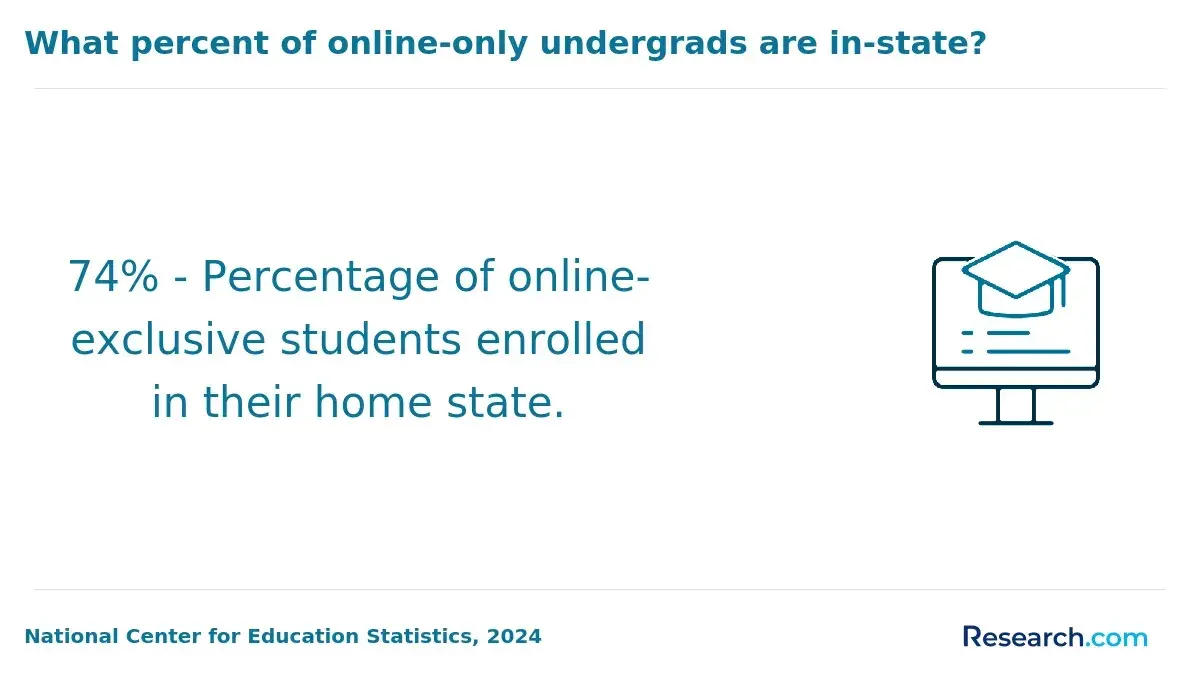
There is no single universal degree called "behavioral health management" at every college. Many of the best online options are related programs with concentrations or electives in behavioral health, mental health administration, addiction services, community health, or integrated care. Career changers should compare degree level, time commitment, clinical relevance, and leadership depth.
The table below summarizes the most common online pathways and when each tends to make sense. This comparison is useful because the "best" program depends heavily on whether you need entry-level access, advancement, or a leadership pivot.
| Program type | Typical student profile | Best use case | Limitations |
| Undergraduate certificate | Students testing the field or adding behavioral health context | Quick skill-building for support, administrative, or community roles | Usually not enough for management roles by itself |
| Associate degree | Students without prior college credit | Entry-level pathway into human services, intake, support, or transfer to a bachelor's program | Limited advancement compared with bachelor's-level roles |
| Bachelor's degree | Career changers without a completed bachelor's or workers seeking promotion | Program coordination, case management support, behavioral health administration, nonprofit roles | May not meet requirements for senior leadership or clinical licensure |
| Graduate certificate | Bachelor's degree holders who want targeted behavioral health or healthcare leadership training | Lower-cost way to add specialization before committing to a master's degree | May have less employer recognition than a full master's degree |
| Master's degree | Professionals aiming for management, director, policy, or executive-track roles | Leadership in clinics, health systems, nonprofits, managed care, or public agencies | Higher cost and may still not provide clinical licensure unless specifically designed for it |
Common degree titles include healthcare administration, health services management, human services administration, public health, social work administration, nonprofit leadership, addiction studies, behavioral health science, and psychology with an applied management focus. Students seeking broader healthcare leadership may also compare an affordable online MBA healthcare management path, especially if they already have clinical or healthcare work experience and want stronger business training.
For many career changers, the best choice is a stackable path: start with a certificate or bachelor's completion program, gain field experience, and then pursue a master's only if job postings show it is needed for advancement. This helps control debt while giving you time to confirm that behavioral health administration is a good fit.
How do online behavioral health management degrees compare to campus-based programs?
Online behavioral health management degrees can be just as legitimate as campus programs when they are offered by accredited institutions and include appropriate faculty support, student services, and field placement guidance. The main difference is not academic quality by default; it is how learning, networking, and practical experience are delivered.
Online programs are often attractive to career changers because they allow students to keep working while studying. That matters in behavioral health because entry-level experience can be just as important as coursework. A student who works in a clinic, nonprofit, hospital, or social service agency while completing an online degree may graduate with both education and relevant experience.
The comparison below highlights the trade-offs that usually matter most. Use it to decide whether flexibility or in-person access is more important for your situation.
| Factor | Online program | Campus-based program |
| Schedule flexibility | Often better for working adults, parents, military students, and career changers | May require fixed class times and commuting |
| Networking | Depends on virtual events, cohort design, faculty access, and local internships | Often easier to build relationships through in-person classes and campus events |
| Field experience | May require students to find approved local sites with school support | May have established relationships with nearby agencies |
| Learning format | Can be asynchronous, synchronous, or hybrid | Usually more structured around class meetings |
| Career fit | Strong for self-directed learners who need flexibility | Strong for students who prefer face-to-face support and local professional networks |
One current trend to watch is the expansion of telehealth, electronic health records, remote case management, and data dashboards in behavioral health organizations. Online students who become comfortable with digital collaboration, privacy-conscious documentation, analytics, and virtual care workflows may be better prepared for modern administrative roles.
However, online learning is not ideal for everyone. If you need heavy academic structure, learn best through face-to-face discussion, or want a school to arrange every practicum detail locally, a campus or hybrid program may be a better fit. The strongest online programs reduce this risk by offering responsive advising, clear placement policies, live faculty access, and career services designed for adult learners.
What accreditation and state licensing requirements apply to behavioral health management degrees?
Accreditation and licensing are the most important quality checks for behavioral health management programs. Institutional accreditation means a college or university has been reviewed by a recognized accreditor for academic and operational quality. It also affects transfer credits, graduate school eligibility, employer acceptance, and federal financial aid access.
For management-focused degrees, institutional accreditation is usually the first requirement to verify. Depending on the degree, programmatic accreditation may also matter. Healthcare management programs may reference CAHME at the graduate level, public health programs may reference CEPH, social work programs may reference CSWE, counseling programs may reference CACREP, and psychology programs may have different standards depending on degree level and purpose.
State licensing is separate from accreditation. A behavioral health management degree may prepare you to supervise programs or coordinate services, but it typically does not authorize independent counseling, diagnosis, psychotherapy, or clinical social work. Those privileges are controlled by state boards and require specific clinical education and supervised experience.
Before applying, use the following checks to avoid the most expensive accreditation and licensure mistakes.
- Confirm that the institution is accredited by an accreditor recognized by the U.S. Department of Education or CHEA.
- Ask whether the program is designed for administration, clinical licensure, substance use counseling credentials, public health practice, or general human services work.
- Check your state board's requirements if you want any licensed role, including counseling, social work, marriage and family therapy, psychology, or substance use treatment.
- Verify state authorization for online enrollment if you will study from a state different from the school's location.
- Request written clarification about practicum, internship, background check, and site approval requirements before you commit.
Career changers should be especially careful with programs that use clinical-sounding language but do not lead to licensure. A reputable school should be able to clearly explain what the degree does and does not qualify you to do in your state.
What courses, specializations, and skills are typically covered in these online programs?
Online behavioral health management programs usually blend healthcare administration, human services, behavioral health policy, and leadership coursework. The goal is to prepare students to improve access, coordinate services, manage teams, use data responsibly, and operate within regulatory and ethical boundaries.
Typical courses may include healthcare systems, behavioral health policy, addiction and recovery services, program planning, health finance, human services administration, case management, ethics, cultural responsiveness, crisis systems, quality improvement, grant writing, and health informatics. Students who need a broader management foundation may also benefit from a healthcare administration course or degree pathway that covers reimbursement, operations, and compliance.
Specializations can help you align the degree with a specific career direction. The options below are common in related online programs and can make a degree more targeted for career changers.
- Mental health administration for students who want to manage outpatient, community, residential, or integrated behavioral health programs.
- Addiction services leadership for students interested in substance use treatment programs, recovery services, prevention, or harm reduction administration.
- Healthcare quality and compliance for students who want to work with documentation, audits, accreditation readiness, privacy, and performance improvement.
- Community health or public health for students interested in population-level prevention, grant-funded programs, outreach, and policy.
- Nonprofit or human services leadership for students aiming at social service agencies, shelters, youth programs, disability services, or community-based organizations.
Technology skills are becoming more important. Behavioral health managers may not build AI tools themselves, but they increasingly need to understand electronic records, telehealth workflows, privacy risks, scheduling platforms, outcome dashboards, and AI-assisted documentation policies. Employers may value managers who can use data while protecting patient confidentiality and avoiding overreliance on automated tools.
Project execution is another underappreciated skill. Behavioral health leaders often implement new intake workflows, launch grant programs, coordinate audits, or redesign staffing models. If your background is not operational, a bachelor's degree in project management can be a useful comparison point for understanding how formal project skills apply to healthcare and human services settings.
What are the typical admission requirements and prerequisites for behavioral health management degrees?
Admission requirements vary by school and degree level, but most online behavioral health management programs are designed to be accessible to working adults. Career changers should pay close attention to prerequisites because they affect both admission and completion time.
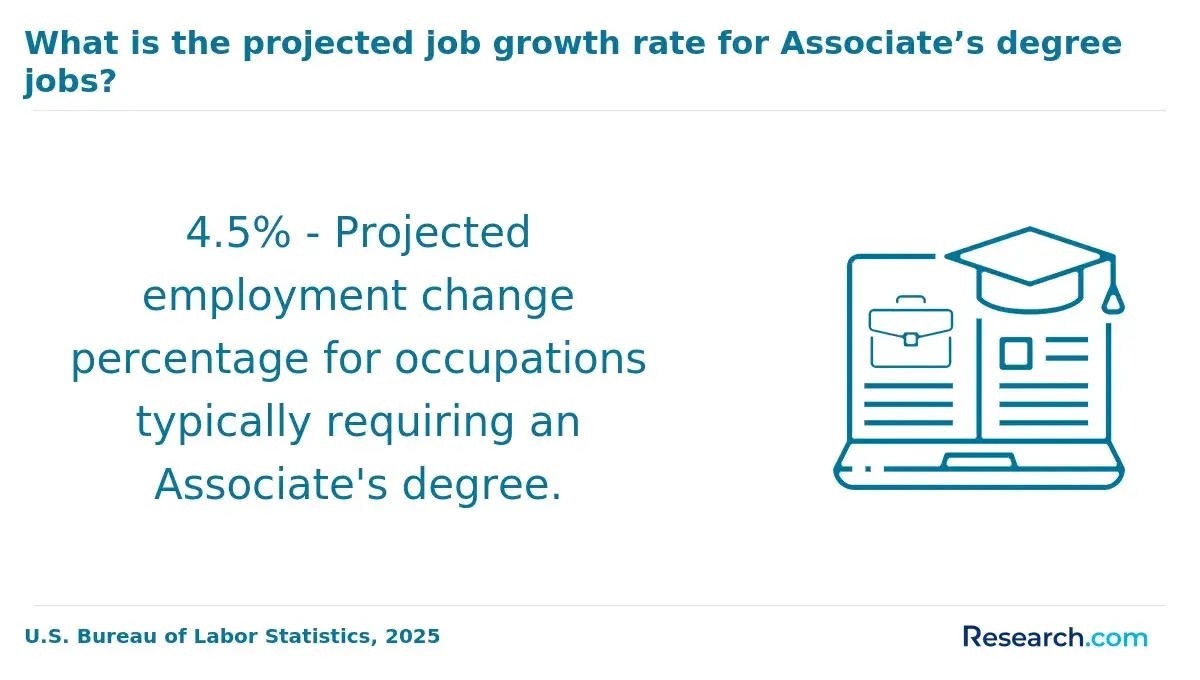
At the undergraduate level, schools usually ask for a high school diploma or GED, transcripts, an application, and sometimes a personal statement. Bachelor's completion programs may require a minimum number of transfer credits. At the graduate level, applicants typically need a bachelor's degree from an accredited institution, transcripts, a resume, a statement of purpose, and sometimes recommendations or relevant work experience.
The table below outlines common requirements by degree level. It can help you identify whether you are ready to apply now or should first complete missing credits or gain field exposure.
| Degree level | Common admission requirements | Career changer considerations |
| Certificate | High school diploma for undergraduate certificates or bachelor's degree for graduate certificates | Good for testing the field or adding targeted knowledge |
| Associate degree | High school diploma or GED, placement assessment at some schools | Useful if you are starting college for the first time |
| Bachelor's degree | High school diploma or GED, transcripts, transfer credit review, sometimes personal statement | Transfer credits can significantly shorten the path |
| Master's degree | Accredited bachelor's degree, transcripts, resume, statement, recommendations, sometimes minimum GPA | Relevant work experience may strengthen your application even if your prior major is unrelated |
Some programs may require background checks, immunizations, drug screening, or site approvals if internships involve client-facing settings. These are not just paperwork requirements; they can affect your ability to complete fieldwork. Ask admissions advisors whether any past legal, employment, or residency issue could limit placement options before you enroll.
Career changers should also ask whether the school awards credit for prior learning, military training, professional certifications, or workplace training. These policies can reduce both time and cost, but they vary widely by institution.
How long do online behavioral health management programs take, and what do they cost?
Program length depends on degree level, transfer credits, enrollment pace, and whether fieldwork is required. A certificate may take a few months to one year, an associate degree usually takes about two years of full-time study, a bachelor's degree often takes four years without transfer credits, and a master's degree commonly takes one to three years depending on format.
Costs vary widely by institution type, residency status, and online fee structure. For a national benchmark, the College Board's 2024 pricing report listed average published tuition and fees of $11,610 for in-state students at public four-year institutions and $43,350 at private nonprofit four-year institutions for the 2024-2025 academic year. This does not mean your online program will match those figures, but it shows why comparing total cost matters more than looking only at per-credit tuition.
When estimating cost, include the items below. These are the expenses most likely to change the real price of an online behavioral health management degree.
- Tuition per credit and the total number of credits required after transfer evaluation.
- Online learning fees, technology fees, graduation fees, and transcript fees.
- Books, digital materials, software, background checks, and internship-related costs.
- Residency rules, because some public universities charge different rates for in-state and out-of-state online students.
- Lost income or reduced work hours if the program includes daytime fieldwork or synchronous class meetings.
The table below gives a practical timeline comparison. Use it as a planning tool rather than a fixed rule, because accelerated formats and transfer credits can change the schedule significantly.
| Program type | Typical full-time length | Part-time considerations | Cost sensitivity |
| Certificate | Several months to one year | Often manageable with full-time work | Lower total cost, but limited career reach |
| Associate degree | About two years | May take longer if balancing work and family | Community colleges can be cost-effective transfer pathways |
| Bachelor's degree | About four years without transfer credits | Completion programs may be shorter for transfer students | Total cost depends heavily on accepted credits |
| Graduate certificate | About six months to one year | Often designed for working professionals | Can be efficient if a full master's is not required |
| Master's degree | About one to three years | Part-time study may reduce burnout but delay advancement | Higher tuition risk, so compare employer demand carefully |
To reduce cost, start with schools that publish complete tuition and fee schedules, accept transfer credits generously, participate in federal financial aid if eligible, and offer employer partnership discounts or tuition reimbursement compatibility. Avoid choosing solely by the lowest advertised tuition if the program has poor advising, limited transfer acceptance, or unclear fieldwork support.
What jobs can graduates pursue, and what are the salary expectations in behavioral health management?
Graduates of online behavioral health management programs can pursue administrative, coordination, supervisory, and program leadership roles. The exact job options depend on degree level, prior experience, state requirements, employer type, and whether the graduate holds any clinical license or specialized credential.
The strongest opportunities for nonclinical career changers are usually in program coordination, operations, compliance support, community services management, utilization management support, intake supervision, quality improvement, grant-funded program administration, and nonprofit leadership. Clinical management roles may require both a management degree and a professional license.
Salary expectations should be interpreted by occupation, not by degree title alone. The BLS reported a $117,960 median annual wage for medical and health services managers in May 2024, but that category includes many healthcare settings and leadership levels, not only behavioral health. In contrast, the median wage for substance abuse, behavioral disorder, and mental health counselors was $59,190, reflecting a more direct service-oriented occupation with different licensing expectations.
The table below summarizes common roles connected to behavioral health management education. It is not a guarantee of eligibility or pay, but it can help you compare likely responsibilities and credential expectations.
| Role | Typical responsibilities | Common education or credential pattern |
| Behavioral health program coordinator | Coordinate services, track referrals, support reporting, communicate with staff and partners | Bachelor's in human services, healthcare administration, psychology, social services, or related field |
| Clinic operations manager | Manage scheduling, workflows, staff coverage, documentation processes, and patient access | Bachelor's or master's in healthcare administration or related experience |
| Community services manager | Oversee social service programs, budgets, staff, partnerships, and outcomes | Bachelor's often required; master's may help for director-level roles |
| Quality improvement or compliance specialist | Monitor documentation, audits, policies, privacy practices, and performance metrics | Healthcare administration, public health, compliance, or quality coursework |
| Behavioral health director | Lead programs, budgets, strategy, staff, partnerships, and regulatory readiness | Master's degree often preferred; clinical license may be required in some settings |
Job outlook is also role-specific. BLS projections released for the 2024-2034 period show much faster-than-average growth for medical and health services managers. For readers, the takeaway is that administrative healthcare leadership is expanding, but behavioral health employers may still prefer candidates who combine education with field experience, compliance knowledge, and people-management skills.
To improve employability while studying, target experience that proves you understand real service environments. Even part-time work in intake, scheduling, billing support, care coordination, peer support, community outreach, or nonprofit administration can make your degree more credible to employers.
How can students evaluate and choose a reputable online behavioral health management program?
The best online behavioral health management program is the one that is accredited, affordable for your situation, aligned with your target role, realistic for your schedule, and transparent about outcomes. Rankings can be a starting point, but they should not replace a careful fit analysis.
Start by collecting comparable information from each school. Do not rely only on marketing pages, because program titles can sound similar while curriculum, fieldwork support, and career outcomes differ substantially.
Use the following checklist before applying or paying a deposit.
- Verify institutional accreditation and, when relevant, programmatic accreditation for healthcare management, public health, counseling, or social work pathways.
- Compare the curriculum against job postings for your target role, especially compliance, budgeting, supervision, behavioral health policy, and data skills.
- Ask whether the program is management-focused, clinical-licensure-focused, or general human services-focused.
- Request a transfer credit estimate before enrollment if you have previous college credits.
- Confirm whether internships, practicums, campus visits, live sessions, or local site approvals are required.
- Review total cost, not just tuition, including fees, materials, background checks, and time away from work.
- Ask career services how they support online adult learners, not just traditional campus students.
- Look for faculty with behavioral health, healthcare administration, public health, nonprofit, compliance, or clinical operations experience.
Common red flags include vague accreditation language, pressure to enroll quickly, unclear licensure statements, no published tuition information, weak transfer credit policies, and advisors who cannot explain fieldwork requirements. Another mistake is choosing the most clinically focused program when your goal is administration, or choosing a general business degree when you need behavioral health policy and compliance knowledge.
A smart final step is to create a short comparison matrix with your top three programs and score each on accreditation, cost, transfer credits, schedule, curriculum fit, fieldwork support, and career services. The best program should make your next career move more likely without taking on unnecessary debt or credentials you do not need.
Other Things You Should Know About Behavioral Health Management
Often, yes. Many online programs are built for working adults, especially asynchronous bachelor's completion, certificate, and part-time master's programs. The main exception is fieldwork or practicum scheduling, which may require daytime availability.
Employers generally focus on accreditation, relevant coursework, experience, and whether the degree matches the role. An online degree from an accredited institution is typically more defensible than an unaccredited or unclear credential, regardless of format.
Not always. Some entry-level and bachelor's programs accept students without healthcare experience. For management roles, however, employers often value experience in healthcare, social services, nonprofit operations, supervision, compliance, or customer-facing service work.
An online behavioral health management degree equips students with skills in healthcare administration, financial management, and human resources, critical for starting a behavioral health business. In 2027, courses focusing on strategic planning, legal compliance, and ethics are particularly valuable in building a successful enterprise.
References
- Become a Mental Health Counselor https://socialworklicensemap.com/social-work-resources/become-mental-health-counselor/
- Managed Behavioral Health Organization Accreditation - NCQA https://www.ncqa.org/employers/ncqa-programs-of-interest-to-employers/managed-behavioral-health-organization-accreditation/
- Online vs Hybrid vs Campus Learning in Healthcare: Which Is Right for You? https://www.edumed.org/articles/online-vs-hybrid-vs-campus/
- Doctor of Behavioral Health - Cummings Graduate Institute for Behavioral Health Studies https://cgi.edu/dbh/
- Licensing & Accreditation | Circa Behavioral Healthcare Solutions https://circabehavioral.com/services/licensing-and-accreditation/
- Online Bachelor’s in Healthcare Administration Programs (BHA / BSHA) https://www.onlineeducation.com/healthcare/bachelors-in-healthcare-administration-programs
- Behavioral Health Career Descriptions | SAMHSA https://www.samhsa.gov/about/careers/behavioral-health-workforce/careers-by-state/descriptions
- 9 Mental Health Careers You Can Pursue with a BA https://www.nec.edu/news/9-mental-health-careers-you-can-pursue-with-a-ba
- How To Switch To A Career In Mental Health Without Starting Over | Psychology.org https://www.psychology.org/resources/switch-to-mental-health-career/
- 4 Best Examples of Successful School Mental Health Programs - Effective School Solutions https://effectiveschoolsolutions.com/examples-mental-health-programs-schools/