2027 Online Paralegal Studies Degrees With the Best FAFSA-Friendly Options

Co-Founder and Chief Data Scientist
Choosing an online paralegal studies degree is really a decision about cost, credibility, flexibility, and career fit. The U. S. Bureau of Labor Statistics reported a May 2024 median annual wage of $61,010 for paralegals and legal assistants, making the field attractive to students who want a legal career without law school.
This guide is for first-time college students, career changers, and working adults comparing FAFSA-friendly online options. You will learn how to evaluate accreditation, aid eligibility, program length, costs, courses, certification preparation, and likely career paths before enrolling.
Key Things You Should Know
- FAFSA-friendly paralegal programs must be offered by Title IV-eligible institutions, and the 2024-25 maximum Federal Pell Grant is $7,395 for qualifying students, which can materially reduce out-of-pocket cost.
- The strongest online paralegal options combine institutional accreditation, transparent total cost, legal research and writing practice, internship or capstone access, and support for certification preparation.
- BLS May 2024 data places the national median annual wage for paralegals and legal assistants at $61,010, but pay varies substantially by region, employer type, specialization, and experience.
What are online paralegal studies degrees and how do FAFSA-eligible options work?
An online paralegal studies degree is a college program that prepares students to support attorneys, legal departments, courts, government agencies, and compliance teams. Paralegals commonly conduct legal research, draft documents, organize case files, help prepare for trials or hearings, manage discovery, communicate with clients under attorney supervision, and use legal technology platforms.
"FAFSA-friendly" means the school and program are structured so eligible students can apply for federal student aid through the Free Application for Federal Student Aid. This does not automatically make a program affordable, and it does not guarantee a grant. It means the program may qualify for federal aid such as Pell Grants, Direct Loans, and sometimes Federal Work-Study if the student meets eligibility rules and the institution participates in federal aid programs.
The most important distinction is that federal aid eligibility usually depends on both the institution and the specific program. A college may participate in Title IV aid, but a short noncredit legal assistant course at that same college may not be aid-eligible. Before applying, ask whether the exact online paralegal credential you want is eligible for federal financial aid.
FAFSA-friendly options are especially useful for students who need a structured path into the legal field but cannot pay tuition upfront. The aid package can include grants, loans, scholarships, and school-based assistance, so the "best" choice is not always the lowest sticker price. A stronger option may cost slightly more but offer better transfer credit, ABA alignment, career services, internship placement, or access to legal research databases.
Use this comparison to understand how FAFSA eligibility typically affects the student experience and financial decision.
| Feature | FAFSA-friendly online paralegal program | Non-FAFSA legal training option |
| Financial aid access | May allow eligible students to use federal grants, loans, and work-study | Usually paid out of pocket, by private loan, employer reimbursement, or payment plan |
| Credential type | Often associate, bachelor's, or credit-bearing certificate programs | Often noncredit certificates, bootcamps, or continuing education courses |
| Accreditation relevance | Typically tied to an accredited college or university | Quality varies widely and may not transfer into a degree |
| Best fit | Students seeking aid, transfer pathways, and a recognized academic credential | Students needing fast skills training and who already have a degree or employer support |
A common mistake is assuming that "online" and "financial aid available" mean the same thing. They do not. Always confirm the institution's accreditation, Title IV participation, program-level aid eligibility, total cost of attendance, and whether credits can transfer if you later pursue a higher credential.
How can I find accredited online paralegal programs with strong financial aid support?
The safest way to find a strong online paralegal program is to verify quality in layers: institutional accreditation, program credibility, financial aid transparency, legal skills training, and student support. Accreditation matters because it affects transfer credits, federal aid eligibility, employer recognition, and graduate school options.
For paralegal studies, there are two important quality signals. First, the school should hold recognized institutional accreditation.
Second, some programs may be approved by the American Bar Association, although ABA approval is not legally required for every paralegal job and some approved programs may include hybrid or in-person requirements. If ABA approval is important to your employer market, compare ABA-approved online paralegal programs carefully and confirm delivery format directly with the school.
Before you apply, follow a practical verification process. This sequence helps you avoid programs that look affordable upfront but create problems later.
- Check the institution's accreditation through recognized accreditor listings and the school's own consumer information pages.
- Confirm that the exact paralegal program is eligible for federal financial aid, not just that the college participates in aid programs.
- Ask for a full cost of attendance, including tuition, fees, books, legal database access, technology fees, graduation fees, and exam preparation costs.
- Review whether the curriculum includes legal research, legal writing, civil litigation, ethics, law office technology, and a capstone, internship, or practical project.
- Ask how online students access academic advising, career services, tutoring, library resources, legal research platforms, and internship support.
- Request data on completion, transfer, certification preparation, and job placement if the school publishes it.
Financial aid support is not only about grants and loans. The best schools help students understand satisfactory academic progress rules, borrowing limits, scholarship deadlines, transfer credit reviews, and whether part-time enrollment changes aid eligibility. This matters because dropping below required enrollment levels or failing too many credits can reduce or suspend aid.
Watch for red flags. Be cautious if a school avoids giving a written total cost estimate, pressures you to enroll immediately, cannot explain accreditation clearly, advertises guaranteed legal jobs, or claims that a short certificate automatically qualifies you for every paralegal role. A credible program should be able to explain its curriculum, outcomes, aid process, and limitations in plain language.
What types of online paralegal credentials exist, and which are best for career advancement?
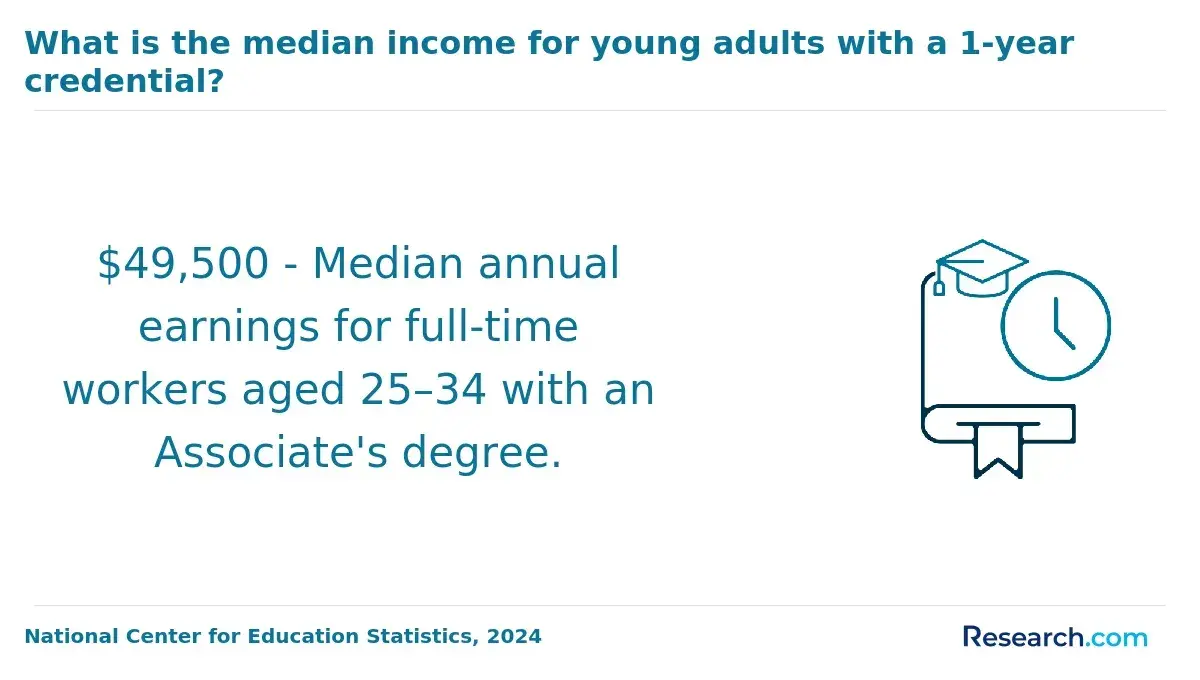
Online paralegal credentials range from short certificates to bachelor's degrees. The right option depends on your current education, timeline, budget, and target employer. A student with no college credits may benefit from an associate degree, while someone who already has a bachelor's degree may be better served by a post-baccalaureate certificate.
The table below compares common credential levels and how each typically fits career planning. Use it to match the credential to your starting point rather than assuming the longest program is always the best.
| Credential | Typical student profile | Common advantage | Possible limitation |
| Undergraduate certificate | Students seeking focused legal skills, sometimes with prior college credit | Shorter and often less expensive than a full degree | May not satisfy employers that prefer a degree |
| Associate degree in paralegal studies | Students starting college or changing careers without a degree | Combines general education with legal coursework | May limit advancement in employers that prefer a bachelor's degree |
| Bachelor's degree with paralegal or legal studies major | Students seeking broader advancement options | Can support senior paralegal, compliance, legal operations, or graduate study pathways | Longer and usually more expensive than certificate routes |
| Post-baccalaureate certificate | Students who already hold a bachelor's degree in another field | Efficient way to add paralegal training without earning a second degree | Admissions may require prior degree completion |
For entry-level employment, an associate degree or certificate from a reputable institution may be enough, especially if the student has strong writing, technology, and administrative experience. For advancement, a bachelor's degree can be useful in competitive metropolitan legal markets, corporate legal departments, government agencies, and specialized practice areas such as intellectual property, healthcare compliance, immigration, litigation support, or e-discovery.
Students considering legal-adjacent careers should compare the credential against alternatives before committing. For example, if your interest is evidence handling, lab documentation, or crime-scene-related work rather than legal case preparation, reviewing the forensic science degree salary landscape may help you decide whether a legal studies path or a forensic science path fits better.
The best career-advancement credential is usually the one that removes the next barrier. If job postings in your area frequently ask for an associate degree, a certificate alone may be too limited. If you already hold a bachelor's degree, a second bachelor's may be unnecessary unless you need broader legal studies, compliance, or policy preparation.
How do online paralegal degrees compare with campus programs for quality and flexibility?
Online paralegal degrees can be high quality when they are offered by accredited institutions, taught by qualified legal professionals, and designed around practical legal work. The delivery format is less important than the curriculum, faculty support, assignments, technology access, and opportunities to practice legal research and writing.
Online learning is especially useful for working adults, parents, military students, rural learners, and students who cannot relocate. Many legal tasks already rely on digital document management, online court records, remote collaboration, and legal research databases, so a well-designed online program can mirror modern law office workflows.
The comparison below summarizes the main trade-offs. It can help you decide whether flexibility or in-person networking should carry more weight in your search.
| Factor | Online paralegal degree | Campus paralegal degree |
| Schedule flexibility | Often stronger, especially with asynchronous classes | Usually tied to fixed class meeting times |
| Networking | Depends on virtual events, faculty access, internships, and local outreach | Often easier through campus events and local legal community connections |
| Practical training | Can be strong if courses use drafting projects, simulations, and legal databases | Can be strong if students access labs, clinics, or nearby internships |
| Accountability | Requires more self-direction and time management | Provides more built-in structure for some students |
| Geographic fit | May allow students to stay in their local job market | May be better if the campus has deep ties to nearby courts and firms |
Online programs are not automatically easier. In fact, students often need stronger planning habits because deadlines, readings, discussion boards, legal research assignments, and drafting projects can overlap with work and family responsibilities. A good online program should clearly state expected weekly study time and provide reliable access to instructors.
Choose online if you need flexibility and can stay organized. Choose campus if you learn best through face-to-face interaction, want immediate access to local legal networking, or need a more structured academic environment. A hybrid program may be ideal if you want online coursework but also value in-person workshops, mock trial exercises, or internship connections.
What admission requirements and prerequisites do online paralegal studies programs typically have?
Admission requirements vary by credential level, but most online paralegal programs look for evidence that you can handle college-level reading, writing, research, and deadline-driven assignments. Legal work is writing-heavy, so admissions teams may pay attention to transcripts, placement scores, or prior college performance.
Most applicants should be prepared to provide several standard materials. These requirements help schools evaluate academic readiness and determine transfer credit or aid eligibility.
- High school diploma, GED, or equivalent for undergraduate certificates and associate or bachelor's programs.
- Official transcripts from high school and any prior colleges attended.
- Placement testing or proof of college-level English and math readiness, depending on the institution.
- Application form, identity documentation, residency information, and financial aid materials.
- Prior bachelor's degree documentation for post-baccalaureate paralegal certificates.
- Technology access that supports online coursework, document formatting, research databases, video meetings, and learning management systems.
Prerequisites are usually lighter than in science or healthcare programs, but writing readiness matters. If you struggle with grammar, document organization, reading comprehension, or citation rules, consider taking college composition early. Legal writing is precise, and small wording errors can change meaning.
Some programs also require background checks for internships or court-related placements. A past criminal record does not always prevent enrollment, but it may affect internship access, government placements, or certain employer options. Ask the program how background issues are handled before you invest time and aid money.
Transfer credit policies can significantly affect cost and completion time. Ask whether prior general education courses, business law courses, criminal justice credits, military training, or prior learning assessments can count toward the credential. However, be careful with programs that accept an unusually high number of unverified credits but provide weak legal training; saving time is not helpful if the credential does not build practical skills.
How long do online paralegal degrees take, and what do they usually cost?
Program length depends on credential level, transfer credits, enrollment intensity, and whether courses are offered in accelerated terms. A certificate may take less than a year, while a bachelor's degree can take several years. Part-time students often need longer but may be able to keep working and reduce borrowing.
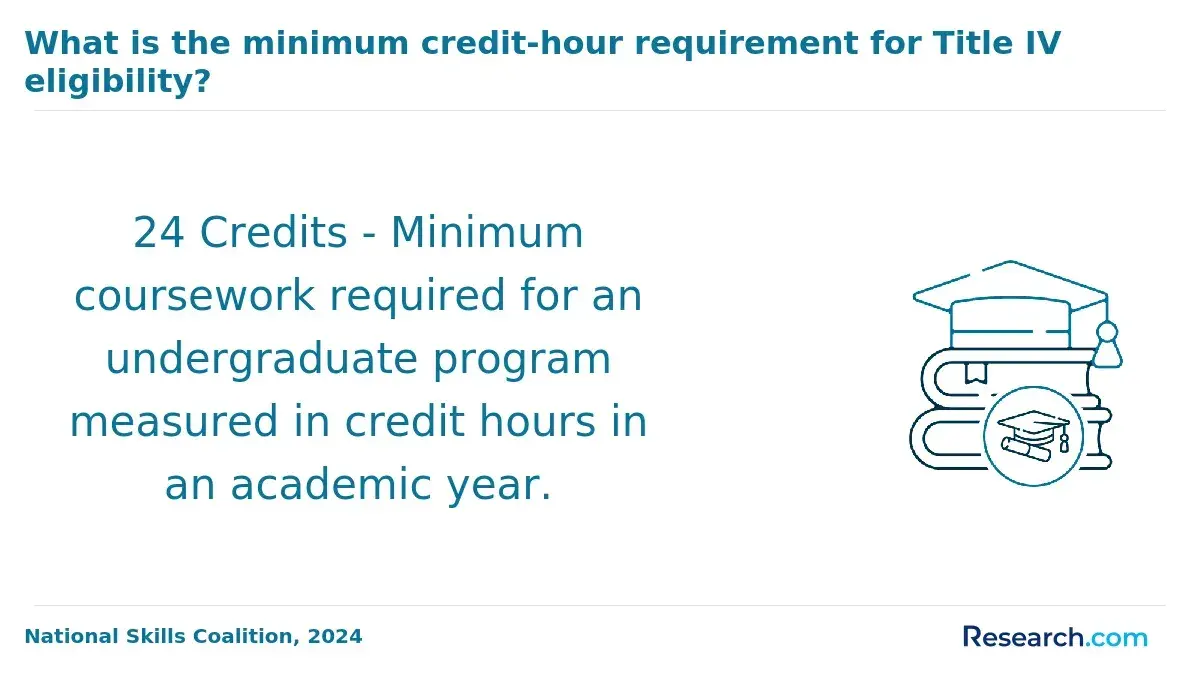
Cost is more than tuition. Students should compare the full cost of attendance, including fees, books, technology, legal database subscriptions, exam preparation, commuting for any required campus sessions, and lost work time. The 2024-25 maximum Federal Pell Grant of $7,395 can make a major difference for eligible students, but many students still need scholarships, payment plans, employer support, or loans.
The table below gives a practical planning framework rather than a price guarantee. Actual costs vary by public or private institution, residency status, transfer credits, and aid package.
| Program type | Typical full-time timeline | Cost considerations | Best financial fit |
| Undergraduate certificate | About 6 to 12 months | Usually fewer credits, but not always federal-aid eligible if nondegree or noncredit | Students with prior college credit or a degree who need focused legal training |
| Associate degree | About 2 years | Often more affordable at public community colleges, especially for in-district students | First-time college students seeking lower-cost entry into legal support roles |
| Bachelor's degree | About 4 years, less with transfer credit | Higher total cost, but broader advancement and transfer value | Students targeting competitive employers or long-term legal operations roles |
| Post-baccalaureate certificate | About 6 to 18 months | May be efficient but aid eligibility varies by school and program | Career changers who already hold a bachelor's degree |
To reduce cost without weakening quality, use a deliberate comparison process. These steps can help you identify the true net price and avoid overborrowing.
- Submit the FAFSA as early as possible and compare financial aid offers from multiple schools.
- Prioritize accredited public colleges or universities if they offer the curriculum and support you need.
- Ask for a transfer credit evaluation before enrolling, not after your first term begins.
- Compare tuition by credit and total credits required instead of relying only on per-term advertising.
- Look for legal studies scholarships, local bar association scholarships, employer tuition assistance, and state grant programs.
- Borrow only what you need after grants, scholarships, work income, and payment plans are considered.
If you are comparing fields mainly because of affordability, look beyond tuition alone. A cheapest online forensic science degree may have a different cost structure, lab expectations, and career path than a paralegal program, so the better investment depends on your target role rather than price alone.
What core courses and legal skills are taught in accredited online paralegal programs?
Accredited online paralegal programs are designed to build the legal knowledge and practical skills needed to work under attorney supervision. The strongest programs do not simply teach legal vocabulary; they require students to research, analyze, draft, organize, and communicate like legal support professionals.
Most reputable programs include a mix of foundational law courses and applied skills courses. The exact course names differ, but students commonly encounter the following areas.
- Introduction to paralegal studies and the U.S. legal system.
- Legal research using statutes, regulations, case law, secondary sources, and online databases.
- Legal writing, including briefs, memoranda, correspondence, and case summaries.
- Civil litigation, discovery, pleadings, motions, trial preparation, and court procedures.
- Legal ethics, unauthorized practice of law rules, confidentiality, conflicts of interest, and professional responsibility.
- Contract law, tort law, family law, criminal law, business law, real estate law, estate planning, or administrative law electives.
- Law office technology, e-filing, document management, billing systems, and e-discovery basics.
- Internship, capstone, portfolio, or simulation-based project that demonstrates practical readiness.
Current legal workplaces increasingly expect comfort with technology. Paralegals may use case management platforms, document automation tools, cloud storage, digital evidence systems, e-discovery software, and AI-assisted research tools. However, AI does not remove the need for legal judgment, citation checking, confidentiality awareness, and attorney supervision. Students should look for programs that teach both efficiency tools and their ethical limits.
Writing quality is often the skill that separates stronger candidates from weaker ones. A program that provides detailed feedback on legal memos, citations, and document drafting may be more valuable than one with easier assignments. Ask whether students create a portfolio of writing samples, mock pleadings, research projects, or litigation documents that can support internship and job applications.
Specialization can also matter. If you want to work in immigration, intellectual property, healthcare, real estate, family law, or litigation support, check whether electives or internship sites match that interest. A general paralegal curriculum is a good starting point, but targeted experience can make your resume more relevant in a specific legal setting.
What paralegal careers, legal settings, and advancement paths can these degrees support?
Paralegal studies programs can lead to roles in law firms, corporate legal departments, insurance companies, banks, courts, government agencies, nonprofit legal services, real estate offices, healthcare organizations, and compliance teams. Job titles vary, and some employers use "legal assistant," "case assistant," "litigation support specialist," or "legal operations coordinator" for related work.
Entry-level paralegals often start with document preparation, file organization, court filing, client intake, calendar management, and research support. With experience, they may handle more complex drafting, discovery coordination, trial preparation, regulatory filings, contract review, or case management. Senior paralegals may supervise support staff, manage large case files, train junior employees, or specialize in high-value practice areas.
The table below shows how paralegal education can map to different legal settings. It is useful because "paralegal" is not one single job; responsibilities depend heavily on employer type.
| Legal setting | Common work | Useful preparation |
| Law firms | Litigation support, document drafting, discovery, client communication, trial preparation | Civil litigation, legal writing, ethics, e-discovery |
| Corporate legal departments | Contracts, compliance files, entity management, regulatory documentation | Business law, contracts, compliance, legal technology |
| Government agencies | Administrative records, hearings support, public records, enforcement files | Administrative law, research, confidentiality, procedure |
| Nonprofit legal services | Client intake, benefits documentation, housing, immigration, family law support | Client communication, ethics, specialized electives |
| Courts and public offices | Case processing, legal documents, records, procedural support | Court procedures, writing, records management |
Career advancement depends on experience, specialization, employer size, local demand, and continued training. A paralegal may move from general legal assistant work into litigation support, contract administration, compliance analysis, legal project management, or law office administration. Some students later pursue law school, but a paralegal degree should not be viewed only as a pre-law stepping stone; it can be a practical career path on its own.
If your long-term interest is more closely tied to forensic evidence, medical-legal investigation, or laboratory work, compare paralegal paths with related options such as autopsy technician school. The day-to-day work, training requirements, and work environments are very different, even though both may intersect with legal systems.
What salary ranges and job outlook can paralegals expect across different U.S. regions?
Paralegal salaries vary by region, legal market, specialization, employer type, education, certification, and experience. The BLS reported a May 2024 median annual wage of $61,010 for paralegals and legal assistants. That median is a midpoint, not a promise: some entry-level roles pay less, while experienced paralegals in major legal markets, corporate legal departments, or specialized practices may earn more.
Regional differences matter because legal services are concentrated in metropolitan areas, government centers, corporate hubs, and states with large litigation or regulatory markets. Cost of living also affects how far a salary goes, so a higher salary in a large city may not always mean better financial outcomes than a moderate salary in a lower-cost region.
The table below summarizes how salary context often differs across U.S. regions. Use it as a decision tool for comparing job markets, not as a guaranteed pay scale.
| Region type | Common salary influence | What students should consider |
| Large metropolitan legal markets | More law firms, corporate legal departments, and specialized practices | Stronger competition may make internships, writing samples, and credentials more important |
| State capitals and government centers | More administrative law, agency, court, and public-sector opportunities | Public-sector pay may be steadier but sometimes lower than private corporate roles |
| Suburban and mid-sized markets | General practice, real estate, family law, estate planning, and local litigation roles | Broad practical skills may be more valuable than narrow specialization |
| Rural areas | Fewer legal employers but potential demand for versatile legal support | Online credentials can help access education, but local internship options may be limited |
The national job outlook should be interpreted carefully. BLS projection materials published in 2024 describe paralegal and legal assistant employment as showing little or no change over the 2023-2033 period, but openings still occur as workers retire, change occupations, or move into other legal and administrative roles. For students, this means employability may depend less on broad growth and more on being competitive for available openings.
Technology is changing the work rather than eliminating the need for trained legal support. Employers increasingly value paralegals who can manage e-discovery, organize digital records, use legal research tools responsibly, and check AI-assisted outputs for accuracy. Students who combine legal writing, ethics, and technology skills may be better positioned than those who only learn basic office administration.
Students comparing legal careers with science-based justice careers should compare both pay and work environment. A discussion of forensic degree salary can be useful if you are deciding between legal support work and laboratory or investigative support roles.
Do paralegals need certification or licensing, and how do programs prepare students?
Most U.S. paralegals are not licensed in the same way attorneys are, and there is no single nationwide license required for all paralegal jobs. However, rules and expectations vary by state, employer, and practice setting. Paralegals must work under attorney supervision and must not give legal advice, set legal fees, represent clients in court unless specifically authorized by law, or engage in the unauthorized practice of law.
Certification is different from licensing. Voluntary professional certifications can help demonstrate knowledge, professionalism, and commitment, especially for candidates seeking advancement or competing in larger legal markets. Employers may prefer or reward certification, but requirements vary.
Strong paralegal programs prepare students for certification indirectly by building the knowledge tested by professional organizations. They also teach ethical boundaries, legal research, writing, procedure, and professional communication. Some programs may include exam review, portfolio development, or advising on eligibility requirements.
When comparing programs, ask specific certification-preparation questions. These questions help separate marketing claims from meaningful support.
- Does the curriculum align with common paralegal certification exam content areas?
- Do instructors discuss certification options, eligibility rules, fees, and continuing education expectations?
- Are students required to complete legal writing, research, litigation, and ethics assignments that support exam readiness?
- Does the program offer a capstone, internship, or portfolio that can support job applications?
- Are graduates eligible for any state-specific paralegal recognition programs, if applicable?
Be cautious with schools that imply certification is automatic after graduation. Completing a paralegal program and earning a professional certification are usually separate steps. Certification organizations may require specific education, experience, exam completion, or continuing education, so students should confirm requirements directly before enrolling.
Also remember that legal work is regulated differently from medical, forensic, or technical support occupations. If you are comparing several justice-related education paths, the licensing and workplace expectations for legal support will differ from those for laboratory, investigative, or medical examiner support roles.
Other Things You Should Know About Paralegal Studies
Yes, many students complete paralegal coursework online. However, some programs may require an internship, capstone, proctored exam, or limited in-person component, so confirm the exact format before enrolling.
ABA approval is not required for every paralegal job. Some employers value it, especially in competitive markets, but many also consider institutional accreditation, degree level, experience, writing ability, and legal technology skills.
Many online students do, especially in part-time or asynchronous programs. Before enrolling, ask how many hours per week each course typically requires and whether legal research or writing assignments have fixed deadlines.
While AI can handle some routine tasks, it is unlikely to replace paralegals by 2026. The profession requires critical thinking, legal writing, and human judgment, which AI cannot fully replicate. Online paralegal programs are still valuable for preparing professionals who can leverage AI for increased efficiency.
References
- Earn an Online Paralegal Degree | OEDb.org https://www.oedb.org/rankings/online-paralegal-programs/
- Paralegal Certificate vs Certification | Let's clear up the confusion. https://paralegal.edu/blog/paralegal-certificate-vs-paralegal-certification-lets-clear-up-the-confusion/
- How to Pay for Paralegal School | Funding Guide 2025 https://www.paralegaledu.org/blog/how-to-pay-for-paralegal-school/
- Paralegal Studies Certificate Program | Long Island University https://liu.edu/brooklyn/academics/school-of-professional-and-continuing-studies/Paralegal-Studies-Certificate-Program
- Paralegal Salary and Outlook by State https://www.paralegal411.org/salaries/
- The Best Alternative Career for Paralegals (+Other Roles to Consider) | Brightflag https://brightflag.com/resources/paralegal-career-change/
- How to Choose an Online Paralegal Studies Program | Campus https://campus.edu/blog/paralegal/how-to-choose-online-paralegal-program
- Paralegal Education - Advanced Specialty Courses by API https://www.paralegals.org/page/api-advanced-specialty-courses
- Title IV Federal Financial Aid - Online Paralegal School - Crestpoint ... https://www.nationalparalegal.edu/financialaid.aspx
- Free Your Future: Top Free Paralegal Certification Programs https://www.paralegalinst.com/free-paralegal-certification-program-guide