2027 How to Compare Online Paralegal Studies Degrees by Job Readiness

Co-Founder and Chief Data Scientist
Choosing an online paralegal studies degree is really a question about employability: Will the program prepare you to perform legal research, draft documents, manage cases, and use law-office technology on day one?
The stakes are real. The U.S. Bureau of Labor Statistics reported a $61,010 median annual wage for paralegals and legal assistants in May 2024, making program quality and career preparation important to ROI. This guide helps aspiring paralegals, career changers, and working adults compare online degrees by accreditation, curriculum, experience, cost, and job outcomes.
Key Things You Should Know
- Job-ready online paralegal programs should combine legal research, writing, civil litigation, ethics, technology tools, and supervised practical experience, not just general legal theory.
- The May 2024 median annual wage for U.S. paralegals and legal assistants was $61,010, but pay varies by region, employer, practice area, experience, and certification.
- ABA approval can be a strong quality signal, but institutional accreditation, transfer policies, internship access, graduate outcomes, and employer alignment are also critical when comparing online programs.
What should you look for when comparing online paralegal degrees for job readiness?
Job readiness means a program helps you build the skills employers expect from an entry-level paralegal: legal research, document drafting, case organization, client communication, ethics, and familiarity with legal technology. A strong online paralegal studies degree should show clear evidence that students practice these skills, receive feedback, and leave with work samples or internship experience.
Start by comparing programs around outcomes rather than marketing claims. A lower-cost or faster program can be a good choice, but only if it still gives you enough legal specialty coursework, writing practice, and career support to compete for legal assistant or paralegal roles.
The table below summarizes the most important comparison points and what each one tells you about workplace preparation.
| Comparison factor | Why it matters for job readiness | What to verify before enrolling |
| Legal specialty curriculum | Shows whether you will study actual paralegal tasks rather than only general legal concepts. | Look for legal research, writing, litigation, contracts, torts, ethics, and law-office technology. |
| Hands-on assignments | Employers want graduates who can draft, organize, cite, and communicate accurately. | Ask whether students prepare memos, pleadings, discovery documents, case briefs, and research files. |
| Internship or capstone | Practical experience helps bridge the gap between coursework and legal work. | Confirm whether placements are available in your state or whether remote legal projects are accepted. |
| Career services | Paralegal hiring often depends on resumes, writing samples, references, and local legal networks. | Ask about employer partnerships, job boards, mock interviews, and placement support. |
| Accreditation and approval | Quality assurance affects credit transfer, financial aid eligibility, and employer confidence. | Confirm institutional accreditation and whether the paralegal program has ABA approval or another recognized review. |
A practical way to compare programs is to request a degree plan and mark every course that produces a job artifact. Strong programs should help you graduate with writing samples, research experience, familiarity with legal databases, and a clear explanation of what a paralegal may and may not do under attorney supervision.
Use this short checklist when talking with admissions advisors or program directors:
- Ask how many courses require legal drafting, research memoranda, citation work, or case-file projects.
- Ask whether students use common legal research platforms, e-discovery tools, document management systems, or court filing simulations.
- Ask whether the program helps online students find internships in their local legal market.
- Ask for graduate employment information, but treat it as context rather than a guaranteed outcome.
- Ask whether credits transfer into a bachelor's degree if you are starting with an associate program.
How do online paralegal programs differ from campus-based options in preparing you for work?
Online and campus-based paralegal programs can both be job-ready, but they prepare students differently. Online programs are often better for working adults who need flexibility, while campus programs may offer easier access to local internships, courthouse visits, law-library resources, and in-person networking.
The real question is not whether online or campus is automatically better. The better choice is the format that gives you enough structure, practice, feedback, and legal-community exposure to build employable skills.
The table below compares common strengths and trade-offs of each format so you can match the learning model to your situation.
| Format | Best fit | Job-readiness strengths | Possible limitations |
| Fully online | Working adults, parents, military students, rural learners, and career changers | Flexible scheduling, access from any location, often strong written communication practice | May require extra effort to secure internships, networking, and live legal workplace exposure |
| Hybrid | Students who want flexibility plus some campus interaction | Balances online coursework with in-person labs, advising, or legal research sessions | Campus visits may be difficult for students outside the region |
| Campus-based | Students who prefer face-to-face instruction and local legal networking | Direct access to faculty, peers, law libraries, local employers, and court observations | Less schedule flexibility and possible commuting costs |
Online students should look closely at how the program replaces the workplace exposure that can happen naturally on campus. Synchronous legal writing workshops, virtual mock client interviews, remote internships, e-discovery simulations, and faculty feedback on drafting assignments can all strengthen online job preparation.
If you are still exploring broad degree paths before committing to legal studies, reviewing flexible options such as the most affordable online general studies degree programs can help you compare lower-cost ways to complete general education or transfer credits before specializing.
A common mistake is assuming that "online" means self-taught. For paralegal education, too much self-paced reading and too little instructor feedback can weaken readiness. Prioritize programs that include deadlines, graded drafting, faculty interaction, and structured legal research practice.
Which accreditation and institutional approvals matter most for online paralegal studies programs?
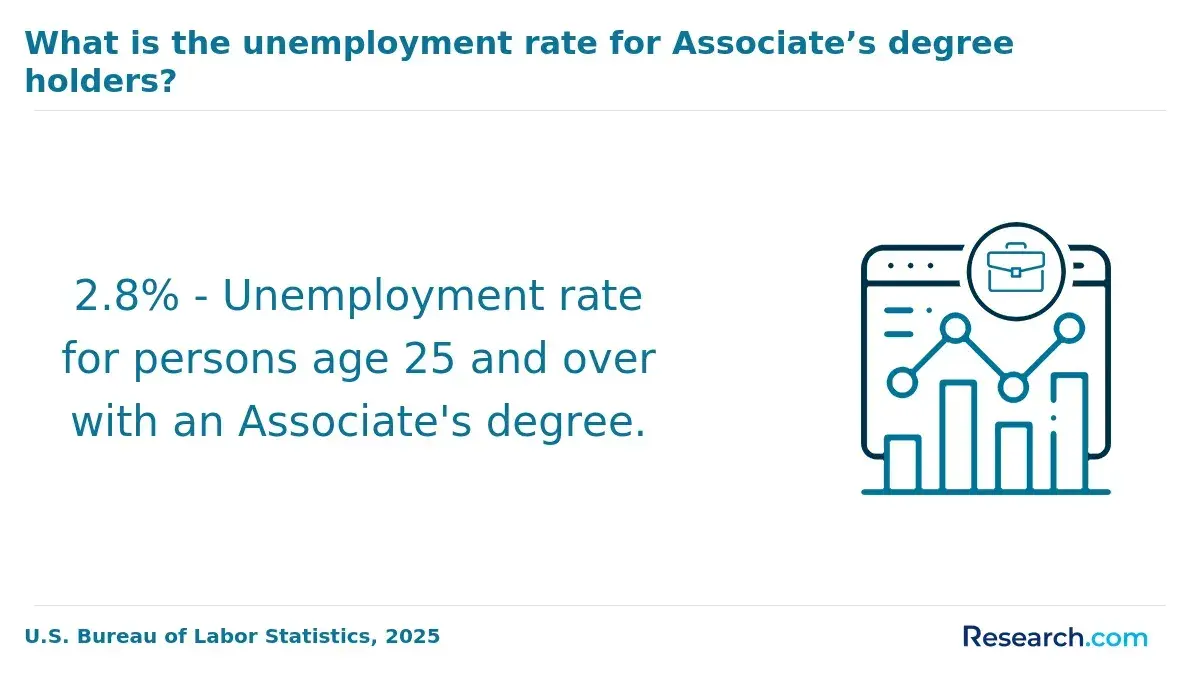
Accreditation is one of the first filters to use because it affects financial aid eligibility, transfer credit, graduate school options, and employer trust. For paralegal studies, you should distinguish between institutional accreditation and program-level approval.
Institutional accreditation applies to the college or university as a whole. It is especially important if you plan to use federal financial aid, transfer credits, or continue into a higher degree.
Programmatic review, such as approval from the American Bar Association, applies specifically to the paralegal education program and can signal that the curriculum, faculty, and student services have been evaluated against paralegal education standards.
The following table explains the main quality markers and how to use them without overvaluing any single label.
| Quality marker | What it tells you | How to use it in your decision |
| Institutional accreditation | The school has been reviewed by a recognized accreditor for academic quality and operations. | Treat this as a baseline requirement for most degree-seeking students. |
| ABA-approved paralegal program | The paralegal program has undergone a specialized review process focused on paralegal education. | View it as a strong signal, especially if local employers value ABA-approved programs. |
| State authorization for online education | The school is authorized to offer distance education to students in your state. | Confirm eligibility before enrolling, especially if you live outside the school's home state. |
| Transparent outcomes | The program shares information about completion, transfer, career services, or employment support. | Use outcomes as one factor, but avoid assuming they predict your individual job result. |
| Qualified faculty | Instructors have legal, paralegal, academic, or practice-area experience. | Look for faculty who can teach both doctrine and practical legal workplace expectations. |
ABA approval is valuable, but it is not the only sign of a strong program. Some reputable online paralegal studies programs may not be ABA-approved, and some employers may care more about your writing samples, internship experience, software skills, and references than a single approval status.
Before enrolling, verify accreditation directly through recognized accreditation databases and the school's official disclosures. Do not rely only on badges, rankings, or admissions language. If a program cannot clearly explain its accreditation, state authorization, transferability, and paralegal approval status, treat that as a red flag.
What courses and practical experiences signal strong career preparation in paralegal curricula?
A job-ready paralegal curriculum should teach both legal knowledge and legal production. In practice, that means you are not only learning what civil litigation, contracts, or criminal law are; you are also learning how to draft, cite, organize, file, summarize, and communicate within attorney-supervised legal work.
Look for courses that mirror the tasks paralegals perform in law firms, corporate legal departments, government agencies, courts, and nonprofit legal organizations. A curriculum with only broad survey courses may be less useful than one that requires repeated applied assignments.
The strongest paralegal programs usually include several of the following components because they map directly to workplace responsibilities:
- Legal research and writing courses that require case law research, citation, objective memoranda, and clear legal analysis.
- Civil litigation and procedure courses that cover pleadings, discovery, trial preparation, deadlines, and court rules.
- Legal ethics courses that explain unauthorized practice of law, confidentiality, conflicts of interest, and attorney supervision.
- Practice-area electives such as family law, real estate, wills and estates, business organizations, criminal law, or immigration law.
- Law-office technology instruction covering document management, e-filing concepts, spreadsheets, timekeeping, research databases, and e-discovery basics.
- Internships, practicums, simulations, or capstones that produce work samples and require feedback from instructors or legal professionals.
Technology deserves special attention. Law offices increasingly use document automation, e-discovery platforms, case-management systems, and AI-assisted research tools. A strong program should teach students to use technology responsibly, verify outputs, protect confidential information, and understand that paralegals cannot replace attorney judgment.
Students interested in criminal law, victim services, or court-adjacent behavioral work may also want to compare paralegal study with psychology-focused legal pathways. For example, exploring an online master's in forensic psychology can clarify whether your long-term goal is legal support, behavioral assessment, advocacy, or graduate-level forensic practice.
A common red flag is a program that lists legal topics but does not show how students practice them. Ask for sample syllabi. If assignments are mostly quizzes and discussion posts, the program may not build the drafting and research confidence employers expect.
How can you evaluate admission requirements, program length, and scheduling for working adults?
Online paralegal studies programs can lead to certificates, associate degrees, bachelor's degrees, or post-baccalaureate certificates. The right option depends on your current education, career goal, available time, and whether employers in your area prefer a degree or a shorter credential.
Admissions requirements usually vary by credential level. Associate programs often require a high school diploma or equivalent. Bachelor's programs may accept first-year or transfer students. Post-baccalaureate paralegal certificates typically require a completed bachelor's degree and may be designed for career changers who already have general education completed.
The table below compares common paralegal education pathways by timeline and fit.
| Credential type | Typical student profile | Common timeline | Best use case |
| Undergraduate certificate | Students seeking a shorter introduction to paralegal work | Often less than two years | Good for testing the field or adding legal office skills, but may not satisfy all employer preferences. |
| Associate degree | Students without a prior college degree who want an entry-level pathway | About two years full time | Useful for legal assistant and entry-level paralegal roles, especially when paired with internship experience. |
| Bachelor's degree | Students seeking broader education and more advancement flexibility | About four years full time, shorter with transfer credit | Helpful for competitive markets, corporate legal departments, government roles, or future graduate study. |
| Post-baccalaureate certificate | Career changers who already hold a bachelor's degree | Often one year or less | Efficient for graduates who need paralegal-specific training without completing another degree. |
Working adults should evaluate scheduling as carefully as curriculum. A strong program can still be a poor fit if class meetings, internship hours, or accelerated terms are unrealistic with your job and family responsibilities.
Use these steps to test whether the schedule is manageable:
- Calculate weekly study time for each course, including reading, legal research, writing, and revision.
- Ask whether courses are asynchronous, synchronous, or mixed, and confirm whether live sessions are required.
- Review term length because accelerated courses can compress legal writing assignments into a demanding schedule.
- Confirm whether internships can be completed evenings, weekends, remotely, or near your home.
- Ask how long you may pause or reduce course load without losing financial aid eligibility or catalog rights.
Do not choose the fastest option automatically. Accelerated formats can work well for disciplined students with prior college experience, but legal research and writing take time to develop. If you are new to college or returning after a long break, a slightly slower schedule may lead to stronger work samples and better retention.
What tuition, fees, and financial aid factors affect the real cost of online paralegal study?
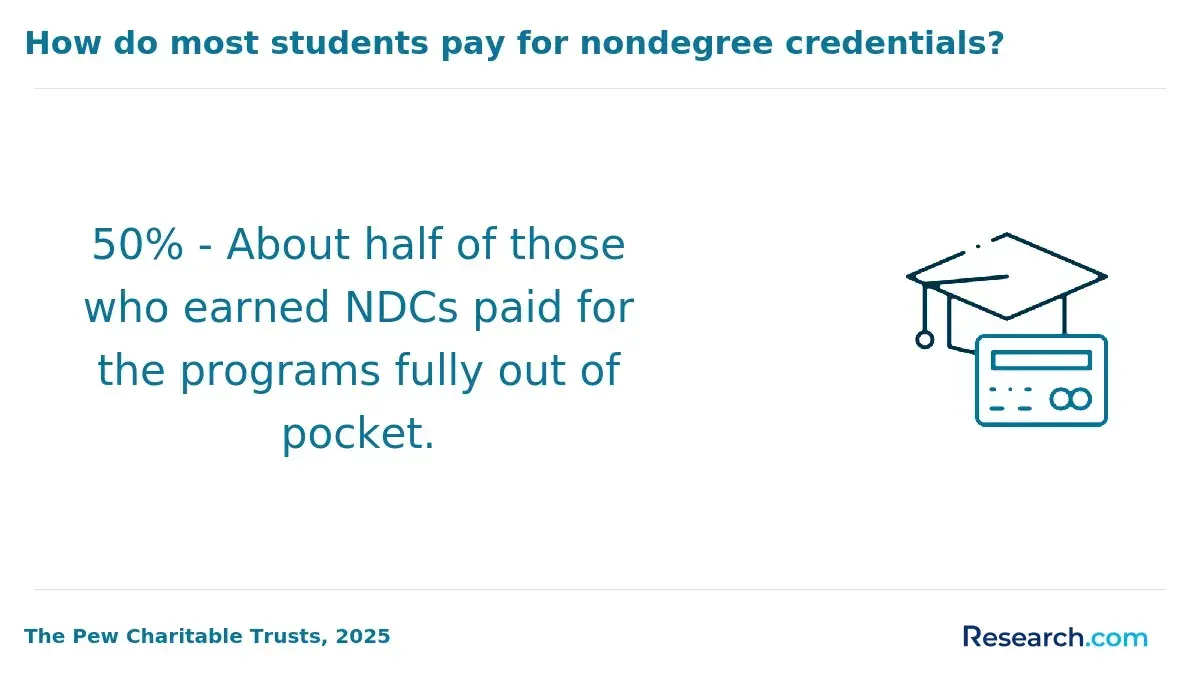
The real cost of an online paralegal degree is more than tuition. You should also account for technology fees, books, legal database access, graduation fees, proctoring fees, transfer-credit limits, internship costs, and the income you may give up if you reduce work hours.
Recent national tuition benchmarks can help you evaluate whether a program's price is reasonable. The College Board's 2024 pricing data reported the following average published tuition and fees for U.S. undergraduate sectors in 2024-2025:
- Public two-year in-district: $4,050
- Public four-year in-state: $11,610
- Public four-year out-of-state: $30,780
- Private nonprofit four-year: $43,350
These figures are not paralegal-specific and do not reflect scholarships or grants, but they give you a useful baseline. If an online paralegal program costs far above comparable options, ask what added value justifies the difference, such as ABA approval, specialized advising, internship placement, legal technology access, or strong employer connections.
The table below shows cost factors that often change the total price students actually pay.
| Cost factor | Why it affects total cost | Question to ask |
| Transfer credits | Accepted credits can shorten the program and reduce tuition. | How many credits will apply to my degree before I enroll? |
| Residency status | Public colleges may charge different rates for in-state and out-of-state online students. | Is the online tuition rate the same for all students? |
| Books and legal databases | Legal texts and research tools can add recurring costs. | Are research platforms included in tuition or billed separately? |
| Internship requirements | Transportation, schedule changes, and unpaid hours can affect affordability. | Can I complete the internship near home or through an approved remote placement? |
| Financial aid eligibility | Not every certificate or nondegree program qualifies for federal aid. | Is this specific program eligible for federal financial aid? |
To compare ROI, estimate total net cost after grants and transfer credits, not sticker price alone. Then weigh that number against your target role, local wages, schedule flexibility, and whether the credential can support advancement beyond entry-level legal assistant work.
A common mistake is choosing the cheapest program without checking whether it is accredited, transferable, or respected in the legal market where you plan to work. Affordability matters, but a low-cost program that does not build usable legal skills can be expensive in the long run.
Which entry-level and advanced legal support roles can paralegal graduates pursue?
Paralegal studies graduates typically pursue roles that support attorneys, legal departments, courts, compliance teams, and public agencies. The exact title matters less than the responsibilities: research, drafting, organizing records, tracking deadlines, communicating with clients or agencies, and preparing legal materials under supervision.
Entry-level roles may focus on administration and document handling, while advanced paralegal roles often require specialized knowledge in litigation, corporate law, real estate, immigration, intellectual property, healthcare, or government regulation.
The table below compares common career paths and the kind of preparation that helps for each one.
| Role | Typical responsibilities | Helpful preparation |
| Legal assistant | Scheduling, file management, correspondence, court forms, and attorney support | Office software, legal terminology, deadlines, communication, and confidentiality |
| Entry-level paralegal | Legal research, document drafting, discovery support, client intake, and case organization | Legal research and writing, civil procedure, ethics, and internship experience |
| Litigation paralegal | Discovery, trial preparation, exhibits, deposition support, and case calendars | Civil litigation, e-discovery, court rules, document management, and attention to detail |
| Corporate paralegal | Entity filings, contracts, governance records, compliance documents, and due diligence | Business law, contracts, spreadsheets, databases, and corporate recordkeeping |
| Government or public-sector legal support | Regulatory files, administrative hearings, public records, and agency documentation | Administrative law, writing, public-sector procedures, and records management |
| Senior paralegal or paralegal manager | Complex case support, workflow coordination, training, and vendor communication | Experience, specialization, certification, leadership, and advanced technology skills |
Some students discover that their interest is adjacent to paralegal work rather than inside a law office. If you are drawn to criminal investigations, autopsy support, or medicolegal environments, a guide on how to become a medical examiner assistant may help you compare a legal support route with a forensic health support route.
Paralegal programs can also support advancement into compliance, contract administration, legal operations, risk management, or law school preparation. However, a paralegal degree by itself does not authorize you to practice law, give legal advice, represent clients in court, or set legal fees unless a specific jurisdiction creates a limited role with its own rules.
What are the typical salary ranges and earning growth for paralegals and legal assistants?
Paralegal salaries vary widely because the occupation spans small law offices, large firms, corporate legal departments, government agencies, insurance companies, and specialized practice areas. Education can help, but salary is also shaped by location, experience, employer size, technology skills, practice area, certification, and the complexity of the work.
The U.S. Bureau of Labor Statistics reported a May 2024 median annual wage of $61,010 for paralegals and legal assistants. For readers comparing program cost, this figure is best used as a midpoint benchmark, not a promise of what a new graduate will earn.
The table below explains how salary growth often develops across career stages without treating any stage as guaranteed.
| Career stage | Common salary drivers | How to strengthen earning potential |
| Entry level | Internship experience, writing samples, office skills, local market conditions, and degree type | Build a portfolio of research and drafting work and apply to roles that offer training. |
| Early career | Practice-area knowledge, reliability, deadline management, and attorney trust | Develop specialization in litigation, corporate law, real estate, immigration, or compliance. |
| Experienced paralegal | Complex case responsibility, technology skills, client-facing work, and certification | Pursue advanced assignments, continuing education, and recognized professional credentials. |
| Senior or specialized roles | Leadership, high-value practice areas, e-discovery, legal operations, and project management | Combine legal expertise with data, vendor, workflow, or team-management skills. |
Higher salaries are more common in large metropolitan markets, corporate legal departments, federal agencies, and specialized areas such as intellectual property, complex litigation, securities, healthcare compliance, and e-discovery. Smaller firms and rural markets may offer lower pay but can provide broader responsibilities and faster hands-on learning.
When comparing online programs, ask how the curriculum supports the salary path you want. If a program offers no technology training, no internship help, and limited legal writing, it may be less effective for competing in higher-paying legal environments.
How does the job outlook for paralegals compare across practice areas and U.S. regions?
The national outlook for paralegals is steadier than explosive, so your local market and practice-area choice matter. Law firms remain major employers, but corporate legal departments, compliance teams, government agencies, insurance companies, healthcare organizations, and legal technology vendors also use paralegal skills.
BLS occupational projections released with the 2024 base year describe paralegal and legal assistant employment as showing little or no change over the projection period, while still reflecting ongoing replacement needs as workers retire or move into other occupations. For students, this means job readiness and specialization may matter more than simply holding a credential.
The table below highlights how demand can differ by practice environment.
| Practice area or setting | Demand influences | Useful student preparation |
| Civil litigation | Discovery volume, court deadlines, settlement activity, and trial preparation needs | Civil procedure, e-discovery, legal writing, and case management |
| Corporate and compliance | Contract volume, regulatory requirements, internal governance, and risk management | Business law, contracts, spreadsheets, databases, and compliance basics |
| Immigration | Filing requirements, client documentation, agency procedures, and policy changes | Immigration law electives, client communication, form accuracy, and language skills where relevant |
| Real estate and estate planning | Local transaction activity, title work, probate needs, and document preparation | Property law, wills and estates, document drafting, and deadline tracking |
| Government and public interest | Agency budgets, caseloads, administrative procedures, and public service needs | Administrative law, legal writing, records management, and professionalism |
| Legal technology and e-discovery | Digital evidence, document review, litigation support platforms, and data-heavy cases | E-discovery, databases, privacy awareness, and quality-control workflows |
Regional differences can be significant. Large legal markets tend to offer more specialized roles and higher competition, while smaller markets may require paralegals to handle a wider range of tasks. Before choosing a program, search current job postings in your target city and note the education level, software tools, practice areas, and experience employers request most often.
If your interest is more focused on courts, criminal behavior, expert testimony, or victim advocacy than legal document support, reviewing jobs I can get with a masters in forensic psychology can help you compare legal support roles with behavioral science paths connected to the justice system.
AI and automation are changing some routine legal work, especially document review, template drafting, and research assistance. That does not eliminate the need for trained paralegals, but it raises the value of judgment, verification, ethics, confidentiality, technology fluency, and the ability to communicate clearly with attorneys and clients.
What certifications, professional standards, and continuing education strengthen paralegal employability?
Paralegal certification is generally not the same as state licensure. In many states, paralegals work under attorney supervision without a mandatory license, but employers may value voluntary certification because it shows commitment, tested knowledge, and continuing education.
Professional standards also matter because paralegals operate inside strict ethical boundaries. A job-ready graduate should understand confidentiality, conflicts of interest, billing accuracy, client communication limits, attorney supervision, and the prohibition on unauthorized practice of law.
The table below summarizes common ways paralegals can strengthen credibility after or near graduation.
| Credential or development option | What it can signal | Who may benefit most |
| Voluntary national certification | Knowledge of paralegal practice, legal procedures, ethics, and professional standards | Graduates seeking to stand out in competitive markets or move beyond entry-level roles |
| State or local paralegal association membership | Professional engagement, networking, and access to continuing legal education | Students who need local employer connections and mentoring |
| Practice-area certificates or CLE | Focused knowledge in areas such as e-discovery, contracts, immigration, or litigation | Paralegals targeting specialized roles or advancement |
| Technology credentials | Comfort with legal research tools, spreadsheets, databases, document review, or case-management platforms | Students interested in litigation support, corporate legal operations, or e-discovery |
| Writing portfolio | Evidence of practical legal analysis and drafting ability | New graduates with limited paid legal experience |
Before paying for a certification exam, review eligibility requirements directly with the certifying organization. Some credentials require a combination of education and work experience, while others may be more accessible to recent graduates.
A smart employability plan after enrollment looks like this:
- Complete legal research and writing courses with portfolio-quality work samples.
- Join a local or national paralegal association while still a student.
- Seek an internship, volunteer legal clinic role, courthouse support opportunity, or law-office administrative role.
- Learn the software tools that appear most often in job postings in your region.
- Consider certification after you meet eligibility requirements and understand how local employers value it.
The biggest mistake is treating certification as a substitute for practical skill. Credentials can help, but employers still need paralegals who can meet deadlines, protect confidentiality, follow instructions, communicate professionally, and produce accurate legal work under attorney supervision.
Other Things You Should Know About Paralegal Studies
Yes, some employers hire legal assistants or entry-level paralegals without a degree, especially if they have strong office, writing, or legal administrative experience. However, a paralegal degree or certificate can make you more competitive and may be preferred for roles involving research, drafting, litigation support, or specialized practice areas.
In 2027, assess job readiness of online paralegal degrees by reviewing course content for practical skill building, evaluating internships or hands-on opportunities offered, and examining graduate employment rates and employer partnerships related to the program.
Paralegal credits generally do not transfer into a Juris Doctor program because law school is a graduate professional degree with its own curriculum. However, paralegal coursework may strengthen legal vocabulary, writing discipline, and practical understanding before applying to law school.
Strong paralegals are detail-oriented, organized, ethical, discreet, and comfortable with deadlines. They also need clear writing, careful reading, technology confidence, and the ability to work under attorney supervision without giving legal advice independently.
References
- The Best Alternative Career for Paralegals (+Other Roles to Consider) | Brightflag https://brightflag.com/resources/paralegal-career-change/
- Navigating the College Application Process as an Adult Learner - ReUp Education https://reupeducation.com/blog/navigating-the-college-application-process-as-an-adult-learner/
- Career Outlook and Projected Growth - NALS... the association for legal professionals https://www.nals.org/page/USDEPlabor
- How To Get Student Loans for Paralegal School (2026 Guide) https://www.credible.com/student-loans/student-loans-for-paralegal-school
- Tuition & Payment Plans - Online Paralegal Training Courses - Crestpoint University https://www.nationalparalegal.edu/tuition.aspx
- Starting at the Bottom: Can You Really Begin as a Paralegal? https://www.paralegalinst.com/is-paralegal-an-entry-level-job
- Paralegal Studies Online Training Program - Campus Sacramento https://sacramento.campus.edu/programs/legal/paralegal-studies-online