2027 Is Sustainability a Hard Major? What Students Should Know

Co-Founder and Chief Data Scientist
The sustainability major is often seen as challenging due to its interdisciplinary nature, demanding knowledge in science, social sciences, and policy. According to the National Center for Education Statistics, enrollment in sustainability-related programs grew by over 15% in the last decade, reflecting rising student interest alongside rigorous curricula that include environmental science, economics, and ethics.
Students should expect a workload combining technical and analytical skills, frequent research projects, and collaborative problem-solving. This article explores course difficulty, workload, key skills, and factors influencing how hard sustainability feels, helping prospective students gauge if it aligns with their strengths and academic goals.
Key Benefits of Sustainability as a Major
- It equips students with the knowledge to address environmental challenges using practical, science-based solutions.
- It enhances career opportunities in growing sectors focused on renewable energy, corporate responsibility, and sustainable development.
- It promotes systems thinking and ethical decision-making to balance ecological, economic, and social priorities.
Where Does Sustainability Rank Among the Hardest College Majors?
National rankings rarely list sustainability among the most difficult college majors, which typically include fields like engineering, chemistry, physics, and computer science. These harder majors often feature heavy workloads, advanced technical content, and significant lab or practicum hours. Sustainability generally ranks as moderately challenging due to its interdisciplinary nature, combining environmental science, policy, economics, and fieldwork without demanding the same depth of advanced mathematics or laboratory experience.
For instance, top programs at universities such as Harvard and Columbia require substantial research, capstone projects, and community engagement, increasing student time commitments. Data from College Factual shows Columbia University recently graduated nearly 300 students in sustainability science, indicating strong interest but not necessarily higher difficulty compared to some STEM fields.
Difficulty in sustainability varies by university and student background. Some institutions may emphasize rigorous fieldwork and projects, while others focus more on policy and systems thinking. Students with strengths in analysis, writing, and collaboration often find sustainability more manageable than majors heavily reliant on calculus or laboratory skills.
Compared to environmental science, sustainability usually involves less technical detail but more policy focus. Ultimately, rankings offer only a rough guide since perceived difficulty depends on individual preparation, the specific program, and personal aptitudes, making it a highly subjective assessment.
What Factors Make Sustainability a Hard Major?
The demands of pursuing a sustainability major often combine a variety of academic and skill-based challenges that can be difficult for many students. Success requires not only mastering diverse subjects but also balancing significant workloads and rigorous standards.
- Academic rigor: Sustainability programs emphasize thorough, evidence-based investigation and critical analysis of complex environmental issues. Students must meet high academic requirements for sustainability majors by distinguishing scientific facts from value judgments and applying concepts to real-world problems.
- Interdisciplinary coursework in sustainability programs: These majors involve extensive study across biology, earth sciences, environmental science, and quantitative methods. The diverse coursework demands adaptability and a broad knowledge base, often integrating multiple disciplines simultaneously.
- Technical and analytical complexity: Majors encounter advanced topics such as statistical modeling, data analysis, and life-cycle assessments. Strong quantitative skills are necessary to handle these challenges, which require precision and analytical thinking.
- Time commitment and workload: The major often entails writing-intensive assignments, independent research projects, and capstone experiences that span semesters. For instance, some programs require a senior thesis with data analysis and presentations, reflecting the sustained effort needed to excel.
Choosing sustainability as a major means preparing for a demanding journey that blends extensive interdisciplinary study with complex technical and research skills. Students interested in this path may also explore high paying certifications to complement their academic goals.
Who Is a Good Fit for a Sustainability Major?
Identifying the qualities of successful sustainability students is essential for those considering this major, as it helps match personal strengths with academic demands. Being aware of the best skills for sustainability majors can guide prospective students in preparing for the interdisciplinary nature of the field.
- Strong communication skills: Sustainable initiatives require clear expression of ideas and the ability to work with diverse groups. Effective presentation and collaboration enhance project outcomes and community engagement.
- Problem-solving ability: Students who enjoy tackling open-ended challenges excel by creatively combining analytical reasoning with innovation to find practical solutions in complex sustainability issues.
- Systems thinking: Understanding ecological, social, and economic interactions is key. This trait helps students integrate knowledge from various disciplines, which is vital to managing the program's broad scope.
- Curiosity and open-mindedness: A passion for learning new concepts and a willingness to challenge personal beliefs allow students to adapt and embrace emerging technologies and diverse perspectives.
- Passion for community engagement: Sustainability often involves teamwork and real-world application. Students valuing collaboration thrive by contributing meaningfully to group projects and community actions.
These attributes align closely with a major's interdisciplinary workload, including research and data analysis. Many students recognize how their sustainability courses enhance problem-solving skills and empower them. For those exploring options, understanding what's the easiest degree may also provide helpful context for planning an academic path.
Students often find sustainability challenging due to its interdisciplinary nature and heavy project workload, which can create academic pressure. However, applying targeted strategies can significantly ease these demands and improve overall success.
- Build foundational skills early: Focus on mastering essential abilities like quantitative analysis, research writing, and scientific methods to gain confidence and handle complex assignments more effectively.
- Manage time efficiently: Breaking down large projects using planners or digital tools and setting early internal deadlines helps prevent last-minute stress and keeps workflow steady.
- Engage in hands-on learning: Internships, fieldwork, and research opportunities translate theory into practical experience, reinforcing concepts and enhancing comprehension.
- Utilize academic support: Taking advantage of tutoring, writing centers, and study groups tailored to sustainability students offers additional guidance and peer collaboration that improve understanding.
- Align coursework with interests: Choosing concentrations that match individual strengths or passions fosters motivation and eases the challenge of demanding subjects.
When discussing how to make this major more manageable, one sustainability graduate shared that her biggest hurdle was balancing diverse subjects while staying motivated. She reflected, "It felt overwhelming at first because everything was interconnected but required different skill sets." She emphasized the value of seeking help early, especially from writing centers, which "clarified complex reports" and relieved anxiety.
By gradually integrating internships, she gradually "saw how classroom ideas applied in real situations," which kept her engaged during tough semesters. Ultimately, her approach was about patience and consistent effort: "Mastering one skill before moving to another made the whole experience less intimidating." Her journey illustrates that persistence and strategic support can transform sustainability studies from daunting to doable.
Admissions to sustainability programs tend to be less competitive than those for majors like engineering or business, primarily because many sustainability programs are newer and offer more seats relative to applicants. However, selectivity varies significantly based on the institution, with top-tier schools or those possessing established environmental science departments often receiving more applications than available spots. Competitive programs may require strong academic backgrounds and prerequisites, which also contribute to admissions difficulty.
Factors influencing admission competitiveness include a school's reputation, required GPA-commonly above 3.0-and necessary preparatory courses, especially in science and math. Volunteer experiences or involvement in environmental groups can improve an application's strength. Interest in sustainability fields is growing, supported by a 24% rise in environmental science degrees since 2016, making admissions steadily more selective at leading programs.
A professional who majored in sustainability shared that applying was a thoughtful, rigorous process. He recalled, "I spent hours gathering volunteer references and ensuring my transcript reflected the right science classes. The uncertainty of acceptance was stressful, but it motivated me to build a truly supportive application." His experience underscores that while admissions can be accessible, targeted preparation remains crucial.
An online sustainability degree is generally not harder or easier than an on-campus sustainability degree; both formats present similar academic challenges but differ in delivery and learning experience. Students should consider these differences to determine which suits their individual learning style best.
Here is a comparison of online versus on-campus sustainability programs:
- Academic expectations: Both require mastery of complex topics like environmental science, policy, and systems thinking with comparable rigor and grading.
- Workload and pacing: Online programs often offer asynchronous scheduling for flexible pacing, while on-campus follow fixed timetables providing more structured study times.
- Interaction and support: On-campus students benefit from face-to-face discussions and labs, whereas online students engage through virtual forums, video calls, and digital resources.
- Learning environment: Online learners rely heavily on self-discipline to manage their studies, while on-campus learners have immediate access to faculty and peers.
- Format-specific challenges: Online students may face isolation and technical difficulties, while on-campus students must contend with commuting and less flexible schedules.
Whether earning a sustainability degree online is more difficult depends largely on student motivation and learning preferences rather than inherent academic demands. Both settings typically require 12-15 hours of study weekly with similar assignments and project work.
For those curious about programs that align with career goals, exploring masters that make the most money may provide valuable insights.
Accelerated sustainability programs tend to be harder than traditional formats due to condensed timelines and increased workload intensity. These programs demand students absorb complex interdisciplinary material quickly while managing a faster pace.
Below is a comparison highlighting key differences affecting student experience in terms of accelerated sustainability degree workload and challenges of fast-track sustainability programs:
- Course Pacing and Content Density: Accelerated programs compress the same amount of coursework into a shorter time, increasing weekly demands and reducing topic exposure time.
- Workload Management: Students with prior knowledge or experience may find it easier to keep pace, while newcomers or those balancing other commitments often face higher stress and challenges.
- Academic Expectations and Skill Demands: Strong time-management and rapid comprehension skills are essential for success in accelerated tracks due to the intensified curriculum.
- Learning Retention and Stress Levels: Accelerated formats risk superficial understanding without active instructional support, whereas traditional programs allow more reflection and often lower stress.
- Flexibility and Daily Structure: Traditional formats provide more flexible scheduling and gradual learning, which benefit those managing work or personal responsibilities alongside studies.
Students considering either format should assess their background, learning style, and ability to manage the demands. Those interested in fast completion options that still provide solid income potential might explore quick degrees that make good money to align education with career goals effectively.
Students majoring in sustainability can often handle a part-time job, but success depends on factors like course difficulty, weekly study hours, scheduling flexibility, and individual study habits. Sustainability programs combine science, business, and social sciences, which may increase workload through intense projects, technical tasks, and fieldwork.
Credit loads usually range from 12 to 18 per semester, requiring an additional 15-25 hours weekly outside class. Those who manage time well and keep their course load reasonable tend to balance work and study more effectively.
Many sustainability students juggle part-time employment by leveraging flexible positions such as remote work or campus roles aligned with their academic interests. Employing strong time management skills and utilizing campus resources or online support helps them maintain balance despite demanding reading, lab work, or project deadlines.
Some opt for roles like research assistantships or sustainability office jobs that fit their schedules. However, students facing heavy lab or project commitments might find it harder to maintain steady employment during peak busy periods. Ultimately, balancing a part-time job with sustainability studies requires adaptability and careful planning based on program demands.
Career paths for sustainability graduates vary widely in difficulty, responsibility, and required skills. While some jobs demand intellectual rigor comparable to the major, others may feel less academically challenging but require physical effort or stakeholder management.
- Sustainability analyst / ESG specialist: These professionals assess environmental, social, and governance (ESG) data to help companies achieve sustainability goals. Their work is highly analytical and strategic, often as demanding as the degree itself, especially due to the pressure to guide critical business decisions. This role aligns closely with sustainability specialist job requirements and salary expectations.
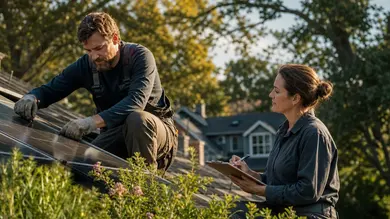
- Renewable energy engineer/technician: Focused on wind, solar, and energy innovation, these roles require technical know-how and hands-on skills. Entry-level positions such as solar installers may be less academically intense but can be physically taxing and demand continual upskilling.
- Environmental policy analyst: Responsible for creating and evaluating policies, these analysts need strong research and critical thinking abilities. The intellectual challenge is often equal to or greater than that of the major, particularly for those shaping government regulations and long-term strategies.
- Green construction manager: Managing sustainable building projects requires blending technical expertise with leadership and project management. The role is challenging in a practical, operational sense, focusing on balancing budgets, timelines, and environmental standards.
- Agronomist or sustainable agriculture specialist: These professionals work to improve agricultural practices for food security and environmental protection. The role's difficulty varies; research-focused positions match the academic rigor, while some field roles emphasize adaptability over theory.
For those seeking the highest paying sustainability careers in the US, understanding the diverse challenges across these paths can guide career choices effectively. Students can also benefit from exploring best dual degree combinations that complement sustainability studies and increase marketability.
There is no strong link between the difficulty of a sustainability major and higher salaries for graduates. Instead, salary differences mostly depend on the skills students develop, their certifications, and how well they meet labor market demands.
While sustainability programs can be challenging, pay is influenced more by practical experience and professional credentials, such as LEED AP or ESG Analyst certifications. These credentials often lead to better job opportunities and increased earnings than academic rigor alone. Hence, market needs and skill relevance play a greater role than course difficulty in determining pay.
Several key factors influence salaries for sustainability graduates. Industry sectors like renewable energy, biotech, and technology tend to offer higher wages, with median salaries projected around $140,000 in 2025. Entry-level positions typically start near $55,000, while experienced managers can make between $100,000 and $140,000.
Location also matters, as cities like Boston, Seattle, and Austin often pay 20-30% more for sustainability expertise. Additionally, holding relevant certifications and gaining hands-on experience can boost earnings by 10-15% or more, highlighting the importance of specialized skills in the job market.
What Graduates Say About Sustainability as Their Major
- Raphael: "Pursuing sustainability was definitely challenging, especially balancing the scientific concepts with policy-making aspects. However, the learning experience was incredibly rewarding and gave me a solid foundation to contribute meaningfully in my career. Considering the average cost of attendance, I feel it was a worthy investment for the impact I'm able to make today."
- Russell: "From my perspective, sustainability as a major requires dedication but is far from impossible. It taught me to view problems through various lenses, which has enriched my personal and professional life. While the cost of the program was notable, I think the knowledge and skills acquired justify the expense for anyone serious about environmental change."
- Theo: "Sustainability was one of the tougher majors I've undertaken, with a wide range of topics to master and interdisciplinary demands. The cost of attending was something I had to manage carefully, but the career opportunities and the chance to influence positive environmental outcomes made every challenge worthwhile. It's a major that prepares you well for real-world impact."
Other Things You Should Know About Sustainability Degrees
In 2027, a sustainability major typically requires courses like Environmental Science, Sustainable Development, and Environmental Policy. Students may also need to complete specific electives and hands-on projects to understand current sustainability challenges and solutions effectively.
Graduates with a sustainability major in 2027 can explore careers in environmental consultancy, renewable energy, corporate sustainability roles, NGOs, and government agencies. The evolving green economy and focus on climate change policy continue to expand opportunities in this field.
- Is a sustainability degree worth it? Here's a crash course | Trellis https://trellis.net/article/sustainability-degree-worth-it-heres-crash-course/
- Is Environmental Science Hard? https://unity.edu/distance-education-blogs/is-environmental-science-hard/
- The Green Gap: Unraveling the 6 Reasons Why Companies Struggle to Achieve Sustainability Goals https://2030.builders/6-reasons-why-companies-struggle-to-achieve-sustainability-goals/
- Careers in Sustainability https://www.princetonreview.com/college-advice/green-guide/careers-in-sustainability
- Best Courses and Degrees for a Career in Sustainability https://dcoil.org/blogs/best-courses-and-degrees-for-a-career-in-sustainability/
- How to Find a Sustainability Career in Business - Green Business Benchmark° https://www.greenbusinessbenchmark.com/archive/finding-sustainable-business-career
- Careers in sustainability https://info.lse.ac.uk/current-students/careers/information-and-resources/employment-sectors/sustainability
- Graduate careers: four tips for students who want to work in sustainability https://www.timeshighereducation.com/student/advice/graduate-careers-four-tips-students-who-want-work-sustainability
- What Can You Do with a Sustainability Degree? Here Are Some Examples https://uwex.wisconsin.edu/stories-news/what-can-you-do-with-a-sustainability-degree/
- The Psychology of Sustainability: Why Itâs Hard and How to Make It Easier https://www.futuretracker.com/post/the-psychology-of-sustainability-why-its-hard-and-how-to-make-it-easier