2027 Sustainability Degree Programs for Career Changers

Co-Founder and Chief Data Scientist
Many professionals face uncertainty when seeking a career shift into sustainability without prior experience or formal education in the field. For working adults, this transition can be daunting due to the fast-evolving demands of sustainability roles and the need to balance studies with existing commitments. Recent data indicates that 45% of sustainability degree enrollees are adult learners aiming to pivot careers, reflecting a growing recognition of reskilling importance. This article explores sustainability degree programs tailored for career changers, helping readers identify pathways that align with their goals and equip them to enter the sustainability workforce effectively and confidently.
Key Things to Know About Sustainability Degree Programs for Career Changers
- Many programs offer flexible scheduling with online or hybrid formats, accommodating working adults balancing jobs and family commitments.
- Accelerated degree options allow career changers to complete sustainability studies faster, enabling quicker workforce reentry.
- Employer engagement and tailored curricula ensure skills gained align with industry demands, enhancing job prospects in the growing sustainability sector.
What Sustainability Programs Accept Career Changers?
Sustainability programs designed for working adults often feature flexible prerequisites and practical curricula, making them ideal for professionals looking to transition into purpose-driven careers. Over 40% of graduate students nationwide are adult learners, a strong indicator of the growing demand for graduate sustainability programs with flexible admissions.
- Master of Sustainability Studies: This program welcomes students from diverse backgrounds by integrating environmental, social, and economic perspectives. Its interdisciplinary approach helps career changers apply skills from previous fields into new sustainability roles.
- Master of Environmental Management: Known for its applied learning focus, this degree appeals to those seeking practical skills with flexible entry requirements. It's suited for career changers aiming to solve real-world sustainability challenges across industries.
- Graduate Certificate in Sustainability: These shorter, concentrated programs offer targeted knowledge, providing an accessible option for career changers who want to gain expertise without committing to a full graduate degree. They are often valued for their flexibility and focus.
- Master of Public Policy with a Sustainability Focus: Combining policy analysis with sustainability principles, this program is a good fit for those transitioning from law, business, or government sectors. It supports adult learners with adaptable course designs.
Career changers often seek sustainability degree programs for nontraditional students that acknowledge diverse professional histories and offer support for skill transfer. For adults exploring related fields, pursuing a sustainability degree can complement other interests, such as an artificial intelligence degree online, broadening career possibilities.
What Sustainability Specializations Are Best for Career Changers?
Selecting the right sustainability specialization is essential for career changers as it helps align existing skills with growing market demands, ensuring a more effective transition. Job postings for sustainability roles have increased by over 35% between 2019 and 2023, reflecting a rising need for diverse expertise. Below are four top specializations that work well for professionals switching careers.
- Environmental Policy and Management: Perfect for individuals with backgrounds in law, public administration, or policy. This specialization leverages regulatory knowledge and leadership abilities to drive sustainable practices across sectors.
- Renewable Energy: Suitable for those from engineering or technical fields, this area maximizes STEM skills and offers dynamic opportunities in a rapidly expanding clean energy market.
- Corporate Sustainability: Ideal for professionals experienced in business, marketing, or operations. It emphasizes applying transferable management and communication skills to embed sustainable strategies within organizations.
- Urban Planning and Sustainable Development: Appeals to those with design, architecture, or community engagement expertise. This field blends creativity and practical solutions to promote sustainable, livable cities.
For working professionals exploring sustainability degree programs with focus areas for career changers, it's advisable to consider programs that recognize diverse prior experiences. Many offer specialized tracks tailored to career changers' unique needs. One helpful resource to find affordable options is the cheapest cacrep-accredited programs online, which can serve as a model for budgeting and planning educational investments.
What Are the Admission Requirements for Career Changers Applying to a Sustainability Program?
Admission requirements matter more for career changers because these applicants often juggle professional experience, prior education, and personal commitments. Adult learners make up nearly 38% of all postsecondary enrollments, emphasizing the need for admission processes that accommodate diverse backgrounds. Here are common admission requirements for career changers applying to sustainability programs:
- Educational Background: Most programs expect a completed bachelor's degree or equivalent. However, some recognize relevant work experience as a substitute or complement to formal education, reflecting flexible prerequisites for nontraditional students applying to sustainability degrees.
- Supporting Documentation: Applicants usually submit transcripts, letters of recommendation, and a personal statement that explains their motivation to switch careers into sustainability, highlighting transferable skills and commitment.
- Flexible Enrollment Options: Working professionals benefit from part-time enrollment, online classes, and rolling admissions. This flexibility allows career changers to maintain employment while pursuing their degree, a key factor for adult learners balancing multiple responsibilities.
- Alternative Qualifications: Completion of relevant certifications, portfolios, or professional development courses aligned with sustainability themes can provide alternative pathways, broadening access beyond traditional prerequisites.
For those interested in flexible degree options, exploring programs such as a psychology degree online can offer insights into how adult learners navigate career changes through adaptable educational formats.
For career changers, examining the coursework of a sustainability degree is essential to confirm it aligns with their schedule and professional objectives. These programs often provide adaptable formats such as part-time, hybrid, or fully online to accommodate busy adults. Below are key components typically included in such curricula:
- Environmental Science: Covers subjects like ecosystems, climate dynamics, and resource stewardship, establishing a solid understanding of natural processes and their link to human impact. This foundation supports diverse career pathways.
- Policy and Ethics: Explores regulatory policies, corporate sustainability responsibilities, and ethical considerations surrounding social equity and environmental justice. It informs decision-making within legal and moral frameworks.
- Practical Applications: Involves hands-on project management, data analysis, and sustainability metrics, enabling learners to develop actionable solutions for real-world challenges. Flexible delivery ensures relevance across industries.
A professional who pursued an online sustainability degree to facilitate a career shift shared insights about his experience. He admitted the balancing act between coursework and his existing job was strenuous yet manageable due to the program's flexibility. "The online format allowed me to study after work and on weekends, but staying disciplined was tough," he noted.
He also emphasized how applying theories through community projects made abstract concepts more tangible and rewarding. While navigating unfamiliar topics initially caused some anxiety, consistent advising and support helped him stay focused. He described the process as a "transformative journey" that clarified his career goals and boosted his confidence to enter a sustainability-related field without prior experience.
Choosing the right program format is essential for career changers seeking a sustainability degree that fits their busy lives. Nearly 40% of U.S. college students are enrolled in part-time or flexible programs, reflecting the rising trend of adult learners who need adaptable education options. Here are some popular program formats designed to accommodate working professionals:
- Online Degree Programs: These fully internet-based courses allow students to study remotely at their own pace, making them ideal for those balancing work and family obligations.
- Hybrid Programs: Combining online learning with limited in-person sessions, this format offers flexibility while preserving opportunities for direct interaction and networking.
- Evening and Weekend Classes: Traditional on-campus courses scheduled outside normal work hours, providing access for students with daytime job commitments.
- Part-Time Study Options: Students take fewer courses each semester, extending the time needed to graduate but enabling manageable workloads and steady progress.
For career changers, developing relevant skills is essential to confidently navigate a new industry, especially since 94% of employees indicate they would remain longer at a company that invests in their skill growth. These competencies are carefully designed to meet rising employer needs and facilitate smooth transitions. The following five skills are central to most sustainability programs:
- Systems Thinking: Cultivates a holistic perspective to tackle complex environmental and social challenges, enabling learners to create integrated solutions transferable across different fields.
- Data Analysis: Sharpens the ability to evaluate environmental data critically, providing a foundation for fact-based strategies essential in sustainability roles.
- Project Management: Teaches effective organization of resources and schedules, easing movement into positions that lead sustainable initiatives or operations.
- Communication and Advocacy: Enhances skills to clearly articulate sustainability goals to a broad audience, which is key for influencing change within organizations.
- Regulatory Knowledge: Introduces relevant environmental regulations and standards, preparing learners to ensure compliance and contribute to strategic planning.
One career changer who completed a sustainability degree shared her experience with me: "Transitioning felt daunting initially-balancing studies with a full-time job was challenging. But gaining a clearer understanding of how environmental policies impact businesses gave me confidence. I found that learning to speak the language of both data and stakeholder concerns helped me connect with colleagues in my new role. Rather than feeling overwhelmed by change, I now view challenges as opportunities to apply what I've learned practically. The program didn't just teach me skills; it reshaped how I approach problems." Her story highlights how the right skills foster adaptability and empower career changers to thrive in sustainability-focused careers.
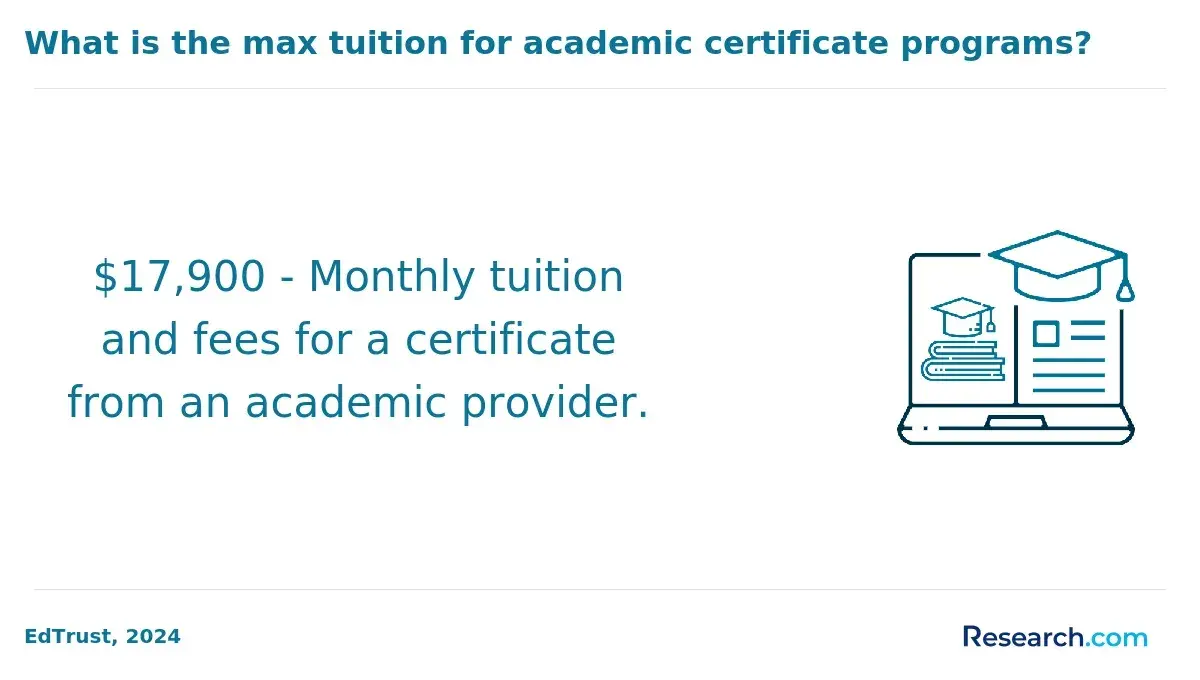
Balancing education expenses with existing financial commitments is a significant challenge for career changers pursuing advanced degrees. According to the National Center for Education Statistics, the average graduate tuition for master's programs ranges between $11,000 and $30,000 annually, often requiring two or more years to complete. Recognizing the full range of costs involved can help adult learners plan effectively. The main cost components of a sustainability degree for career changers include:
- Tuition and Fees: Tuition varies widely based on institution type and program format, with public universities generally offering lower rates for in-state students. Fees may include application charges and technology costs, especially for online or hybrid models. For working professionals, flexible payment plans and employer tuition assistance programs can provide substantial relief.
- Books and Materials: Textbooks, software, and other necessary resources can add to overall expenses. Some programs reduce this burden by providing digital materials or open educational resources, which is a useful consideration for those controlling budget constraints.
- Additional Expenses: Costs such as internship fees, fieldwork travel, and certifications may arise depending on the curriculum. These add-ons should be factored into the total cost, particularly for adult learners balancing family or work.
- Cost-Saving Options: Enrolling in accelerated or part-time programs, including options like an accelerated bachelors degree online, can help spread out tuition payments and reduce living expenses. Scholarships and grants aimed at working professionals pursuing sustainability degrees are becoming more accessible, further lowering financial barriers.
Curriculum design is especially important for career changers because it needs to balance foundational sustainability theory with flexible, practical learning that suits diverse backgrounds and busy schedules. This careful design enables working professionals to shift fields more efficiently. Here are key curriculum features that facilitate these transitions:
- Applied Learning: Hands-on modules connect sustainability theory with real workplace challenges, helping learners develop job-ready skills that can be immediately applied in new roles.
- Transferable Skill Development: Programs emphasize critical thinking, data analysis, and communication, essential abilities that provide a strong foundation for a successful career transition in sustainability or related fields.
- Flexible Pacing: Flexible study options accommodate working professionals' schedules, allowing steady progress without overwhelming commitments, which is crucial for adult learners managing career shifts.
- Real-World Projects: Collaborations with communities or organizations expose students to current sustainability challenges and career pathways, enhancing practical knowledge and professional networking.
- Interdisciplinary Content: Curriculum blending environmental, economic, and social perspectives offers a versatile understanding that prepares learners for future-proof careers across multiple sectors.
To build essential sustainability skills for successful career transitions, many students seek focused programs, including 1 year graduate programs, which efficiently combine theory and practice to accelerate professional growth.
For professionals changing careers, grasping potential job outcomes helps align education with labor market needs, improving employment chances. The U.S. Bureau of Labor Statistics anticipates a 5% increase in environmental science and related roles by 2031, signaling steady demand in sustainability-focused fields. Below are five common career options suitable for sustainability graduates.
- Environmental Consultant: Provides expert advice to businesses on minimizing environmental harm by applying scientific knowledge and understanding regulations. Skills such as critical thinking and problem-solving transfer well into this role, making it accessible for career changers.
- Corporate Social Responsibility Manager: Oversees the development and execution of sustainable business initiatives. Those with backgrounds in management, communication, or public relations can adapt their experience to lead these strategic efforts.
- Renewable Energy Analyst: Evaluates sustainability and efficiency of energy projects using data analysis and research methods. Individuals with strong quantitative and investigative skills can leverage their expertise in this growing sector.
- Urban Planner: Infuses sustainable concepts into urban development strategies, coordinating with stakeholders to create livable communities. Organizational and collaborative skills from other fields support success in this position.
- Green Product Designer: Designs environmentally friendly products that reduce ecological impact, combining creativity with technical know-how. Experience in design or engineering enhances the ability to innovate in this area.
Evaluating salary expectations is essential for professionals switching careers, as it directly impacts the practicality of pursuing a sustainability degree. Data from 2023 indicates that most reskilled individuals achieve about 75% to 90% of their former salary within two years, demonstrating that previous work experience plays a significant role in compensation. The following points highlight typical salary trends and factors influencing earnings in sustainability careers.
- Entry-Level Positions: Starting salaries generally range from $50,000 to $65,000 annually, with location affecting pay. Geographic demand and local market conditions can shift these figures.
- Mid-Career Roles: Professionals with several years of experience often earn from $70,000 up to $100,000, reflecting greater responsibility and expertise in sustainability functions.
- Prior Experience Impact: Experience in fields like environmental science, policy, or engineering can boost entry salaries by 10% to 20% compared to newcomers without related backgrounds.
- Industry Variation: Salaries differ notably between sectors; corporate sustainability jobs typically offer higher compensation than nonprofit or consulting roles.
- Advanced Skills Premium: Proficiency in data analysis or project management usually leads to higher pay, highlighting the value of specialized competencies within sustainability careers.
What Graduates Say About Their Sustainability Degrees for Career Changers
- Raphael: "Switching to a sustainability degree felt like the right step after years in finance without purpose. While the average program cost was around $35,000, I viewed it as an investment in a meaningful future. Completing the degree opened doors to roles where my work directly impacts environmental policy, and I've never looked back. "
- Russell: "Reflecting on my career pivot, entering a sustainability degree program was both a challenge and a reward. The tuition, roughly $30,000, required careful planning but was justified given how it broadened my expertise beyond my previous marketing background. Graduating empowered me to contribute authentically to regenerative projects, which feels deeply fulfilling. "
- Theo: "From an analytical standpoint, enrolling in a sustainability degree was a strategic move to shift from engineering to green tech. The cost, typically near $33,000, was reasonable compared to the career growth I've achieved since graduating. This education provided me with the tools to innovate within my new field and advocate for sustainable solutions professionally. "
Other Things You Should Know About Sustainability Degrees
Many sustainability programs require 6 to 12 semester credits in biology, chemistry, environmental science, or statistics before full admission. Some schools accept equivalent prior coursework or a short bridge module. Graduate programs often expect a minimum 2.75 to 3.0 GPA, plus official transcripts.
Many sustainability degree programs offer flexible scheduling options such as evening, weekend, or fully online classes to accommodate working adults. Some programs also provide part-time study tracks that allow students to balance education with current job responsibilities and personal commitments during their transition.
Several certifications can complement a sustainability degree for career changers, such as the LEED Green Associate, ISSP Sustainability Associate, or the GRI Professional Certification. These credentials can bolster a resume by showcasing a specialized skill set and dedication to sustainable practices.
- Admissions | Environmental Change and Global Sustainability | Master's programme | University of Helsinki https://www.helsinki.fi/en/degree-programmes/environmental-change-and-global-sustainability-masters-programme/admissions
- Top Degrees to Start a Career in Sustainability | Tomorrow University https://www.tomorrow.university/blog/best-sustainability-programs-in-sustainability
- Sustainability Degrees & Careers | OnlineColleges.net https://www.onlinecolleges.net/for-students/sustainability-degrees-careers/
- How to Start a Sustainability Career: A Step-by-Step Guide https://enable.green/news/how-to-start-a-sustainability-career-a-step-by-step-guide/
- Top 10 Skills to Build A Successful Career in Sustainability https://www.imd.org/blog/sustainability/career-in-sustainability/
- Sustainable Prospects: Green Careers https://www.sustainableprospects.co.uk/sustainable-careers
- The 11 Highest-Paying Careers in Sustainability https://www.sustainabilitydegrees.com/blog/highest-paying-careers-in-sustainability/
- How to Start a Sustainability Career in 2025 https://ecoskills.academy/how-to-start-a-sustainability-career-in-2025/
- Master Sustainability Transitions: Frequently asked questions https://www.rotterdamuas.com/programmes/master/sustainability-transitions/frequently-asked-questions/
- Sustainability career paths: From entry-level to executive positions https://www.csrjobs.club/blog-article/sustainability-career-paths-from-entrylevel-to-executive-positions/r/recW4DMsnZd4YJHs8