
2027 How to Become a Forest Ranger: Salary & Career Paths

Co-Founder and Chief Data Scientist
If you want a career that combines conservation, outdoor fieldwork, public safety, and service to public lands, becoming a forest ranger can be a strong fit. The role is broader than many people realize: one ranger may spend most of the day helping visitors and protecting trails, while another may investigate illegal activity, support wildfire operations, monitor wildlife, or collect forestry data in remote areas.
This 2026 guide explains how to become a forest ranger, what education and experience employers usually look for, which certifications can improve your application, how long the path may take, what forest rangers earn, and how to decide whether this career fits your goals. It is written for students, career changers, veterans, seasonal outdoor workers, and conservation-focused professionals comparing ranger work with related careers in sustainability.
Quick Answer: How Do You Become a Forest Ranger?
To become a forest ranger, most candidates complete a degree in forestry, environmental science, wildlife management, natural resources, park management, criminal justice, or a closely related field; gain hands-on outdoor experience through seasonal work, internships, conservation corps programs, volunteer service, or wildfire assignments; meet physical, background, driving, and legal requirements; and apply through federal, state, county, city, tribal, or conservation organization hiring systems. Some entry-level jobs may accept an associate degree or significant field experience, but many competitive ranger positions favor applicants with a bachelor’s degree plus role-specific training.
Key Things You Should Know About Becoming a Forest Ranger
- Many ranger jobs prefer a bachelor’s degree in forestry, environmental science, wildlife management, natural resources, park and recreation management, or a related discipline, though some entry-level positions may consider applicants with an associate degree or equivalent experience.
- Forest rangers may protect public lands, explain rules to visitors, prevent wildfire risk, maintain trails, monitor wildlife, respond to emergencies, enforce regulations, and teach responsible recreation practices.
- This is physically demanding work. Rangers may hike for long periods, carry equipment, work in extreme weather, manage conflict, and respond to fires, injuries, missing-person cases, or wildlife incidents.
- The average salary for a forest ranger in the U.S. ranges from $35,000 to $65,000 per year, depending on experience and location. According to the U.S. Bureau of Labor Statistics (BLS), forest and conservation workers earn a median annual salary of around $35,000, while more specialized roles, such as forestry technicians and park rangers, can earn between $40,000 and $60,000 per year.
- Valuable training may include Wildland Firefighter Training (S-130/S-190), GIS mapping, wilderness first responder training, chainsaw safety, search and rescue training, and law enforcement preparation for ranger roles with enforcement authority.
- What is a forest ranger?
- What do forest rangers do?
- How do you become a forest ranger in 2026?
- What types of forest ranger jobs are available?
- What degree is best for becoming a forest ranger?
- Can you prepare for a forest ranger career online?
- How long does it take to become a forest ranger?
- What challenges should future forest rangers expect?
- How can forest rangers stay resilient in stressful work?
- How can criminal justice training help forest rangers?
- How can forensic science skills support ranger investigations?
- Why does interdisciplinary education matter for ranger investigations?
- How is climate change affecting forest ranger work?
- How can legal knowledge improve a ranger’s effectiveness?
- Which certifications are useful for forest rangers?
- How much money do forest rangers make?
- What is the forest ranger job outlook?
What is a forest ranger?
A forest ranger is a conservation, forestry, park, or public lands professional who helps protect forests, parks, trails, watersheds, wildlife habitat, and recreation areas. Depending on the agency, a ranger may focus on land stewardship, public education, emergency response, wildfire prevention, visitor services, research support, or enforcement of natural resource rules.
The title “forest ranger” is not used the same way everywhere. Similar positions may be advertised as park ranger, forestry technician, forest and conservation worker, conservation officer, natural resource specialist, wildland firefighter, recreation technician, or interpretive ranger. For that reason, applicants should study the actual job announcement rather than relying only on the job title.
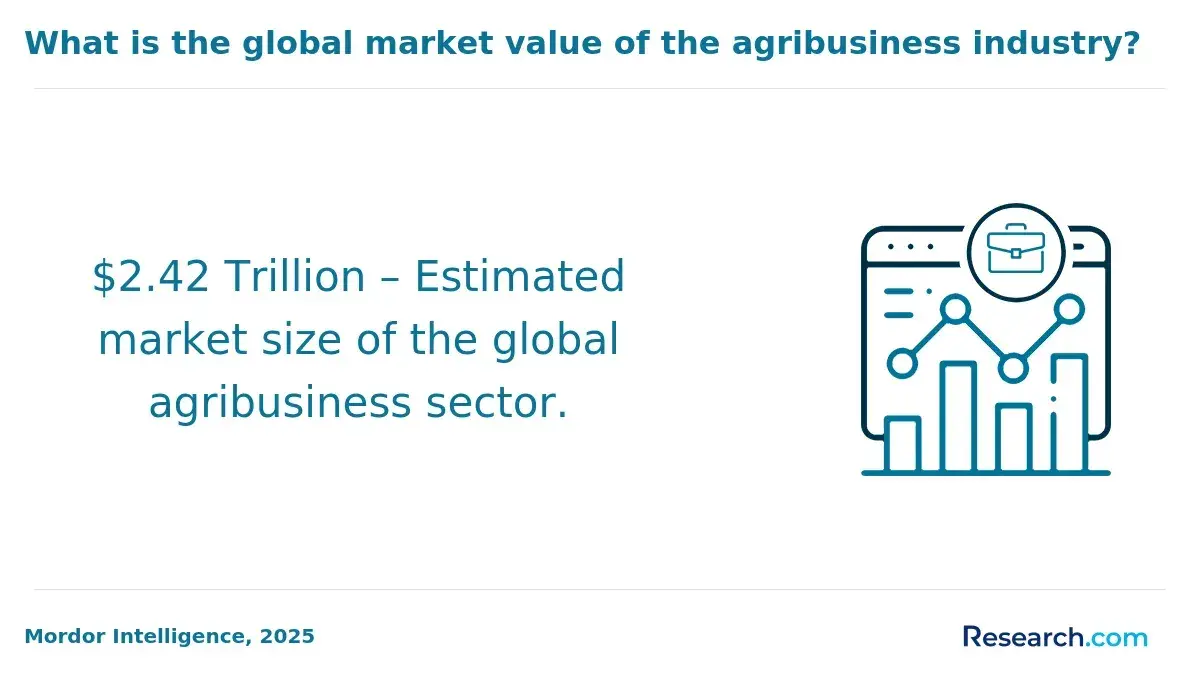
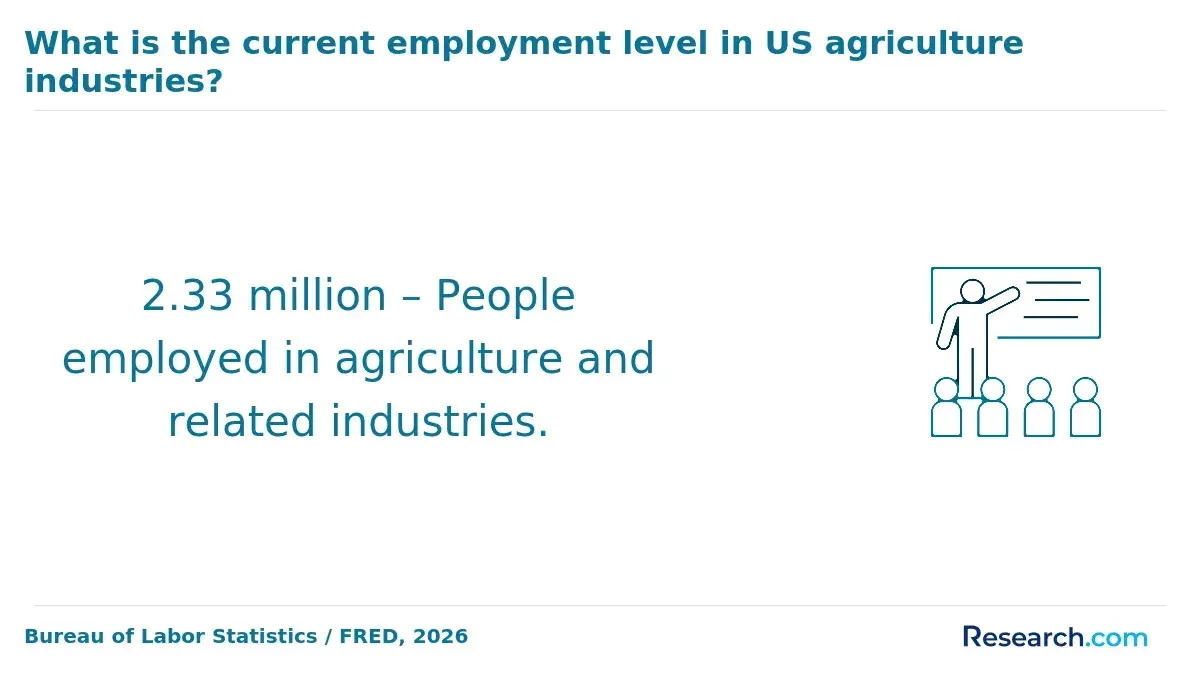
Classified under forest and conservation workers of the Bureau of Labor Statistics categories, there were approximately 10,900 in the U.S. workforce in 2024 which includes forest rangers. These occupations connect land management with forestry, biology, visitor safety, emergency services, education, and outdoor recreation.
Common employers include the U.S. Forest Service, National Park Service, state forestry agencies, state park systems, county park departments, tribal land management offices, and municipal parks. Some candidates also find related work with conservation nonprofits, ecological restoration organizations, social advocacy groups, outdoor education providers, and recreation employers.
| Forest ranger focus area | Typical work | Best fit for people interested in |
| Conservation and resource management | Tracking habitat conditions, assisting with reforestation, protecting watersheds, and documenting changes in the landscape | Ecology, forestry, field surveys, and long-term stewardship |
| Visitor services and recreation | Answering visitor questions, sharing safety guidance, supporting campgrounds, maintaining trails, and helping prevent resource damage | Public communication, outdoor education, customer service, and recreation access |
| Wildfire prevention and response | Identifying fire hazards, supporting prescribed fire, assisting wildfire crews, and teaching fire safety | Emergency work, physical challenge, crew-based operations, and high-intensity field assignments |
| Law enforcement and protection | Patrolling protected areas, enforcing regulations, investigating violations, issuing citations, and supporting public safety | Legal procedures, de-escalation, documentation, and enforcement work |
| Research and monitoring | Collecting environmental data, using GIS tools, assisting scientists, and monitoring wildlife or invasive species | Science, mapping, environmental data, and problem-solving in the field |
What do forest rangers do?
Forest ranger duties depend on the employer, land type, season, staffing levels, and whether the position includes firefighting or law enforcement authority. A ranger assigned to a busy state park may spend much of the shift working with visitors, while a ranger in a remote forest district may focus on patrols, fire risk, wildlife concerns, resource protection, and emergency readiness. In 2024, California employed approximately 2,230 forest and conservation workers, representing nearly 18% of the nationwide workforce in this sector.
Common responsibilities include:
- Protecting forests, wildlife, and water resources: Rangers help prevent damage to protected areas, document resource concerns, monitor land conditions, support restoration, and discourage illegal resource use. This can appeal to students exploring outdoor career paths for biology majors.
- Reducing wildfire risk and supporting fire response: Some rangers inspect fire hazards, enforce fire restrictions, assist with prescribed burns, support suppression crews, and educate visitors about campfires, equipment, and safe recreation during fire season.
- Promoting public safety and enforcing rules: Rangers with enforcement duties may respond to illegal dumping, poaching, vandalism, unsafe recreation, trespassing, and other violations while coordinating with local, state, or federal law enforcement.
- Educating visitors and local communities: Rangers explain regulations, lead interpretive programs, answer questions, teach Leave No Trace practices, and help the public understand how recreation choices affect ecosystems.
- Maintaining trails and facilities: Many rangers inspect trails, clear hazards, report facility issues, support campground operations, repair signs, and help keep recreation areas safe and accessible.
- Collecting field information: Some positions involve wildlife counts, invasive species reports, water quality observations, GPS documentation, storm assessments, fire impact reports, or visitor-use data.
Opportunities are often stronger in states with large park systems, national forests, wildfire-prone areas, and active conservation programs. Still, candidates should compare openings by agency, because “ranger” duties can differ sharply from one employer to another.
| Duty area | Skills required | Why the work is important |
| Patrol and monitoring | Navigation, observation, radio communication, report writing | Allows agencies to spot hazards, rule violations, and environmental damage before problems grow |
| Emergency response | First aid, search and rescue support, incident awareness, wildfire basics | Rangers may be among the first responders when visitors are injured or lost in remote areas |
| Environmental education | Public speaking, interpretation, cultural awareness, conflict prevention | Good communication can reduce violations and encourage safer, lower-impact recreation |
| Resource protection | Forestry, ecology, wildlife identification, GIS, documentation | Reliable field information helps land managers make better conservation decisions |
| Law enforcement support | Regulation knowledge, legal documentation, de-escalation, evidence handling | Sound procedures protect natural resources while preserving public rights and due process |
How do you become a forest ranger in 2026?
The most effective preparation combines relevant education, outdoor experience, physical readiness, and targeted credentials. Flexibility also matters. Agencies serving smaller jurisdictions under 20,000 residents with a median of 11.3 full-time equivalent (FTE) staff may expect one ranger to handle visitor assistance, enforcement support, maintenance, emergency response, and conservation tasks rather than one narrow function.
1. Decide which ranger path fits your goals
Begin by choosing the type of work you want most: conservation, visitor services, wildfire response, enforcement, wildlife management, recreation, or research support. That decision should guide your major, internships, certifications, and target employers.
2. Choose education that matches real job postings
Many ranger roles prefer or require a bachelor’s degree in forestry, environmental science, natural resources, wildlife management, park and recreation management, biology, or a related area. Some entry-level positions may accept an associate degree, especially when paired with seasonal work, volunteer experience, or technical skills. Students who need a lower-cost starting point can review accessible associate degree options, but they should confirm that a two-year program supports the agencies and roles they want.
3. Gain field experience before seeking permanent work
Seasonal park jobs, conservation corps service, forestry technician positions, trail crews, internships, volunteer search and rescue teams, wildlife surveys, and wildland fire assignments can all strengthen an application. Employers often look for proof that applicants can work safely outdoors, follow protocols, use equipment, write field notes, and communicate with the public.
4. Meet fitness, background, and legal requirements
Many positions require physical stamina, a valid driver’s license, background checks, drug screening, irregular schedules, and the ability to work in remote or difficult conditions. Enforcement ranger jobs may also require academy training, firearms qualification, arrest authority training, and more extensive background investigations.
5. Apply through the right hiring channels
Federal ranger and forestry jobs are commonly posted through government hiring portals, while state, county, city, and tribal roles often appear on civil service or agency websites. Nonprofits and private outdoor employers may use separate job boards. Tailor every resume to the announcement by matching your experience to the employer’s language for fieldwork, wildfire, GIS, visitor services, public safety, equipment, or resource monitoring.
6. Complete employer-required training after hiring
New hires may be trained in radio procedures, first aid, field safety, report writing, defensive tactics, wildfire operations, environmental regulations, interpretation, public contact, and agency-specific rules. Ongoing training is common because emergency protocols, land management practices, technology, and public use patterns change over time.
| Step | Best action | Mistake to avoid |
| Define your target role | Compare ranger listings from federal, state, local, tribal, and nonprofit employers | Believing every forest ranger job has the same duties and qualifications |
| Plan your education | Select a major aligned with forestry, conservation, parks, wildlife, fire, or enforcement | Enrolling before checking the requirements in actual job announcements |
| Build field experience | Use internships, seasonal jobs, conservation corps, trail crews, or volunteer service | Waiting until graduation to prove outdoor readiness |
| Add relevant credentials | Prioritize wildfire, first aid, GIS, SAR, chainsaw, or enforcement training based on your target role | Spending money on certificates that do not match hiring criteria |
| Apply strategically | Customize each application and document measurable field, safety, and public-contact experience | Submitting one generic resume for every ranger opening |
What types of forest ranger jobs are available?
Forest ranger careers are not one-size-fits-all. Someone researching the degree needed to become a conservation officer may need a different plan than a student pursuing environmental education, forestry fieldwork, or backcountry recreation roles. The right path depends on whether you want to focus on people, ecosystems, fire, enforcement, or data.
- Conservation forest rangers: These rangers support ecosystem protection, habitat restoration, resource monitoring, and public education. A general occupation overview is available through forest ranger career information.
- Law enforcement forest rangers: These professionals patrol forests, parks, and protected lands to address poaching, illegal logging, vandalism, unsafe recreation, and other violations. Depending on authority, they may issue citations, make arrests, prepare reports, and assist search and rescue operations.
- Fire prevention rangers and wildland firefighters: These roles concentrate on fire prevention, public fire safety, prescribed fire support, wildfire response, hazard reduction, and coordination with firefighting agencies.
- Recreation and park rangers: These rangers work with visitors, trails, permits, campgrounds, interpretive programs, recreation safety, and park operations. Communication and conflict-resolution skills are central.
- Research and environmental monitoring rangers: These rangers collect data for scientists and land managers, track wildlife, monitor invasive species, document climate-related changes, and use mapping tools. In 2024, social advocacy organizations employed 610 forest and conservation workers, or 13% of the total workforce.
| Ranger type | Best academic focus | Useful experience | Best fit for candidates who want |
| Conservation ranger | Forestry, environmental science, biology, natural resources | Habitat restoration, field surveys, conservation corps work | Hands-on ecosystem protection and land stewardship |
| Law enforcement ranger | Criminal justice, park management, natural resources | Public safety, report writing, de-escalation, enforcement internships | Regulation enforcement and visitor protection |
| Wildland fire ranger | Forestry, fire science, natural resources | Fire crews, chainsaw work, emergency response, fitness preparation | High-risk field teamwork and emergency operations |
| Recreation ranger | Park and recreation management, outdoor education | Visitor services, trail work, guiding, interpretation | Outdoor access, public education, and visitor safety |
| Monitoring ranger | Wildlife biology, ecology, GIS, environmental science | Mapping, data collection, species surveys, research assistance | Science-based fieldwork and evidence-informed land management |
What degree is best for becoming a forest ranger?
A bachelor’s degree is often the strongest preparation for ranger jobs tied to professional land management, wildlife work, fire planning, interpretation, conservation, or advancement. Requirements still vary by employer, job level, and authority. Among park rangers, 23% agree that a bachelor's degree is required to effectively perform the role while 44% believe that an associate's degree is enough, or even a high school diploma.
Common degree choices include:
- Forestry: Forestry programs usually cover silviculture, forest ecology, fire behavior, land use, timber management, watershed protection, and forest resource management.
- Wildlife management: This major prepares students to evaluate habitat, monitor animal populations, understand conservation policy, and support species protection work.
- Environmental science: This broader route can work well for students interested in sustainability, ecology, climate impacts, water resources, conservation science, and environmental protection.
- Park and recreation management: This degree is useful for students who want to work in trails, campgrounds, visitor programs, outdoor education, recreation safety, permits, and park operations.
- Criminal justice: This option can support law enforcement ranger roles that require stronger training in investigations, public safety, legal procedures, report writing, and regulatory enforcement. Students comparing costs can review affordable criminal justice degree options before committing to a program.
An associate degree plus relevant field experience may be enough for some assistant, technician, seasonal, or entry-level jobs. Higher-level conservation, research, supervisory, or specialized roles may require a bachelor’s degree, advanced training, or additional credentials. If you already have a degree in another field, you may be able to fill gaps through certificates, GIS classes, biology or ecology coursework, fire training, public safety experience, or seasonal fieldwork rather than starting over.
| Degree path | Best use | Possible drawback |
| Associate degree in forestry, conservation, or natural resources | Seasonal, assistant, technician, or entry-level field positions | May not satisfy requirements for advancement-track or professional ranger roles |
| Bachelor’s in forestry | Forest management, fire planning, land stewardship, state and federal forestry positions | May need electives in interpretation or enforcement for visitor-facing or protection roles |
| Bachelor’s in environmental science | Conservation, monitoring, sustainability, and natural resources work | Students may need extra field-heavy coursework to demonstrate outdoor competence |
| Bachelor’s in wildlife management or biology | Habitat protection, wildlife surveys, ecological monitoring, research support | May not fully prepare students for law enforcement or recreation operations without added training |
| Bachelor’s in criminal justice | Law enforcement ranger, park protection, and conservation officer pathways | May need additional natural resources, ecology, biology, or forestry coursework |
Can you prepare for a forest ranger career online?
Yes. Online and hybrid programs can be a practical option for aspiring forest rangers who need flexibility because of work, military service, family obligations, seasonal jobs, or field assignments. The key is to remember that ranger work is not desk-based. A fully online program is strongest when it includes field experiences, science labs, internships, local placements, summer sessions, or practical projects that help students build outdoor skills near where they live.
Students comparing affordable online bachelor’s degree programs may find relevant options such as:
- Bachelor of Science in Forestry: Typically emphasizes forest ecology, fire science, conservation, land use, and sustainable forest management.
- Bachelor of Science in Environmental Science: Often covers ecology, environmental policy, climate science, natural resource protection, and field methods.
- Bachelor of Science in Wildlife and Fisheries Biology: Supports preparation for wildlife monitoring, habitat assessment, species conservation, and ecological research.
- Bachelor of Science in Natural Resources Management: Focuses on land management, sustainability, conservation policy, planning, and resource protection.
- Bachelor of Science in Parks and Recreation Management: Prepares students for visitor services, park operations, recreation leadership, interpretation, and facility management.
Before enrolling, verify accreditation, fieldwork requirements, internship access, transfer policies, lab formats, and whether the curriculum matches ranger job postings. Online coursework can provide a strong academic base, but most applicants still need outdoor work experience to become competitive.
| Program feature | Why it matters for ranger careers | Question to ask before enrolling |
| Regional or institutional accreditation | Employers, transfer schools, and graduate programs may not accept credits from unaccredited institutions | Which organization accredits the institution, and is that accreditation active? |
| Fieldwork or internship access | Ranger jobs require demonstrated outdoor ability, not only academic knowledge | Can I complete required field experiences near my home or in my state? |
| GIS or mapping coursework | Mapping skills are useful for monitoring, fire planning, resource protection, and investigations | Will I receive hands-on training with GIS software and spatial data? |
| Science labs | Environmental science, biology, and ecology often require lab or field competencies | Are labs online, hybrid, in person, or completed through approved local partners? |
| Career support | Government and seasonal hiring can be competitive and procedural | Does the program help students find internships, seasonal roles, or agency contacts? |
How long does it take to become a forest ranger?
The timeline depends on the role, degree level, agency requirements, field experience, certifications, and hiring cycles. Becoming competitive can take two to more than six years. Students comparing ranger work with the broader conservationist career path should decide whether they want hands-on ranger duties, scientific conservation work, policy roles, or management positions.
Education: 2–4 Years
- Associate degree: 2 years. This may support some technician, seasonal, assistant, forestry, or conservation roles.
- Bachelor’s degree: 4 years. This is the more common preparation for professional ranger, park management, forestry, wildlife, and conservation positions.
Field Experience: 6 Months – 2 Years
- Applicants can build relevant experience through internships, seasonal park jobs, conservation corps programs, trail crews, wildfire assignments, volunteer search and rescue, and environmental monitoring.
- Many agencies want evidence that candidates can work safely outdoors before moving them into permanent or higher-responsibility roles.
Additional Training and Certification: 1 Year
- Some jobs require or prefer S-130/S-190 wildland firefighting training, wilderness first aid, GIS coursework, search and rescue training, or chainsaw safety.
- Rangers with law enforcement authority may need Federal Law Enforcement Training Centers (FLETC) programs, which can take several months.
A 2–3 year route may be possible for some entry-level roles when an associate degree is combined with field experience, certifications, and strong physical readiness. A more common 4–6 year route includes a bachelor’s degree, seasonal work, training, and agency applications. Specialized, supervisory, law enforcement, fire leadership, or research roles often require more experience after initial hiring.
| Timeline | Typical preparation | Best suited for |
| 2–3 years | Associate degree, seasonal experience, basic certifications, strong fitness | Entry-level technician, assistant, or seasonal ranger positions |
| 4–6 years | Bachelor’s degree, internships, fieldwork, role-specific credentials, agency applications | Most competitive ranger, forestry, conservation, and park roles |
| 6+ years | Bachelor’s degree plus law enforcement academy, fire leadership, graduate study, specialized credentials, or supervisory experience | Senior ranger, conservation officer, wildlife biologist, park superintendent, or specialized management roles |
What challenges should future forest rangers expect?
Forest ranger work can be meaningful, but it is not simply a job with scenic views. Rangers may work alone in remote areas, make fast decisions during emergencies, calm angry visitors, respond to wildfire conditions, assist injured hikers, document environmental crimes, and work through heat, snow, rain, smoke, or long shifts. The job may also involve routine maintenance, weekend and holiday schedules, seasonal uncertainty, and physically demanding assignments.
Before choosing this path, compare the lifestyle with the mission. If you need predictable office hours, limited public interaction, or low physical strain, ranger work may not be the right fit. If you value conservation, public service, outdoor problem-solving, and team-based fieldwork, the trade-offs may be acceptable. Candidates considering enforcement-related routes may also compare ranger compensation with criminal justice career salaries.
How can forest rangers stay resilient in stressful work?
Rangers can experience stress from isolation, emergency calls, visitor conflict, traumatic events, wildfire danger, long shifts, and compressed field seasons. Resilience in this profession means treating fitness, sleep, debriefing, mental health care, peer support, and recovery habits as essential parts of job readiness.
Helpful practices include maintaining conditioning before field season, using agency peer-support resources, practicing de-escalation, learning emergency and radio procedures, building recovery routines after intense assignments, and seeking counseling when needed. Similar discipline and resilience are important in many justice and public safety roles, including several careers available with a criminology degree.
How can criminal justice training help forest rangers?
Criminal justice education can benefit rangers who handle enforcement, investigations, public safety incidents, citations, evidence documentation, visitor conflicts, or interagency operations. It can also improve legal awareness, report writing, procedural accuracy, and conflict management.
This background is most useful for law enforcement ranger, conservation officer, and park protection roles. It is less central for interpretive, wildlife, or research-focused jobs, where forestry, biology, natural resources, or environmental science may be more relevant. Students interested in the enforcement route can compare online criminal justice degree programs while also building natural resources coursework and field experience.
How can forensic science skills support ranger investigations?
Forensic science methods can be useful when ranger incidents involve poaching, arson, illegal logging, wildlife trafficking, vandalism, pollution, or damage to protected resources. Rangers may need to photograph scenes, record GPS coordinates, preserve evidence, document resource damage, maintain chain of custody, and write reports that can hold up under review.
Most forest rangers do not need a forensic science degree. However, investigative skills can strengthen candidates pursuing enforcement-focused work. Those who want deeper evidence-handling preparation can compare affordable online forensic science degree options or focused certificates, particularly if they plan to work closely with law enforcement agencies.
Why does interdisciplinary education matter for ranger investigations?
Modern ranger work often requires a blend of environmental science, GIS, law, public communication, emergency management, and investigative practice. For example, a ranger responding to illegal dumping may need to identify environmental harm, map the site, preserve evidence, coordinate with enforcement partners, and communicate risks to the public.
Students interested in technical or investigative roles should consider coursework in ecology, GIS, statistics, environmental law, field methods, and report writing. Research-oriented students can also review colleges with forensic science programs to understand how evidence-focused education may complement natural resource careers.
How is climate change affecting forest ranger work?
Climate-related conditions can influence ranger duties through wildfire risk, drought, pest outbreaks, storm damage, habitat shifts, visitor safety concerns, and changing recreation seasons. Rangers may increasingly rely on GIS, remote sensing, fire behavior information, ecological monitoring, and interagency coordination to prepare for and respond to these pressures.
This does not mean every ranger must become a climate scientist. It does mean applicants with practical skills in mapping, data collection, emergency response, natural resource science, and public communication may be better prepared for changing field conditions. Adaptability is also important in other public safety roles, including careers where applicants research ICE agent requirements.
How can legal knowledge improve a ranger’s effectiveness?
Legal knowledge helps rangers understand land-use rules, visitor regulations, conservation laws, permit conditions, evidence standards, and documentation procedures. It can also improve collaboration with supervisors, attorneys, courts, law enforcement partners, and compliance staff when violations occur.
Most rangers do not need paralegal training unless their goals involve investigations, compliance, policy, or legal support. Candidates interested in those areas may benefit from legal coursework or programs such as affordable ABA-approved online paralegal programs, especially when paired with environmental science or natural resources training.
Which certifications are useful for forest rangers?
Certifications can strengthen a ranger application when they match the role. The best credential depends on whether the job involves wildfire, enforcement, visitor safety, wilderness response, wildlife management, technical mapping, or field maintenance.
| Certification or training | Best for | What it shows employers |
| Wildland Firefighter Certification (S-130/S-190) | Wildfire prevention, suppression, and fire-support positions | Knowledge of basic wildland fire behavior, safety, and firefighting procedures |
| Certified Park Ranger (CPR) Certification | State park, national park, recreation, and visitor safety roles | Preparation for park operations, public contact, and visitor assistance |
| Wilderness First Responder (WFR) | Backcountry patrol, remote parks, and search and rescue support | Ability to respond to medical emergencies where immediate care is not available |
| Law Enforcement Training Certification | Ranger jobs with enforcement authority | Training in legal procedures, arrests, investigations, and public safety protocols |
| Certified Wildlife Biologist (CWB) | Wildlife management, habitat protection, and research roles | Professional preparation in wildlife biology, conservation, and habitat management |
| GIS mapping | Resource monitoring, fire planning, investigations, and land management | Ability to collect, analyze, and communicate location-based environmental data |
| Search and Rescue (SAR) | Remote recreation areas and emergency response teams | Readiness to assist with missing-person and rescue operations |
| Chainsaw safety | Trail crews, forestry technicians, storm response, and fire crews | Safe use of equipment for hazard removal and field maintenance |
Wildland Firefighter Certification (S-130/S-190)
- Provided through the National Wildfire Coordinating Group (NWCG).
- Useful for rangers assigned to fire-prone districts, prescribed fire support, wildfire prevention, or suppression support.
- Introduces fire behavior, safety practices, and basic firefighting tactics.
Certified Park Ranger (CPR) Certification
- Available through various state park agencies and professional organizations.
- Supports preparation for visitor safety, park operations, public communication, and recreation management.
- Most valuable when the credential aligns with a specific agency’s hiring or training expectations.
Wilderness First Responder (WFR) Certification
- Offered by organizations such as NOLS (National Outdoor Leadership School).
- Builds skills for assessing and responding to medical emergencies in remote settings.
- Especially relevant for backcountry patrol, wilderness recreation, and search and rescue roles.
Law Enforcement Training Certification
- Provided by the Federal Law Enforcement Training Centers (FLETC) for certain federal ranger positions with enforcement authority.
- Covers arrests, investigations, legal procedures, defensive tactics, and related public safety responsibilities.
- Required for many commissioned law enforcement ranger positions.
Certified Wildlife Biologist (CWB)
- Offered by The Wildlife Society.
- Recognizes professional preparation in wildlife conservation, habitat management, and biological research.
- Best suited for rangers pursuing wildlife, ecology, or biological resource roles.
Search and Rescue (SAR), chainsaw safety, and GIS mapping credentials can also improve an application when they match the position. Students comparing ranger work with broader biology careers may also ask how much biologists make when evaluating outdoor science career options.
How much money do forest rangers make?
Forest ranger pay varies by employer, title, seniority, location, job grade, overtime rules, hazard assignments, law enforcement authority, and specialized skills. According to the U.S. Bureau of Labor Statistics (BLS), forest and conservation workers earn a median annual salary of around $35,000, while more specialized roles, such as forestry technicians and park rangers, can earn between $40,000 and $60,000 per year.
Rangers employed by federal agencies such as the U.S. Forest Service or National Park Service may earn more as they move into higher grades, specialized duties, supervisory jobs, or law enforcement roles. Some experienced rangers or rangers with law enforcement responsibilities can earn upwards of $70,000 annually. Students comparing conservation roles with related environmental work can also explore entry-level jobs for environmental science graduates.
Geography also matters. States such as California, Washington, and New York may offer higher pay for some positions because of cost of living, conservation demand, and land management needs. However, salary alone does not show total value. Compare housing, commuting, benefits, overtime, seasonal status, relocation costs, and promotion potential before accepting an offer.
| Pay factor | How it may affect earnings | What to verify before accepting |
| Employer type | Federal, state, county, city, nonprofit, and private employers use different pay systems | Pay grade, benefits, promotion rules, and seasonal or permanent status |
| Location | Higher-cost areas may pay more, but living expenses can offset the difference | Housing, commuting distance, relocation support, and local cost of living |
| Specialized training | Fire, law enforcement, SAR, and GIS skills may qualify applicants for specialized assignments | Whether the training is required, preferred, or tied to higher compensation |
| Experience level | Seasonal and new technician roles often pay less than permanent or supervisory positions | Advancement path, time-in-grade rules, and eligibility for permanent openings |
| Overtime and hazard assignments | Fire and emergency duties may involve additional pay depending on the employer and role | Overtime rules, hazard pay policies, schedule expectations, and safety procedures |
What is the forest ranger job outlook?
The outlook for ranger-related work is steady rather than rapidly expanding. Based on BLS data, employment for conservation scientists and foresters, including forest rangers, is projected to grow 4% through 2033, which is about as fast as the average for all occupations. Ongoing demand is tied to public land stewardship, wildfire risk, habitat protection, recreation management, and conservation needs.
Competition may still be strong for permanent jobs in desirable parks, popular forests, or high-profile federal locations. Applicants with seasonal experience, wildfire training, GIS skills, search and rescue preparation, enforcement readiness, public communication ability, and carefully tailored applications may stand out. The career increasingly rewards people who combine outdoor competence with technical, legal, and community-facing skills, similar to how sustainability leadership roles require a specific mix of expertise; students can compare this with chief sustainability officer requirements.
Wildfire-prone states such as California, Arizona, and Colorado are expected to need more rangers for fire prevention and emergency response. Private organizations, conservation groups, social advocacy organizations, eco-tourism employers, and outdoor education programs may also offer related work for people with forest management, wildlife protection, visitor education, and field leadership skills.
Is becoming a forest ranger worth it?
Becoming a forest ranger can be worth it if you want mission-driven outdoor work and are prepared for physical labor, public service, emergency situations, seasonal schedules, and modest early-career pay. It may not be the best choice if your top priorities are a high starting salary, predictable office hours, limited public interaction, or low-risk indoor work.
| This path may fit if... | You may want another path if... |
| You want to protect forests, wildlife, trails, and public lands through hands-on work | You prefer mostly indoor work with a stable daily routine |
| You are physically ready for hiking, tools, weather, and emergency conditions | You want minimal physical risk or little exposure to field conditions |
| You enjoy educating visitors and explaining rules calmly | You dislike frequent public contact or conflict management |
| You are willing to start with seasonal, remote, or entry-level assignments | You need immediate long-term stability in one preferred location |
| You are open to ongoing training in fire, GIS, first aid, law, or wildlife monitoring | You want a career with few continuing training or fitness expectations |
How to choose the right forest ranger preparation path
Build your plan from real job postings, not assumptions. Save several openings from agencies where you would like to work, then compare their education requirements, physical standards, certifications, preferred skills, application deadlines, and experience expectations. Use that information to choose your degree, fieldwork, and training.
- Identify likely employers. Compare federal, state, county, municipal, tribal, nonprofit, and private conservation opportunities.
- Match your major to your target role. Forestry fits forest management, wildlife biology supports habitat work, park management aligns with recreation, and criminal justice supports enforcement.
- Get field experience early. Use summers, internships, seasonal park jobs, volunteer crews, trail work, and conservation corps programs.
- Choose certifications with purpose. Do not pay for credentials unless they appear in postings or clearly support your intended role.
- Prepare physically and mentally. Build endurance, learn outdoor safety, practice navigation, and understand the stress of emergency and public-facing work.
- Track hiring windows. Seasonal and government hiring can begin months before the field season starts.
Common mistakes aspiring forest rangers should avoid
| Mistake | Why it can hurt your plans | Better choice |
| Choosing a degree before reviewing job postings | The program may not match the role or agency you want | Study target employer requirements before enrolling |
| Looking only at tuition | A low-cost program without labs, fieldwork, internships, or career support may weaken your application | Compare accreditation, total cost, field access, transfer policies, equipment costs, and placement support |
| Assuming online coursework is enough | Ranger employers need evidence of outdoor, safety, and public-facing ability | Combine online study with seasonal work, volunteer service, internships, or local field placements |
| Ignoring physical expectations | Some jobs involve hiking, lifting, remote patrols, tools, or firefighting tasks | Review fitness requirements early and train consistently |
| Using a generic resume | Government and agency screening systems often look for specific qualifications and terminology | Tailor each application to the announcement and document relevant experience clearly |
| Assuming salary is guaranteed | Pay depends on title, grade, location, employer, overtime, authority, and experience | Review official salary tables and ask about benefits, housing, seasonality, overtime, and advancement |
Questions to ask before enrolling in a forest ranger-related program
- Is the institution properly accredited?
- Does the program include fieldwork, labs, internships, or partnerships with public land agencies?
- Do graduates qualify for the ranger, forestry, park, fire, wildlife, or conservation jobs I want?
- If I study online, can I complete required labs or field experiences near where I live?
- Will my credits transfer if I begin with an associate degree and later pursue a bachelor’s degree?
- Does the curriculum include GIS, ecology, forestry, environmental law, public communication, emergency response, or field methods?
- Does the school help students navigate seasonal government hiring and agency applications?
- What is the full cost after tuition, fees, equipment, travel, field courses, and time away from work?
Here’s What Professionals Have to Say About Becoming a Forest Ranger
- Forest ranger work has given me a career built around purpose. I help protect landscapes, support habitat recovery, and show visitors why conservation decisions matter. Knowing that the work can benefit future generations keeps me committed. Jessica
- This career has taken me into some of the most impressive outdoor places in the country. One assignment may involve wildfire response, while another may involve species monitoring or trail repair. The mix of service, fieldwork, and problem-solving keeps the job meaningful. Daniel
- Ranger work has taught me that conservation is built through many small actions. Planting native trees, recording damage, enforcing rules, and educating visitors all support healthier public lands. The teamwork among rangers is one of the most rewarding parts of the profession. Erik
Key Insights
- Forest ranger is a broad career category, not one fixed job. Decide first whether you want conservation, wildfire, visitor services, law enforcement, wildlife, recreation, or research-focused work.
- A bachelor’s degree is a common preparation route, but some entry-level roles may accept an associate degree or strong field experience. Always verify requirements in current job postings.
- Field experience can make the difference between meeting minimum qualifications and being competitive. Seasonal jobs, internships, trail crews, conservation corps programs, and volunteer emergency work can all help.
- Useful credentials include S-130/S-190 wildland fire training, Wilderness First Responder, GIS mapping, search and rescue, chainsaw safety, and law enforcement training when the target role requires it.
- Pay varies by agency, location, job grade, experience, specialized authority, overtime, and benefits. According to the U.S. Bureau of Labor Statistics (BLS), forest and conservation workers earn a median annual salary of around $35,000, while more specialized roles, such as forestry technicians and park rangers, can earn between $40,000 and $60,000 per year.
- The job outlook is stable. Employment for conservation scientists and foresters, including forest rangers, is projected to grow 4% through 2033, about as fast as average, but permanent jobs in desirable locations can be competitive.
- This career is best for people who want mission-driven outdoor work and can manage physical demands, weather, emergency response, public contact, irregular schedules, and ongoing training.
- Classified under forest and conservation workers of the Bureau of Labor Statistics categories, there were approximately 10,900 in the U.S. workforce in 2024 including forest rangers.
- The responsibilities of forest rangers vary depending on the characteristics of the natural resource they are protecting. In 2024, California employed 2,330 forest and conservation workers, representing approximately 17% of the total national workforce in this sector.
- Aspiring forest rangers should be highly adaptive. This is because agencies serving smaller jurisdictions under 20,000 residents with a median of 11.3 full-time equivalent (FTE) staff would likely have forest rangers fulfilling multiple roles.
- In 2024, social advocacy organizations employed 610 forest and conservation workers, or 15% of the total workforce.
- Among park rangers, 23% agree that a bachelor's degree is required to effectively perform the role while 44% believe that an associate's degree is enough.
References
- EnvironmentalScience.org. (2026). What is a forester? Career path, salary & job outlook. https://www.environmentalscience.org/career/forester
- EnvironmentalScience.org. (2026). Forest ranger career guide: Salary & requirements. https://www.environmentalscience.org/career/forest-ranger
- ForestryWorks.com. (n.d.). Forest ranger careers overview. https://forestryworks.com/careers/management/forest-ranger
- Additional ForestryWorks source link. https://forestryworks.com/careers/management/forest-ranger
- Additional EnvironmentalScience.org forest ranger source link. https://www.environmentalscience.org/career/forest-ranger
- Geological Society of America career guide resource. https://www.geosociety.org/documents/gsa/geocorps/NaturalResourceCareerGuide_V2.2.pdf
- National Wildlife Federation. (n.d.). Careers at National Wildlife Federation. https://www.nwf.org/About-Us/Careers
- NC Department of Agriculture & Consumer Services. (2026). N.C. Forest Service – Workforce and career opportunities. https://www.ncagr.gov/divisions/nc-forest-service/workforce
- Park & Forest Ranger Career (CriminalJustice.com). (n.d.). Park and forest ranger job description. https://www.criminaljustice.com/careers/park-forest-ranger/job-description/
- Project Learning Tree. (n.d.). Explore green jobs: Working for forests. https://www.plt.org/workingforforests
- Additional Project Learning Tree source link. https://www.plt.org/workingforforests
- U.S. EDGE Initiative. (n.d.). National sustainable forestry education materials. https://files.eric.ed.gov/fulltext/ED106606.pdf
- U.S. Bureau of Labor Statistics. (2025). Forest and conservation workers: Occupational outlook handbook. https://www.bls.gov/ooh/farming-fishing-and-forestry/forest-and-conservation-workers.htm
- Additional BLS forest and conservation workers source link. https://www.bls.gov/ooh/farming-fishing-and-forestry/forest-and-conservation-workers.htm
- Additional BLS forest and conservation workers source link. https://www.bls.gov/ooh/farming-fishing-and-forestry/forest-and-conservation-workers.htm
- U.S. Bureau of Labor Statistics. (2025). Conservation scientists and foresters: Occupational outlook handbook. https://www.bls.gov/ooh/life-physical-and-social-science/conservation-scientists.htm
- Additional BLS conservation scientists and foresters source link. https://www.bls.gov/ooh/life-physical-and-social-science/conservation-scientists.htm
- U.S. Department of Agriculture Forest Service. (n.d.). Careers | US Forest Service. https://www.fs.usda.gov/working-with-us/careers
- Additional U.S. Forest Service careers source link. https://www.fs.usda.gov/working-with-us/careers
- Additional U.S. Forest Service careers source link. https://www.fs.usda.gov/working-with-us/careers
- U.S. Department of Agriculture Forest Service. (2024). Forest Service grade educational requirements pay table. https://www.fs.usda.gov/Internet/FSE_DOCUMENTS/fseprd874773.pdf
- U.S. Department of Agriculture Forest Service. (n.d.). Competitive pay | US Forest Service. https://www.fs.usda.gov/working-with-us/competitive-pay
Other Things You Should Know About Becoming a Forest Ranger
Forest rangers must meet physical fitness standards, including passing an endurance test and demonstrating the ability to carry heavy loads over long distances. These requirements ensure they are prepared for fieldwork in various weather conditions and terrains in 2027.
Forest rangers are hired by the U.S. Forest Service, state forestry agencies, and local park departments. Federal jobs are posted on USAJOBS, while state and county openings use agency career portals. Many roles require U.S. citizenship, a valid driver’s license, and background checks.
To become a forest ranger in 2027, a bachelor’s degree in forestry, environmental science, or related fields is typically required. In addition, certifications in CPR, first aid, and wildfire training may be necessary. Some roles might also require specialized training in wildlife management or law enforcement.


