2027 Cheapest and Shortest Online Forensic Psychology Degree Programs That Pay Well: Cost, Duration, and Salary Outlook

Co-Founder and Chief Data Scientist
Choosing an online forensic psychology degree is usually a trade-off among three priorities: cost, completion time, and career value. The cheapest program is not always the best choice if it lacks proper accreditation, weakens your path to licensure, or provides little career support. The fastest program is not always the right fit if the workload is unrealistic for your schedule.
This guide helps prospective students compare affordable and accelerated online forensic psychology programs with a practical lens. It explains typical tuition ranges, financial aid options, program formats, skills gained, legitimacy concerns, career outcomes, and how to choose a program that is both budget-conscious and credible. It is especially useful for working adults, criminal justice professionals, psychology students, and career changers who want a shorter route into forensic psychology-related roles without taking on unnecessary debt.
Forensic psychology sits at the intersection of psychology, law, public safety, corrections, and behavioral assessment. Some roles require graduate education, supervised experience, and state licensure, while others may be open to graduates with a bachelor's degree, master's degree, or certificate depending on the employer. Before enrolling, students should confirm whether a program supports their specific goal: entry-level criminal justice work, advancement in corrections, preparation for graduate study, or eventual psychologist licensure.
Key Benefits of the Cheapest and Shortest Online Forensic Psychology Degree Programs That Pay Well
- Lower tuition costs in online forensic psychology programs reduce student debt, with average savings of 30% compared to traditional degrees, enhancing accessibility for financially conscious learners.
- Accelerated completion timelines, often under two years, allow students to enter the workforce sooner, meeting growing industry demand where forensic psychology jobs are expected to grow 14% by 2030.
- Competitive salaries averaging $65,000 annually offer strong return on investment, as graduates benefit from high employment rates driven by increasing reliance on psychological expertise in legal settings.
How Much Does an Affordable Online Forensic Psychology Degree Typically Cost?
An affordable online forensic psychology degree commonly costs less than a comparable on-campus option, but the final price depends on credit requirements, transfer credits, residency rules, fees, and whether the program is undergraduate or graduate level. Students comparing cheap programs should look beyond advertised tuition and calculate the full cost to completion.
Online tuition rates have generally risen around 2.9% annually, so cost planning matters even for programs marketed as budget-friendly. A low per-credit price can still become expensive if the program requires many credits, limits transfer credit, or charges substantial technology and course fees.
- Total tuition range: Affordable online forensic psychology degree cost often falls between $15,000 and $40,000 for an entire program, depending on the institution and program length.
- Cost per credit: Typical tuition for accelerated forensic psychology programs generally ranges from $300 to $600 per credit. Public universities may offer lower in-state rates, though many online programs use flat tuition fees regardless of residency.
- Online vs. on-campus costs: Online programs usually reduce indirect expenses such as commuting, relocation, parking, and some campus-based fees. However, students may still pay online learning, technology, library, or graduation fees.
- Additional expenses: Students should budget for technology charges, course materials, background checks, proctoring costs, and any required software. These can add several hundred dollars beyond base tuition.
| Cost factor | What to check before enrolling |
| Tuition | Confirm whether the rate is per credit, per term, or full program. |
| Transfer credit | Ask how many credits the school will accept and whether transferred credits reduce total tuition. |
| Fees | Review technology, proctoring, graduation, and course-material charges. |
| Pace | Accelerated terms may shorten time in school, but they can increase workload intensity. |
| Residency pricing | Check whether online students pay in-state, out-of-state, or flat-rate tuition. |
Students evaluating accelerated graduate options in related education fields may also compare cost structures with online doctoral programs in education. The same basic principle applies: the best value is the program that is properly accredited, affordable to finish, and aligned with the credential required for your career target.
Can You Get Financial Aid in the Cheapest Online Forensic Psychology Programs?
Yes. Students in affordable online forensic psychology programs may qualify for financial aid if the school participates in eligible aid programs and the student meets the requirements. Financial aid is especially important because tuition costs typically range from $7,000 to $15,000 annually, even in lower-cost online programs. About 85% of online students receive some form of financial assistance.
The most important first step is to complete the FAFSA early. The FAFSA determines eligibility for federal grants, loans, and some school-based aid. Students should also ask each school whether online students qualify for the same scholarships and institutional grants as campus-based students.
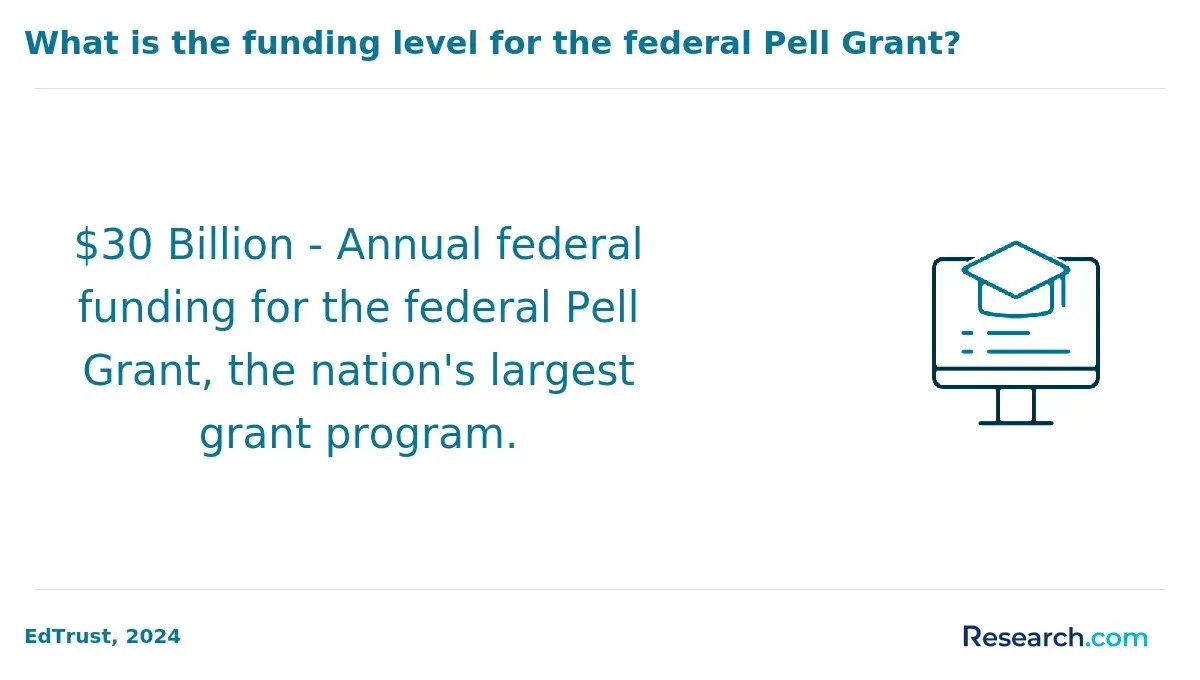
- Federal grants: Programs like the Pell Grant provide funds that do not require repayment, but eligibility depends on financial need and other federal criteria.
- Scholarships: Universities, psychology departments, criminal justice organizations, and private foundations may offer awards for students pursuing psychology, forensic psychology, behavioral health, or justice-related fields.
- Student loans: Loans can make enrollment possible, but they increase long-term debt. Students should borrow only what they need and understand repayment options before accepting a loan package.
- Employer tuition assistance: Working adults in law enforcement, corrections, social services, courts, healthcare, or government agencies may be able to use employer-sponsored tuition benefits.
How to reduce out-of-pocket cost
- Choose an accredited school that accepts transfer credits from prior college coursework.
- Ask whether the program offers credit for military training, professional certifications, or prior learning.
- Compare the total program cost, not just the per-credit rate.
- Check whether accelerated terms affect your aid eligibility or payment schedule.
- Apply for departmental and professional scholarships before relying on loans.
Students comparing psychology-related low-cost options may also review the most affordable online counseling degrees to understand how tuition, aid, and career preparation differ across adjacent fields.
What Are the Shortest Online Forensic Psychology Degree Programs?
The shortest online forensic psychology degree programs are usually accelerated bachelor's completion programs, master's programs with compressed terms, or certificate and post-baccalaureate options. The right choice depends on your current education level and career goal. A certificate may be fast, but it does not replace a degree. A bachelor's degree may support entry-level roles, while many clinical or psychologist roles require graduate education, supervised experience, and licensure.
Nearly 30% of online students look for programs that can be completed within two years or less, which explains the demand for accelerated formats. Students should be realistic: shorter programs often require heavier weekly study, fewer breaks, and stronger time management.
- Bachelor's degrees: These programs can be completed in as few as 18 months by leveraging credit transfers and intensive semester schedules. They are often best for students who already have substantial general education or associate-level coursework.
- Master's degrees: Accelerated forensic psychology degrees online are typically designed to be finished in 12 to 18 months. These programs focus on advanced topics such as assessment, criminal behavior, legal systems, ethics, and research methods.
- Certificates and post-baccalaureate options: Certificate programs often require six to 12 months for completion. They can strengthen a resume or support a career pivot, but students should verify whether employers in their target field value the credential.
| Program type | Fastest typical completion path | Best fit |
| Bachelor's degree | As few as 18 months with transfer credits | Students seeking entry-level psychology, criminal justice, or graduate-school preparation |
| Master's degree | 12 to 18 months | Students seeking advanced forensic psychology knowledge or career advancement |
| Certificate or post-baccalaureate option | Six to 12 months | Professionals adding targeted forensic psychology training to an existing degree |
Tuition rates for the shortest online forensic psychology programs usually range from $300 to $600 per credit hour. Graduates often report median starting salaries from $48,000 to $60,000, with growth potential tied to education level, licensure, employer type, location, and experience. Students considering long-term leadership roles in related fields may also compare pathways such as an online doctorate in organizational leadership.
What Is the Typical Format of the Shortest Online Forensic Psychology Degree Programs?
The shortest online forensic psychology programs usually use accelerated terms, asynchronous coursework, and year-round enrollment to reduce time to completion. Modular course designs, common in these programs, have been shown to boost completion rates by up to 20% in specialized fields like forensic psychology.
- Course duration: Terms usually last 6 to 8 weeks, compared to the typical 15-week semester. This structure allows students to focus on fewer courses at a time while moving through the curriculum quickly.
- Delivery method: Most instruction is asynchronous, meaning students can watch lectures, complete readings, and submit assignments on their own schedule. Some programs also include live sessions, group work, or scheduled presentations.
- Weekly commitment: Students generally dedicate 10 to 15 hours per week. In accelerated programs, falling behind for even one week can be difficult to recover from.
- Interaction and support: Students typically communicate with instructors and classmates through discussion boards, video meetings, email, learning platforms, and online office hours.
What the accelerated format feels like
Accelerated programs are flexible, but they are not lighter. Students often complete frequent readings, short papers, case analyses, quizzes, and discussion posts. Courses may require consistent participation rather than a few large assignments at the end of the term.
When I spoke with a graduate of an accelerated online forensic psychology program, she described the experience as “intense but rewarding.” She said managing her studies alongside a full-time job required strict time management, especially with the rapid pace of 6-week courses. Frequent assessments made it necessary to stay engaged every week, but the asynchronous lessons allowed her to study around her work schedule. Finishing faster than traditional programs helped her move into the workforce sooner, which mattered during her career transition.
How Do Online Classes Work for Accelerated Forensic Psychology Degrees?
Online classes in accelerated forensic psychology programs are usually delivered through a learning management system where students access lectures, readings, assignments, exams, discussion boards, and grades. Around 60% of psychology-related online students in 2023 favored asynchronous classes because they provide flexibility for work, family, and irregular schedules.
- Learning formats: Most courses combine asynchronous learning with some synchronous activities. Students may complete most work independently while attending occasional live discussions, presentations, or faculty check-ins.
- Course pace: These programs compress traditional four-year curricula into two or three years through shortened semesters or year-round enrollment. Weekly study time usually spans 15 to 20 hours, so students need a dependable study routine.
- Assignment turnaround: Deadlines arrive quickly in accelerated courses. Students may submit discussion posts, case briefs, reflection papers, quizzes, and research assignments in the same week.
- Instructor and peer interaction: Communication happens through discussion forums, video chats, email, group projects, and periodic live meetings. Strong programs make faculty access clear and consistent.
- Time efficiency: Condensed scheduling helps motivated students move quickly through degree requirements, but it leaves less room for missed deadlines or extended breaks.
Common online course activities
- Analyzing criminal behavior case studies
- Writing forensic-style reports and research papers
- Discussing ethical issues in psychology and law
- Reviewing psychological assessment concepts
- Completing quizzes, exams, and applied projects
- Collaborating with classmates on legal or behavioral scenarios
Before enrolling, students should ask whether exams require proctoring, whether live attendance is mandatory, how group projects are scheduled, and how quickly instructors provide feedback. These details can affect whether an accelerated online program is manageable alongside employment.
What Skills Do Students Gain from a Shortest-Track Online Forensic Psychology Degree?
A shortest-track online forensic psychology degree builds a mix of psychology, criminal justice, research, communication, and professional skills. The exact skill set depends on degree level. Bachelor's programs usually emphasize foundations; master's programs tend to add advanced theory, applied analysis, and research depth; certificates focus on targeted knowledge for students who already hold a degree.
According to the Bureau of Labor Statistics, forensic psychologists often work in high-pressure settings where analytical judgment and clear communication are important. Students should not expect a degree alone to make them licensed forensic psychologists, but a credible program can prepare them for related roles or further graduate study.
- Critical thinking: Students learn to evaluate behavioral evidence, connect psychological theories to criminal behavior, and avoid unsupported conclusions.
- Technical competencies: Coursework may introduce psychological assessment concepts, research tools, data collection methods, and forensic documentation practices.
- Communication skills: Students practice writing reports, explaining findings, presenting arguments, and communicating with legal, correctional, and mental health professionals.
- Problem-solving: Programs encourage students to apply psychological principles to issues such as risk, rehabilitation, victimology, offender behavior, and legal decision-making.
- Professional and time management skills: Accelerated online formats require planning, self-discipline, deadline management, and independent learning.
Skills that matter most to employers
- Accurate documentation
- Ethical judgment
- Confidentiality and professional boundaries
- Research literacy
- Clear written communication
- Ability to work with multidisciplinary teams
When I spoke with a graduate who completed one of the fastest online forensic psychology programs, he described an intense period of balancing coursework with a full-time job and family life. “Staying organized was a constant challenge,” he said, noting that mastering the software used for assessments required dedicated practice. He found that writing reports under tight deadlines improved his ability to communicate complex ideas clearly. The pace of the program forced him to adapt quickly to professional standards while developing skills he now uses in his forensic role.
Are Cheap and Fast Online Forensic Psychology Degree Programs Considered Legitimate?
Cheap and fast online forensic psychology programs can be legitimate, but only if they meet recognized academic standards and support the student's intended career path. Low tuition and accelerated pacing are not warning signs by themselves. The real concerns are lack of accreditation, unclear curriculum, weak faculty qualifications, poor student support, and misleading claims about licensure or employment.
- Accreditation: A legitimate school should hold recognized institutional accreditation. Accreditation affects transfer credit, financial aid eligibility, employer confidence, and in some cases licensure pathways.
- Faculty credentials: Strong programs use instructors with relevant academic preparation and experience in psychology, law, criminal justice, mental health, research, or forensic settings.
- Curriculum quality: Coursework should cover topics such as criminal behavior, psychology and law, ethics, research methods, assessment concepts, victimology, corrections, and professional communication.
- Licensing eligibility: Students seeking psychologist licensure should verify state requirements before enrolling. Many licensed psychologist roles require doctoral education, supervised experience, examinations, and other state-specific criteria.
- Industry recognition: Employers are more likely to respect degrees from accredited, transparent institutions with clear outcomes and relevant coursework.
Warning signs to avoid
- The school does not clearly identify its accreditor.
- The program promises guaranteed jobs or salaries.
- Admissions standards are unclear or unusually lax.
- The school claims a short degree automatically qualifies graduates for licensure.
- Tuition and fees are difficult to find.
- Credits are unlikely to transfer to accredited institutions.
Students should contact admissions, financial aid, and program faculty before committing. Ask direct questions about accreditation, transfer credits, practicum options, career support, licensure alignment, and graduate outcomes. A legitimate program will answer clearly and document its claims.
What Are the Highest-Paying Roles for Online Forensic Psychology Degree Graduates?
The highest-paying roles for online forensic psychology degree graduates are usually those requiring advanced education, specialized experience, licensure, or consulting expertise. Salary potential depends heavily on degree level, state, employer, work setting, and whether the role is clinical, correctional, legal, research-based, or advisory.
- Forensic psychologist: Forensic psychologists may evaluate offenders' mental health, provide expert testimony in court, consult with legal professionals, and conduct assessments. According to the U.S. Bureau of Labor Statistics (BLS), clinical, counseling, and school psychologists-a category that includes forensic psychologists-earn a median annual wage of about $82,180, with the top 10% earning over $137,590.
- Correctional treatment specialist: These professionals help develop rehabilitation plans, support reentry, and work with individuals involved in the justice system. Their salaries typically range from $50,000 to $80,000 annually, increasing with experience and depending on whether they work for state or federal agencies.
- Legal consultant: Legal consultants with forensic psychology expertise may help attorneys understand behavioral evidence, jury issues, witness credibility, or offender behavior. Those in private practice often command fees exceeding $100,000 per year due to the specialized nature of their advice.
| Role | Typical degree value | Salary factors |
| Forensic psychologist | Often tied to advanced graduate training and licensure requirements | Licensure, specialization, court experience, employer type, and location |
| Correctional treatment specialist | May be accessible through psychology, criminal justice, or related training | Agency level, experience, caseload, and government pay scale |
| Legal consultant | Often benefits from advanced expertise and a strong professional reputation | Private practice, niche expertise, referrals, and case complexity |
Higher salaries in forensic psychology are often linked to advanced degrees or certifications, relevant professional experience, and employment settings. Federal positions and private sector consulting typically offer greater compensation than local government or nonprofit roles.
For students aiming at these roles, selecting quick and cost-efficient online forensic psychology programs is important, but speed should not come at the expense of accreditation or career alignment. Typical online programs last 18 to 36 months and cost about $300 to $600 per credit, offering an attractive return on investment when the credential matches the student's career goal.
Students comparing fast completion routes may review accelerated online degree programs to better understand how condensed online study can support career movement.
What Is the Job Placement Rate for Online Forensic Psychology Graduates?
Job placement rates for online forensic psychology graduates vary widely by school, degree level, location, student experience, and the type of job being measured. Research from related online psychology fields indicates that many well-designed programs achieve placement rates between 70% and 85% within six to twelve months after graduation.
Students should be cautious when comparing placement rates because schools may define “placement” differently. Some count full-time employment in the field, while others include part-time work, continuing education, military service, or employment outside forensic psychology. Ask each school how it calculates its rate and whether the data applies specifically to online forensic psychology students.
- Industry demand: The forensic psychology field is projected to grow moderately, with the U.S. Bureau of Labor Statistics estimating an 8% increase for psychologists overall between 2021 and 2031. This supports continued opportunities in criminal justice, mental health, corrections, courts, and related settings.
- Program reputation: Graduates from accredited and established online forensic psychology programs often benefit from stronger employer recognition, clearer advising, and more developed career services.
- Internship and practicum experience: Practical experience can improve job readiness. Programs with internships, supervised projects, or applied coursework may give students stronger examples to discuss with employers.
- Alumni networks: Active alumni communities can support referrals, mentorship, informational interviews, and professional networking.
Questions to ask about placement outcomes
- What percentage of online students graduate from the program?
- How is job placement defined?
- Are placement rates specific to forensic psychology graduates?
- Does the program help students find internships or practicum sites?
- Which employers have hired recent graduates?
- What career services are available to online students?
A 2023 American Psychological Association survey reported that forensic psychology graduates from reputable online programs earn a median starting salary near $60,000. Students focused on cost and return on investment should compare programs that combine affordability, accreditation, career support, and access to applied experience. Related affordable graduate options can be explored among the cheapest online graduate programs.
How Do You Choose the Best Cheap Online Forensic Psychology Degree Program?
The best cheap online forensic psychology degree program is not simply the one with the lowest tuition. It is the program that helps you reach your career goal at a manageable cost, within a realistic timeframe, and from an institution employers and licensing boards can recognize. Students should compare academic quality, total cost, support services, and outcomes before enrolling.
- Accreditation: Confirm that the institution is properly accredited by a recognized accrediting body. For students pursuing licensure, also check state requirements and whether the degree level and coursework align with those requirements.
- Curriculum quality: Look for coursework in criminal behavior, psychological theory, research methods, ethics, legal systems, assessment concepts, and applied forensic topics. Programs with internships or applied projects can be more useful for career preparation.
- Program length: Typical affordable bachelor's programs span 3 to 4 years, though some accelerated options can shorten this to about 2 years with an intensive workload. Make sure the pace fits your work and family obligations.
- Student support services: Academic advising, tutoring, library access, writing support, technical support, and career counseling can strongly affect whether online students finish on time.
- Career outcomes: Median earnings for forensic psychologists are around $79,000 annually, with experienced professionals earning six figures. Review graduation rates, employment data, and alumni outcomes when available.
Decision checklist
- Calculate total cost, including tuition, fees, books, technology, and proctoring.
- Ask how many transfer credits the school will accept.
- Confirm whether courses are asynchronous, synchronous, or mixed.
- Review weekly workload expectations for accelerated terms.
- Check whether online students receive the same career services as campus students.
- Verify whether the program supports your target role or further graduate study.
- Speak with admissions, faculty, financial aid, and current students if possible.
A low-cost program can be a strong choice when it is transparent, accredited, well-structured, and aligned with your goals. Avoid programs that rely on vague promises, hide fees, or imply that a short degree automatically leads to licensure or high-paying forensic psychology work.
What Graduates Say About Their Cheapest and Shortest Online Forensic Psychology Degree
- : "I was eager to quickly advance my career in criminal justice, so I looked for an affordable and fast online forensic psychology degree program. The program's cost was impressively low compared to traditional options, averaging around $15,000, which made it accessible without sacrificing quality. This degree has already opened doors for me in profiling and investigative roles, and I feel optimistic about the future. — Lennon"
- : "After careful research, I enrolled in an affordable online forensic psychology degree that promised completion within two years. Knowing the degree would cost less than $18,000 helped me commit financially without overwhelming debt. The streamlined format strengthened my understanding of mental health evaluations and gave me more credibility in my current work. — Forest"
- : "My goal was to upgrade my qualifications efficiently, so I chose a fast online forensic psychology course with a reasonable price tag, typically under $20,000. The practical knowledge I gained has improved my work in law enforcement consultations. Professionally, the investment was worthwhile because I could apply what I learned quickly on the job. — Leo"
Other Things You Should Know About Forensic Psychology Degrees
In 2027, several universities offer accredited online forensic psychology degrees that prioritize brevity. Institutions like Southern New Hampshire University and Liberty University are recognized for their condensed course structures, often allowing completion within 12-18 months depending on prior credits.
Yes, some 2027 online forensic psychology programs offer accelerated courses that allow students to complete their degrees in a shorter timeframe, often within 12 to 18 months, by intensively covering standard curriculum in a compressed schedule.
References
- 25 Most Affordable Forensic Psychology Programs | UniversityHQ https://universityhq.org/best-colleges/rankings/most-affordable-forensic-psychology-schools/
- Bachelor’s in Forensic Psychology Online - BSc Programs https://progress.futurelearn.com/degrees/award/bachelors/subject/psychology/forensic-psychology
- Top Careers in Forensic Psychology: Jobs and Pathways https://www.mobap.edu/news/top-careers-in-forensic-psychology/
- Most Popular Online Forensic Psychology Degrees https://www.onlineu.com/degrees/forensic-psychology
- Forensic Psychology Graduate Programs | The Chicago School https://www.thechicagoschool.edu/programs/psychology/forensic-psychology/
- Top 15 Career Paths in Forensic Psychology - Psych Degree Starter https://psychdegreestarter.com/careers/forensic-psychology-career-paths/
- Bachelor of Arts in Applied Psychology – Forensic Psychology https://online.fit.edu/degrees/undergraduate/applied-psychology/forensic-psych/
- Short courses https://www.gla.ac.uk/study/short/courses/forensic-psychology--an-introduction/
- Best Online Forensic Psychology Degrees For 2025 https://www.psychology.org/rankings/best-forensic-psychology-programs/
- Top Online Forensic Science Degree Programs https://www.forensicscolleges.com/online