2027 Online Forensic Psychology Master's Programs With University Scholarships: Awards, Eligibility & Tuition After Aid

Co-Founder and Chief Data Scientist
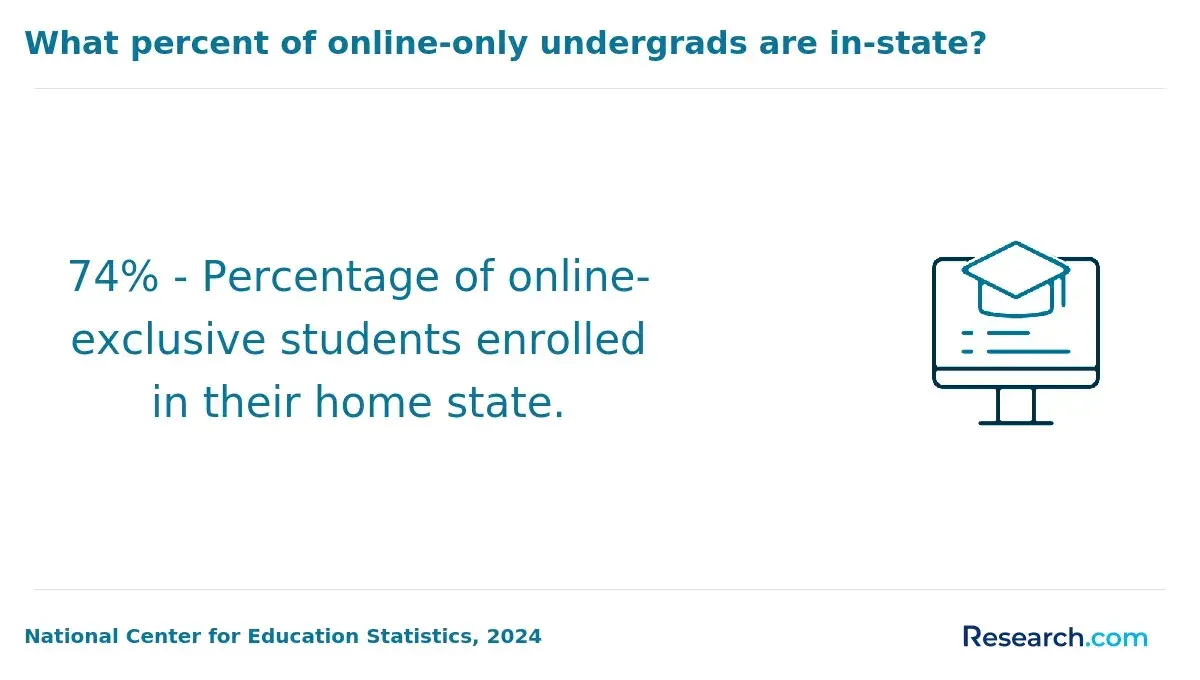
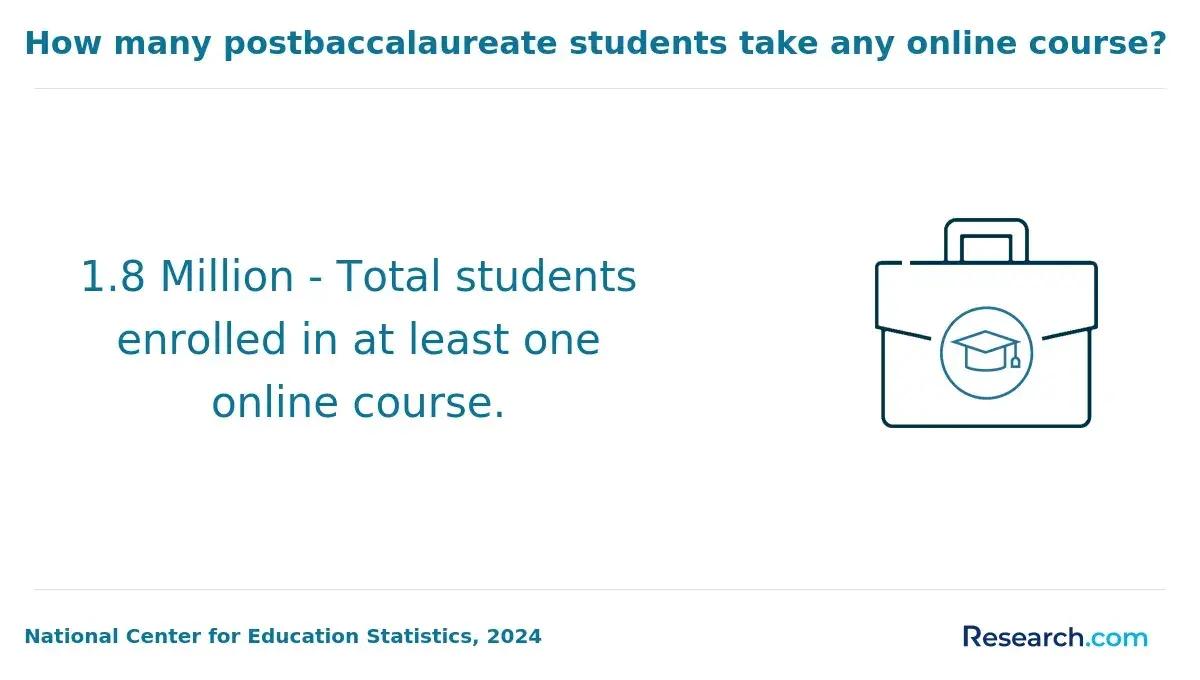
Paying for an online forensic psychology master's requires more than comparing advertised tuition: university scholarships may be limited by enrollment level, program format, academic record, or financial need. The National Center for Education Statistics reported roughly 3.2 million U.S. students enrolled in postbaccalaureate programs in fall 2023, underscoring competition for graduate funding.
This guide helps prospective students compare scholarship-friendly schools, estimate costs after aid, confirm eligibility, and build a funding plan that minimizes avoidable borrowing.
Key Things to Know About Forensic Psychology Master's Programs with Scholarships
- There is no single national "average" scholarship for online forensic psychology master's students, awards are set by each university and may be merit-based, need-based, program-specific, or limited to certain enrollment terms.
- Federal Direct Unsubsidized Loans can provide eligible graduate students up to $20,500 per academic year, but loans are debt rather than scholarships and should be compared with grants, employer aid, and university awards first.
- Forensic psychology tuition must be evaluated as a total program cost: multiply the current per-credit rate by required credits, then add mandatory fees and subtract only aid confirmed in writing.
What online Forensic Psychology master's programs offer university scholarships?
Online forensic psychology options are relatively specialized, so applicants should distinguish between a scholarship reserved for the forensic psychology program and an institution-wide graduate scholarship that an online student may use. A school can offer an online forensic psychology master's without guaranteeing that every online student receives institutional aid.
Schools that commonly market online or distance-accessible forensic psychology graduate study include the University of North Dakota, National University, California Baptist University, and Walden University. Their scholarship inventories, eligibility rules, and enrollment-format restrictions can change by term. Contact each financial aid office and program representative before treating any listed scholarship as available for your start date.
The comparison below identifies the decision points to verify rather than assuming that a school's general scholarship page applies to the degree.
| Program or institution to investigate | Format consideration | University-funding question to ask | Best use case |
| University of North Dakota forensic psychology graduate study | Confirm whether the selected track is fully online and whether distance students may apply for graduate awards | Are Graduate School scholarships open to online master's students in this program? | Students seeking a public-university option and transparent residency or distance-tuition rules |
| National University forensic psychology master's study | Verify term structure and whether scholarship eligibility requires continuous enrollment | Which institutional scholarships are open to graduate online learners, and are they renewable? | Working adults who need frequent start dates |
| California Baptist University forensic psychology graduate study | Confirm online delivery, credit load, and any campus-related requirements | Does the award apply to graduate online tuition, fees, or both? | Students comparing private-university aid packages |
| Walden University forensic psychology graduate study | Review tuition reduction offers by start term and concentration | Is the offered tuition reduction a scholarship, grant, or conditional discount? | Students who need to compare published tuition reductions carefully |
Do not choose solely on a scholarship headline. Compare accreditation, curriculum fit, practicum or internship expectations, faculty expertise, state professional requirements, total net price, and whether the award survives a reduced course load. Students weighing clinical-adjacent paths can also compare the education routes described in types of therapy degrees; a forensic psychology master's does not by itself create eligibility for psychologist licensure.
What is the average tuition for Forensic Psychology master's programs before aid?
A reliable national average for online forensic psychology master's tuition is not published because programs vary substantially in credit requirements, residency rules, and required fees. The practical comparison is each school's current total published program charge before aid, not a broad graduate-school average that may include inexpensive and high-cost fields unrelated to forensic psychology.
Estimate tuition before aid with a consistent calculation, then ask the school to validate it in writing. This prevents a low per-credit price from masking a program with more required credits or substantial distance-learning fees.
| Cost component | How to calculate it | Why it matters |
| Base tuition | Current per-credit tuition × required program credits | Provides the comparable academic charge before aid |
| Mandatory university fees | Term fees × expected number of terms | May not be covered by a tuition-only scholarship |
| Course-specific expenses | Add technology, assessment, residency, or practicum charges if applicable | Can affect cash needed even when tuition is discounted |
| Scholarships and grants | Subtract confirmed nonrepayable awards only | Shows estimated net price, not borrowing capacity |
| Loans | Keep separate from discounts and grants | Loans reduce the immediate bill but increase repayment obligations |
Ask for the rate applicable to your intended start term and whether it is locked for continuing students. Tuition comparisons across fields can be useful for budgeting perspective; for example, candidates considering healthcare administration can review online MHA programs, but their tuition and aid policies should not be used to predict forensic psychology costs.
A program may be affordable without scholarship aid if an employer pays a meaningful share, savings cover the remaining balance, and the total borrowing fits a conservative repayment plan. If those conditions are not present, prioritize schools that provide a written net-cost estimate rather than borrowing based on an assumed award.
What types of financial aid and scholarships are available for Forensic Psychology master's programs?
Funding generally falls into two categories: nonrepayable aid, such as scholarships and grants, and borrowing, such as federal or private loans. For graduate students, federal need-based aid is more limited than at the undergraduate level, making institution-specific awards and employer benefits especially important.
The options below have different trade-offs. A renewable merit scholarship can lower costs throughout the degree, while employer reimbursement may require continued employment or repayment if the employee leaves early.
| Funding type | Common basis | Repayment required? | Important limitation |
| University merit scholarship | Academic record, professional achievement, leadership, or application strength | No | May require a minimum GPA and specified enrollment level |
| Need-based institutional grant | Financial circumstances, often documented through FAFSA or institutional forms | No | Funding can be limited and may be recalculated annually |
| Program, alumni, donor, or diversity scholarship | Eligibility criteria set by the donor or university | No | May be restricted to a field, identity, service commitment, or location |
| Employer tuition assistance | Employment with a participating organization | Usually no, subject to employer terms | May require preapproval, grades, continued employment, or tax review |
| Federal Direct Unsubsidized Loan | FAFSA eligibility and annual borrowing limits | Yes | Interest accrues; it is not need-based scholarship funding |
| Graduate PLUS or private loan | Credit and other lender or federal requirements | Yes | Should be a last comparison step after grants, scholarships, and employer aid |
Complete the FAFSA even if you expect to receive a merit award. Schools often use it to determine federal loan eligibility and sometimes institutional need-based funding. Applicants considering employer-supported professional education in another clinical field can see how program costs differ in MSN to DNP online programs; reimbursement policies remain employer-specific.
How much do Forensic Psychology master's scholarships typically cover?
Most university scholarships for master's students are partial tuition awards rather than full rides. Because universities do not use one standard award scale and forensic psychology scholarships are often folded into broader graduate aid, applicants should not assume a typical amount applies to a particular program.
A useful way to judge an offer is by its net-cost effect: the amount deducted from charges you would otherwise pay, the number of terms it covers, and whether it applies to tuition only or also to required fees. A smaller renewable award can be more valuable than a larger one-time award if the program lasts multiple years.
Review every award letter for the details that determine its real value.
- Annual or term-based award amount and the maximum total value across the degree.
- Whether the award is automatically renewed, requires reapplication, or is available only in the first term.
- Whether it is applied before or after other institutional grants and tuition reductions.
- Whether it covers tuition only, tuition and mandatory fees, or a broader cost-of-attendance category.
- Whether reduced enrollment, a leave of absence, or repeated coursework changes the award.
Full scholarships are uncommon and can carry stricter selection or service conditions. Apply for them, but build a realistic budget around the written offer you have received, not the maximum award mentioned in promotional material.
Who is eligible for Forensic Psychology master's scholarships?
Eligibility depends on the award, not just admission to the program. An admitted online student may qualify for one scholarship but not another because of GPA, residency, financial need, professional background, course load, citizenship or eligible noncitizen status for federal aid, or enrollment term.
The table separates common eligibility patterns so applicants can target awards efficiently.
| Scholarship category | Typical eligibility factors | Who should prioritize it |
| Merit-based | Undergraduate GPA, academic achievement, professional accomplishments, recommendation letters, or personal statement | Applicants with strong grades or relevant justice, behavioral health, research, or public-service experience |
| Need-based | Demonstrated financial need under the school's process; FAFSA may be required | Students whose resources do not reasonably cover total educational costs |
| Service or employer-affiliated | Employment, military affiliation, public service, union membership, or partner organization status | Working professionals who can document eligible affiliation before enrollment |
| Identity- or community-focused | Criteria established by a university or donor, sometimes including residency or community involvement | Students who meet the exact stated criteria and can provide supporting evidence |
| Program-specific | Enrollment in a named degree, concentration, cohort, or academic term | Applicants whose chosen forensic psychology track is explicitly listed |
Students with a low undergraduate GPA should not assume funding is unavailable. They may have stronger prospects with employer assistance, professional-association awards, a compelling statement showing academic readiness, or programs that evaluate work experience alongside grades. Conversely, a high GPA does not overcome an online-format exclusion or an unmet enrollment requirement.
What is the application process for Forensic Psychology master's scholarships?
The process often runs alongside admission, but deadlines can differ. Some universities automatically consider admitted applicants for merit awards, while others require a separate scholarship portal, FAFSA, essay, recommendation, or proof of employment. Treat every award as separate until the school confirms otherwise.
Use this sequence to reduce missed deadlines and avoid applying for awards you cannot use.
- Request the current tuition sheet, scholarship list, eligibility rules, deadlines, and renewal terms for your intended online program and start date.
- Submit admission materials early enough for the university to review you before scholarship deadlines.
- File the FAFSA when federal aid or need-based institutional aid may be relevant, and resolve any verification requests promptly.
- Prepare a concise résumé, transcripts, recommendation contacts, and a tailored statement connecting your goals to forensic psychology, justice, behavioral health, research, or community service.
- Apply separately for every award that fits, recording the deadline, documents submitted, decision date, and renewal conditions.
- Compare written offers using total program tuition, covered charges, duration, and conditions before accepting enrollment.
Common mistakes include assuming admission equals scholarship consideration, missing an earlier scholarship deadline, and submitting a generic essay that does not address the award's criteria. If your aid package is insufficient, ask whether the school permits reconsideration based on a competing offer, changed finances, or newly documented employer support. A reconsideration request is not guaranteed, but a specific, documented request is more useful than a general appeal for more money.
Do online Forensic Psychology students qualify for the same aid as on-campus students?
Often, but not always. Eligible online students at an institution approved for federal student aid can generally pursue federal Direct Loans through the FAFSA, subject to standard eligibility and enrollment requirements. University scholarships are different: each award may expressly include online learners, exclude them, limit them to certain programs, or require a minimum number of credits.
Before enrolling, ask the financial aid office for a written answer to these questions.
- Is my exact online forensic psychology master's program eligible for this scholarship?
- Does my planned enrollment intensity meet the minimum requirement in every term?
- Are asynchronous online terms, summer enrollment, and accelerated terms treated differently?
- Can distance learners use the same institutional grants as campus-based graduate students?
- Will my aid change if I live outside the university's home state?
Online status can also affect indirect costs, not necessarily tuition: students may avoid relocation and commuting expenses but still need reliable technology, proctored-exam fees, or travel for any residency. Confirm whether the program has clinical, practicum, or in-person components before deciding that it is entirely distance-based.
Can Forensic Psychology master's students combine multiple scholarships and grants?
Students can often combine awards, but stacking is controlled by university policy and the cost of attendance. A university may allow an outside scholarship alongside institutional aid, reduce a university grant after another award arrives, or apply funds only to tuition. Report all outside awards so the school can calculate aid correctly.
Stacking works best when each source has compatible rules. It is particularly useful when several smaller awards cover different gaps, such as tuition, fees, books, or living costs.
| Combination | Potential benefit | Issue to verify |
| University merit award + outside scholarship | Can reduce remaining tuition or fee balance | Whether institutional aid is reduced after outside funds post |
| University grant + employer reimbursement | May lower personal cash outlay substantially | Whether the employer reimburses only expenses not covered by grants |
| Scholarship + federal loan | Lets the student borrow less | Ask the school to reduce loans first if additional aid arrives |
| Multiple university awards | May increase total nonrepayable aid | Whether awards are explicitly stackable or mutually exclusive |
Do not decline a smaller award merely because you are awaiting a larger one unless the school confirms they cannot be combined. Applicants comparing bridge pathways in healthcare can see a different funding context through ADN to NP, but aid-stacking decisions should always be based on the rules of the enrolled institution.
What are the requirements to maintain scholarship status in Forensic Psychology master's programs?
Renewal requirements are as important as the initial award. Many graduate scholarships require satisfactory academic progress, a minimum cumulative GPA, continuous enrollment, and compliance with university conduct and financial aid policies. The exact GPA and credit threshold vary by institution and award.
Read the renewal agreement before the first term and save a copy. Pay special attention to whether the requirement applies each term or annually, whether summer counts, and whether a course withdrawal or incomplete affects eligibility.
Students most often lose awards by dropping below the required enrollment level, overlooking a reapplication deadline, or assuming that a temporary academic problem has no aid consequence. If illness, family obligations, military service, or another serious event affects enrollment, contact the financial aid office and academic advisor before withdrawing. Some schools have appeal or leave policies, but exceptions are not automatic.
What tips can help Forensic Psychology master's students secure more scholarship funding?
The strongest strategy is to treat scholarship funding as part of program selection, not as a last-minute discount search. Apply to several realistic sources, favor awards with clear renewal terms, and compare net program cost rather than prestige or the largest single offer.
These steps can improve the quality and completeness of your funding search.
- Apply early, because many institutional awards are limited and may be allocated before the final admission deadline.
- Ask each financial aid office whether online forensic psychology students are automatically considered or must submit a separate application.
- Use one core résumé and personal statement, then tailor each application to the scholarship's academic, service, professional, or community criteria.
- Request employer tuition-assistance rules before enrolling, including preapproval, grade, employment-duration, and repayment requirements.
- Compare offers by total renewable aid and remaining program cost, not by the first-term award alone.
- Keep a deadline tracker with required documents, submission confirmation, decision dates, and renewal obligations.
- Ask whether an improved admission offer, changed financial circumstances, or a competing written offer supports an aid reconsideration request.
Students exploring multiple graduate directions should keep comparisons separate. For instance, tuition and scholarship structures for top dietetics masters programs may help illustrate how institutional awards vary by field, but they do not establish what a forensic psychology program will fund. The best choice is the accredited program that meets your academic and career needs at the lowest realistic net cost after confirmed, renewable aid.
Other Things You Should Know About Forensic Psychology
Some external scholarships allow applications before admission, but university awards commonly require an application for admission or an admission decision. Check whether the scholarship deadline falls before the program's final admission deadline.
Usually no. Psychologist licensure generally requires a doctoral degree, supervised training, examinations, and state-specific requirements. Review the requirements of the state where you plan to practice before choosing a program.
You can generally accept only the amount needed and later ask the school to reduce or cancel unused loan funds, subject to its timing rules. Confirm the process with financial aid before funds disburse.
Ask for written terms showing the exact amount, eligible terms, renewal criteria, exclusions, and whether the discount can be combined with other aid. A tuition discount may operate differently from a scholarship for billing and stacking purposes.
References
- Forensic Psychology Master's Programs Online: Compare Schools https://www.onlinemastersdegrees.org/best-programs/psychology/forensic-psychology/
- Online Master's Degree in Forensic Psychology https://www.monroeu.edu/academics/king-graduate-school/online-masters-degree-forensic-psychology
- How to Find and Win Psychology Scholarships https://www.onlinepsychologydegrees.com/psychology-scholarships/
- Forensic Psychology https://www.fastweb.com/directory/scholarships-for-forensic-psychology-majors
- 2025 Most Affordable Online Master's Degrees in Forensic Psychology https://www.onlineu.com/most-affordable-colleges/forensic-psychology-masters-degrees
- Online Master's Degrees in Forensic Psychology - No GRE Required https://www.forensicscolleges.com/blog/resources/no-gre-online-masters-in-forensic-psychology
- Master's In Forensic Psychology: Courses And Requirements https://www.psychology.org/degrees/forensic-psychology/masters/