2027 How To Become an ICE Agent

Co-Founder and Chief Data Scientist
Becoming an ICE agent is a federal law enforcement path with high screening standards, a long hiring process, and training that tests judgment, fitness, legal knowledge, and investigative discipline. For high school graduates planning a degree, current college students, veterans, police officers, and career changers, the key question is not only “How do I qualify?” but also “Is this the right law enforcement career for my skills, values, and long-term goals?”
This guide explains the practical route to becoming an ICE agent in 2027, including eligibility rules, education options, training at the Federal Law Enforcement Training Center, expected timelines, pay ranges, risks, advancement options, and alternatives. It is designed to help you understand the process before you invest time in a degree, prepare a federal resume, or apply through USAJOBS.
Quick Answer: How Do You Become an ICE Agent?
To become an ICE agent, you generally need to be a U.S. citizen, be under 37 years old, hold a valid driver’s license, meet U.S. residency requirements, earn a bachelor’s degree, pass extensive screening, and complete federal law enforcement training. Applicants apply through USAJOBS.gov, complete background, medical, drug, and fitness checks, and, if selected, attend training at the Federal Law Enforcement Training Center. The full process can take as little as five months or more than a year, depending on the applicant and hiring conditions.
Key Things You Should Know Before Applying
- Minimum education matters: A bachelor’s degree is required. Commonly relevant fields include criminal justice, homeland security, finance, political science, foreign languages, cybersecurity, and related public safety or investigative disciplines.
- Training is substantial: Selected ICE agents complete a 27-week training sequence that includes the 12-week Criminal Investigator Training Program (CITP) and the 15-week Homeland Security Investigations Special Agent Training (HSISAT).
- Pay follows federal scales: Listed pay ranges include $48,371 at GL-7, $77,210 at GS-11-13, and up to $167,603 at GS-15 for experienced agents, with possible overtime and federal benefits.
- The hiring timeline is not fixed: Some applicants move through the process in as little as five months, while others wait more than a year because of background investigations, medical reviews, fitness assessments, and agency needs.
- The work is demanding: ICE agents may face physical danger, emotional strain, controversial public attention, and technology-driven criminal threats.
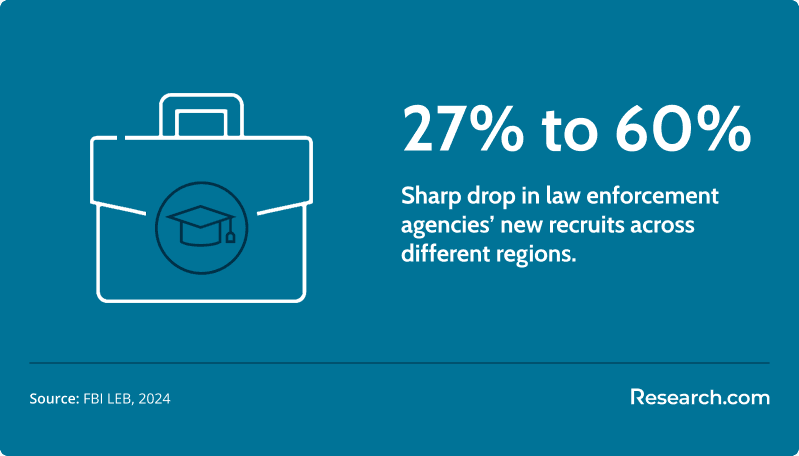
- Competition remains serious: Even though law enforcement agencies nationwide have reported a 27% to 60% drop in applicants, ICE maintains selective hiring standards.
- How to Become an ICE Agent for 2027
- What skills and qualities do successful ICE agents need?
- How much does ICE training cost?
- How long does it take to become an ICE agent?
- What does an ICE agent do?
- How do you apply for an ICE agent position?
- Can advanced education improve an ICE agent’s career prospects?
- How can ICE agents grow professionally?
- What graduate-level academic paths can help ICE agents?
- What legal education can support ICE-related work?
- How do policy changes affect ICE operations?
- How can agents strengthen operational intelligence?
- How do ICE agents handle public scrutiny?
- What is the salary and career outlook for ICE agents?
- What risks and challenges come with ICE work?
- What careers are similar to ICE agent roles?
How to Become an ICE Agent for 2027
The path to becoming an ICE agent starts long before the academy. Candidates must meet federal eligibility standards, build a strong education and experience profile, apply through the official federal hiring system, and complete a screening process that examines fitness, health, character, work history, and legal eligibility.
In 2027, applicants should expect ICE hiring to be competitive even when broader law enforcement applicant pools are smaller. A degree alone is not enough. The strongest candidates can show sound judgment, clean conduct, writing ability, investigative curiosity, physical readiness, and the ability to work within strict legal and procedural limits.
Basic ICE Agent Eligibility Requirements
| Requirement | What it means for applicants | How to prepare |
| U.S. citizenship | ICE agent roles are federal law enforcement positions restricted to U.S. citizens. | Confirm your citizenship documentation before applying. |
| Age standard | Applicants must be under 37 years old. | Do not wait until the last minute to apply if you are approaching the age limit. |
| Driver’s license | A valid driver’s license is required because the role can involve field operations and travel. | Resolve license issues before submitting an application. |
| Residency | Applicants must have lived in the U.S. for at least three years. | Gather addresses, employment history, and records that support your background forms. |
| Education | A bachelor’s degree is required, with relevant fields often including criminal justice, homeland security, finance, and foreign languages. | Choose coursework that builds writing, legal reasoning, investigation, data analysis, and communication skills. |
| Background suitability | Applicants must pass a background investigation, drug testing, medical checks, and fitness screening. | Be accurate and consistent on all federal forms and address any potential issues honestly. |
Step 1: Earn a Bachelor’s Degree That Supports Federal Law Enforcement Work
A bachelor’s degree is required, but the major you choose should match the type of work you hope to do. Criminal justice and homeland security degrees can help with law enforcement systems, investigations, emergency management, and public safety. Finance can be useful for fraud and money-laundering investigations. Foreign language study can support interviews, community contact, and international or cross-border cases. Political science may also be relevant for students who want a stronger foundation in government, public policy, constitutional systems, and legal institutions; students comparing this route can review how long it takes to earn a political science degree.
Step 2: Build Experience That Shows Judgment and Reliability
Military service, local or state law enforcement, corrections, investigations, cybersecurity, intelligence analysis, financial compliance, emergency management, and public service can all help demonstrate readiness. Experience does not replace the degree requirement, but it can make an applicant’s federal resume more credible.
Step 3: Watch for Open ICE Positions on USAJOBS
ICE hiring announcements appear on USAJOBS.gov. Read each announcement carefully because federal job postings specify grade level, location, required documents, assessment steps, and deadline rules. Missing a document or misunderstanding the qualifications section can remove you from consideration before screening begins.
Step 4: Complete Screening, Vetting, and Fitness Requirements
After applying, qualified candidates may be asked to complete assessments, medical review, a physical fitness evaluation, a drug test, a background investigation, and possibly a polygraph. The process is designed to evaluate whether applicants can be trusted with law enforcement authority, sensitive information, and public-facing responsibilities.
Step 5: Complete Training at FLETC
Selected candidates attend training at the Federal Law Enforcement Training Center in Glynco, Georgia. The 27-week training path combines general criminal investigator preparation with ICE-specific instruction. Candidates should arrive ready for academic study, firearms instruction, physical conditioning, scenario-based exercises, driving training, and legal coursework.
Step 6: Report to an Assigned Field Office
After completing training, new ICE agents begin work in an assigned office or operational setting. Early assignments may involve surveillance, interviews, case documentation, interagency coordination, warrant support, detention-related work, evidence handling, or other duties depending on the role and division.
What Skills and Qualities Do Successful ICE Agents Need?
Effective ICE agents combine law enforcement discipline with legal awareness, communication skill, cultural competence, and emotional control. The work can involve tense encounters, sensitive family and immigration matters, criminal investigations, documentation-heavy cases, and coordination with other agencies. Candidates who are only attracted to the badge or pay may underestimate how much of the job depends on writing, patience, ethics, and procedural accuracy.
A homeland security background can be useful because it introduces students to risk analysis, emergency response, intelligence, border security, and interagency coordination. If you are comparing public safety degrees, Research.com’s guide to careers with a homeland security degree can help you see how ICE-related work fits into the broader security field. Students considering local policing before federal service may also benefit from understanding police officer qualifications, since fitness, integrity, judgment, and public contact are important in both local and federal law enforcement.
Core Skills ICE Applicants Should Develop
| Skill area | Why it matters in ICE work | Ways to build it before applying |
| Legal reasoning | Agents must apply immigration, customs, constitutional, and criminal procedure rules correctly. | Take courses in criminal law, constitutional law, legal studies, public policy, or immigration systems. |
| Writing and documentation | Reports, affidavits, case notes, and evidence summaries must be accurate and defensible. | Practice formal writing, take research-heavy courses, and learn to write clearly under deadlines. |
| Communication | Agents interview people, coordinate with teams, speak with witnesses, and interact with the public. | Build interviewing, active listening, conflict de-escalation, and public speaking skills. |
| Analytical judgment | Investigations require pattern recognition, evidence evaluation, and careful decision-making. | Study data analysis, intelligence analysis, accounting, cybersecurity, or investigative methods. |
| Cultural awareness | ICE work often involves people from varied national, linguistic, and cultural backgrounds. | Study foreign languages, international relations, sociology, or community engagement. |
| Physical and mental resilience | Field operations can be stressful, tiring, and unpredictable. | Maintain fitness, build stress-management habits, and understand the realities of law enforcement work. |
| Technology fluency | Modern investigations may involve digital records, cyber tactics, databases, and electronic evidence. | Develop skills in cybersecurity, digital forensics, information systems, or data tools. |
Training Topics New ICE Agents Can Expect
- Law enforcement tactics and officer safety
- Immigration law and constitutional law
- Firearms instruction and qualification
- Emergency response driving
- Interviewing, report writing, and investigative procedure
- Scenario-based exercises that test judgment under pressure
Traits That Help Agents Perform Professionally
- Integrity: Federal law enforcement requires honesty in paperwork, testimony, evidence handling, and daily decision-making.
- Composure: Agents must make lawful decisions in stressful situations, not emotional ones.
- Attention to detail: Small errors in documentation or procedure can weaken a case.
- Team orientation: ICE agents often work with prosecutors, analysts, local agencies, federal partners, and international contacts.
- Adaptability: Priorities can change as laws, policies, agency directives, and criminal methods change.
How Much Does ICE Training Cost, and Do You Have to Pay for It?
ICE agent academy training is funded by the federal government. Trainees do not pay tuition for FLETC training, and they continue receiving base salary while completing the program. Lodging, meals, required equipment, and uniforms are provided, which reduces the direct cost of entering the role after hiring.
| Training cost item | Who pays? | What applicants should know |
| Tuition | Federal government | Trainees are not billed for the academy curriculum. |
| Lodging and meals | Provided through FLETC | Housing and meals are covered during training. |
| Incidental expenses | Supported by stipend | Trainees receive a $3.00 daily stipend for incidental costs. |
| Uniforms and equipment | ICE | Required gear is supplied rather than purchased by the trainee. |
| Personal financial obligations | Trainee | Rent, family costs, debt payments, and other personal expenses remain the trainee’s responsibility. |
| Pre-application education | Student/applicant | College costs before hiring are not covered by ICE academy funding. |
Financial Planning Before You Apply
Although ICE training itself is covered, applicants should plan for the cost of earning a degree, maintaining fitness, traveling for hiring steps if required, and managing personal bills during the hiring and training period. FLETC funding is not the same as college financial aid; GI Bill benefits and federal grants do not apply to employer-funded ICE academy training.
Some candidates strengthen their applications through related investigative experience before applying. For example, learning how to become a private investigator can help applicants understand licensing, surveillance, evidence gathering, legal boundaries, and background-check work in a non-federal setting.
How Long Does It Take to Become an ICE Agent?
The total timeline depends on where you are starting. A high school graduate still needs to complete a bachelor’s degree before applying, while a candidate who already has a degree and relevant experience may focus immediately on the federal hiring process. After application, the hiring sequence may take as little as five months or more than a year.
Once hired, candidates complete a 27-week FLETC training path. This includes the 12-week Criminal Investigator Training Program and the 15-week Homeland Security Investigations Special Agent Training (HSISAT).
Estimated ICE Agent Timeline
| Stage | Typical time factor | What can slow the process |
| Bachelor’s degree | Often completed before applying | Part-time enrollment, transfer issues, changing majors, or financial interruptions |
| USAJOBS application | Depends on open announcements | Limited vacancies, missing documents, weak federal resume, or applying after deadlines |
| Screening and vetting | Can be part of a process lasting as little as five months or more than a year | Background complexity, medical review, fitness issues, drug testing, or security concerns |
| Academy training | 27 weeks | Academic, fitness, conduct, or performance issues during training |
| Field assignment | Begins after successful training | Assignment logistics, relocation, and agency needs |
What Does an ICE Agent Do?
ICE agents enforce federal laws related to immigration, customs, border-related crime, and national security. The exact work depends heavily on assignment. Some agents focus on immigration enforcement and removal operations, while others investigate transnational crime, trafficking, fraud, smuggling, exploitation, or financial offenses.
ICE’s Two Main Operational Divisions
| Division | Main focus | Examples of work |
| Enforcement and Removal Operations (ERO) | Immigration enforcement, detention, arrest, removal, and case processing | Identifying individuals who violate immigration law, supporting detention operations, coordinating removal procedures, and carrying out enforcement actions |
| Homeland Security Investigations (HSI) | Criminal investigations connected to customs, immigration, border security, and transnational crime | Investigating drug smuggling, human trafficking, child exploitation, financial fraud, and criminal networks operating inside and outside the U.S. |
Common ICE Agent Duties
- Conducting surveillance and field operations
- Interviewing witnesses, suspects, victims, and people connected to investigations
- Preparing reports, affidavits, case files, and evidence documentation
- Executing search warrants and arrest warrants when authorized
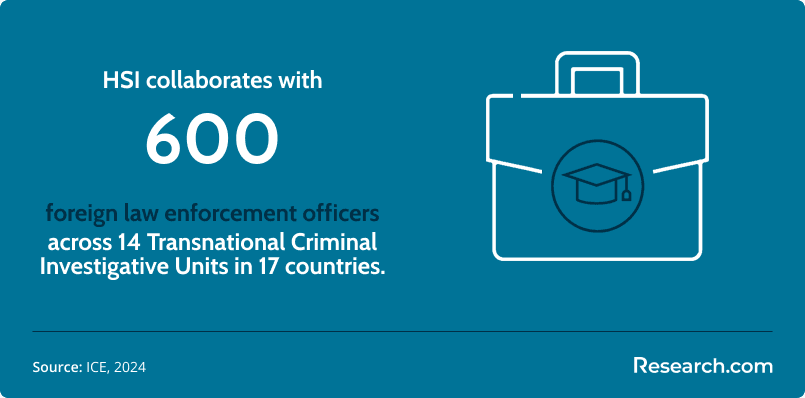
- Coordinating with federal, state, local, and international partners
- Working in field offices, detention settings, ports of entry, and international environments
- Carrying a firearm and exercising arrest authority when the role requires it
ICE investigations can overlap with fields such as forensic psychology, cybersecurity, financial crime analysis, and corrections leadership. Professionals interested in behavior-focused investigative work may compare ICE-related duties with forensic psychologist salary and career information. Agents who later move into correctional leadership or facility management may also find it useful to understand the prison warden career path.
Is ICE Work Mostly Fieldwork or Paperwork?
It is both. ICE agents may spend time on operations, interviews, surveillance, arrests, or interagency activity, but they also complete detailed documentation. Candidates should not assume the role is only physical enforcement. Strong writing and case management skills are essential because federal cases depend on accurate records and legally sound procedures.
How Do You Apply for an ICE Agent Job?
ICE agent applications are submitted through the federal hiring system, not through a local police-style application. Applicants should use USAJOBS.gov to find open announcements, review qualifications, upload documents, and track application status.
How to Prepare a Strong Federal Application
- Read the full announcement before starting. Federal postings include eligibility rules, grade levels, required documents, location details, and assessment steps.
- Build a targeted federal resume. Use clear job titles, dates, hours worked, duties, accomplishments, and law enforcement or investigative keywords that match the announcement.
- Keep the resume within ICE’s five-page limit. A federal resume must be detailed, but it still needs to be concise and relevant.
- Upload every required document. Transcripts, proof of eligibility, veteran documents, and other materials must be submitted correctly.
- Be consistent across forms. Dates, addresses, education, employment history, and legal disclosures should match throughout the process.
- Respond quickly to hiring requests. Delayed responses can slow or end your candidacy.
Selection Steps Applicants May Face
- Qualification review: ICE evaluates whether your education and experience meet the vacancy requirements.
- Written or online assessments: Some steps may examine reasoning, judgment, and job-related abilities.
- Background investigation: Investigators review criminal history, employment, financial history, personal conduct, and suitability for federal law enforcement.
- Medical screening: Candidates must meet health standards for the role.
- Physical fitness assessment: Applicants must demonstrate physical readiness for academy and field demands.
- Drug testing: Federal law enforcement applicants must meet drug-free workplace standards.
- Polygraph, if required: Some applicants may be asked to complete a polygraph examination.
Common Application Mistakes to Avoid
| Mistake | Why it hurts your application | Better approach |
| Using a short private-sector resume | Federal reviewers need detailed duties, dates, and evidence of qualifications. | Write a federal resume tailored to the announcement. |
| Applying without transcripts | Education requirements must be documented. | Upload complete transcripts when required. |
| Ignoring the five-page limit | Excessive length can violate instructions or dilute the strongest evidence. | Prioritize relevant experience, accomplishments, and required competencies. |
| Downplaying past issues | Inconsistency can be more damaging than the issue itself. | Be truthful, accurate, and prepared to explain circumstances. |
| Waiting to train physically | Fitness standards cannot be met overnight. | Start conditioning before applying. |
| Assuming a degree guarantees selection | ICE screens for total suitability, not only education. | Build experience, writing skill, judgment, and a clean record. |
ICE has strict selection criteria even as many law enforcement agencies report a 27% to 60% applicant decline. Applicants should treat each stage as competitive and should not rely on one qualification, such as a degree, to carry the entire application.
Can Advanced Education Improve Career Prospects for ICE Agents?
Advanced education can help ICE agents and applicants compete for specialized roles, leadership opportunities, and complex investigative assignments, but it should be chosen strategically. A graduate degree or certificate is most useful when it builds skills that the agency or related employers can clearly use, such as intelligence analysis, cyber investigations, financial crime, legal research, public administration, language capability, or leadership.
For working professionals who need flexibility, an online criminal justice program may support career growth without requiring a full career pause. Research.com’s guide to affordable criminal justice degree online options can help students compare cost-conscious programs before committing.
When Advanced Education Makes Sense
- You want to move into investigative, analytical, supervisory, or policy-focused work.
- You already meet minimum qualifications and want to strengthen a specific skill area.
- You need a flexible program that fits federal law enforcement schedules.
- You are planning for long-term mobility inside or outside ICE.
When More School May Not Be the Best Next Step
- You have not yet met the minimum bachelor’s degree requirement.
- You are choosing a costly program without checking accreditation or transfer policies.
- You assume a master’s degree will guarantee hiring or promotion.
- You need immediate field experience more than another credential.
How Can ICE Agents Advance Their Careers and Develop Professionally?
Career growth for ICE agents can happen through grade-level progression, specialized assignments, supervisory roles, task force work, cross-agency collaboration, and training in emerging investigative areas. Agents who consistently demonstrate sound judgment, strong documentation, reliability, and leadership are often better positioned for advancement than those who rely only on years of service.
Skills developed in ICE can also transfer to other criminal justice positions. Professionals exploring long-term earning potential may compare federal law enforcement with high paying jobs with criminal justice degree options across the broader public safety and justice field.
Examples of Professional Development Areas
- Cyber investigations and digital evidence
- Financial crimes and fraud analysis
- Human trafficking investigations
- Intelligence analysis and threat assessment
- Leadership, supervision, and personnel management
- Legal updates, case law, and policy implementation
- Foreign language and cultural competency
What Advanced Academic Paths Can Further Enhance an ICE Agent’s Career?
Graduate-level education can help agents bridge field experience with leadership, law, intelligence, and policy work. A master’s program or specialized graduate certificate may be valuable for agents who want to move toward supervisory positions, agency strategy, legal compliance, training, analysis, or interagency coordination.
Legal studies can be particularly relevant because ICE work operates within complex federal rules, court decisions, agency policy, and constitutional limits. Agents who want a flexible way to deepen legal knowledge can explore legal studies online programs.
| Academic path | Best fit | Potential value for ICE-related careers |
| Criminal justice | Agents focused on enforcement, investigations, and justice systems | Builds knowledge of courts, corrections, policing, and criminal procedure |
| Homeland security | Professionals interested in threat prevention, border security, and emergency systems | Supports interagency work, risk assessment, and national security awareness |
| Legal studies | Agents who want stronger legal interpretation and compliance skills | Improves understanding of statutes, regulations, documentation, and legal process |
| Cybersecurity | Agents interested in digital crime and technology-enabled investigations | Supports work involving cyber threats, data security, and electronic evidence |
| Intelligence studies | Professionals seeking analysis, strategy, and threat-assessment roles | Builds structured analytic thinking and operational intelligence skills |
| Public administration | Agents moving toward management or policy roles | Supports budgeting, leadership, ethics, and public-sector decision-making |
What Supplemental Legal Education Can Benefit ICE Agents?
ICE agents do not need to become attorneys to benefit from legal education. Targeted legal training can improve report writing, case preparation, evidence organization, statutory interpretation, and communication with prosecutors or agency counsel. Supplemental legal study can also help agents understand how procedural errors affect cases.
Applicants or agents who want structured legal training short of law school may compare ABA-approved online paralegal certificate programs. These programs can be useful for building legal research, case management, and documentation skills, although they do not replace ICE training or federal hiring requirements.
How Do Legislative and Policy Changes Shape ICE Operations?
ICE work is closely affected by immigration statutes, executive priorities, court decisions, agency guidance, and enforcement policy. Changes in policy can influence training topics, case priorities, resource allocation, detention practices, documentation standards, and how agents coordinate with other federal, state, local, and international partners.
Because the legal environment can change, agents must keep learning after the academy. Candidates who are drawn to the legal side of immigration and enforcement work may find value in accelerated legal education options, such as a paralegal accelerated degree, especially if they want to strengthen practical legal knowledge before or during a law enforcement career.
How Can ICE Agents Further Enhance Their Operational Intelligence?
Operational intelligence depends on disciplined information gathering, careful analysis, legal compliance, and the ability to connect evidence across people, places, organizations, and digital systems. Agents can strengthen this capability through training in intelligence analysis, cyber investigations, financial crime, language skills, and strategic leadership.
Professionals interested in intelligence careers beyond ICE may compare federal investigative work with pathways explained in Research.com’s guide on CIA certification and related intelligence career preparation.
How Do ICE Agents Manage Public Perception and Media Scrutiny?
ICE operates in a highly visible and often controversial policy area. Agents may face public criticism, media attention, community concern, and political debate surrounding immigration enforcement. Professional conduct, accurate documentation, controlled communication, and adherence to agency protocols are essential because individual actions can affect public trust and agency credibility.
Agents are generally expected to balance operational security with lawful transparency. They may receive guidance on communication protocols, public information procedures, and internal support resources. Agents who want to strengthen strategic communication, analysis, and national security knowledge may also consider an intelligence master's degree online.
What Is the Salary and Career Outlook for ICE Agents?
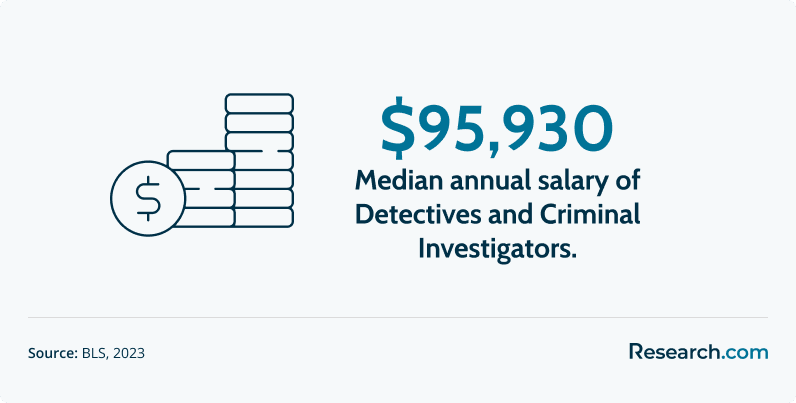
ICE salaries follow federal pay structures and vary by grade, role, experience, location, and eligibility for additional compensation. The pay figures below reflect the ranges stated for ICE agent grade levels in the source material.
| Pay level | Listed starting salary | What it generally represents |
| GL 7 | $48,371 per year | Entry-level federal law enforcement pay level |
| GS 9-12 | $63,148 per year | Higher starting level for qualifying candidates or progression after entry |
| GS 11-13 | $77,210 per year | Experienced or advanced journey-level range |
| GS 12-13 | $90,067 per year | Higher-level field or investigative progression |
| GS 14 | $142,488 per year | Senior or supervisory-level compensation |
| GS 15 | $167,603 per year | Advanced senior-level compensation |
Benefits and Additional Compensation
- Insurance and retirement: ICE agents may receive health, dental, vision, life insurance, retirement plans, and paid leave.
- Work-related support: Benefits may include tuition reimbursement, transportation subsidies, uniform allowances, and wellness programs.
- Overtime: Agents can receive Administratively Uncontrollable Overtime, which is 25% of base pay, and may also qualify for Fair Labor Standards Act compensation for qualifying extra hours.
Career Outlook and Advancement
ICE agents can progress through the GS system, move into specialized investigative units, take on supervisory responsibilities, or use their experience in related federal, state, local, or private-sector security roles. ICE has over 20,000 agents working in 400 offices across the United States and other countries, creating a broad organizational structure with multiple assignment types.
Salary outcomes are not guaranteed. Grade level, locality, overtime eligibility, promotion timing, performance, agency budgets, and assignment type can all affect actual earnings.
What Are the Risks and Challenges of Being an ICE Agent?
ICE work can be meaningful for people who want federal law enforcement responsibility, but candidates should understand the downsides before applying. The role can involve danger, long hours, public controversy, exposure to trauma, and pressure to make legally sound decisions in fast-changing situations.
Physical and Operational Risks
Agents may participate in arrests, search operations, surveillance, undercover activity, or encounters with individuals who have criminal histories. Like other law enforcement officers, they can face confrontations, weapons risks, injury, and unpredictable field conditions.
Mental and Emotional Strain
ICE agents may encounter traumatic events, distressed families, exploitation cases, violence, or high-stakes investigations. Over time, this can contribute to stress, compassion fatigue, burnout, or secondary trauma. Strong peer support, family support, healthy routines, and early use of counseling resources can matter as much as physical conditioning.
Cybersecurity and Digital Threats
Criminal organizations increasingly use technology to communicate, hide money, conceal identities, exploit victims, and evade investigators. Agents who understand cyber threats, data security, and digital evidence may be better prepared for modern enforcement work. Students interested in that side of the field can compare cyber security degree online programs.
Public and Ethical Pressure
ICE operates in an area where law, policy, community impact, and politics often intersect. Agents need a clear understanding of lawful authority, professional boundaries, and ethical decision-making. Poor judgment can harm cases, communities, and careers.
Support Resources
ICE provides an Employee Assistance Program that offers counseling and support services. Peer support programs are also available to help agents address job-related stress and emotional strain.
What Are Alternative Careers for Those Interested in ICE?
Not every person interested in immigration, investigations, public safety, or national security needs to become an ICE agent. Some candidates may prefer a role with less field risk, a different mission, a more technical focus, or a local rather than federal career path.
| Alternative career path | Best for | How it compares to ICE agent work |
| U.S. Customs and Border Protection roles | Applicants interested in border security and ports of entry | More directly focused on border operations, customs inspection, and border enforcement |
| Border Patrol agent | Candidates who want field-based border security work | Often involves patrol, detection, and border-area enforcement rather than broader ICE investigations |
| FBI roles | Applicants interested in federal criminal investigations across many offense areas | May involve terrorism, cybercrime, public corruption, organized crime, and other federal matters |
| Local or state police officer | Candidates who want community-based policing and a more direct local service role | Can provide law enforcement experience before federal applications |
| Cybersecurity analyst | Students drawn to digital investigations and information protection | Less traditional field enforcement and more technical analysis or systems protection |
| Criminal intelligence analyst | Applicants who prefer analysis over arrests and field operations | Focuses on data, patterns, threat assessments, and investigative support |
| Private investigator | Career changers who want investigative work outside federal service | Usually state-regulated and often focused on civil, insurance, corporate, or legal investigations |
| Non-agent ICE roles | Professionals interested in mission support, law, IT, public affairs, or administration | Supports ICE operations without the same field enforcement duties |
Students who want practical public safety training but are not ready for a federal law enforcement path can also explore trade school programs that pay well, including options connected to emergency services, cybersecurity, and technical support roles.
Some professionals eventually move outside law enforcement while keeping skills in communication, compliance, documentation, and relationship management. For example, candidates considering a private-sector pivot can learn what is required to be a pharmaceutical sales rep and compare that path with public safety careers.
What Graduates and Career Changers Say About ICE Agent Careers
-
: "
“ICE gave me a way to apply my law enforcement training to federal cases. The academy was challenging, but it helped me understand what the job requires in real situations.” – Leonard
"
-
: "
“I was looking for a stable federal career with room to grow. The benefits are important, but the work also requires discipline because every assignment carries responsibility.” – Saskia
"
-
: "
“The investigative side of ICE appealed to me most. I wanted fieldwork, complex cases, and a role connected to national security, and the training helped sharpen those skills.” – Basil
"
Questions to Ask Yourself Before Pursuing an ICE Career
- Am I comfortable working in a federal law enforcement role that can attract public criticism and media attention?
- Can I meet the age, citizenship, driver’s license, residency, education, background, medical, and fitness requirements?
- Do I want field operations, investigative work, and legal documentation, or am I mainly attracted to the job title?
- Am I willing to relocate or accept assignments based on agency needs?
- Can I handle exposure to trauma, conflict, and high-pressure decision-making?
- Does my degree plan build useful skills, or am I choosing a major without understanding the role?
- Have I compared ICE with CBP, FBI, local police, cybersecurity, intelligence analysis, and non-agent federal roles?
- Do I have a realistic financial plan for college costs before applying?
Key Insights
- Becoming an ICE agent requires more than interest in immigration or criminal justice. Candidates must meet strict federal eligibility rules, earn a bachelor’s degree, pass extensive vetting, and complete 27 weeks of academy training.
- The fastest applicants may complete hiring in as little as five months, but many candidates should expect the process to take more than a year because background, medical, drug, and fitness reviews can be lengthy.
- ICE training is federally funded. Trainees do not pay academy tuition, lodging, meals, equipment, or uniforms, and they receive base salary during training, but they remain responsible for personal expenses and pre-hiring education costs.
- ICE work is split mainly between Enforcement and Removal Operations and Homeland Security Investigations. These divisions involve different mixes of immigration enforcement, detention, removal, criminal investigations, and interagency work.
- Pay can begin at $48,371 at GL-7 and reach $167,603 at GS-15, with possible Administratively Uncontrollable Overtime of 25% of base pay and other federal benefits. Actual earnings depend on grade, role, locality, overtime, and advancement.
- The best preparation combines education, clean conduct, physical readiness, writing ability, cultural awareness, legal reasoning, and technology fluency. A degree helps, but it does not guarantee selection.
- ICE is not the only path for people interested in federal enforcement or national security. CBP, Border Patrol, FBI, intelligence analysis, cybersecurity, local policing, and non-agent ICE roles may be better fits for some candidates.
References
- How to become a Border Patrol Agent. (2021, April 21). Immigration and Customs Enforcement (ICE) Special Agent job Requirements. How to Become a Border Patrol Agent | Border Patrol Education Information. https://www.borderpatroledu.org/become-ice-special-agent/
- Requirements for Federal Law Enforcement Jobs. (2014, November 26). ICE Training School Program | Requirements for Federal Law Enforcement jobs. Requirements for Federal Law Enforcement Jobs | Federal Law Enforcement Education. https://www.federallawenforcement.org/ice/ice-training/
- How to become a border patrol or ICE agent. (2025, January 10). Police1. https://www.police1.com/immigration-and-customs-enforcement/articles/how-to-become-a-border-patrol-or-ice-agent-AhJpD6FweZa0kIOS/
- Roufa, T. (2019, April 22). What does an ICE agent do? LiveAbout. https://www.liveabout.com/ice-agent-career-profile-974493
- ICE (n.d.). Pre-academy Orientation: Immigration and Customs Enforcement Academy Handbook. https://www.ice.gov/doclib/about/offices/ero/pdf/ice_d_handbook.pdf
- Ferguson, J.W. (2025, February 13). How many ICE agents are there in Houston? What to know about local immigration enforcement: Who Makes What?. Local // Immigration. https://www.houstonchronicle.com/news/houston-texas/immigration/article/ice-agents-houston-what-to-know-20159234.php
- Working for ICE. (2025, March 10). ICE. https://www.ice.gov/careers
- ICE enforcement and removal Operations statistics. (2025, March 17). ICE. https://www.ice.gov/statistics
- Clore, J. (2022, June 29). Understanding the roles and responsibilities of ICE. Stump & Associates. https://usvisagroup.com/understanding-the-roles-and-responsibilities-of-ice/
- Immigration Enforcement Actions Annual Flow Report. (n.d.). Office of Homeland Security Statistics. https://ohss.dhs.gov/topics/immigration/immigration-enforcement/immigration-enforcement-actions-annual-flow-report
- Criminal investigator. (2025, February 10). ICE. https://www.ice.gov/careers/criminal-investigator
- Criminal Investigator (Special agent). (n.d.). USAJOBS. https://www.usajobs.gov/job/833384800
- Cato Institute (2019, June 26.). Immigration and Customs Enforcement (ICE) Agent Deaths in the Line of Duty. https://www.cato.org/blog/immigration-customs-enforcement-ice-agent-deaths-line-duty
- Karch M.S., T. (2024, March 7). Playing the Long Game: Law Enforcement Recruitment. FBI Law Enforcement Bulletin. https://leb.fbi.gov/articles/featured-articles/playing-the-long-game-law-enforcement-recruitment
- Career Frequently asked Questions (FAQs). (2025, March 10). ICE. https://www.ice.gov/careers/faqs
- Woods, J.P. (n.d.). Police Chief Magazine Officer Safety Corner: Prioritizing Emotional & Mental Health through Peer Support. Police Chief Magazine. https://valorfiles.blob.core.windows.net/documents/Clearinghouse/police%20chief%20magazine_officer%20safety%20corner_prioritizing%20emotional%20&%20mental%20health%20through%20peer%20support.pdf?sv=2017-04-17&sr=b&sig=h3bXXWLEbBNei%2FN0zA%2BZnK9iAqUODscQYkhfnDd3aHA%3D&se=2025-03-25T11%3A17%3A04Z&sp=r
- Personnel vetting. (2025, March 10). ICE. https://www.ice.gov/careers/vetting
- Shah, K. (2019, July 12). What Latinx ICE and Border Patrol agents say about arresting immigrants. Pacific Standard. https://psmag.com/social-justice/what-latinx-ice-and-border-patrol-agents-say-about-arresting-immigrants/
- Murillo, A. L. (2020, July 6). New study explores why US Latinos join ICE and Border Patrol. Latino Rebels. https://www.latinorebels.com/2020/07/06/latinosiceborder/
- Univision. (n.d.). Cuántos agentes hispanos trabajan para ICE y otros 5 datos que no sabías de esta agencia. Univision. https://www.univision.com/local/los-angeles-kmex/cuantos-agentes-hispanos-trabajan-para-ice-y-otros-5-datos-que-no-sabias-de-esta-agencia
- Homeland Security. (n.d.). DHS Law Enforcement Overview. https://www.dhs.gov/dhs-law-enforcement-overview
- Immigration enforcement. (n.d.). Office of Homeland Security Statistics. https://ohss.dhs.gov/topics/immigration/immigration-enforcement
Other Things You Should Know About ICE Agents
To become an ICE agent in 2027, a bachelor's degree in criminal justice, homeland security, or a related field is typically required. Some positions might also accept extensive law enforcement experience in lieu of formal education.
A felony conviction, current illegal drug use, serious financial delinquency, or failure to meet federal suitability standards can block an ICE agent application. Applicants must also pass background checks, drug testing, and security screening by the Department of Homeland Security.