2027 Paralegal Skills Employers Want More

Co-Founder and Chief Data Scientist
Choosing paralegal training is harder than it looks because employers want more than legal vocabulary. They expect research accuracy, document technology, communication, and judgment under deadlines. The U. S. Bureau of Labor Statistics reported a May 2024 median annual wage of $61,010 for paralegals and legal assistants, making the role a practical legal career path without law school. This guide is for career changers, students, and legal support workers comparing programs and job options. You will learn which skills matter, what education employers prefer, and how to choose a path that fits your budget and goals.
Key Things You Should Know
- Employers most often value practical skills: legal research, writing, case management software, document review, e-discovery awareness, client communication, and deadline control.
- Paralegal roles generally do not require a state license, but many employers prefer a paralegal certificate, associate degree, bachelor's degree, ABA-approved program, or voluntary certification depending on the job.
- The BLS reported a May 2024 median annual wage of $61,010 for paralegals and legal assistants, but pay varies widely by location, employer type, specialization, experience, and technology skills.
What paralegal skills do employers want most?
Employers want paralegals who can turn legal information into organized work product. A paralegal is a trained legal support professional who helps attorneys prepare cases, manage documents, communicate with clients, conduct research, and keep matters moving, but cannot give legal advice or represent clients unless specifically authorized by law.
The strongest candidates combine legal knowledge with workflow discipline. AI tools, cloud-based case platforms, and e-discovery systems have made technology confidence more important, but they have not replaced the need for careful review, source checking, and ethical judgment.
The table below summarizes the skills employers tend to value and how each skill shows up in day-to-day paralegal work. Use it to compare your current strengths with the skills you may need to build before applying.
| Skill area | What employers look for | How it appears on the job |
| Legal research | Ability to find statutes, regulations, cases, court rules, and secondary sources | Preparing research memos, checking citations, and locating procedural requirements |
| Legal writing | Clear, concise, accurate drafting | Drafting correspondence, pleadings, discovery requests, summaries, and internal memos |
| Document management | Organized handling of files, evidence, exhibits, and version control | Maintaining case files, indexing documents, and preparing trial or hearing binders |
| E-discovery and technology | Comfort with digital evidence, review platforms, databases, and confidentiality controls | Tagging documents, managing productions, and coordinating with litigation support teams |
| Client communication | Professional communication without crossing into legal advice | Gathering facts, scheduling meetings, updating clients, and documenting communications |
| Ethics and confidentiality | Understanding of privilege, conflicts, unauthorized practice rules, and data security | Protecting sensitive information and escalating legal questions to attorneys |
| Time and deadline management | Reliability under court, filing, and client deadlines | Calendaring hearings, tracking limitation periods, and prioritizing urgent assignments |
To become more employable, build proof of skill rather than relying only on course names. Employers can evaluate a writing sample, research memo, mock discovery log, or software experience faster than they can interpret a transcript.
Good portfolio items for entry-level paralegal candidates include the following:
- A short legal research memo with citations checked for accuracy
- A sample litigation timeline or case chronology
- A redacted or mock client intake form showing organization and issue spotting
- A spreadsheet or database sample for tracking deadlines, exhibits, or discovery
- A writing sample that shows plain-language communication with a client or supervising attorney
The most common mistake is treating paralegal work as mostly administrative. Administrative accuracy matters, but employers increasingly want legal support professionals who can analyze facts, manage information, and use technology responsibly.
How do you become a paralegal in the U.S.?
There is no single national license to become a paralegal in the U.S. Most people enter through education, experience, or a combination of both, and the right route depends on your prior college credits, target employers, and timeline.
A smart path starts with the job market you want to enter. Small law firms may train strong entry-level candidates, while corporate legal departments, government agencies, and specialized litigation teams often prefer formal paralegal education or prior legal experience.
The usual steps are straightforward, but each one affects your employability and cost. Follow this sequence before enrolling or applying widely:
- Review local job postings for paralegal, legal assistant, litigation assistant, compliance assistant, and legal operations roles to identify required education and software skills.
- Choose an education path that matches your background, such as a certificate if you already have a degree or an associate degree if you are starting college.
- Build core skills in legal research, writing, civil litigation, ethics, document management, and legal technology.
- Gain experience through internships, legal clinics, court volunteer work, law office administration, or entry-level legal assistant positions.
- Consider voluntary certification after you have enough education or experience to meet the certifying organization's eligibility rules.
- Prepare job materials that show specific legal skills, including a targeted resume, writing sample, technology list, and examples of deadline-driven work.
Voluntary certifications from established professional organizations can help, especially when employers are comparing candidates with similar education. Certification is not the same as licensure, however, and it does not authorize independent legal practice.
Career changers should avoid assuming they must start over completely. Experience in healthcare, insurance, finance, real estate, criminal justice, customer service, or records management can transfer well into paralegal work when paired with legal training.
What paralegal education do employers prefer?
Employer preferences vary, but most want evidence that you can perform legal work accurately. Formal paralegal education is especially helpful when you do not already have law office experience or when you want to compete for specialized roles.
The table below compares common education options. It can help you decide whether a certificate, associate degree, bachelor's degree, or broader degree path best fits your situation.
| Education option | Best fit | Employer perception | Trade-off |
| Paralegal certificate | Students who already have college credits or a degree | Shows focused legal training and can be fast to complete | May be less useful if it is too short, noncredit, or light on legal writing |
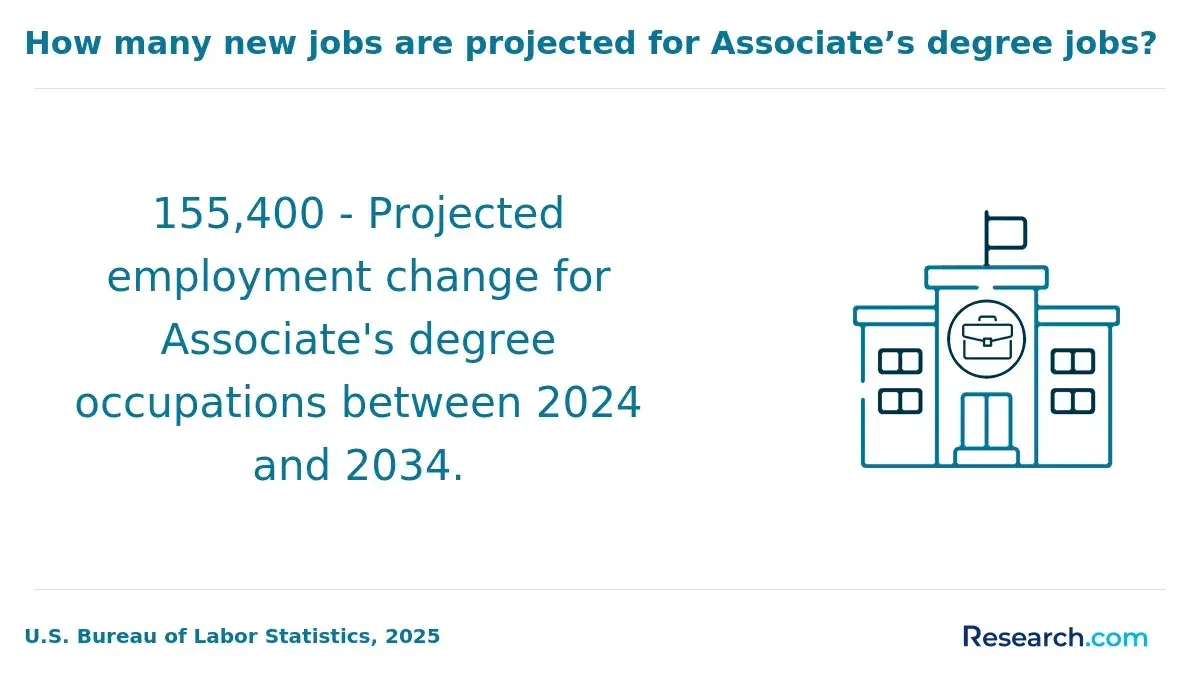
| Associate degree in paralegal studies | Students starting college or seeking entry-level legal roles | Provides general education plus paralegal coursework | Takes longer than a certificate but may improve transfer options |
| Bachelor's degree with paralegal coursework | Students aiming for corporate, government, compliance, or competitive legal settings | Can signal stronger writing, research, and analytical preparation | Usually costs more and may be unnecessary for some local law firm roles |
| Post-baccalaureate paralegal certificate | Career changers who already hold a bachelor's degree | Often attractive because it combines prior degree work with legal specialization | Admissions may require an existing degree and the pace can be intensive |
| General studies or related degree plus legal experience | Undecided students or those combining legal support with another field | Can work if paired with paralegal courses, internships, or legal office experience | May require extra effort to prove paralegal-specific skills |
If you are still exploring majors and want a flexible, budget-conscious college foundation before specializing, a low cost online general studies degree can be a practical comparison point. Just remember that general education alone is not a substitute for legal research, writing, ethics, and procedure training.
ABA approval can matter, particularly in competitive markets, but it is not legally required for every paralegal job. Some employers specifically prefer graduates of ABA-approved paralegal programs; others focus more on experience, writing quality, software familiarity, and references.
The mistake to avoid is choosing a credential based only on speed. A very short program may be appealing, but if it lacks graded writing assignments, legal research training, ethics, and practical document work, it may not help much in a real hiring process.
Are online paralegal programs better than campus programs?
Online paralegal programs are not automatically better or worse than campus programs. The better choice depends on your schedule, learning style, local legal market, internship access, and how well the program teaches practical legal skills.
The comparison below shows when each format tends to make sense. Use it to evaluate fit rather than assuming one format is always more respected.
| Format | Best for | Strengths | Possible limitations |
| Online paralegal program | Working adults, parents, rural students, and career changers | Flexible scheduling, wider school choice, and easier access for students far from campus | May require more self-discipline and extra effort to find local internships or networking |
| Campus paralegal program | Students who want in-person structure and local legal connections | Face-to-face support, local employer relationships, and easier access to campus resources | Less flexible scheduling and commuting costs may be significant |
| Hybrid paralegal program | Students who want flexibility plus some in-person practice | Balances online coursework with live workshops, labs, or networking | Availability varies and required campus sessions may conflict with work |
Online learning has become normal in higher education, but quality still varies. A strong online paralegal program should include instructor feedback on writing, access to legal research tools, clear technology requirements, student support, and career services that understand legal hiring.
Before choosing online study, ask whether you can complete practical assignments using the same kinds of tools employers use. If a program is mostly recorded lectures and multiple-choice quizzes, it may not develop the writing and document skills that hiring managers want.
Campus programs can be valuable if they have strong relationships with local courts, law firms, legal aid organizations, and government offices. However, a campus program is not automatically stronger simply because it is in person; curriculum, faculty experience, outcomes, and employer connections matter more.
Which paralegal courses matter most for jobs?
The most useful paralegal courses are the ones that mirror real legal work. Employers want graduates who understand procedure, can draft documents, and know how to manage legal information ethically.
Look for programs that cover both the foundations and the practice areas tied to your local job market. The following course areas are especially important because they build skills used across many legal settings:
- Legal research and writing: Teaches students how to find authority, analyze sources, cite correctly, and communicate findings clearly.
- Civil litigation: Covers pleadings, discovery, motions, trial preparation, and court deadlines, which are common in law firm hiring.
- Legal ethics: Explains confidentiality, privilege, conflicts of interest, unauthorized practice of law, and professional boundaries.
- Contracts and business law: Helps students support transactional, corporate, employment, and compliance work.
- Real estate, probate, family law, or criminal law electives: Let students align training with local employer demand or personal interest.
- Legal technology and e-discovery: Builds confidence with digital files, databases, review platforms, and secure document handling.
Specialized electives can help if you already know your target field. For example, family law roles need client sensitivity and document accuracy, while litigation roles require comfort with discovery, deadlines, and court filings.
Do not judge a course list by titles alone. A course called legal writing is much more valuable if it includes instructor-marked memos, revision, and citation practice; a technology course is stronger if students use realistic databases or case-management workflows.
AI is also changing what students should learn. Paralegals may use AI-assisted tools for document review, summarization, and drafting support, but employers still need workers who can verify outputs, protect confidentiality, and recognize when attorney review is required.
What are the admission requirements for paralegal programs?
Admission requirements depend on the credential level. Certificate programs, associate degrees, and bachelor's pathways can have different expectations, especially around prior college credit and writing readiness.
The table below outlines common requirements. Always confirm details with the school because admissions rules, placement testing, and transfer policies vary.
| Program type | Common admission requirements | What to check before applying |
| Undergraduate certificate | High school diploma or GED, application, and sometimes placement testing | Whether credits transfer into a degree and whether the certificate is credit-bearing |
| Associate degree | High school diploma or GED, transcripts, placement or readiness requirements | General education requirements, transfer agreements, and internship availability |
| Bachelor's degree | High school diploma or GED, transcripts, possible GPA or standardized admissions criteria depending on school | Whether paralegal coursework is a major, concentration, minor, or certificate |
| Post-baccalaureate certificate | Bachelor's degree, official transcripts, application, and sometimes minimum GPA | Whether the curriculum is designed for career changers and includes practical legal writing |
Students should also consider readiness, not just eligibility. Paralegal coursework involves careful reading, writing, deadlines, and attention to detail, so weak writing or time-management skills can make even an open-admission program challenging.
Before applying, gather the materials schools commonly request and use the process to compare responsiveness. Admissions offices that cannot answer basic questions about curriculum, accreditation, internship support, or transfer credit may be a warning sign.
Good questions to ask before enrolling include the following:
- Is the program credit-bearing, and can credits transfer to a higher credential?
- Does the program include legal research and writing with instructor feedback?
- Are internships, practicums, or employer-connected projects available?
- What legal research platforms or case-management tools do students use?
- What career services are available specifically for legal support roles?
How long does paralegal training take and cost?
Paralegal training can take a few months to several years depending on the credential. Cost also varies by school type, residency status, credit load, fees, books, software access, and whether you can transfer prior credits.
For broad cost context, the College Board's 2024 pricing data listed average published tuition and fees of $4,050 for public two-year in-district colleges, $11,610 for public four-year in-state institutions, and $43,350 for private nonprofit four-year institutions for the 2024-25 academic year. These are not paralegal-specific prices, but they show why comparing total program cost matters before committing.
Common paralegal education timelines and cost patterns include the following:
- Short nondegree or continuing education certificate: often designed for faster completion, but transfer value and employer recognition can vary.
- Credit-bearing undergraduate certificate: commonly shorter than a degree and useful when it includes research, writing, ethics, and procedure.
- Associate degree: typically built around about two academic years of full-time study, including general education and paralegal courses.
- Bachelor's pathway: usually longer and more expensive, but may help for corporate, government, compliance, or competitive metropolitan roles.
Students comparing legal and justice-related programs may also find it useful to review how much is criminal justice school, since many of the same cost drivers apply: tuition, fees, transfer credits, online course charges, books, and time away from work.
To reduce cost, start by asking schools for a total estimated price, not just tuition per credit. Include technology fees, graduation fees, legal database fees, commuting, parking, books, exam fees, and lost work hours if classes are scheduled during your normal workday.
A common mistake is choosing the cheapest program without checking whether credits transfer or whether employers recognize the credential. Low upfront cost is helpful only if the program builds usable skills and supports your next career step.
What jobs can paralegal graduates get?
Paralegal graduates can work in law firms, corporate legal departments, government agencies, courts, insurance companies, banks, healthcare organizations, real estate offices, and compliance teams. Job titles vary, and some entry-level roles may use "legal assistant" even when the work includes paralegal tasks.
The table below shows common job options and how they differ. This can help you target coursework, internships, and resume language toward the roles you actually want.
| Job title | Typical work | Good fit for |
| Paralegal | Research, drafting, case preparation, document management, and attorney support | Students with strong writing, organization, and legal procedure skills |
| Legal assistant | Administrative and legal support, scheduling, filing, client communication, and document preparation | Entry-level candidates building legal office experience |
| Litigation assistant | Discovery tracking, court filings, trial preparation, and case deadlines | Detail-oriented students comfortable with pressure and procedural rules |
| Corporate legal assistant | Contracts, entity records, compliance documents, and internal legal operations support | Students interested in business, compliance, or in-house legal departments |
| Compliance assistant | Policy tracking, regulatory documents, audits, and reporting support | Students who like rules, documentation, and risk management |
| Legal intake specialist | Client screening, fact gathering, records requests, and matter setup | Strong communicators who can document information accurately |
If you are interested in evidence, investigations, or science-heavy legal questions, paralegal work is not the only related path. Students comparing legal support with laboratory or evidence-focused careers may want to explore online colleges for forensic science as a separate education route.
Advancement often comes from specialization. Litigation, intellectual property, immigration, healthcare, real estate, bankruptcy, employment law, and corporate compliance can all reward paralegals who understand both the law office workflow and the industry context.
Entry-level candidates should not ignore legal assistant roles. A legal assistant position with hands-on drafting, filing, and client contact can be a stronger launchpad than a paralegal title with little substantive work.
How much do paralegals earn and what affects salary?
The BLS reported a May 2024 median annual wage of $61,010 for paralegals and legal assistants. This median is a national midpoint, not a guarantee; actual pay depends on region, employer, specialization, experience, and how much substantive legal work the role includes.
The table below explains the biggest salary factors. Use it to think beyond the job title and evaluate whether a role is likely to build long-term earning power.
| Salary factor | Why it matters | What candidates can do |
| Location | Large legal markets and high-cost metro areas often pay more but may also be more competitive | Compare local postings instead of relying only on national medians |
| Employer type | Corporate legal departments, government agencies, and large firms may structure roles differently from small firms | Look at duties, benefits, overtime expectations, and advancement paths |
| Specialization | Areas such as litigation, intellectual property, compliance, healthcare, and corporate work may require deeper knowledge | Choose electives, internships, and writing samples tied to a practice area |
| Technology skills | E-discovery, document databases, case-management platforms, and AI-assisted review tools can increase productivity | Learn tools used in local postings and be ready to describe how you used them |
| Experience level | Employers pay more for paralegals who need less supervision and can manage deadlines reliably | Build experience through internships, legal assistant roles, clinics, or project-based work |
Job outlook should also be interpreted carefully. Legal support work remains necessary, but automation and AI are reshaping routine tasks such as document sorting, first-draft summaries, and basic template generation. That makes judgment, verification, confidentiality, and communication more valuable.
Some students compare paralegal work with adjacent medical-legal or investigative support careers. If you are more interested in pathology, records, and evidence handling than legal drafting, researching autopsy technician jobs can help clarify which path better matches your work preferences.
The biggest salary mistake is assuming a credential alone determines pay. Employers usually reward the combination of education, experience, specialization, writing quality, technology confidence, and dependability under deadline pressure.
How do you choose a reputable paralegal program?
A reputable paralegal program should be transparent, academically credible, and aligned with real employer needs. The best choice is not always the most expensive, fastest, or most heavily advertised option.
Start with accreditation. The institution should be accredited by a recognized accrediting agency, and students should understand whether the paralegal program itself has ABA approval or another form of program-level recognition. ABA approval can be useful, but it is one factor among many, not a universal requirement for employment.
Use the following checklist to compare programs before you enroll:
- Confirm institutional accreditation and whether the paralegal program has ABA approval or other recognized program review.
- Ask whether credits are transferable and whether the credential is credit-bearing or noncredit.
- Review the curriculum for legal research, legal writing, civil litigation, ethics, and legal technology.
- Look for practical assignments, instructor feedback, internships, practicums, or employer-connected projects.
- Request total cost of attendance, including fees, books, software, and required technology.
- Ask about graduate outcomes, but be cautious if the school promises jobs or specific salaries.
- Check whether faculty have legal practice, court, compliance, or legal operations experience.
- Evaluate career services for resume help, interview preparation, job leads, and local legal employer relationships.
Red flags include unclear accreditation claims, pressure to enroll immediately, vague course descriptions, no legal writing requirement, no access to legal research tools, and refusal to explain total costs. Another warning sign is a program that markets paralegal training as if graduates can independently practice law.
The best program for you should match your target job. If you want litigation work, prioritize civil procedure, discovery, and court filing practice. If you want corporate or compliance work, look for contracts, business law, regulatory research, and document management.
Before making a final decision, compare at least three programs side by side. The goal is to choose the option that gives you credible training, usable skills, manageable debt, and a realistic path into the legal workplace you want.
Other Things You Should Know About Paralegal Studies
In 2027, employers are seeking paralegals with a strong grasp of legal technology, proficiency in e-discovery tools, exceptional organizational skills, and solid communication abilities. Additionally, expertise in legal research, attention to detail, and familiarity with remote collaboration tools are highly valued due to the growing trend of hybrid work environments.
Some do, but many do not. Litigation paralegals may help prepare for hearings, trials, depositions, or filings, while corporate, real estate, compliance, immigration, and contract-focused paralegals may spend most of their time in offices or digital work systems.
It can be stressful because legal deadlines, client issues, court rules, and document accuracy matter. Students who are organized, calm under pressure, comfortable asking clarifying questions, and careful with details are usually better suited to the work.
Paralegal experience can help you understand legal work before applying to law school, but it does not replace law school admissions requirements. It can also help you decide whether you actually enjoy legal research, client issues, and the pace of legal practice.
References
- Paralegal Power-Up: Skills That Will Make Your Resume Shine https://www.paralegalinst.com/skills-for-paralegal-guide
- Paralegal Salary by State | 2025 https://www.allcriminaljusticeschools.com/legal-and-paralegal/paralegal-salary-by-state/
- How long does it take to become a paralegal? That depends. https://paralegal-bootcamp.com/how-long-does-it-take-to-become-a-paralegal/
- How to Become a Paralegal https://www.paralegal411.org/become/
- 8 Things to Consider When Choosing a Paralegal Program - Paralegal College | Center for Advanced Legal Studies https://paralegal.edu/blog/8-things-to-consider-when-choosing-a-paralegal-program/
- Top Certified Paralegal Programs | Crushendo® https://crushendo.com/top-certified-paralegal-programs/
- What's A Paralegal And How To Become One: Career Guide https://www.criminaljusticedegreeschools.com/careers/paralegal/
- 12 Essential Skills for Success in Paralegal Jobs Today https://www.ucumberlands.edu/blog/12-essential-skills-success-paralegal-jobs-today
- Requirements https://www.macewan.ca/academics/programs/paralegal-studies/admissions/requirements/
- The Difference Between a Paralegal Certification and Degree | Bryan University Online© https://bryanuniversity.edu/faq/the-difference-between-a-paralegal-certification-and-degree/