2027 Online Paralegal Studies Degrees With Scholarships for Working Professionals

Co-Founder and Chief Data Scientist
Choosing an online paralegal studies degree is usually a time-and-money decision: you need career mobility without pausing work. The field remains substantial, with the U. S. Bureau of Labor Statistics reporting a May 2024 median annual wage of $61,010 for paralegals and legal assistants.
This guide is for working adults comparing certificates, associate degrees, and bachelor's programs with scholarships or financial aid. You will learn how online formats work, what accreditation matters, how to estimate total cost, and how to choose a program that fits your schedule and career goals.
Key Things You Should Know
- Online paralegal credentials range from short postsecondary certificates to bachelor's degrees; working adults should match the credential to their prior credits, target employers, and need for transferability.
- Cost varies widely, but federal and institutional aid can matter: the maximum federal Pell Grant is $7,395 for eligible undergraduates, and employer tuition assistance may reduce out-of-pocket cost.
- The BLS reports a May 2024 median annual wage of $61,010 for paralegals and legal assistants, while 2024-2034 employment growth is projected at 1%, so program choice and specialization can strongly affect outcomes.
What is an online paralegal studies degree and how does it work for working professionals?
An online paralegal studies degree prepares students to support attorneys, legal departments, courts, government agencies, and compliance teams. Paralegals do not practice law or give legal advice, but they often draft documents, organize case files, conduct legal research, prepare discovery materials, maintain calendars, communicate with clients under attorney supervision, and support trials or transactions.
For working professionals, the online format usually works through an asynchronous learning platform, scheduled live sessions, or a mix of both. Asynchronous courses are easier to fit around shifts and caregiving, while live online classes can be useful for legal writing workshops, research demonstrations, and faculty feedback. Some programs also require internships, capstone projects, proctored exams, or synchronous legal specialty courses.
The best fit depends on your starting point. A person already working as a legal assistant may need a certificate or associate degree to formalize skills. Someone changing careers from healthcare, finance, insurance, real estate, or administrative work may benefit from a broader degree that includes legal research, writing, ethics, and technology. Readers comparing a paralegal school online should look beyond speed and ask whether credits transfer, whether the institution is accredited, and whether the curriculum matches local employer expectations.
A practical way to think about online paralegal education is that it combines three layers: legal knowledge, workplace procedure, and document-based problem solving. The degree is most useful when all three are taught through realistic assignments rather than only textbook quizzes.
How do online paralegal programs compare to campus-based programs for busy adults?
Online and campus-based paralegal programs can lead to similar credentials, but they serve different student needs. Busy adults should compare not only convenience but also interaction, internship access, networking, and how the program verifies hands-on legal skills.
The table below summarizes the main trade-offs. Use it to decide which format fits your work schedule, learning style, and need for local legal connections.
| Factor | Online paralegal program | Campus-based paralegal program | Best fit |
| Schedule | Often asynchronous or hybrid, with fewer commute requirements | Fixed class meeting times and travel time | Online fits rotating shifts, parents, and full-time workers |
| Interaction | Discussion boards, video meetings, email, virtual office hours | Face-to-face class discussion and immediate in-person feedback | Campus may suit students who want frequent live interaction |
| Legal research practice | Typically uses online legal databases and simulated assignments | May include law library sessions and in-person workshops | Either can work if research tools are current and well taught |
| Internship access | May allow local placement near the student | Often uses existing relationships with nearby legal employers | Campus may help if you need local networking; online may help if you live far from campus |
| Cost drivers | May reduce commuting, parking, relocation, and schedule disruption | May offer local public tuition and campus services | Compare total cost, not just tuition |
Online learning is not automatically easier. It requires consistent weekly study time, strong reading habits, and comfort with document editing, research databases, and learning management systems. Campus learning is not automatically more respected either; employers usually care more about accreditation, writing ability, technology skills, legal ethics, and practical experience.
A common mistake is choosing online only because it is flexible. A better approach is to ask whether the program provides structured deadlines, instructor feedback on legal writing, realistic assignments, and career support. Flexibility is valuable only if the program still builds job-ready skills.
Which accredited online paralegal degrees offer scholarships and financial aid options?
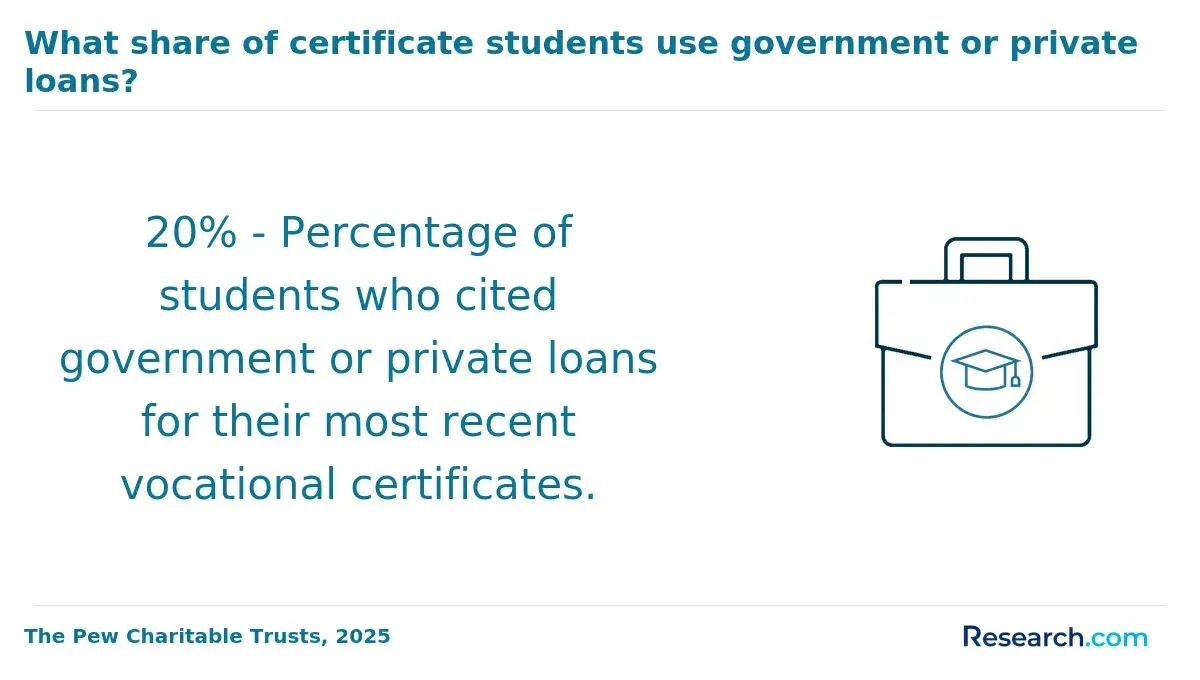
Accredited online paralegal degrees and certificates may offer several forms of aid, but availability depends on the school, program level, enrollment status, and student eligibility. For federal financial aid, the institution must participate in Title IV aid programs, and students generally need to complete the FAFSA.
The maximum federal Pell Grant is $7,395 for eligible undergraduate students, which can be significant for certificate, associate, or bachelor's programs if the program qualifies for federal aid. However, a Pell Grant is not automatic; it depends on financial need, enrollment intensity, program eligibility, and federal rules.
The table below shows where working adults commonly find scholarships and aid. It is designed to help you identify options to ask about before enrolling.
| Aid source | What it may cover | What to verify before enrolling |
| Federal Pell Grant | Undergraduate tuition and eligible education costs | Whether the program is Title IV eligible and whether your enrollment level qualifies |
| Federal student loans | Tuition, fees, and other approved costs of attendance | Annual borrowing limits, interest, repayment obligations, and graduation requirements |
| Institutional scholarships | Merit, need-based, transfer, adult learner, or continuing education awards | Minimum GPA, credit load, application deadlines, and renewal rules |
| Employer tuition assistance | Course reimbursement or direct payment | Whether paralegal studies qualifies, grade requirements, annual caps, and work commitments |
| Veteran and military benefits | Tuition and fees for eligible service members, veterans, or dependents | School approval, benefit remaining, housing rules, and online enrollment requirements |
| State grants and workforce funds | Need-based aid or career training support | Residency rules, approved program lists, and whether certificate programs qualify |
Scholarship-friendly programs tend to be transparent about tuition, fees, transfer credits, aid eligibility, and renewal rules. Be cautious if a school emphasizes "affordability" but will not give a written cost estimate or if admissions staff pressure you to borrow before you understand completion requirements.
Before choosing a program, ask the financial aid office for a full cost-of-attendance estimate and a breakdown of gift aid, loans, and out-of-pocket costs. If you are comparing multiple schools, use the same enrollment plan for each estimate so you are comparing equal scenarios.
What types of online paralegal credentials can working adults earn (certificate, associate, bachelor's)?
Working adults can enter paralegal education through several credential types. The right choice depends on whether you already have college credit, whether you want the fastest path to entry-level work, and whether you may later pursue supervisory, compliance, or legal operations roles.
The table below compares common online paralegal credentials. It can help you avoid overpaying for a credential that is more than you need or choosing a short program that limits future options.
| Credential | Typical student profile | Typical purpose | Key trade-off |
| Undergraduate certificate | Students seeking focused legal training, sometimes without prior degree completion | Entry-level preparation or skill-building for legal support roles | Fast and targeted, but may offer fewer general education or transfer credits |
| Post-baccalaureate certificate | Students who already hold a bachelor's degree in another field | Career change into legal support without earning a second degree | Efficient for degree holders, but admissions may require prior college completion |
| Associate degree | Students who want legal training plus general education | Entry-level paralegal or legal assistant roles and possible transfer to a bachelor's program | Broader than a certificate, but longer than a short certificate |
| Bachelor's degree | Students seeking the broadest undergraduate credential or long-term advancement options | Paralegal, compliance, legal operations, government, or law-related business roles | More comprehensive, but usually costs more and takes longer |
A certificate can make sense if you already have a degree, have relevant office experience, or need a targeted credential quickly. An associate degree may be better if you have limited college history and want a structured path with transferable general education. A bachelor's degree is usually the strongest option for students who want wider career mobility, especially in corporate legal departments, government agencies, compliance, or law-adjacent business roles.
The main mistake is assuming the shortest credential is always the best value. If a certificate does not qualify for aid, does not transfer, or is not recognized by employers in your area, a slightly longer associate or bachelor's path may produce better long-term flexibility.
What admission requirements and prior experience do online paralegal programs typically expect?
Admission requirements vary by credential level and school type, but most online paralegal programs are designed for students who can read carefully, write clearly, manage deadlines, and handle confidential information. Prior legal experience is helpful, but it is not always required for entry-level programs.
Applicants should expect schools to ask for some combination of the following materials. Reviewing these early can help working adults avoid last-minute delays.
- High school diploma, GED, or equivalent for undergraduate entry.
- Official transcripts from high school and any colleges previously attended.
- Minimum GPA requirements, especially for transfer, bachelor's, or post-baccalaureate programs.
- Placement assessment or proof of college-level English and writing readiness.
- Resume, statement of purpose, or short admissions essay for some adult-focused programs.
- Technology access, including a reliable computer, internet connection, word processing software, and ability to use online databases.
Some programs may ask about criminal history for internship placement, background checks, or professional conduct reasons. A past conviction does not always prevent someone from studying online or working in law-related roles, but it can affect internships, court access, government work, bonding, or employer hiring. Applicants who need broader planning can review options for online degrees for felons and should speak directly with admissions, career services, and potential licensing or certification organizations before enrolling.
Transfer credit is especially important for working adults. If you have prior college coursework, ask for an unofficial transfer review before committing. Credits in English composition, communication, business, criminal justice, political science, or general education may reduce your time to completion.
Be cautious if a school promises admission without reviewing your academic background or if it discourages you from comparing transfer policies. A reputable program should explain what counts, what does not, and how transfer decisions are documented.
How long do online paralegal studies programs take and what do they cost overall?
Program length depends on credential type, transfer credits, course load, and whether classes are offered in accelerated terms. Working adults often finish more slowly than full-time students, but a manageable pace can reduce the risk of stopping out.
According to the College Board's 2024 Trends in College Pricing and Student Aid, average published tuition and fees for public two-year in-district students were $4,050 for the 2024-2025 academic year. This figure is not paralegal-specific, but it gives students a useful benchmark: community colleges and public options may be among the most affordable routes if the program is accredited and career-aligned.
The table below gives a practical planning view of time and cost drivers. It is not a price quote; actual costs depend on the institution, residency, credits required, fees, books, and aid.
| Program type | Common time frame for working adults | Major cost drivers | Best value when |
| Certificate | Several months to about one year, depending on course load | Per-credit tuition, technology fees, books, and aid eligibility | You already have college credit or need targeted legal training |
| Associate degree | About two years full time; longer part time | General education credits, legal specialty credits, residency tuition, and transfer credits | You want an entry credential with potential transfer value |
| Bachelor's degree | About four years from first enrollment; shorter with transfer credits | Total credits required, upper-division tuition, electives, and prior learning policy | You want broader career mobility and long-term advancement options |
| Post-baccalaureate certificate | Often shorter than a second degree | Graduate or undergraduate tuition rate, legal specialty sequence, and aid eligibility | You already hold a bachelor's degree and want a focused career change |
To estimate total cost, look beyond advertised tuition. Working professionals should include application fees, textbooks or digital materials, legal database access, proctoring fees, graduation fees, technology requirements, internship transportation, and lost income if course schedules reduce work hours.
A smart cost-check process includes these steps:
- Ask for the total number of credits required for your exact credential.
- Request a written tuition and fee estimate based on your residency and enrollment plan.
- Complete the FAFSA if the program is eligible for federal aid.
- Ask whether scholarships are renewable and whether part-time students qualify.
- Confirm transfer credits before enrolling, not after your first term.
- Compare expected monthly loan repayment with realistic entry-level wage expectations in your region.
The lowest tuition is not always the lowest total cost. A program that accepts more transfer credits, offers predictable course rotations, or helps you secure a local internship may save time and money even if the per-credit rate is higher.
What core courses and legal skills are taught in online paralegal studies curricula?
Online paralegal curricula typically combine legal theory, practical procedure, research, writing, ethics, and technology. Strong programs teach students how to apply rules to documents and deadlines, not just memorize legal vocabulary.
Most programs include a mix of the following subject areas. These courses matter because paralegal work is detail-heavy and mistakes can affect clients, cases, and attorney compliance obligations.
- Legal research and writing, including case law, statutes, citations, memoranda, and objective analysis.
- Civil litigation and procedure, including pleadings, discovery, motions, trial preparation, and calendaring.
- Legal ethics and professional responsibility, including confidentiality, conflicts of interest, unauthorized practice of law, and attorney supervision.
- Contracts, business law, and commercial transactions for students interested in corporate or transactional work.
- Real estate, family law, criminal law, estate planning, or immigration law as electives or specialization areas.
- Technology for legal work, including eDiscovery basics, document management, spreadsheets, case management platforms, and electronic filing concepts.
- Client communication and interviewing skills, always within the limits of a paralegal's role.
AI and automation are changing the skill mix. Paralegals increasingly work with eDiscovery tools, document review platforms, contract databases, and AI-assisted research or drafting tools. These technologies can speed up routine tasks, but they also increase the need for judgment, source verification, confidentiality awareness, and careful attorney review.
Students who want to work in immigration, public interest, healthcare, education, or client-facing community settings may also benefit from language skills. For example, pairing paralegal training with an online Spanish degree or substantial Spanish coursework can be useful in offices that serve bilingual clients, although language ability does not replace legal training or attorney supervision.
When comparing curricula, look for assignments that require legal memos, document drafting, citation practice, discovery organization, and realistic case scenarios. A program that relies mostly on multiple-choice tests may not give enough practice in the writing and document skills employers expect.
What paralegal career paths, work settings, and advancement opportunities follow these degrees?
Paralegal studies can lead to several law-related career paths, but the exact title and responsibilities vary by employer, state, practice area, and experience level. Many graduates start in legal assistant or paralegal roles and then specialize in litigation, corporate law, compliance, contracts, real estate, immigration, government, or legal operations.
The table below connects common work settings with typical responsibilities. It can help you choose electives, internships, and technology skills that match your target job market.
| Work setting | Common responsibilities | Useful specialization |
| Law firms | Drafting documents, managing case files, preparing discovery, communicating with clients, supporting hearings or trials | Civil litigation, family law, criminal law, personal injury, estate planning |
| Corporate legal departments | Contract tracking, entity records, compliance support, document management, vendor coordination | Business law, contracts, corporate governance, legal technology |
| Government agencies | Case preparation, public records, administrative hearings, regulatory files, enforcement support | Administrative law, criminal justice, public policy, compliance |
| Nonprofit and public interest organizations | Client intake, benefits documentation, housing or immigration support, grant-related reporting | Immigration, family law, social services, bilingual communication |
| Insurance, banking, and healthcare organizations | Claims documentation, compliance records, audits, subpoenas, privacy-related file review | Healthcare law, financial regulation, privacy, risk management |
Advancement often comes from specialization rather than title alone. A paralegal who becomes strong in eDiscovery, trial preparation, contracts, compliance, intellectual property, or legal operations may qualify for senior paralegal, litigation support, contract administrator, compliance analyst, or legal operations coordinator roles.
Some professionals discover through paralegal work that they prefer law firm administration, client development, or business strategy rather than case support. In that case, a business path such as a master's degree in marketing may fit better than continuing deeper into paralegal specialization, especially for those interested in legal marketing, professional services growth, or firm management.
This degree is a strong fit for detail-oriented people who enjoy reading, writing, organizing information, and supporting legal problem solving. It may be a poor fit for someone who wants to argue cases in court, give legal advice, avoid deadlines, or work with little supervision. Those goals may require a different legal education path or another career track.
What salary ranges and job outlook can paralegals expect in the United States?
Salary and job outlook should be used as planning tools, not promises. Paralegal pay depends on region, employer size, practice area, experience, education, technology skills, and whether the role is in a law firm, corporation, government agency, or specialized legal services environment.
The U.S. Bureau of Labor Statistics reported a May 2024 median annual wage of $61,010 for paralegals and legal assistants. A median means half of workers in the occupation earned more and half earned less, so entry-level workers in lower-cost regions may start below that figure while experienced specialists in high-cost markets may earn more.
The table below shows how to interpret salary factors without assuming a guaranteed outcome. Use it to identify which choices may influence your earning potential over time.
| Factor | How it can affect pay | What students can do |
| Practice area | Specialized areas such as corporate, intellectual property, litigation support, compliance, or eDiscovery may value advanced technical skills | Choose electives, internships, and projects aligned with a target specialty |
| Location | Large metro areas may offer higher wages but often come with higher living costs and more competition | Compare local job postings, not only national medians |
| Technology skills | Document management, eDiscovery, spreadsheets, and legal research platforms can improve competitiveness | Build a portfolio of practical assignments and software experience |
| Education level | Some employers prefer an associate or bachelor's degree, while others accept certificates with experience | Match the credential to local job requirements before enrolling |
| Experience | Senior roles typically require proven judgment, accuracy, and ability to manage complex matters | Seek internships, volunteer legal support, or entry-level legal assistant roles |
The BLS projects 1% employment growth for paralegals and legal assistants from 2024 to 2034, with openings still expected as workers transfer or leave the occupation. For students, this means the field is not a high-growth occupation overall, so differentiation matters. A reputable program, strong writing samples, technology competency, and targeted experience can be more important than simply holding a credential.
AI may reduce some repetitive document tasks, but it is also increasing the need for professionals who can check sources, manage data, protect confidentiality, and coordinate complex legal workflows. The safest career strategy is to become the paralegal who can use technology responsibly while understanding procedure, ethics, and the human context of legal work.
How can students evaluate and choose a reputable, ABA-aligned online paralegal program?
A reputable online paralegal program should be transparent, accredited, skills-focused, and realistic about outcomes. "ABA-aligned" generally means the curriculum follows expectations commonly associated with quality paralegal education, such as legal specialty coursework, ethics, writing, research, and practical skills. ABA approval is a separate programmatic status and should be verified directly because delivery rules and approved program lists can change.
Start with institutional accreditation. Regional or national institutional accreditation recognized by the U.S. Department of Education affects transferability, federal financial aid access, and employer confidence. Then review whether the paralegal program itself is ABA-approved, ABA-aligned, or built around recognized paralegal education standards.
Use the following steps before enrolling. They are designed to help you separate strong programs from programs that are merely convenient.
- Verify the institution's accreditation through official accreditation databases or the school's accreditor.
- Ask whether the paralegal program is ABA-approved, ABA-aligned, or neither, and request a clear explanation in writing.
- Review the curriculum for legal research, legal writing, ethics, civil procedure, technology, and substantial legal specialty coursework.
- Confirm how online courses are delivered, including live session requirements, proctored exams, deadlines, and internship expectations.
- Ask for transfer credit evaluation before you enroll, especially if you have prior college coursework.
- Request total cost, financial aid, scholarship, and refund information in writing.
- Check career services, internship support, employer connections, and whether students receive help preparing legal writing samples or resumes.
- Compare local job postings to the program's credential level and course offerings.
Watch for red flags. These include unclear accreditation language, pressure to enroll immediately, vague tuition estimates, no legal writing assignments, no ethics coursework, weak faculty information, unrealistic salary claims, or refusal to explain whether credits transfer.
The best program is not necessarily the fastest or the most advertised. For a working adult, the strongest choice is the program that balances flexibility, affordability, accreditation, legal skill development, and credible career support.
Other Things You Should Know About Paralegal Studies
It can help you understand legal work, improve research and writing habits, and confirm whether you enjoy the field. However, it does not replace law school prerequisites or guarantee admission. Law schools evaluate undergraduate performance, LSAT or other required admissions factors, writing ability, and overall application strength.
Most states do not require paralegals to hold a license, but voluntary certifications can help demonstrate professional knowledge. Requirements vary by certifying organization, so students should check eligibility rules related to education, experience, exams, and continuing education.
In 2027, working professionals can access scholarships like the NALA Certified Paralegal Exam Scholarship and the AAfPE Linda Jean Carpenter Memorial Scholarship. Many universities also offer specific scholarships to alleviate tuition costs for online paralegal studies, supporting career advancement in the field.
Yes, many students do, especially in part-time or asynchronous programs. The key is to choose a realistic course load. Legal reading and writing can be time-intensive, so working adults should ask schools for weekly time expectations before registering.
References
- Paralegal Salary and Outlook by State https://www.paralegal411.org/salaries/
- The Best Alternative Career for Paralegals (+Other Roles to Consider) | Brightflag https://brightflag.com/resources/paralegal-career-change/
- Your Guide to Online Paralegal Programs: Degrees, Classes, and Training https://www.paralegalinst.com/online-paralegal-program
- Title IV Federal Financial Aid - Online Paralegal School - Crestpoint ... https://www.nationalparalegal.edu/financialaid.aspx
- Paralegal Studies Certificate Program | Long Island University https://liu.edu/brooklyn/academics/school-of-professional-and-continuing-studies/Paralegal-Studies-Certificate-Program
- 8 Things to Consider When Choosing a Paralegal Program - Paralegal College | Center for Advanced Legal Studies https://paralegal.edu/blog/8-things-to-consider-when-choosing-a-paralegal-program/
- Online Paralegal Certification Training | Ursuline - Liberal Arts College in OH https://www.ursuline.edu/academics/continuing-education/career-training/certified-paralegal
- Scholarships - Online Paralegal Certificate https://www.hamline.edu/academics/graduate/online-paralegal-certificate/scholarships
- Online Paralegal Certification Training – Online Classes – Porterville Adult School https://adultschool.portervilleschools.org/apps/pages/index.jsp
- Announcing Changes to the Online Paralegal Program to Reduce Tuition Costs https://blackstone.edu/changes-to-online-paralegal-program-tuition-costs/