2027 Online Paralegal Studies Degrees That Help Build Legal Citation Skills

Co-Founder and Chief Data Scientist
Choosing an online paralegal studies degree is partly about flexibility, but it is also about whether the program can teach the precision legal employers expect. Citation errors can weaken briefs, memos, and court filings, so Bluebook and local-rule skills matter from the first job.
The U. S. Bureau of Labor Statistics reported a $61,010 median annual wage for paralegals and legal assistants in May 2024, making program choice a real career investment. This guide helps future paralegals compare degree types, accreditation, costs, assignments, and career outcomes before enrolling.
Key Things You Should Know
- Online paralegal programs are strongest for citation-focused learning when they require legal research, legal writing, litigation, and capstone assignments that use Bluebook, ALWD, court rules, and jurisdiction-specific formats.
- Cost and time vary widely: College Board's 2024-25 national averages list published tuition and fees at $4,050 for public two-year in-district colleges, $11,610 for public four-year in-state colleges, and $43,350 for private nonprofit four-year colleges.
- Employer respect usually depends more on institutional accreditation, ABA approval where available, legal specialty coursework, writing samples, internships, and citation accuracy than on whether the program is online or campus-based.
What is an online paralegal studies degree and how can it strengthen legal citation skills?
An online paralegal studies degree is a college program that prepares students to support attorneys with legal research, document drafting, case organization, litigation preparation, and client-file management. Because paralegals often draft internal memoranda, pleadings, discovery summaries, and research reports, legal citation is not a side skill; it is part of producing work that attorneys can trust.
Legal citation is the structured way legal professionals identify cases, statutes, regulations, court rules, secondary sources, and electronic materials. In many U.S. legal settings, students learn The Bluebook, while some programs also introduce ALWD Guide to Legal Citation, state-specific citation manuals, local court rules, and administrative citation formats.
The goal is not memorizing every rule. The goal is knowing how to find, apply, check, and revise citation rules under deadline pressure.
Online delivery can work well for this skill because citation practice is document-heavy and feedback-driven. A strong program will not simply ask students to read citation rules; it will require them to apply those rules repeatedly in research logs, case briefs, legal memos, annotated statutes, trial notebooks, and writing revisions. This is especially useful for working adults who need asynchronous coursework but still want attorney-style critique on written work.
Students should be cautious, however, about programs that market convenience without showing evidence of legal writing depth. A paralegal curriculum that has only a general "legal terminology" course may not build the citation fluency needed for litigation support, appellate work, government offices, or corporate legal departments. Before enrolling, ask whether citation is graded in multiple courses and whether students graduate with writing samples that demonstrate cite-checking ability.
How do online paralegal programs teach Bluebook and other legal citation systems?
Online paralegal programs usually teach legal citation through a sequence: students first learn legal authority, then research platforms, then citation rules, and finally document-level editing. The best programs treat citation as a professional habit rather than a one-time unit in a writing course.
Students should expect citation training to include several kinds of practice, because each reinforces a different workplace skill:
- Case citation drills: Students identify reporter information, court abbreviations, dates, procedural history, and short-form rules.
- Statutory and regulatory citation exercises: Students cite federal statutes, state codes, administrative regulations, and session laws in the format used by the relevant jurisdiction.
- Research-to-memo assignments: Students locate primary and secondary authority, synthesize the law, and cite sources accurately in legal analysis.
- Cite-checking projects: Students verify that authorities still support the proposition stated, confirm negative treatment, and correct formatting errors.
- Local-rule simulations: Students prepare court-facing documents using page limits, formatting rules, electronic filing requirements, and court-specific citation preferences.
Technology is changing how these skills are taught. Legal research platforms, AI-assisted search tools, and citation generators can speed up source discovery, but they can also produce incomplete or incorrect citations.
A strong online course teaches students to use technology as a first-pass aid, not as a substitute for rule-checking. Employers increasingly value paralegals who can identify when an automated citation looks plausible but fails a Bluebook rule, misidentifies a court, or cites a source that is no longer good law.
When comparing programs, ask for sample syllabi from legal research and writing courses. Look for graded revision, instructor comments on citation, access to legal research databases, and assignments that require both full citations and short-form citations. A program that grades only final answers may be less useful than one that forces students to show their research path and citation decisions.
What types of online paralegal degrees are available and which pathway fits different career goals?
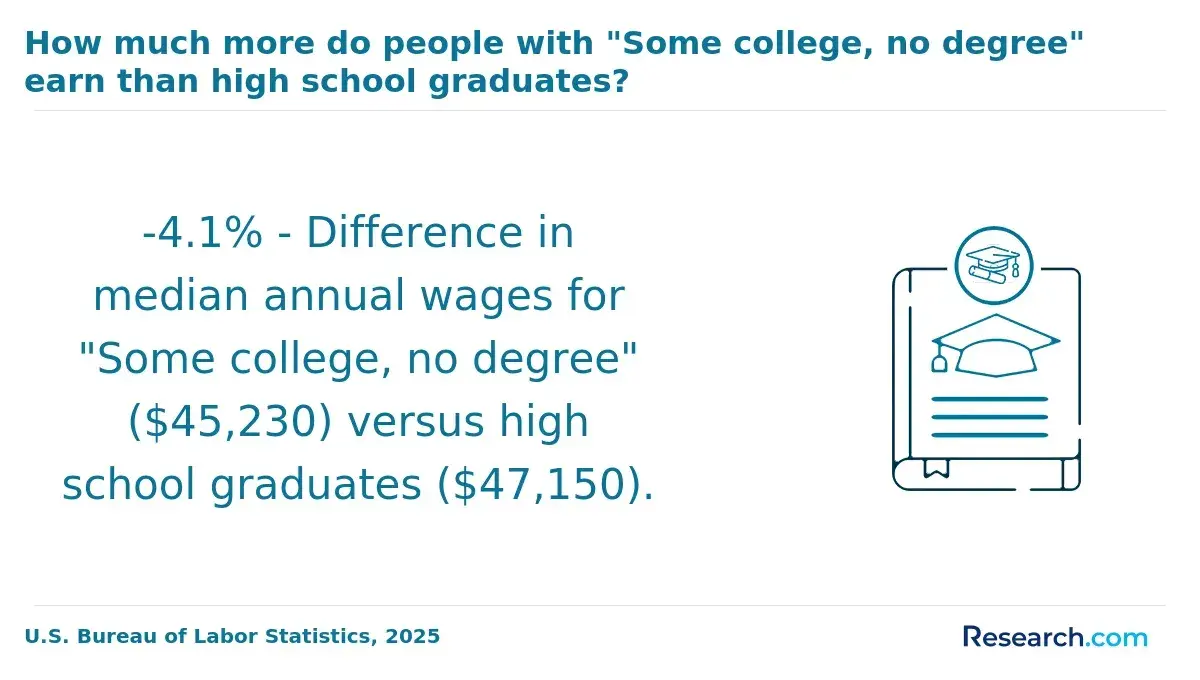
Online paralegal education is available at several levels, and the right pathway depends on prior education, target job level, budget, and timeline. A certificate may be enough for someone who already has a bachelor's degree, while an associate or bachelor's degree may make more sense for students starting college or aiming for broader advancement.
The table below compares common online paralegal pathways. Use it to match the credential to your current education and career goal rather than assuming the longest program is automatically the best option.
| Pathway | Typical fit | Citation-skill depth | Best for | Trade-off |
| Undergraduate certificate in paralegal studies | Students with some college or a completed degree who want focused legal training | Moderate to strong if it includes legal research and writing | Career changers, legal assistants seeking promotion, bachelor's holders | May not provide enough general education or degree credit for some employers |
| Associate degree in paralegal studies | Students seeking an entry-level credential and college foundation | Strong when legal writing appears in more than one course | Entry-level paralegal, legal assistant, court support roles | Fewer upper-division electives than a bachelor's program |
| Bachelor's degree in paralegal studies or legal studies | Students who want broader legal, policy, business, or compliance preparation | Often strongest when it includes advanced research, writing, and capstone work | Corporate legal departments, compliance support, litigation support, advancement | Higher total cost and longer time commitment |
| Post-baccalaureate paralegal certificate | Students who already hold a bachelor's degree and want a recognized paralegal credential | Strong if designed around legal research, litigation, and drafting | Career changers who want a shorter route into legal work | Less useful for students who still need an undergraduate degree |
Students interested in legal work connected to policing, courts, corrections, or public safety may also compare paralegal programs with an online associate's in criminal justice. Criminal justice programs may be better for law enforcement or corrections goals, while paralegal studies is usually the more direct route for legal research, drafting, and citation-heavy office work.
A certificate can be a smart investment when the student already has a degree and wants fast, practical training. An associate degree can be better for students who need both legal skills and a college credential. A bachelor's degree may be worth considering for students who want long-term mobility into compliance, legal operations, contracts administration, or supervisory support roles.
How can students compare online and campus paralegal programs for citation-focused learning?
Online and campus paralegal programs can both build strong citation skills, but they do it differently. The real question is not whether the format is online or in person; it is whether the program creates enough structured writing practice, instructor feedback, legal database access, and professional accountability.
The comparison below shows how the two formats often differ for citation-focused learning. Use it to identify what you need from a learning environment before choosing a program.
| Factor | Online paralegal program | Campus paralegal program | Decision point |
| Citation practice | Often submitted through learning platforms with trackable comments and revisions | May include in-class workshops and live editing sessions | Choose the format that gives you more feedback, not just more lectures |
| Legal research tools | Quality varies; strong programs provide remote access to legal databases | May offer campus library support and in-person librarian help | Confirm database access before enrolling |
| Schedule | Better for working adults, caregivers, military students, and rural learners | Better for students who need fixed class times and face-to-face structure | Match the format to your weekly availability |
| Networking | Can include virtual internships, discussion boards, and remote attorney panels | May provide easier access to local law firms and court visits | Ask how the school connects students to employers |
| Accountability | Requires self-direction and careful deadline management | Provides more immediate classroom reminders and peer interaction | Be realistic about your study habits |
Online study is a strong fit for disciplined students who can handle written instructions, asynchronous deadlines, and independent citation practice. Campus study may be better for students who learn fastest through live demonstration, immediate questioning, and structured peer interaction. Hybrid programs can offer a middle ground if they combine online coursework with occasional legal research labs or internship requirements.
Students who are not yet sure they want a legal career may want to compare paralegal studies with a broader online interdisciplinary studies degree ranking affordable. A broad interdisciplinary pathway can preserve flexibility, while a paralegal degree is more targeted for legal research, legal writing, and citation-based work.
A common mistake is choosing the cheapest online program without reviewing sample assignments. Citation skill develops through repeated correction, so a low-tuition program with minimal instructor feedback may be less valuable than a moderately priced program with rigorous writing courses and legal database training.
What accreditation should an online paralegal program have to be respected by legal employers?
For most students, the first accreditation checkpoint is institutional accreditation from an agency recognized by the U.S. Department of Education or the Council for Higher Education Accreditation. This matters because it can affect federal financial aid eligibility, credit transfer, graduate study options, and employer confidence in the school.
Paralegal programs may also seek approval from the American Bar Association. ABA approval is not the same as institutional accreditation, and not every respected program has it, especially among fully online options. Still, ABA-approved paralegal programs can carry weight with legal employers because they are reviewed against paralegal education guidelines. Students should verify current approval status directly with the school and the ABA's program directory before relying on a marketing claim.
Use the following checks before applying, especially if you plan to use financial aid or transfer credits later:
- Confirm the college or university has current institutional accreditation from a recognized accreditor.
- Ask whether the paralegal program is ABA-approved, and if not, ask how the curriculum aligns with ABA-style legal specialty expectations.
- Review how many legal specialty credits are required and whether legal research and writing are mandatory.
- Ask whether any required legal specialty courses must be completed synchronously, on campus, or through approved formats.
- Contact local employers, court offices, or internship sites to ask whether they recognize graduates from the program.
Red flags include vague accreditation language, pressure to enroll quickly, no published curriculum, no named legal research course, and no clear pathway to speak with faculty. Students should also be careful with programs that promise employment, certification, or attorney-supervised work without explaining the conditions. Legal hiring varies by market, and a school should be able to describe support services without guaranteeing outcomes.
What core courses and assignments build research, writing, and citation skills in paralegal studies?
Citation skill grows when students repeatedly connect legal authority to legal writing. A good paralegal curriculum introduces research tools early, then uses citation standards across multiple classes so students learn to cite cases, statutes, regulations, court filings, and secondary sources in context.
The table below summarizes courses that commonly build research, writing, and citation competence. It can help you read a curriculum map and spot whether a program is truly writing-intensive.
| Course area | What students learn | Assignments that strengthen citation |
| Introduction to law and legal systems | Court structure, sources of law, legal terminology, and hierarchy of authority | Case briefs, court-system charts, source-identification exercises |
| Legal research | Primary and secondary sources, research databases, citators, and search strategy | Research logs, annotated source lists, case validation assignments |
| Legal writing | Objective analysis, issue statements, rule synthesis, and professional tone | Office memoranda, client letters, citation revisions |
| Civil litigation | Pleadings, motions, discovery, trial preparation, and court rules | Draft pleadings, motion support binders, local-rule citation checks |
| Contracts, business law, or corporate law | Transactional documents, statutes, regulations, and business entities | Contract clause research, statutory citation exercises, compliance summaries |
| Capstone, internship, or practicum | Workplace-style deadlines, document organization, and attorney feedback | Portfolio memos, cite-checking projects, litigation or transactional files |
Students interested in evidence-heavy legal work, expert witnesses, or criminal litigation may also explore a forensic science online degree as a related but distinct pathway. Forensic science focuses on scientific evidence and lab or investigative methods, while paralegal studies focuses on legal procedure, research, drafting, and citation.
When reviewing course descriptions, look for words such as "memorandum," "brief," "research platform," "citator," "Bluebook," "statutory interpretation," "local rules," and "portfolio." These terms suggest that students will practice the kind of writing and citation tasks used in law offices. If a program lists mostly survey courses and multiple-choice exams, ask how it verifies writing competence.
What are typical admission requirements and application materials for online paralegal degrees?
Admission requirements depend on the credential level. Certificate programs may admit students with a high school diploma or some college credit, while post-baccalaureate certificates require a completed bachelor's degree. Associate and bachelor's programs usually follow standard undergraduate admissions procedures.
Most applicants should prepare the following materials because they help schools evaluate readiness for college-level reading and writing:
- Completed online application and application fee or fee waiver request.
- Official high school, GED, community college, or university transcripts.
- Proof of prior degree if applying to a post-baccalaureate certificate.
- Placement test scores or transfer coursework in English composition when required.
- Personal statement or short essay for selective programs.
- Resume if the program considers legal, administrative, military, or public service experience.
- FAFSA information if applying for federal student aid at an eligible institution.
Paralegal studies is reading- and writing-intensive, so applicants should take English composition seriously. Students who have been away from school for several years may benefit from refreshing grammar, citation basics, and academic writing before the first term. Strong writing preparation can make legal citation less overwhelming because students will already understand structure, revision, and source documentation.
Transfer credit can significantly change cost and timeline. Before enrolling, ask for a written transfer evaluation showing which prior courses apply to the paralegal credential. Do not assume that all criminal justice, business, political science, or general education credits will count toward legal specialty requirements. Some programs limit how many paralegal-specific credits can be transferred, especially if they must verify legal curriculum standards.
How long do online paralegal programs take, and what tuition, fees, and hidden costs should students expect?
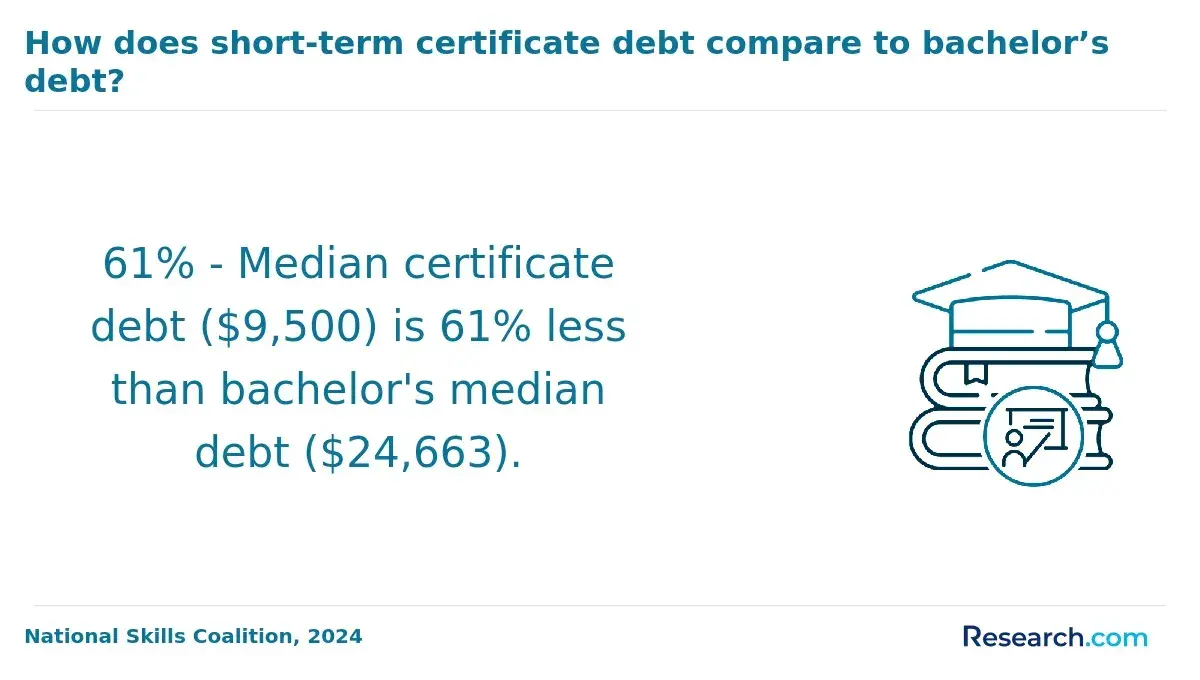
Program length depends on credential type, transfer credit, course load, and whether classes are offered year-round. A focused certificate may take less than a year of full-time study, while an associate degree commonly takes about two years and a bachelor's degree about four years for first-time full-time students. Part-time online students should expect a longer timeline but may be able to keep working while enrolled.
National tuition averages help students understand the scale of the investment, even though individual online paralegal programs can cost more or less. College Board's 2024-25 published tuition and fee averages provide a useful starting point:
- Public two-year in-district colleges: $4,050
- Public four-year in-state colleges: $11,610
- Public four-year out-of-state colleges: $30,780
- Private nonprofit four-year colleges: $43,350
These figures are not paralegal-specific and do not include every living or technology expense, but they show why students should compare total cost instead of focusing only on the sticker price of one program. Online students may save on commuting or housing, yet still face platform fees, proctoring fees, books, and legal research costs.
Before committing, ask the school to identify all required expenses. The following cost items are easy to miss but can affect the real price of attendance:
- Legal research database access fees if not included in tuition.
- Bluebook, ALWD, writing handbook, or digital textbook costs.
- Technology fees, online course fees, and proctored exam fees.
- Graduation, transcript, background check, or internship placement fees.
- Travel costs for any required campus sessions, court observations, or internship meetings.
- Lost wages if the program requires daytime internships or synchronous class meetings.
The smartest cost comparison is cost per completed credential, not cost per credit alone. A program with generous transfer credit, strong writing support, and predictable course scheduling may be cheaper in practice than a lower-cost program that delays graduation because required courses are offered infrequently.
What entry-level and advanced legal support roles can graduates pursue with strong citation skills?
Graduates with strong citation skills can pursue legal support roles in law firms, corporate legal departments, courts, government agencies, insurance companies, banks, healthcare organizations, and compliance offices. Citation ability is especially valuable in roles that involve research, litigation, regulation, contracts, or appellate support.
The U.S. Bureau of Labor Statistics reported a $61,010 median annual wage for paralegals and legal assistants in May 2024. That figure should be used as a labor-market benchmark, not a promise; pay varies by location, employer, experience, specialty, and whether the role requires advanced technology or litigation skills.
The table below outlines common roles and how citation skills show up in daily work. It can help students connect course choices with job targets.
| Role | Typical responsibilities | Why citation skills matter |
| Legal assistant | Organizes files, schedules deadlines, drafts routine correspondence, supports attorneys and paralegals | Accurate citations help with document review, exhibit lists, and research summaries |
| Entry-level paralegal | Conducts research, drafts memos, prepares discovery, maintains case files | Supervising attorneys rely on correct authorities and clear citation format |
| Litigation paralegal | Supports pleadings, motions, discovery, trial preparation, and e-filing | Court filings often require precise case, statute, rule, and record citations |
| Corporate or contracts paralegal | Maintains entity records, drafts contract documents, tracks compliance obligations | Statutory and regulatory citations support compliance summaries and contract research |
| Government or court support specialist | Assists with case processing, public records, administrative files, or agency legal work | Jurisdiction-specific citation and rule knowledge improves document accuracy |
| Advanced litigation support or e-discovery specialist | Manages document databases, discovery workflows, exhibits, and trial technology | Citation accuracy supports privilege logs, exhibit references, and motion support files |
Students who discover they are more interested in client acquisition, analytics, communications, or law firm business development than legal drafting may want to compare paralegal studies with a master's in digital marketing. That route supports a different career goal, while paralegal studies is better aligned with legal research, case support, and citation-centered work.
To improve employability, students should graduate with a small portfolio: one objective legal memo, one litigation-related document, one research log, and one corrected citation exercise. Employers may not ask for all of these, but preparing them helps students prove that they can write, research, revise, and follow rules with professional care.
Do paralegals need certification, and how do legal citation skills support exam and credential success?
Paralegals generally do not need a state license in the way attorneys do, but voluntary certification can strengthen a resume and signal professional competence. Requirements vary by credentialing organization, and some employers prefer candidates who have completed an approved paralegal program, earned a degree, or accumulated relevant legal work experience.
Common U.S. paralegal credentials include NALA's Certified Paralegal credential, NFPA's Registered Paralegal or Core Registered Paralegal credentials, and NALS professional legal support credentials. Each organization sets its own eligibility rules, exam structure, renewal requirements, and continuing education expectations, so students should review the current handbook for the specific credential they plan to pursue.
Legal citation skills support certification success because many exams test the same foundation used in day-to-day paralegal work: identifying legal authority, reading cases, understanding legal analysis, applying procedural rules, and communicating clearly. Even when an exam does not require full Bluebook citation memorization, students who can trace authority and explain source hierarchy usually have an advantage in legal research and writing sections.
Students can prepare for credentials while still enrolled by taking a practical sequence:
- Complete legal research and writing before attempting advanced litigation or capstone work.
- Save graded writing assignments and instructor comments to identify recurring citation mistakes.
- Practice cite-checking cases and statutes instead of only reading citation examples.
- Join a paralegal association as a student member if affordable and relevant to your local market.
- Compare certification eligibility rules before graduation so you do not miss coursework or experience requirements.
Certification is not a substitute for a strong education, but it can complement one. The best strategy is to choose an accredited program with rigorous writing instruction, build a portfolio, gain internship or work experience, and then pursue the credential that matches your target employers.
Other Things You Should Know About Paralegal Studies
Some legal support jobs are remote or hybrid, especially in document review, e-discovery, corporate legal operations, and administrative support. However, entry-level roles may still require office time for training, court filings, client files, or attorney supervision.
Citation generators can be helpful but should not be solely relied upon for paralegal work. They often miss context-specific nuances essential for legal accuracy. Comprehensive knowledge of formats like Bluebook or APA is crucial, which is covered in 2027 online paralegal studies programs to ensure legal citation proficiency.
No. Paralegals may perform substantive legal work under attorney supervision, but they cannot practice law, set legal fees, represent clients in court, or give independent legal advice unless a specific jurisdiction creates a limited role with its own rules.
References
- How long does it take to become a paralegal? That depends. https://paralegal-bootcamp.com/how-long-does-it-take-to-become-a-paralegal/
- Online Paralegal Degree Programs: Certificate, Associate’s, Bachelor’s and Master’s https://www.becomeaparalegal.org/online-paralegal-studies-degree/
- Legal Research and Writing Skills in Law School - Slaw https://www.slaw.ca/2011/09/14/legal-research-and-writing-skills-in-law-school/
- Paralegal https://www.fanshawec.ca/programs/plg1-paralegal/next
- Online Paralegal High School Program | USCI - USCI https://www.uscareerinstitute.edu/online-high-school/paralegal-career-pathway
- How Paralegal Programs Can Create Great Writers—What to Look For https://www.wordrake.com/resources/how-paralegal-programs-can-create-great-writers-what-to-look-for
- ABA Approval vs. ABA Accreditation: Do You Need ABA Approval for a Paralegal Program? | Bryan University Online© https://bryanuniversity.edu/faq/aba-approval-accreditation-paralegal-programs/
- The Best Alternative Career for Paralegals (+Other Roles to Consider) | Brightflag https://brightflag.com/resources/paralegal-career-change/
- Paralegal Programs https://paralegal.edu/paralegal-programs/
- Invest in Your Future: Understanding Paralegal Program Tuition https://www.paralegalinst.com/paralegal-certificate-cost-complete-guide