2027 Online Paralegal Studies Degrees With the Best Cost Transparency

Co-Founder and Chief Data Scientist
Choosing an online paralegal studies degree is mainly a cost-and-credibility decision: you need a program that teaches practical legal skills without hiding fees or transfer limits. The stakes are real because the U. S. Bureau of Labor Statistics reported a $61,010 median annual wage for paralegals and legal assistants in May 2024.
This guide is for prospective students comparing online options, especially those balancing work, family, and tuition risk. You will learn how to judge accreditation, total cost, curriculum quality, online format, and career fit before you commit.
Key Things You Should Know
- The best online paralegal studies degrees for cost transparency publish tuition per credit, required fees, technology costs, books, transfer-credit rules, and estimated total program cost before you apply.
- Institutional accreditation is the baseline for legitimacy and federal aid access, while ABA approval can add employer recognition but is voluntary and not available for every reputable online format.
- Salary outcomes vary by market and employer, but BLS May 2024 data places the U.S. median annual wage for paralegals and legal assistants at $61,010, making total cost and completion time central to ROI.
What is an online paralegal studies degree?
An online paralegal studies degree is a college program that prepares students to support attorneys, legal departments, courts, government agencies, and compliance teams. Students learn legal research, legal writing, civil procedure, contracts, ethics, litigation support, case management, and technology used in modern legal work. The degree does not make someone a lawyer, and paralegals generally cannot give legal advice, represent clients in court, or set legal fees.
For this topic, "best cost transparency" means the program makes it easy to calculate the full price of attendance before enrollment. A transparent school does not make students wait for an admissions call to learn basic tuition, mandatory fees, residency rules, or whether prior credits will reduce the bill.
Online paralegal programs commonly fall into several credential levels. The right one depends on your current education, career goal, and how much time and money you can invest.
| Credential | Typical student | Common purpose | Cost-transparency issue to check |
| Associate degree | Students starting college or changing careers | Entry-level paralegal roles and transfer to a bachelor's program | Whether general education and legal specialty courses are priced differently |
| Bachelor's degree | Students seeking broader legal, business, or policy preparation | Corporate legal departments, government roles, advancement, or pre-law preparation | Whether upper-division tuition is higher than lower-division tuition |
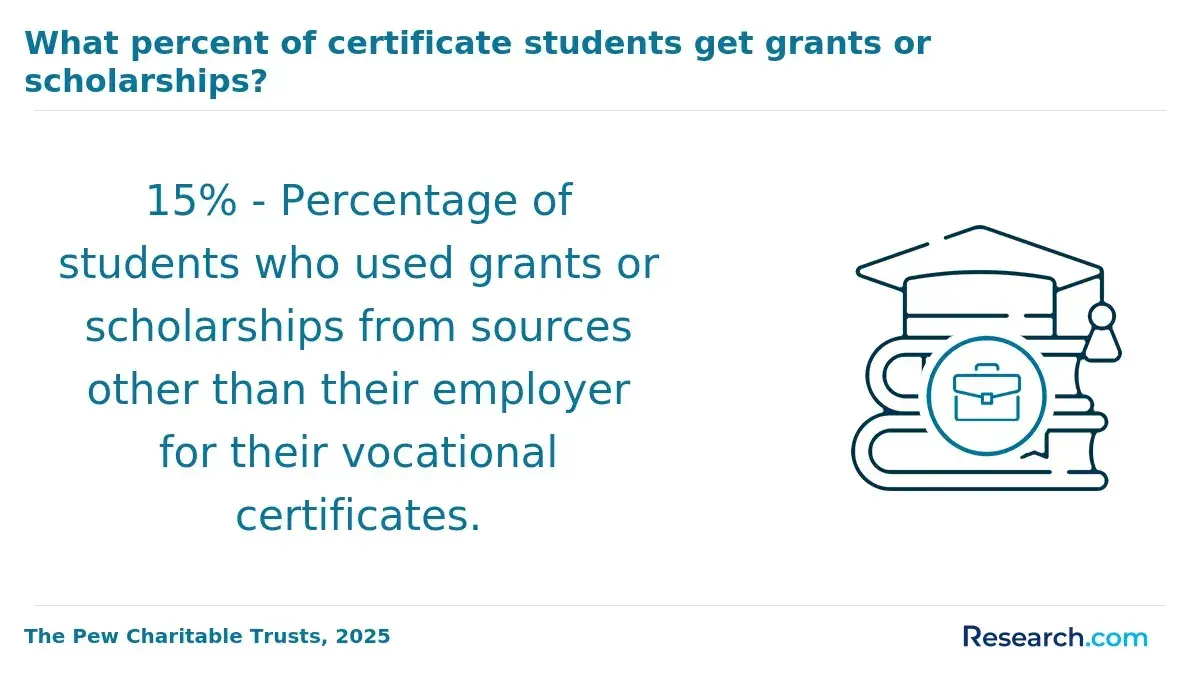
| Post-baccalaureate certificate | Students who already hold a bachelor's degree | Focused paralegal preparation without completing another degree | Whether certificate credits qualify for aid or employer reimbursement |
| Undergraduate certificate | Students testing the field or adding legal skills | Administrative legal support or a pathway into an associate degree | Whether credits transfer into a degree later |
Students comparing legal-support careers sometimes also consider criminal justice, law enforcement, or investigations. If your interests lean more toward policing, corrections, or public safety than law office work, a program such as a best online associate's in criminal justice pathway may fit better than paralegal studies.
Which accreditors matter for paralegal programs?
Accreditation matters because it affects credibility, financial aid eligibility, transfer credit, and employer trust. For online paralegal studies, students should separate institutional accreditation from programmatic recognition.
The most important accreditation signals are different in purpose, so they should not be treated as interchangeable.
| Quality signal | What it means | Why it matters | Limitations |
| Institutional accreditation | The college or university is reviewed by a recognized accrediting agency | Often required for federal financial aid, credit transfer, and employer acceptance | It does not automatically confirm paralegal curriculum depth |
| ABA approval | The American Bar Association has approved the paralegal education program | Can carry weight with some employers and shows program-specific review | It is voluntary, and many legitimate programs are not ABA-approved |
| State-specific compliance | The program aligns with state rules where applicable | Important in states with specific definitions, education rules, or continuing education expectations for paralegals | Rules vary, and students must verify requirements in the state where they plan to work |
| Professional alignment | Curriculum reflects common skills tested or valued by paralegal professional organizations | Can support certification preparation and employer confidence | Professional alignment is not the same as accreditation |
Before enrolling, verify accreditation directly rather than relying only on marketing language. This short checklist helps prevent one of the most expensive mistakes students make.
- Confirm the school's institutional accreditation through an official accreditor or U.S. Department of Education-recognized database.
- Ask whether the paralegal program itself has ABA approval, and if not, ask how the curriculum is reviewed for legal specialty quality.
- Check whether online students have the same faculty access, library resources, legal research tools, and career services as campus students.
- Ask whether the program meets any state-specific paralegal education expectations where you plan to work.
How do online and campus paralegal programs compare?
Online and campus paralegal programs can lead to similar academic credentials, but the learning experience and hidden costs can differ. The better format depends on your schedule, local legal market, need for structure, and access to internships or legal workplaces.
This comparison shows where online and campus formats usually differ in ways that affect cost, learning quality, and career preparation.
| Factor | Online paralegal degree | Campus paralegal degree | Best fit |
| Schedule | Often asynchronous or evening-friendly | More fixed class times | Online works well for working adults; campus can help students who need structure |
| Commuting cost | Usually lower or eliminated | May include transportation, parking, or relocation costs | Online is often better for students far from campus |
| Networking | Depends on virtual events, faculty responsiveness, and local internship support | Often easier to attend local legal events and meet classmates in person | Campus may help students entering a new local legal market |
| Skill practice | Can be strong if courses include legal databases, drafting assignments, and simulations | Can be strong if classes use live exercises and courthouse exposure | Either format works if assignments mirror real legal tasks |
| Technology demands | Requires reliable internet, computer access, and comfort with learning platforms | Still uses technology but may provide more on-site support | Campus may suit students with limited home study space |
Cost transparency is especially important online because students may not see campus-based expenses but can still face technology fees, proctoring fees, online course fees, or required legal database subscriptions. A low advertised tuition rate is not enough if the school does not publish mandatory costs clearly.
What courses are in a paralegal studies curriculum?
A strong paralegal studies curriculum teaches both legal knowledge and practical task execution. Employers usually need graduates who can research accurately, draft clearly, manage documents, understand deadlines, protect confidentiality, and use legal technology responsibly.
Most programs combine general education, legal specialty courses, writing-intensive assignments, and applied practice. The exact mix varies by credential level.
| Course area | What students learn | Why it matters at work |
| Legal research and writing | Research methods, citation, memoranda, objective analysis, and persuasive drafting | Paralegals often prepare research summaries and draft documents for attorney review |
| Civil litigation | Pleadings, discovery, motions, trial preparation, and case timelines | Litigation support is a core paralegal function in many law firms |
| Contracts and business law | Contract formation, interpretation, business entities, and commercial documents | Useful for corporate, real estate, compliance, and transactional work |
| Ethics and professional responsibility | Unauthorized practice of law, confidentiality, conflicts, billing, and supervision | Ethical errors can harm clients and employers |
| Legal technology | Case management software, e-discovery, document automation, and legal databases | Modern paralegal work increasingly depends on accurate digital workflows |
| Specialty electives | Family law, criminal law, immigration, probate, intellectual property, or employment law | Electives help students align coursework with local hiring needs |
AI and automation are changing the field, but they do not remove the need for human judgment. Paralegals increasingly use tools for document review, chronology building, transcript organization, and drafting support, while attorneys still need staff who can verify sources, protect confidential information, and understand procedural rules. Programs that teach responsible use of legal technology are usually more future-ready than programs focused only on textbook definitions.
What admission requirements do online paralegal programs use?
Admission requirements for online paralegal programs depend on the credential level. Associate and bachelor's programs usually follow standard undergraduate admissions rules, while post-baccalaureate certificates require proof of a completed bachelor's degree.
Applicants should expect schools to request documents that verify academic readiness and identity. Requirements may include the following items.
- High school diploma, GED, or prior college transcripts for associate and bachelor's programs.
- Official bachelor's degree transcript for post-baccalaureate paralegal certificates.
- Minimum GPA, placement testing, or prerequisite coursework, depending on the school.
- Application form, residency information, and financial aid documentation if the student plans to use aid.
- Technology readiness confirmation for online learning platforms, remote exams, and legal research tools.
Some schools are open admission, especially community colleges, while others use selective admission or require students to complete general education courses before legal specialty coursework. A transparent program will explain these rules before enrollment because prerequisites can add time and cost.
How long does an online paralegal degree take?
The length of an online paralegal degree depends on credential level, enrollment intensity, transfer credits, course availability, and whether the school offers accelerated terms. A faster program is not automatically better if it compresses writing-heavy legal courses beyond what a working student can manage.
The table below summarizes common completion timelines so students can compare the time investment before applying.
| Program type | Common credit range | Typical full-time timeline | Typical part-time timeline |
| Undergraduate certificate | About 18 to 30 credits | Less than 1 year | 1 to 2 years |
| Associate degree | About 60 credits | 2 years | 3 to 4 years |
| Bachelor's degree | About 120 credits | 4 years | 5 to 6 years or more |
| Post-baccalaureate certificate | About 18 to 36 credits | Less than 1 year to 18 months | 1 to 2 years |
Students trying to reduce completion time should ask how many credits transfer, whether legal specialty courses are offered every term, and whether internships are required. A program may advertise an accelerated path but still delay graduation if required courses rotate only once per year.
What should tuition and total program costs include?
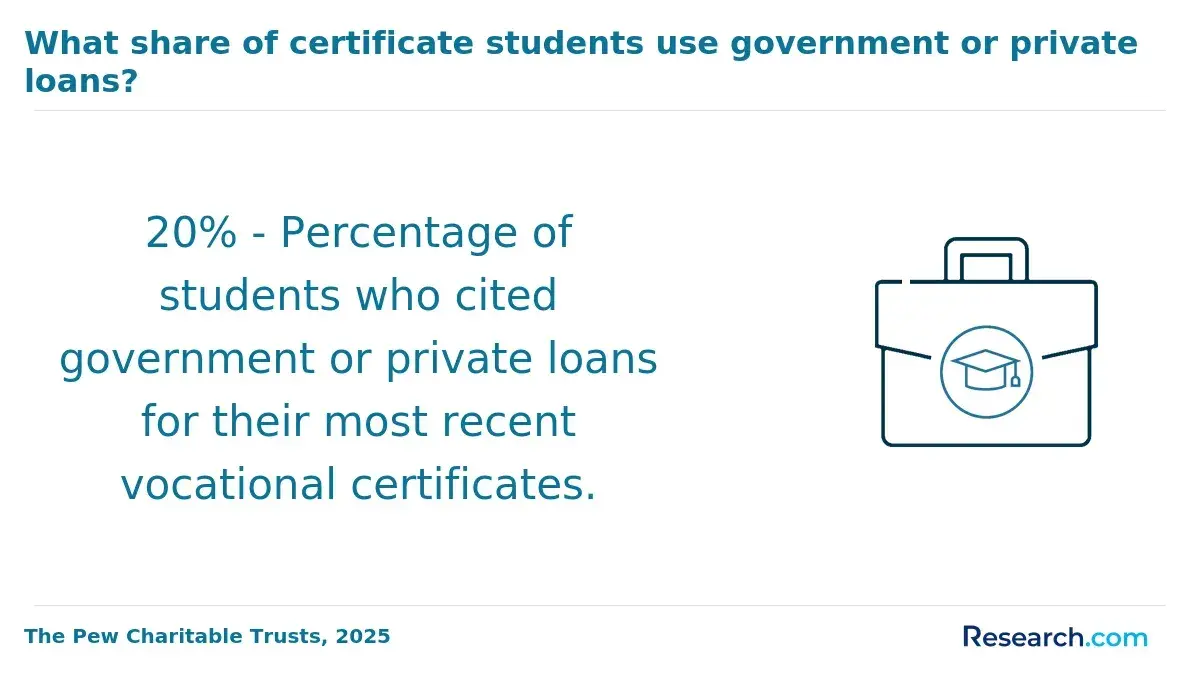
Tuition is only one part of the cost of an online paralegal degree. A transparent program should show the full estimated cost of attendance, including required fees, textbooks, technology, legal research access, exam proctoring, internship-related expenses, and graduation fees.
College Board's 2024 pricing data provides a useful national benchmark for published tuition and fees, although actual paralegal program costs vary by school, residency, transfer credits, and aid eligibility.
- Public two-year college, in-district published tuition and fees: $4,050 for 2024-25.
- Public four-year college, in-state published tuition and fees: $11,610 for 2024-25.
- Private nonprofit four-year college published tuition and fees: $43,350 for 2024-25.
Those figures are not paralegal-specific prices, but they help students spot whether a school's advertised rate is unusually high or missing key charges. If a program refuses to provide a total program estimate, treat that as a warning sign.
The table below shows the cost categories students should compare across programs before deciding which online paralegal studies degree is truly affordable.
| Cost category | What to look for | Why it affects ROI |
| Tuition per credit | Published rate for online students and whether residency changes the price | Small per-credit differences become significant across 60 or 120 credits |
| Mandatory fees | Technology, online course, student services, library, or registration fees | Fees can make a low-tuition program less affordable than it appears |
| Books and legal databases | Textbook estimates and required research platform access | Legal courses may rely on specialized materials |
| Transfer-credit policy | Maximum transfer credits, minimum grade rules, and legal specialty transfer limits | Accepted credits can shorten the degree and reduce total cost |
| Financial aid eligibility | Whether the program is aid-eligible and whether certificate students qualify | Some short programs may have limited aid options |
| Completion risk | Course rotation, required internship availability, and academic support | Delayed completion increases opportunity cost |
Students comparing legal and public-safety degrees should evaluate total cost, not just sticker tuition. A related guide on criminal justice degree price can help illustrate how affordability comparisons change when fees, transfer credits, and program length are included.
Which paralegal jobs can graduates pursue?
Graduates of online paralegal studies programs can pursue legal-support roles in law firms, corporate legal departments, courts, government agencies, insurance companies, banks, healthcare organizations, real estate offices, and nonprofit legal services. Job titles vary because some employers use "legal assistant," "legal specialist," or "case coordinator" for work that overlaps with paralegal duties.
The table below summarizes common roles and the type of work students should expect. Specific duties depend on state rules, attorney supervision, employer size, and practice area.
| Role | Typical responsibilities | Good fit for students who like |
| Litigation paralegal | Drafting pleadings, organizing discovery, tracking deadlines, and preparing trial materials | Deadlines, document review, and procedural work |
| Corporate paralegal | Maintaining entity records, supporting contracts, preparing filings, and assisting compliance teams | Business operations and structured documentation |
| Real estate paralegal | Reviewing closing documents, title materials, contracts, and transaction files | Detailed paperwork and transaction timelines |
| Immigration paralegal | Preparing forms, organizing evidence, communicating with clients, and tracking agency filings | Client service, forms, and case organization |
| Criminal law paralegal | Reviewing case files, preparing exhibits, organizing records, and supporting attorney preparation | Criminal procedure and investigative records |
| Compliance or legal operations specialist | Tracking policies, contracts, regulatory documents, and internal workflows | Legal technology, process improvement, and business risk |
Paralegal studies is not the same as law enforcement or behavioral investigation. Students drawn to criminal behavior analysis may want to compare paralegal work with a profiler job, which follows a different education and career pathway.
What salary can paralegals expect in the United States?
The most reliable national salary benchmark for this field is the U.S. Bureau of Labor Statistics category for paralegals and legal assistants. In May 2024, the median annual wage was $61,010. This figure is useful for ROI planning because it gives students a national midpoint, but it should not be read as a guaranteed starting salary.
Several factors influence compensation, and students should compare them against the total cost of their degree.
| Salary factor | How it can affect pay | What students should consider |
| Location | Large legal markets and high-cost metro areas may offer higher wages | Compare salary data in the state or city where you plan to work |
| Employer type | Corporate legal departments, finance, insurance, and specialized firms may pay differently than small practices | Look at local job postings, not just national medians |
| Specialization | Litigation, intellectual property, compliance, healthcare, and e-discovery skills can affect competitiveness | Choose electives that match hiring demand in your area |
| Experience | Entry-level roles usually differ from senior paralegal or legal operations roles | Internships and portfolio-quality writing samples can help early-career applicants |
| Technology skills | Experience with legal research, case management, e-discovery, and document automation can improve fit for modern roles | Prioritize programs with practical technology assignments |
BLS employment projections for the 2024-2034 period describe paralegal and legal assistant growth as slower than average, so students should focus on programs that build marketable skills rather than relying on the degree name alone. If you are comparing ROI across very different career paths, salary explainers such as how much do sports analysts make can also show why local demand, experience, and industry matter as much as the credential.
How do you choose a reputable paralegal program?
A reputable online paralegal program should be academically credible, financially transparent, career-relevant, and realistic about outcomes. The best choice is not always the cheapest or fastest option; it is the program that aligns with your career goal at a cost you can justify.
Use this step-by-step review before applying or signing an enrollment agreement.
- Verify institutional accreditation and, if relevant to your goals, ask whether the paralegal program has ABA approval.
- Request a written total program cost estimate that includes tuition, fees, books, software, proctoring, and graduation costs.
- Compare transfer-credit policies, including whether prior legal or general education credits reduce the total number of credits required.
- Review the curriculum for legal research, legal writing, ethics, litigation, legal technology, and at least one applied project or internship option.
- Ask who teaches legal specialty courses and whether instructors have relevant legal practice experience.
- Check career services for online students, including resume support, internship coordination, employer connections, and job-search coaching.
- Review student support services such as tutoring, library access, legal research help, disability services, and academic advising.
- Compare local job postings with the program's electives to see whether the curriculum matches employers in your region.
Common red flags are easier to spot when you know what a transparent school should provide. Watch for the following issues before enrolling.
- The school advertises a low tuition rate but does not publish mandatory fees or total program cost.
- Admissions staff pressure you to enroll before answering accreditation, transfer, or refund-policy questions in writing.
- The program promises employment, salary outcomes, or certification results that no school can guarantee.
- Online students receive fewer library, legal research, internship, or career services than campus students.
- Required courses are not offered often enough for students to finish within the advertised timeline.
- The curriculum lacks legal writing, ethics, legal research, or practical technology assignments.
A strong final test is simple: after reviewing the school's website and speaking with admissions, you should be able to calculate your likely total cost, timeline, transfer-credit impact, and career fit without guessing. If you cannot, keep comparing programs.
Other Things You Should Know About Paralegal Studies
A paralegal studies degree provides a comprehensive education with in-depth focus, which may open more career paths compared to a certificate. While certificates focus on specific skills, degrees often offer more theoretical knowledge and critical thinking skills, addressing broad career goals.
AI is changing routine document work, but it also increases the need for paralegals who can verify information, manage legal technology, protect confidentiality, and support attorneys with accurate judgment.
Paralegal credits may transfer into undergraduate programs, but they generally do not shorten a J.D. program. Law schools set their own admission rules and typically require a bachelor's degree for entry.
References
- The Difference Between a Paralegal Certification and Degree | Bryan University Online© https://bryanuniversity.edu/faq/the-difference-between-a-paralegal-certification-and-degree/
- Your Comprehensive Guide to Paralegal Programs and Curriculum https://www.paralegalinst.com/paralegal-studies-curriculum-complete-guide
- Paralegal Certificate from a non-ABA Accredited Program https://www.online-paralegal-degree.org/faq/non-aba-accredited-program-credibility/
- Paralegal Studies AAS Degree https://www.lonestar.edu/programs-of-study/paralegal-aas.htm
- How to get a paralegal certificate? | edX https://www.edx.org/resources/how-to-get-a-paralegal-certificate
- 7 Paralegal Jobs Not in Law Firms https://www.becomeaparalegal.org/blog/7-paralegal-jobs-not-in-law-firms-where-to-look-what-to-expect/
- The Best Alternative Career for Paralegals (+Other Roles to Consider) | Brightflag https://brightflag.com/resources/paralegal-career-change/
- Admission Requirements - Paralegal College | Center for Advanced Legal Studies https://paralegal.edu/admission-requirements/
- How to Choose an Online Paralegal Studies Program | Campus https://campus.edu/blog/paralegal/how-to-choose-online-paralegal-program
- How Are Student Fees Calculated? — Minding The Campus https://mindingthecampus.org/2025/06/27/how-are-student-fees-calculated/