2027 Online Paralegal Studies Degrees That Prepare Students for Immigration and Family Law Support

Co-Founder and Chief Data Scientist
Choosing an online paralegal studies degree is a practical decision if you want to support attorneys in immigration or family law without attending law school. The need is visible: U. S. immigration courts ended FY 2024 with more than 3.7 million pending cases, creating demand for organized legal support. This guide is for students comparing online programs, certificates, associate degrees, and bachelor's options. You will learn how programs differ, what they cost, which credentials matter, and how to choose a reputable path that fits your budget, schedule, and career goals.
Key Things You Should Know
- Online paralegal programs can prepare students for immigration and family law support, but graduates work under attorney supervision and cannot give legal advice, represent clients, or practice law independently.
- The U.S. Bureau of Labor Statistics reported a $61,010 median annual wage for paralegals and legal assistants in May 2024, with pay varying by location, employer, experience, and specialization.
- Cost and timeline vary widely: 2024-25 College Board data placed average public two-year in-district tuition and fees at $4,050, while bachelor's pathways can cost more and take longer unless transfer credits reduce the load.
What is an online paralegal studies degree focused on immigration and family law?
An online paralegal studies degree focused on immigration and family law is a legal-support program that teaches students how to help attorneys manage cases involving visas, petitions, removal defense, custody, divorce, child support, adoption, domestic violence matters, and related court or agency filings. The degree does not make a graduate an attorney; it prepares them to perform substantive legal work under supervision.
Students may find this focus through a dedicated concentration, a set of electives, a legal specialty certificate, or internship placement in a law office, nonprofit, court, or legal aid setting. A paralegal studies associate degree is often the most direct entry-level route, while bachelor's programs may be useful for students seeking broader advancement options or eventual graduate study.
The strongest programs connect legal theory to document-heavy practice. In immigration law, that can mean preparing intake summaries, organizing evidence packets, tracking filing deadlines, and supporting attorney-client communication. In family law, it can mean drafting pleadings for attorney review, maintaining financial disclosure files, preparing hearing binders, and coordinating calendars. Accuracy, confidentiality, empathy, and deadline management matter as much as legal vocabulary.
This degree is a good fit for students who want a structured path into legal services, prefer detail-oriented work, and are comfortable helping people through stressful personal situations. It may not be the right investment for someone who wants to argue in court, provide independent legal advice, or make final case strategy decisions; those responsibilities belong to licensed attorneys.
How do online and campus paralegal programs compare for immigration and family law training?
Online and campus paralegal programs can cover the same legal foundations, but they differ in scheduling, networking, classroom interaction, and access to local legal employers. The best format depends on whether you need flexibility, face-to-face mentoring, or a campus-based internship pipeline.
The table below compares the practical trade-offs students should weigh before choosing a format. Use it to match the learning environment with your schedule, location, and need for supervised practice experience.
| Factor | Online paralegal program | Campus paralegal program | Best fit |
| Schedule | Often asynchronous or evening-friendly, though some courses may require live sessions | Usually tied to fixed class times and commute requirements | Online fits working adults and caregivers; campus fits students who prefer routine |
| Immigration and family law exposure | May depend heavily on elective availability, virtual simulations, and local internship options | May offer local court visits, clinics, guest speakers, or nearby law-office placements | Choose the format with stronger practice-area access, not just the convenient format |
| Networking | Requires intentional effort through virtual events, bar association student memberships, and internships | Can provide easier face-to-face access to faculty, classmates, and local employers | Campus may help students who need local contacts; online can work if career services are active |
| Technology readiness | Builds comfort with e-filing platforms, remote collaboration, legal research databases, and digital case files | May offer more in-person instruction but still uses digital legal tools | Online can be especially useful for offices using hybrid legal operations |
| Accountability | Requires self-discipline, calendar management, and proactive communication | Provides more in-person structure and immediate access to instructors | Students who struggle with independent study may prefer campus or synchronous online courses |
For immigration and family law, format should not be the only deciding factor. A flexible online program is valuable only if it teaches legal research, writing, ethics, client interviewing, and document preparation with enough feedback to build professional judgment.
What accreditation should paralegal studies programs have for legal support careers?
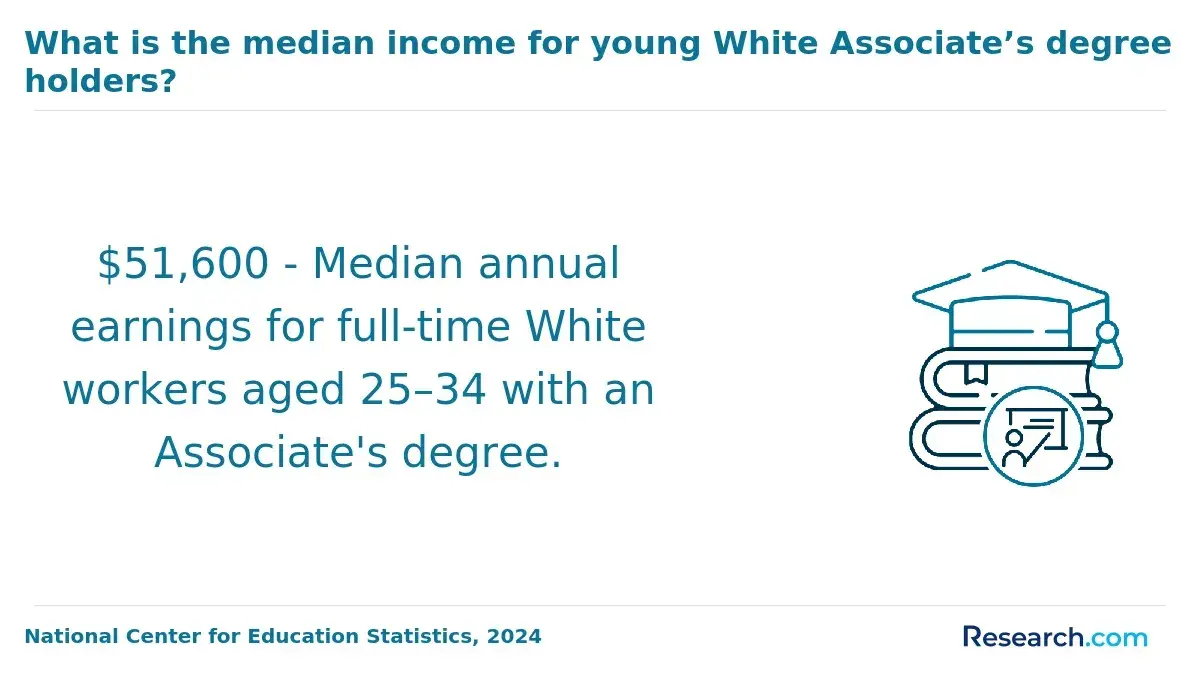
Accreditation is one of the first quality checks for any paralegal program. At minimum, the college or university should hold institutional accreditation recognized by the U.S. Department of Education or the Council for Higher Education Accreditation because this affects credit transfer, federal financial aid eligibility, and employer confidence.
Program-level approval can also matter. The American Bar Association approves some paralegal education programs, and some employers view ABA approval favorably. However, ABA approval is not the same as institutional accreditation, and it is not required for every paralegal job. Students should verify whether an online program is fully ABA-approved, partially online, or offered by an institution that has a separate ABA-approved campus option.
Because paralegal regulation varies by state and employer, students should check the rules where they plan to work. Most states do not license paralegals as independent legal professionals, but some states have specific definitions, education standards, or continuing education expectations for people using the paralegal title.
Before enrolling, verify these accreditation and approval details directly rather than relying only on advertising language:
- Confirm the institution's accreditation status through an official accreditation database, not only the school's homepage.
- Ask whether the paralegal program itself has ABA approval, and whether that approval applies to the online delivery format you plan to use.
- Check whether credits transfer to public universities or bachelor's completion programs if you may continue your education later.
- Ask local law firms, legal aid organizations, or court offices whether they recognize graduates from the program.
- Review state-specific rules if you plan to work in a jurisdiction with defined paralegal education or continuing education expectations.
A common mistake is assuming that "online" means less reputable or that "ABA-approved" automatically means better for every student. The more useful question is whether the program has recognized institutional accreditation, transparent outcomes, strong legal writing instruction, and practice-area experiences aligned with your goal.
What courses and skills do paralegal degrees include for immigration and family law work?
Paralegal degrees usually start with legal systems, research, writing, civil litigation, contracts, ethics, and technology before moving into specialty topics. For immigration and family law support, the most useful programs combine doctrinal courses with repeated practice in drafting, file organization, deadline tracking, and client communication.
The table below shows common course areas and why each matters in immigration or family law offices. It can help you read a curriculum and identify whether the program is general or genuinely relevant to your target practice area.
| Course or skill area | Why it matters for immigration and family law support | What to look for in the curriculum |
| Legal research and writing | Paralegals help locate statutes, regulations, court rules, and agency guidance for attorney review | Assignments using legal databases, citation practice, and memo writing with instructor feedback |
| Immigration law | Students learn the structure of petitions, applications, agency filings, and removal-related processes | Coverage of USCIS, immigration courts, evidence preparation, deadlines, and ethical limits |
| Family law | Students learn the legal support process behind divorce, custody, support, adoption, and protective orders | Drafting exercises, financial disclosure practice, court forms, and local procedure awareness |
| Client interviewing and communication | Clients may be under stress, have limited English proficiency, or need trauma-informed communication | Role-play, intake simulations, confidentiality training, and cultural competence content |
| Legal technology | Law offices increasingly use case management systems, e-filing, document automation, and remote collaboration | Hands-on work with digital files, calendaring, redaction, document templates, and research tools |
| Professional ethics | Paralegals must avoid unauthorized practice of law and protect client confidentiality | Clear instruction on attorney supervision, conflicts, privilege, billing ethics, and communication boundaries |
Technology deserves special attention. AI-assisted drafting, translation tools, and document automation can speed up routine work, but they also introduce risks such as inaccurate summaries, confidentiality breaches, and overreliance on unverified outputs. A strong program teaches students how to use technology as a support tool while preserving attorney review and ethical safeguards.
Students should also look for writing-heavy assignments. Immigration and family law support often turns on clean timelines, precise facts, and well-organized exhibits. A program that relies mostly on multiple-choice tests may be less useful than one requiring memos, pleadings, forms, declarations, and case chronologies.
What education level and background are required to start an online paralegal degree?
Admissions requirements depend on the credential level. Associate and bachelor's programs usually require a high school diploma or GED, transcripts, and a general application. Post-baccalaureate paralegal certificates typically require a prior bachelor's degree, while undergraduate certificates may be open to students with limited college experience.
Students do not usually need prior legal work to begin. However, the best applicants are comfortable reading carefully, writing clearly, protecting confidential information, and communicating with people from different backgrounds. Bilingual ability can be especially useful in immigration support roles, but it does not replace legal training or attorney supervision.
Students interested in legal systems but unsure about paralegal work should compare adjacent fields before committing. For example, a forensic psychology degree is more aligned with behavior, assessment, courts, and mental health contexts, while paralegal studies is more focused on legal documents, procedures, and attorney support.
The table below summarizes common starting points. It can help you choose the credential level that matches your education history and career timeline.
| Starting background | Credential to consider | Why it may fit | What to confirm |
| High school diploma or GED | Associate degree or undergraduate certificate | Provides an entry path into legal support without requiring prior college | Transfer options, internship access, and whether credits apply to a bachelor's degree |
| Some college credits | Associate completion, bachelor's completion, or certificate | May reduce time and cost if prior credits transfer | Transfer-credit limits, residency requirements, and course equivalencies |
| Bachelor's degree in another field | Post-baccalaureate paralegal certificate | Can be faster than earning another degree and may satisfy employers seeking degree holders | Whether the certificate includes legal research, writing, ethics, and specialty electives |
| Legal office experience but no credential | Certificate, associate degree, or employer-supported coursework | Can formalize skills and improve mobility | Whether experience can count toward internship or prior learning credit |
A frequent mistake is choosing the longest credential automatically. If you already have a bachelor's degree, a high-quality certificate may be more efficient than a second bachelor's. If you have little college experience, an associate degree may offer stronger general education, transferability, and financial aid access.
How long do online paralegal programs take and what do they cost?
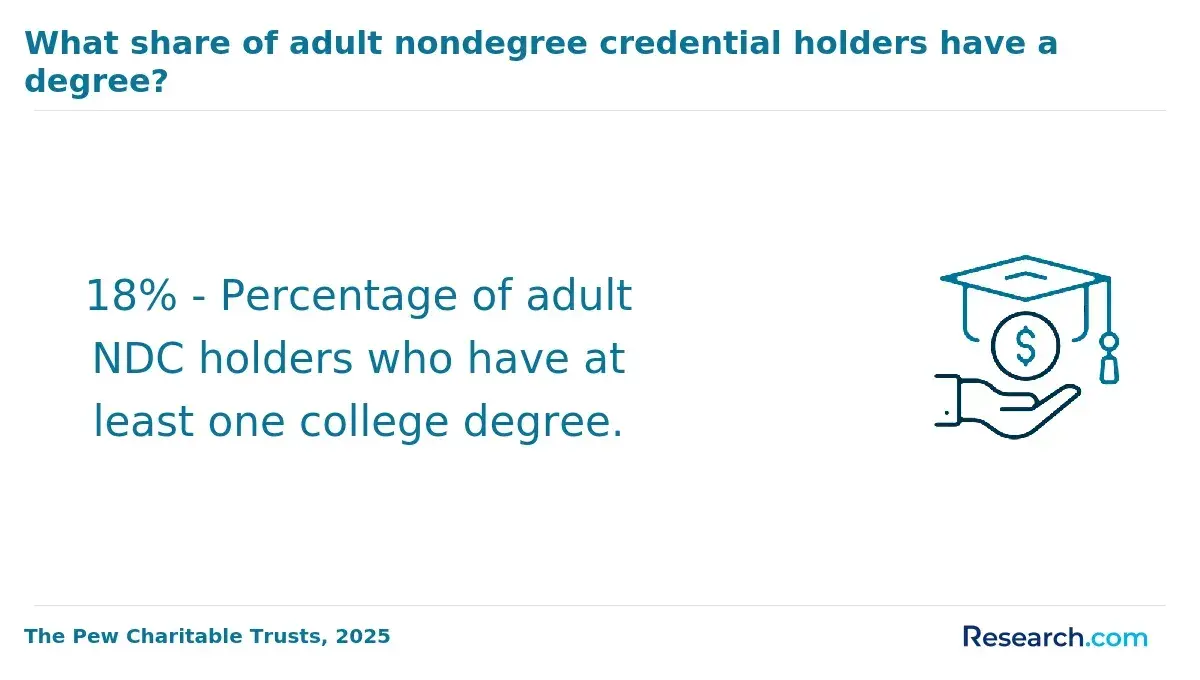
Online paralegal program length depends on credential type, course load, transfer credits, and whether the school uses standard semesters or accelerated terms. Certificates can sometimes be completed in less than a year, associate degrees often take about two years of full-time study, and bachelor's degrees commonly take about four years without transfer credit.
Cost should be evaluated as total cost of attendance, not just tuition. In addition to tuition and fees, students may pay for books, legal database access, technology, proctored exams, graduation fees, commuting for internships, and lost work time if courses are not flexible.
Recent national tuition benchmarks help set expectations, though actual program costs vary by school and residency. College Board's 2024-25 pricing data reported these average published tuition and fee levels:
- Public two-year, in-district: $4,050
- Public four-year, in-state: $11,610
- Private nonprofit four-year: $43,350
Those figures are not paralegal-specific prices, but they show why community colleges and public universities can be attractive starting points. A lower tuition pathway may leave more room for certification exam fees, internships, or part-time work while enrolled.
The table below outlines typical timelines and cost considerations by credential. Use it to compare the investment against your prior education and career goal.
| Credential | Typical full-time length | Cost considerations | When it makes sense |
| Undergraduate certificate | Several months to about one year | May be lower cost, but financial aid and transfer value can vary | Good for quick skill-building or students testing the field |
| Associate degree | About two years | Often more affordable at public community colleges and may include general education | Good for entry-level students who may later transfer |
| Bachelor's degree | About four years, less with transfer credit | Higher total cost but broader education and possible advancement value | Good for students seeking wider legal, compliance, or management options |
| Post-baccalaureate certificate | Often less than one year to about eighteen months | Efficient for degree holders, but students should confirm employer recognition | Good for career changers who already hold a bachelor's degree |
To manage cost, ask schools how many credits you must complete in residence, whether online students pay different fees, whether internships are unpaid, and whether the program qualifies for federal financial aid. Avoid choosing a program only because it advertises a fast timeline; accelerated courses can be demanding, especially for students working full time.
What immigration and family law support roles can graduates pursue as paralegals?
Graduates of online paralegal studies programs can pursue legal support roles in law firms, nonprofit legal services, corporate legal departments, government agencies, and court-adjacent organizations. Immigration and family law roles are often client-facing and document-intensive, so employers may value organization, writing, bilingual communication, and calm professionalism.
The table below summarizes common roles and the kind of work graduates may encounter. Job titles vary by employer, and some positions may require experience beyond the degree.
| Role | Typical setting | Common responsibilities | Useful preparation |
| Immigration paralegal | Immigration law firm, nonprofit, legal aid organization | Prepare filing packets for attorney review, organize evidence, track deadlines, communicate with clients, maintain case files | Immigration law coursework, forms practice, multilingual communication, confidentiality training |
| Family law paralegal | Family law firm, legal aid office, domestic violence advocacy partner | Draft pleadings for attorney review, organize financial disclosures, prepare hearing materials, manage calendars | Family law coursework, civil procedure, drafting, client communication, trauma-informed professionalism |
| Legal assistant | Small or midsize law office | Manage correspondence, calendaring, document filing, billing support, intake coordination | Office technology, legal terminology, ethics, attention to deadlines |
| Case coordinator | Nonprofit, legal services program, advocacy organization | Coordinate client documents, referrals, appointment schedules, and status updates | Client service skills, records management, cultural competence, privacy awareness |
| Court or agency support specialist | Court system, government office, administrative agency | Process filings, maintain records, assist with procedural information, support case flow | Procedural knowledge, public service communication, records accuracy |
Some students discover that they want to work closer to assessment, counseling, or behavioral analysis rather than legal document support. In that case, an online masters degree in forensic psychology may be a better long-term comparison point, although it leads to different education requirements and career outcomes.
Graduates should expect entry-level roles to involve administrative and document-management tasks before more substantive assignments. Advancement usually comes from reliable work, strong writing, technology fluency, certification, and experience with complex cases.
What salary ranges and earning potential exist for paralegals in immigration and family law?
Paralegal pay varies by employer, region, experience, and practice setting. Immigration and family law salaries are not always reported separately in national datasets, so students should use general paralegal wage data as a baseline and then research local job postings for their target city.
The U.S. Bureau of Labor Statistics reported a $61,010 median annual wage for paralegals and legal assistants in May 2024. That median is a midpoint, not a promise; entry-level roles, small firms, and nonprofit positions may pay less, while experienced paralegals in high-cost metro areas, government, corporate legal departments, or specialized litigation support may earn more.
The table below explains major factors that influence earning potential. Use it to judge whether a program's cost is reasonable for the market you plan to enter.
| Salary factor | How it can affect pay | What students should do |
| Location | Wages often rise in higher-cost metropolitan areas, but living expenses may also be higher | Compare local job postings and cost of living, not only national medians |
| Employer type | Corporate legal departments and government roles may differ from small firms or nonprofits in pay and benefits | Look at total compensation, including health insurance, retirement, paid leave, and remote-work options |
| Experience | New graduates may start below the median until they build drafting, filing, and case-management skills | Prioritize internships, clinics, and part-time legal office work while in school |
| Specialized skills | Immigration forms, family law procedure, e-filing, bilingual communication, and legal technology can improve competitiveness | Choose electives and projects that produce practical work samples |
| Credential mix | A degree plus certification or substantial experience may help with mobility, depending on employer preferences | Review job ads to see which credentials are requested in your market |
Job growth should also be interpreted carefully. BLS projections published for 2023-33 estimated 1% employment growth for paralegals and legal assistants, with openings still expected as workers change occupations or leave the labor force. For students, this means the field is not a high-growth shortcut; competitiveness depends on training quality, local demand, and practical readiness.
What certifications or professional credentials benefit paralegals in these practice areas?
Professional certification is usually voluntary, but it can strengthen a resume, especially for career changers or graduates from lesser-known programs. Certifications are different from academic certificates: an academic certificate is earned through a school, while a professional certification is typically awarded by an association after meeting eligibility standards and passing an exam.
Students interested in immigration and family law should consider credentials that signal general paralegal competence first, then add continuing education in their chosen practice area. Common national options include NALA's Certified Paralegal credential, NFPA's PCCE or PACE exams, and NALS professional legal support credentials.
The table below compares credential types at a high level. Requirements can change, so students should verify eligibility, exam format, fees, and renewal rules directly with the credentialing organization.
| Credential type | What it signals | Who may benefit most | Important limitation |
| National paralegal certification | General competence in legal research, ethics, communication, and legal procedure | New graduates, career changers, and paralegals seeking mobility | It does not authorize independent legal practice |
| Practice-area continuing education | Focused knowledge in immigration filings, family law procedure, domestic violence issues, or court rules | Paralegals already working in a specialty area | Short courses vary in depth and employer recognition |
| State or local paralegal association credentials | Engagement with the local legal community and awareness of jurisdiction-specific expectations | Students who plan to stay in one region | Recognition may be strongest locally rather than nationally |
| Legal technology certificates | Skill with case-management systems, e-discovery tools, document automation, or e-filing workflows | Students targeting modern law offices or hybrid legal operations | Software-specific credentials may lose value if employers use different platforms |
Certification is most valuable when paired with experience. A student who completes a reputable program, builds strong writing samples, finishes an internship, and earns a recognized certification may present a clearer case to employers than a student who relies on coursework alone.
How can students evaluate and choose a reputable online paralegal program?
Choosing a reputable online paralegal program requires more than scanning tuition and course titles. The best choice is the program that fits your state, schedule, budget, transfer plans, and target legal setting while providing enough supervised practice to make you employable.
Use the following steps to compare programs systematically. They are designed to help you avoid expensive mistakes before you apply or enroll.
- Verify institutional accreditation and, if relevant to your goals, whether the paralegal program has ABA approval for the delivery format you will actually use.
- Read the curriculum and confirm that legal research, writing, ethics, civil litigation, immigration law, family law, and legal technology are covered with applied assignments.
- Ask how online students complete internships, whether placements can be local, and whether the school helps students find law-office or legal aid opportunities.
- Compare total cost, including fees, books, technology, exam proctoring, internship expenses, and the number of credits you must take at that school.
- Request student outcome information such as completion rates, job-search support, employer partnerships, and graduate placement examples, while remembering that no school can guarantee employment.
- Check faculty backgrounds to see whether instructors have legal practice, paralegal management, immigration, family law, or legal writing experience.
- Review transfer-credit policies before enrolling, especially if you may continue from a certificate to an associate or bachelor's degree.
- Look for red flags such as unclear accreditation claims, pressure to enroll quickly, vague tuition disclosures, no legal research database access, or no meaningful writing feedback.
The same scrutiny applies across online applied degrees, even in unrelated fields. For instance, when comparing an animal science degree online, students also need to check hands-on requirements, accreditation, total cost, and whether the format fits the career outcome. Paralegal students should be just as careful because legal support work is detail-sensitive and employer expectations can be specific.
A good final test is to compare three real job postings in your target area with the program's curriculum. If the postings ask for skills the program barely covers, such as immigration forms, family law pleadings, e-filing, bilingual client communication, or legal software, keep looking or plan to add targeted training.
Other Things You Should Know About Paralegal Studies
Often, yes. Many online programs allow local internships, but policies vary. Ask whether the school approves remote or local placements, who supervises the experience, and whether the internship is required or optional.
Not always, but bilingual skills can be valuable in immigration practices and legal aid settings. Employers may still require strong English legal writing, confidentiality, and accurate documentation skills.
Paralegal credits generally do not shorten a Juris Doctor program. They may help you understand legal work before applying, but law school admissions and credit rules are separate from paralegal education.
When choosing between a certificate and a degree in paralegal studies, consider factors like career goals, time availability, and financial resources. Certificates are faster and focus on essential skills, whereas degrees offer comprehensive education and can lead to advanced career opportunities. Both can prepare students for roles in immigration and family law support.
References
- Immigration Paralegal Salary in the US: Gauging the Pay in a Dynamic Legal Sector — Vintti https://www.vintti.com/blog/immigration-paralegal-salary-in-the-us-gauging-the-pay-in-a-dynamic-legal-sector
- How to Choose the Best Paralegal Program for You | Eastern College https://wwwlive.easterncollege.ca/blog/how-to-choose-the-best-paralegal-program-for-you/
- Career Opportunities in Immigration Law for New Graduates - FREE Legal Information | Legal Line https://www.legalline.ca/professional-insights/career-opportunities-in-immigration-law-for-new-graduates/
- Becoming an Immigration Paralegal in 2025 | Law Ally US https://lawallyus.com/becoming-an-immigration-paralegal-2025-essential-skills-training/
- Careers for Paralegals in Immigration Law https://www.becomeaparalegal.org/careers-for-paralegals-in-immigration-law/
- Earn an Online Paralegal Degree | OEDb.org https://www.oedb.org/rankings/online-paralegal-programs/
- How to Choose an Online Paralegal Studies Program | Campus https://campus.edu/blog/paralegal/how-to-choose-online-paralegal-program
- Top 6 Immigration Paralegal Certificates to Level-Up Skills https://www.docketwise.com/blog/immigration-paralegal-certificate/
- How to get a paralegal certificate? | edX https://www.edx.org/resources/how-to-get-a-paralegal-certificate
- Your Guide to Online Paralegal Programs: Degrees, Classes, and Training https://www.paralegalinst.com/online-paralegal-program