2027 Online Paralegal Studies Degrees With Strong Law Office Software Preparation

Co-Founder and Chief Data Scientist
Choosing an online paralegal studies degree now means evaluating more than legal theory; employers increasingly expect graduates to use research platforms, e-filing systems, case management tools, and AI-assisted document workflows. The U. S. Bureau of Labor Statistics reported a $61,010 median annual wage for paralegals and legal assistants in May 2024, making training quality and career fit important financial decisions. This guide is for prospective students comparing online programs, certificates, and degree options. You will learn how software preparation, accreditation, cost, timelines, certification, and job outcomes should shape your choice.
Key Things You Should Know
- Strong online paralegal programs should teach legal research, document drafting, e-discovery, e-filing, calendaring, billing, and case management workflows, not just general legal concepts.
- Cost varies widely: College Board's 2024 data placed average published tuition and fees at about $4,050 for public two-year colleges and $11,610 for in-state public four-year colleges, before aid and living costs.
- BLS May 2024 wage data shows a $61,010 median annual wage for paralegals and legal assistants, but outcomes depend heavily on location, legal specialty, experience, employer type, and technology skills.
What is an online paralegal studies degree and how does it prepare you for legal work?
An online paralegal studies degree is an undergraduate program that prepares students to support attorneys with legal research, drafting, case organization, client communication, discovery, trial preparation, and administrative legal workflows. It does not qualify graduates to practice law, give legal advice, set legal fees, or represent clients independently in court, but it can prepare them for supervised legal work in law firms, corporate legal departments, government agencies, courts, insurers, banks, and compliance teams.
The main decision is not simply whether to study online. It is whether the program's curriculum matches the type of legal work you want to do. A student aiming for litigation support needs stronger training in discovery, e-filing, document review, and trial preparation. A student aiming for corporate or compliance work may need more exposure to contracts, business organizations, regulatory filings, and document management systems.
Online paralegal education usually comes in several formats. The right choice depends on your current education level, budget, and career timeline.
| Program type | Typical student fit | Main advantage | Important limitation |
| Paralegal certificate | Students who already have a degree or want a shorter path into legal support work | Faster and often less expensive than a degree | May not carry as much weight with employers that prefer an associate or bachelor's degree |
| Associate degree in paralegal studies | New college students or career changers seeking entry-level preparation | Balances general education, legal fundamentals, and practical skills | May limit advancement in employers that prefer a bachelor's degree for senior roles |
| Bachelor's degree in paralegal studies or legal studies | Students seeking broader career flexibility, management potential, or future law-related graduate study | Offers deeper writing, research, policy, and specialty coursework | Costs more and takes longer unless transfer credits reduce the timeline |
| Post-baccalaureate paralegal certificate | Degree holders who want focused legal training without earning another degree | Can be efficient for adults changing careers | Quality varies, so software training, internship access, and employer recognition matter |
A paralegal degree is usually worth considering if you want a structured path into legal support work and are comfortable with detail-heavy reading, deadlines, confidential information, and document production. It may be less suitable if you want to argue cases, independently advise clients, or pursue a career that requires attorney licensure without planning for law school.
How do online paralegal programs teach and integrate leading law office software tools?
Law office software preparation is one of the clearest ways to tell whether an online paralegal program is practice-oriented. A modern paralegal may work inside multiple systems every day: legal research databases, document automation tools, e-filing portals, case management software, cloud storage, timekeeping platforms, and e-discovery review systems. Good programs connect these tools to assignments instead of treating technology as a standalone lecture.
Programs vary in which platforms they can provide directly because legal software licenses can be costly. Even when a school cannot give every student access to every commercial tool, it should still teach transferable workflows. For example, if you understand how to organize pleadings, calendar deadlines, tag discovery documents, and cite-check research, you can adapt more quickly to a firm's preferred platform.
Look for coursework and assignments that require students to use technology in realistic legal tasks. Strong software preparation often includes the following experiences:
- Legal research assignments using professional-style databases such as Westlaw, Lexis, Bloomberg Law, or comparable academic legal research platforms.
- Document drafting projects that use Microsoft Word advanced formatting, templates, track changes, tables of authorities, and PDF editing tools.
- Case management simulations involving matter intake, contact records, calendaring, task assignment, deadline tracking, and secure document storage.
- E-discovery exercises that introduce document review, metadata, privilege logs, search terms, redaction, production formats, and litigation holds.
- E-filing and court procedure modules that explain jurisdiction-specific filing rules, service requirements, docket review, and deadline calculation.
- Timekeeping and billing practice that teaches task descriptions, billable increments, expense tracking, and ethical boundaries in fee-related work.
- AI literacy activities that require students to verify outputs, protect confidentiality, check citations, and understand attorney supervision responsibilities.
AI is changing legal support work, but it is not eliminating the need for trained paralegals. Instead, it raises the premium on judgment. A paralegal who can use AI-assisted review carefully, spot hallucinated citations, maintain privilege protections, and document workflow decisions may be more valuable than someone who only knows basic word processing.
Before enrolling, ask admissions or the program chair direct technology questions. You should know whether software access is included in tuition, whether students use live platforms or screenshots, whether assignments are graded for professional formatting, and whether the capstone or internship includes digital casework. A program that cannot clearly explain its technology training may not be the best fit if your goal is a law office-ready skill set.
Are online paralegal degrees respected and properly accredited in the United States?
Online paralegal degrees can be respected when they come from properly accredited institutions and provide rigorous legal specialty coursework. Employers generally care less about whether every class met online and more about whether the school is legitimate, the curriculum is practical, the student can write clearly, and the graduate understands legal ethics, research, and office technology.
The first accreditation check is institutional accreditation. In the United States, students should look for colleges and universities recognized by an accreditor accepted by the U.S. Department of Education or the Council for Higher Education Accreditation. Institutional accreditation affects transfer credit, graduate school recognition, and federal financial aid eligibility.
The second layer is paralegal program recognition. ABA approval is a voluntary program-level review, not a requirement for every paralegal job, but some employers value it because it signals that the program has been reviewed against legal education standards. Students who specifically want that marker should compare ABA approved paralegal programs and verify the current delivery format, because program approval status and online options can change.
Use this accreditation checklist before applying. It can help you avoid programs that sound convenient but may create transfer, aid, or employer-recognition problems later.
- Confirm institutional accreditation through the college's official accreditation page and an independent federal or accreditor database.
- Check whether the paralegal program has ABA approval or another relevant program-level recognition, if that matters for your target employers.
- Ask whether all legal specialty courses can be completed online or whether any campus, synchronous, internship, or proctored requirement applies.
- Review faculty qualifications, especially whether instructors include attorneys, experienced paralegals, legal technologists, or litigation support professionals.
- Request recent information on internships, job placement support, transfer agreements, and graduate outcomes, while remembering that no school can guarantee employment.
A common mistake is assuming "online" means "less credible." The bigger risk is enrolling in a program without checking accreditation, legal specialty depth, and employer relevance. A well-designed online program from an accredited institution can be a strong option for working adults, parents, military students, and rural students who cannot commute to a campus.
What are the admission requirements and prerequisites for online paralegal studies programs?
Admission requirements for online paralegal studies programs depend on the credential level. Certificate programs may admit students with a high school diploma or may require prior college credits. Associate programs usually require a high school diploma or GED. Bachelor's programs typically require first-year or transfer admission, while post-baccalaureate certificates require an earned bachelor's degree.
Most programs do not require previous legal experience. However, students who enter with strong reading, writing, grammar, organization, and basic computer skills usually have an easier transition. Legal work is document-heavy, deadline-driven, and detail-sensitive, so preparation matters even when formal prerequisites are minimal.
Admissions requirements commonly include the items below. Always confirm details with the school because open-admission community colleges, selective universities, and adult-focused online colleges may use different processes.
- Completed application and application fee, unless the school offers a waiver.
- Official high school, GED, or college transcripts, depending on program level.
- Minimum GPA requirement for selective programs or transfer admission.
- Placement testing or completed college English and math courses for some associate degree pathways.
- Resume, personal statement, or interview for some certificate and bachelor's programs.
- Technology requirements, such as reliable internet, webcam access, Microsoft Office, PDF software, and a computer capable of running legal research or remote proctoring tools.
Transfer credit can make a major difference in cost and time. If you have prior college coursework, ask for a written transfer evaluation before committing. Pay special attention to whether legal specialty credits transfer, because some programs limit how many paralegal courses can be accepted from another institution.
Students with criminal records should ask carefully about internships, courthouse access, government placements, and employer background checks. A record may not automatically prevent paralegal employment, but it can affect placement options depending on the offense, jurisdiction, and employer policy.
How long do online paralegal degrees take, and what do they typically cost?
Online paralegal degrees can take a few months to four years, depending on credential level, transfer credits, and enrollment intensity. A full-time associate degree often takes about two years, while a bachelor's degree generally takes about four years for first-time students. Certificates can be shorter, but they are not all equivalent; a rigorous post-baccalaureate certificate may still involve substantial legal research and writing.
Cost should be evaluated as total program cost, not just tuition per credit. College Board's 2024 Trends in College Pricing reported average published tuition and fees of about $4,050 for public two-year in-district students and $11,610 for in-state public four-year students for the 2024-2025 academic year. Those averages are broad benchmarks, but they show why community college and transfer pathways can be financially attractive.
When comparing costs, include all required and likely expenses. Legal programs may have technology charges that are easy to miss if you only compare tuition pages.
- Tuition per credit and total credits required for the credential.
- Online course fees, technology fees, student services fees, graduation fees, and transcript fees.
- Textbooks, legal writing manuals, citation guides, database access, software subscriptions, and exam proctoring costs.
- Internship travel, courthouse parking, professional clothing, background checks, or fingerprinting where required.
- Opportunity cost if the program schedule reduces your work hours.
Students comparing law-related fields may find it useful to review how tuition is broken down in adjacent programs, such as guides to criminal justice degree tuition, because the same cost categories often appear in paralegal, legal studies, and justice-related online programs.
The table below summarizes typical timelines and cost considerations. It is not a price quote; use it to decide which questions to ask each school.
| Path | Common timeline | Best fit | Cost trade-off |
| Short certificate | Several months to one year | Students testing the field or adding legal skills quickly | Lower upfront cost, but may provide less depth and weaker transfer value |
| Associate degree | About two years full time | Entry-level students seeking a recognized undergraduate credential | Often affordable at public community colleges, especially with transfer options |
| Bachelor's degree | About four years for first-time students | Students seeking broader advancement options or legal-adjacent career flexibility | Higher total cost, but may support wider career mobility |
| Post-baccalaureate certificate | About one year, depending on pace | Degree holders changing careers | Efficient if prior degree is accepted, but financial aid options may be more limited |
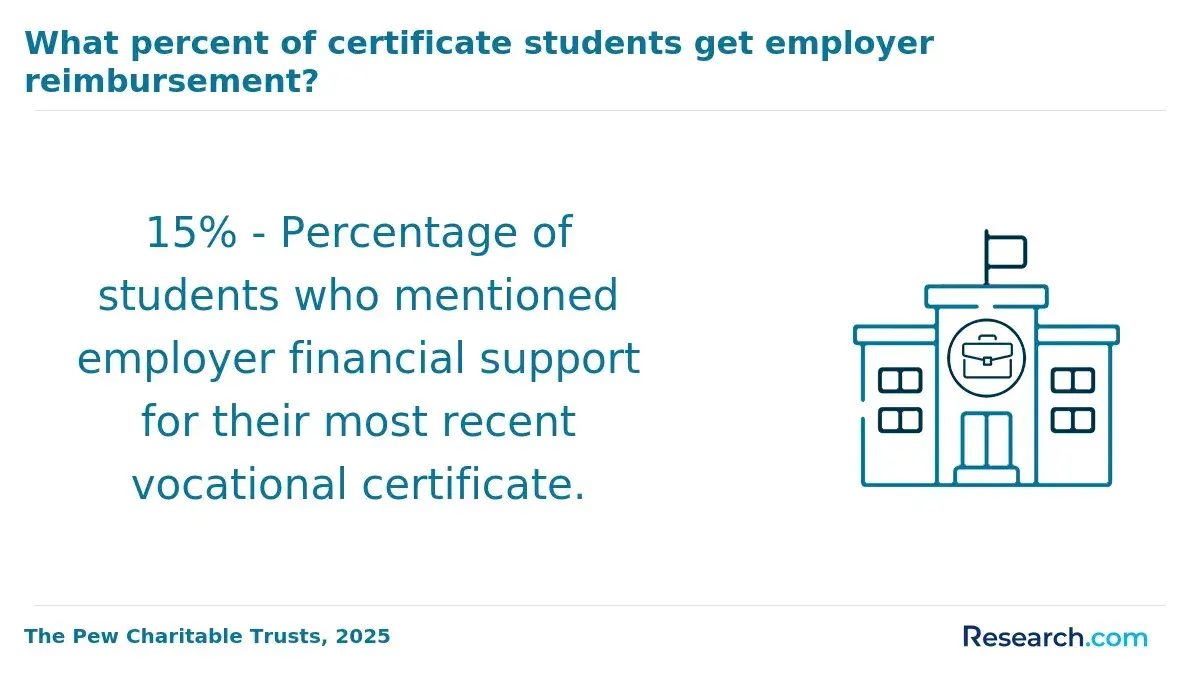
To reduce cost, ask about transfer credits, prior learning assessment, employer tuition assistance, military benefits, scholarships, payment plans, and whether legal software access is included. Avoid choosing the cheapest program automatically if it lacks accreditation, writing-intensive legal courses, software preparation, or career support.
What core courses and technology-focused classes are included in paralegal studies curricula?
Paralegal curricula combine legal doctrine, practical writing, ethics, and technology. The strongest programs repeatedly connect rules to documents and workflows: how a civil procedure concept affects a filing deadline, how a contract clause affects a due diligence checklist, or how a discovery rule affects document review.
Core courses usually build from foundations to specialty practice areas. The exact mix depends on whether the program is a certificate, associate degree, or bachelor's degree.
| Course area | What students learn | Why it matters in a law office |
| Introduction to paralegal studies | Legal systems, court structure, paralegal roles, and unauthorized practice of law limits | Clarifies what paralegals can and cannot do under attorney supervision |
| Legal research and writing | Case law, statutes, regulations, citations, memos, and briefs | Supports attorney decision-making and client matter preparation |
| Civil litigation | Pleadings, discovery, motions, trial preparation, and settlement workflows | Prepares students for one of the largest paralegal employment areas |
| Contracts and business organizations | Contract terms, entity types, filings, and transaction support | Useful for corporate legal departments and business law practices |
| Legal ethics | Confidentiality, conflicts, supervision, billing ethics, and client communication boundaries | Reduces risk for clients, attorneys, and the paralegal |
| Technology for the law office | Case management, e-filing, document management, legal research platforms, and e-discovery basics | Connects classroom learning to daily legal workflows |
Technology-focused classes are especially important because paralegal work is increasingly system-based. A student who can draft a clean pleading, convert and redact PDFs, organize exhibits, use search terms in discovery, and maintain a deadline calendar will be better prepared for entry-level work than one who has only read about those tasks.
When reviewing a curriculum, look for practical assessments rather than only multiple-choice exams. Strong assignments may include research memos, demand letters, discovery requests, deposition summaries, case chronologies, contract review checklists, client intake forms, trial notebooks, and e-filing simulations.
One red flag is a program that lists "legal technology" but provides no detail. Ask whether the course includes hands-on use, workflow demonstrations, graded document production, or a portfolio. A portfolio of polished legal documents can help students show readiness during interviews, especially if they have limited prior office experience.
How do online paralegal programs compare to campus-based options for training and support?
Online and campus-based paralegal programs can both prepare students well, but they differ in schedule, networking style, hands-on support, and access to local legal communities. The best format depends on your learning habits, work schedule, location, and need for face-to-face mentoring.
The comparison below can help you decide which delivery model fits your situation. The right answer is not the same for every student.
| Factor | Online paralegal program | Campus-based paralegal program |
| Schedule flexibility | Often better for working adults and students with caregiving responsibilities | More structured meeting times may help students who need routine |
| Software practice | Can be strong if the program uses cloud platforms, simulations, and digital assignments | May offer labs or in-person demonstrations, depending on campus resources |
| Networking | Requires more intentional effort through virtual events, internships, and professional associations | May offer easier access to local faculty, classmates, courts, and law firms |
| Internships | May be arranged locally or remotely, but availability varies by region | Often tied to the school's local legal employer network |
| Student support | Quality depends on online advising, tutoring, library access, and responsiveness | In-person support may be easier to access for students near campus |
Online study makes sense if you are self-directed, comfortable with technology, and need flexibility. Campus study may be better if you want face-to-face accountability, live legal labs, or a program with strong local employer ties. Hybrid programs can be a practical middle ground.
Accelerated formats require special caution. Fast completion can be useful, but only if the workload still allows meaningful writing, feedback, research practice, and software training. Students comparing fast online pathways in any discipline, including an accelerated architecture degree, should apply the same principle: speed is valuable only when the credential still meets professional expectations.
Before choosing online or campus delivery, take these practical steps:
- Ask to see a sample course shell or syllabus so you can judge assignment depth and technology use.
- Confirm whether classes are asynchronous, synchronous, or mixed, because live meeting requirements can affect work schedules.
- Ask how online students access legal research databases, tutoring, writing support, library help, and career services.
- Find out whether internships are required, optional, remote, local, or replaced by a capstone project.
- Speak with current students or recent graduates if the school can connect you with them.
What entry-level and advanced career paths can paralegal graduates pursue?
Paralegal graduates can pursue entry-level legal assistant and paralegal roles, then specialize as they gain experience. Early work often includes file maintenance, document preparation, client communication, calendaring, research support, and discovery organization. Advanced roles may involve litigation support, trial preparation, corporate governance, compliance, contracts, intellectual property, immigration, real estate, or e-discovery management.
The career path you choose should influence the courses, internships, and software tools you prioritize. Litigation-heavy roles need strong civil procedure and e-discovery preparation. Corporate roles may reward contract review and entity management skills. Government and public interest roles may value administrative law, criminal procedure, benefits law, or bilingual communication.
| Career path | Typical responsibilities | Helpful preparation |
| Legal assistant | Administrative legal support, scheduling, file organization, correspondence, and document formatting | Office software, legal terminology, calendaring, proofreading, and client service |
| Entry-level paralegal | Research, drafting, case tracking, discovery support, and attorney-supervised matter preparation | Legal research, writing, ethics, civil litigation, and case management systems |
| Litigation paralegal | Pleadings, discovery, deposition preparation, trial binders, exhibits, and e-filing | E-discovery, court rules, PDF tools, deadline management, and trial preparation |
| Corporate paralegal | Entity filings, board materials, contracts, due diligence, compliance records, and transaction support | Business organizations, contracts, document management, and spreadsheet skills |
| Compliance or regulatory specialist | Policy tracking, records review, audit support, reporting, and regulatory documentation | Administrative law, research, data organization, and industry-specific compliance knowledge |
| E-discovery or legal technology specialist | Document review workflows, database organization, production tracking, and litigation technology support | E-discovery platforms, search logic, metadata, privilege review, and project management |
Paralegal studies can also pair well with related fields. Students interested in evidence, lab reports, expert witnesses, or investigative support may compare legal studies with programs in forensic science; resources on the best online colleges for forensic science can help clarify whether a science-focused path or legal-support path better matches their goals.
Advancement usually comes from a combination of experience, specialty knowledge, writing quality, reliability, and technology competence. A paralegal who can manage a complex litigation calendar, organize thousands of discovery documents, and communicate clearly with attorneys and clients may move into senior paralegal, litigation support, practice support, compliance, or legal operations roles.
What salary ranges and job outlook can paralegals expect in different legal settings?
Salary outcomes for paralegals vary by geography, employer, specialty, and experience. The U.S. Bureau of Labor Statistics reported a May 2024 median annual wage of $61,010 for paralegals and legal assistants. That median is a midpoint, not a guarantee; entry-level workers in smaller markets may earn less, while experienced paralegals in major metropolitan areas, corporate legal departments, or specialized practices may earn more.
Legal setting matters because the work and revenue model differ. Large law firms may pay more for litigation, corporate, or intellectual property support, but the deadlines can be intense. Government roles may offer stability and benefits but follow public pay scales. Corporate legal departments may reward compliance, contracts, and legal operations skills.
| Setting | Common work focus | Salary context | Fit considerations |
| Small or midsize law firm | General litigation, family law, estate planning, real estate, or local business matters | Pay varies widely by market and practice size | Good for broad experience, but resources and software systems may be limited |
| Large law firm | Complex litigation, corporate transactions, intellectual property, or specialized practice teams | May offer higher compensation in competitive markets | Often deadline-heavy and may require advanced software and document review skills |
| Corporate legal department | Contracts, compliance, governance, vendor records, and legal operations | Compensation depends on industry, company size, and role scope | Good fit for students who like business processes and cross-functional work |
| Government agency or court | Administrative law, criminal justice, public records, case processing, or court operations | Often tied to public salary schedules | May offer stability and mission-driven work, with less salary flexibility |
| Legal technology or e-discovery vendor | Document review workflows, database support, litigation support, and client training | Can reward technical specialization | Best for students who enjoy systems, data organization, and project coordination |
The job outlook is steady but competitive. BLS projections for 2024-2034 indicate slower-than-average employment growth for paralegals and legal assistants, while replacement needs continue to create openings as workers retire or change occupations. For students, that means a degree alone may not be enough; internships, writing samples, software proficiency, and professional references can make a meaningful difference.
To evaluate return on investment, compare expected total program cost with realistic local job postings. Look at required education, preferred software, remote-work policies, salary ranges, and specialty requirements. If most target jobs in your area ask for litigation experience and e-filing knowledge, choose a program that builds those skills before graduation.
Do paralegals need certification, and which credentials require law office software proficiency?
Paralegals generally do not need a state license to work in the way attorneys do, but certification can help demonstrate competence, especially for students without much legal experience. Requirements vary by employer, state, and role. Some employers prefer graduates from accredited or ABA-approved programs, while others focus on writing ability, experience, and software skills.
Major paralegal credentials do not usually require proficiency in one specific law office software brand. However, they often test or assume competence in legal research, ethics, litigation, communication, and document handling. In practice, software proficiency can support certification preparation because modern legal tasks are performed through digital systems.
| Credential or skill marker | Organization or source | Typical purpose | Software relevance |
| Certified Paralegal or CP | NALA | Demonstrates tested paralegal knowledge and skills | Supports research, writing, ethics, and practice-area competence, though not tied to one platform |
| CORE Registered Paralegal or Registered Paralegal | NFPA | Recognizes foundational or advanced paralegal competency | Technology helps with research, drafting, and case organization expected in practice |
| Professional Paralegal or legal professional credentials | NALS | Validates legal support knowledge and professional skills | Office software, document production, and legal procedure skills are practically useful |
| E-discovery or legal technology certifications | Vendors and professional associations | Shows specialized technology competence | May involve platforms or workflows related to document review, productions, and litigation support |
| Software vendor training badges | Case management, e-discovery, research, or document software providers | Signals hands-on familiarity with specific tools | Can help applicants stand out when employers use the same or similar systems |
If you plan to pursue certification, choose courses that build tested competencies first: legal research, writing, ethics, civil litigation, contracts, and procedure. Then add software training that makes those competencies usable in a real office. A certificate badge in a platform is helpful, but it should not replace broad paralegal education.
Common certification mistakes include paying for exam prep before meeting eligibility rules, assuming certification substitutes for experience, and collecting software badges that do not match local job postings. A better approach is to review target job ads, identify repeated requirements, and build a credential plan around the roles you actually want.
Other Things You Should Know About Paralegal Studies
Key personal qualities for paralegal success include attention to detail, strong organizational skills, effective communication, and adaptability. Online paralegal programs in 2027 emphasize software tools, making tech-savviness essential as students interact with digital law office environments and manage case documentation virtually.
It can help you understand legal work before applying to law school, but it is not required for admission. Law schools usually emphasize undergraduate GPA, LSAT or other accepted admissions requirements, writing ability, recommendations, and overall academic readiness.
Some programs allow remote internships, virtual legal clinics, or capstone simulations, but policies vary. If practical experience is important to you, ask whether the school helps online students find placements in their own communities or with remote legal employers.
References
- Top Certified Paralegal Programs | Crushendo® https://crushendo.com/top-certified-paralegal-programs/
- Your Guide to Online Paralegal Programs: Degrees, Classes, and Training https://www.paralegalinst.com/online-paralegal-program
- Paralegal Studies Certificate Program | Long Island University https://liu.edu/brooklyn/academics/school-of-professional-and-continuing-studies/Paralegal-Studies-Certificate-Program
- Paralegal Program Comparison https://paralegal.edu/compare/
- 8 Online Tools for Paralegals: Automate, Organize, and Streamline with Legal Technology https://www.proofserve.com/learn/paralegal-productivity/online-tools-for-paralegals-automate-organize-and-streamline-with-legal-tech
- Affordable Online Paralegal Certification - Get Certified Today https://www.expertrating.com/certifications/personal-development-and-enrichment/paralegal-certification.asp
- Online Paralegal Certificate Program | Self-Paced Course https://www.uscareerinstitute.edu/online-paralegal-school
- Most Popular Online Paralegal Certificates https://www.onlineu.com/degrees/paralegal
- Online Paralegal Degree Programs: Certificate, Associate’s, Bachelor’s and Master’s https://www.becomeaparalegal.org/online-paralegal-studies-degree/
- Choosing the Right Paralegal Software Program: A Guide https://www.clio.com/resources/paralegals/best-paralegal-software-programs/