2027 How to Choose an Online Paralegal Studies Degree for Law Firm Careers

Co-Founder and Chief Data Scientist
Choosing an online paralegal studies degree is really a decision about employability, cost, flexibility, and law firm fit. The latest U. S. Bureau of Labor Statistics wage data reports a median annual wage of $61,010 for paralegals and legal assistants in May 2024, making this a practical legal career path without law school.
This guide is for prospective students comparing online programs, certificates, and degrees. You will learn how to evaluate accreditation, curriculum, cost, timeline, certifications, job roles, salary potential, and red flags before enrolling.
Key Things You Should Know
- The strongest online paralegal studies programs combine institutional accreditation, legal research and writing, litigation practice, ethics, legal technology, and a required or strongly supported internship.
- Cost and completion time vary widely: a certificate may take months, an associate degree often takes about two years, and a bachelor's degree usually takes about four years; College Board 2024-25 data lists average published tuition and fees at $4,050 for public two-year in-district colleges and $11,610 for public four-year in-state institutions.
- Law firm outcomes depend on experience, location, practice area, and credentials; BLS data shows a May 2024 median wage of $61,010 for paralegals and legal assistants, but salaries are not guaranteed by any single degree.
What is an online paralegal studies degree and how does it prepare you for law firm work?
An online paralegal studies degree is an academic program that teaches students how to support attorneys with legal research, drafting, case organization, document review, client communication, and trial preparation. Paralegals do not practice law, represent clients in court, or give legal advice, but they perform much of the structured legal support work that keeps law firm matters moving.
Online paralegal education usually comes in three forms: certificates, associate degrees, and bachelor's degrees. A paralegal certificate online may fit students who already have a college degree or want a shorter credential, while an associate or bachelor's degree may be better for students building their first college credential and seeking broader career mobility.
The table below compares common program types so you can match the credential to your current education level, budget, and law firm career target.
| Program type | Best fit | Typical focus | Law firm career use |
| Undergraduate certificate | Students who want a faster route or already have college credits | Core paralegal skills, legal research, writing, ethics, litigation basics | Entry-level paralegal, legal assistant, document specialist, case assistant |
| Associate degree | Students who want both general education and paralegal training | Legal specialty courses plus writing, communication, and foundational college coursework | Entry-level paralegal roles in small and mid-sized firms |
| Bachelor's degree | Students seeking stronger advancement potential or large-firm competitiveness | Advanced legal topics, research, writing, electives, internships, broader professional skills | Paralegal, litigation support analyst, compliance support, senior legal assistant track |
| Post-baccalaureate certificate | College graduates changing careers into law firm support | Concentrated legal specialty coursework | Career changer pathway into paralegal or legal operations support roles |
A good online program prepares you for law firm work by using practical assignments rather than only legal theory. Look for courses that require drafting pleadings, building case chronologies, using legal databases, preparing discovery materials, and applying confidentiality rules to realistic workplace scenarios.
How do you choose between online and campus-based paralegal programs for law firm careers?
The best format depends on your schedule, learning style, local legal market, and need for in-person networking. Online programs can be excellent for working adults, parents, military students, and career changers, but campus-based programs may offer easier access to local internships, courthouse visits, and face-to-face faculty support.
This comparison can help you decide whether online or campus-based study better supports your law firm goals.
| Factor | Online paralegal program | Campus-based paralegal program | Decision point |
| Schedule flexibility | Often stronger for working students, especially asynchronous courses | More fixed class times and commuting requirements | Choose online if you need to study around work or family obligations |
| Networking | Depends on virtual events, faculty access, alumni connections, and internship support | Often stronger for local law firm relationships | Choose campus if local relationship-building is your top priority |
| Practical training | Can be strong if it includes simulations, legal database training, and internships | May include mock trials, clinics, courthouse activities, or local legal events | Compare actual assignments, not just delivery mode |
| Cost | May reduce commuting, housing, and scheduling costs | May be affordable at local community colleges | Compare total cost, not tuition alone |
| Employer perception | Generally strongest when institutionally accredited and skills-based | Often familiar to local firms if the school has a regional reputation | Ask local employers which programs they recognize |
Before choosing a format, compare programs using the same criteria so you do not mistake convenience for quality. A strong online program should still provide structure, instructor interaction, writing feedback, career support, and access to legal research tools.
- Check whether courses are asynchronous, synchronous, or hybrid, because this affects your weekly schedule and ability to work while enrolled.
- Ask whether the program helps online students secure internships in their own geographic area.
- Review sample syllabi to confirm that assignments mirror law firm tasks such as drafting, citation checking, discovery organization, and legal research memos.
- Ask career services for recent employer relationships, job titles, and placement support instead of relying only on general marketing claims.
- Confirm technology requirements, including access to legal research platforms, document management tools, and virtual meeting software.
A common mistake is choosing the cheapest online program without checking whether it offers real legal specialty coursework. If a curriculum is mostly broad criminal justice or pre-law theory, it may not provide enough practice-oriented training for law firm paralegal roles.
What accreditation should a reputable online paralegal studies program have in the United States?
Accreditation matters because it affects credit transfer, financial aid eligibility, employer confidence, and academic quality review. For U.S. students, the first requirement is institutional accreditation from an agency recognized by the U.S. Department of Education or the Council for Higher Education Accreditation.
Paralegal programs may also have program-level recognition. The best-known quality signal is approval by the American Bar Association, but ABA approval is voluntary and not every reputable program seeks it. Importantly, students should verify whether ABA approval applies to the specific paralegal program and delivery format they plan to enroll in, because online, hybrid, and campus options can be reviewed differently by schools and approving bodies.
Use the following accreditation checklist before you apply. These items help you separate legitimate online paralegal programs from weak or misleading options.
- Confirm the college or university has recognized institutional accreditation, not just a business license or vague "national recognition."
- Check whether the paralegal program is ABA-approved, and if so, whether the approval covers the version of the program you intend to complete.
- Ask whether credits can transfer to other accredited institutions if you later pursue a bachelor's degree or graduate education.
- Verify financial aid eligibility through the school's official financial aid office, especially if you plan to use federal student aid.
- Look for transparent curriculum lists, faculty qualifications, student policies, grievance procedures, and academic calendars.
Red flags include schools that advertise "instant certification," promise employment, refuse to identify their accreditor, or imply that a paralegal degree allows graduates to practice law. A legitimate program should clearly state that paralegals work under attorney supervision and that requirements can vary by employer, state, and practice setting.
What admission requirements do online paralegal studies degrees typically have for prospective students?
Admission requirements depend on the credential level. Certificate programs may be open to students with a high school diploma, while post-baccalaureate certificates require a completed bachelor's degree. Associate and bachelor's degree programs usually require standard undergraduate admission materials.
The table below summarizes typical requirements, but individual schools may add placement tests, minimum GPA rules, background disclosures, or prerequisites.
| Credential level | Common admission requirements | What applicants should check |
| Undergraduate certificate | High school diploma or GED, application form, transcripts | Whether credits apply toward a future associate or bachelor's degree |
| Associate degree | High school diploma or GED, transcripts, placement assessment or test-optional review | General education requirements and transfer agreements |
| Bachelor's degree | High school transcripts or transfer credits, application, possible GPA minimum | Upper-division legal specialty coursework, internship access, and transfer credit limits |
| Post-baccalaureate certificate | Completed bachelor's degree, college transcripts, sometimes resume or statement of purpose | Whether the curriculum is designed for career changers with no legal background |
Students who are attracted to law because of human behavior, criminal cases, or expert testimony may want to compare paralegal studies with related fields before committing. For example, reviewing the pros of being a forensic psychologist can clarify whether you prefer legal support work or a psychology-centered career path.
Before applying, gather documents early and ask admissions offices direct questions. This is especially important if you have transfer credits, military credits, prior legal work experience, or a nontraditional academic record.
- Ask how many transfer credits the program will accept and whether legal specialty courses must be completed at the institution.
- Confirm whether prior learning, military training, or work experience can reduce your course load.
- Ask whether online students have the same access to faculty, library databases, tutoring, and career services as campus students.
- Review technology expectations before enrolling, including webcam, internet speed, proctoring software, and legal database access.
- Check whether a criminal record, professional discipline history, or employment restrictions could affect internship placement or law firm hiring.
How long does it take to complete an online paralegal studies degree and what does it cost?
Completion time depends on credential type, transfer credits, course load, and whether the program follows a traditional semester, accelerated, or self-paced format. The fastest option is usually a certificate, but the fastest credential is not always the best investment if your target employers prefer degrees or if you plan to continue your education.
For cost context, College Board's 2024-25 national pricing data reports average published tuition and fees of $4,050 at public two-year in-district colleges and $11,610 at public four-year in-state institutions. These are broad U.S. benchmarks rather than paralegal-specific prices, but they help students judge whether a program's tuition is unusually high or competitive.
The table below outlines common timelines and cost considerations so you can compare total investment, not just advertised tuition.
| Program option | Typical completion time | Cost factors to compare | Best for |
| Certificate | Several months to about one year, depending on pace | Per-credit tuition, books, legal database fees, noncredit versus credit status | Students seeking faster entry or adding legal skills to an existing degree |
| Associate degree | About two years full time; longer part time | Tuition, general education credits, transfer policies, local community college rates | Students starting college and aiming for entry-level law firm roles |
| Bachelor's degree | About four years full time; shorter with transfer credits | Upper-division tuition, transfer credit limits, internship costs, technology fees | Students seeking broader advancement options or large-firm competitiveness |
| Post-baccalaureate certificate | Often less than one year to about eighteen months | Graduate versus undergraduate tuition, credit status, employer tuition assistance | Career changers who already hold a bachelor's degree |
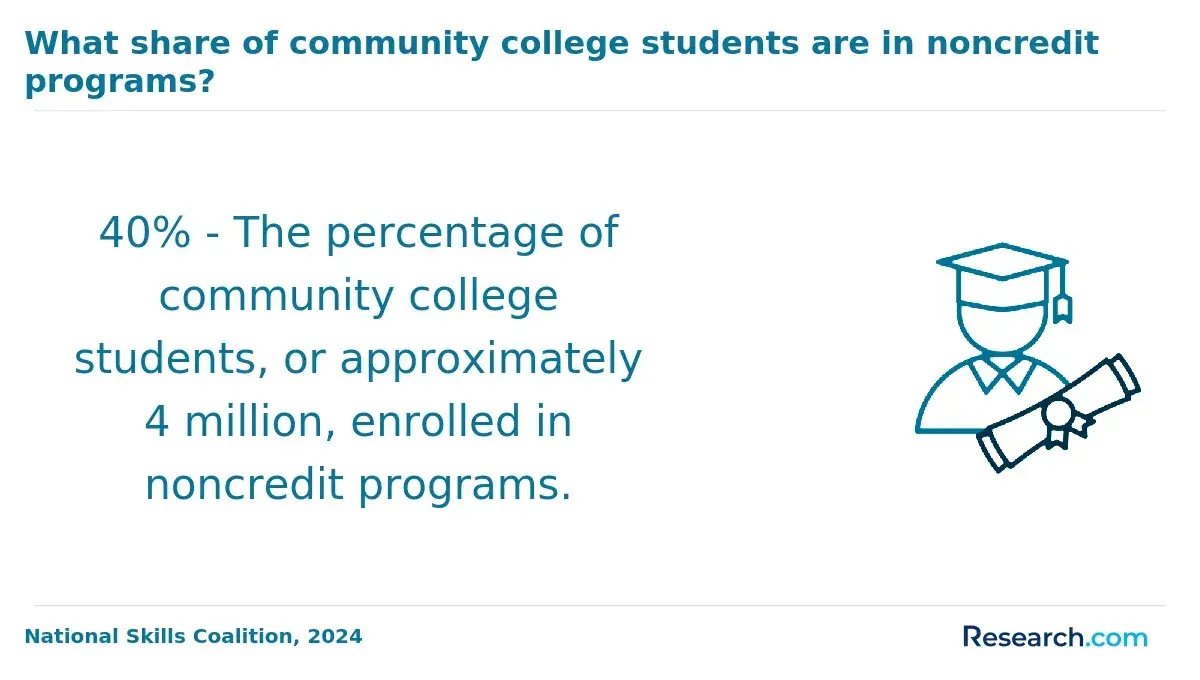
To reduce cost, focus on credits that count toward a credential and career goal. A low-cost noncredit course may be useful for exploration, but it may not transfer, qualify for financial aid, or satisfy employer preferences for an academic credential.
- Request a written total cost estimate that includes tuition, fees, books, technology charges, proctoring fees, and graduation fees.
- Ask for a transfer credit evaluation before enrolling, not after your first term.
- Compare part-time and full-time pacing because extending a program can increase fees, but rushing can hurt grades and internship readiness.
- Check whether the school participates in federal financial aid and whether certificate students are eligible.
- Ask local law firms whether they value the credential you are considering before taking on debt.
The biggest ROI mistake is assuming that a higher tuition program automatically leads to better legal employment. Outcomes depend more on accreditation, curriculum quality, writing ability, internship access, local employer relationships, and your ability to demonstrate practical skills.
What core courses and skills do quality online paralegal programs include for law firm roles?
Quality paralegal programs are built around applied legal work. They should teach students how to find legal authority, interpret procedural rules, draft clear documents, manage deadlines, and communicate professionally with attorneys, clients, courts, and opposing counsel.
AI and legal technology are also changing paralegal work. Law firms increasingly use e-discovery platforms, document automation, case management systems, and AI-assisted research tools, but paralegals still need judgment, source verification, confidentiality awareness, and attorney supervision when using technology.
Look for the following course areas because they map closely to law firm responsibilities.
- Legal research and writing, including case law, statutes, regulations, citations, and objective legal memoranda.
- Civil litigation and procedure, including pleadings, discovery, motions, trial preparation, and court filing systems.
- Legal ethics, including unauthorized practice of law, confidentiality, conflicts of interest, billing practices, and professional responsibility.
- Contracts, torts, business organizations, family law, real estate, probate, or criminal law electives aligned with local law firm demand.
- Technology for law offices, including e-discovery, document management, spreadsheets, calendaring, PDF tools, and legal research databases.
- Client interviewing and communication, with emphasis on professionalism, accuracy, empathy, and attorney-supervised boundaries.
- Internship, capstone, or portfolio course that produces writing samples and practical work products for job applications.
Strong programs also help students build durable workplace skills. Law firms value paralegals who can organize large volumes of information, track deadlines, write concisely, protect client confidentiality, and ask precise questions when facts or instructions are unclear.
When reviewing a curriculum, ask for examples of graded work. A program that requires only multiple-choice exams may not develop the writing, drafting, and document-management skills that law firms expect from job-ready paralegals.
What paralegal certifications or credentials can enhance your employment in law firms?
Paralegal certification is different from a paralegal certificate. A certificate is an educational credential from a school, while certification is usually a voluntary professional credential awarded by an organization after meeting eligibility requirements and passing an exam. Most states do not license paralegals the way they license attorneys, but certifications can strengthen a resume.
The table below summarizes widely recognized credentials that may help paralegals demonstrate competence, especially when applying to competitive law firms or seeking advancement.
| Credential | Organization | Typical purpose | Who may benefit |
| Certified Paralegal or Certified Legal Assistant | NALA | Demonstrates broad paralegal knowledge through an exam-based credential | Students or working paralegals seeking a nationally recognized resume signal |
| CORE Registered Paralegal | NFPA | Entry-level competency credential | Newer paralegals who want to validate foundational knowledge |
| PACE Registered Paralegal | NFPA | Advanced paralegal credential for experienced professionals | Paralegals with substantial experience seeking senior roles |
| Professional Paralegal | NALS | Credential focused on legal support knowledge and professionalism | Legal assistants and paralegals in law office environments |
| State or local specialty credentials | State bar groups or paralegal associations | Shows familiarity with local rules or practice communities | Paralegals targeting firms in states or cities where local credentials are valued |
Certification is most useful when it supports a clear career goal. For example, a litigation paralegal may benefit from credentials plus e-discovery training, while an estate planning paralegal may benefit more from probate, tax, and document-drafting experience.
Before paying for an exam or prep course, take these steps to avoid wasting money on the wrong credential.
- Review job postings in your target city and practice area to see which credentials employers actually mention.
- Confirm eligibility requirements, including education, experience, exam rules, and continuing education obligations.
- Ask your school whether its curriculum prepares students for the certification exam you are considering.
- Compare certification cost with expected career value, especially if you are still building entry-level experience.
- Avoid organizations that use confusing names, promise guaranteed jobs, or sell credentials with little assessment.
What are the main paralegal job roles, responsibilities, and career paths in law firms?
Law firm paralegals support attorneys across the life cycle of a case or transaction. Their responsibilities vary by firm size and practice area, but the core purpose is consistent: improve legal team efficiency while following attorney supervision and ethical boundaries.
The table below outlines common law firm roles and how they differ. Use it to identify which program electives, internships, and technology skills are most relevant to your target job.
| Role | Common responsibilities | Helpful preparation |
| Litigation paralegal | Drafts pleadings, organizes discovery, prepares exhibits, manages deadlines, supports trial preparation | Civil procedure, legal writing, e-discovery, court filing systems |
| Corporate paralegal | Maintains entity records, assists with closings, prepares filings, organizes contracts and board materials | Business organizations, contracts, compliance, document management |
| Family law paralegal | Prepares financial disclosures, drafts routine documents, manages client communication and court deadlines | Family law, client communication, confidentiality, local court procedures |
| Estate planning and probate paralegal | Prepares document packages, tracks assets, supports probate filings, communicates with clients and courts | Probate, estate planning, real estate basics, detail-oriented drafting |
| Immigration paralegal | Organizes forms, evidence, client records, deadlines, and agency filings | Immigration law, multilingual communication, forms management, document accuracy |
| Legal assistant or case assistant | Handles administrative legal support, filing, calendaring, document formatting, and attorney support | Office technology, legal terminology, professionalism, time management |
Career paths often begin with legal assistant, file clerk, intake assistant, or case assistant roles and then progress into paralegal, senior paralegal, litigation support, legal operations, compliance, or practice management. Advancement usually depends on experience, writing quality, reliability, software skill, and the ability to manage complex matters with less supervision.
If you are more interested in human behavior, evaluation, and court-related psychology than document-heavy legal support, compare the paralegal path with the pros of being a forensic psychologist before choosing a program. The two fields can both connect to the legal system, but their training, daily work, and credential expectations are very different.
Paralegal work is a good fit for detail-oriented students who like writing, deadlines, research, organization, and structured problem solving. It may be a poor fit if you want to argue in court, independently advise clients, avoid paperwork, or work without close procedural rules.
What salary ranges and benefits can paralegals working in law firms typically expect?
Salary varies by location, employer size, practice area, experience, education, overtime eligibility, and technology skills. The U.S. Bureau of Labor Statistics reports a May 2024 median annual wage of $61,010 for paralegals and legal assistants, with the lowest 10% earning less than $39,710 and the highest 10% earning more than $98,990. This range shows why students should evaluate local job postings rather than relying on national medians alone.
Law firm pay can also differ by practice area. Large litigation, corporate, intellectual property, and specialized firms may pay more for experienced paralegals who can manage complex filings, discovery databases, transactions, or regulatory documents. Small firms may offer broader hands-on experience but sometimes have tighter salary bands.
The table below explains how experience level often affects responsibilities and compensation expectations without treating salary as guaranteed.
| Career stage | Common titles | Typical responsibility level | Compensation considerations |
| Entry level | Legal assistant, case assistant, junior paralegal | Document formatting, filing, intake support, calendaring, basic research under close supervision | Pay is often most sensitive to local market and prior office experience |
| Early career | Paralegal, litigation paralegal, practice-area paralegal | Drafting, discovery support, case organization, client communication, deadline tracking | Raises often depend on reliability, writing quality, billable work, and practice-area knowledge |
| Experienced | Senior paralegal, lead paralegal, litigation support specialist | Complex case management, advanced filings, trial prep, mentoring, attorney workflow support | Higher pay may be tied to specialized technology, large-firm experience, or high-demand practice areas |
| Advanced adjacent roles | Legal operations coordinator, compliance analyst, practice support manager | Process improvement, reporting, systems, compliance support, team coordination | Compensation may depend on business, technology, and management skills beyond paralegal training |
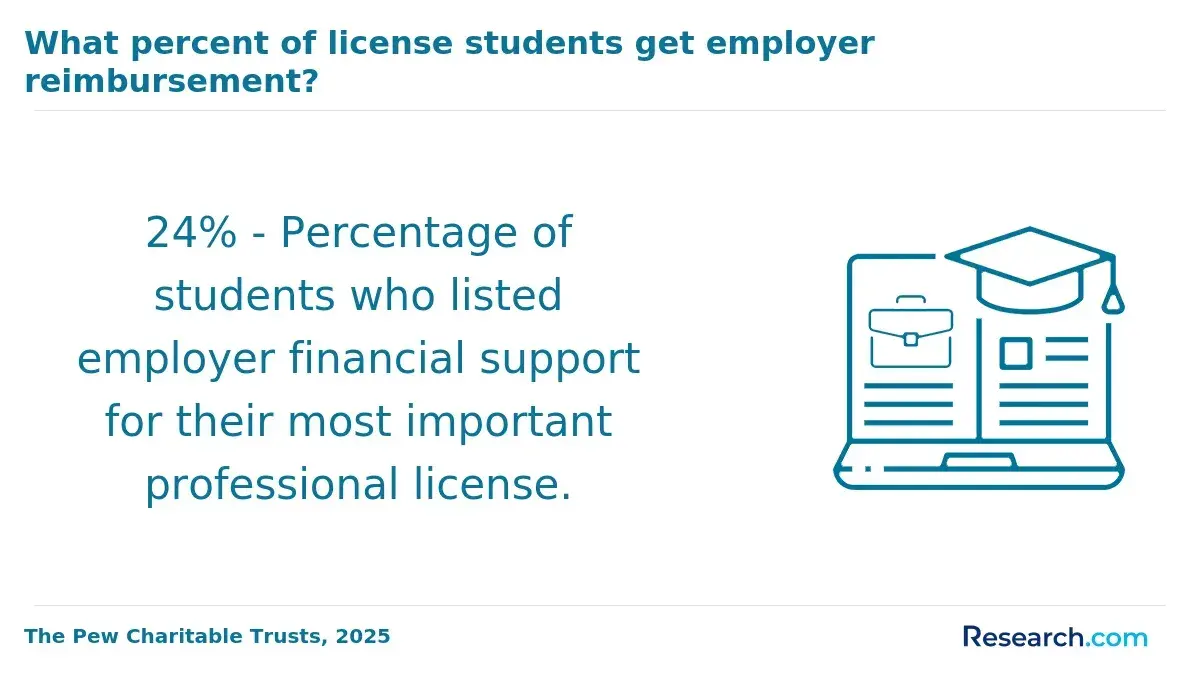
Benefits may include health insurance, retirement plans, paid time off, tuition support, certification reimbursement, remote or hybrid work options, and paid continuing education. However, benefits vary significantly by firm size, location, and whether the position is full time, part time, temporary, or contract-based.
If the salary ceiling of legal support work does not match your long-term goals and you are drawn to expert evaluation or psychology-informed court work, an online forensic psychology masters may be worth comparing as a separate graduate pathway. That option typically involves different admissions standards, coursework, and career outcomes than paralegal studies.
How is the job outlook for paralegals in law firms and where is demand growing most?
The paralegal job outlook is stable but competitive. BLS employment projections released in 2024 estimate 1% growth for paralegals and legal assistants from 2023 to 2033, with about 37,300 openings projected each year on average, largely from replacement needs. For students, this means the field is not shrinking dramatically, but strong preparation matters because employers can be selective.
Demand is strongest where law firms need efficient legal service delivery. Areas such as litigation support, e-discovery, insurance defense, immigration, family law, estate planning, intellectual property, corporate transactions, and compliance-related legal work can create opportunities for paralegals with practice-specific skills.
Technology is reshaping the work rather than eliminating the need for trained legal support. AI tools can summarize documents, search databases, and assist with drafting, but law firms still need paralegals who can verify outputs, protect confidential information, follow court rules, maintain organized case records, and escalate legal judgment questions to attorneys.
Use these practical steps to improve your employability while enrolled.
- Choose electives based on job postings in your target region, not just personal interest.
- Build a portfolio with a legal research memo, draft pleading, discovery index, case chronology, and professional writing sample.
- Complete an internship, externship, volunteer legal clinic role, or part-time legal assistant job if possible.
- Learn widely used tools such as Microsoft Office, PDF editing, e-filing systems, legal research databases, case management software, and e-discovery platforms.
- Join a local paralegal association or legal professional group to learn which firms hire entry-level candidates.
- Practice interview answers that show ethical boundaries, confidentiality awareness, deadline management, and attention to detail.
If you discover that you prefer client acquisition, communications, legal marketing, or business development over case support, comparing marketing graduate programs may point you toward a better-fitting professional path. The smartest education choice is the one aligned with the work you actually want to do every week.
Other Things You Should Know About Paralegal Studies
A paralegal studies degree focuses on practical skills for supporting lawyers, such as legal research and document preparation. In contrast, a pre-law degree is generally broader, preparing students for law school with foundational courses in subjects like history, government, and philosophy.
Many students do, especially in asynchronous programs. Before enrolling, check weekly workload, assignment deadlines, internship expectations, and whether exams require live attendance or proctoring.
Usually not. Law schools generally require a bachelor's degree for admission and do not treat paralegal coursework as law school credit. However, paralegal experience can help applicants understand legal workplaces and confirm whether law is the right long-term field.
References
- ABA Approved!! https://paralegal.edu/blog/aba-approved/
- The Paralegal Job Outlook in the USA: A Promising Career Path - CONCORD RUSAM https://www.concordrusam.com/news/the-paralegal-job-outlook-in-the-usa-a-promising-career-path/
- Paralegal Careers https://www.paralegal411.org/careers/
- Online Paralegal Certificate Program | Self-Paced Course https://www.uscareerinstitute.edu/online-paralegal-school
- What is a Paralegal’s Salary in the UK? Your 2026 Forecast https://www.remitly.com/blog/en-gb/jobs-and-careers/paralegal-salary/
- Top 10 legal certifications to advance your career - One Legal https://www.onelegal.com/blog/top-10-legal-certifications-to-advance-your-career/
- Is the Paralegal Field Booming? Your Job Outlook Guide https://www.paralegalinst.com/paralegal-job-prospects
- Career Outlook and Projected Growth - NALS... the association for legal professionals https://www.nals.org/page/USDEPlabor
- The Paralegal Job Market: Understanding Current Trends and Opportunities | AllAboutLaw https://www.allaboutlaw.co.uk/law-careers/paralegal-work/the-paralegal-job-market-understanding-current-trends-and-opportunities
- Paralegal Certification https://www.paralegals.org/page/paralegal-certification