2027 Best Careers After a Paralegal Studies Degree

Co-Founder and Chief Data Scientist
A paralegal studies degree can lead to more than one legal-support job, but the best path depends on your preferred work setting, education level, and long-term goals. The U. S. Bureau of Labor Statistics reported a May 2024 median annual wage of $61,010 for paralegals and legal assistants, making this field a practical option for students who want legal work without immediately attending law school. This guide explains career options, salary context, certification, accreditation, online versus campus programs, and how to choose a school that fits your goals.
Key Things You Should Know
- The strongest direct career fit is paralegal or legal assistant, with the Bureau of Labor Statistics reporting a May 2024 median annual wage of $61,010 for this occupation.
- Certification is usually voluntary, but employer expectations vary; specialized credentials in areas such as litigation, e-discovery, contracts, or compliance can strengthen advancement options.
- Accreditation matters because credits, financial aid eligibility, transfer options, and employer confidence can depend on whether the institution and paralegal program meet recognized standards.
What are the best careers after a paralegal studies degree?
The best careers after a paralegal studies degree are roles that use legal research, document drafting, case organization, compliance knowledge, and client communication. The right choice depends on whether you want courtroom work, corporate legal support, public-sector service, investigations, or a pathway into another graduate or professional field.
The table below compares strong career paths by fit, typical duties, and advancement potential. Use it to identify which legal environment best matches your strengths before choosing electives, internships, or certifications.
| Career path | Best fit for | Common responsibilities | Advancement outlook |
| Paralegal or legal assistant | Students who want the most direct use of a paralegal studies degree | Legal research, drafting pleadings, organizing case files, preparing discovery, supporting attorneys | Can move into senior paralegal, specialist paralegal, or legal operations roles |
| Litigation paralegal | People who like deadlines, evidence, court procedures, and trial preparation | Managing exhibits, coordinating filings, preparing deposition materials, tracking discovery | Strong path into e-discovery, trial technology, or complex litigation support |
| Corporate paralegal | Students interested in business law, contracts, entities, and governance | Maintaining corporate records, preparing board materials, reviewing contracts, supporting mergers or compliance tasks | Can lead to contracts, compliance, or legal operations positions |
| Compliance assistant or analyst | Detail-oriented graduates who like rules, audits, and risk management | Tracking regulations, organizing compliance records, helping with internal reviews, documenting policies | May require a bachelor's degree or industry-specific training for higher-level analyst roles |
| Contract administrator | Students who like negotiation support, document review, and business processes | Tracking contract terms, renewals, approvals, obligations, and vendor documentation | Can grow into contract management, procurement, or legal operations |
| Court clerk or judicial assistant | Graduates interested in public service and court operations | Processing filings, maintaining records, assisting judges or court staff, communicating with litigants | Can lead to court administration or government legal-support roles |
| Title examiner or real estate legal assistant | Students interested in property, mortgages, closings, and public records | Reviewing title documents, identifying liens, preparing closing files, supporting real estate transactions | Can advance in title companies, real estate law firms, or mortgage operations |
| Legal operations coordinator | Graduates who enjoy systems, budgets, vendors, and technology | Tracking legal spend, managing matter systems, coordinating outside counsel, improving workflows | Often grows with experience in corporate legal departments |
The most practical choice for many graduates is to start in a broad paralegal or legal assistant role, then specialize after one to three years. Litigation, corporate law, real estate, family law, immigration, probate, and personal injury firms all use paralegal skills, but the pace and stress level differ widely.
Current legal workplaces also rely more heavily on legal technology, including e-discovery platforms, document automation, case-management systems, and AI-assisted research tools. That does not eliminate the need for trained legal support; it changes the value proposition. Graduates who can verify AI-generated content, protect confidentiality, cite sources accurately, and manage digital evidence may be more competitive than applicants who only know basic office software.
If your interest is more behavioral science than case administration, paralegal studies can also become a foundation for later work in victim advocacy, corrections, investigations, or expert-witness support. Students considering that longer pathway may compare legal-support roles with an online masters degree in forensic psychology to decide whether they want to remain in legal operations or move toward psychology-based criminal justice work.
Before choosing a career track, compare your preferred daily work style against the role. Litigation can be urgent and deadline-heavy, corporate work is often document- and process-driven, compliance requires patience with regulations, and court roles require professionalism with the public.
What jobs can you get with a paralegal studies degree?
A paralegal studies degree can qualify you for entry-level legal support jobs and may also support adjacent roles in business, government, insurance, real estate, and nonprofit organizations. Some positions are available with an associate degree or certificate, while others prefer a bachelor's degree, prior office experience, or subject-matter knowledge.
The table below separates common jobs by entry level and growth potential. This helps you avoid assuming that every legal-adjacent job has the same education requirements.
| Job title | Typical entry point | Where the job is found | What makes applicants stronger |
| Legal assistant | Entry level | Law firms, corporate legal departments, government offices | Office software, filing procedures, legal terminology, client communication |
| Paralegal | Entry to mid level | Law firms, agencies, in-house legal teams | Research, writing, document drafting, internship or practicum experience |
| Litigation support assistant | Entry level | Litigation firms, e-discovery vendors, large legal departments | Attention to detail, database skills, discovery knowledge, comfort with technology |
| Records or docketing clerk | Entry level | Courts, law firms, government agencies | Calendar management, accuracy, deadline tracking, confidentiality |
| Legal intake specialist | Entry level | Personal injury, family law, immigration, criminal defense, legal aid | Customer service, empathy, fact gathering, conflict management |
| Contract coordinator | Entry to mid level | Corporations, healthcare systems, universities, vendors | Contract terminology, spreadsheet skills, approval workflows, business writing |
| Compliance coordinator | Entry to mid level | Finance, healthcare, insurance, education, government contractors | Regulatory awareness, documentation skills, audit support, ethics training |
| Claims assistant or investigator trainee | Entry level | Insurance companies, risk management offices, third-party administrators | Fact investigation, report writing, evidence review, communication skills |
Students sometimes overlook non-law-firm jobs, but those can be a smart fit if you like legal rules without the billable-hour culture of some firms. Corporate legal departments, hospitals, insurers, universities, banks, government agencies, and compliance teams often need people who understand documents, deadlines, and regulated processes.
To improve your first job search, focus on evidence of job readiness rather than only the degree title. Employers often want to see that you can handle real legal documents and professional communication.
- Build a writing sample that shows clear legal analysis, proper citation, and careful proofreading.
- Complete an internship, clinic, practicum, or volunteer legal-aid experience if your program offers one.
- Learn at least one case-management, e-discovery, or document-management platform used by legal employers.
- Choose electives that match your target area, such as family law, business law, immigration, litigation, or real estate.
- Ask instructors or internship supervisors for references that can speak to confidentiality, accuracy, and reliability.
A paralegal studies degree can also help you discover that your strongest interest is outside traditional legal support. For example, graduates who enjoy client outreach, campaign strategy, or law-firm business development may eventually compare legal operations roles with an online marketing degree, especially if they want to move toward legal marketing, communications, or client acquisition work.
How much can paralegal studies graduates earn?
Earnings after a paralegal studies degree depend on job title, employer type, local legal market, education level, specialization, and experience. The most relevant national benchmark is the Bureau of Labor Statistics figure for paralegals and legal assistants: the May 2024 median annual wage was $61,010. This means half of workers in the occupation earned more and half earned less, so it should be treated as a midpoint rather than a promise.
The table below explains how different factors can affect earning potential. It is more useful than a single salary figure because paralegal work varies by practice area and employer.
| Factor | How it can affect pay | What to consider before choosing |
| Practice area | Complex litigation, corporate law, intellectual property, and compliance-heavy work may offer stronger pay than some small-office roles | Higher pay can come with longer hours, tighter deadlines, or more technical document work |
| Employer type | Large law firms, corporations, federal agencies, and specialized firms may pay differently from small local practices | Compare benefits, training, workload, and advancement, not just hourly or annual pay |
| Location | Major legal markets often pay more but may also have higher living costs | Use local job postings and cost-of-living data before relocating for a salary number |
| Education level | A bachelor's degree can help for corporate, compliance, or management-track roles | An associate degree or certificate may be enough for many entry-level law-firm roles |
| Technology skills | E-discovery, legal research platforms, document automation, and database skills can improve competitiveness | Ask programs which tools students actually use, not just which tools are mentioned in course descriptions |
| Experience | Senior paralegals and specialists may earn more after proving accuracy, judgment, and independence | Early roles with strong mentorship can be more valuable than slightly higher starting pay with little training |
The Bureau of Labor Statistics projects employment for paralegals and legal assistants to grow 1% from 2023 to 2033. That is slower than many high-growth occupations, so students should treat specialization, internships, and technology skills as important differentiators rather than relying on degree completion alone.
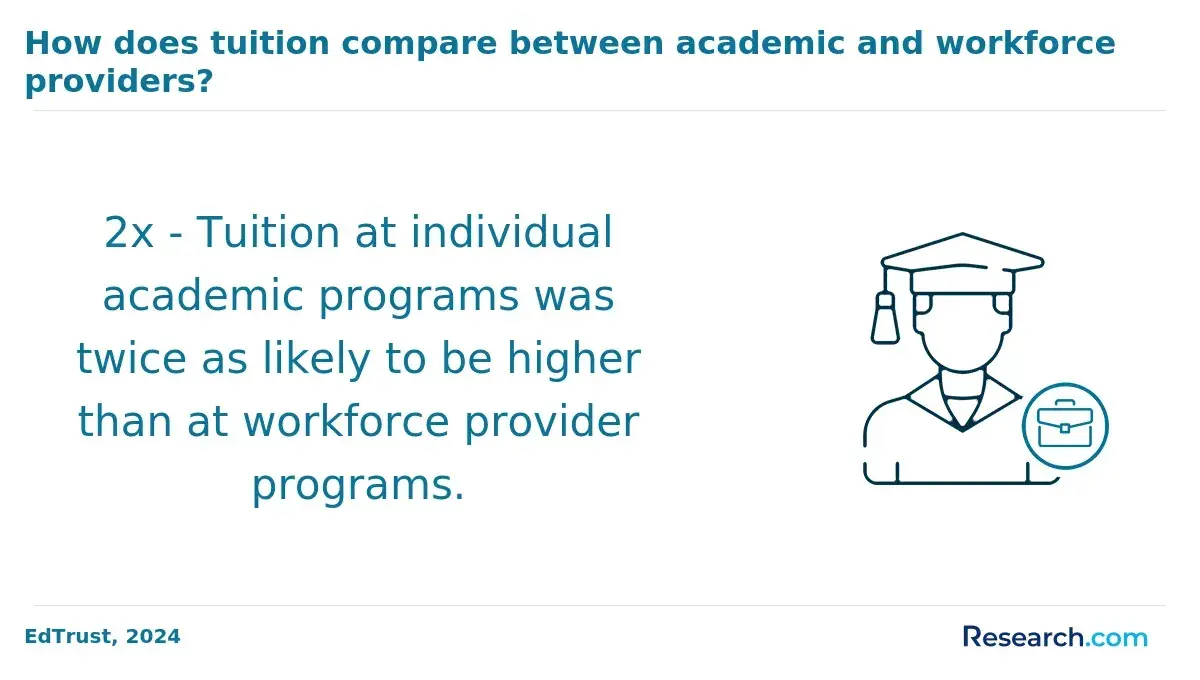
To evaluate return on investment, compare the total cost of attendance with realistic local job postings. Include tuition, fees, books, technology, commuting, childcare, lost work hours, and loan interest. A lower-cost program can be a strong choice if it is accredited, teaches practical skills, and has credible career support.
Do paralegal jobs require certification or licensing?
Most paralegal jobs in the United States do not require a state license, and paralegals do not practice law independently. They work under attorney supervision and must avoid giving legal advice, setting legal fees, or representing clients in court unless a specific law or supervised setting allows it.
Certification is different from licensing. A license is a government authorization to practice a regulated profession; certification is usually a voluntary credential that shows knowledge, experience, or exam-based competency. Some employers prefer or reward certification, especially for competitive roles.
The table below summarizes common credential categories. Requirements can change, so students should verify details directly with the credentialing organization before applying.
| Credential type | Examples | Best for | Important limitation |
| National paralegal certification | NALA Certified Paralegal, NFPA credentials, NALS credentials | Graduates who want a portable credential recognized by many employers | Eligibility rules vary by education and experience |
| Specialty training | E-discovery, contracts, compliance, immigration, intellectual property | Paralegals targeting a specific practice area | Specialty certificates may not replace a degree or broad paralegal training |
| State-specific rules | State definitions, continuing education expectations, limited legal technician rules where applicable | Students planning to work in a state with detailed paralegal regulations | Rules vary by state and may affect job titles or required qualifications |
| Employer-required training | Confidentiality, cybersecurity, ethics, case-management systems | New hires in law firms, agencies, courts, and corporations | Usually internal and not a substitute for external certification |
Certification can make sense if you already meet eligibility requirements, want to stand out in a crowded market, or plan to specialize. It may not make sense immediately if you still need foundational coursework, internship experience, or basic legal office skills.
Before paying for any credential, take these steps to avoid wasting time or money.
- Review job postings in your target city to see which certifications employers actually request.
- Confirm eligibility requirements, exam format, fees, renewal rules, and continuing education obligations.
- Ask your program director whether graduates have benefited from the credential in your local market.
- Prioritize credentials that align with a practice area you genuinely want to enter.
Is an accredited paralegal studies program important?
Yes. Accreditation is important because it helps determine whether a school meets recognized academic standards, whether students may qualify for federal financial aid, and whether credits are more likely to transfer. For paralegal studies, students should understand two different concepts: institutional accreditation and program approval.
Institutional accreditation applies to the college or university as a whole. Program approval applies to a specific paralegal program and may signal that the curriculum, faculty, library resources, and legal specialty coursework have been reviewed against paralegal education standards.
One commonly recognized program-level marker is American Bar Association approval. The ABA approves paralegal education programs; it does not accredit colleges and does not certify individual paralegals. Students comparing ABA-approved paralegal programs should still check institutional accreditation, cost, transfer policies, and format requirements.
The table below shows how accreditation-related terms differ. Knowing the distinction helps you ask better admissions questions and avoid misleading marketing language.
| Term | What it means | Why it matters |
| Institutional accreditation | The college or university has been reviewed by a recognized accreditor | Can affect financial aid, transfer credit, graduate admission, and employer confidence |
| ABA approval | A specific paralegal education program has met ABA paralegal education standards | Can be valued by employers and may indicate structured legal specialty coursework |
| State authorization | The school is authorized to offer education in a state or to online students in certain locations | Important for online learners and students living outside the school's home state |
| Professional certification | An individual earns a credential from a professional organization | Can support employability but does not replace school accreditation |
A common mistake is assuming that "approved," "recognized," "certified," and "accredited" all mean the same thing. They do not. Before enrolling, verify the school's accreditation status using official sources and ask whether the paralegal program itself has any program-level approval.
Should you choose an online or campus paralegal program?
Online and campus paralegal programs can both be good choices if they are reputable, properly accredited, and aligned with your career goals. The better option depends on your schedule, learning style, local legal network, technology comfort, and need for hands-on support.
The table below compares the trade-offs that matter most. Use it to decide which format will help you finish the program and become job-ready, not just which one sounds more convenient.
| Format | Best for | Potential advantages | Possible drawbacks |
| Online paralegal program | Working adults, caregivers, rural students, and learners who need schedule flexibility | Flexible access, reduced commuting, more options outside the local area | Requires self-discipline; internships and networking may require extra effort |
| Campus paralegal program | Students who prefer in-person instruction, local networking, and structured schedules | Face-to-face support, campus career services, easier local employer connections | Less flexible for full-time workers; commuting and schedule conflicts can add cost |
| Hybrid paralegal program | Students who want flexibility but still value in-person practice | Balance of online coursework and campus interaction | May still require travel on specific days or for legal specialty courses |
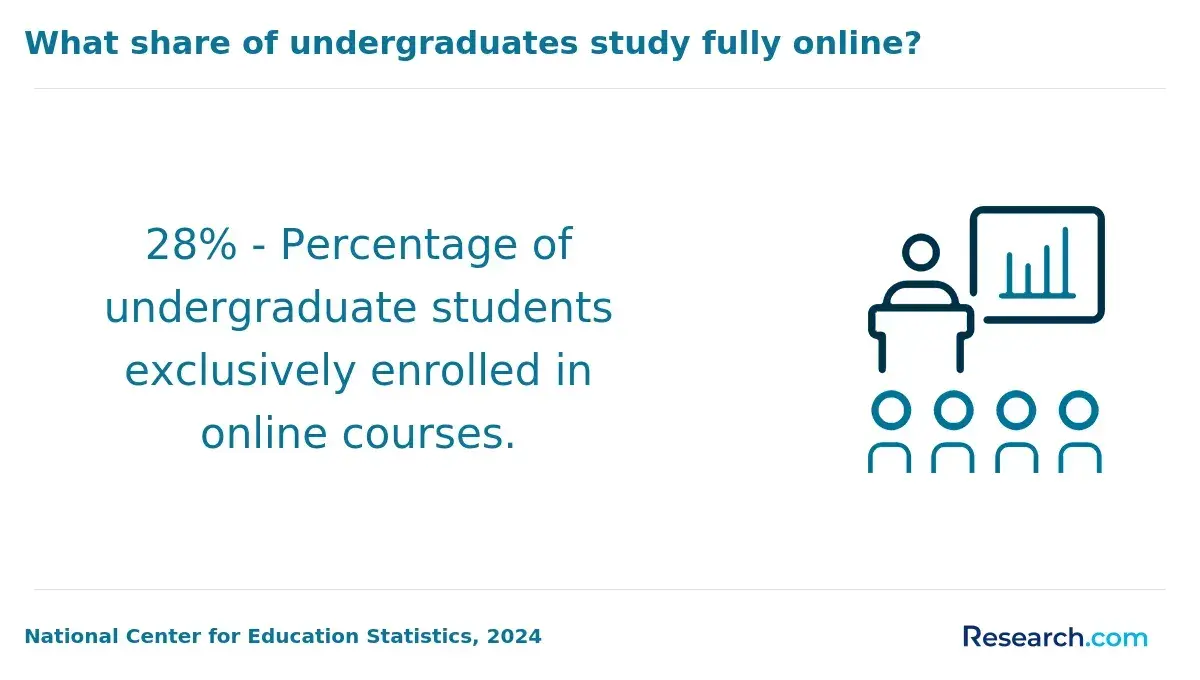
Online learning is especially common among adult students who are balancing work and school, but legal education still requires active practice. A strong online program should include legal writing feedback, research assignments, ethics instruction, instructor access, and ideally internship or practicum support.
Ask these questions before choosing an online or campus format.
- Are legal specialty courses taught by qualified instructors with legal or paralegal experience?
- Does the program help online students find internships, clinics, or local legal volunteering opportunities?
- Will credits transfer if you later pursue a bachelor's degree or another credential?
- What legal research databases, case-management tools, or e-discovery platforms will you actually use?
- Does the format meet any program-approval requirements, such as limits on how certain legal specialty courses may be delivered?
Choose online if flexibility is the main barrier to enrollment and you can manage deadlines independently. Choose campus if you need more structure, want stronger local networking, or learn best through direct interaction.
What coursework is included in a paralegal studies degree?
Paralegal studies coursework teaches students how the legal system works and how to support attorneys ethically and accurately. The curriculum usually combines legal theory, practical document work, research, writing, technology, and specialty law topics.
The table below outlines common course categories and why they matter for employability. Exact course titles vary by school, so compare learning outcomes rather than relying only on catalog names.
| Course area | What students learn | Career relevance |
| Introduction to law and legal systems | Court structure, sources of law, civil and criminal procedures, legal terminology | Builds the foundation for all legal-support work |
| Legal research and writing | Case law, statutes, citation, memoranda, briefs, objective analysis | Essential for paralegal, litigation, and policy-related roles |
| Civil litigation | Pleadings, discovery, motions, trial preparation, case deadlines | Important for law firms and litigation support jobs |
| Legal ethics | Unauthorized practice of law, confidentiality, conflicts of interest, attorney supervision | Critical because ethical mistakes can harm clients and employers |
| Contracts and business law | Contract formation, obligations, business entities, commercial documents | Useful for corporate paralegal and contract administrator roles |
| Technology for legal work | Research databases, document management, e-filing, case-management tools | Increasingly important as legal teams adopt automation and AI-supported workflows |
| Specialty electives | Family law, immigration, real estate, probate, criminal law, intellectual property | Helps students align coursework with a target practice area |
The best coursework is practical, not just theoretical. Look for assignments that require drafting, research, citation, document review, and deadline management. These are the tasks employers expect new legal-support workers to perform accurately.
Students should also build transferable skills throughout the program. Legal employers value people who can protect confidential information, communicate clearly with clients, work under pressure, and avoid overstepping into legal advice.
What are the admission requirements for paralegal studies programs?
Admission requirements depend on the credential level. Certificate, associate, bachelor's, and post-baccalaureate paralegal programs may have different expectations for prior education, transcripts, placement testing, and work experience.
The table below summarizes common admission requirements by program type. Always confirm requirements with the school because policies can differ even among programs with similar names.
| Program type | Common admission requirements | Best fit |
| Undergraduate certificate | High school diploma or equivalent, application, transcripts, sometimes placement assessment | Students seeking a shorter entry route into legal support |
| Associate degree | High school diploma or equivalent, transcripts, general education placement, application fee if applicable | Students who want a two-year academic credential and transfer options |
| Bachelor's degree | High school diploma or equivalent, transcripts, general education requirements, sometimes minimum GPA or test-optional review | Students targeting broader business, compliance, or management-track roles |
| Post-baccalaureate certificate | Completed bachelor's degree, college transcripts, sometimes minimum GPA or writing sample | Career changers who already hold a degree and want focused paralegal training |
Some programs may also ask for a personal statement, resume, interview, or technology readiness confirmation. Online programs may require students to verify computer access, internet reliability, and the ability to use learning-management systems.
If you have a criminal record, do not assume you are automatically excluded from paralegal studies or legal-support work. Policies vary by school, employer, court, internship site, and state rules. Students comparing education options may find it useful to review resources on the best degrees for felons while also asking schools how background checks affect internships, externships, and job placement.
Before applying, gather the documents schools are most likely to request. Preparing early can prevent delays in admission or financial aid processing.
- Official high school, GED, or college transcripts.
- Government-issued identification and residency documentation if needed for tuition classification.
- Prior college syllabi or transcripts if you want transfer credit reviewed.
- A resume if applying to a post-baccalaureate, career-change, or selective program.
- Questions for admissions about background checks, internship eligibility, and transfer pathways.
How long does it take to finish a paralegal studies degree?
The time required depends on the credential, enrollment intensity, transfer credits, and whether courses are offered in accelerated terms. A shorter program can get you into the workforce faster, while a longer degree may provide broader general education, transfer options, and more flexibility for advancement.
The table below compares common timelines. Use it to balance speed against career flexibility and total cost.
| Credential | Typical full-time timeline | Who it fits best | Trade-off |
| Paralegal certificate | About 6 to 12 months | Students who already have general education or want focused job training | May offer fewer transfer credits or less broad academic preparation |
| Associate degree in paralegal studies | About 2 years | Students seeking entry-level legal work and a recognized undergraduate credential | Takes longer than a certificate but may support transfer to a bachelor's program |
| Bachelor's degree with paralegal concentration | About 4 years | Students who want broader career options in law, compliance, business, or public administration | Usually costs more and takes longer than an associate degree |
| Post-baccalaureate paralegal certificate | About 6 to 18 months | Career changers who already hold a bachelor's degree | Efficient for legal skills but not a substitute for law school or attorney licensure |
Part-time enrollment can extend these timelines, but it may be the better choice if you need to keep working. Accelerated programs can be useful for motivated students, but they can also compress research, writing, and legal terminology into a demanding schedule.
To choose the right timeline, consider these practical factors before enrolling.
- How many hours per week you can realistically study without falling behind.
- Whether you need a program that offers evening, weekend, asynchronous, or hybrid courses.
- Whether transfer credits can reduce your timeline and total cost.
- Whether the program includes an internship that may require daytime availability.
- Whether a certificate is enough for your target jobs or a degree would give you more flexibility.
A common mistake is choosing the fastest program without checking whether it includes legal research, writing, ethics, and practical document work. Speed matters, but job readiness matters more.
How do you choose a reputable paralegal studies school?
Choosing a reputable paralegal studies school means looking beyond tuition and marketing claims. The best program for you should be accredited, affordable, practical, transparent about outcomes, and aligned with the legal jobs you actually want.
Because the Bureau of Labor Statistics projects only 1% employment growth for paralegals and legal assistants from 2023 to 2033, program quality matters. In a slower-growth market, students benefit from schools that provide strong writing instruction, internships, employer connections, and technology training.
Use the following steps to compare schools in a structured way.
- Verify institutional accreditation through official accreditor or government databases.
- Ask whether the paralegal program has ABA approval or another recognized program-level review.
- Compare total cost, not just tuition, including fees, books, software, commuting, and lost work time.
- Review required courses to confirm that legal research, writing, ethics, litigation, and practical drafting are included.
- Ask how online students receive feedback on writing, research, and document-preparation assignments.
- Check whether internships, practicums, legal clinics, or employer partnerships are available.
- Request job-placement information, but ask how it is calculated and which jobs are included.
- Talk with current students or graduates if possible, especially about instructor access and career support.
The table below highlights common red flags and better alternatives. It can help you avoid programs that look convenient but may not support your career goals.
| Red flag | Why it matters | Better alternative |
| Unclear accreditation status | May affect aid, transfer credit, and employer confidence | Choose a school that clearly identifies its recognized institutional accreditor |
| Vague career promises | No program can guarantee employment or salary | Ask for transparent placement data and examples of recent employer partners |
| No legal writing feedback | Writing is central to paralegal work | Look for courses with graded memoranda, drafting projects, and instructor comments |
| No ethics course | Paralegals must understand confidentiality and unauthorized practice of law | Choose a curriculum with dedicated legal ethics instruction |
| Technology mentioned but not practiced | Employers increasingly expect comfort with legal software and digital documents | Ask which platforms students use in assignments or labs |
| Internships unavailable to online students | Experience can be important for first-job competitiveness | Choose a program with remote-friendly placement support or local internship guidance |
Finally, match the school to your goal. If you want fast entry into a local law office, an affordable certificate or associate program with strong internship support may be enough. If you want corporate compliance, legal operations, or graduate study later, a bachelor's pathway with transferable credits may offer more flexibility.
Other Things You Should Know About Paralegal Studies
Some paralegals work remotely or hybrid, especially in document-heavy roles such as contracts, e-discovery, legal research, and corporate support. Fully remote entry-level roles may be more competitive because employers often prefer new staff to receive close supervision.
Focus on proofreading, professional writing, calendar management, spreadsheet organization, legal research, client communication, and confidentiality. Familiarity with case-management software and e-filing systems can also help you look more job-ready.
Yes, a paralegal studies degree can provide a strong foundation for law school by developing your understanding of legal systems and procedures, enhancing research and writing skills, and offering practical insights into the legal field. It’s a beneficial step for those considering law school in 2027.
References
- Importance of Accredited Paralegal Programs | All Criminal Justice Schools https://www.allcriminaljusticeschools.com/blog/paralegal-accreditation/
- Paralegal School Information https://www.paralegal411.org/
- Paralegal Certification https://www.paralegals.org/page/paralegal-certification
- Best Paralegal Schools By State https://www.criminaljusticedegreeschools.com/degree-by-state/paralegal-schools/
- 5 careers you can have with a paralegal studies degree - SMWC https://www.smwc.edu/5-careers-you-can-have-with-a-paralegal-studies-degree-blog-mar-21/
- Your Guide to Online Paralegal Programs: Degrees, Classes, and Training https://www.paralegalinst.com/online-paralegal-program
- 7 Paralegal Jobs Not in Law Firms https://www.becomeaparalegal.org/blog/7-paralegal-jobs-not-in-law-firms-where-to-look-what-to-expect/
- Paralegal https://www.fanshawec.ca/programs/plg1-paralegal/next
- Requirements https://www.macewan.ca/academics/programs/paralegal-studies/admissions/requirements/
- How long does it take to become a paralegal? That depends. https://paralegal-bootcamp.com/how-long-does-it-take-to-become-a-paralegal/