2027 Online Paralegal Studies Degrees for Students Who Want Corporate Paralegal Careers

Co-Founder and Chief Data Scientist
Choosing an online paralegal studies degree is really a career investment decision: will the program help you qualify for corporate legal work, not just finish credits? The U. S. Bureau of Labor Statistics reports a median paralegal and legal assistant pay of $60,970, with about 37,300 openings projected annually. For students targeting in-house legal departments, compliance teams, and business law firms, this guide explains degree options, accreditation, costs, skills, salary context, and program red flags so you can compare schools with clearer expectations.
Key Things You Should Know
- Corporate paralegal careers usually favor practical training in contracts, entity governance, compliance, legal research, e-discovery, and business communication, not just general legal theory.
- The BLS lists $60,970 as the median pay for paralegals and legal assistants, but corporate legal departments, large firms, location, experience, and technology skills can significantly affect compensation.
- Before enrolling, verify institutional accreditation, transfer-credit rules, legal specialty curriculum, internship access, and whether the program aligns with ABA guidance or employer expectations.
What is an online paralegal studies degree and how does it prepare corporate paralegals?
An online paralegal studies degree is a college program that teaches students how to support attorneys by performing legal research, drafting documents, organizing case or matter files, managing deadlines, and communicating with clients, courts, regulators, and business teams. In a corporate context, the work often shifts away from courtroom litigation and toward contracts, compliance, company records, mergers, employment matters, intellectual property, and risk management.
Online programs can lead to an associate degree, bachelor's degree, or, for students who already hold a degree, a paralegal certificate. For corporate paralegal careers, the best-fit program is usually the one that combines legal fundamentals with business-focused coursework and hands-on assignments that resemble real legal department work.
The table below compares common online paralegal education paths. Use it to match your current education level and career goal to the credential that is likely to make the most sense.
| Program type | Best fit | Typical corporate career use | Main trade-off |
| Associate degree in paralegal studies | Students starting college or changing careers without a prior degree | Entry-level legal assistant or junior paralegal roles in firms, corporations, insurers, or banks | Lower time commitment than a bachelor's degree, but some employers prefer a four-year degree |
| Bachelor's degree in paralegal studies or legal studies | Students who want broader advancement options | Corporate paralegal, compliance support, contract administration, legal operations assistant | Higher total cost and longer timeline, but stronger general education and business preparation |
| Post-baccalaureate paralegal certificate | Students who already have a bachelor's degree | Fast career pivot into paralegal work, especially when paired with business, finance, HR, or language skills | Shorter and focused, but not a degree by itself |
| Legal studies degree without a paralegal concentration | Students interested in law-adjacent careers beyond paralegal work | Compliance, policy, risk, HR, claims, or administrative legal support | May be less directly aligned with paralegal job postings unless it includes legal research and writing |
Corporate paralegal preparation should be practical. A strong online program will ask students to draft business documents, research statutes and regulations, review contract clauses, use legal databases, practice citation, and manage simulated matters with deadlines.
What education and skills do you need to become a corporate paralegal?
Corporate paralegals are not attorneys and cannot give legal advice, represent clients in court, or set legal strategy. Their value comes from helping licensed attorneys and legal teams execute work accurately, efficiently, and ethically. Employers often look for a mix of formal education, legal writing ability, business judgment, and comfort with technology.
Most students should think about preparation in layers: baseline education, job-ready legal skills, and corporate-specific business skills. The following areas are especially important for students who want to compete for in-house legal department or corporate law firm roles.
- Legal research and writing: Students should learn how to find statutes, regulations, cases, agency guidance, corporate records, and secondary sources, then summarize them clearly for supervising attorneys.
- Contract support: Corporate paralegals may track contract versions, compare clauses, prepare signature packets, manage renewals, and maintain contract databases.
- Entity governance: Many roles involve board minutes, annual reports, secretary of state filings, registered agent records, stock ledgers, and subsidiary management.
- Compliance awareness: Useful coursework may include employment law, privacy, securities basics, banking, healthcare, insurance, environmental regulation, or industry-specific compliance.
- Technology skills: Employers increasingly expect familiarity with Microsoft Office, PDF tools, legal research platforms, e-discovery systems, contract lifecycle management software, and document management systems.
- Professional communication: Corporate legal work often involves attorneys, executives, vendors, HR, finance, sales, and outside counsel, so concise writing and judgment matter.
Students with bilingual ability may find additional value in global companies, immigration-adjacent corporate work, vendor management, or cross-border documentation. If language strength is part of your long-term plan, comparing a paralegal pathway with a Spanish online degree can help you decide whether legal training, language credentials, or a combined strategy fits your goals better.
A common mistake is assuming that "paralegal studies" and "pre-law" are interchangeable. Pre-law coursework can be intellectually useful, but corporate paralegal employers usually want evidence that you can perform applied legal support tasks on day one.
How do online paralegal studies programs compare to campus-based options for corporate careers?
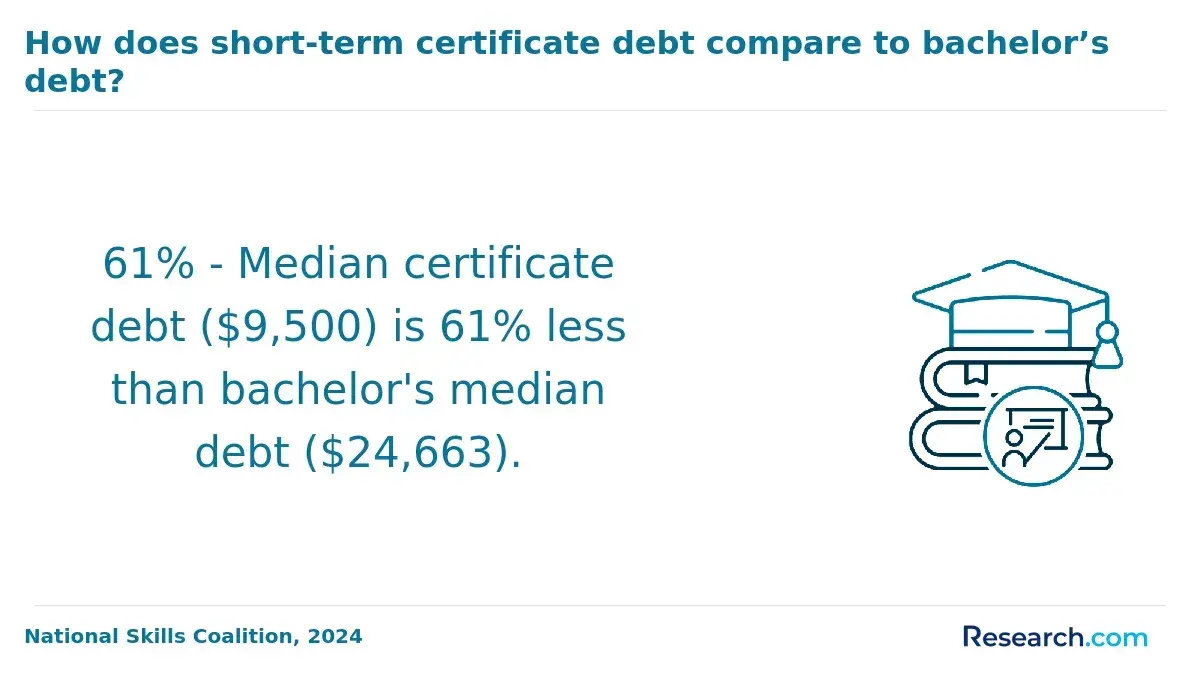
Online and campus-based paralegal programs can both prepare students for corporate careers, but they serve different needs. The best choice depends on your schedule, local employer access, learning style, and need for networking or hands-on support.
The comparison below summarizes the practical differences that matter most for students planning to work in corporate legal departments or business law settings.
| Factor | Online paralegal studies | Campus-based paralegal studies | Best choice when |
| Schedule | Often asynchronous or evening-friendly | More fixed class times | Online fits working adults, caregivers, military students, and career changers |
| Networking | Depends heavily on virtual events, career services, and internships | May offer local legal community connections | Campus can help if you want a local law firm pipeline |
| Skill practice | Can be strong if courses use simulations, legal databases, and document drafting | Can be strong if courses include labs, clinics, or live workshops | Choose the format with the most applied assignments, not just lectures |
| Corporate relevance | Varies by curriculum and faculty experience | Varies by curriculum and local employer ties | Look for contracts, compliance, business organizations, and legal technology |
| Cost flexibility | May reduce commuting, relocation, and schedule costs | May offer local tuition advantages or campus resources | Compare total cost, not tuition alone |
Online study can be a smart fit for corporate paralegal students because the work itself is increasingly digital. Contract databases, e-signature workflows, remote matter management, and e-discovery platforms are now common in legal departments. However, online convenience should not replace career preparation; a weak online program with no internship support, no legal research tools, and limited instructor feedback may be less useful than a stronger campus option.
Ask each school how online students access legal databases, career coaching, internship listings, faculty office hours, and document-drafting feedback. If those supports are vague, treat it as a red flag.
How can you verify accreditation and program quality for online paralegal degrees?
Accreditation is one of the most important checks before enrolling because it affects transfer credit, federal financial aid eligibility, employer perception, and future education options. Start with institutional accreditation, then evaluate paralegal-specific quality signals.
For U.S. colleges, institutional accreditation should come from an agency recognized by the U.S. Department of Education or the Council for Higher Education Accreditation. After that, students can look at whether the paralegal program follows recognized professional standards, uses qualified legal faculty, and provides substantial legal specialty coursework.
ABA approval is another quality signal, but it requires careful interpretation. The American Bar Association approves paralegal education programs that meet its standards, although not every reputable paralegal program is ABA-approved and fully online delivery may be limited by ABA rules. If ABA approval is important to your target employers, compare ABA-approved paralegal programs and ask schools exactly which courses can be completed online.
Use this checklist before you apply. It focuses on evidence you can verify rather than marketing language.
- Confirm the college's institutional accreditation through official accreditation databases, not only the school website.
- Review the paralegal curriculum and count legal specialty courses such as legal research, legal writing, civil litigation, contracts, business organizations, ethics, and technology.
- Ask whether legal specialty courses are taught by attorneys, experienced paralegals, or faculty with relevant legal practice backgrounds.
- Check whether the program provides access to legal research platforms and teaches citation, document drafting, and professional ethics.
- Ask career services for recent internship examples, employer partners, job titles pursued by graduates, and support available to online students.
- Verify transfer-credit policies, residency requirements, and whether credits can apply to a higher degree later.
A major red flag is a program that advertises quick entry into legal work but cannot clearly explain accreditation, faculty qualifications, legal specialty coursework, or career support. Another red flag is any school implying that a paralegal credential authorizes independent legal practice; it does not.
What courses and specializations are included in corporate-focused paralegal studies curricula?
Corporate-focused paralegal studies curricula usually combine a legal core with business law electives. The legal core teaches students how the legal system works, while the corporate courses prepare them for legal support inside companies, banks, insurers, healthcare organizations, technology firms, and business law practices.
The table below shows common course areas and how each one connects to corporate paralegal work. Use it to evaluate whether a program's curriculum matches the job setting you want.
| Course area | What students learn | Why it matters for corporate paralegals |
| Legal research and writing | Research methods, citation, memoranda, statutory and regulatory analysis | Supports attorney decision-making and accurate internal summaries |
| Contracts | Contract formation, clauses, breach, remedies, review workflows | Directly relevant to vendor, customer, employment, and service agreements |
| Business organizations | Corporations, LLCs, partnerships, governance, filings | Useful for entity management, board records, and corporate maintenance |
| Civil litigation | Pleadings, discovery, motion practice, trial preparation | Helpful when companies face disputes, subpoenas, or regulatory investigations |
| Legal ethics | Unauthorized practice of law, confidentiality, conflicts, supervision | Essential because paralegals work under attorney supervision |
| Employment law | Workplace rights, discrimination, wage issues, HR documentation | Relevant for companies with internal HR and employment counsel |
| Intellectual property | Trademarks, copyrights, patents, trade secrets | Useful in technology, media, consumer products, and brand-heavy companies |
| Legal technology and e-discovery | Document review, data preservation, databases, digital evidence workflows | Increasingly important as legal departments manage large volumes of digital information |
Some programs offer specializations or elective clusters. For corporate careers, the most useful concentrations usually include business law, compliance, contract management, litigation support, legal technology, or intellectual property.
AI is changing this curriculum area quickly. Corporate paralegals may use AI-assisted review, contract analytics, automated templates, and knowledge-management tools, but they still need human judgment to check accuracy, protect confidentiality, follow attorney instructions, and identify issues that software may miss.
What are typical admission requirements, program length, and formats for online paralegal degrees?
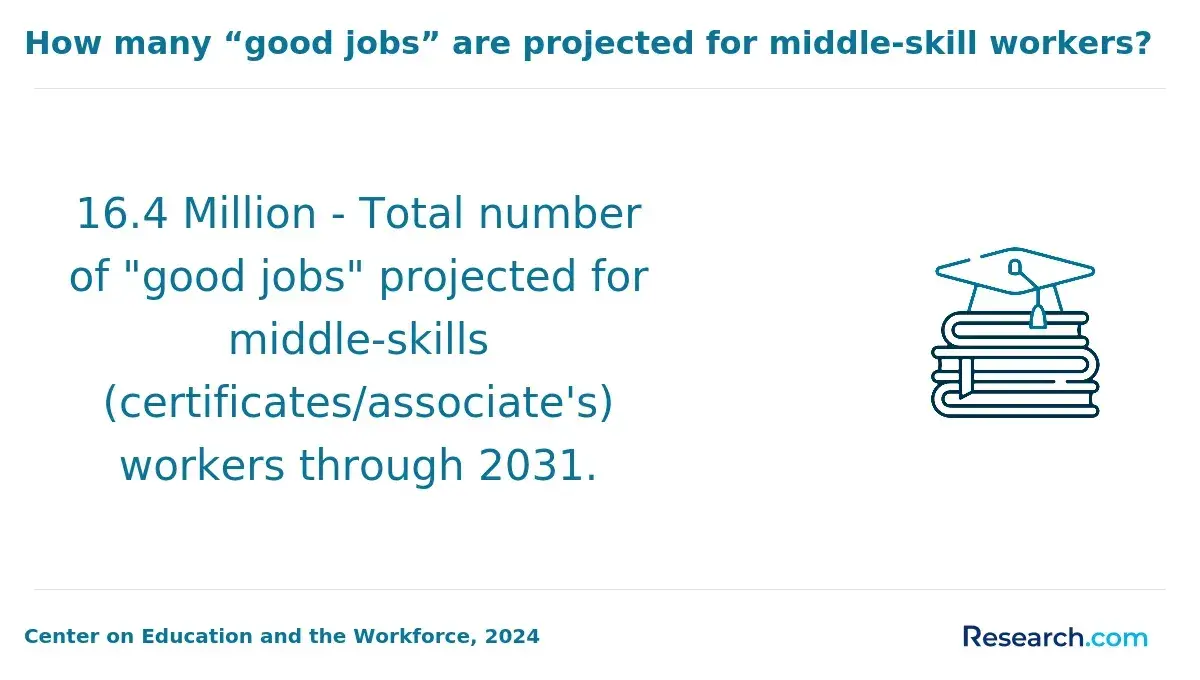
Admission requirements and program length vary by credential level. Online paralegal programs are often designed for adults with different academic backgrounds, so students should compare both admissions fit and completion format before choosing a school.
The table below summarizes common requirements and timelines. Exact rules vary by institution, so treat these as typical patterns rather than universal requirements.
| Credential | Common admission requirements | Typical length | Format considerations |
| Associate degree | High school diploma or GED, application, transcripts, placement assessment if required | About 2 years full time | Often available part time; may include general education and legal specialty courses |
| Bachelor's degree | High school diploma or GED, transcripts, general admissions requirements, transfer evaluation if applicable | About 4 years full time | Transfer students may finish faster if credits apply |
| Post-baccalaureate certificate | Completed bachelor's degree, transcripts, sometimes minimum GPA or writing prerequisites | Several months to about 18 months | Good for career changers who already meet degree preferences in job postings |
| Undergraduate certificate | High school diploma or GED, transcripts, school-specific requirements | Often under 1 year to about 18 months | May be useful for entry-level exposure but may not satisfy employers that prefer degrees |
Online formats commonly fall into three categories. Understanding the difference helps you avoid enrolling in a program that does not match your work schedule or learning style.
- Asynchronous: Students complete weekly work on their own schedule, which is best for maximum flexibility but requires strong self-management.
- Synchronous: Students attend live online classes at set times, which can provide structure and discussion but may be harder for shift workers.
- Hybrid: Students complete most work online but attend some campus sessions, labs, exams, or internship activities, which can be useful if local networking matters.
Before enrolling, ask whether courses are accelerated, how often new terms begin, whether legal specialty classes are offered every term, and whether part-time students can still complete the program in a predictable sequence.
How much do online paralegal studies programs cost, and what financial aid is available?
Cost depends on credential level, school type, residency status, transfer credits, fees, books, technology, and time to completion. The most useful comparison is total program cost, not the advertised per-credit tuition.
College Board's 2024 pricing data lists average published tuition and fees of $4,050 for public two-year in-district students, $11,610 for public four-year in-state students, and $43,350 for private nonprofit four-year students for the academic year. These figures are not paralegal-specific, but they show why credential level and institution type can change the investment dramatically.
When comparing online paralegal studies programs, separate direct costs from hidden costs. This prevents a low-tuition program from becoming more expensive than expected.
- Tuition charged per credit or per term
- Online learning, technology, graduation, transcript, and student service fees
- Legal database access, textbooks, e-books, citation manuals, and software
- Transfer-credit limits that may require you to retake courses
- Internship transportation, background checks, or professional clothing if required
- Lost income if the program schedule reduces your work hours
Financial aid may include federal grants, federal student loans, state aid, employer tuition assistance, military benefits, scholarships, and payment plans. For eligible students, the maximum Federal Pell Grant is $7,395 for the 2024-2025 award year, which can make lower-cost community college or public university pathways especially attractive.
To evaluate affordability, ask each school for a written estimate of total tuition and fees through completion. Also ask how many transfer credits were accepted, whether online students qualify for the same scholarships as campus students, and what happens financially if you need to pause enrollment.
What corporate paralegal roles, work settings, and advancement paths can graduates pursue?
Corporate paralegal graduates can work in many settings: in-house legal departments, corporate law firms, banks, insurance companies, healthcare systems, real estate companies, technology firms, government contractors, and compliance-heavy organizations. The work is often deadline-driven, detail-heavy, and collaborative.
The table below outlines common corporate paralegal roles and the kinds of responsibilities students should expect. Job titles vary by employer, so focus on duties as much as titles.
| Role | Common work settings | Typical responsibilities | Growth direction |
| Corporate paralegal | In-house legal departments, business law firms | Entity filings, board materials, contract support, corporate records, attorney support | Senior corporate paralegal, legal operations, governance specialist |
| Contracts paralegal | Technology, healthcare, procurement, sales, finance | Contract intake, redlines, approvals, signature routing, renewals, database maintenance | Contract manager, legal operations analyst, procurement compliance |
| Compliance paralegal | Banks, insurers, healthcare, regulated companies | Policy tracking, regulatory filings, audits, investigation support, training documentation | Compliance analyst, compliance officer, risk specialist |
| Litigation support paralegal | Corporations, law firms, insurers | Discovery, document review, subpoenas, case calendars, e-discovery coordination | E-discovery specialist, litigation technology manager |
| Intellectual property paralegal | Technology, media, manufacturing, consumer brands | Trademark filings, docketing, portfolio records, renewal tracking, outside counsel coordination | Senior IP paralegal, docketing manager, IP operations |
Advancement usually comes from specialization, reliability, and technology fluency. A paralegal who understands contract lifecycle management, entity management software, e-discovery workflows, or compliance reporting may become more valuable to corporate legal teams than someone with only general administrative experience.
Students who are drawn to evidence, investigations, and legal-adjacent science may also want to compare paralegal work with forensic science careers. The daily work, education requirements, and work settings are very different, but both paths can appeal to people who like documentation, accuracy, and procedural detail.
What salary ranges and job outlook should corporate paralegal students expect?
Salary depends on employer type, geography, experience, education, specialization, and the complexity of the work. Corporate paralegal roles in major metro areas, regulated industries, and large law departments may pay differently from small offices or entry-level legal assistant positions.
The BLS reports a median annual wage of $60,970 for paralegals and legal assistants, based on May 2023 data published in its current Occupational Outlook Handbook. This number is a midpoint for the broader occupation, not a promise for any individual graduate, but it gives students a realistic benchmark for evaluating tuition and debt.
The BLS also projects about 37,300 openings for paralegals and legal assistants each year over the 2023-2033 period. Even when overall growth is modest, openings can arise from worker turnover, retirements, and employer demand for cost-effective legal support.
Use salary data carefully. A student with an associate degree and no legal experience may start below the median, while a senior corporate paralegal with contract management, securities, compliance, or e-discovery experience may compete for higher-level roles. Location matters as well because corporate headquarters, law firm concentration, and cost of living affect compensation.
It can also help to compare nearby legal and investigation-related roles before committing to a pathway. For example, students interested in medical-legal work sometimes review autopsy tech salary information to understand how education, workplace setting, and job duties differ from paralegal careers.
A practical ROI test is to compare your expected total program cost with realistic entry-level job postings in your region. Look for postings that mention paralegal degree, certificate, contracts, compliance, entity management, or legal research, then note the experience level and salary range when available.
Are certifications or professional credentials recommended for corporate paralegal careers?
Certifications are not the same as a degree, and they are usually not legally required to work as a paralegal. However, voluntary credentials can help demonstrate professional commitment, especially after you have built enough education or experience to qualify for an exam.
Corporate paralegal students should first focus on completing a credible program and gaining applied experience. After that, certifications may strengthen a resume, support advancement, or help career changers show that they understand legal ethics and professional standards.
The table below summarizes commonly recognized paralegal credential options. Always check the certifying organization's current eligibility rules before planning around an exam.
| Credential type | Common purpose | Best timing | Corporate relevance |
| NALA Certified Paralegal | Validates general paralegal knowledge and skills | After meeting education or experience eligibility | Useful broad credential for many legal settings |
| NFPA Paralegal CORE Competency Exam or PACE | Assesses paralegal competency at different experience levels | Early-career or experienced stages depending on exam | Can support mobility across employers |
| NALS Professional Paralegal | Recognizes legal support and paralegal knowledge | After relevant education or experience | May help legal support professionals formalize skills |
| Specialized legal technology training | Builds skills in e-discovery, contract tools, document management, or legal operations | During school or early career | Highly relevant for corporate legal departments |
Do not pay for a certification simply because it sounds impressive. Ask whether employers in your target market mention it in job postings, whether you meet eligibility requirements, and whether the cost fits your career stage.
The smartest sequence for many students is to complete an accredited or well-recognized paralegal program, build a portfolio of legal writing and drafting samples, gain internship or entry-level experience, and then pursue certification once it supports a specific career move.
Other Things You Should Know About Paralegal Studies
Corporate paralegals primarily assist in handling legal matters related to business operations rather than litigation. While understanding court procedures can be beneficial, it is not a primary requirement for corporate paralegal roles, as their focus is more on transactional, compliance, and regulatory aspects.
It can help you understand legal work and confirm whether you enjoy the field, but it is not required for law school admission. Law schools usually focus on undergraduate performance, LSAT or approved alternative requirements, writing ability, and the overall application.
Include polished, school-approved samples such as a legal research memo, contract clause review, case brief, corporate filing checklist, compliance summary, or redacted internship project. Never include confidential employer or client information.
References
- The Difference Between a Paralegal Certification and Degree | Bryan University Online© https://bryanuniversity.edu/faq/the-difference-between-a-paralegal-certification-and-degree/
- Accreditation https://www.nationalparalegal.edu/accreditation.aspx
- Does the ABA Approve Paralegal Programs Online? | All Criminal Justice Schools https://www.allcriminaljusticeschools.com/legal-and-paralegal/aba-approved-paralegal-degree-online/
- Paralegal Certification https://www.paralegals.org/page/paralegal-certification
- Paralegal Studies Program & Courses | UCLA Extension https://www.uclaextension.edu/legal-programs/paralegal-studies
- How long does it take to become a paralegal? That depends. https://paralegal-bootcamp.com/how-long-does-it-take-to-become-a-paralegal/
- Paralegal Studies | Reynolds Community College https://www.reynolds.edu/programs/program-pages/paralegal-studies-aas.html
- Paralegal Studies https://www.ucsc-extension.edu/series/paralegal-studies
- Corporate Paralegal Training: What to Expect as a Corporate Paralegal https://paralegal.edu/blog/corporate-paralegal-training-what-to-expect-as-a-corporate-paralegal/
- Your Guide to Online Paralegal Programs: Degrees, Classes, and Training https://www.paralegalinst.com/online-paralegal-program