2027 How to Compare Online Paralegal Studies Degrees Beyond Tuition

Co-Founder and Chief Data Scientist
Choosing an online paralegal studies degree is not just a tuition comparison. It is a career-fit and risk-management decision. The U.S. Bureau of Labor Statistics reported a May 2024 median annual wage of $61,010 for paralegals and legal assistants, but outcomes vary by employer, location, experience, and legal specialty.
This guide is for students comparing online associate, bachelor's, certificate, and completion programs. You will learn how to evaluate accreditation, flexibility, total cost, internships, curriculum, certification preparation, and career value before enrolling.
Key Things You Should Know
- Compare total cost, transfer credit rules, internship access, legal research training, career services, and whether the program fits your state, employer, and schedule.
- For salary context, the BLS reported a May 2024 median annual wage of $61,010 for paralegals and legal assistants, with pay varying substantially by location, sector, and specialty.
- Institutional accreditation is essential for federal financial aid and credit transfer, while ABA approval can be valuable for some employers but is not available for fully online programs in the same way as campus or hybrid programs.
What should you look for when comparing online paralegal degrees beyond tuition?
The best online paralegal studies degree is not automatically the cheapest one. A strong comparison looks at whether the program can help you build job-ready legal skills, qualify for financial aid, transfer credits efficiently, complete any required experiential learning, and present a credible credential to employers.
Start by comparing the factors that affect both your learning experience and your employment options. Tuition is only one part of the equation; a low-cost program can become expensive if credits do not transfer, courses are unavailable when you need them, or career support is weak.
| Comparison factor | Why it matters | What to ask before enrolling |
| Institutional accreditation | Supports financial aid eligibility, transferability, and employer recognition. | Is the school accredited by an agency recognized by the U.S. Department of Education or CHEA? |
| Paralegal curriculum depth | Determines whether you learn practical skills such as legal research, writing, litigation support, and ethics. | How many courses are specifically focused on paralegal practice rather than general legal topics? |
| Format and scheduling | Affects whether working adults can complete the program without stopping employment. | Are courses asynchronous, synchronous, accelerated, self-paced, or cohort-based? |
| Experiential learning | Helps you build workplace evidence, references, and practical confidence. | Does the program offer internships, simulations, capstone projects, or local placement support? |
| Career services | Can influence resume quality, interview preparation, and employer connections. | Are paralegal-specific job boards, resume reviews, alumni contacts, or legal employer events available online? |
| Total cost | Includes more than tuition, especially for online learners paying technology, books, exam, transcript, and graduation fees. | What is the full estimated cost to graduate after transfer credits, fees, and required materials? |
Use the table as a screening tool, then dig deeper into red flags. Many weak choices look acceptable on the surface because tuition is easy to compare while support services, curriculum quality, and employer relevance take more work to verify.
Common mistakes can cost students time, money, and momentum. Before you submit an application, check for these issues and ask the school for written answers rather than relying only on marketing language:
- Choosing only by tuition without calculating total program cost, including books, technology fees, proctoring fees, graduation fees, and lost transfer credits.
- Assuming every online paralegal program is ABA-approved or equally recognized by local legal employers.
- Ignoring course availability and later discovering that required classes are offered only once per year.
- Overlooking internship logistics, especially if you live far from the school's main legal employer network.
- Failing to compare certificate, associate, and bachelor's options based on your current education level and target job market.
- Not asking whether the program teaches current legal technology, e-discovery, document management, and AI-assisted research ethics.
A practical way to compare programs is to build a one-page scorecard with your must-haves. If you are considering other career-focused education paths too, the same "beyond tuition" logic applies. For example, students researching how to become a sports analyst also need to compare curriculum, hands-on projects, job market fit, and realistic career outcomes rather than price alone.
How do online paralegal degrees differ from campus programs in format and flexibility?
Online paralegal studies programs usually deliver legal theory, writing assignments, research exercises, quizzes, discussions, and simulations through a learning management system. Campus programs may offer more face-to-face networking and local legal employer access, while online programs often work better for students balancing jobs, caregiving, military service, or rural locations.
The most important format difference is not simply "online versus campus." It is whether the program's structure matches how you learn, when you can study, and how much live interaction you need.
| Format | Best fit | Trade-off to consider |
| Asynchronous online | Students who need flexibility because of work schedules, family responsibilities, or different time zones. | Requires strong self-discipline and may offer less live discussion unless faculty intentionally build interaction. |
| Synchronous online | Students who want live class meetings without commuting. | Less flexible because attendance is tied to scheduled class times. |
| Hybrid | Students who want online convenience plus some campus networking, labs, or in-person legal research support. | May not work for students who live far from campus or cannot attend required in-person sessions. |
| Campus-based | Students who benefit from structured schedules, local internships, and direct faculty interaction. | Commuting and fixed schedules can make completion harder for working adults. |
| Accelerated online | Students with transfer credits, strong time-management skills, or a need to finish quickly. | Short terms can be intense, especially in writing-heavy legal courses. |
Online learning can be especially effective for paralegal education because many workplace tasks are already digital: legal research databases, e-filing, document review, case management platforms, and remote collaboration.
However, flexibility should not mean isolation. Look for regular faculty feedback on writing, access to legal research tools, clear office hours, and meaningful discussion about professional ethics.
The current trend toward hybrid legal work also makes online learning more relevant. Law offices increasingly use cloud-based document systems, virtual meetings, e-discovery tools, and AI-supported research workflows. A strong online paralegal program should teach students how to use technology responsibly while understanding confidentiality, supervision, citation accuracy, and unauthorized practice of law boundaries.
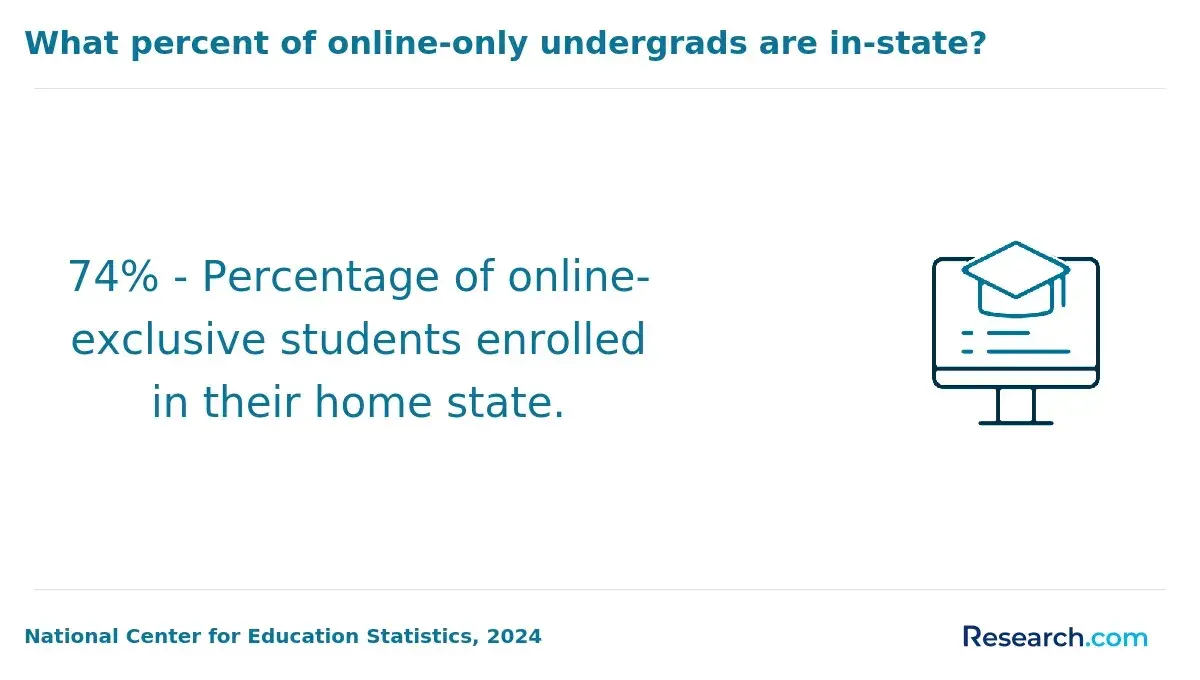
Which accreditation and institutional approvals matter for online paralegal studies programs?
Accreditation is one of the highest-stakes factors in comparing online paralegal studies degrees. It affects access to federal financial aid, credit transfer, graduate study options, employer confidence, and whether the school meets baseline academic and administrative standards.
There are two different concepts students often confuse: institutional accreditation and paralegal program approval. Institutional accreditation applies to the college or university as a whole. Program approval, such as approval by the American Bar Association, applies specifically to a paralegal education program and can carry weight with certain employers.
| Credential quality marker | What it means | Why students should care |
| Institutional accreditation | The school is reviewed by a recognized accrediting body for academic quality, governance, student support, and financial stability. | Usually essential for federal financial aid, transfer credit, and employer recognition. |
| ABA approval | The paralegal program has met American Bar Association guidelines for paralegal education. | Can be a strong signal in some job markets, although fully online delivery has specific ABA limitations. |
| State authorization | The school is authorized to enroll students in specific states for distance education. | Important if you live outside the school's home state. |
| Professional alignment | The curriculum reflects common paralegal competencies, legal ethics, research, writing, and procedural knowledge. | Helps ensure the degree is not too theoretical for entry-level legal support work. |
If ABA recognition is important in your local job market, verify the program directly rather than assuming the label applies to every format. Students who specifically want to compare ABA paralegal programs should pay close attention to delivery requirements, campus components, and whether the program's approval status matches the version they plan to complete.
Use a careful verification process before enrolling:
- Search the school in the U.S. Department of Education's recognized accreditation database or the accreditor's own directory.
- Confirm whether the specific paralegal program, not just the institution, has ABA approval if that matters to you.
- Ask admissions whether online students in your state are eligible to enroll and complete all program requirements.
- Request written clarification on transfer credit, financial aid eligibility, and whether the credential appears differently on transcripts for online students.
- Contact local employers or review job postings to see whether they mention ABA approval, a degree level, or certification preferences.
A red flag is any school that avoids direct answers about accreditation, overstates employment outcomes, or suggests that approval automatically guarantees a job. Accreditation improves credibility, but it does not replace strong writing skills, legal judgment, technology competence, and local networking.
Employer Confidence in Online vs. In-Person Degree Skills, Global 2024

What admission requirements and prior experience do online paralegal programs expect?
Admission requirements depend on the credential level. Entry-level certificate and associate programs may require only a high school diploma or GED, while bachelor's completion programs typically expect previous college credit. Post-baccalaureate paralegal certificates usually require an earned bachelor's degree and are designed for students changing careers or adding legal skills.
The right program level depends on what you already have and what employers in your target market expect. A student with no college credit may need a different path than someone who already holds a bachelor's degree in business, English, political science, criminal justice, psychology, or another writing-heavy field.
| Program type | Typical applicant profile | Common admission materials |
| Undergraduate certificate | Students seeking a shorter paralegal credential, often while starting or changing careers. | High school transcript or GED, application, placement information, and sometimes prior college transcripts. |
| Associate degree | Students who want both general education and paralegal preparation. | High school transcript or GED, application, placement testing or college readiness documentation. |
| Bachelor's degree | Students who want a broader undergraduate credential for advancement or competitive markets. | High school and college transcripts, transfer evaluation, application, and sometimes a personal statement. |
| Post-baccalaureate certificate | Students who already hold a bachelor's degree and want focused paralegal training. | Bachelor's transcript, minimum GPA requirement in some cases, resume, and application. |
Prior legal experience is usually helpful but not always required. Many programs are built for beginners, but students with law office, administrative, military, compliance, human resources, real estate, insurance, banking, or court experience may be able to connect coursework to workplace tasks more quickly.
Before applying, take a few practical steps to avoid choosing the wrong credential level. These steps are especially important if you are trying to minimize debt or finish quickly:
- Ask for an unofficial transfer credit review before committing, especially if you have community college, military, CLEP, AP, or prior university credits.
- Compare certificate and degree requirements against actual job postings in your area to see whether employers prefer an associate degree, bachelor's degree, ABA-approved program, or experience.
- Check whether the program requires a minimum typing speed, legal research access, background check, or professional liability documentation for internships.
- Confirm whether remedial or prerequisite courses could add time and cost beyond the advertised program length.
- Ask whether prior legal work can satisfy practicum, elective, or portfolio requirements, but do not assume experience will automatically reduce credits.
Students who are unsure about law office work should consider whether their strengths match the profession. Paralegal studies rewards careful reading, precise writing, deadline management, confidentiality, patience with details, and comfort working under attorney supervision.
How long do online paralegal degrees take, and what total costs should you expect?
Program length depends on credential type, transfer credits, term structure, and whether you study full time or part time. A certificate may take months to about a year, an associate degree commonly takes about two years of full-time study, and a bachelor's degree often takes about four years if you begin with no transfer credits.
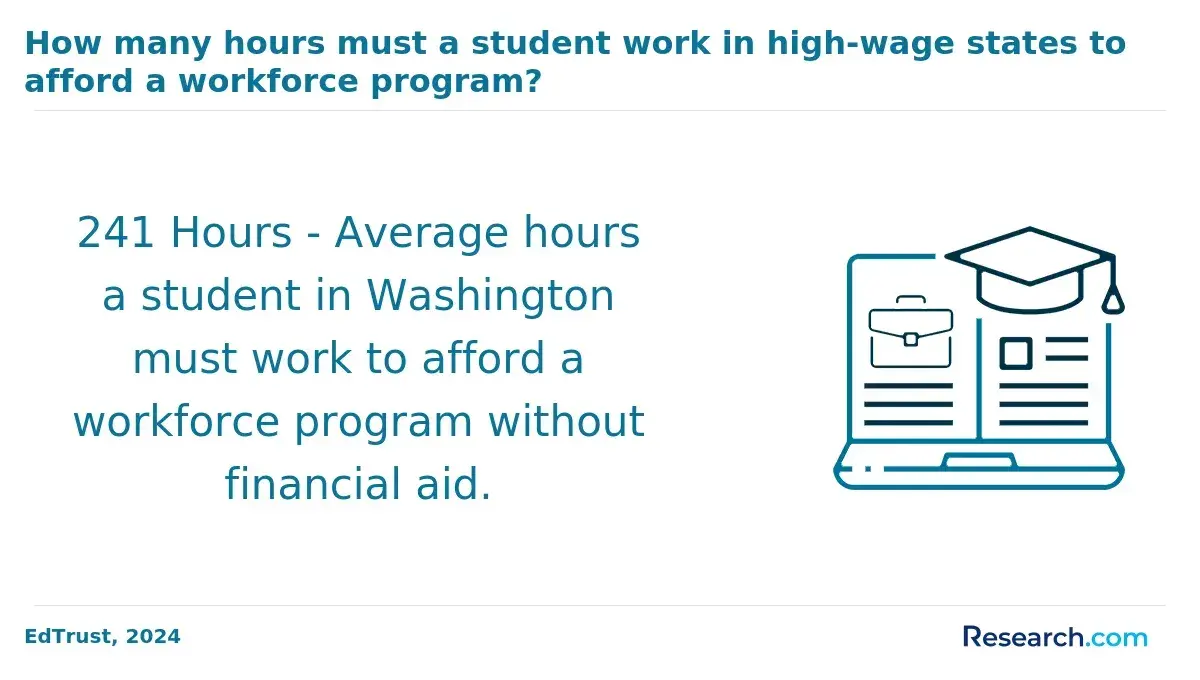
For cost context, the College Board's 2024 Trends in College Pricing reported average published tuition and fees of $4,050 for public two-year in-district students and $11,610 for public four-year in-state students for the 2024-25 academic year.
Meanwhile, the public four-year out-of-state average published tuition and fees for 2024-25 was $30,780, and private colleges had published tuition and fees of $43,350. These are broad national averages, not paralegal-specific prices, but they help you judge whether a program's advertised tuition is unusually low, typical, or high.
When comparing online paralegal programs, estimate total cost to completion rather than cost per credit alone. A program with higher tuition can be a better value if it accepts more transfer credits, includes legal research access, offers reliable course availability, and helps you complete faster.
| Cost or time factor | How it can affect your decision | Question to ask the school |
| Transfer credits | Can shorten the timeline and reduce tuition if accepted toward major and general education requirements. | How many credits will transfer, and which requirements will they satisfy? |
| Course rotation | Required courses offered infrequently can delay graduation even in an online program. | Are all required paralegal courses available every term, every year, or only on rotation? |
| Online fees | Technology, platform, proctoring, and distance learning fees can increase total cost. | What fees are charged per course, per term, or per credit? |
| Books and legal databases | Legal textbooks, citation guides, and database access can add meaningful costs. | Are research tools included in tuition and fees, or paid separately? |
| Internship requirements | Unpaid internships can affect work schedules and transportation needs. | Can internships be completed near my home, remotely, or through my current employer? |
| Financial aid eligibility | Some nondegree certificates may not qualify for the same aid options as degree programs. | Is this exact program eligible for federal financial aid? |
A smart affordability strategy is to compare the cost per completed credential, not just advertised tuition. If you already have a bachelor's degree, a post-baccalaureate certificate may be more efficient than starting another degree.
If you have no college credit, an associate degree may offer a stronger foundation and transfer pathway. If you want advancement into compliance, litigation management, or law office administration, a bachelor's degree may carry more long-term value.
What core courses and legal skills are typically included in online paralegal curricula?
Online paralegal studies curricula combine legal concepts with hands-on support skills. The goal is not to train students to practice law independently; paralegals work under attorney supervision and help with research, drafting, case organization, client communication, discovery, and procedural tasks.
Course titles vary by school, but strong programs usually cover a mix of legal foundations, specialty areas, writing, research, ethics, and technology. The most valuable courses require students to produce legal work products, not just memorize terminology.
| Curriculum area | Typical courses | Skills students should build |
| Legal foundations | Introduction to law, legal systems, civil litigation, legal ethics. | Understanding court structure, legal terminology, attorney supervision, and professional boundaries. |
| Legal research and writing | Legal research, legal writing, citation, case analysis. | Finding primary and secondary sources, writing memos, summarizing authority, and checking citations. |
| Litigation support | Civil procedure, discovery, trial preparation, e-discovery. | Managing deadlines, drafting pleadings, organizing exhibits, and supporting case preparation. |
| Substantive law | Contracts, torts, family law, criminal law, real estate, probate, business organizations. | Recognizing legal issues and preparing documents under attorney direction. |
| Legal technology | Law office software, document management, legal databases, electronic filing. | Using tools that support efficient and ethical legal work. |
| Professional practice | Internship, capstone, portfolio, law office management. | Demonstrating workplace readiness and producing samples for employers. |
AI is changing paralegal work, but it is not eliminating the need for careful human review. Employers increasingly value paralegals who can use technology efficiently while protecting confidentiality, checking authority, avoiding fabricated citations, and understanding that legal advice must come from attorneys.
When reviewing a curriculum, look for evidence that assignments mirror real legal tasks. These are the practical signs of a stronger program:
- Students draft legal memoranda, correspondence, pleadings, discovery requests, contracts, or case summaries.
- Courses require research in legal databases rather than relying only on textbook examples.
- Ethics instruction covers confidentiality, conflicts, attorney supervision, billing practices, and unauthorized practice of law.
- Technology coursework includes e-discovery, document management, e-filing, spreadsheets, and secure communication.
- The program includes a capstone, portfolio, mock case file, or supervised internship that produces work samples.
A curriculum red flag is a program that is almost entirely lecture-based, lacks writing feedback, or treats paralegal studies as a broad "law interest" major without enough practical training. Paralegal employers often need people who can organize files, meet deadlines, write clearly, and use office systems from the first months on the job.
How do internship, practicum, and experiential learning work in online paralegal programs?
Experiential learning is one of the biggest differences between a basic online credential and a program that truly prepares students for legal workplaces. Internships, practicums, simulations, and capstones help students apply legal research, writing, ethics, and procedure to realistic case scenarios.
Online programs handle experiential learning in different ways. Some help students find local placements, some approve placements students locate themselves, and others use simulated case files or capstone projects when local internships are not feasible.
| Experience type | How it usually works online | Best fit |
| Local internship | Student works with a law firm, court, legal aid office, corporate legal department, or government agency near home. | Students who want references, local employer connections, and real office experience. |
| Remote internship | Student supports approved legal tasks through secure online communication and document systems. | Students in areas with limited placements or those balancing work schedules. |
| Practicum | Structured applied course with supervised assignments, sometimes tied to a legal organization. | Students who need guided experience with faculty oversight. |
| Capstone project | Student completes a major legal research, writing, case file, or portfolio project. | Students who cannot complete an internship but need demonstrable work products. |
| Simulation lab | Students practice drafting, discovery, case management, or client intake using mock files. | Students who need repeated practice before entering a real legal setting. |
Before choosing an online program, ask how much responsibility the school takes for helping students secure placements. "Internship available" can mean very different things depending on whether the program has dedicated staff, employer relationships, and clear policies for online students outside the school's region.
Use these questions to evaluate experiential learning quality. They will help you avoid enrolling in a program that leaves you to solve placement problems alone:
- Are internships required, optional, or unavailable?
- Does the school help online students find placements outside the campus region?
- Can students complete internships at their current workplace if duties are legal and supervised?
- Are remote internships permitted, and what confidentiality safeguards are required?
- Who approves the site supervisor, and must the supervisor be an attorney?
- What happens if a student cannot find a placement in their area?
- Will the internship produce a reference, portfolio item, evaluation, or documented hours?
Students who are already working full time should be especially cautious. An unpaid daytime internship may create scheduling and income challenges. In that case, a program with evening-compatible placements, remote options, or a high-quality capstone may be more realistic.
What paralegal career paths, job roles, and work settings can these degrees support?
An online paralegal studies degree can support entry-level and advancement-oriented roles in law firms, corporate legal departments, government agencies, courts, banks, insurance companies, real estate offices, compliance teams, and nonprofit legal services. The degree is most directly aligned with paralegal and legal assistant work, but the skills can also apply to adjacent roles involving research, records, compliance, contracts, and regulated documents.
Career paths vary by legal specialty and employer size. Small firms may expect broad generalist support, while larger organizations often divide work by litigation, contracts, compliance, discovery, immigration, intellectual property, or real estate.
| Role or setting | Typical responsibilities | Relevant program features |
| Law firm paralegal | Drafting documents, organizing case files, conducting research, tracking deadlines, supporting attorneys. | Legal writing, civil litigation, ethics, case management, internship. |
| Corporate legal assistant | Supporting contracts, compliance records, entity filings, document review, and internal legal requests. | Business law, contracts, technology, document management. |
| Litigation support specialist | Managing discovery, e-discovery platforms, exhibits, trial preparation, and large document collections. | E-discovery, litigation, databases, spreadsheets, legal technology. |
| Government or court support role | Preparing files, processing legal documents, assisting with records, and supporting procedural workflows. | Legal systems, criminal law, administrative law, ethics. |
| Compliance assistant | Tracking policies, regulations, audits, reporting deadlines, and internal documentation. | Business law, research, writing, regulatory awareness. |
| Real estate or probate assistant | Preparing transaction documents, title materials, estate files, or court filings under supervision. | Real estate law, wills and estates, drafting, client communication. |
Students should also compare paralegal studies with nearby fields before committing. If your interest is broader public safety, corrections, law enforcement administration, or policy rather than law office support, researching the best online criminal justice degree may help you decide which academic path better matches your goals.
Paralegal studies may be a strong fit if you enjoy detailed reading, organized writing, deadlines, legal procedures, and behind-the-scenes problem solving. It may be a weaker fit if you primarily want to argue in court, give legal advice, investigate independently, or avoid administrative detail. Paralegals play important roles, but they work under attorney supervision and must follow ethical limits.
For advancement, experience often matters as much as the credential. Students can strengthen their path by building a portfolio, learning legal technology, joining professional associations, volunteering with legal aid if feasible, and targeting a specialty with demand in their region.
What salary ranges and job outlook can paralegals expect across the United States?
Paralegal salary depends on geography, legal specialty, employer size, experience, degree level, certifications, and technology skills. The BLS reported a May 2024 median annual wage of $61,010 for paralegals and legal assistants. Use that figure as a national midpoint, not a promise of what any specific graduate will earn.
Job outlook should also be read carefully. The BLS projected employment for paralegals and legal assistants to grow by 1% from 2023 to 2033, which is slower than many high-growth fields. However, the occupation still has recurring openings because workers retire, change careers, move into related legal roles, or shift to other administrative and compliance positions.
| Salary or outlook factor | How it affects earnings or opportunity | What students can do |
| Location | Large legal markets and higher-cost metropolitan areas may offer higher pay but also stronger competition. | Review local job postings and compare required credentials before choosing a program. |
| Employer type | Corporate legal departments, specialized firms, and federal roles may differ from small firms or nonprofits. | Choose electives and internships that align with target employers. |
| Specialty | Litigation, intellectual property, compliance, real estate, immigration, and corporate law require different skills. | Use electives, projects, and work samples to demonstrate specialty readiness. |
| Technology skills | E-discovery, case management, databases, and AI-aware research workflows can improve competitiveness. | Prioritize programs that teach current legal software and ethical technology use. |
| Experience | Entry-level candidates usually compete on writing samples, internships, professionalism, and references. | Build a portfolio and seek supervised legal experience before graduation. |
Do not evaluate return on investment by salary alone. A lower-cost degree that gets you into your first legal role quickly may be a sensible choice, while a more expensive bachelor's program may be worthwhile if it supports advancement, transfer goals, or a more competitive job market. The key is matching credential level to realistic local employer expectations.
Some students comparing law-adjacent careers may be drawn to psychology, courts, assessment, or victim services rather than paralegal work. In that case, reviewing jobs I can get with a masters in forensic psychology can clarify whether graduate-level behavioral science roles better match your interests than legal support roles.
Are certification or licensing required for paralegals, and how do programs prepare you?
Most U.S. paralegals are not licensed in the same way attorneys are, and there is no single national license required to work as a paralegal. Requirements and expectations vary by state, employer, and specialty. Some states and organizations use specific titles, registration systems, or voluntary credentials, so students should always check local rules and job postings.
Certification is different from earning a degree. A degree or certificate from a college shows completion of an academic program. Professional certification usually involves meeting eligibility requirements and passing an exam through a professional organization. Employers may value certification because it signals tested knowledge and commitment, but it is not universally required.
| Credential type | What it shows | How an online program can help |
| Academic certificate | Completion of a college paralegal curriculum, often shorter than a degree. | Provides focused coursework in legal research, writing, litigation, and ethics. |
| Associate or bachelor's degree | Broader college education plus paralegal or legal studies preparation. | May support entry-level hiring, transfer goals, or advancement depending on employer expectations. |
| Voluntary professional certification | Exam-based recognition from a professional paralegal organization. | Strong programs align courses with legal terminology, ethics, research, procedure, and writing skills tested in certification pathways. |
| State-specific registration or designation | Recognition or title use rules that may apply in limited jurisdictions. | Programs should explain that rules vary and direct students to current state guidance. |
A program that prepares students well for certification will not simply advertise exam readiness. It should teach the underlying competencies: legal analysis, research, writing, ethics, procedure, communication, and technology. It should also help students understand eligibility rules because some certifications require education, experience, or both.
Take these steps if certification matters to your career plan:
- Identify the professional certification or state-specific designation that appears most often in job postings where you want to work.
- Review the certification body's current eligibility rules before enrolling in a program.
- Ask the school which exams its curriculum is designed to support and whether graduates commonly pursue them.
- Confirm whether internships, work experience, or attorney supervision are needed for the credential you want.
- Keep copies of syllabi, transcripts, course descriptions, internship evaluations, and writing samples in case you need documentation later.
The biggest mistake is assuming certification replaces experience or ethical judgment. Employers still evaluate writing ability, professionalism, attention to detail, software skills, confidentiality, and whether a candidate understands the limits of the paralegal role.
Other Things You Should Know About Paralegal Studies
Yes, building a portfolio during your online paralegal studies in 2027 is essential. It showcases your skills with real-world examples, enhances your employability, and provides tangible evidence of your competencies, which is useful for job applications and interviews.
Many schools do not distinguish online and campus delivery on the diploma, but policies vary. Ask the registrar how the credential appears on the diploma and transcript before enrolling.
Strong paralegal students are usually organized, careful with details, comfortable with writing, respectful of confidentiality, and able to manage deadlines. The work can be rewarding, but it requires precision and patience.
References
- Paralegal Salary Guide | How Much Can You Make? https://www.learnhowtobecome.org/paralegal-salary/
- Earn an Online Paralegal Degree | OEDb.org https://www.oedb.org/rankings/online-paralegal-programs/
- The Best Alternative Career for Paralegals (+Other Roles to Consider) | Brightflag https://brightflag.com/resources/paralegal-career-change/
- Paralegal Certification https://www.paralegals.org/page/paralegal-certification
- Paralegal Salary https://www.becomeaparalegal.org/salaries/
- How long does it take to become a paralegal? That depends. https://paralegal-bootcamp.com/how-long-does-it-take-to-become-a-paralegal/
- What’s the Difference Between Practicum Experiences, Internships, and Fellowships? https://www.grace.edu/difference-between-practicum-experiences-internships-and-fellowships/
- Accreditation https://www.nationalparalegal.edu/accreditation.aspx
- Beyond the Brief: Unlocking New Career Paths for Paralegals https://www.paralegalinst.com/paralegal-career-transition-guide