
2027 Associate to Bachelor's in Entertainment Business: Transfer Pathways Explained

Co-Founder and Chief Data Scientist
Transferring from an associate degree to a bachelor’s degree in entertainment business can lower the cost of earning a four-year credential, but it also requires careful planning. Entertainment business programs often expect students to understand business fundamentals, media law, marketing, digital distribution, licensing, contracts, and audience strategy. If your associate program focused mostly on general education or broad media coursework, you may need to close prerequisite gaps before entering upper-division classes.
The challenge is not simply getting admitted. It is making sure your credits apply to the bachelor’s degree, your timeline stays realistic, and your academic plan supports the career you want in music, film, live events, digital content, sports entertainment, talent management, or media entrepreneurship. Recent data shows that only 42% of associate degree holders in entertainment business-related fields successfully transfer to bachelor's programs within four years, which makes early planning especially important.
This guide explains why the transfer pathway can be worthwhile, what academic and document requirements to expect, how work experience may count for credit, where savings and scholarships may come from, how accreditation affects transferability, and what mistakes can delay graduation.
Key Points About Transferring from an Associate to Bachelor's in Entertainment Business
- Transfer pathways offer flexible scheduling and online options, accommodating working professionals balancing careers and education without delaying degree completion.
- Students benefit from accelerated programs that build on associate-level credits, enabling faster acquisition of advanced entertainment business skills and industry knowledge.
- Transferring reduces overall tuition costs by maximizing credit transfer and limiting duplicate coursework, addressing financial barriers common in entertainment business education.
Why should you consider an associate to bachelor's in entertainment business transfer pathway?
An associate-to-bachelor’s transfer pathway can be a practical route if you want a four-year entertainment business credential without paying four-year tuition for every lower-division course. It lets you complete general education and introductory business coursework first, then move into advanced study in entertainment marketing, contracts, media distribution, leadership, and intellectual property.
According to the U.S. Bureau of Labor Statistics, employment in media and communication roles requiring a bachelor's degree is projected to grow 13% from 2022 to 2032, often resulting in higher earning potential compared to associate degree holders. A bachelor’s degree may also be preferred for management-track roles, corporate entertainment positions, and jobs involving budgeting, licensing, campaign strategy, or client representation.
- Lower-cost entry into a four-year degree: Many students complete transferable lower-division credits at a community college before paying university tuition for upper-division coursework.
- Stronger academic foundation: A well-planned associate degree can cover English composition, math, communications, accounting, business principles, and marketing before you specialize.
- Access to advanced entertainment business coursework: Bachelor’s programs typically go deeper into leadership strategies, digital distribution, media rights, contract issues, analytics, and entrepreneurship.
- Improved career positioning: Employers in entertainment often value a mix of business training, communication skills, project experience, and industry awareness. A bachelor’s degree can help signal readiness for higher-responsibility roles.
- Better networking opportunities: Four-year programs may provide internships, alumni networks, industry panels, capstone projects, and access to entertainment hubs.
- Structured transfer options in California: For students in California, established transfer pathways can make it easier to compare community college coursework with bachelor’s degree requirements.
The pathway works best when students verify transfer rules before enrolling in associate-level courses. Flexible learning formats can also matter for working students; for example, reviewing how online SLP programs describe admissions and credit expectations can help students see how different fields structure academic progression, even though entertainment business requirements will differ.
What are the academic requirements to transfer from an associate to bachelor's in the entertainment business?
Transfer requirements vary by university, but most bachelor’s programs in entertainment business look for a completed or nearly completed associate degree, transferable general education credits, acceptable grades, and prerequisite coursework in business and communication. The most important step is to compare your associate degree plan with the receiving school’s bachelor’s curriculum before your final year at community college.
For 2024 academic prerequisites for entertainment business degree transfer pathways, students should expect the following requirements to play a major role in admission and credit evaluation:
- Minimum GPA: Most programs require a cumulative GPA between 2.5 and 3.0 on a 4.0 scale. A higher GPA may strengthen your application if admission is competitive or if scholarships are available.
- General education credits: Completion of approximately 60 transferable semester credits is usually mandatory. These credits often include English composition, mathematics, social sciences, humanities, and natural sciences.
- Prerequisite coursework: Entertainment business bachelor’s programs commonly expect courses such as business principles, marketing, communications, and basic accounting. Many schools require prerequisite courses to be completed with a grade of C or higher.
- Major-related preparation: Courses in media studies, entertainment law, digital marketing, public relations, event planning, music business, film business, or production management may improve your alignment with the bachelor’s curriculum.
- Industry-relevant skills: Some programs value practical exposure to media production, digital platforms, analytics, social media campaigns, or project coordination. Introductory coursework or workshops can help if your associate degree was not entertainment-specific.
- Transcript evaluation: Universities generally require official transcripts from every postsecondary institution attended. They use these records to determine whether your credits meet course equivalencies and degree requirements.
How to check whether your credits will transfer
- Ask the receiving university for a degree audit or unofficial transfer review before applying, if available.
- Use articulation agreements when they exist, especially between community colleges and state universities.
- Keep course syllabi, catalog descriptions, major assignments, and learning outcomes for entertainment or business courses.
- Confirm whether credits count as general electives, general education, lower-division major courses, or direct equivalents.
- Ask whether any “transferable” credits will still fail to reduce time to graduation because they do not fit the entertainment business major.
Students comparing transfer rules across fields may notice similar patterns in programs such as an online MLIS program, where prerequisites, accreditation, and transcript review also determine whether prior coursework supports admission and degree progress.
What documents do you need for an entertainment business transfer application?
A strong transfer application is organized, complete, and easy for admissions and academic departments to evaluate. Entertainment business programs may review both academic readiness and evidence of practical experience, especially if the program includes internships, portfolio-based projects, or industry partnerships.
Prepare these documents early so you have time to correct transcript issues, request recommendations, and gather proof of relevant work:
- Official transcripts: Submit transcripts from all postsecondary institutions you have attended, not just the school where you earned the associate degree. Missing transcripts can delay admission or credit evaluation.
- High school records: Some universities may request a high school diploma, GED certificate, or final high school transcript to verify baseline eligibility, especially for students with limited college credit.
- Course descriptions and syllabi: These are useful when a university cannot immediately match your completed course to its own catalog. They can be especially important for entertainment law, production, media business, or digital marketing courses.
- Supplemental portfolio: Some programs may request project examples, campaign materials, event plans, production documentation, business proposals, or creative work that shows your applied skills.
- Technical or professional resume: Include internships, freelance work, campus media roles, event experience, social media campaigns, production assistant work, music or film projects, and relevant software skills.
- Letters of recommendation: Recommendations from instructors, supervisors, producers, managers, or industry professionals can help explain your readiness for upper-division work.
- Personal statement or transfer essay: If required, use it to explain your career goals, why entertainment business is the right major, and how your associate coursework or work experience prepared you.
A student who pursued the associate to bachelor's in entertainment business transfer pathway shared that gathering these documents was both overwhelming and useful. He recalled, “I underestimated how detailed the transcript review would be and felt a bit anxious waiting for credit evaluations.”
He also noted that building a portfolio took time but “showed admissions my real-world experience better than grades alone.” His biggest advice was to review articulation agreements early because “those agreements made a big difference in saving time and frustration during the transfer.”
Can prior work experience in the entertainment business count toward your bachelor's credits?
Prior work experience may count toward bachelor’s credits, but it is never automatic. Universities must evaluate whether your professional learning is college-level, documented, and equivalent to specific course outcomes. Entertainment business students with experience in production, talent coordination, venue operations, marketing, licensing, live events, artist management, or digital content may have a stronger case than students with unrelated work experience.
According to the Council for Adult and Experiential Learning, credit for prior learning assessments can reduce degree completion time by around six months. The amount of credit awarded depends on institutional policy, faculty review, program limits, and the quality of your documentation.
Common ways schools evaluate work experience include:
- Professional certifications: Recognized credentials may support credit if they match course learning outcomes in areas such as project management, business operations, marketing tools, or media technology.
- Industry training programs: Workshops, employer training, union training, or vendor-based instruction may be reviewed if you can provide completion records and learning objectives.
- Portfolio review: Faculty may evaluate project plans, contracts, budgets, marketing campaigns, production schedules, pitch decks, event documentation, or client materials.
- Standardized exams: Some institutions allow challenge exams or subject-specific tests to demonstrate knowledge without retaking an equivalent course.
- Reflective essays and interviews: Students may be asked to explain what they learned, how they applied it, and how it aligns with academic standards.
Questions to ask before relying on work experience credit
- Is there a maximum number of credits I can earn through prior learning assessment?
- Will the credits apply to my major, general education, or only electives?
- Are prior learning credits accepted by the entertainment business department or only by the university?
- Will these credits affect financial aid, full-time enrollment, or graduation residency requirements?
- Is there a fee for portfolio review, testing, or credit transcription?
California entertainment business degree credit for work experience can be especially useful when students are balancing employment with degree completion. Students comparing how professional skills align with academic advancement may also look at fields such as an online data science masters, where documented competencies and formal prerequisites can both influence academic pathways.
How much can you save if you take an entertainment business transfer pathway?
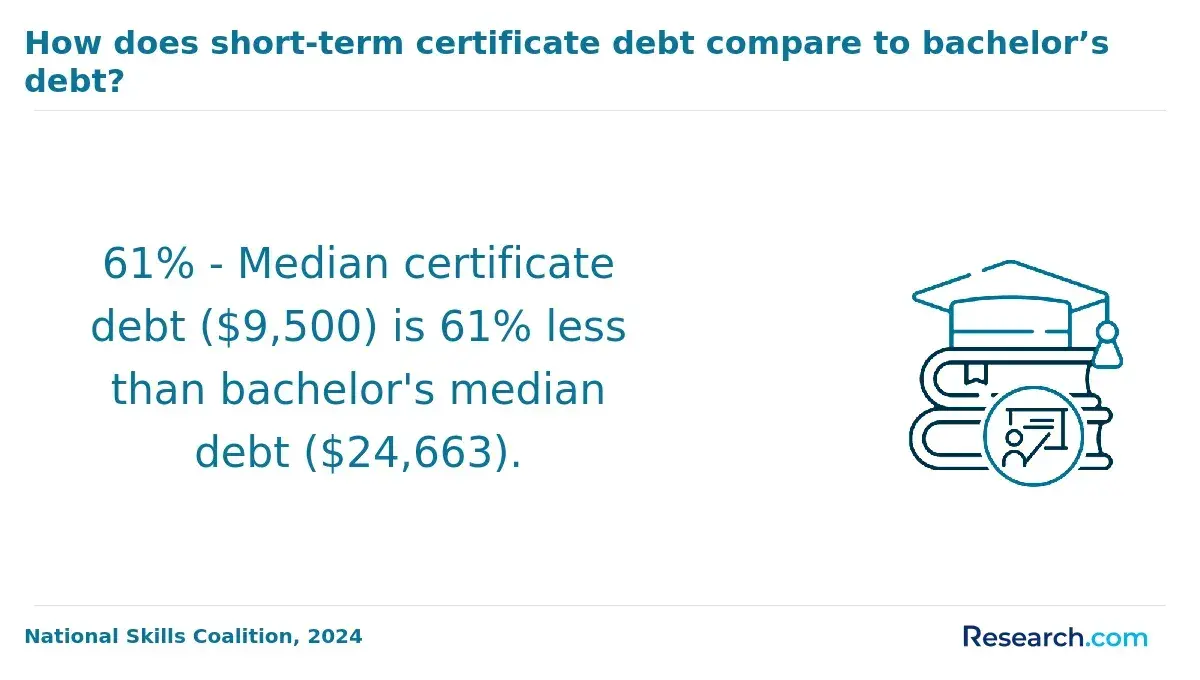
An entertainment business transfer pathway can reduce total education costs because students complete a large share of lower-division credits at a two-year college before moving to a four-year institution. Public two-year colleges typically charge around $3,800 per year for tuition, compared to approximately $10,000 annually at four-year universities, creating a meaningful tuition gap for students who plan carefully.
The largest savings usually come from completing general education and introductory business courses before transferring. Additional savings may come from living at home, using local community college resources, reducing borrowing, and shortening the number of semesters spent at the university rate.
| Cost factor | How the transfer pathway may help | What to verify |
| Lower-division tuition | Community college coursework may cost less than the same credits at a four-year institution. | Confirm that the courses are transferable and apply to the bachelor’s degree. |
| Time to graduation | A completed associate degree may place you closer to junior standing. | Ask whether you will still need additional prerequisites after transfer. |
| Student debt | Lower upfront tuition can reduce the amount you need to borrow. | Compare total cost of attendance, not tuition alone. |
| Fees and materials | Some two-year colleges have lower institutional fees. | Check technology fees, portfolio costs, production supplies, and internship expenses. |
The savings are strongest when your credits transfer cleanly. If too many credits are counted only as electives, you may spend extra semesters completing major requirements, which can reduce or erase the financial advantage.
Students comparing affordable routes in related business fields can also review options for business degrees online to understand how program format, tuition, and transfer credit policies affect total cost.
When asked about savings, a student who followed the associate-to-bachelor’s transfer route shared, “I had some worries about how the credits would transfer and whether I'd lose time or money, but it actually turned out smoother than I expected.”
The student added that the bulk of lower-division courses were affordable and “saved me a lot upfront.” Although navigating different school policies took effort, the financial relief made the transfer process worthwhile.
Are there scholarships available for students transferring to a bachelor's in entertainment business?
Yes. Transfer students in entertainment business may qualify for scholarships, grants, and institutional aid, but eligibility varies by school, state, major, GPA, residency, financial need, and enrollment status. Approximately 65% of these transfer students receive some form of financial assistance, with typical awards ranging between $2,500 and $5,000 annually.
Because transfer scholarships often have separate deadlines from admission applications, students should begin searching before their final semester in the associate program.
- Institutional transfer awards: Universities may offer scholarships specifically for transfer students. Eligibility often requires a minimum number of transferable credits-usually 30 to 60-and a strong community college GPA. Some awards may prioritize students admitted to a business, media, arts, or entertainment-focused program.
- State-funded grants: State aid may be available to residents enrolled in accredited bachelor’s programs. Requirements often include financial need, satisfactory academic progress, and continued enrollment.
- Professional organization scholarships: Associations connected to film, music, media, advertising, events, or communications may support students who show leadership, creativity, internship experience, or community involvement.
- Departmental scholarships: Entertainment business, media studies, music business, film, communication, or business departments may offer awards for majors who demonstrate academic promise or portfolio strength.
- Need-based aid: Students should complete the financial aid forms required by their institution and ask whether transfer students are considered for the same aid pool as first-year students.
How to strengthen a transfer scholarship application
- Keep your GPA within or above the scholarship range listed by the university.
- Document entertainment-related projects, internships, volunteer work, student media roles, or leadership positions.
- Request recommendation letters from people who can speak directly to your reliability, creativity, and business judgment.
- Write a focused essay that connects your transfer plan to a specific career goal.
- Ask whether scholarships renew automatically or require a new application each year.
Are entertainment business transfer pathways eligible for employer tuition reimbursement?
Entertainment business transfer pathways may be eligible for employer tuition reimbursement if the employer’s policy covers degree completion, business-related education, media or entertainment training, or accredited bachelor’s programs. Approximately 50% of U.S. employers offer some form of educational assistance, with slightly higher participation rates in fields requiring specialized skills like entertainment business.
Do not assume coverage before enrolling. Employer reimbursement programs can be generous, but they often come with strict rules about grades, job relevance, documentation, and repayment obligations.
- Annual benefit caps: Employers often limit tuition reimbursement to a maximum amount, commonly aligning with the IRS tax-free cap of $5,250 per year. This may cover a significant portion of tuition but may not cover fees, books, supplies, or portfolio costs.
- Minimum grade requirements: Many employers require satisfactory academic progress, often a GPA of 2.5 or higher, or a minimum grade in each reimbursed course.
- Employment tenure: Employees may need to work for the company for six months to one year before becoming eligible.
- Degree relevance: Employers are more likely to approve reimbursement when the degree supports your current role or a clear internal career path, such as marketing, production coordination, media operations, sales, or talent services.
- Degree completion programs: Some companies prefer associate-to-bachelor’s pathways because transfer credit can reduce the time and cost required to finish the credential.
- Post-graduation obligations: Some employers require you to stay with the company for a set period after receiving reimbursement. Leaving early may require repayment.
Before you submit a reimbursement request
- Get written approval from human resources or your manager before registering.
- Confirm whether the institution must be accredited.
- Ask whether online, hybrid, or part-time enrollment is eligible.
- Keep receipts, tuition statements, grade reports, and course descriptions.
- Clarify whether reimbursement is paid upfront, after grades are posted, or after course completion.
How will accreditation standards affect your entertainment business degree transfer?
Accreditation can determine whether your credits transfer, whether your degree is recognized by employers, and whether you can access certain forms of financial aid. For transfer students, the most important distinction is between institutional accreditation and programmatic accreditation.
Institutional accreditation applies to the college or university as a whole. It signals that the institution meets broad academic and administrative standards. Programmatic accreditation applies to a specific school, department, or curriculum area when a specialized accreditor reviews that program.
According to the National Association of Schools of Music (NASM), over 85% of four-year universities emphasize programmatic accreditation when reviewing transfer credits in creative industries, highlighting its role in credit mobility and professional recognition.
| Accreditation type | What it evaluates | Why it matters for transfer students |
| Institutional accreditation | The overall college or university | Credits from accredited institutions are more likely to be reviewed for transfer, and accreditation often affects financial aid eligibility. |
| Programmatic accreditation | A specific academic program or discipline | It may strengthen credit recognition for specialized creative, music, media, or business coursework. |
| No recognized accreditation | Programs or institutions outside recognized quality review | Credits may be denied, and the degree may have limited value with employers or graduate schools. |
Students seeking transfer credit requirements for entertainment business degrees should verify both the associate institution and the intended bachelor’s program. Ask the receiving university whether credits from your current school are accepted, whether entertainment-specific courses have direct equivalents, and whether programmatic accreditation affects major requirements.
Choosing an associate program with appropriate accreditation can reduce the risk of credit loss and protect the long-term value of the degree. Students considering related business pathways may also compare how accredited MBA programs in operations management online describe institutional standards and career alignment.
What careers are available to graduates after completing a bachelor's in entertainment business?
A bachelor’s in entertainment business can prepare graduates for roles that combine business strategy, media knowledge, communication, and project coordination. Transferring from an associate degree can be especially useful for students who already have practical experience but need the four-year credential to qualify for management-track or specialized positions.
Employment for advertising, promotions, and marketing managers, often filled by bachelor's graduates, is expected to increase by 10% from 2022 to 2032, highlighting demand for advanced skills in audience strategy, brand positioning, campaign planning, and revenue growth.
- Entertainment marketing manager: Develops promotional strategies for artists, films, shows, venues, streaming content, events, or brands. Bachelor’s coursework in marketing, analytics, media strategy, and consumer behavior can be valuable.
- Film and music production manager: Coordinates budgets, schedules, crews, vendors, and production logistics. Upper-division coursework may strengthen project management, negotiation, and financial planning skills.
- Talent manager or agent: Supports performers, creators, or clients by helping with career strategy, bookings, contracts, licensing, branding, and professional relationships.
- Business development executive: Identifies partnerships, sponsorships, distribution opportunities, and revenue streams within entertainment companies or media organizations.
- Event or venue operations coordinator: Helps manage live entertainment logistics, staffing, ticketing, vendor coordination, guest experience, and compliance requirements.
- Digital content or distribution coordinator: Works with platforms, release schedules, rights information, audience engagement, and performance data for media content.
These roles often require more than enthusiasm for entertainment. Graduates need business judgment, communication skills, comfort with contracts and budgets, and an understanding of how digital platforms continue to change production, promotion, and distribution.
What are the most common pitfalls to avoid in an entertainment business transfer?
The biggest transfer mistakes are usually preventable. Students often lose time or money because they assume every completed course will apply to the bachelor’s degree, wait too long to meet with advisors, or choose electives that do not match the entertainment business major. Research shows that students can lose between 15% and 30% of their earned credits during transfer, which makes course planning essential.
Common pitfalls in California entertainment business transfer programs and similar pathways include:
- Credit loss: A course may be transferable to the university but still not satisfy a specific degree requirement. Always ask where each credit applies.
- Curriculum misalignment: Associate degrees may emphasize general education, while bachelor’s programs may require specialized coursework in media management, entertainment law, marketing, accounting, or digital strategy.
- Late major changes: Switching into entertainment business from an unrelated associate degree can add prerequisites and extend your timeline.
- Insufficient advising: General advisors may not know the details of entertainment business transfer requirements. Meet with both the community college transfer advisor and the receiving university’s department advisor when possible.
- Documentation gaps: Missing transcripts, syllabi, course descriptions, or portfolio materials can delay credit evaluation.
- Ignoring application deadlines: Transfer admission, scholarship consideration, housing, financial aid, and department portfolio deadlines may not be the same.
- Assuming work experience will count: Prior learning credit requires review and documentation. It should not be part of your graduation plan until the school confirms it in writing.
Practical transfer checklist
- Identify your target bachelor’s programs at least one year before transfer.
- Compare your associate degree plan against each bachelor’s degree requirement.
- Confirm articulation agreements and course equivalencies.
- Keep copies of syllabi for all major-related courses.
- Ask for a written or documented credit evaluation when available.
- Review total cost, aid eligibility, and scholarship deadlines.
- Plan internships or portfolio projects that support your intended career path.
Students still choosing an associate route can review associates degrees online programs to better understand how credit transfer policies, accreditation, and course sequencing affect bachelor’s completion.
What Graduates Say About Transferring from an Associate to Bachelor's in Entertainment Business
- : "Choosing to transfer from an associate degree to a bachelor's program in entertainment business was a game changer for me because I wanted to deepen my industry knowledge and expand my professional network. The affordability of the transfer pathway made it accessible without overwhelming my finances, which was a big relief. Completing the bachelor's degree opened doors to new job opportunities and gave me the confidence to pursue leadership roles in my field. — Nathanael"
- : "Reflecting on my experience, transferring into a bachelor's degree in entertainment business felt like the natural next step after my associate studies. I appreciated how the curated curriculum built on what I had already learned, allowing me to focus on specialized topics without repeating basics. The cost-effectiveness of starting at a community college and finishing at a four-year institution allowed me to manage expenses wisely while still achieving my goals. — Russell"
- : "From a professional standpoint, the transfer pathway offered a streamlined way to earn my bachelor's in entertainment business with minimal disruption to my career. I chose this route because it balanced practical, real-world skills with academic theory, which employers highly value. The investment was reasonable given the increased earning potential and industry recognition that came with completing the bachelor's program. — Jose"
Other Things You Should Know About Entertainment Business Degrees
Yes, many programs establish articulation agreements to streamline the transfer process from an associate to a bachelor's degree in entertainment business. These agreements pre-validate certain credits, ensuring a smoother transition. Check with your current institution to see what agreements they hold for 2027.
A minimum GPA of 2.5 is typically required to transfer from an associate to a bachelor's degree in entertainment business for 2027. Higher GPA requirements may exist for more competitive programs. Always check the specific requirements of your intended institution.
Upon transferring, bachelor’s programs may require advanced courses such as Digital Marketing Strategies, Entertainment Law, or Event Management, focusing on industry-specific skills to deepen knowledge beyond the fundamentals learned in an associate degree.
Transferring from an associate to a bachelor's degree generally does not affect a student's eligibility for federal financial aid, provided the student maintains satisfactory academic progress. However, some institutional scholarships or grants may have restrictions based on enrollment status or degree level. Students should consult the financial aid office at their new institution to understand how transferring impacts their aid package.
References
- The Importance of Enrolling in an Accredited Associate Degree Program - Accreditation Council for Business Schools and Programs https://acbsp.org/news/110740/The-Importance-of-Enrolling-in-an-Accredited-Associate-Degree-Program.htm
- How to Transition from an Associate to a Bachelor’s Degree https://www.americancollegespain.com/post/how-to-transition-from-an-associate-to-a-bachelor-s-degree
- Why Earn Higher Education in Business https://www.allbusinessschools.com/blog/transfer-credits-from-associate-degree-in-accounting-to-bachelors-program/
- Employer-offered educational assistance programs can help pay for college | Internal Revenue Service https://www.irs.gov/newsroom/employer-offered-educational-assistance-programs-can-help-pay-for-college
- 5 Reason to Go from Associates Degree to Bachelor's | Tiffin University https://go.tiffin.edu/blog/5-reasons-to-go-for-it-turning-your-associate-degree-into-a-bachelors-degree/
- Undergraduate Transfer Scholarship - Jack Kent Cooke Foundation https://www.jkcf.org/our-scholarships/undergraduate-transfer-scholarship/
- EntertainmentCareers.Net - Your source for jobs. https://www.entertainmentcareers.net/
- Transfer with an Associate Degree - BC Transfer Guide https://www.bctransferguide.ca/learn-more-about/associate-degrees/transfer/
- Top 148 Business Scholarships to Apply for in December 2025 https://bold.org/scholarships/by-major/business-scholarships/
- Employer Tuition Reimbursement: What MBAs Should Know https://www.bschools.org/blog/mba-tuition-reimbursement


