
2027 What Jobs Can You Get With an Entertainment Business Bachelor's Degree?

Co-Founder and Chief Data Scientist
An entertainment business bachelor's degree is built for students who want to work where creative content, audience demand, contracts, marketing, production, and revenue meet. The challenge is that entertainment careers rarely follow one simple hiring path. A graduate may start in production, talent representation, venue operations, digital marketing, licensing, analytics, or event coordination, then move into management as experience and relationships grow.
This guide explains what jobs are realistic with an entertainment business bachelor's degree, which industries hire graduates, when certifications or graduate education may matter, and how to evaluate remote, high-paying, and career-change options. It is designed for students, recent graduates, and working adults who want a practical view of how this degree can translate into employment across film, music, gaming, live events, media, and related business roles.
Key Benefits of the Jobs You Can Get With a Entertainment Business Bachelor's Degree
- Graduates with an entertainment business bachelor's degree can enter various industries, including media, marketing, and event management, showcasing significant career versatility.
- Positions often offer competitive salaries with advancement opportunities; industry growth projects a 7% increase in related jobs through 2030.
- The degree fosters long-term growth by equipping students with transferable skills, enabling diverse career pathways in production, promotion, and business operations.
What Entry-Level Jobs Can I Get With a Entertainment Business Bachelor's Degree?
Entry-level jobs with an entertainment business bachelor's degree usually sit at the intersection of operations, coordination, marketing, client support, and production logistics. These roles may not always be glamorous, but they are often the first step toward higher-responsibility positions because they expose graduates to industry workflows, professional expectations, and decision-makers.
According to the National Center for Education Statistics, about 72% of bachelor's degree holders secure employment within one year of graduation. For entertainment business graduates, the strongest early opportunities usually go to applicants who can show internship experience, software familiarity, communication skills, and a realistic understanding of long hours, deadlines, and project-based work.
- Production Assistant: Production assistants help film, television, streaming, commercial, and live-event teams stay organized. Duties may include preparing call sheets, tracking schedules, coordinating equipment, relaying updates, supporting crew members, and solving small problems before they slow down a production. This is a common starting point for graduates who want to learn production from the ground up.
- Marketing Coordinator: Marketing coordinators support campaigns for artists, venues, shows, films, games, festivals, and media brands. They may help schedule social posts, monitor audience engagement, prepare campaign reports, coordinate creative assets, and assist with email or paid media efforts. Coursework in branding, consumer behavior, and entertainment promotion can be directly useful here.
- Talent Agency Assistant: Talent agency assistants support agents and managers by maintaining calendars, preparing submissions, coordinating meetings, tracking contracts, and communicating with casting offices, labels, studios, promoters, or clients. The role is demanding, but it can be valuable for graduates interested in representation, dealmaking, talent development, or entertainment law-adjacent work.
- Event Coordinator: Event coordinators help plan concerts, premieres, conferences, festivals, fan experiences, theater events, and brand activations. They often assist with vendor communication, timelines, budgets, guest lists, permits, ticketing, hospitality, and day-of execution. Graduates with strong organization and calm problem-solving skills can stand out in this path.
- Box Office or Ticketing Agent: Ticketing roles involve customer service, sales support, seating management, refunds, event information, and ticketing platform use. These jobs can be a practical entry point into venue management, live entertainment operations, audience services, and revenue management.
How to choose your first role
The best first job is not always the one with the most recognizable company name. A smaller venue, agency, production company, or event firm may give a graduate broader responsibility sooner. Look for roles that provide direct exposure to budgets, contracts, production schedules, audience data, client communication, or campaign performance. These experiences are easier to translate into promotions than purely administrative work with little industry contact.
Students trying to reduce education costs before entering the field may compare flexible and lower-cost options such as cheap online colleges, especially if they need to balance coursework with internships or part-time entertainment work.
What Industries Hire Entertainment Business Bachelor's Degree Graduates?
Entertainment business graduates are hired by companies that create, market, distribute, monetize, or manage creative products and experiences. Demand depends heavily on the graduate's skills, location, portfolio, internships, and ability to work across creative and business teams. The U.S. Bureau of Labor Statistics reports that about 65% of all jobs require some form of postsecondary education, which reinforces the value of a bachelor's degree in competitive professional markets.
- Media and Broadcasting: Television, radio, podcasting, streaming, and digital media companies need employees who understand production schedules, audience behavior, advertising, sponsorship, content planning, and platform distribution. Graduates may work in production coordination, programming support, media operations, audience development, or content marketing.
- Film and Motion Pictures: Studios, independent production companies, distributors, and post-production firms hire business-minded graduates for budgeting support, production administration, rights tracking, marketing coordination, festival submissions, and distribution logistics. This industry often rewards persistence, networking, and prior set or office experience.
- Music and Recording Industry: Labels, publishers, artist management firms, booking agencies, venues, and music-tech companies use entertainment business skills in artist relations, licensing, royalty administration, tour support, concert promotion, digital marketing, and brand partnerships. Graduates who understand both creative careers and revenue streams can be competitive.
- Live Events and Performing Arts: Theaters, arenas, festivals, promoters, convention centers, nonprofit arts organizations, and event production companies hire graduates for operations, ticketing, sponsorship, logistics, guest services, and event marketing. This path suits people who can manage deadlines, vendors, budgets, and live problem-solving.
- Video Games and Interactive Media: Game publishers, esports organizations, content studios, and interactive media companies may hire graduates for community management, influencer coordination, product marketing, monetization support, events, partnerships, and project coordination. Familiarity with digital communities and analytics can be especially helpful.
Where business training creates an advantage
The entertainment industry needs creative talent, but it also needs people who can turn creative work into sustainable projects. Graduates who understand contracts, marketing funnels, audience segmentation, budgets, rights, sponsorships, and distribution can bridge the gap between creative teams and business goals. Students comparing business-focused pathways may also review online business schools when weighing cost, flexibility, and career fit.
Can You Get Jobs Outside Your Major With a Entertainment Business Bachelor's Degree?
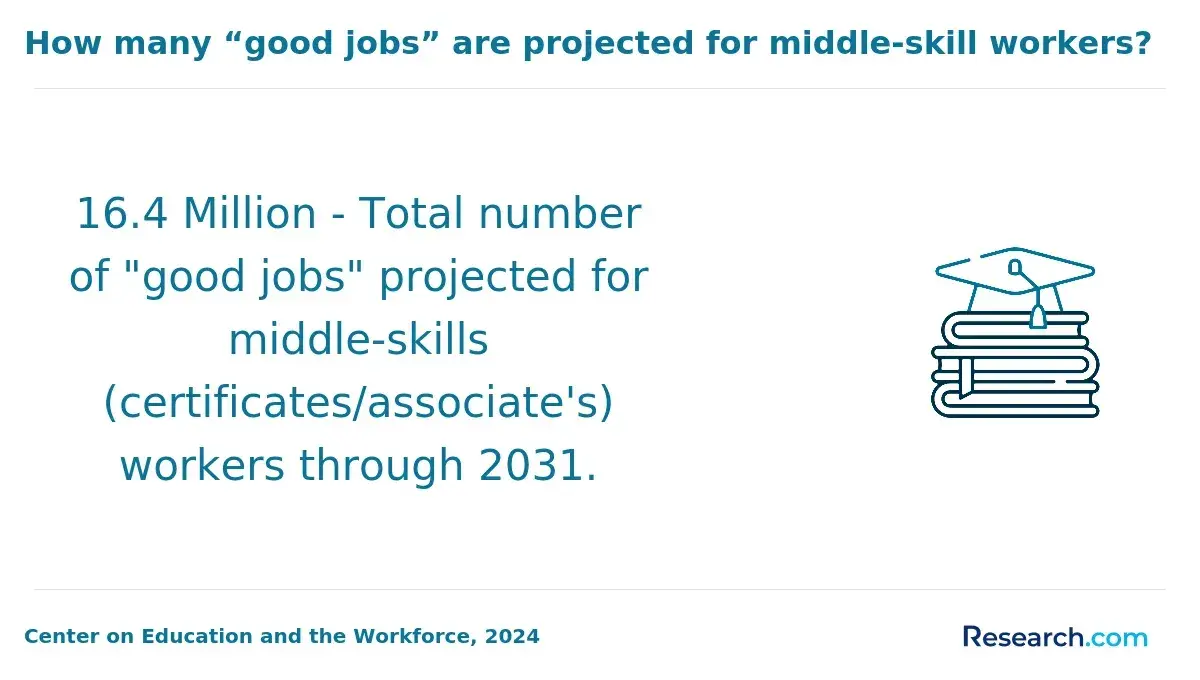
Yes. An entertainment business bachelor's degree can lead to jobs outside the entertainment field because the program usually develops broad business, communication, marketing, coordination, and analytical skills. Research shows that approximately 30% of college graduates work in jobs unrelated to their major, so graduates should not assume they are locked into one industry.
The key is to translate entertainment-specific experience into employer language. For example, coordinating a concert can demonstrate vendor management, budgeting, customer experience, risk planning, and deadline control. Running a social campaign for a student film can demonstrate content strategy, analytics, brand voice, and audience engagement.
- Transferable Skills: Graduates often build skills in communication, leadership, scheduling, negotiation, market research, campaign planning, event coordination, and stakeholder management. These abilities can apply to marketing agencies, nonprofits, corporate communications teams, sports organizations, hospitality companies, startups, and general business roles.
- Employer Hiring Trends: Employers often value candidates who can combine business judgment with creativity. Entertainment business graduates may be a fit for roles that require storytelling, brand awareness, customer engagement, and fast coordination across teams.
- Experience and Training: Internships, freelance projects, campus leadership, certifications, and part-time jobs can make a career pivot easier. A graduate trying to move into corporate marketing, project management, sales, or operations should tailor the resume around measurable responsibilities instead of only listing entertainment-related titles.
Common roles outside entertainment
Graduates may pursue coordinator or associate-level roles in marketing, public relations, account management, customer success, event planning, fundraising, partnerships, social media, project coordination, and business operations. The strongest applicants show proof that they can manage details, communicate professionally, meet deadlines, and use data or feedback to improve results.
What Remote Jobs Can I Get With a Entertainment Business Bachelor's Degree?
Remote jobs are available for entertainment business graduates, especially in digital marketing, content operations, audience engagement, analytics, virtual events, and project coordination. Remote work continues to reshape the professional landscape, with recent data showing that over half of U.S. workers enjoy some form of remote flexibility. In entertainment, remote-friendly roles are most common when the work involves digital platforms rather than physical production sites or live venue operations.
- Digital Content Manager: Digital content managers organize, publish, and maintain content across websites, streaming platforms, social channels, newsletters, or fan communities. They may coordinate with designers, editors, producers, and marketing teams from different locations. Entertainment business training helps with workflow management, audience awareness, and content monetization.
- Social Media Coordinator: Social media coordinators plan posts, monitor comments, track trends, create reports, and support campaigns for artists, brands, shows, studios, venues, or media companies. This role is well suited to graduates who understand online communities, entertainment promotion, and brand voice.
- Remote Event Coordinator: Remote event coordinators help organize virtual concerts, webinars, livestreams, fan events, panels, and online conferences. They may handle registration, platform setup, speaker communication, sponsor deliverables, run-of-show documents, and post-event reporting.
- Entertainment Marketing Analyst: Marketing analysts review campaign performance, audience behavior, streaming data, ticket sales patterns, or social engagement to help teams make better decisions. Graduates interested in this route should strengthen spreadsheet, dashboard, and data interpretation skills.
- Project Manager for Creative Teams: Remote project managers keep creative work moving by tracking deliverables, deadlines, revisions, approvals, and stakeholder feedback. This path works well for graduates who can communicate clearly, document decisions, and maintain accountability without constant in-person supervision.
What remote entertainment employers look for
Remote entertainment roles require more than industry interest. Employers often look for writing ability, responsiveness, comfort with collaboration tools, time-zone awareness, independent judgment, and proof that the candidate can manage deadlines without close supervision. A portfolio of campaign samples, event plans, content calendars, analytics reports, or project trackers can help a new graduate compete.
A graduate shared that transitioning to remote roles required adapting quickly to new communication tools and building trust without face-to-face contact. She emphasized that her degree's blend of digital expertise and project management prepared her to coordinate creative projects from home. "It wasn't just about managing tasks," she said, "but learning to inspire and keep teams aligned despite physical distance."
Can I Switch Careers With a Entertainment Business Bachelor's Degree?
Yes. Many graduates use an entertainment business bachelor's degree to move into adjacent or entirely new career paths. Studies reveal that nearly 60% of degree holders in dynamic fields experience at least one major career change within their first decade after graduation. This is not unusual in entertainment, where contract work, changing technology, shifting platforms, and project-based employment can push professionals to reassess their direction.
The degree can support a career switch because it typically includes business communication, marketing, finance basics, negotiation, project planning, audience analysis, and creative industry operations. Those skills can transfer into fields such as digital marketing, corporate events, sports management, hospitality, public relations, nonprofit arts administration, sales, customer success, entrepreneurship, and general operations.
How to make a career switch more credible
- Reframe your experience: Replace entertainment-only language with business outcomes. For example, describe event work in terms of vendor coordination, budget tracking, attendee experience, and deadline management.
- Fill skill gaps deliberately: If the target field requires data analysis, CRM software, paid media, grant writing, human resources, or project management tools, build evidence through coursework, certificates, freelance work, or volunteer projects.
- Use internships and side projects strategically: A small but relevant project can make a resume more convincing than a broad claim of interest. Employers want proof that the applicant understands the new field's expectations.
- Expect some lateral moves: Switching fields may mean taking a coordinator or associate role before moving back into management. This can be worthwhile if it creates a stronger long-term path.
Some graduates also pursue additional education when their new career goal requires a different credential. For example, a student considering social work or human services could explore options such as 1 year msw programs online no bsw, while recognizing that regulated professions may have specific admission, practicum, and licensure requirements beyond an entertainment business degree.
What Are the Highest-Paying Jobs With a Entertainment Business Bachelor's Degree?
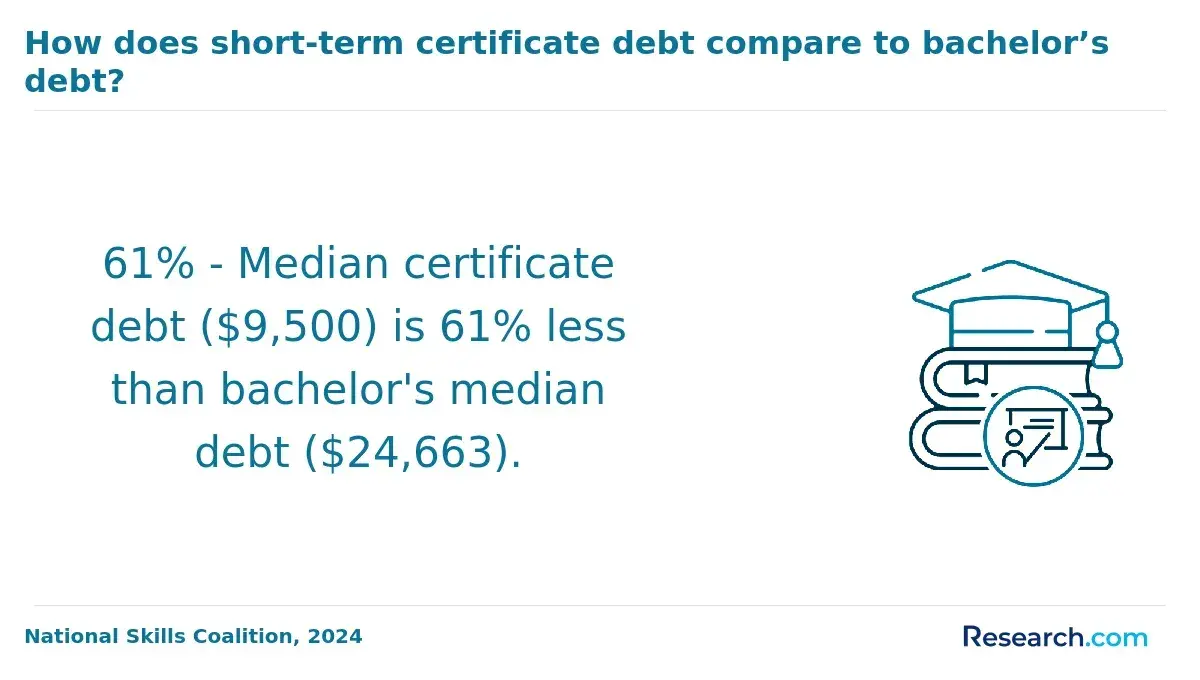
The highest-paying jobs for entertainment business graduates usually require more than the degree alone. Higher earnings tend to come with experience, strong networks, revenue responsibility, leadership ability, successful projects, and specialized knowledge of contracts, licensing, marketing, or production finance. Salary potential varies widely by industry sector, geographic area, employer size, job function, and individual performance.
A bachelor's degree can help graduates enter the field, but many higher-paying entertainment roles are not true entry-level jobs. Graduates often move into them after proving they can manage budgets, negotiate with stakeholders, grow audiences, control timelines, or contribute directly to revenue.
- Entertainment Manager: Entertainment managers may oversee projects, artists, venues, tours, campaigns, or production operations. They coordinate schedules, budgets, staff, vendors, and business goals. Strong leadership, negotiation, and financial judgment can improve advancement potential.
- Talent Agent: Talent agents represent performers, creators, writers, directors, influencers, or other clients. They pursue opportunities, negotiate agreements, manage relationships, and help clients build income-generating careers. Compensation may include base pay plus commissions tied to deals secured.
- Marketing Director for Entertainment Companies: Marketing directors lead brand strategy, audience growth, advertising, promotional partnerships, campaign budgets, and performance measurement. This path generally requires a track record of successful campaigns and the ability to connect creative assets with business outcomes.
- Licensing Manager: Licensing managers work with rights related to music, film, television, merchandise, games, publishing, or branded content. They help structure agreements, monitor usage, protect intellectual property value, and support revenue generation. Attention to detail and contract literacy are essential.
- Film and Video Producer: Producers help bring projects from concept to completion by coordinating financing, budgeting, hiring, scheduling, production logistics, post-production, and distribution. Income potential can grow with project scale, reputation, and the ability to deliver successful work.
How to improve earning potential
Graduates aiming for higher-paying roles should build evidence of business impact. Useful examples include managing a budget, increasing ticket sales, improving campaign engagement, securing sponsors, reducing production delays, negotiating vendor terms, or coordinating a successful release. In entertainment, measurable results and trusted relationships often matter as much as job titles.
What Career Growth Opportunities Are Available With a Entertainment Business Bachelor's Degree?
Career growth with an entertainment business bachelor's degree usually follows one of several paths: moving from assistant to coordinator to manager, specializing in a high-value function, shifting from project support into revenue-generating work, or building leadership experience across departments. The degree provides the foundation, but advancement depends on performance, relationships, adaptability, and continued learning.
Common advancement paths
- Operations path: A graduate may begin as a production assistant, box office associate, or event assistant, then move into coordinator, operations manager, production manager, or venue management roles.
- Marketing path: A graduate may start in social media or campaign coordination, then advance into marketing manager, brand partnerships, audience development, or marketing director roles.
- Talent and representation path: A graduate may begin as an agency assistant or management assistant, then move into coordinator, junior manager, agent trainee, talent manager, or partnership roles.
- Rights and revenue path: A graduate interested in contracts and intellectual property may move from licensing assistant or royalty support into licensing manager, rights coordinator, music publishing, distribution, or business affairs support.
- Entrepreneurial path: Some graduates eventually build independent production companies, event firms, management businesses, marketing agencies, or creator-focused service companies.
Growth often comes from becoming the person who can solve problems across creative, financial, legal, and operational teams. Graduates should look for chances to manage small budgets, lead timelines, present reports, negotiate with vendors, and communicate with senior stakeholders. Those experiences make the move into management more realistic.
When speaking with a professional holding an entertainment business bachelor's degree, he described the journey as "both challenging and rewarding," emphasizing how adapting to evolving industry demands required resilience and continuous learning. "At first, I struggled to shift from entry-level tasks to management responsibilities, but focusing on building relationships and gaining cross-departmental insights really helped," he shared. He recalled moments of uncertainty when taking on leadership roles but noted that "each challenge became an opportunity to grow strategically and personally."
What Jobs Require Certifications After a Entertainment Business Bachelor's Degree?
Most entertainment business jobs do not require a certification in the same way that licensed professions do. However, certifications can help when a role requires specialized technical, safety, project management, marketing, analytics, or rights-management knowledge. They are most useful when they match a specific job goal rather than being collected without a clear purpose.
- Music Business Manager: Music business managers help artists and music clients with career planning, contracts, royalties, licensing, and business decisions. Certifications such as the Certified Entertainment Industry Specialist (CEIS) or music licensing credentials from organizations like the National Association of Music Merchants may help validate specialized knowledge in rights management and contract negotiation.
- Event Production Manager: Event production managers coordinate concerts, festivals, corporate entertainment, and large live experiences. Safety and logistics credentials can matter in this field. Common certifications include the Certified Meeting Professional (CMP) and OSHA safety training, especially for roles involving venue operations, crews, vendors, and public-facing events.
- Film and Video Producer: Producers manage schedules, budgets, teams, and production deliverables. A Project Management Professional (PMP) certification or digital media production certificates may help demonstrate readiness to manage complex timelines and cross-functional teams.
- Entertainment Marketing Specialist: Marketing specialists working with digital campaigns, ticket sales, streaming releases, or fan engagement may benefit from certifications like Digital Marketing Certified Professional (DMCP) or Google Analytics Individual Qualification. These credentials can support skills in campaign measurement and audience analysis.
- Copyright and Licensing Coordinator: Licensing and rights-focused roles require careful attention to contracts, usage terms, intellectual property, and revenue. A Certified Licensing Professional (CLP) credential may help demonstrate knowledge of licensing frameworks and business practices.
When a certification is worth it
A certification is most valuable when job postings in your target area ask for it or when it fills a clear gap in your resume. For example, an event graduate may benefit more from safety or meeting-planning credentials, while a digital marketing graduate may benefit more from analytics and campaign certifications. Students interested in broader management preparation may also compare graduate business options such as the best online mba under 30k.
What Jobs Require a Master's After a Entertainment Business Bachelor's Degree?
Many entertainment business careers do not require a master's degree, especially in production, marketing coordination, talent support, venue operations, and entry-level management. A master's is more relevant when a graduate wants to move into senior leadership, research-heavy work, advanced strategy, teaching, or roles that benefit from deeper expertise in finance, analytics, management, law-adjacent topics, or media studies. Nationally, about 13% of professionals in this field pursue graduate education to qualify for senior or specialized positions.
- Entertainment Executive or Producer: Senior executive and producer roles may favor graduate-level training in strategy, finance, leadership, or media management. A master's degree can help professionals prepare for larger budgets, complex partnerships, and high-stakes decision-making, although industry experience remains critical.
- Media or Cultural Research Analyst: Analysts who study audiences, consumer behavior, media trends, or cultural markets may benefit from graduate training in research methods, data analysis, and strategic interpretation. These skills can support content planning, distribution, and marketing decisions.
- Entertainment Law Specialist: Entertainment law itself generally requires legal education, but professionals working near contracts, rights, compliance, and business affairs may combine entertainment business graduate study with legal or law-adjacent training. Students should distinguish carefully between business roles and roles that require a law degree or bar admission.
- Academic or Industry Educator: Teaching college-level courses or developing advanced professional training often requires a master's or higher. Graduate study can strengthen subject-matter expertise, curriculum design, and research ability.
- Strategic Marketing Manager: Senior marketing roles may favor candidates with advanced preparation in brand strategy, analytics, digital media, consumer behavior, and leadership. A master's degree can be useful, but employers will still look for campaign results and management experience.
Prospective students considering master's programs for advanced entertainment business roles should compare the degree's cost, curriculum, career outcomes, and relevance to their target job. Those interested in analytics-heavy paths may also explore resources such as the cheapest master in data science, since data skills can support entertainment research, marketing, and audience strategy.
What Is the Job Outlook for Entertainment Business Careers?
Employment in entertainment business is projected to grow by approximately 9% from 2022 to 2032, outpacing the average for all occupations. Growth is supported by continued demand for film, television, gaming, streaming, digital media, live events, social content, and branded entertainment. However, the outlook is not equal across all roles. Some areas are expanding quickly, while others are affected by changes in consumer habits, advertising budgets, labor conditions, and technology.
Digital streaming, social media, interactive entertainment, virtual events, influencer partnerships, and audience analytics are likely to remain important areas for business-focused graduates. Traditional theatrical distribution or print-focused media may offer fewer openings or slower growth depending on the employer and market. Live entertainment can create strong opportunities, but hiring may be sensitive to economic cycles because ticket sales, sponsorships, and discretionary spending affect budgets.
Factors that can improve job prospects
- Digital fluency: Graduates who understand content platforms, social media strategy, analytics, creator economies, and digital distribution may have more options.
- Business literacy: Budgeting, contracts, licensing, sponsorships, revenue models, and campaign performance are valuable skills across entertainment sectors.
- Adaptability: Entertainment careers change quickly. Professionals who can learn new tools, respond to market shifts, and work across departments are better positioned for long-term growth.
- Network building: Relationships matter in entertainment hiring. Internships, alumni contacts, professional associations, freelance projects, and industry events can all help graduates find opportunities.
- Portfolio evidence: Employers often want proof of ability. Campaign samples, event plans, production documents, analytics reports, budgets, or project summaries can strengthen an application.
The overall outlook is positive, but competition remains high. Graduates should treat the degree as a foundation, then build focused experience in a specific area such as marketing, production, talent, events, licensing, analytics, or digital media operations.
What Graduates Say About the Jobs You Can Get With a Entertainment Business Bachelor's Degree
- Nathan: "I chose to major in entertainment business because I wanted a career that combined creativity with strategic thinking. The program taught me how to navigate the complexities of the industry and opened doors to roles in talent management and production coordination. Pursuing this degree truly sharpened my ability to network and negotiate within a competitive market."
- Russell: "Reflecting on my journey, studying entertainment business gave me a solid foundation in marketing and legal aspects, which proved invaluable when I transitioned to project management roles. It wasn't just about understanding the art, but also the business mechanics behind it. This degree has been a pivotal factor in building my professional credibility and securing leadership opportunities."
- Josie: "From the start, I was drawn to entertainment business because of its versatility and direct connection to media and event production careers. The hands-on experience and internships included in the curriculum made finding employment in the entertainment field much more accessible. Earning this degree gave me the confidence and skills to thrive in a fast-paced industry focused on innovation and collaboration."
Other Things You Should Know About Entertainment Business Degrees
Employers in the entertainment industry typically seek graduates who have strong communication, project management, and business acumen skills. Additionally, familiarity with digital media, marketing strategies, and contract negotiation is highly valued. Practical experience through internships or networking within the entertainment field also enhances employability.
Networking is critical in the entertainment business as many jobs are obtained through connections and industry relationships. Attending industry events, joining professional organizations, and maintaining relationships with peers and mentors can provide access to job opportunities. Building a professional network often accelerates career progression in this field.
In 2027, entertainment business graduates may face challenges such as high competition for positions, rapidly changing industry technologies, and the need to adapt to evolving digital platforms for content distribution. Continuous learning and adapting to industry trends are essential to overcoming these hurdles.
References
- 33 Careers in the Entertainment Industry | Backstage https://www.backstage.com/magazine/article/entertainment-industry-careers-77580/
- 2026 Entertainment Entry-level Jobs | WayUp https://www.wayup.com/s/entry-level-jobs/entertainment/
- Entertainment Jobs, Employment | EntertainmentCareers.Net https://www.entertainmentcareers.net/week/
- Obtaining a Business Degree to Work in the Entertainment Industry https://www.wibosu.com/post/obtaining-a-business-degree-to-work-in-the-entertainment-industry
- Is it true that non-business majors can work in the business field? - Business Majors - College Confidential Forums https://talk.collegeconfidential.com/t/is-it-true-that-non-business-majors-can-work-in-the-business-field/444962
- Entertainment Business Degree - 5 Things To Consider https://www.dean.edu/news-events/dean-college-blog/story/entertainment-business-degree-5-things-to-consider/
- Awesome Degrees That Will Help You Build a Career in the Entertainment Industry https://uniplusglobal.com/blog/522/awesome-degrees-that-will-help-you-build-a-career-in-the-entertainment-industry/
- Key Careers in Entertainment Business: A Beginner’s Guide - The Hub https://hub.fullsail.edu/articles/key-careers-in-entertainment-business-a-beginners-guide
- 5 High-Paying Entry-Level Careers in Entertainment https://vault.com/blogs/salary-and-benefits/5-high-paying-entry-level-careers-in-entertainment
- The Complete Guide to an Entertainment Business Degree https://www.yellowbrick.co/blog/entertainment/the-complete-guide-to-an-entertainment-business-degree


