2027 Community College to Entertainment Business Bachelor's Degree Transfer Guide

Co-Founder and Chief Data Scientist
Transferring from community college into an entertainment business bachelor’s degree can save money and create a clearer route into music, film, television, live events, artist management, production, marketing, and related creative industries. The challenge is that entertainment business programs often combine business, media, communication, legal, and internship requirements, so credits that look transferable on paper may not always apply cleanly to the major.
For community college students, the main decision is not simply whether to transfer—it is how to transfer without losing credits, extending graduation timelines, or missing key prerequisites. Approximately 30% of students aiming for creative industries report delays caused by articulation issues between institutions, which makes early planning essential. This guide explains who should consider transferring, which requirements matter most, how credit evaluations work, what classes to take before transfer, how to time the application, and how to reduce costs through financial aid and scholarships.
Key Benefits of Community College to Entertainment Business Bachelor's Degree Transfer
- Transferring from community college offers improved academic accessibility through smaller class sizes and personalized advising, supporting successful progression into entertainment business bachelor's programs.
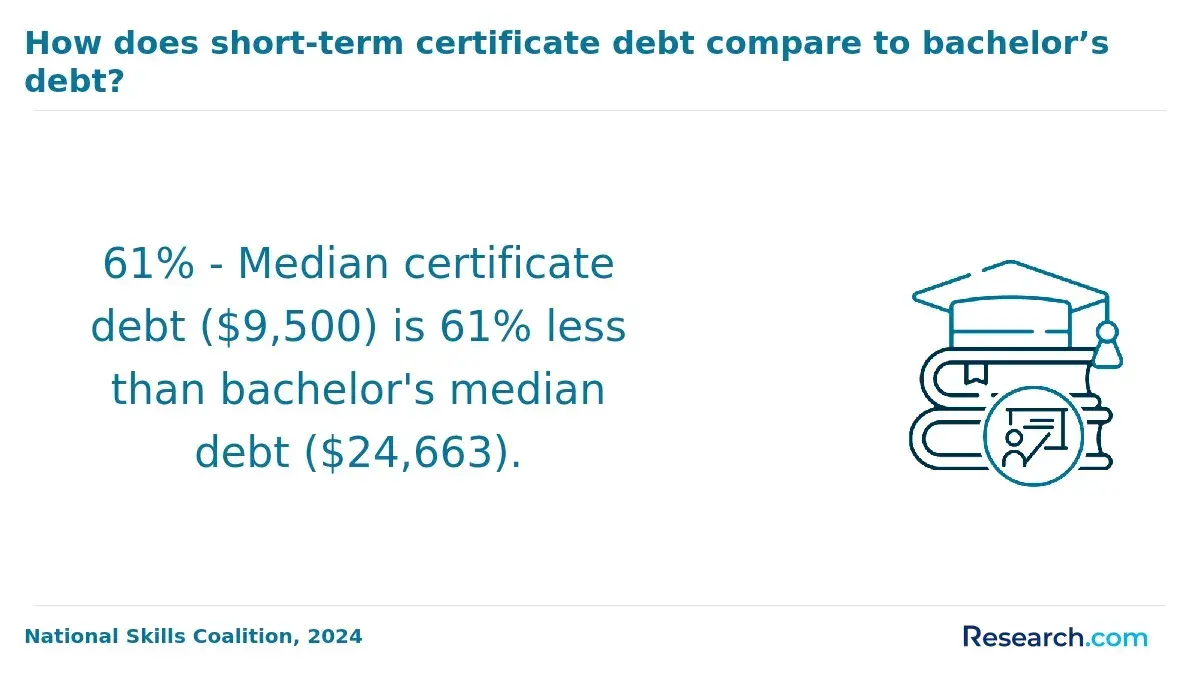
- Community college tuition averages roughly 60% less than four-year institutions, making early coursework in entertainment business more affordable and reducing overall debt.
- Established articulation agreements create smoother degree completion pathways, with over 70% of credits in general education transferring directly into entertainment business bachelor's degrees.
Who Should Consider Transferring to a Entertainment Business Bachelor's Degree?
Students should consider transferring to an entertainment business bachelor’s degree if they want a four-year credential that combines creative industry knowledge with business, marketing, finance, legal, and management skills. Data from the National Student Clearinghouse Research Center shows that about 38% of community college students transfer to four-year institutions within six years, making this a common route for students who want to start affordably and finish with a bachelor’s degree.
This transfer path is especially useful for students who already know they want to work on the business side of entertainment rather than only in performance or production. It can also help students who began in a general associate program but later decided they need a more specialized degree to compete for industry roles.
- Students aiming for business-side entertainment roles: A bachelor’s degree may be helpful for students pursuing work in production coordination, marketing, promotions, talent support, venue operations, licensing, music business, event management, or entertainment project administration.
- Associate degree completers: Students who finish an associate degree before transferring may have a stronger foundation in general education and lower-division coursework, but they still need to confirm that their credits apply to the entertainment business major—not just to total elective credits.
- Students changing academic direction: Community college students in general studies, communication, media, business, theater, music, or film may find that an entertainment business bachelor’s degree better matches their career goals.
- Working professionals: Students with experience in venues, events, studios, agencies, production companies, or creative entrepreneurship may transfer to strengthen their credentials and fill gaps in accounting, contracts, marketing, and management.
- Creative entrepreneurs: Students planning to manage artists, launch a small label, organize events, produce independent content, or build an entertainment-related business may benefit from structured coursework and university networking opportunities.
The best candidates are students who are willing to plan early, compare transfer policies, and ask detailed questions before choosing courses. Students who need maximum scheduling flexibility may also want to compare online options, including easiest online degree programs, while confirming that the program still supports their entertainment business goals.
What Are the Transfer Requirements for a Entertainment Business Bachelor's Degree?
Transfer requirements for an entertainment business bachelor’s degree usually include a completed transfer application, official transcripts, a minimum academic record, and evidence that the student has completed—or is on track to complete—key lower-division courses. Nationwide, transfer students constitute nearly 40% of all bachelor's degree enrollees, so many institutions have formal transfer procedures, but the details vary by school and program.
The most important point is that admission to the university and admission to the entertainment business major may not be the same thing. A student may be accepted by the institution but still need additional prerequisites before entering upper-division major courses.
- Competitive minimum GPA: Programs typically expect steady academic performance, especially in business, communication, media, and general education courses. A stronger GPA can also matter for competitive programs, scholarships, and limited-seat majors.
- Completed prerequisite coursework: Common preparation may include English composition, public speaking, introduction to business, marketing, accounting, economics, business law, media studies, or communication courses. Students should use the target school’s transfer guide rather than guessing which courses will count.
- Official transcripts from every college attended: Students must usually submit complete transcripts from all prior institutions, not just the community college where they earned the most credits. Missing transcripts can delay admission and credit evaluation.
- Application materials: Some programs may require essays, personal statements, resumes, portfolios, or recommendation letters. These materials should explain why the student is pursuing entertainment business and how prior coursework or experience supports that goal.
- Good academic and financial standing: Students may need to resolve holds, unpaid balances, incomplete grades, or academic probation issues before transcripts can be released or credits can be evaluated.
Before applying, students should request written guidance from both the community college transfer office and the destination program. Students comparing adjacent academic paths can also review options such as the most affordable online counseling degrees, but they should avoid assuming that credits for one field will automatically fit another major.
Can I Transfer All My Community College Credits to a Entertainment Business Bachelor's Degree?
You may be able to transfer many community college credits into an entertainment business bachelor’s degree, but you should not assume that every completed course will count toward graduation requirements. Data from the National Student Clearinghouse Research Center indicates that approximately 60% of community college students transfer to four-year universities, but the number of accepted credits and the number of credits that apply to the major can differ significantly.
Credits usually fall into several categories after evaluation: courses that meet major requirements, courses that meet general education requirements, courses that count only as electives, and courses that do not transfer. The distinction matters because elective credit can increase your total credit count without reducing the number of required entertainment business courses you still need to take.
Why some credits may not apply
- Course equivalency: The receiving institution compares your completed course to its own curriculum. A general media elective may not replace a required entertainment marketing or music business course if the content does not match closely enough.
- Accreditation: Credits from regionally accredited colleges are generally more readily accepted than credits from nationally accredited or unaccredited schools.
- Minimum grade rules: Many institutions typically require a grade of "C" or better for transfer credit, especially for major prerequisites.
- Program-specific requirements: Entertainment business degrees may require coursework in contracts, intellectual property, entertainment finance, artist management, event promotion, or internships that are not available at every community college.
- Credit limits: Some universities cap how many lower-division or community college credits can be applied toward a bachelor’s degree, even if more credits are technically transferable.
A graduate who transferred into an entertainment business bachelor’s program described the process as both encouraging and frustrating. “I went in thinking most of my credits would transfer seamlessly, but the transcript review showed that some of my specialized electives didn't fit the curriculum,” he explained. The waiting period for a detailed evaluation added stress, but it also helped him identify which courses he needed to retake or add. His advice was simple: “Getting clarity early really helped me plan what classes I needed to retake or take anew.”
The safest approach is to request a preliminary transfer evaluation before enrolling at the four-year institution, then ask how each accepted course applies: general education, major requirement, prerequisite, elective, or no credit.
What Classes Should I Take at Community College for a Entertainment Business Bachelor's Degree?
At community college, prioritize courses that satisfy general education, business foundations, communication requirements, and any lower-division prerequisites listed by your target entertainment business bachelor’s program. Studies show transfer students who finish key general education and prerequisite courses beforehand have a 20% higher graduation rate within four years, so course selection can directly affect time to degree.
The right schedule depends on the destination school. Before registering each term, compare your community college catalog with the four-year program’s transfer equivalency tool, articulation agreement, or degree map.
| Course area | Why it matters for transfer | Examples to discuss with an advisor |
| General education | These courses often transfer broadly and help meet bachelor’s degree graduation requirements. | English composition, college writing, public speaking, humanities, social science, quantitative reasoning |
| Business fundamentals | Entertainment business programs usually expect students to understand basic business operations before taking advanced major courses. | Introduction to business, accounting, marketing, management, economics |
| Communication and media | These courses build industry context and strengthen writing, presentation, audience analysis, and media literacy skills. | Mass communication, media studies, film analysis, digital media, interpersonal communication |
| Legal and industry foundations | Some entertainment business majors include contracts, copyright, licensing, and business law topics. | Business law, entertainment law if available, intellectual property overview, ethics |
| Career-building electives | Relevant electives may help with internships and applications, but they should not replace required transfer courses. | Event planning, music industry survey, entrepreneurship, digital marketing, project management |
Common mistakes include taking too many interesting electives before completing transferable requirements, assuming that all media or arts courses will fit the major, and waiting until the final community college semester to ask about prerequisites. Students considering other accelerated or adjacent pathways can compare options such as accelerated marriage and family therapy programs, but transfer planning should always be based on the specific bachelor’s degree requirements.
What Should I Do Before Transferring to a Entertainment Business Bachelor's Degree?
Before transferring, build a written plan that shows which credits will transfer, which degree requirements they satisfy, what remains after transfer, and how much the final years are likely to cost. Research indicates that roughly 60% of transfer students earn their bachelor's degrees within four years after transferring, but students are more likely to stay on track when they confirm requirements early rather than relying on assumptions.
- Review your completed coursework: List every course you have taken, the credits earned, and the grade received. Then compare each course with the destination school’s transfer equivalency guide.
- Meet with advisors at both institutions: Your community college advisor can help you choose transferable courses, while the university advisor can clarify major requirements, internship rules, portfolio expectations, and upper-division sequencing.
- Ask for a degree audit or preliminary credit review: Do not stop at “the credits transfer.” Ask whether each course applies to general education, the entertainment business major, electives, or prerequisites.
- Prepare documents early: Gather official transcripts, recommendation letters, application essays, resumes, and any required supplemental materials. If you have entertainment-related work, volunteer, or project experience, describe it clearly.
- Study the curriculum: Review required courses, internship expectations, capstone projects, and the order in which classes must be taken. Some advanced courses may only be offered in certain semesters.
- Check costs and aid deadlines: Transfer students should compare tuition, fees, housing, transportation, and aid eligibility before committing. The lowest tuition option is not always the cheapest if credits do not apply efficiently.
- Build industry readiness: Look for internships, campus media, event crews, student productions, artist teams, marketing clubs, or local venue work that can strengthen your resume before transfer.
A current entertainment business bachelor’s student said the biggest adjustment was the pace and specialization of upper-division coursework. She felt overwhelmed at first, but mentorship, calendar management, and early conversations with faculty helped her adjust. Her experience points to a practical lesson: transfer preparation should include academic planning, career planning, and relationship-building.
When Should I Apply for Transfer to a Entertainment Business Bachelor's Degree?
You should apply for transfer after you have completed, or are close to completing, the key prerequisites required by your target entertainment business bachelor’s program. Research indicates that around 40% of community college students submit their transfer applications within recommended timeframes, which tends to improve acceptance outcomes and adaptation to new curricula.
Start planning at least one academic year before you intend to enroll at the four-year institution. That gives you time to correct course gaps, gather documents, compare programs, and meet priority deadlines.
- Apply when you can show academic preparedness: Admissions committees and program departments may look for completed general education, business, communication, and prerequisite courses that demonstrate readiness for upper-division study.
- Track fall and spring cycles: Most bachelor's degree programs accept transfer applications primarily for fall and spring entry. Some majors may not admit transfer students every term.
- Allow time for transcript processing: Community colleges, prior institutions, and testing agencies may need time to send official documents. Late transcripts can delay decisions even when the application was submitted on time.
- Watch priority deadlines: Programs with rolling admissions, competitive scholarships, housing deadlines, or limited enrollment caps may favor students who apply earlier in the cycle.
- Plan for post-admission steps: After admission, you may still need to accept the offer, complete orientation, meet with an advisor, register for classes, submit immunization or residency documents, and finalize financial aid.
A strong timeline is to identify target programs first, confirm course equivalencies next, complete prerequisites, then apply before priority deadlines. Waiting until after the associate degree is finished can work, but it may also leave less time to fix missing requirements.
Is It Cheaper to Transfer to a Entertainment Business Bachelor's Degree From Community College?
Transferring from community college can be cheaper than starting an entertainment business bachelor’s degree at a four-year institution, especially when the credits transfer efficiently and apply to degree requirements. On average, tuition at community colleges is less than half the price of public four-year universities, which can reduce the cost of completing general education and lower-division prerequisites.
The savings are not automatic. A low-cost start can become expensive if courses do not transfer, if a student changes majors late, or if the four-year program requires extra semesters because key prerequisites were missed.
- Lower tuition rates: Community colleges typically charge less per credit, making them a cost-effective place to complete transferable lower-division coursework.
- Reduced total degree cost: Completing the first part of the bachelor’s pathway at community college can reduce the number of higher-priced credits taken at the four-year institution.
- Housing and commuting savings: Many students live at home or closer to campus while attending community college, which may lower housing, meal, and transportation expenses.
- Higher tuition after transfer: Costs usually rise once the student enters the four-year institution, but the student may pay those rates for fewer semesters if the transfer plan is efficient.
- Lower fees during the first years: Community colleges may charge less in campus fees and related expenses, though students should still account for books, software, transportation, and technology needs.
Students comparing online and lower-cost routes in business fields can also research the cheapest business administration degree online as a benchmark for affordability, while remembering that entertainment business programs may have different internship, networking, and industry-specific requirements.
To estimate real savings, compare the full pathway: community college tuition, four-year tuition, transfer credit loss, fees, housing, transportation, aid eligibility, and the number of semesters remaining after transfer.
What Financial Aid Is Available for Entertainment Business Bachelor's Degree Transfer Students?
Entertainment business bachelor’s degree transfer students may qualify for federal aid, state aid, institutional grants, scholarships, loans, and work-study, depending on financial need, enrollment status, academic progress, and the policies of the receiving institution. Data from the U.S. Department of Education shows nearly 40% of transfer students receive some form of federal grant, so students should not assume aid is only for first-year students.
The most important step is to complete the required financial aid applications by the priority deadlines for both the institution and the state, if applicable. Transfer students should also ask whether aid packages change after the first year and whether scholarships are renewable.
- Need-based aid: Grants, subsidized loans, and other need-based awards may help cover tuition, fees, books, housing, transportation, and living expenses. Some aid does not require repayment, while loans must be repaid under their terms.
- Federal and state programs: Students may be eligible for Pell Grants, federal Direct Loans, state grants, tuition waivers, or transfer-focused programs, depending on eligibility rules.
- Institutional assistance: Colleges and universities may offer grants or tuition discounts for transfer students, high-achieving applicants, or students entering specific departments.
- Work-study opportunities: Work-study can provide part-time employment with flexible scheduling. Students interested in entertainment business should ask about jobs in campus events, media offices, performing arts centers, marketing departments, or student activities.
- Departmental and industry-related awards: Entertainment, communication, business, music, film, or media departments may have targeted scholarships or small awards that are not always visible in general financial aid searches.
Students comparing creative and business-adjacent online programs may also look at options such as a ui/ux design bachelor's degree online, but aid eligibility should be checked program by program because costs and funding policies vary.
Are There Scholarships for Transfer Students in Entertainment Business Bachelor's Degree Programs?
Yes. Transfer students in entertainment business bachelor’s degree programs may qualify for merit-based, need-based, transfer-specific, institutional, departmental, and external scholarships. Studies indicate that about 45% of transfer students receive some form of scholarship or financial aid, which makes early scholarship research worth the effort.
Scholarships can be competitive, and many have deadlines that occur before admission decisions are finalized. Students should prepare a resume, personal statement, unofficial transcript, and examples of entertainment-related work or leadership before applications open.
- Merit-based awards: These scholarships may consider GPA, academic improvement, leadership, creative projects, work experience, or extracurricular involvement related to entertainment business.
- Need-based scholarships: These awards consider financial circumstances and may help students who need additional support after federal, state, or institutional aid is applied.
- Transfer-specific scholarships: Some universities set aside awards for students moving from community colleges into bachelor’s degree programs.
- Institutional scholarships: Four-year institutions may offer awards through the admissions office, business school, communication department, music industry program, film school, or entertainment business department.
- External funding: Industry organizations, professional associations, local arts groups, foundations, unions, and community organizations may offer scholarships tied to entertainment, media, business, or the arts.
Students should search beyond the university’s main scholarship page. Department websites, transfer centers, local community foundations, and industry groups may list smaller awards with less competition. For students focused on overall affordability, researching cheap online degrees fast can also provide useful cost comparisons, though scholarship fit should be evaluated separately for each entertainment business program.
What Problems Do Students Face When Transferring to a Entertainment Business Bachelor's Degree?
The most common transfer problems are lost credits, unclear prerequisite rules, late application documents, financial surprises, and difficulty adjusting to upper-division expectations. Studies show that transfer students may have retention rates up to 15% lower than those starting at four-year schools, so students should treat the transfer process as a major academic project—not just a form submission.
- Credit transfer inconsistencies: A course may transfer to the university but not count toward the entertainment business major. This can force students to take extra classes or delay graduation.
- Coursework misalignment: Community college electives in media, arts, or business may not match required bachelor’s courses closely enough, especially when the major includes specialized entertainment law, licensing, finance, or management content.
- Academic adjustment: Upper-division coursework may require more independent research, case analysis, group projects, presentations, and industry-specific writing than earlier courses.
- Administrative delays: Missing transcripts, late recommendations, unclear residency documentation, and unresolved academic holds can slow admission, financial aid, or registration.
- Financial planning gaps: Students sometimes budget for tuition but overlook fees, relocation, commuting, software, unpaid internships, professional events, and reduced work hours.
- Limited course availability: Some required major courses may only be offered once a year or may have prerequisites that must be taken in sequence.
- Networking transition: Entertainment business careers often rely on relationships, internships, and project experience. Transfer students may need to build these connections quickly after arriving.
To reduce these risks, students should request written confirmation of transfer credit, keep copies of syllabi, apply early, meet with the major advisor before registering, and build a semester-by-semester completion plan.
What Graduates Say About Community College to Entertainment Business Bachelor's Degree Transfer
-
: "
Transferring from community college to a bachelor's program in Entertainment Business was a decision fueled by my passion for the industry's fast-paced environment. The affordable credit transfer process made it financially feasible without overwhelming debt. Now, with my degree, I've gained invaluable connections and practical skills that opened doors to my dream job in production management.
Nathanael
"
-
: "
After two years at community college, I sought a bachelor's degree that combined my love for entertainment with business savvy. The lower tuition cost compared to starting at a four-year school helped me stay on budget while advancing academically. My transfer not only sharpened my strategic thinking but also boosted my confidence as I launched my career in entertainment marketing.
Russell
"
-
: "
Switching from community college to an Entertainment Business bachelor's program was a strategic move to enhance my career prospects in a competitive field. Although I was initially concerned about transfer credits and expenses, the cost-effective tuition and supportive transfer policies eased the transition. This program equipped me with a strong network and real-world experience that have been crucial in establishing myself in artist management.
Jose
"
Other Things You Should Know About Entertainment Business Degrees
Transferring from a community college to a bachelor's degree program in entertainment business can either shorten or extend the time to graduation, depending on how many credits transfer and the alignment of completed courses with the new program's curriculum. Students should carefully review articulation agreements and transfer credit evaluations to ensure core and major requirements are met. Planning ahead with academic advisors is essential to avoid redundant coursework and stay on track for timely completion.
Many entertainment business programs offer internship opportunities that are available to transfer students, though eligibility and timing can vary. Transfer students should connect with their new institution's career services or entertainment business department early to identify internships that fit their academic schedule and career goals. These internships often provide valuable industry experience critical to success in the entertainment sector.
In 2027, transferring from a community college to an entertainment business bachelor's program typically involves researching partner universities, meeting credit transfer requirements, submitting applications, and consulting with academic advisors. Ensure that all documentation is in order and deadlines are met for a seamless transition.
References
- The Best Degrees For Working In The Entertainment Industry https://www.academicinfo.net/blog/2023-10-22-the-best-degrees-for-working-in-the-entertainment-industry/
- How to Transfer Community College Credits to University https://www.pearsonaccelerated.com/blog/community-college-transfer-credit
- Ultimate Guide to Transferring from Community College to a 4-Year College https://www.collegeconsensus.com/resources/community-college-transfer-guide/
- Entertainment Business Degree - 5 Things To Consider https://www.dean.edu/news-events/dean-college-blog/story/entertainment-business-degree-5-things-to-consider/
- Scholarship Finder | GetMyFuture | CareerOneStop https://www.careeronestop.org/GetMyFuture/Toolkit/find-scholarships-detail.aspx
- California Community College Students Face Tough Barriers When Transferring | KQED https://www.kqed.org/news/11956322/california-community-college-students-face-tough-barriers-when-transferring
- Improving the Experience for Community College Transfer Students https://changinghighered.com/improving-the-experience-for-community-college-transfer-students/
- Community college transfer processes discourage degree completion https://journalistsresource.org/education/community-college-transfer-bachelors-degree-barriers-research/
- Academics https://bcc.edu.bb/Divisions/FineArts/Academics/Programmes/FABAMYR4FT/
- 5 Facts About Our Entertainment Business Programs - SAE Institute USA https://usa.sae.edu/blog/5-facts-about-our-entertainment-business-programs/