2027 What Can You Do with a Reading & Literacy Master's Degree? Careers, Salaries & Growth

Co-Founder and Chief Data Scientist
Many educators face challenges in advancing their careers due to a lack of specialized qualifications in reading and literacy. Data from the Bureau of Labor Statistics shows that employment for literacy specialists and reading teachers is projected to grow 8% from 2022 to 2032, faster than average for all occupations. However, individuals without a master's degree often encounter limited salary growth and fewer leadership opportunities. This article explores how earning a reading & literacy master's degree can address these issues by enhancing career prospects, increasing earning potential, and meeting rising demand.
The discussion covers program formats, admission criteria, and workforce outcomes. It also provides salary benchmarks, hiring trends, and insights on certifications that complement the degree. By comparing online and campus options, cost factors, and professional growth potential, readers will gain a comprehensive understanding of whether this degree aligns with their goals and financial situation.
Key Things to Know About What You Can Do with a Reading & Literacy Master's Degree
- Admission typically requires a bachelor's degree and teaching experience; programs offer flexible formats including online and part-time options, allowing customization around professional and personal commitments.
- Graduates often pursue roles as literacy coaches, curriculum specialists, or reading instructors, with median salaries around $60,000 and variations by region and education level.
- Employment in education support roles is projected to grow 7% over the next decade; choosing programs by cost effectiveness, accreditation, and certification opportunities improves long-term career and earning prospects.
What Are the Admission Requirements for a Reading & Literacy Master's Program?
Preparing the necessary prerequisites is vital for a smooth admission process into a reading and literacy master's program. Meeting these requirements ensures that candidates demonstrate readiness for advanced study and align with institutional expectations. With demand for literacy specialists rising-employment for instructional coordinators is projected to grow 7% from 2021 to 2031-understanding admission criteria helps applicants strategically plan their path. Below is a summary of common prerequisites for enrollment in reading and literacy graduate degrees.
- Relevant Undergraduate Degree: Most programs require a bachelor's degree from an accredited institution, usually in education, English, special education, or closely related fields. This foundational knowledge supports advanced literacy coursework and research.
- GPA Thresholds: A minimum GPA around 3.0 on a 4.0 scale is typical, but requirements vary by institution. Maintaining solid academic performance in undergraduate studies is often a key eligibility factor.
- Standardized Tests: GRE or GMAT scores are sometimes requested but increasingly optional or waived, especially at schools specializing in education. Applicants should verify each school's policies since some emphasize professional experience over test scores.
- Supplementary Materials: Letters of recommendation (usually two or three) from professors or supervisors assess academic potential and professional aptitude. Personal statements or statements of purpose allow candidates to articulate career goals and motivation for the degree. Writing samples may also be required to demonstrate communication skills.
- Field-Specific Prerequisites: Prior coursework in linguistics, child development, or literacy instruction methods may be necessary for specialized tracks. Some programs request teaching licensure or relevant work experience, particularly where practical application is emphasized.
Students evaluating their options might also explore doctoral programs for further advancement in literacy education and related fields.
What Is the Minimum GPA Requirement for a Reading & Literacy Master's Program?
Securing admission into a reading and literacy master's program often hinges on meeting a minimum GPA requirement, which typically ranges from 2.75 to 3.0 on a 4.0 scale. This threshold reflects academic preparedness but can shift based on program selectivity and institution type. For many prospective students, understanding these standards alongside broader admission factors is essential. Employment in the reading and literacy field is expected to grow 5% from 2021 to 2031, emphasizing steady demand. Below are key points outlining typical GPA requirements and admissions considerations.
- Typical GPA Range: Most programs require a minimum GPA between 2.75 and 3.0, ensuring applicants demonstrate foundational academic readiness for graduate study.
- Variability by Institution: Minimum GPA standards differ depending on whether the institution is public or private and the program's prestige, which can affect competitiveness.
- Holistic Admissions: Many programs employ comprehensive reviews, considering work experience, recommendations, and writing samples beyond just GPA.
- Opportunities for Low GPA Applicants: Applicants with lower GPAs may strengthen their candidacy through strong standardized test scores, professional accomplishments, or compelling personal statements.
- Salary and Job Growth: The field maintains consistent job growth projections, supporting positive graduate employment outcomes and long-term earning potential.
Prospective students should also explore certificate programs online that complement a master's degree to enhance skills and marketability in this evolving field.
How Much Does a Reading & Literacy Master's Degree Cost and How Can You Finance It?
Planning the finances for a reading & literacy master's degree equips prospective students to handle tuition, fees, living costs, and opportunity expenses before enrolling. Considering funding opportunities and cost-saving tactics early supports smarter budgeting decisions. Below are key points to consider in financial preparation.
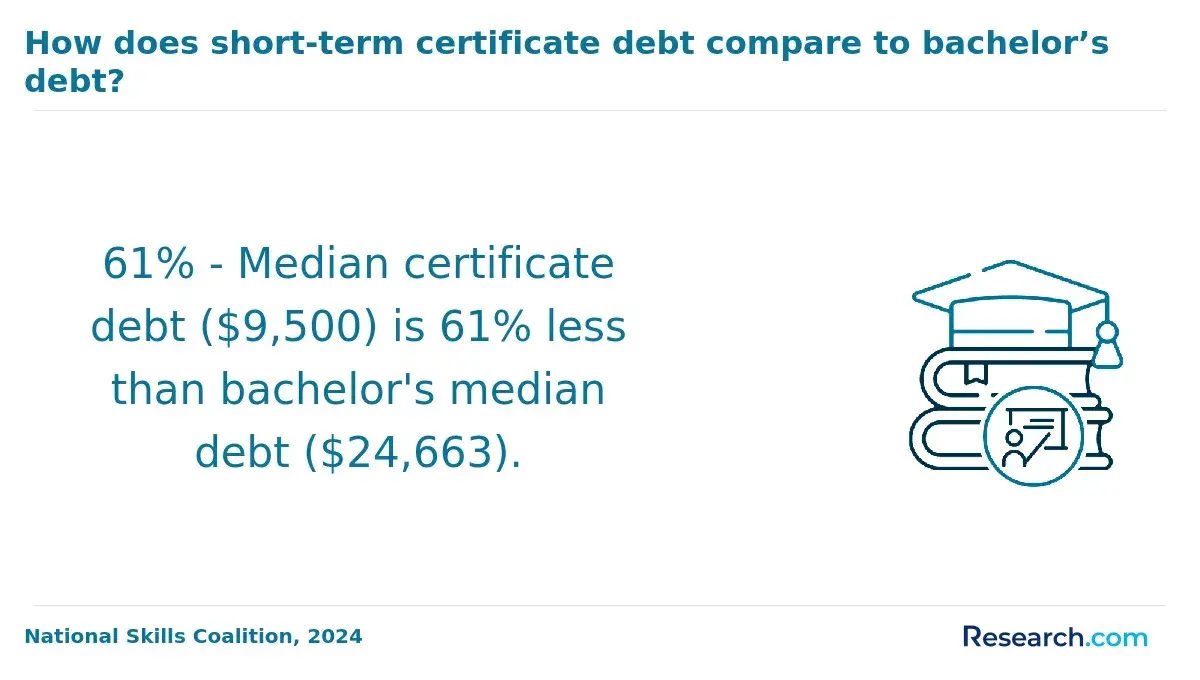
- Program Costs Differ by Institution: Public universities generally charge between $10,000 and $20,000 annually for in-state students, while private schools may exceed $30,000. Online options can reduce housing and commuting expenses but usually have similar tuition rates.
- Primary Funding Sources: Scholarships, fellowships, graduate assistantships, employer tuition reimbursement, and federal loans represent the main avenues for financial support. Acceptance rates vary roughly between 30% and 40%, with some programs considering financial need during awards.
- Debt Reduction Techniques: Applying for department-level fellowships, selecting in-state public universities, and negotiating assistantships help offset tuition and related costs. Early scholarship applications and employer sponsorships are also beneficial.
- Assessing Return on Investment: Calculating ROI involves weighing total expenses against likely salary increases and career advancement in specialties like ESL literacy or special education. This analysis informs whether the financial commitment aligns with long-term goals.
When I spoke with a graduate from a reading & literacy master's program, she emphasized the balancing act between costs and future benefits. She described working part-time while attending classes to ease financial pressure and securing a graduate assistantship that covered much of her tuition. Although navigating financial aid applications was occasionally stressful, she found the investment worthwhile as it opened doors to leadership roles in education. Her experience underlines how strategic planning and available resources can make this degree both affordable and career-enhancing.
For students considering how long it typically takes to complete a reading & literacy master's degree, knowing the factors that influence program length is essential for academic and career planning. Program duration can vary widely based on enrollment status, study format, and specific academic requirements. Below are key considerations that affect the timeline to earn this degree.
- Full-Time Enrollment: Most full-time students complete the degree within 1.5 to 2 years. This option allows for intensive coursework and steady progress through required practicum and research components.
- Part-Time and Online Programs: These flexible options often extend completion to 3 to 4 years, depending on how many credits are taken each term and scheduling flexibility, which is ideal for working professionals.
- Accelerated Options: Some institutions provide accelerated tracks that enable students to finish in as little as one year, demanding a rigorous workload and strong time commitment.
- Combined Bachelor's/Master's Pathways: Integrated programs let students work on undergraduate and graduate credits simultaneously, significantly reducing the total time spent in school.
- Transfer Credits: Students with relevant graduate-level coursework can shorten their master's by applying these credits toward program requirements.
- Thesis vs. Non-Thesis Tracks: Thesis tracks usually add time due to research and writing; non-thesis tracks focus more on coursework and practical experience, often resulting in quicker completion.
- Internship or Practicum Requirements: Mandatory fieldwork can extend program length depending on placement availability and required hours.
The average duration of online and on-campus reading & literacy master's programs reflects these variations, making it important for prospective students to consider their unique circumstances. For those investigating affordable options to pursue such degrees, the most affordable bachelor's degree online listings can be a helpful resource.
This overview offers prospective students insight into the diverse career opportunities a master's degree in reading & literacy can unlock. It highlights how graduates can leverage their expertise across various sectors, moving beyond entry-level roles to potential leadership positions.
- Specialized Educational Roles: Many graduates start as reading specialists, literacy coaches, or interventionists, focusing on student literacy improvement through personalized instruction and assessment in K-12 schools. These roles respond to growing demand for literacy support professionals.
- Curriculum and Program Development: Opportunities extend to designing literacy curricula, training educators, and advising school districts or nonprofit organizations dedicated to literacy advocacy. These jobs emphasize program innovation and educator support.
- Leadership and Management: With experience, graduates can advance to administrative positions like literacy program directors or academic coordinators, where they oversee teams and broader initiatives. Although executive roles specifically tied to this degree are less common, graduates gain valuable skills for general educational leadership.
- Government and Nonprofit Sectors: Graduates may work with agencies or nonprofits focused on policy creation, evaluation, or community outreach, applying their expertise to enhance literacy on larger scales.
- Academia and Research: Pursuing further qualifications enables graduates to teach at the university level or engage in literacy research, contributing to academic knowledge and teacher preparation.
A graduate I spoke with shared that choosing the reading & literacy master's program simplified their career progression by providing targeted knowledge and practical skills. "Navigating job options felt overwhelming at first," they recalled, "but the program's focus on real-world literacy challenges gave me confidence and clarity. It wasn't just theory; it was actionable learning that made stepping into specialized roles much easier." Their experience highlights how this degree can bridge academic preparation with professional readiness.
Salary expectations for professionals with a reading & literacy master's degree vary widely based on experience, location, and employer type. Below are key points capturing the typical earnings and compensation influences in this field:
- Starting Salaries: New graduates usually earn between $45,000 and $55,000 annually. Early-career roles often include positions such as reading coaches or literacy specialists, primarily within public school settings where regional funding and district budgets affect pay scales.
- Mid-Level Income: With five to ten years of experience, salaries typically rise to a range of $55,000 to $75,000. At this stage, professionals may advance to curriculum coordinators or instructional coaches, with opportunities for higher pay often found in districts emphasizing professional growth or within private educational organizations.
- Senior Earnings: Experienced practitioners like literacy program directors or educational consultants can expect $75,000 to $95,000 or more. Salaries tend to be higher in urban and coastal areas due to greater living costs and demand for expertise.
- Employer and Sector Influence: Public institutions generally offer stable but comparatively lower pay compared to private schools and nonprofit organizations. Careers in higher education or private education companies might also include bonuses, profit-sharing, or other supplemental income.
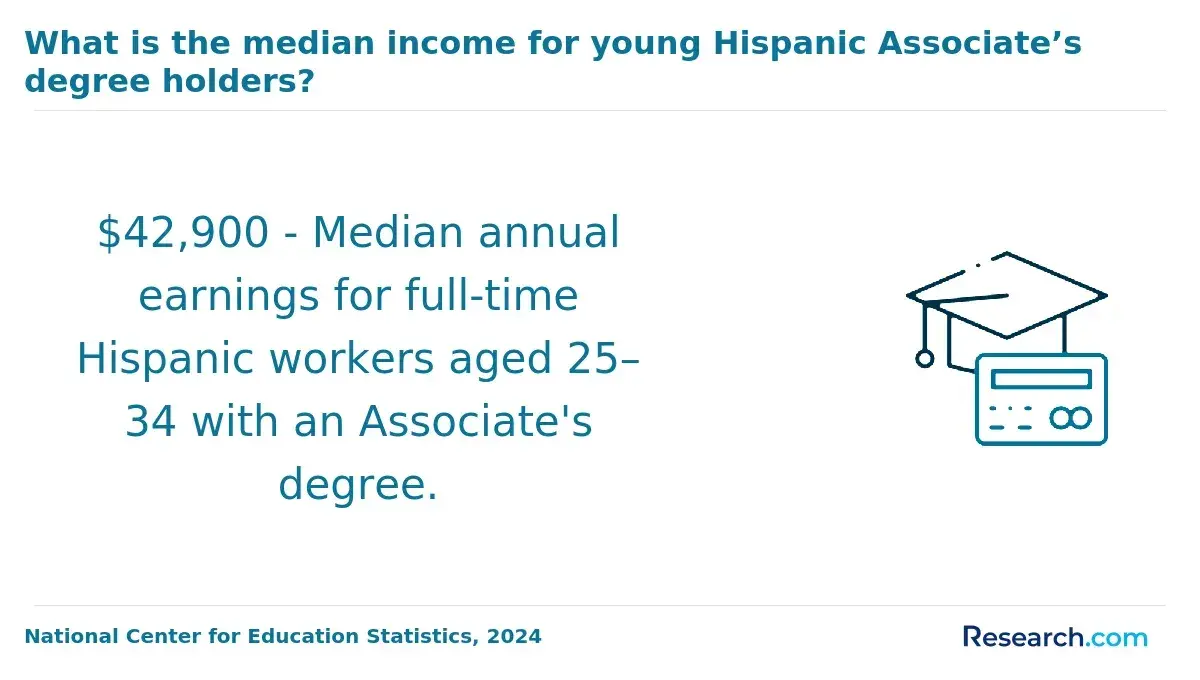
- Master's Degree Advantage: Possessing a master's degree in reading & literacy commonly results in a 15-25% salary increase over bachelor's degree holders, reflecting the additional skills and leadership roles accessible with graduate-level credentials.
- Additional Benefits: Comprehensive compensation packages often incorporate health insurance, retirement contributions, paid leave, and sometimes bonuses or equity stakes-particularly in private or educational technology firms-enhancing total earnings.
A reading and literacy master's degree certification programs often align with professional teaching certifications that significantly boost career opportunities and salary potential. Below are some of the most valuable and widely recognized certifications that complement this advanced degree. These credentials vary in eligibility requirements, assessment formats, renewal procedures, and market value. The following bullet points summarize key certifications prospective graduates should consider as part of their strategic career planning.
- Literacy Specialist Certification: Offered by many state Departments of Education, this certification typically requires a valid teaching license and a master's degree or higher. Candidates complete coursework and a performance-based exam. This credential is highly respected by K-12 schools and is preferred for roles leading literacy programs and interventions.
- International Literacy Association (ILA) Certified Literacy Coach: The ILA, a prominent professional organization, mandates a minimum of a master's degree, teaching experience, and specialized literacy training. The certification process includes a portfolio review and reflective coaching assessments. Certified literacy coaches frequently work in school districts or educational nonprofits to improve teacher instruction and student outcomes.
- Certified Educational Diagnostician (CED): Administered by the National Association of Special Education Teachers (NASET), this certification targets literacy-related learning challenges. Candidates must hold a master's degree, demonstrate relevant experience, and pass a written exam. Renewal involves continuing education credits, and the certification opens pathways to roles in special education and diagnostic assessment environments.
Pursuing these certifications during or immediately after completing a reading and literacy master's degree maximizes the integration of knowledge and credentials, enhancing competitiveness for positions like literacy coach, reading specialist, or interventionist. For career changers or recent graduates weighing their options, understanding the value of these professional teaching certifications for reading and literacy graduates is essential. Additionally, for those evaluating financing options for graduate education, exploring accredited and affordable programs online can be helpful, especially those compared in psychology degrees online, which sometimes also offer relevant pedagogical content.
Identifying the leading industries employing graduates with a reading & literacy master's degree is essential for students planning their career path. This knowledge helps align education and experience with market demands, increasing job prospects. Below is an overview of the primary sectors hiring these professionals and strategies for positioning oneself effectively.
- Education Sector: The largest employer includes public and private K-12 schools offering roles such as literacy coaches, curriculum specialists, and interventionists. Employers range from small districts to large urban systems, where state teaching certifications or literacy specialist endorsements significantly enhance employability.
- Higher Education: Universities and community colleges recruit master's graduates for faculty positions, literacy research, and student support roles. Familiarity with educational technology and curriculum design is particularly valued in this sector.
- Nonprofit Organizations: Agencies focused on literacy advocacy and adult education hire for program management, grant writing, and outreach. Experience in community engagement and fundraising strengthens candidacy for these roles.
- Educational Technology Companies: Emerging firms developing reading software and digital learning platforms increasingly look for professionals skilled in literacy pedagogy combined with knowledge of digital tools. Growth in remote learning has raised demand for expertise in reading assessment and digital content creation.
- Labor Market Trends: According to U.S. Bureau of Labor Statistics data, education-related positions are projected to grow by 7% through 2032, reflecting steady industry expansion fueled by evolving educational needs.
- Career Targeting Strategies: Prospective graduates should seek internships within schools or edtech companies, engage with literacy professional organizations for networking, and prioritize coursework in assessment, instructional design, or educational policy to enhance employment prospects.
Prospective master's degree holders in reading & literacy benefit from understanding the highest-paying roles available, as this insight helps align career goals with financial expectations and required qualifications. These positions vary in responsibility, experience, and employing sectors, with salary potential influenced by geographic location and additional credentials. Below are prominent high-earning job titles that graduates can pursue along with essential details about each.
- Literacy Coach or Specialist: These professionals earn between $60,000 and $75,000 annually, enhancing teacher effectiveness through targeted literacy strategies and student data analysis. Schools and districts typically hire them, with salary growth tied to classroom experience and teaching proficiency.
- Curriculum Developer in Literacy: Earning upwards of $70,000, curriculum developers design and evaluate reading programs for schools or educational publishers. Success in this role hinges on expertise in instructional design and familiarity with literacy standards, often strengthened by experience in education or publishing sectors.
- Educational Consultant: With salaries ranging from $65,000 to $85,000, consultants provide expert advice on literacy interventions for schools or districts. Extensive teaching experience, deep literacy research knowledge, and certifications like reading specialist licenses typically underpin their qualifications.
- Reading Program Director: Overseeing literacy initiatives and managing personnel, directors can earn $70,000 to over $90,000. Administrative skill, advanced degrees, or certifications contribute to higher pay, and opportunities arise mainly in nonprofits, government bodies, and educational institutions.
- University Lecturer or Professor: Academic teaching roles in reading & literacy offer salaries from $60,000 to above $100,000, influenced by tenure status, research achievements, and institution type. A doctoral degree and a strong record of publications and teaching credentials are generally requirements.
- Literacy Researcher or Analyst: Researchers earn between $65,000 and $95,000 annually as they develop literacy studies, analyze outcomes, and inform policy. Advanced degrees and grant management experience are crucial for reaching the upper salary ranges in research organizations or government agencies.
- Special Education Coordinator: These coordinators, earning $60,000 to $80,000, tailor reading strategies for students with disabilities, demanding expertise in special education laws and literacy practices. Licensure and specialized teaching experience enhance their compensation prospects.
Salary offers vary by region, with urban and higher cost-of-living areas typically providing greater compensation. Likewise, positions in higher education, consulting, and private sectors often yield higher pay than traditional K-12 roles. Additional certifications and advanced degrees can further elevate salaries, especially in senior or specialized positions.
Prospective students considering a reading and literacy master's degree should evaluate the employment outlook for reading and literacy specialists to understand career growth potential in the United States. Job stability and growth influence long-term earning power and career satisfaction, making it essential to assess current and projected labor market trends.
- Employment Growth Projections: The U.S. Bureau of Labor Statistics (BLS) projects employment growth of about 5% to 7% over the next decade for roles commonly held by reading and literacy professionals, such as elementary and secondary school teachers and instructional coordinators. This rate closely mirrors the national average across all occupations, indicating stable demand.
- Demographic and Enrollment Trends: Population growth and rising school enrollment in many parts of the country continue to drive the need for reading and literacy experts. Increasing awareness of early childhood literacy also supports sustained hiring in educational organizations.
- Technological Impact: Although automation may streamline routine administrative tasks, personalized instruction and support offered by reading and literacy specialists remain crucial and resistant to replacement by technology.
- Economic and Policy Factors: Changes in education policy and funding, influenced by broader economic conditions and globalization, could affect job availability. Advocacy for literacy programs and public investment will shape future opportunities.
Those exploring options may also benefit from reviewing lists of accredited online colleges that offer flexible program formats aligned with career goals in reading and literacy.
For prospective students, understanding the key skills developed in a reading & literacy master's program helps clarify how the degree prepares graduates for diverse career paths. These programs cultivate both technical expertise and interpersonal abilities, ensuring adaptability in various educational and related settings.
- Technical Proficiency: Students gain knowledge in research methodologies, data interpretation, and using digital assessment tools that support diverse learning needs, fostering evidence-based instructional decisions.
- Interpersonal Skills: Leadership, clear communication, and critical thinking are emphasized, equipping graduates to design impactful literacy interventions and collaborate effectively with colleagues and stakeholders.
- Experiential Learning: Hands-on opportunities like internships, classroom simulations, case analyses, and group projects reinforce theoretical concepts and sharpen practical problem-solving in real-world educational environments.
- Transferable Competencies: The blend of hard and soft skills opens doors beyond traditional teaching roles, applying to positions in curriculum development, educational technology, and literacy advocacy across multiple sectors.
- Employer Priorities: Hiring managers consistently prioritize candidates demonstrating strong communication abilities, flexibility, and data-informed instructional planning, highlighting these as essential for professional success.
What Graduates Say About Their Reading & Literacy Master's Degree
- Jonas: "Applying for admission to the reading & literacy master's program felt daunting at first, but thorough research made the process manageable. Navigating the landscape of accredited institutions helped me find the perfect fit that aligned with my career goals. Relying on official academic catalogs and accreditation details gave me confidence that I was pursuing a legitimate and valuable degree."
- Ellie: "Reflecting on my journey, I appreciate how carefully examining federal education resources helped me fully understand the requirements for the reading & literacy master's degree. The search for accredited institutions was a crucial step-many looked appealing but not all met the standards I needed. Applying for the program was streamlined thanks to clear guidelines and support I found along the way."
- Rowan: "As a professional educator, selecting the right reading & literacy master's program meant balancing accreditation credibility with course content relevance. Utilizing official catalogs not only clarified program requirements but also assured me of the program's rigor. My application experience was straightforward once I identified schools with strong federal and accrediting agency recognition."
Other Things You Should Know About Reading & Literacy Degrees
In 2027, individuals with a Reading & Literacy Master's Degree can expect an average salary ranging from $50,000 to $70,000 annually, depending on location, experience, and specific job role. This specialization can lead to opportunities in educational roles and literacy coaching, contributing to career advancement.
Most K–12 reading specialist roles require a valid teaching license plus a state reading specialist endorsement. Many states also ask for a master’s degree, 15–30 graduate credits in literacy methods, and passing scores on a state licensing exam or Praxis assessment.
- Really Great Reading Careers https://www.reallygreatreading.com/really-great-reading-careers
- M.Ed. in Reading Education Program - Reading Education Programs https://reading.charlotte.edu/reading-masters-program/
- Master’s in Reading and Literacy - College of Education https://education.ecu.edu/reading-education-masters/
- Master's in Reading and Reading Teacher Specialist Certificate https://www.cuw.edu/academics/programs/literacy-masters/index.html
- Literacy Education, M.S.Ed. https://suny.oneonta.edu/academics/majors-programs/literacy-education
- Reading and Literacy (MSEd/EdS) Requirements https://www.baypath.edu/academics/graduate-programs/reading-literacy-instruction-msed-eds/admissions-requirements/
- MA Literacy with PK-12 Reading Specialist Certification - Rosemont College https://rosemont.edu/college/academics/graduate-studies/literacy-ma-degree-with-post-bacc-pk12-reading-specialist-certification/
- Reading Specialist Graduate Programs (Online) | Georgian Court University | Lakewood, New Jersey https://georgian.edu/academics/graduate-programs/education/reading-specialist-graduate-programs-online/
- Master's in Reading and Literacy https://education.illinoisstate.edu/academics/teaching-and-learning/ms-reading-literacy/
- What Can I Do With a Master’s Degree in Literacy? | UT Permian Basin Online https://online.utpb.edu/about-us/articles/education/what-can-i-do-with-a-masters-degree-in-literacy