2027 Am I Eligible for a Sociology Degree Master's Program? Admission Checklist & Options

Co-Founder and Chief Data Scientist
Applying to a sociology master’s program is not only a question of whether you majored in sociology. Admissions committees usually look at your overall academic preparation, research readiness, writing ability, goals, and evidence that you can succeed in graduate-level social science work. That matters for career changers, recent graduates, international applicants, and working professionals who may have strong experience but uneven coursework.
In recent years, approximately 35% of admitted Sociology graduate students held degrees in fields outside social sciences, which shows that many programs consider more than one pathway into graduate study. Still, applicants need to understand what schools commonly expect: a bachelor’s degree, minimum GPA, prerequisite coursework, application documents, possible test scores, and, in some cases, relevant professional or research experience.
This guide explains the main eligibility requirements for sociology master’s programs, how online and international admissions may differ, what conditional admission can mean, and which application mistakes to avoid before submitting materials.
Key Things to Know About Sociology Degree Master's Program Eligibility
- A bachelor's degree in sociology or a related social science with a minimum GPA of 3.0 is typically required for admission to master's programs.
- Relevant professional or academic experience, such as research assistantships or social work, can strengthen applications, especially in competitive programs.
- Applicants with nontraditional backgrounds may qualify through conditional admission, prerequisite courses, or demonstrating proficiency via standardized tests and portfolios.
What are the eligibility requirements for a sociology master's degree program?
Most sociology master’s programs require applicants to hold a bachelor’s degree and show that they are prepared for graduate-level reading, writing, theory, and research. About 85% of programs expect candidates to have a bachelor's degree with a strong academic record as part of their graduate admissions criteria for sociology master's programs.
Requirements vary by university, but admissions committees usually evaluate the following areas:
- Bachelor’s degree: A completed undergraduate degree is the baseline requirement. A sociology major is helpful, but many programs also consider applicants from psychology, anthropology, political science, social work, education, public health, criminal justice, economics, and other fields.
- Academic record: A cumulative GPA of 3.0 or higher on a 4.0 scale is often mandatory or strongly preferred. Applicants below that threshold may still have options if they show recent academic improvement, strong recommendations, or relevant experience.
- Preparation in sociology: Programs commonly look for prior exposure to social theory, research methods, statistics, inequality, institutions, and social analysis. If your undergraduate degree was outside the social sciences, you may need to explain how your background connects to sociology.
- Research and analytical ability: Sociology graduate study depends heavily on reading scholarly literature, evaluating evidence, designing research questions, and interpreting data. Writing samples, transcripts, research experience, and statements of purpose can all help demonstrate this readiness.
- Fit with the program: Admissions committees often want to see that your interests align with faculty expertise, available concentrations, and the program’s research or applied focus.
A strong application does more than meet the minimum checklist. It explains why sociology is the right next step, how your past coursework or experience prepared you, and what questions or communities you want to study. If you are comparing adjacent graduate pathways in behavioral or social science fields, resources on online BCBA programs may also help you understand related options.
What prerequisite courses are required for a sociology master's degree?
Prerequisite courses help programs confirm that applicants can handle graduate sociology coursework from the start. Over 70% of U.S. graduate programs require students to demonstrate background knowledge in core sociology topics before admission.
Not every school lists the same prerequisites. Some require specific courses before admission, while others allow students to complete foundation courses after enrollment. The most common undergraduate preparation includes:
- Introduction to Sociology: Covers major concepts such as culture, institutions, socialization, deviance, class, race, gender, and social change. This course gives applicants the vocabulary needed for advanced study.
- Social Statistics or Quantitative Methods: Builds skills in reading data, interpreting statistical findings, and evaluating empirical claims. This is especially important for programs with thesis, survey research, demography, or policy analysis components.
- Research Methods: Introduces qualitative and quantitative designs, including interviews, surveys, ethnography, content analysis, sampling, measurement, ethics, and research limitations.
- Sociological Theory: Provides grounding in classical and contemporary theories used to analyze power, institutions, inequality, culture, identity, and social structure.
- Social Stratification or Inequality: Examines how social hierarchies are produced and maintained. This background is useful for students interested in race and ethnicity, gender, labor, education, health, criminal justice, or public policy.
What if you have not completed all prerequisites?
If you are missing one or more courses, do not assume you are automatically ineligible. Many applicants strengthen their file by taking undergraduate sociology courses as a non-degree student, completing community college or university extension coursework, or explaining equivalent experience in research, policy, nonprofit work, education, or social services. Before applying, compare each program’s prerequisite language carefully: “required,” “recommended,” and “preferred” do not mean the same thing.
Applicants considering other advanced degree formats may also research 2 year EdD programs online, especially if their long-term interests connect sociology with education, leadership, or institutional change.
Do sociology master's programs require GRE or GMAT scores?
Some sociology master’s programs still require standardized test scores, but many no longer do. A recent study found that more than 60% of sociology master's programs in the U.S. have adopted test-optional frameworks. The GRE is more common than the GMAT for sociology; the GMAT is typically associated with business programs and is rarely central to sociology admissions unless a university has a specific interdisciplinary requirement.
Applicants should read each program’s policy closely because “test-optional,” “test-waived,” and “test-blind” can mean different things:
| Policy | What it usually means | How applicants should respond |
| Required | You must submit scores for your application to be complete. | Plan testing early and make sure official scores arrive before the deadline. |
| Test-optional | You may choose whether to submit scores. | Submit scores only if they strengthen your overall profile. |
| Test-waived | The school may waive scores for applicants who meet certain criteria. | Confirm the waiver rules and get written confirmation if possible. |
| Test-blind | Scores are not considered even if submitted. | Focus on transcripts, statement of purpose, recommendations, and writing samples. |
When programs do consider GRE or GMAT scores, they may use them as one indicator of academic preparation, especially for quantitative reasoning, verbal reasoning, or writing. However, sociology admissions often gives substantial weight to transcripts, research interests, letters of recommendation, personal statements, and evidence of writing and analytical ability.
A professional who recently completed a master's degree in sociology described the mixed testing landscape this way: “Some programs gave me the option not to submit my GRE, which was a relief, but others made me consider submitting my scores to appear more competitive.” His experience reflects a common applicant decision: if scores are optional, compare them with the rest of your record. Strong scores can help, but weak or inconsistent scores may distract from stronger evidence elsewhere in the application.
What kind of work experience is required in sociology master's programs?
Most sociology master’s programs do not require full-time professional experience for admission, but relevant work, volunteer, research, or community experience can make an application stronger. A 2022 survey found that about 63% of graduate admissions committees view practical experience as a way to enhance applications.
Admissions committees value experience when it shows maturity, commitment, research exposure, or a clear connection between your goals and sociology. Common examples include:
- Community outreach and advocacy: Work with community organizations, mutual aid groups, nonprofits, or advocacy campaigns can show direct engagement with social issues and affected populations.
- Research assistantships: Helping with literature reviews, interviews, surveys, data coding, fieldwork, or analysis demonstrates readiness for graduate research expectations.
- Social services and case management: Roles in public agencies, nonprofits, healthcare organizations, housing programs, or family services can provide firsthand insight into institutions, inequality, and policy outcomes.
- Educational program coordination: Experience developing workshops, tutoring programs, youth initiatives, or public education projects can connect well with interests in education, inequality, organizations, or community development.
- Policy analysis and advocacy: Work involving reports, legislative research, public testimony, program evaluation, or issue campaigns can support applications focused on applied sociology or public policy.
How to present experience effectively
Do not simply list job titles. In your resume and statement of purpose, explain what the experience taught you about social systems, research questions, populations, institutions, or policy problems. A few well-explained experiences are more persuasive than a long list of unrelated roles.
If career outcomes are a major factor in your graduate planning, reviewing the most profitable degrees can help you compare sociology with other academic and professional paths.
What documents are required for a sociology master's degree application?
Sociology master’s applications usually require a core set of documents that show academic preparation, writing ability, motivation, and fit. Missing or weak materials can hurt an otherwise qualified applicant, so treat each document as part of a single argument for admission.
- Official transcripts: These verify your degrees, grades, institutions attended, and relevant coursework. Committees use transcripts to assess GPA, course rigor, research preparation, and improvement over time.
- Statement of purpose: This essay should explain why you want graduate training in sociology, what topics or methods interest you, why the program fits your goals, and how your background prepared you. Avoid vague claims about wanting to “help people” unless you connect them to specific sociological questions or career plans.
- Letters of recommendation: Most programs prefer letters from professors, research supervisors, or professional supervisors who can comment on your writing, analytical ability, reliability, and readiness for graduate study.
- Resume or curriculum vitae (CV): This should summarize education, research, employment, publications or presentations if applicable, volunteer work, technical skills, and relevant projects.
- Application form: The university application collects your personal, educational, and program information. It may also require fee payment, residency information, and answers to program-specific questions.
Additional materials some programs may request
Depending on the university, you may also need a writing sample, GRE scores, English proficiency scores, a diversity statement, an interview, or proof of prerequisite coursework. Always use the program’s official admissions page as the final checklist rather than relying on general graduate school advice.
One prospective graduate student described the process as more reflective than administrative: “It wasn't just about gathering papers. Crafting my statement of purpose forced me to clarify why sociology matters to me and what I hope to achieve.” That is the right approach. The strongest applications connect past preparation, current interests, and future goals clearly across every document.
When should I start preparing my sociology master's application?
You should start preparing well before the deadline because strong applications require program research, prerequisite planning, recommenders, writing revisions, and transcript requests. A rushed application is more likely to contain generic essays, missing materials, or weak program fit.
- 12-18 Months Before Applying: Research sociology master’s programs, faculty interests, concentrations, thesis or non-thesis options, funding opportunities, online versus campus formats, and admissions requirements. If you are missing prerequisites, this is the time to identify courses you can complete before applying.
- 6-12 Months Before Applying: Narrow your program list and begin drafting your statement of purpose. Update your resume or CV, gather unofficial transcripts for review, and ask potential recommenders whether they can write strong letters. If a program requires standardized tests, schedule them with enough time for retakes and score reporting.
- 3-6 Months Before Application Deadlines: Finalize essays, order official transcripts, confirm recommendation deadlines, complete application forms, and review every requirement for each school. Submit before the deadline whenever possible to avoid technical issues or delayed documents.
A practical planning tip
Create one spreadsheet for all programs you are considering. Include deadlines, required documents, prerequisite rules, test policies, faculty contacts, application fees, funding deadlines, and submission status. Sociology programs can look similar at first, but small differences in requirements can determine whether your application is complete.
Do universities offer conditional admission for sociology master's programs?
Yes, some universities offer conditional admission for sociology master’s programs. Conditional admission means the school is willing to admit you, but only if you satisfy specific requirements within a stated timeframe. Approximately 30% of U.S. graduate programs in social sciences, including sociology, offer some form of conditional admission.
This pathway is most relevant for applicants who show promise but do not fully meet one part of the standard admissions profile. Common situations include:
- Missing prerequisite coursework: A student may be admitted on the condition that they complete undergraduate or foundation courses in statistics, research methods, theory, or introductory sociology.
- GPA slightly below the preferred threshold: A program may allow enrollment if the applicant earns certain grades in the first semester or academic year.
- Incomplete documentation: In limited cases, admission may depend on final transcripts, degree conferral, credential evaluation, or English proficiency documentation.
- Need to prove graduate readiness: Some students may need to complete a probationary period before moving into full standing.
- Program-specific restrictions: Conditional admission policies vary widely. Some schools limit the option to certain applicants, while others do not offer it for competitive cohorts.
Conditional admission can be useful, but it is not the same as full admission. Ask the program what conditions must be met, when they are due, what grades are required, whether financial aid is affected, and what happens if the conditions are not completed. Failure to meet these requirements may result in dismissal or suspension of enrollment.
Are admission requirements different for online sociology master's programs?
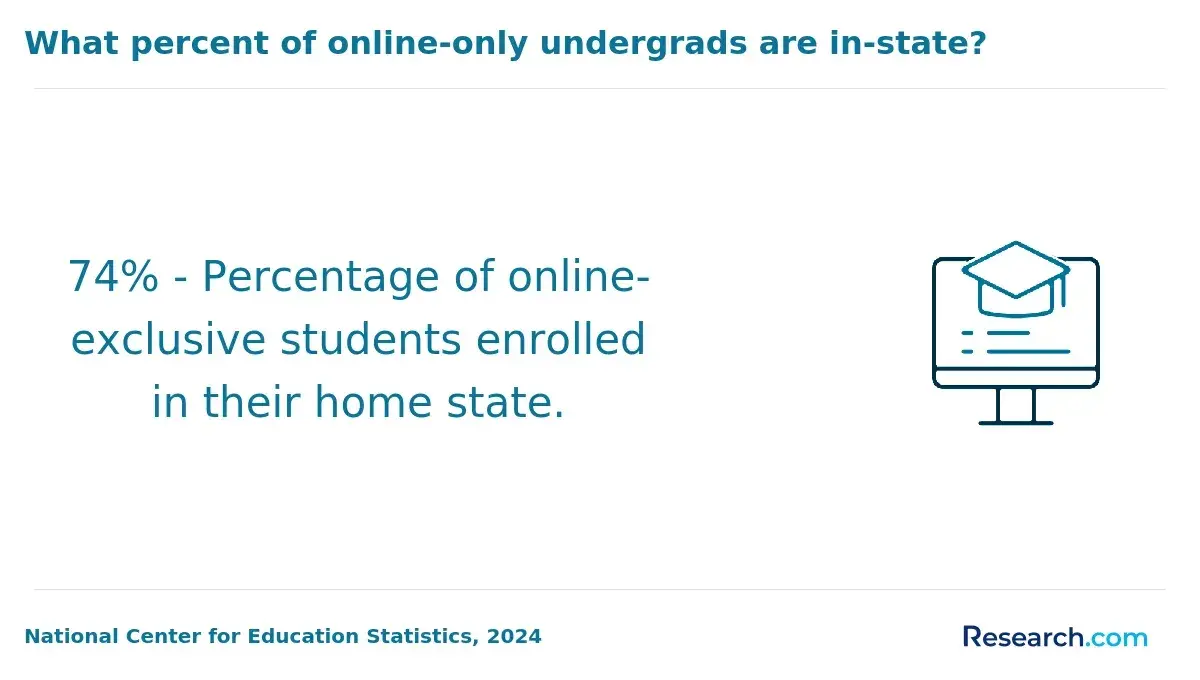
Online sociology master’s programs usually have similar academic admissions standards to campus programs: a bachelor’s degree, transcripts, statement of purpose, recommendations, and evidence of readiness for graduate work. The differences are often in delivery-related expectations, flexibility, and how programs evaluate working adults or nontraditional students. Over 60% of U.S. graduate sociology programs have moved away from requiring GRE or other standardized tests, reflecting a broader trend in graduate admissions.
- Prerequisite flexibility: Online programs may be more likely to accept applicants from varied undergraduate backgrounds or offer bridge coursework for students missing sociology foundations.
- Professional experience: Because many online students work while studying, some programs give additional weight to relevant employment, community work, military experience, public service, or applied research.
- Standardized test policies: Many online sociology programs waive GRE or similar test requirements, though applicants should still verify the policy for each school.
- Electronic documentation: Transcripts, essays, recommendations, and other materials are usually submitted online. Some programs may also require identity verification or additional technology-related steps.
- Technological readiness: Applicants need reliable internet access, appropriate devices, and enough digital literacy to participate in discussions, submit assignments, use research databases, and collaborate remotely.
What online applicants should check before applying
Look beyond admission requirements. Confirm whether the program is fully online or has campus visits, synchronous class meetings, practicum requirements, thesis options, research expectations, and time-zone considerations. Also check institutional accreditation and whether online students have access to advising, library resources, career support, and faculty mentoring.
Students comparing distance-learning graduate options may also find the doctorate in leadership resource useful when evaluating online program formats at the graduate level.
What are the eligibility requirements for international students applying to a sociology master's program?
International applicants must meet the general admissions requirements for the sociology master’s program plus additional requirements related to language proficiency, academic credential review, visa eligibility, and financial documentation. These steps help universities confirm that the applicant is academically prepared and able to comply with study requirements in the U.S.
- English language proficiency: Students may need to submit TOEFL or IELTS scores that meet the minimum set by the institution. Requirements can differ by country, prior degree language, and university policy.
- Academic credential evaluation: Foreign degrees are typically reviewed for equivalence to a U.S. bachelor's degree. Some universities evaluate credentials internally, while others require an outside evaluation.
- Visa eligibility: International students generally need an appropriate visa, usually an F-1, for full-time study. Admission and visa processes are related but separate, so applicants should follow both the university and government requirements carefully.
- Financial documentation: Universities often require proof of funds for tuition, living expenses, and other costs before issuing visa-related documents.
- Program-specific prerequisites: International applicants may still need prior coursework in sociology, social theory, statistics, or research methods, depending on the program.
International students should begin earlier than domestic applicants because transcript evaluation, English testing, financial documents, and visa processing can take additional time. If you are considering interdisciplinary or alternative academic directions, online construction management degree options may also be relevant for broader graduate planning.
What mistakes should I avoid when applying to sociology master's programs?
The most common application mistakes are preventable. Studies reveal that nearly 40% of applicants face rejection due to incomplete or improperly prepared materials. A careful, program-specific application can protect you from avoidable disqualification and make your qualifications easier to evaluate.
- Submitting incomplete materials: Missing transcripts, recommendations, test scores, writing samples, or supplemental essays can delay review or lead to rejection. Track every requirement separately for each program.
- Ignoring program-specific requirements: Sociology departments may differ in prerequisites, faculty fit expectations, thesis requirements, GRE policies, and writing sample rules. Do not use one generic checklist for every school.
- Writing a generic personal statement: Broad statements about interest in society or social justice are not enough. Explain your research interests, relevant preparation, and why the specific program is a good match.
- Waiting until the deadline: Late transcript orders, unavailable recommenders, payment errors, or portal issues can create problems. Submit early when possible.
- Presenting unclear goals: You do not need to have a final thesis topic, but you should be able to explain the questions, populations, methods, or career direction that make sociology graduate study necessary.
Another mistake: applying only to reach schools
Build a balanced list of programs. Include schools that match your academic interests, credentials, budget, preferred format, and career goals. A well-fitting program is often more valuable than a highly selective program that does not support your area of interest.
What Graduates Say About Sociology Degree Master's Program Eligibility
- : "Choosing a sociology master's degree was a natural fit for me because of my passion for understanding social dynamics and inequality. The program's eligibility requirements were challenging, especially balancing my part-time job with prerequisite courses, but I managed to complete everything within two years. Overcoming the rigorous application process and prerequisite demands was tough, yet incredibly rewarding as I now feel fully equipped to pursue a meaningful career in social research. — Harriet"
- : "Reflecting on my journey, I chose a sociology master's degree to deepen my insights into cultural diversity and social justice. It took me just under three years to fulfill all the eligibility criteria and coursework, primarily because I took extra time to refine my thesis proposal. Navigating the complexities of research prerequisites and gaining relevant field experience tested my commitment, but it ultimately shaped my professional growth and academic confidence. — Elise"
- : "My decision to pursue a sociology master's degree stemmed from a desire to influence community development policies. Although meeting the eligibility requirements initially seemed daunting, especially with the prerequisite statistics and methodology courses, I completed them in eighteen months through an intensive schedule. Overcoming these initial obstacles taught me resilience and highlighted the value of structured preparation in succeeding within the program. — Emma"
Other Things You Should Know About Sociology Degrees
Yes, work related to social justice can be highly relevant for applications to sociology master's programs in 2027. It demonstrates practical experience and engagement with societal issues, aligning well with the field's focus on understanding and addressing social disparities and systemic inequalities.
Most sociology master's programs in 2027 require the GRE for admission. However, specific requirements may vary by institution, so it's essential to check each program's criteria. Some universities may accept alternatives or waive the requirement under special circumstances.
For admission to a sociology master's program in 2027, applicants typically need a minimum GPA of 3.0 on a 4.0 scale. This threshold may vary by institution, so it’s important to verify specific requirements with your chosen university.
References
- When to Apply for Grad School and Where to Start | Blog | Elmhurst University https://www.elmhurst.edu/blog/when-to-apply-for-grad-school/
- 5 Common Graduate School Application Mistakes and How to Avoid Them https://www.mghihp.edu/news-and-more/opinions/5-common-graduate-school-application-mistakes-and-how-avoid-them
- 5 critical mistakes to avoid while preparing your graduate school application https://graduateguide.com/5-critical-mistakes-to-avoid-while-preparing-your-graduate-school-application/
- Application and admission - Master Sociology https://www.uva.nl/shared-content/programmas/en/masters/sociology/application-and-admission/application-and-admission.html
- Why Choose Distance Learning M.A. Sociology for Career Growth - Blog https://www.mtsou.edu.in/blog/why-choose-distance-learning-ma-sociology-for-your-future-growth/
- 10 Tips for What Not to Do When Applying to Grad School https://www.ets.org/grad-school-journey/10-tips-what-not-to-do-grad-school.html
- Documents checklist - Graduate School for Social Research https://www.gssr.edu.pl/admissions/documents-checklist/
- Graduate School Application Timeline https://www.princetonreview.com/grad-school-advice/application-timeline
- When to Apply for Graduate School | Month-by-Month Timeline https://www.scribbr.com/graduate-school/when-to-apply/