2027 Which Schools Offer Flexible Start-Anytime Enrollment for a Sociology Degree Master's Program?

Co-Founder and Chief Data Scientist
A working professional aiming to advance their career often faces barriers enrolling in a Sociology master's program due to rigid semester start dates. Nearly 40% of graduate Sociology students report that inflexible enrollment schedules delay their educational progress or discourage pursuit altogether. This gap disproportionately affects those balancing employment, family, and other commitments.
Flexible start-anytime enrollment options allow students to begin studies when ready, eliminating long wait times. This article identifies which U.S. schools offer Sociology master's degrees with such adaptable enrollment, helping prospective students find programs accommodating their unique schedules and accelerate their academic and professional goals.
Key Benefits of Flexible Start-Anytime Enrollment for a Sociology Degree Master's Program
- Flexible start-anytime enrollment allows students to begin their sociology master's program at multiple points annually, reducing wait times and accommodating diverse schedules.
- Such flexibility often enables accelerated program completion, with many students finishing within 12 to 18 months compared to traditional timelines.
- Students can better balance professional responsibilities and study, as flexible enrollment supports part-time options without compromising academic progress.
What Does Start-Anytime Enrollment Mean for a Sociology Master's Degree?
Start-anytime enrollment for a sociology master's degree enables students to begin their graduate studies at various points throughout the year, unlike traditional programs that require enrolling in fixed terms or cohorts. This flexible approach allows learners to register for courses as they become available, offering more control over their academic trajectory.
It breaks away from preset sequences and fixed start dates, providing a personalized pace that suits individual needs. Such structural flexibility is ideal for those balancing education with other responsibilities and is a key aspect of how start-anytime enrollment works for sociology graduate degrees.
This enrollment model significantly shapes the student experience by expanding access to a wider range of courses year-round and allowing learners to progress at their own speed. Without fixed cohorts, interaction tends to be more asynchronous, relying on independent study and virtual discussions, which demands strong self-motivation and time management.
These programs promote a learner-centered environment that accommodates diverse schedules and priorities. Prospective students interested in flexible options might also explore related fields, such as accelerated speech pathology programs online, for similar adaptability benefits.
What Schools Offer Start-Anytime Sociology Master's Programs?
Start-anytime enrollment is more commonly offered by certain categories of institutions, making it easier for working professionals and nontraditional students to begin their Sociology master's studies without waiting for traditional semester start dates. Approximately 30% of fully online graduate programs feature rolling or flexible enrollment options, supporting continuous admission cycles.
Below are the main types of universities and institutions that typically offer these options.
- Public Universities: These institutions often provide rolling admissions with term-based starts. Courses tend to be structured in shorter, modular sessions to accommodate students enrolling throughout the year.
- Private Nonprofit Institutions: These schools usually offer multiple start dates aligned with academic semesters, combining some flexibility with a traditional calendar framework to support flexible enrollment Sociology master's programs.
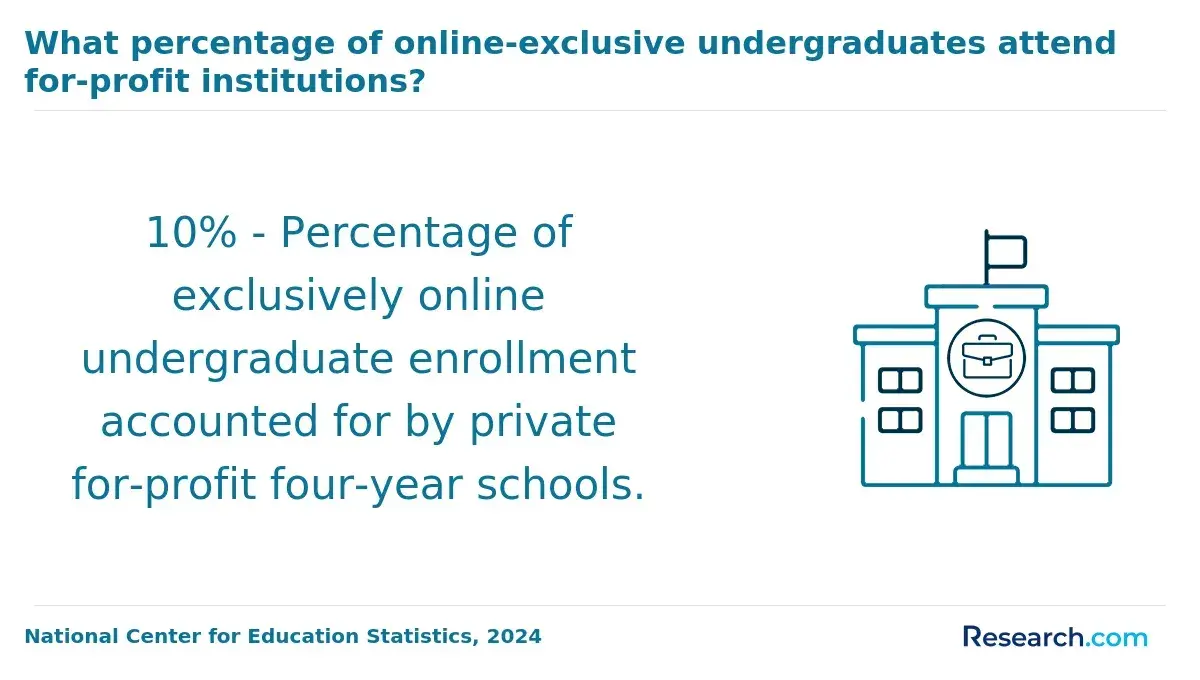
- For-Profit Universities: Known for continuous admissions, these universities frequently utilize self-paced courses that allow students to progress at their own speed without fixed semester deadlines.
- Competency-Based Institutions: These providers emphasize mastery over seat time, enabling fully self-paced and flexible enrollment structures individually tailored to students' progress.
Prospective students seeking universities offering flexible enrollment Sociology master's degrees will find that options from for-profit and competency-based institutions are especially aligned with nontraditional schedules. Many of these programs incorporate self-paced platforms and competency assessments, allowing learners to advance upon demonstrating mastery.
For additional insights on accelerated and flexible graduate options, consider exploring the fastest online EdD programs that similarly cater to working professionals requiring adaptable enrollment models.
Are Start-Anytime Sociology Master's Programs Available in Both Online and On Campus Formats?
Start-anytime sociology master's programs are offered in both online and on-campus formats, with availability shaped by each institution's setup and program structure. About 30% of flexible graduate programs provide fully online options, which allow for year-round enrollment.
Below is an overview of common formats and how they accommodate flexible start dates:
- Fully Online Programs: These allow students to enroll several times annually, offering continuous access to coursework without the constraints of a traditional term schedule.
- Hybrid Formats: Combining online classes with periodic on-campus sessions, often in evenings or weekends, these programs offer multiple admission cycles to support rolling starts while still incorporating face-to-face interaction.
- Evening or Weekend Campus Options: Designed for working professionals or traditional students with daytime commitments, these programs usually adhere to a semester calendar but provide some entry flexibility and convenient class times.
- Competency-Based Models: Focused on skill mastery rather than fixed time frames, these fully online programs let students advance and begin their studies whenever ready, catering especially to self-directed learners.
When I spoke with a graduate of an online sociology master's program with a flexible start, he highlighted how the ability to begin at any time eased the stress of balancing work and study. "I didn't have to wait months for a new term to begin," he explained. This helped him maintain momentum during life's uncertainties and adjust his workflow as needed.
He noted that, despite the freedom, the program required self-discipline to keep up with assignments and deadlines. "Being able to start when it suited me gave me control, but it also meant I had to be more organized." Overall, he saw the flexible start option as a key factor that made completing his degree feasible amid a busy schedule.
Admission standards for start-anytime sociology master's programs largely reflect those of traditional graduate programs, with the main difference being more flexible application timing. This flexibility supports nontraditional students and working professionals by allowing enrollment year-round.
Key admission elements generally include the following:
- Minimum GPA Standards: Applicants typically need a bachelor's degree with a competitive GPA, often near 3.0 on a 4.0 scale, to signal academic preparedness in flexible graduate sociology program entry requirements.
- Professional Experience: While not always required, relevant work or research background can enhance applications, especially for programs emphasizing applied sociology.
- Letters of Recommendation: Two or three letters from academic or professional references help evaluate an applicant's suitability and graduate study potential.
- Standardized Test Policies: Many start-anytime sociology master's programs waive or make tests like the GRE optional, focusing instead on a comprehensive review of an applicant's qualifications.
Programs offering start-anytime enrollment also provide rolling admissions and faster decisions, beneficial for those eager to begin studies without the delays of traditional academic schedules. Students interested in affordable online masters counseling programs may explore this additional avenue for flexible graduate study options.
Start-anytime academic calendars in sociology master's programs enable students to begin their studies at multiple points throughout the year, often offering 6 to 12 start dates annually. This model contrasts with traditional semester-based systems that limit enrollment to once or twice per year.
The structure provides significant flexibility and suits learners with variable schedules. Key features of start-anytime calendars include:
- Rolling Start Dates: Students can enroll at various times, removing the wait for a new semester and allowing immediate access to coursework.
- Modular Courses: Curricula are divided into shorter units focusing on specific topics, which students complete independently, facilitating steady progress without delays.
- Asynchronous Scheduling: Course materials, such as lectures and assignments, are accessible online at any time, helping students balance education with work or personal obligations.
- Individualized Progression: Learners move at their own pace rather than in fixed cohorts, often supported by advisors who help tailor study plans to individual needs and goals.
Many prospective students wonder if flexible, start-anytime sociology master's programs cost more than traditional fixed-start cohort options. On average, online sociology master's degrees range from $15,000 to $30,000 in tuition, with start-anytime programs typically matching this price range.
Below are some factors that influence cost differences between these formats.
- Tuition Structure: Start-anytime programs generally charge per credit, similar to traditional formats, maintaining comparable baseline costs.
- Additional Fees: Some flexible programs include extra expenses like technology or platform fees to support self-paced learning and rolling admissions, which may add a few hundred dollars annually.
- Technology or Platform Costs: Because start-anytime models rely on advanced digital infrastructure, these fees can be higher than those in traditional programs with fixed schedules.
- Financial Aid Availability: Both program types usually allow access to federal loans, scholarships, and assistantships, though campus-based supports might be limited for students in flexible schedules.
A professional who completed a start-anytime sociology master's degree shared her perspective after I asked about her experience. She described her initial uncertainty about balancing coursework with work commitments and appreciated the freedom to begin whenever she was ready.
"It wasn't just about cost," she said, "but how the program's structure fit my life." She noted that while technology fees added a small extra expense, the flexibility helped her avoid unpaid time off from work, effectively balancing out costs. She also highlighted navigating aid applications as somewhat more complex but manageable with proper guidance.
Overall, she concluded that the value lay less in price differences and more in accommodating her unique schedule and learning pace.
Start-anytime master's programs in sociology offer considerable flexibility, allowing students to begin their studies throughout the year instead of following rigid semester schedules. This flexibility impacts the overall time to completion, which typically ranges from 18 months to 3 years.
On average, students pursuing flexible or online sociology master's degrees part-time finish in about 2 years. The duration can vary depending on several critical factors, outlined below.
- Pacing Flexibility: Students can advance through coursework at a personalized speed, accelerating when they have more availability or slowing down when facing other commitments, directly influencing program length.
- Course Load Options: Taking more courses per term can shorten the time required to graduate, while a lighter course load may extend the overall timeline, offering balance for working professionals.
- Accelerated Modules: Certain programs include condensed classes that cover material more rapidly, helping students reduce total study time without sacrificing content quality.
- Part-Time vs. Full-Time Enrollment: Full-time students often complete their degree in 18 to 24 months, whereas part-time enrollment usually stretches the program closer to 3 years or more, depending on individual circumstances.
These elements enable students to tailor their sociology master's journey to fit personal and professional priorities, making start-anytime options especially valuable for those balancing work and study.
Career services play a crucial role in graduate education by supporting students' professional growth and successful job placement. Flexible start programs for sociology master's students often incorporate these resources, ensuring accessibility despite varied enrollment dates.
Below is an overview of key career services commonly available to start-anytime students.
- Career Counseling: Personalized guidance is offered through virtual appointments, focusing on career pathways, resume development, and interview preparation tailored to individual schedules.
- Job Placement Assistance: Programs provide support connecting students with internships, fellowships, and full-time opportunities relevant to sociology fields. Online job boards and partnerships with organizations facilitate remote and local placements, essential for job placement support for flexible enrollment sociology programs.
- Networking Opportunities: Virtual career fairs, alumni panels, and professional group memberships help students build connections despite staggered start dates, fostering engagement with peers and industry professionals.
- Alumni Connections: Mentoring programs and social networks link recent graduates with established professionals, enhancing career advancement and ongoing support.
Many start-anytime sociology master's programs understand the needs of nontraditional students and deliver these career services using a blend of digital tools and personalized resources. Those exploring advanced degrees might also consider a doctorate in organizational leadership online, which complements sociology studies with leadership skills valuable in many sectors.
Employer perception of start-anytime sociology master's programs has become increasingly positive, especially as flexible and online education models expand. According to a 2023 survey by the National Association of Colleges and Employers (NACE), 78% of hiring managers view degrees earned through accredited online or flexible programs as equally credible to traditional degrees, provided they uphold rigorous academic standards.
Below are key factors that influence employer respect and recognition for these degrees:
- Accreditation: Degrees from regionally accredited institutions assure employers of the program's legitimacy and academic quality.
- Program Rigor: Employers expect challenging and relevant coursework, regardless of whether the degree follows a traditional schedule or flexible enrollment.
- Professional Experience: Combining flexible degrees with relevant work experience often enhances employment prospects and demonstrates practical application of knowledge.
- Skill Demonstration: Showing competencies through projects, internships, or applied research builds employer confidence in candidates' abilities.
Career outcomes for flexible enrollment sociology degrees generally depend more on credentials and demonstrated skills than on enrollment format. While some employers may initially be cautious about nontraditional schedules, the emphasis remains on academic quality and real-world experience.
Therefore, students should highlight program accreditation and practical skills when discussing their degrees with potential employers.
Prospective students seeking flexible enrollment options might also explore related fields such as online data science programs, which often offer similarly flexible structures and are recognized for strong employment outcomes.
Flexible enrollment graduate programs stand out by letting students start their studies at various times during the year, offering a major advantage over traditional cohort formats. Approximately 70% of enrollees in rolling-start and online graduate programs are working professionals or nontraditional students.
This flexibility allows learners to balance their academic progress with life demands more effectively. The following groups particularly benefit from such programs:
- Working Professionals: They can align coursework with busy and irregular work hours, advancing their education without pausing their careers.
- Career Changers: Rolling admissions facilitate an immediate start in graduate studies, minimizing delays between jobs and education.
- Adult Learners with Family Responsibilities: Flexible start dates and asynchronous study help juggle childcare and household tasks while pursuing academic goals.
- Students Seeking Accelerated Completion: Adjustable course loads enable faster program completion tailored to their individual capacity and ambitions.
What Graduates Say About Flexible Start-Anytime Enrollment for a Sociology Degree Master's Program
- Megan: "The ability to start my sociology master's degree at any time was a game changer for me as a full-time employee. Balancing work and studies was manageable thanks to the program's flexible schedule, and the affordable tuition made it easier on my budget. Since graduating, I've noticed significant career growth and new opportunities opening up that I attribute directly to this degree. "
- Erin: "Reflecting on my journey, the cost-effectiveness of the flexible start-anytime sociology master's program truly stood out. It allowed me to pursue higher education without the financial strain I feared. Professionally, the degree expanded my research skills and credibility, which have been invaluable in securing a promotion within my organization."
- Nicole: "Enrolling in a sociology master's degree program that offered start-anytime flexibility was essential for adapting to unpredictable life events. The program's cost was competitive compared to other options, making it accessible. Most importantly, the degree has broadened my career prospects, giving me the confidence and qualifications to transition into a more impactful role in social services."
Other Things You Should Know About Sociology Degrees
Many start-anytime sociology master's programs accept transfer credits from previous graduate coursework, provided those credits meet specific academic standards and relevance. Each institution typically evaluates transfer requests individually, considering factors like course content and grades. This flexibility helps students accelerate their degree completion by applying prior learning toward their new program.
Yes, most start-anytime sociology master's programs provide access to financial aid options such as federal loans, grants, and scholarships. However, eligibility requirements remain consistent with traditional programs, and students must complete necessary financial aid paperwork on time. Some schools also offer tuition payment plans to accommodate students enrolling outside standard terms.
Many start-anytime sociology master’s programs are fully online, while some use a hybrid format with occasional campus visits. Schools commonly require 30 to 36 credit hours, and any in-person component is usually tied to orientation, capstone work, or final assessments.
- What Career Can You Pursue with a Sociology Degree? | UAGC https://www.uagc.edu/blog/what-career-can-you-get-with-a-sociology-degree
- Flexible Online Degree Programs: The Future of Lifelong Learning - EIM https://www.eim.education/flexible-online-degree-programs-the-future-of-lifelong-learning/
- Affordable Online Master’s Degree for the Non-Traditional Student https://www.tuw.edu/school-news/affordable-online-masters-degree/
- 5 Free Sociology Schools with No Tuition https://globalscholarships.com/free-sociology-schools-no-tuition/
- Top Careers for Sociology Majors in 2025 https://sociology.org/what-are-the-top-jobs-for-sociology-majors/
- One year masters programs in the UK: Cost, Eligibility, Benefits, & More https://gradright.com/one-year-masters-programs-in-the-uk-cost-eligibility-benefits-more/
- Start an online degree within weeks https://www.walbrook.ac.uk/degrees/studying-with-us/learning-online/flexible-start-dates/
- Admissions https://www.polsoz.fu-berlin.de/en/soziologie/studium/master/admissions/index.html
- MSc Sociology | Study at Bristol | University of Bristol https://www.bristol.ac.uk/study/postgraduate/taught/msc-sociology/