2027 Sociology Degree Master's Programs Accepting Students Now

Co-Founder and Chief Data Scientist
Career changers seeking to enter sociology master's programs often face uncertainty about balancing prior experience with new academic demands. Many wonder if their unrelated undergraduate degrees limit admission chances or career outcomes post-graduation. Recent data show that approximately 38% of sociology master's enrollees transition from non-social science fields, indicating growing openness to diverse backgrounds.
Despite this, applicants struggle to identify programs offering flexible schedules and relevant research opportunities tailored to their needs. This article examines sociology master's programs currently accepting students, highlighting pathways that support career changers' successful integration and professional advancement in the field.
Key Things to Know About Sociology Degree Master's Program Accepting Students Now
- Many sociology master's programs offer flexible evening and online courses, enabling working professionals to balance employment and study effectively without compromising either commitment.
- Accelerated tracks in these programs allow students to acquire critical research and analytical skills within 12 to 18 months, facilitating faster entry into advanced career roles.
- Students benefit from extensive global networking opportunities through virtual seminars and partnerships, connecting them with scholars and practitioners worldwide to enhance professional growth.
What Are Sociology Master's Programs, and Who Are They Designed For?
Master's programs in sociology typically span one to two years and offer flexible formats including on-campus, online, and hybrid options to suit diverse learning needs. These programs attract a wide range of students such as recent bachelor's graduates, career changers, and working professionals seeking advanced expertise.
Unlike bachelor's degrees that provide foundational knowledge, sociology master's degrees emphasize specialized research methods and applied skills, while doctoral programs focus more on extensive academic research and dissertations. Programs with flexible admission requirements make it easier for students from varied backgrounds to pursue graduate study.
- Focused Research and Theory: Master's programs deepen understanding of sociological theories and equip students with practical data collection and analysis skills, laying the groundwork for both professional roles and further academic pursuits.
- Flexible Learning Formats: Many programs offer options that allow students to balance study with work or personal commitments through online and hybrid courses.
- Diverse Student Profiles: Programs support the needs of recent graduates, career changers, and professionals by providing resources tailored to each group's goals.
- Career Preparation: Curricula often include applied training in areas like policy evaluation and program development, preparing graduates for positions in government, nonprofits, or private sectors.
- Advanced Credential Distinctions: Sociology master's degrees provide enhanced specialization compared to bachelor's degrees and prioritize practical readiness over the original research focus seen in doctorates.
The demand for professionals with advanced sociology credentials is expected to grow by 8% within the next decade, reflecting the field's expanding role in policy development, public health, and organizational strategy. Prospective students can explore best college majors for the future to identify related opportunities and career pathways.
Which Sociology Master's Programs Are Currently Accepting Applications?
The availability of master's programs in sociology currently accepting applications varies each semester, so it is essential to verify directly with individual universities or programs to get the most accurate and current information. Prospective students searching for graduate sociology programs open for enrollment now should consider that "accepting applications now" can represent different intake periods depending on the institution's admission process, which might follow either rolling admissions or fixed deadlines.
- Thesis-Based Programs: These traditional programs focus on research and academic scholarship and are ideal for students aiming for doctoral studies or research careers. They usually require a comprehensive thesis project and follow fixed deadlines aligned with the academic calendar.
- Professional Master's Programs: Designed for those seeking practical skills relevant to social services, policy analysis, or community work, these programs often provide greater scheduling flexibility and may accept applications on a rolling basis.
- Accelerated Sociology Master's: These fast-track programs cater to career changers eager to enter the workforce quickly. Typically offering condensed schedules and multiple start dates, they provide an efficient route to degree completion; for related options, see accelerated psychology degree online.
- Hybrid and Online Formats: Many graduate sociology programs open for enrollment now include online or hybrid options to accommodate working professionals, with application cycles ranging from rolling admissions to fixed deadlines, usually covering summer and fall terms.
- University Portals and Accrediting Bodies: Regularly consulting official university admissions pages and recognized accrediting organizations ensures applicants are applying to accredited programs currently available for enrollment.
What Are the Admission Requirements for a Sociology Master's Program?
Most sociology master's programs require applicants to submit official undergraduate transcripts that verify completion of a bachelor's degree and demonstrate relevant academic preparation, particularly in social sciences or related fields. Alongside transcripts, two or three letters of recommendation are usually expected, offering an evaluation of the applicant's readiness and potential for graduate study from academic or professional contacts.
A clearly written statement of purpose plays a vital role, outlining the applicant's objectives, research interests, and reasons for pursuing advanced study in sociology. This essay allows admissions committees to connect the applicant's background with the program's strengths. Additionally, a current resume or curriculum vitae is needed to detail academic, professional, and research experiences that support the application.
Standardized test requirements vary: some programs still request GRE or GMAT scores, while many have eliminated this step to encourage broader access. Discipline-specific prerequisites might include foundational sociology courses, statistics, or research methods. In some cases, applicants must provide portfolios or professional certifications especially if applying to specialized tracks.
Because admission criteria differ widely across institutions, applicants should carefully review the specifics on each program's official website to ensure all requirements are met and strengthen their applications.
- Undergraduate Transcripts: Confirm completion of a bachelor's degree and demonstrate academic background relevant to sociology or related disciplines.
- Letters of Recommendation: Usually two or three references evaluate the candidate's academic abilities and professional preparedness.
- Statement of Purpose: Articulates motivations, research goals, and alignment with the program's focus.
- Resume or CV: Highlights prior academic achievements, work, internships, and research activities pertinent to sociology.
- Testing and Prerequisites: GRE/GMAT requirements vary; some programs waive tests while others require foundational coursework or certifications.
A professional who pursued an online sociology master's degree to change careers shared that navigating the admissions process was initially overwhelming. "Gathering recommendation letters while working full-time meant coordinating carefully with former supervisors who knew my passion for social issues," he recalled.
Preparing a focused statement of purpose challenged him to clearly express his research interests and how the degree would support his career goals. He appreciated that the online format offered flexibility but emphasized the importance of thoroughly understanding each program's expectations to avoid delays or missing components. His experience underlined how attention to these details is key to a smooth application journey.
Graduate programs offering sociology master's degrees generally expect applicants to hold a minimum GPA of around 3.0 on a 4.0 scale, a common baseline for admission. However, more selective schools often require a GPA near 3.5 or higher to meet the demands of competitive academic environments.
Applicants with GPAs below the minimum can enhance their prospects by highlighting an upward academic trajectory or relevant professional experience. Admissions committees appreciate evidence of recent academic improvement and real-world skills that may compensate for earlier lower grades. Some institutions extend conditional admission to candidates whose GPA is borderline, allowing enrollment under specific progress requirements.
Prospective students whose GPA approaches the cutoff should reach out directly to admissions offices for tailored advice. This proactive communication can identify alternative pathways, including probationary acceptance or recommended supplemental coursework. Recent data indicates an increasing number of sociology master's programs are adopting flexible criteria to accommodate a wider range of applicants.
For those balancing work while pursuing advanced training, exploring online mental health degree programs may provide suitable options.
- Standard GPA Threshold: Most sociology master's programs set 3.0 as the minimum GPA requirement, reflecting general graduate admission norms.
- Higher Expectations for Competitive Programs: Top programs often require GPAs of 3.5 or above due to intense applicant competition and rigorous standards.
- Consideration of Upward Trends: Improving grades over time can strengthen an application, especially if earlier academic records were weaker.
- Professional Experience Compensation: Relevant work or research experience may offset a lower GPA and demonstrate applicant potential.
- Conditional Admission Options: Some schools provide probationary admission to applicants who must meet specific benchmarks after enrollment.
Most master's programs in sociology take between one and two years to finish with full-time study, while part-time enrollment often extends the timeline to two to four years. Some schools provide accelerated formats, such as intensive 12-month options, aimed at students seeking a quicker completion. Additionally, combined bachelor's/master's programs (often called 4+1) allow learners to earn both degrees in roughly five years by integrating coursework.
The length of study can vary depending on whether students choose thesis or non-thesis tracks; thesis routes generally require more time due to research and writing obligations, whereas non-thesis paths emphasize coursework and tend to be faster. Other elements influencing program duration include course load, acceptance of transfer credits, and mandatory internships or practicum experiences, which differ by institution.
Choosing a program should involve balancing how long completion takes with the quality of the curriculum and the support available for career advancement. Effective time management and understanding these variables help students align their education with professional goals.
- Program Duration: Full-time students usually complete their degree in one to two years, while part-time study plans accommodate those needing more flexibility, taking up to four years.
- Accelerated and Combined Options: Some institutions offer accelerated 12-month tracks or combined 4+1 programs, enabling faster degree completion for highly motivated candidates.
- Thesis Versus Non-Thesis Tracks: Thesis options demand more research time, which can extend the program length compared to non-thesis courses focusing mainly on classes.
- Additional Factors: Course load, transfer credits, and required internships or practicums can all impact the overall timeline based on individual program policies.
- Balancing Time and Outcomes: Prospective students should weigh program duration with academic quality and career support to select the best pathway for their future.
A professional who completed an online master's degree in sociology shared that managing coursework alongside a full-time job was initially challenging. She emphasized, "Juggling deadlines and work responsibilities pushed me to develop stronger time management skills," but added that the flexibility of the program was vital for her success.
Reflecting on the experience, she noted how the depth of research in the thesis track enriched her understanding, even though it took longer than she anticipated. Her journey illustrates that while finishing quickly is appealing, investing time in rigorous study and practical requirements can enhance professional preparedness.
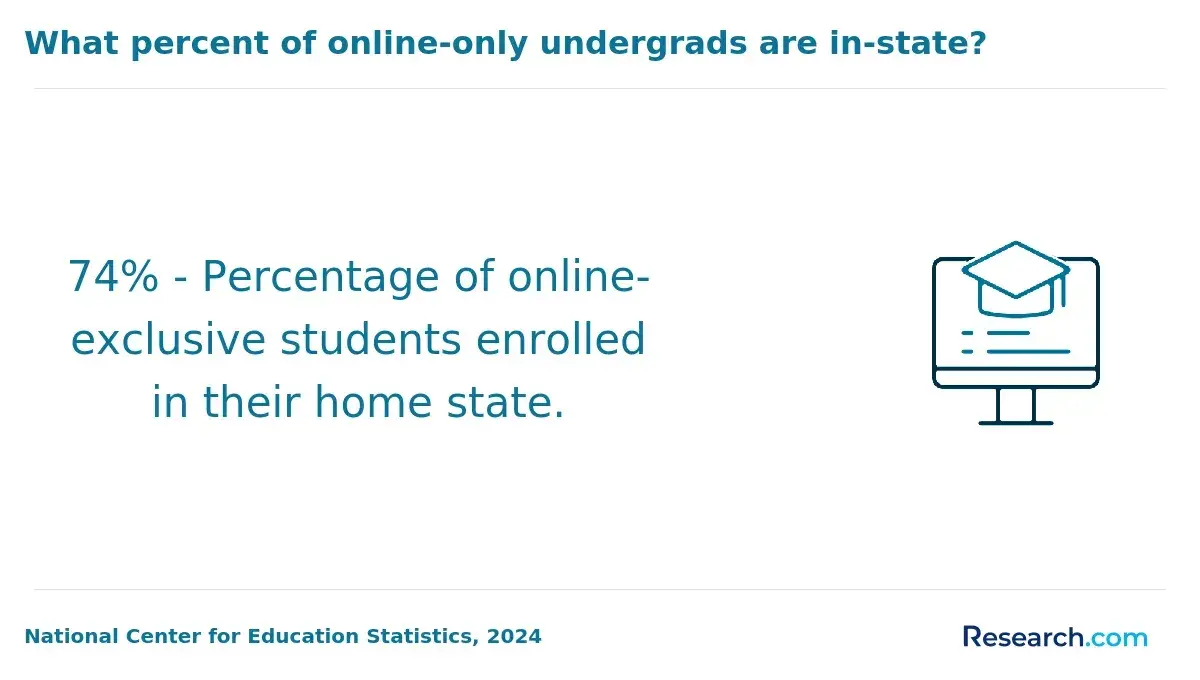
Costs for a sociology master's degree vary considerably based on the institution type, student residency, and program format. Public universities usually set different tuition rates for in-state and out-of-state students, with the former paying significantly less per credit hour. Private and many online programs tend to have a flat tuition rate regardless of residency, simplifying tuition calculations for distant learners.
Besides tuition, students should anticipate additional charges such as program fees that support administrative services, career resources, and library access. Some programs may also include technology or lab fees, particularly if they emphasize research or applied methods. For those attending campus-based programs, living costs for housing, meals, transport, and personal needs represent an important component of the total expenses, often adding thousands of dollars beyond tuition alone.
Nationally, completing a sociology master's program typically costs between $15,000 and $40,000, though prices can escalate at prestigious or private schools. It is essential to recognize that this sticker price usually does not reflect the final amount students pay. Financial aid options like scholarships, grants, and assistantships frequently reduce net costs, highlighting the importance of exploring funding opportunities early.
- Tuition Per Credit Hour: Public institutions differentiate fees for residents and non-residents, while private and online schools often maintain uniform credit rates.
- Program and Technology Fees: Administrative expenses and access to specialized resources such as technology or labs add to overall costs and vary by program.
- Living Expenses: On-campus students must budget for accommodation, food, transportation, and personal expenses that significantly impact total costs.
- Total Cost Range: The typical price span for a sociology master's degree is roughly $15,000 to $40,000, depending on the school and residency status.
- Net Cost Versus Sticker Price: Actual expenses often decrease through financial assistance, so seeking aid early is crucial to managing affordability.
Master's students pursuing a sociology degree generally face fewer grant opportunities than undergraduates, which means they often rely more heavily on federal loans and graduate assistantships to fund their education. The first crucial step is completing the Free Application for Federal Student Aid (FAFSA), as it determines eligibility for federal loans and some state-funded aid critical to graduate students. Those loans typically come with lower interest rates and more flexible repayment options compared to private loans.
Institutional grants and fellowships are valuable but usually limited and often awarded on merit or financial need. These awards do not require repayment but tend to be competitive. Graduate assistantships are especially beneficial because they provide tuition waivers or stipends in exchange for teaching, research, or administrative work, effectively reducing overall costs while offering practical experience.
Working professionals should explore whether their employers offer tuition reimbursement or related benefits, which can significantly ease financial burdens. Additionally, private scholarships tailored to sociology students or underrepresented groups offer another potential funding source. It's wise to thoroughly research such specialized awards, as well as state-funded aid programs, to uncover additional support options.
- Federal Loans and FAFSA: Completing the FAFSA is essential for qualifying for federal student loans and certain state aid, which offer favorable rates and repayment plans compared to private alternatives.
- Institutional Grants and Fellowships: Limited grants or fellowships provide non-repayable funds based on merit or need but are competitive and not guaranteed.
- Graduate Assistantships: These positions reduce tuition costs and provide stipends in exchange for teaching or research responsibilities, helping students manage expenses.
- Employer Tuition Benefits: Check with your employer about tuition reimbursement or assistance programs, especially if graduate study aligns with your career goals.
- Private Scholarships and State Aid: Targeted scholarships for sociology students and state-funded financial aid options can supplement funding and should be pursued proactively.
Students pursuing a master's degree in sociology in the United States have access to a range of scholarships designed specifically for their field of study. These awards generally fall into two categories: institutional scholarships granted by universities and colleges, and external scholarships offered by professional associations, foundations, and government agencies. Institutional scholarships often consider academic merit or financial need and usually require an application through the school's admissions or financial aid office.
External scholarships come from organizations like the American Sociological Association and other specialized foundations that support sociology graduate funding opportunities and scholarships. These awards may have detailed eligibility criteria, including research interests, demographic qualifications, or career goals aligned with the discipline.
Prospective master's students should explore multiple resources to identify suitable scholarships. Scholarship aggregator databases, federal scholarship search portals, and professional association websites are valuable tools for uncovering relevant funding. When applying, it is important to carefully review each scholarship's eligibility requirements, application deadlines, and award amounts to maximize chances of success. Many scholarships are renewable and can provide financial support over multiple years, helping to alleviate the cost burden throughout the sociology master's program.
Nearly 60% of sociology master's students who apply for scholarships receive some form of financial aid, reflecting the importance of diligent research and timely applications. Students interested in affordable education options might also consider cheap online masters programs that offer flexibility and reduced tuition rates.
- Institutional Scholarships: These awards are offered by universities and may require separate applications. They often consider academic performance and financial need when selecting recipients.
- External Funding Sources: Professional associations and foundations provide scholarships targeted to specific research areas or demographic factors relevant to sociology graduate funding opportunities and scholarships.
- Research Tools: Utilize scholarship aggregator databases, official association websites, and federal portals to locate available awards for sociology master's students in the United States.
- Eligibility and Deadlines: Carefully review all application requirements, deadlines, and award amounts to ensure scholarships are a good fit and to avoid missing opportunities.
- Renewable Awards: Many scholarships offer multi-year funding, providing ongoing financial support during the entire master's program.
Choosing top accredited online sociology master's programs involves much more than rankings. Credibility primarily depends on regional or programmatic accreditation, which ensures academic quality and broader acceptance. Faculty credentials are equally important, with instructors holding advanced degrees and active research roles providing a deeper and current understanding of sociological theory and practice.
The best online sociology graduate degrees for working professionals typically offer flexibility, allowing students to manage courses around full-time jobs and personal commitments. This convenience means learners can study anytime, anywhere, but it may also limit face-to-face networking and mentoring opportunities, which are vital for some students' professional growth.
Robust student support services-including academic advising, writing centers, career counseling, and technical assistance-are essential components of a reputable program. Career placement rates also offer valuable insight into how effectively a program prepares graduates for jobs in academia, government, social services, or private sectors.
Before applying, you should always verify a program's accreditation status through official databases to ensure eligibility for federal financial aid and employer recognition. To explore a comprehensive list of reliable options, prospective students can consult good online colleges specializing in this field.
- Accreditation and Faculty Credentials: Look for programs with recognized accreditation and faculty who are experienced scholars actively engaged in sociological research to guarantee academic rigor and relevancy.
- Flexibility of Online Delivery: Online formats offer unmatched scheduling freedom, a key benefit for adult learners balancing careers and family responsibilities.
- Student Support Services: Comprehensive advising, writing support, and career counseling help students navigate graduate school effectively and prepare for post-degree success.
- Career Outcomes and Placement: Investigate how well programs train and position graduates for jobs in their chosen sociology-related fields to maximize your return on investment.
- Networking and Interaction Trade-Offs: Fully online programs may limit in-person connections, so consider how each school facilitates virtual peer and mentor engagement.
Regional accreditation evaluates the overall quality of an institution, ensuring it meets broad academic standards applicable across all programs, while programmatic accreditation focuses specifically on the sociology department or related social science programs, assessing curriculum and faculty against professional benchmarks.
Attending an accredited sociology program is critical because many employers and doctoral programs require graduation from regionally accredited institutions, which guarantees recognized educational quality. Accreditation also plays a key role in licensure eligibility for applied social science careers, and students at accredited schools can access federal financial aid such as grants and loans essential for funding graduate studies.
Although there is no national programmatic accreditor exclusively for sociology, adherence to professional standards set by organizations like the American Sociological Association (ASA) can serve as an indicator of program quality. Prospective students should independently confirm both institutional and programmatic accreditation statuses by searching the U.S. Department of Education's Database of Accredited Postsecondary Institutions and Programs to ensure their chosen program meets current standards and supports their academic and career goals.
- Regional vs. Programmatic Accreditation: Regional accreditation certifies an institution's overall quality, while programmatic accreditation evaluates specific sociology or social science programs within that institution.
- Licensure and Employment Benefits: Graduating from accredited programs improves eligibility for licensing boards and is preferred by many employers and advanced degree programs.
- Access to Federal Financial Aid: Only students enrolled in accredited institutions qualify for federal grants, loans, and scholarships vital for financing graduate education.
- Professional Standards in Sociology: Though no official sociology accreditor exists, ASA endorsement can reflect adherence to rigorous professional and academic criteria.
- Verification Through Official Databases: Confirming accreditation status via the U.S. Department of Education's database ensures a program's legitimacy and long-term value.
Graduates with a master's degree in sociology often find diverse employment opportunities in both public agencies and private companies, including roles like social scientists, urban planners, and policy analysts. According to the U.S. Bureau of Labor Statistics, these positions typically offer median annual salaries between $65,000 and $100,000, with steady job growth expected.
A master's degree provides advanced skills in research, data evaluation, and policy analysis that give candidates a competitive edge over those with only a bachelor's degree, often leading to higher wages and faster advancement into specialist or managerial roles. Additionally, access to strong alumni networks and dedicated career services enhances job search success by facilitating mentorship and offering targeted career guidance.
- Expanded Career Paths: A sociology master's degree unlocks a variety of roles in government research, social policy, human services, corporate social responsibility, and market research, offering strong versatility beyond the undergraduate level.
- Competitive Salary and Advancement: Master's graduates tend to earn more and receive better promotion opportunities thanks to advanced expertise and analytical abilities prized by employers.
- Labor Market Outlook: Moderate growth is projected for sociology-related occupations, driven by increasing societal needs in health, education, and community service sectors.
- Alumni and Networking Support: Robust alumni networks provide valuable connections for job referrals and ongoing professional development.
- Career Services Assistance: University career centers offer personalized support with resume development, interview preparation, and job placement focused on sociology graduates.
What Graduates Say About Their Sociology Degree Master's Program
- Angela: "Choosing the sociology master's degree was a deliberate step toward understanding how societal structures influence behavior, which directly supports my passion for community development. The program's affordable tuition made it accessible without compromising on quality. This degree profoundly expanded my analytical skills, allowing me to secure a leadership role in a nonprofit focused on social justice."
- Jasmine: "Reflecting on my sociology master's journey, I appreciate how the curriculum was tailored to equip us with both theoretical and practical tools for various career paths. The cost was manageable, especially considering the scholarships available, which eased financial stress. Professionally, this degree opened doors to policy-making positions that require a nuanced understanding of social dynamics."
- Luke: "My decision to pursue sociology was driven by a desire to influence urban planning through a social lens. The investment in the program felt justified given the comprehensive coursework and experienced faculty. After graduating, I noticed a marked acceleration in my career growth, especially in roles that demand critical insight into societal trends and data interpretation."
Other Things You Should Know About Sociology Degrees
Start by researching programs that match your interests. Prepare necessary documents like transcripts, letters of recommendation, and a personal statement. Meet the necessary application deadlines, and submit online applications through the school’s portal or centralized application service. Make sure to check for any specific program requirements or prerequisites.
Many sociology master's programs accommodate working professionals by offering flexible scheduling options such as evening, weekend, or fully online classes. Part-time enrollment is also common, allowing students to balance coursework with their job responsibilities. Before enrolling, confirm the time commitment required and whether the program's format matches your availability.
Most sociology master's programs require a regionally accredited bachelor's degree, official transcripts, a statement of purpose, two or three recommendation letters, and a writing sample. Some programs also ask for a minimum 3.0 GPA and GRE scores, though many 2027 admissions cycles waive the GRE entirely.
- Career Paths after M.A. Sociology https://www.lpu.in/blog/career-paths-after-ma-sociology/
- Sociology MSc https://www.ucl.ac.uk/prospective-students/graduate/taught-degrees/sociology-msc
- Sociology, Master https://www.studyinpoland.pl/en/programme
- 27 master Scholarships in sociology in poland | ApplyKite South Korea https://www.applykite.com/en-kr/search/scholarships/master/poland/sociology
- Postgraduate taught funding https://www.york.ac.uk/sociology/study/postgraduate-taught/funding/
- 926 Master's Degree Sociology Scholarships available https://www.hotcoursesabroad.com/study/international-scholarships/all/master-s-degree/sociology/cid/98/l11/scholarship.html
- Fully Funded Master's Programs in Sociology | ProFellow https://www.profellow.com/fellowships/fully-funded-masters-programs-in-sociology/
- Which careers will a Sociology degree lead to? | University of Essex https://www.essex.ac.uk/departments/sociology/career-prospects
- Sociology Master's Degree Program (MA) | Graduate Admissions - Apply Here - Concordia University https://www.concordia.ca/academics/graduate/sociology-ma.html
- Top 10 Job Roles To Look After Online MA in Sociology in 2026 https://www.digicromeuniversity.com/blog/top-10-career-paths-after-online-ma-sociology-2026