2027 Different Types of Reading & Literacy Master's Degrees: Specializations, Careers, and Salaries

Co-Founder and Chief Data Scientist
Many prospective students struggle to identify which type of reading & literacy master's degree aligns best with their career goals and financial constraints. The demand for educators and specialists with expertise in reading & literacy is growing rapidly; online master's programs in this field have seen a 25% enrollment increase over the past five years.
Despite this growth, understanding the specializations, potential careers, and salary outcomes remains challenging. This article explores the various degree specializations, career paths, and salary expectations, helping readers make informed decisions tailored to their professional ambitions and return on investment requirements.
Key Points About the Different Types of Reading & Literacy Master's Degrees
- Many online reading & literacy master's programs have simplified admissions, often requiring only a bachelor's degree and basic prerequisites, increasing accessibility by over 20% in recent years.
- Flexible online formats allow students to balance study with work, supporting a 15% annual growth in remote education enrollment within the literacy field.
- Graduates commonly see starting salaries above $60,000, reflecting strong demand for literacy specialists amid national teacher shortages and literacy-focused funding initiatives.
What Are the Different Types of Reading & Literacy Master's Degrees Available?
Choosing the right master's degree in reading & literacy requires understanding the main categories available, as each caters to different academic interests and career goals. This knowledge helps align your course selection with your preferred balance of research, theory, and practical application in education. Below is a brief overview of the primary types of Reading and Literacy master's degrees.
These degrees vary in focus, from theoretical research to hands-on professional training:
- Master of Arts (MA): This degree emphasizes academic and theoretical study with significant coursework in linguistics, language, and literacy theory. It often involves substantial research, making it ideal for students aiming at scholarly pursuits or doctoral programs.
- Master of Science (MS): Although less common in education, the MS integrates applied learning with a strong emphasis on research methods and data analysis. Some Reading and Literacy programs awarding an MS focus on scientific research skills or evidence-based instructional design.
- Master of Education (MEd): The MEd centers on practical teaching strategies and professional development for educators. It is designed to enhance skills in classroom practice, curriculum development, and leadership, making up about 36% of graduate enrollments in education, according to the National Center for Education Statistics.
- Master of Fine Arts (MFA): This degree is rare in Reading and Literacy but focuses on creative and communicative skills when available.
For those exploring affordable degree options related to education, researching the most affordable online MSW programs can offer insight into cost-effective pathways in related fields. Considering these options alongside specializations in Reading and Literacy master's programs assists in finding the best fit for career advancement and financial investment.
What Specializations Are Available in Reading & Literacy Master's Degrees?
Choosing specializations within reading and literacy master's programs can significantly impact career pathways for reading and literacy master's graduates, helping align their skills with growing fields. Employment for literacy teachers and instructors is expected to increase by 5% between 2022 and 2032, highlighting steady demand across education, healthcare, and technology sectors. The following specializations offer strategic career relevance and emerging opportunities:
- Literacy Instruction and Intervention: This specialization focuses on strategies to support struggling readers and improve literacy skills in diverse classrooms, suited for educators and administrators aiming for direct impact roles.
- Digital Literacy and Educational Technology: Combining reading principles with technology, graduates learn to design and implement digital tools that enhance literacy learning in schools and corporate training programs.
- Adult Literacy and ESL Education: Emphasizing teaching adults and English language learners, this field is key for community education centers and healthcare settings where effective communication supports positive outcomes.
- Reading Assessment and Research: Specialists are trained to evaluate literacy programs and outcomes, contributing to curriculum development and evidence-based practices in education and policy.
- Literacy and Business Communication: Preparing graduates to improve workplace literacy and communication skills, this specialization bridges education with business environments and emerging industries.
Students interested in related fields may also explore MSW accelerated programs that combine education expertise with social work for broader career options.
How Long Does It Take to Complete Each Type of Reading & Literacy Master's Degree?
Time commitment is a critical factor when pursuing a master's degree in reading & literacy, especially for professionals aiming for rewarding careers in education. Nearly 40% of applicants gain admission to these competitive programs, highlighting the importance of carefully planning the duration needed to complete the degree. Consider these key points:
- Program type and thesis requirements: Research-focused degrees with thesis components often require closer to two years full-time due to the depth of study and original research involved.
- Non-thesis and practitioner-oriented tracks: These pathways typically allow completion within 12 to 18 months full-time, prioritizing practical skills over academic research for those needing faster advancement.
- Part-time enrollment: Common among working professionals, part-time study can extend completion time to three or more years, depending on course loads and personal schedules.
- Delivery formats and pacing: Online and hybrid models offer flexibility but may affect the timeline based on program structure and student availability.
- Cohort versus self-paced models: Cohorts provide structured milestones facilitating on-time graduation, whereas self-paced programs offer more flexibility but risk longer durations.
A graduate of a reading & literacy master's degree program shared that balancing work and study was a significant challenge, especially during the thesis phase. They noted that while non-thesis options seemed faster, the research experience ultimately deepened their expertise.
The structured deadlines of their cohort program helped maintain focus, despite occasional stress, and the online format allowed necessary flexibility. Reflecting on the journey, the graduate appreciated how program design influenced their time to completion and felt well-prepared for their career goals.
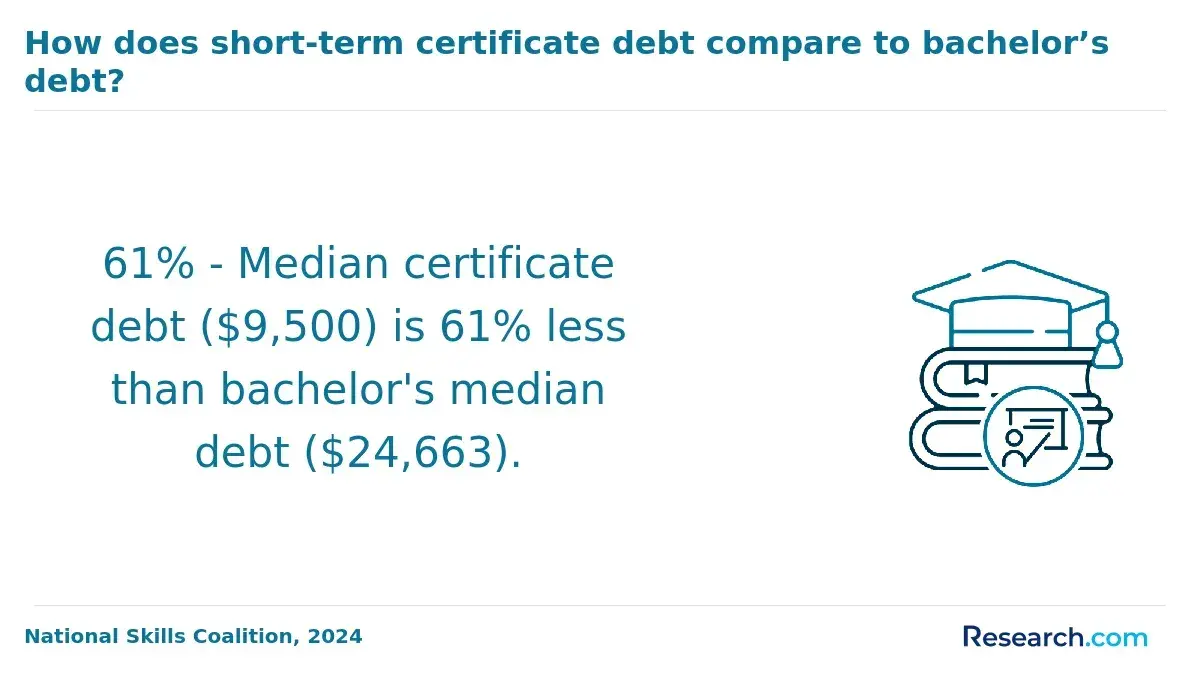
Program duration is a crucial consideration for students aiming to enter the workforce quickly or advance their careers without delay. Shorter completion times enable graduates to secure licensure, gain employment, and see salary increases sooner, while also reducing overall education expenses.
For those interested in fast track reading and literacy graduate degrees, understanding how accelerated formats function can help them choose the best path.
Key factors that enable accelerated programs include:
- Heavier course loads: Students take more classes each term, which shortens the time to complete degree requirements but demands strong time management and focus.
- Year-round classes: Enrollment in summer and winter terms keeps progress steady without extended breaks, helping students finish faster than typical academic schedules.
- Combined bachelor's-master's pathways: These integrated programs allow undergraduates to begin earning graduate credits early, reducing overall time and cost to obtain the master's degree.
Accelerated reading and literacy master's degree programs are especially well-suited for working adults, career changers, and students with nontraditional academic backgrounds who require efficient, streamlined education options. These programs deliver the necessary skills for roles in education, literacy coaching, or curriculum development more rapidly. For more information on efficient degree programs tailored to busy professionals, consider exploring options like EMBA online, which demonstrate how accelerated graduate education can align with career goals.
Many students weigh the rigor of online versus on-campus programs, often questioning if online formats maintain the same academic standards. Completion rates highlight some differences; for example, about 59% of online graduate students finish their degrees compared to 65% of those attending traditional campuses, suggesting unique challenges for remote learners.
Several key factors influence whether online Reading & Literacy master's degrees hold credibility comparable to in-person options:
- Accreditation: Programs accredited by regional or national agencies ensure that the curriculum and faculty meet established standards, which is critical for credibility and employer recognition.
- Employer acceptance: Most employers value degrees earned online when they come from accredited institutions, recognizing equivalent academic rigor.
- Flexibility advantages: Online degrees benefit working professionals, international students, and others needing adaptable schedules by offering options like self-paced learning and eliminating commute times.
- Access to resources: Well-designed online programs provide comprehensive digital libraries, interactive tools, and expert faculty engagement, supporting student success.
- Challenges: Limited face-to-face interaction and the need for self-discipline can affect learner motivation and time management, making persistence essential for completion.
When asked about his experience with an online Reading & Literacy master's program, one graduate shared that choosing the remote format was easier due to his full-time job and family responsibilities. He described initial worries about staying motivated without in-person classes but found the structure of weekly assignments and live webinars kept him engaged. "Balancing work and study was tough," he explained, "but the flexibility to fit lessons around my schedule made it manageable. I felt fully prepared and confident when I graduated, just like I would have on campus."
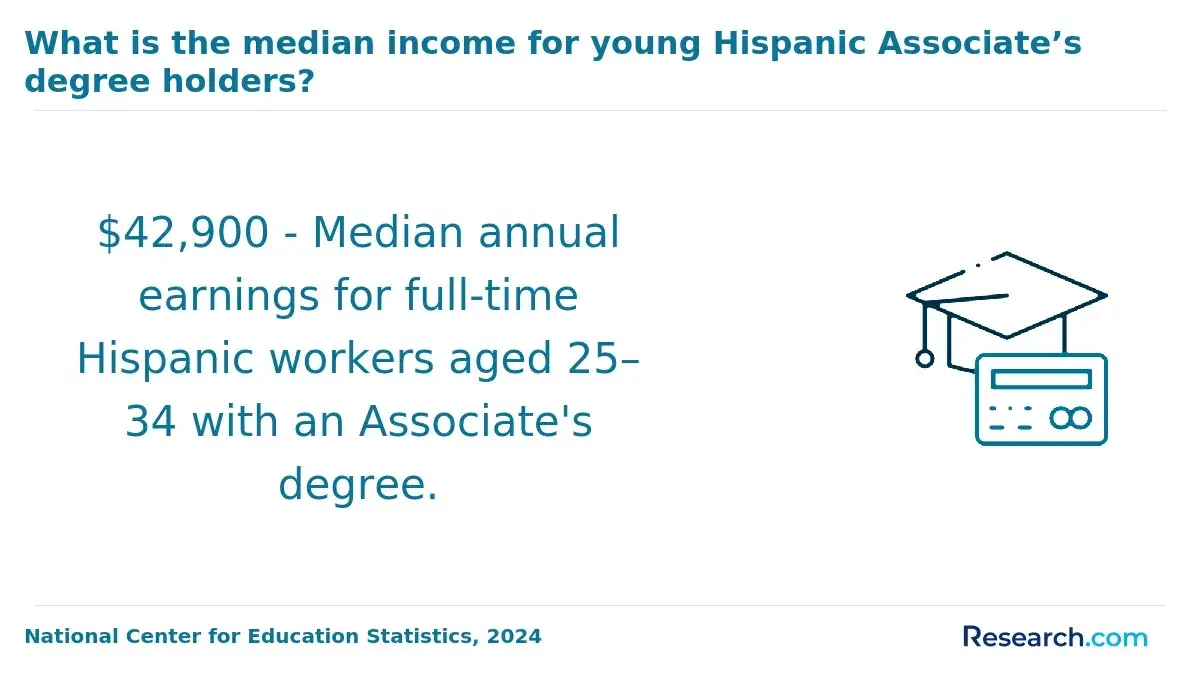
Evaluating the costs of a master's degree is vital for those aiming to invest wisely in their education, especially in reading & literacy fields. Tuition expenses vary widely based on institution types and delivery methods, with median costs hovering around $18,000 for such programs. Below is a breakdown of factors affecting tuition and overall expenses for these master's degrees.
- Public vs. private institutions: Public universities often offer lower tuition rates, especially for in-state students, while private schools tend to charge more due to different funding models and resources.
- Online vs. hybrid programs: Fully online programs are typically more affordable, with tuition generally ranging from $10,000 to $20,000, whereas hybrid formats combining virtual and in-person classes can reach $20,000 to $35,000 because of added facility and administrative costs.
- Program length and credit requirements: Degrees requiring 30 to 40 credit hours impact the final price, with accelerated options potentially lowering total tuition by reducing semesters.
- Additional fees and materials: Beyond tuition, students should anticipate charges for technology, graduation applications, and specialized learning resources, which can increase overall investment.
For prospective students exploring career options with a reading and literacy master's degree, it's crucial to understand the diverse roles and industries that these programs open. The job outlook in education-related fields shows steady demand, with the U.S. Bureau of Labor Statistics reporting a median annual wage of around $69,000 for instructional coordinators, and higher salaries available in leadership roles.
Below are key outcomes tied to common career paths for graduates, highlighting factors like role flexibility, leadership opportunities, and credential requirements.
- Literacy specialists and reading coaches: These roles involve working directly with students and teachers to improve reading skills and literacy outcomes. Many jobs offer flexible schedules, including part-time consulting and tutoring, thus appealing to professionals balancing multiple commitments.
- Curriculum developers and instructional coordinators: Often requiring a master's degree and, in some cases, state certification, these positions allow for leadership within schools or districts. Coordinators influence curriculum design and professional development, blending administrative duties with hands-on educational support.
- Nonprofit and community education roles: Graduates can contribute to adult literacy and outreach programs, often within nonprofit sectors. These positions may value experience and specialized skills in literacy instruction as much as formal credentials.
- Educational publishing and academic research: Fields like publishing or research require advanced qualifications but offer alternative career avenues outside classroom settings. They focus on developing instructional materials or studying literacy education outcomes.
Finding a reading and literacy master's degree program that aligns with your professional and budget goals is essential. For those mindful of ROI and affordability, numerous affordable masters programs provide quality education without excessive cost. This flexibility helps prospective students optimize their investment while targeting jobs available with a reading and literacy master's degree that suit their career aspirations.
Salary ranges for different types of reading & literacy master's degrees are important for prospective students to consider as they evaluate their educational investments and expected future earnings. These salaries can vary widely based on specialization, experience level, geographic location, and the employment sector.
According to the U.S. Bureau of Labor Statistics, education and literacy specialists typically earn median salaries between $50,000 and $75,000 annually, with some specialized roles exceeding this range. Below are key factors influencing salary differences within this field.
- Specialization and demand: Degrees focusing on literacy intervention or special education generally lead to higher wages. This is due to the growing need for skilled professionals who support students with reading difficulties and provide targeted interventions.
- Work setting and role complexity: Literacy coaches, curriculum developers, and educational consultants working in well-funded school districts, private organizations, or nonprofit sectors may earn more than traditional classroom teachers. The complexity and responsibilities of these roles often justify higher pay.
- Geographic location: Salaries tend to be higher in urban areas with larger education budgets compared to rural or underserved regions. Cost of living and local demand for literacy expertise play significant roles in this variation.
- Experience and certifications: Seasoned professionals with advanced certifications can negotiate better salaries. Additional credentials often demonstrate expertise and can lead to leadership or specialized positions that offer increased compensation.
Those interested in expanding their qualifications might also explore fields related to education, such as marriage and family therapy online programs accredited, which can complement their skill set and open new career pathways. Understanding these dynamics helps students make informed decisions about their educational and career goals, particularly when comparing earnings by type of reading & literacy graduate degree.
Choosing the right online master's degree in reading & literacy requires careful consideration of several factors that affect both academic success and career advancement. Decisions about program format, accreditation, cost, and potential earnings are crucial to ensure the investment aligns with your professional goals and lifestyle. Here are key points to help guide your choices:
- Career alignment: Evaluate how the program supports your specific career objectives, such as roles in education, curriculum development, or literacy coaching. Personalized advising can help tailor your coursework to fit your long-term plans.
- Program format flexibility: Look for programs offering asynchronous classes and flexible schedules that accommodate working adults or those balancing family commitments, enabling steady progress without sacrificing responsibilities.
- Accreditation and quality assurance: Confirm the program is accredited by established organizations like CAEP, which validates academic standards and enhances employment prospects after graduation.
- Cost and financial investment: Consider tuition and fees in relation to available financial aid or scholarships. Balancing affordability with program quality ensures a worthwhile return on investment.
- Time commitment: Assess how the required coursework fits into your schedule. Programs designed for busy professionals often feature part-time options and manageable pacing.
- Access to academic support: Programs with dedicated advisors, tutoring, writing centers, and digital resources enhance learning and skill development essential for high-paying educational careers.
- Career services and earning potential: Check if the program offers job placement assistance, resume help, and salary negotiation coaching, which can significantly impact your post-graduation employment outcomes and salary growth.
Choosing the right reading & literacy master's program is vital for those aiming to advance their careers and achieve meaningful success. Aligning your education with long-term goals ensures the effort and expense generate lasting value. Consider these key factors when assessing the program's potential impact:
- Career advancement: Specializing in reading & literacy can open doors to leadership roles like literacy coaches or curriculum designers that typically offer greater responsibilities and improved compensation.
- Salary growth: Data shows professionals with advanced literacy training often see a 10% to 20% salary increase compared to those holding only bachelor's degrees, though this varies by region and demand.
- Industry expectations: Many educational institutions value specialized expertise, which can increase your competitiveness in a crowded job market and influence hiring decisions.
- Personal fulfillment: Beyond financial rewards, deepening your knowledge enhances your ability to support students effectively, providing a strong sense of professional satisfaction.
What Graduates of Reading & Literacy Master's Degree Programs Say About Their Specialization, Career, and Salary
- Jeanette: "Enrolling in the reading & literacy master's degree was a pivotal decision for me, motivated by my passion for helping struggling readers. The program's cost was quite reasonable compared to other graduate programs, making it accessible without heavy financial strain. Since graduating, I've seen a significant boost in my salary and have taken on leadership roles in education, which wouldn't have been possible without this degree."
- Clara: " After years of working as a classroom teacher, I realized that to truly make an impact, I needed advanced skills, which led me to pursue a reading & literacy master's degree. Despite initial concerns about the program's cost, I found that the investment paid off quickly through salary increases and new career opportunities. Reflecting back, it was one of the best decisions I have made professionally."
- Eliot: "The reading & literacy master's degree program provided a crucial stepping stone in my career, especially in enhancing my instructional methods. The tuition was a bit of a stretch for me, but understanding the average cost helped me prepare financially. Today, I'm earning more and enjoying the respect and confidence that come with specialized expertise. "
Other Things You Should Know About Reading & Literacy Degrees
Graduates with reading & literacy master's degrees often pursue careers as literacy coaches, reading specialists, curriculum coordinators, or education consultants. They typically work in K-12 schools, literacy centers, educational nonprofits, and sometimes in publishing or educational technology companies. These roles focus on improving reading skills among students and supporting educators.
Yes, specialization can impact salary potential. For example, those who focus on literacy leadership or intervention may earn more due to higher demand and administrative responsibilities. Specialists working in urban or high-needs districts might receive additional stipends, while those in private schools or districts with strong funding tend to have higher pay as well.
Most programs require a supervised practicum or internship of 100 to 300 hours, often in a K–12 classroom, literacy clinic, or reading intervention setting. Many also require a capstone, action research project, or thesis tied to assessment, intervention, or curriculum design.
- What Can You Do With a Master’s in Reading or Literacy? https://online.pace.edu/articles/education/what-can-you-do-with-masters-in-reading-literacy/
- Reading & Literacy Instruction Master's, M.S. | Endicott College https://www.endicott.edu/academics/schools/school-of-education/graduate-programs/masters-programs/educator-preparation-program/reading-and-literacy-instruction-program
- Master’s Degree in Education - Reading/Literacy Specialization https://www.maryville.edu/masters/education-reading-literacy-specialization/
- M.S. in Education in Reading and Literacy - SOU Online https://online.sou.edu/degrees/education/msed/reading-literacy/
- Why You Should Get a Master’s in Literacy - Graduate Programs for Educators https://www.graduateprogram.org/blog/why-you-should-get-a-masters-in-literacy/
- Reading/Literacy Specialization, M.Ed. or Post-Master's Program https://catalog.georgian.edu/graduate/school-education/educational-services-advanced-studies-certificate-masters-degree-programs/reading-literacy-specialization-med/
- News https://www.setonhill.edu/academics/degrees-programs/graduate-programs/reading-specialist-critical-cultural-literacy/index.html
- Reading and Literacy https://illinoisstate.edu/academics/reading-literacy-masters/
- Career Options with an M.Ed. in Literacy https://online.ewu.edu/degrees/education/med/reading-literacy/career-options-with-med-literacy/