2027 How to Become an English Teacher in Missouri: Requirements & Certification

Co-Founder and Chief Data Scientist
If you want to teach middle school or high school English in Missouri, the main decision is not whether you enjoy literature, writing, and working with students. It is which licensure route fits your background, budget, timeline, and preferred school setting. Missouri offers traditional teacher preparation, provisional options, temporary authorization, and routes for already-certified out-of-state educators, but each path comes with different coursework, testing, mentoring, and renewal expectations.
This guide explains how to become an English teacher in Missouri in 2026, including degree expectations, certification steps, student teaching, job-market considerations, professional development, classroom expectations, cost-saving strategies, and advancement options. It is written for first-time college students, career changers, out-of-state teachers, and current educators considering English language arts as a specialty.
Quick Answer: How Do You Become an English Teacher in Missouri?
To become an English teacher in Missouri, you generally need a bachelor’s degree, completion of a state-approved teacher preparation program, student teaching or supervised teaching experience, passing scores on the required Missouri English Language Arts assessment, a background check, and an application through the Missouri Department of Elementary and Secondary Education. Candidates with a bachelor’s degree may also qualify through alternative or temporary authorization pathways if they meet Missouri’s route-specific requirements.
Key Things You Should Know About Becoming an English Teacher in Missouri
- Missouri has a need for English teachers, especially in rural districts and underserved communities where schools often face more difficulty recruiting qualified educators.
- The average salary for English teachers in Missouri is approximately $83,000 per year, though actual pay depends on district salary schedules, years of service, graduate credits, and local funding.
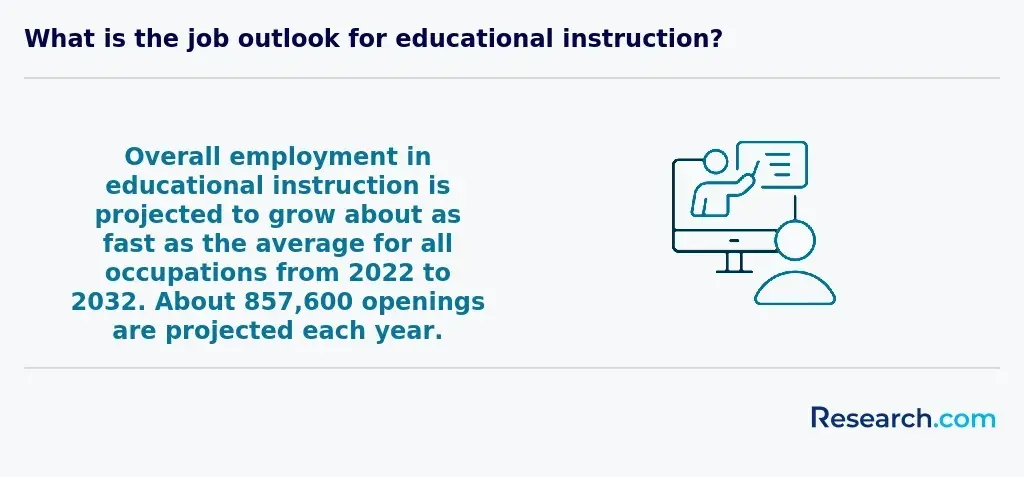
- The projected employment growth rate is about 5% over the next decade, reflecting continued demand for qualified classroom teachers.
- Missouri’s cost of living is lower than the national average, which can make teacher pay stretch further than it might in higher-cost states.
- Before choosing a program, confirm that it is state-approved, leads to the correct English Language Arts certification area, includes supervised teaching experience, and prepares you for Missouri’s required assessments.
- Steps to become an English teacher in Missouri
- Education requirements for Missouri English teachers
- Certification and licensing routes
- Student teaching, internships, and classroom experience
- Missouri English Language Arts standards and curriculum
- Job market, salary, and hiring outlook
- Professional development and continuing education
- Classroom management and teaching methods
- Other teaching careers in Missouri
- Most cost-effective credential pathway
- Career advancement and English teaching specializations
- Using art to strengthen English instruction
- Mentorship, networking, and leadership growth
- Interdisciplinary roles for English teachers
- Resources for new Missouri English teachers
- Digital tools for English classrooms
- Work-life balance for English teachers
- Historical context in English instruction
- Whether to add an ESOL endorsement
- How long Missouri certification takesESOL endorsement detailsHistorical teaching connectionsTeacher workload planningClassroom technologyNew teacher support
- Financial aid and scholarships for teacher candidates
- Advanced academic options for English teachers
- Interdisciplinary strategies for English teachingGraduate study optionsFinancial aid planningSupport resourcesGraduate perspectivesKey insights
How can you become an English Teacher in Missouri?
The standard path to becoming an English teacher in Missouri starts with academic preparation and ends with state certification. The exact route depends on whether you are entering college for the first time, already have a bachelor’s degree, or hold a teaching license from another state.
- Earn the right degree. Most candidates begin with a bachelor’s degree in English, English education, secondary education, or a related field that includes the required teacher preparation sequence.
- Complete a Missouri-approved teacher preparation program. Your program should include education coursework, subject-area preparation, classroom management training, and supervised teaching.
- Finish student teaching or supervised teaching experience. Missouri candidates typically complete a school-based placement where they plan lessons, teach students, receive feedback, and demonstrate readiness for independent teaching.
- Pass the required English Language Arts assessment. Candidates must pass the Missouri Content Assessment for English Language Arts before full certification can move forward.
- Submit the certification application. After meeting degree, program, testing, and background-check requirements, candidates apply through the Missouri Department of Elementary and Secondary Education.
- Apply for teaching jobs strategically. Search district websites, attend education job fairs, use university placement offices, and contact schools in rural or high-need areas if you are open to broader opportunities.
- Maintain your credential. Missouri teachers must complete 30 hours of professional development every five years to keep their license active.
| Candidate type | Likely Missouri pathway | Best fit |
| First-time college student | Bachelor’s degree with teacher preparation | Students who want the most direct route into English teaching |
| Career changer with a bachelor’s degree | Alternative, provisional, or temporary authorization option | Adults who already have content knowledge and want to transition into teaching |
| Licensed teacher from another state | Out-of-state certification review | Educators relocating to Missouri with existing credentials |
| Current Missouri teacher | Additional certification or endorsement pathway | Teachers who want to add English Language Arts to their credential area |
What are the educational requirements for becoming an English teacher in Missouri?
Missouri English teachers need both subject expertise and preparation in how adolescents learn, read, write, discuss texts, and develop communication skills. A strong program should train you in English content and classroom practice, not one or the other.
- Bachelor’s degree: Candidates generally need at least a bachelor’s degree in English, English education, education, or a closely related field.
- English content coursework: Programs should include literature, composition, rhetoric, language arts, grammar, reading development, and writing instruction.
- Education coursework: Teacher candidates study lesson planning, assessment, classroom management, adolescent development, differentiated instruction, and curriculum design.
- State-approved teacher preparation: A Missouri-approved educator preparation program is essential for candidates seeking certification through the traditional route.
- Accreditation and approval checks: Before enrolling, verify that the institution and program meet Missouri certification expectations. A general degree from an accredited college is not always enough if the program is not designed for Missouri licensure.
- Subject-matter verification: Candidates must demonstrate English Language Arts competency, usually through the required state assessment.
If you are comparing education pathways beyond classroom teaching, Research.com’s guide to leadership development careers can help you understand how communication, mentoring, and instructional leadership skills may transfer into broader education roles.
Questions to ask before choosing an English education program
- Is the program approved for Missouri teacher certification?
- Does it prepare students specifically for English Language Arts certification?
- How early do candidates get classroom observation or field experience?
- What student teaching placements are available?
- Does the program provide support for the Missouri Content Assessment?
- How are transfer credits evaluated?
- Are online students eligible for Missouri-based field placements?

What is the certification and licensing process for an English teacher in Missouri?
Missouri’s licensing process gives candidates several ways to qualify, but each route has conditions. The right choice depends on your prior education, work history, location, and ability to complete coursework while gaining classroom experience.
| Certification route | Core requirement | What to watch for |
| Traditional preparation | Complete a four-year education degree or approved teacher preparation program with student teaching | This is often the clearest route for first-time teacher candidates |
| Provisional certificate pathway | Teach while completing a college of education program after already earning a bachelor’s degree | Candidates may work under a provisional certificate for two years and complete approximately 30 semester hours of coursework |
| Temporary Authorization route | Use a relevant bachelor’s degree, self-directed coursework, mentoring, and exit examinations | Candidates initially work under a renewable one-year certificate and must continue earning college credit |
| Superintendent recommendation | Receive district-level support through an alternative certification option | Requirements should be confirmed with the district and Missouri Department of Elementary and Secondary Education |
| Out-of-state certification | Submit existing credentials and teaching experience for Missouri review | Comparable certification may depend on documentation, test history, and prior teaching record |
Most applicants also need fingerprinting and background checks. Fees vary by route, so build testing, transcript, fingerprinting, application, and coursework costs into your plan before committing to a pathway.
Common certification mistakes to avoid
- Assuming any English degree automatically qualifies you to teach in Missouri public schools.
- Choosing an online program without confirming Missouri field-placement and licensure eligibility.
- Waiting until graduation to learn which assessments are required.
- Ignoring background-check and fingerprinting timelines.
- Comparing programs only by tuition instead of total cost, certification fit, student teaching support, and pass-rate preparation.
How important is teaching experience and what are the internship opportunities for English teachers in Missouri?
Teaching experience is not a formality. It is where aspiring English teachers learn how to turn content knowledge into lessons that work with real students. Missouri candidates must complete a student teaching experience, typically through a semester-long placement, and the state requires a minimum of 12 weeks of student teaching for certification.
Most candidates secure placements through their university’s education department. Colleges often coordinate with partner districts, assign mentor teachers, and monitor candidate progress. Candidates can also use Missouri Department of Elementary and Secondary Education resources to understand placement expectations and certification requirements.
How to get the most from student teaching
- Ask your mentor teacher for specific feedback on lesson pacing, questioning, grading, and classroom routines.
- Observe multiple teachers if possible, especially those who teach different grade levels or student populations.
- Keep a reflection log that tracks what worked, what failed, and what you would change next time.
- Practice teaching writing, not just literature discussion, because English teachers spend substantial time helping students revise, organize, and support ideas.
- Build sample lesson plans, assessments, and student-work reflections for your job portfolio.
If you are not yet enrolled in a teacher preparation program, tutoring, after-school programs, youth writing workshops, summer programs, and classroom volunteering can help you test whether teaching fits your strengths before you invest in certification.
What are the standards and curriculum requirements for teaching English in Missouri?
Missouri English teachers are expected to plan instruction around state English Language Arts standards. These standards guide what students should learn in reading, writing, speaking, listening, research, analysis, and communication.
In practice, this means English teachers do more than assign novels and essays. They help students interpret complex texts, use evidence, write for different purposes, participate in academic discussion, evaluate language choices, and communicate clearly. Strong instruction connects literature, informational texts, writing practice, vocabulary, and discussion rather than treating them as separate skills.
| Instructional area | What students practice | What teachers should plan for |
| Reading | Interpreting literary and informational texts | Text selection, close reading, evidence-based discussion, and comprehension checks |
| Writing | Argument, analysis, narrative, research, and revision | Writing models, drafts, peer review, rubrics, and feedback cycles |
| Speaking and listening | Discussion, presentation, collaboration, and response | Structured talk, accountable discussion norms, and presentation practice |
| Language | Grammar, vocabulary, usage, and style | Mini-lessons connected to authentic reading and writing tasks |
| Research | Finding, evaluating, integrating, and citing sources | Scaffolded research projects and source-evaluation activities |
Missouri educators can use guidance, professional development, and assessment resources from the Missouri Department of Elementary and Secondary Education to align lessons with state expectations. Teachers who want to deepen student communication support may also explore programs related to language development, such as an affordable online master's in communication disorders.
What is the job market like and what are the salary expectations for English teachers in Missouri?
The job market for English teachers in Missouri is generally strongest for candidates who are flexible about location, grade level, and school type. Districts in rural and underserved areas may have more urgent hiring needs, while urban areas such as St. Louis and Kansas City may offer more openings but also more competition.
The average salary for English teachers in Missouri is around $83,000 per year. In St. Louis and Kansas City, salaries can exceed $85,000, while some rural districts may start closer to around $65,000. Benefits often include health insurance, retirement plans, and paid time off, which should be considered alongside salary when comparing offers.
Missouri schools continue to report staffing challenges, including a consistent demand for educators in areas connected to English language learning and student literacy support.
| Factor | How it affects pay or hiring | Decision tip |
| District location | Urban districts may pay more; rural districts may have more urgent vacancies | Compare salary with housing, commute, and class-size expectations |
| Experience | Salary schedules usually reward years of service | Ask how prior teaching or related experience is credited |
| Graduate education | Advanced coursework may affect salary placement | Confirm whether master’s credits change pay before enrolling |
| Additional endorsements | ESOL or literacy-related credentials may improve marketability | Choose endorsements that match district needs, not just personal interest |
| Benefits | Insurance, retirement, and paid leave can substantially affect total compensation | Compare total compensation, not salary alone |
One Missouri educator described the transition this way: “The application process in larger districts felt more competitive than I expected, but mentoring from other teachers helped me understand what schools were looking for. Rural salaries were different from what I first imagined, yet the relationships with students and the benefits made the role meaningful.”
What professional development and continuing education opportunities are available for English teachers in Missouri?
Professional development helps English teachers keep their instruction current, maintain certification, and respond to changing student needs. Missouri educators can use state, district, association, and conference-based opportunities to strengthen teaching practice.
The Missouri Department of Elementary and Secondary Education provides professional learning resources for educators, including supports connected to teacher development. English teachers may also benefit from conferences and organizations focused on adult education, literacy, English language learners, and instructional practice.
- AEL Directors' Conference: Useful for educators connected to adult education and literacy.
- Commission on Adult Basic Education Conference: Provides professional learning, including 12 hours credit.
- Missouri Association of Adult Continuing and Community Education Conference: Offers networking and training for educators working with adult learners.
- HiSET Conference: Offers 8 hours credit and may be relevant for teachers involved in high school equivalency preparation.
- TESOL and MIDTESOL events: Helpful for English teachers who support multilingual learners or are considering ESOL-related training.
- ProLiteracy and LINCS: Provide instructional resources, webinars, and online professional learning materials.
Teachers who are considering long-term advancement can also review doctorate in education job prospects to understand how advanced study may support leadership, research, curriculum, or policy roles.
What are effective classroom management strategies and teaching methods for English teachers in Missouri?
English classrooms thrive when routines are clear, discussions are structured, and students understand how reading and writing tasks connect to learning goals. Strong management is especially important because English classes often involve open-ended discussion, group work, peer review, and personal writing.
| Strategy | Why it matters | Practical classroom move |
| Clear expectations | Students participate more confidently when rules and routines are predictable | Teach procedures for discussion, device use, peer review, and independent reading |
| Relationship-building | Students are more willing to write and speak when they trust the classroom environment | Use interest surveys, conferencing, and respectful feedback routines |
| Engaging lesson design | Literacy improves through active reading, writing, speaking, and revision | Combine mini-lessons, modeling, collaboration, and independent practice |
| Differentiated instruction | Students enter English class with different reading levels, language backgrounds, and writing confidence | Offer text supports, choice, sentence frames, small-group instruction, and revision options |
| Technology integration | Digital tools can support drafting, annotation, collaboration, and feedback | Use tools purposefully rather than replacing instruction with screen time |
| Timely feedback | Students improve when they know what to revise and why | Give targeted comments on one or two priority skills instead of marking everything |
Interactive lessons can increase student retention by up to 60%, and technology integration can improve student engagement by 30%. Those figures should not be treated as guarantees; outcomes depend on lesson quality, student needs, implementation, and classroom context.
What other teaching opportunities are available in Missouri?
English teaching is one route into Missouri education, but it is not the only one. Some candidates discover that they prefer younger students, interdisciplinary instruction, literacy intervention, library services, or instructional leadership. If you are still exploring grade levels, Research.com’s guide on how to become an elementary school teacher in Missouri can help you compare expectations for early childhood and elementary classrooms.
What is the most cost-effective pathway to secure your English teaching credential in Missouri?
The cheapest pathway is not always the best pathway. A low-tuition program can become expensive if credits do not transfer, the program does not lead to Missouri certification, or the candidate must pay for extra coursework later. Cost-effective planning means comparing total cost, completion time, licensure fit, test preparation, field-placement support, and employment outcomes.
| Pathway | Potential cost advantage | Risk to check before enrolling |
| Traditional in-state bachelor’s program | Clear certification alignment and structured student teaching | Total tuition may be higher if you already have college credits |
| Community college transfer route | Lower early coursework costs | Credits must transfer cleanly into an approved teacher preparation program |
| Alternative certification after a bachelor’s degree | May reduce time away from paid work | Requires careful planning around coursework, mentoring, and assessments |
| Temporary Authorization route | Can allow candidates to teach while completing requirements | Renewal and college-credit obligations must be understood in advance |
| Online teacher preparation | May offer scheduling flexibility | Must support Missouri certification and local field placement |
For a deeper cost comparison, review Research.com’s guide to the types of teaching certificates in Missouri and evaluate each route against your timeline, finances, and prior credits.
What are the career advancement opportunities and specializations for English teachers in Missouri?
English teachers can advance by deepening their classroom expertise, adding endorsements, moving into leadership, or shifting into curriculum and instructional support. Career growth usually depends on experience, additional credentials, district needs, and demonstrated impact on student learning.
- Department chair: Leads collaboration among English teachers, coordinates curriculum, and supports assessment planning.
- Literacy coach: Helps teachers improve reading and writing instruction across grade levels or subjects.
- Instructional coordinator: Supports curriculum development, teacher training, and data-informed instructional improvement.
- ESL or ESOL specialist: Works with multilingual learners and supports language acquisition across content areas.
- School administrator: Moves into roles that may require additional administrative certification, such as principal preparation.
- Curriculum consultant: Designs materials, professional development, or literacy initiatives inside or outside a district.
An online master's degree in education may support advancement for teachers who want to specialize in curriculum, literacy, leadership, or instructional design. Before enrolling, ask whether the degree affects salary placement, meets endorsement goals, or supports administrative certification.
One Missouri teacher summarized the shift from classroom teaching to curriculum work this way: “I began in the classroom, but I kept finding myself drawn to lesson design and curriculum planning. Earning additional credentials while teaching was demanding, yet collaboration with colleagues helped me move into a role where I can support both students and teachers.”
What are the benefits of integrating art into English teaching in Missouri?
Art can help students enter complex texts through visual interpretation, performance, symbolism, mood, and creative response. For English teachers, arts integration can make abstract ideas more concrete and give students multiple ways to demonstrate understanding.
- Students can storyboard scenes to analyze plot, conflict, and characterization.
- Visual art can help students interpret imagery, tone, and theme.
- Drama and performance can strengthen speaking, listening, and text interpretation.
- Creative projects can support students who struggle with traditional literary analysis.
Teachers interested in expanding into arts-based instruction or a different certification area can review how to become an art teacher in Missouri to compare requirements and career possibilities.
How can mentorship and networking drive future educational leadership?
Mentorship can shorten the learning curve for new English teachers and help experienced teachers prepare for leadership. A strong mentor can offer feedback on lesson design, grading workload, difficult conversations, classroom management, and career decisions.
Networking also matters. Teachers who participate in professional associations, district committees, curriculum teams, and peer-learning groups are more likely to hear about leadership openings, pilot programs, grant opportunities, and specialized roles. If long-term leadership is your goal, Research.com’s overview of school leadership positions can help you identify possible next steps.
How can English teachers broaden their careers through interdisciplinary roles?
English teachers develop skills that transfer well into library services, curriculum design, writing support, assessment development, instructional coaching, and school-wide literacy initiatives. These roles still rely on reading, research, communication, and student support, but they may involve fewer traditional classroom periods and more collaboration across departments.
Teachers interested in combining literacy instruction with resource management, research support, and information literacy can explore how to be a school librarian in Missouri as a possible interdisciplinary path.
What resources and support are available for new English teachers in Missouri?
New English teachers need more than a curriculum map. They need mentoring, classroom-ready materials, realistic workload strategies, and access to educators who understand Missouri schools. Early support can influence confidence, retention, and instructional quality.
- Beginning Teacher Assistance Program: The Missouri Department of Elementary and Secondary Education offers the Beginning Teacher Assistance Program, which supports early-career educators through professional learning and networking.
- Mentor teachers: District mentors can help new teachers plan units, manage grading, communicate with families, and understand school culture.
- Professional associations: Groups such as Missouri NEA can connect teachers with classroom resources, advocacy updates, and peer support.
- Teacher handbooks and lesson resources: Materials such as the Start Smart Teacher Handbook and Better Lesson Master Teacher Project can help new educators build practical systems.
- Podcasts and online learning: Education podcasts, including the School ME Podcast, can provide quick professional learning during commutes or planning periods.
- Degree-planning resources: If you are still choosing an education pathway, Research.com’s overview of bachelor's in education types can help you compare program options.
How can emerging digital tools enhance English teaching in Missouri?
Digital tools can strengthen English instruction when they support reading, writing, collaboration, feedback, and accessibility. They should not replace teacher judgment or student discussion, but they can make instruction more flexible and efficient.
- Digital annotation tools can help students track evidence and ask questions while reading.
- Shared documents can improve peer review, revision history, and teacher feedback.
- Multimedia projects can help students connect literary themes to visual, audio, and historical material.
- Digital whiteboards can support brainstorming, vocabulary mapping, and collaborative analysis.
- Assistive technologies can improve access for students with language, reading, or communication needs.
Teachers interested in communication-focused specializations may find useful overlap with related student-support fields. Research.com’s guide to Missouri SLP license requirements can help educators understand how speech-language expertise differs from, and sometimes complements, classroom teaching.
How can English teachers balance work and personal life in Missouri?
English teachers often face heavy grading loads because reading responses, essays, projects, and revisions take time to assess well. Work-life balance requires intentional systems, not simply better motivation.
- Use focused rubrics so every assignment does not require line-by-line comments.
- Stagger major writing deadlines across class sections when possible.
- Build peer review and self-assessment into the writing process.
- Protect planning periods for high-value tasks instead of treating them as overflow time.
- Set communication boundaries with students and families while still meeting district expectations.
- Collaborate with colleagues on shared texts, assessments, and unit plans.
If you enjoy English but want to compare teaching paths with different content demands, Research.com’s guide on how to become a high school history teacher in Missouri can help you evaluate another humanities-centered option.
How can historical perspectives enrich English teaching in Missouri?
Historical context can make literature more meaningful. Students often understand a text more deeply when they know the social conditions, political conflicts, cultural movements, and author experiences that shaped it.
English teachers can collaborate with history teachers on units about literary periods, speeches, journalism, memoir, protest writing, regional literature, and historical fiction. These connections help students see language as part of civic life, not just a school subject. Educators interested in this crossover can compare expectations through Research.com’s guide to high school history teacher requirements in Missouri.
Should I Pursue Additional ESOL Endorsement Alongside My English Certification?
An ESOL endorsement can be a smart addition for English teachers who want to serve multilingual learners more effectively or improve their hiring options in districts with diverse student populations. It can strengthen skills in language acquisition, culturally responsive instruction, vocabulary development, academic language, and differentiation.
However, it should be chosen for a clear reason. If your goal is to work in schools with significant English learner populations, support literacy intervention, or broaden your certification profile, ESOL may be worth considering. If you are already managing a heavy certification workload, it may be better to complete your initial English credential first and add ESOL later. Review the Missouri ESOL certification requirements before committing to the added coursework or testing.
How long does it take to get a teaching certificate in Missouri?
The timeline depends on your starting point. A first-time college student commonly follows a traditional four-year degree route that includes teacher preparation and student teaching. Candidates who already hold a bachelor’s degree may use provisional, alternative, or temporary authorization options that combine coursework, mentoring, and assessments.
| Starting point | Typical timeline factor | What can slow the process |
| No bachelor’s degree | Completion of a four-year degree and teacher preparation sequence | Changing majors, missing prerequisites, or delayed student teaching placement |
| Bachelor’s degree in a related field | Alternative coursework, testing, and supervised teaching | Assessment readiness, course availability, and district placement requirements |
| Out-of-state certified teacher | Credential review and Missouri documentation | Incomplete records, unmatched certification areas, or additional testing needs |
| Temporary Authorization candidate | Mentored teaching, self-directed courses, and exit examinations | Renewal obligations and ongoing college-credit requirements |
For a fuller timeline breakdown, see Research.com’s guide on how long does it take to get a teaching certificate in Missouri.
What do graduates have to say about becoming an English teacher in Missouri?
- Teaching English in Missouri has given me the chance to build lasting relationships with students and watch them become more confident readers and writers. The work is demanding, but the support from other educators has made the profession deeply meaningful. Julie
- My favorite part of teaching English here is the room for creativity. I can bring in varied texts, encourage thoughtful discussion, and keep improving through strong professional development opportunities. Kenneth
- English teaching in Missouri has helped me grow in ways I did not expect. Collaboration with colleagues has strengthened my lessons, and the focus on literacy gives students tools they can use far beyond my classroom. Laura
How can aspiring teachers navigate financial aid and scholarships in Missouri?
Financing a teaching degree requires planning early. Tuition is only one part of the cost; students should also consider fees, books, transportation to field placements, testing, background checks, and possible lost income during student teaching.
Missouri students may explore the Access Missouri Financial Assistance Program, a need-based grant for undergraduates attending approved Missouri schools. Teacher candidates may also review the Margaret Ann Zickel Scholarship if they meet financial-need and academic criteria.
Federal aid should also be part of the plan. Completing the Free Application for Federal Student Aid can open access to Pell Grants, low-interest student loans, and work-study. Teachers working in qualifying schools may also investigate Public Service Loan Forgiveness, which forgives remaining eligible student loan debt after ten years of qualifying service and payments.
Other options include the A+ Scholarship Program, Bright Flight Scholarship, private scholarships, district-based tuition support, local union scholarships, and school-specific aid. Alternative certification candidates should ask whether their program qualifies for financial aid, because not every non-traditional option is funded the same way as a degree program.
For a broader certification overview, see Research.com’s guide, What degree do you need to be a teacher in Missouri?. Pairing that information with a financial aid plan can help you avoid unnecessary debt while staying on track for certification.
What can advanced academic pursuits offer to English teachers in Missouri?
Advanced study can help English teachers specialize, move into leadership, or support students with more complex learning needs. A graduate degree may be useful in literacy, curriculum and instruction, education leadership, special education, communication disorders, or speech-language-related fields, depending on career goals.
Teachers interested in language development and student communication support may want to compare education with speech-language pathology. Research.com’s guide to the best SLP grad schools can help educators understand related graduate options and how they may connect to school-based student support.
How can interdisciplinary approaches improve English teaching strategies in Missouri?
Interdisciplinary teaching helps students see English as connected to art, history, music, media, technology, and civic life. This approach can make reading and writing more relevant while giving students different ways to analyze and express ideas.
- Pair poetry with music to examine rhythm, repetition, voice, and tone.
- Use historical documents alongside novels to deepen context.
- Connect visual art with symbolism, imagery, and theme.
- Have students create podcasts, speeches, or multimedia presentations to practice audience awareness.
- Collaborate with other subject-area teachers on shared projects and rubrics.
Educators interested in creative crossovers can review music teaching qualifications in Missouri to see how performance, interpretation, and creative instruction can inform English classroom practice.
Key Insights
- Missouri English teacher candidates usually need a bachelor’s degree, an approved teacher preparation program, student teaching, the Missouri Content Assessment for English Language Arts, and a completed certification application.
- The average salary for an English teacher in Missouri is approximately $83,000 per year, but pay can vary by district, experience, education level, and location.
- Missouri’s hiring outlook is strongest for candidates willing to consider rural, underserved, or high-need schools, especially where literacy and English language support are priorities.
- The traditional four-year route is often the most straightforward option for first-time students, while candidates with a bachelor’s degree may compare provisional, alternative, or Temporary Authorization pathways.
- Student teaching matters because it gives candidates supervised practice in lesson planning, classroom management, feedback, and real English Language Arts instruction.
- Cost-effective credential planning means checking state approval, transfer policies, testing support, field-placement arrangements, and total program expenses before enrolling.
- Professional development is not optional for long-term success; Missouri teachers must complete 30 hours of professional development every five years.
- Adding ESOL, literacy, curriculum, or leadership credentials can expand career options, but each add-on should support a clear professional goal.
- Common mistakes include choosing a program without checking Missouri licensure alignment, focusing only on tuition, overlooking assessment requirements, and assuming salary outcomes are guaranteed.
- Recent statistics indicate that around 80% of new teachers in Missouri successfully find employment within their first year after graduation, but individual outcomes depend on certification area, location, district needs, and candidate preparation.
Related Articles for Nearby States
- 2027 How to Become an English Teacher in Kansas: Requirements & Certification
- 2027 How to Become an English Teacher in Iowa: Requirements & Certification
- 2027 How to Become an English Teacher in Nebraska: Requirements & Certification
- 2027 How to Become an English Teacher in Arkansas: Requirements & Certification
- 2027 How to Become an English Teacher in Oklahoma: Requirements & Certification
- 2027 How to Become an English Teacher in Illinois: Requirements & Certification
- 2027 How to Become an English Teacher in Kentucky: Requirements & Certification
- 2027 How to Become an English Teacher in Tennessee: Requirements & Certification
- 2027 How to Become an English Teacher in Indiana: Requirements & Certification
- 2027 How to Become an English Teacher in South Dakota: Requirements & Certification
References:
- dese.mo.gov (n.d.). Beginning Teacher Assistance Program.
- mathteacheredu.org (2014). Certification Requirements to Become a Math Teacher in Missouri.
- Missouri National Education Association (n.d.). Classroom and Professional Resources.
Other Things You Should Know About Becoming an English Teacher in Missouri
The Missouri Department of Elementary and Secondary Education, or DESE, issues English teaching certificates. Candidates apply through DESE’s certification system after completing an approved educator preparation program, passing required exams, and meeting background-check requirements.
English teacher candidates in Missouri must pass the Praxis English Language Arts: Content Knowledge test. The test evaluates understanding in areas such as reading, language use, and composition. A passing score of at least 167 is necessary as part of Missouri's certification process in 2027.
In 2027, aspiring English teachers in Missouri must complete a state-approved student-teaching program as part of their degree. This involves at least a 12-week, full-time practical experience in a classroom setting, supervised by an experienced teacher and university representative.