2027 How to Become a History Teacher in Missouri: Requirements & Certification

Co-Founder and Chief Data Scientist
Missouri’s teacher shortage has made the path into teaching more urgent and more consequential. According to the Learning Policy Institute, the Missouri Department of Elementary and Secondary Education reported 891 unfilled teacher positions as of 2023-2024. For someone who wants to teach history, social studies, civics, or related subjects, that shortage can create openings—but it does not remove the need to meet Missouri’s certification rules, complete approved preparation, and understand the realities of classroom work.
This guide explains how to become a history teacher in Missouri through traditional, alternative, and out-of-state certification routes. It also covers exams, financial aid options, salary expectations, career paths, professional development, classroom challenges, and practical steps for comparing teacher preparation programs before you commit time and money.
Quick answer: becoming a history teacher in Missouri
- Missouri history teachers generally need a bachelor’s degree, completion of a teacher preparation program, student teaching or supervised practice, passing scores on required assessments, and certification through the Missouri Department of Elementary and Secondary Education.
- Missouri offers several certification routes, including traditional educator preparation, alternative certification, temporary authorization, and reciprocity review for teachers licensed in other states.
- Salary depends on district, grade level, degree level, experience, and employer type. Zippia reports an average income for history teachers in Missouri of approximately $48,000, while the National Education Association reports an average teacher salary of $53,999 in Missouri in 2022-2023.
- Career options can include middle school or high school history teaching, social studies instruction, curriculum coordination, administration, museum education, educational consulting, and postsecondary teaching for those with advanced degrees.
- The job outlook is favorable in several segments of the field. Zippia projects 5% growth for history teachers through 2028, while O*NET OnLine shows 8% projected growth for postsecondary history teachers in Missouri until 2030.
- Requirements to become a history teacher in Missouri
- Grants and scholarships for aspiring Missouri history teachers
- Certification and assessment requirements for history teachers
- Missouri teacher certification reciprocity
- History teacher salaries in Missouri
- Career paths for Missouri history teachers
- Professional development for history teachers
- Useful resources for Missouri history educators
- Supplementary certifications for education careers
- Advanced degrees and career growth
- Is Missouri a good state for teachers?
- How history teacher pay compares with other education roles
- Working with school librarians in history instruction
- Challenges of teaching history in Missouri
- Private school options for history educators
- Digital resources for history teaching
- Emerging trends and growth prospects
- Using Missouri local history in the classroom
- Dual certification for broader teaching options
- Action steps to start your Missouri teaching career
- Integrating art into history lessons
- Using elementary teaching strategies in history education
What are the requirements to become a history teacher in Missouri?
The standard route to becoming a history teacher in Missouri is to complete a state-approved educator preparation pathway, prove subject knowledge, and apply for certification through the Missouri Department of Elementary and Secondary Education. The exact requirements can vary by grade level, certification area, and whether you are entering through a traditional or alternative route.
| Step | What it means | Why it matters |
| Earn an appropriate bachelor’s degree | Most future history teachers complete a bachelor’s program in education, history, social studies education, or a closely related field through an accredited institution. | Your degree and preparation program must align with the certification area you plan to teach. |
| Complete educator preparation | Traditional candidates typically complete coursework in teaching methods, classroom management, assessment, adolescent learning, and social studies pedagogy. | This is where you learn how to turn history content into teachable lessons for Missouri classrooms. |
| Finish student teaching or supervised practice | Teacher candidates work in real classrooms under the guidance of experienced educators. | Districts want evidence that you can manage instruction, communicate with students, and apply teaching standards in practice. |
| Pass required assessments | Missouri requires state-approved assessments tied to grade level and content area. | Assessment results help determine whether you qualify for the certification area you are seeking. |
| Apply for certification | After completing degree, program, practice, and testing requirements, candidates submit documentation to DESE. | Certification is what allows you to teach in Missouri public schools in the approved subject and grade range. |
Missouri candidates should choose programs carefully. A history degree alone may not be enough if the program does not lead to teacher certification. Before enrolling, ask whether the program is approved for the specific Missouri certification area you want, whether student teaching placements are included, and which exams graduates are expected to take.
Licensure rules are state-specific. Missouri’s process may differ from requirements in other states, including the Nevada teaching licensure exams. If you may move later, compare certification requirements before selecting a program so you understand how portable your credential may be.
The right education program should do more than award a degree. It should prepare you for Missouri assessments, connect you with school placements, explain certification paperwork, and help you understand district hiring expectations.
Are there grants or scholarships available for aspiring history teachers in Missouri?
Yes. Missouri teacher candidates may be able to use state scholarships, federal grants, university aid, and local foundation funding to reduce the cost of becoming a history teacher. Eligibility varies, so students should verify deadlines, service obligations, enrollment requirements, and whether funds apply to undergraduate, post-baccalaureate, or alternative certification programs.
| Funding option | Who it may help | What to check before applying |
| Missouri Teacher Scholarship Program | Students pursuing education degrees, including those preparing for history or social studies teaching. | Confirm current eligibility rules, award amounts, application deadlines, and any service-related requirements. |
| Federal Pell Grant | Undergraduate students with financial need. | The maximum award can reach up to $7,395 for the 2024-2025 award year, but your actual award depends on federal aid calculations. |
| University scholarships | Education majors at Missouri institutions, including schools such as Missouri State University. | Ask whether awards are limited to incoming freshmen, transfer students, specific majors, or teacher certification candidates. |
| Local education foundations | Students connected to local communities, districts, or underrepresented groups in teaching. | Review eligibility, renewal rules, essay requirements, and whether awards can be combined with institutional aid. |
| Missouri Minority Teaching Scholarship | Eligible students pursuing teaching careers. | Check the current application criteria and whether funding aligns with your program type and enrollment status. |
Teacher preparation can require a significant investment, whether you study in Missouri or compare costs with out-of-state options such as West Virginia teacher education programs. Do not compare schools by tuition alone. Look at total cost, fees, testing costs, commuting or housing, student teaching requirements, financial aid renewal conditions, and how long it will take to become certified.
Future history teachers should also ask each school’s financial aid office whether scholarships are available specifically for education majors, social studies education candidates, transfer students, paraprofessionals, or career changers.

Do history teachers need special certifications in Missouri?
Missouri history teachers usually do not need a separate “history-only” credential beyond the appropriate teaching certificate and content-area approval. However, they must qualify for the grade level and subject area they intend to teach, and that typically includes passing state-required assessments.
- Content-area assessments: Missouri requires prospective teachers to pass approved assessments for their intended teaching area. For social studies and history-related roles, examples include 7004 Elementary Education: Social Studies, 5089 Middle School Social Studies, and 5081 Social Studies: Content Knowledge for Grades 9-12.
- Certification pathway: Candidates may qualify through a traditional educator preparation program, an alternative route, or another approved pathway. The American Board of Certification for Teacher Excellence can also provide a route for individuals who already hold a bachelor’s degree and pass the required tests.
- Initial certification requirements: After completing coursework and assessment requirements, candidates can qualify for an initial teaching certificate. Missouri also requires participation in an annual Performance-Based Teacher Evaluation, a novice teacher assistance program, and two years of mentoring.
The grade band matters. A candidate who wants to teach high school social studies may need a different assessment and preparation path than someone who wants to teach elementary social studies. Before registering for exams, verify the correct certification area with your program advisor or DESE guidance.
| Teaching goal | Assessment examples mentioned for Missouri candidates | Best-fit preparation focus |
| Elementary social studies instruction | 7004 Elementary Education: Social Studies | Broad elementary pedagogy with age-appropriate social studies instruction. |
| Middle school social studies | 5089 Middle School Social Studies | Adolescent learning, social studies methods, and middle-grade classroom practice. |
| Grades 9-12 social studies or history-related teaching | 5081 Social Studies: Content Knowledge for Grades 9-12 | Deeper preparation in history, civics, geography, economics, and social studies teaching methods. |
Because Missouri assessment and certification rules can change, candidates should verify their exam requirements before paying for testing or applying for certification.
Is there certification reciprocity for history teachers in Missouri?
Missouri offers a reciprocity process for teachers licensed in other states, but reciprocity does not mean automatic approval. DESE reviews out-of-state credentials individually to determine whether the applicant’s license, preparation, testing, and experience meet Missouri standards.
Out-of-state history teachers should be prepared to submit:
- Official transcripts from colleges or universities attended.
- Proof of a current teaching license from another state.
- Documentation of teaching experience, if applicable.
- Evidence of completed teacher preparation and assessments, depending on the applicant’s background.
If you are relocating to Missouri, start the reciprocity review before you resign from a current teaching position or accept a Missouri offer. Districts may be interested in your experience, but you still need the appropriate Missouri credential to teach in public schools.
Teachers who may move again should also compare requirements in neighboring or destination states. For example, candidates considering Oklahoma should review Oklahoma teacher certification exams and related licensure rules rather than assuming Missouri certification will transfer without additional steps.
Teacher mobility is common enough that planning matters. Based on 2024 data from the National Center for Education Statistics, 8% of teachers moved to a new school. The chart below provides more information on teacher mobility in the United States.
How much do history teachers make in Missouri?
History teacher pay in Missouri varies by source, grade level, district, education level, experience, and employer type. The most useful approach is to compare multiple salary references and then check salary schedules for the districts where you plan to apply.
| Salary figure | Source or context | How to interpret it |
| Approximately $48,000, or about $20.58 per hour | Zippia average income for history teachers in Missouri. | Useful as an occupation-specific estimate, but individual districts may pay more or less. |
| $53,999 | National Education Association average salary for teachers in Missouri in 2022-2023. | Represents a broader teacher salary average, not only history teachers. |
| $36,829 | Entry-level positions, as reported in the original salary context. | Helpful for understanding early-career expectations. |
| $85,002 | Average for faculty in higher education, as reported in the original salary context. | More relevant to postsecondary or faculty roles than K-12 classroom teaching. |
| $91,150 | U.S. Bureau of Labor Statistics 2023 data for postsecondary history teachers. | Reflects college and university roles, which often require advanced degrees. |
Several factors can affect a Missouri history teacher’s compensation:
- Degree level: District salary schedules may reward graduate coursework or advanced degrees.
- Experience: Teachers often move up salary steps as they gain years of service.
- District and location: Pay can vary across urban, suburban, and rural districts.
- Additional duties: Coaching, clubs, department leadership, summer school, or curriculum work may provide stipends.
- Employer type: Public schools, private schools, charter schools, museums, and colleges may use different pay structures.
When comparing careers, avoid looking only at headline wages. Whether you are weighing teaching against unrelated options such as interior design job opportunities, compare benefits, work schedule, licensure requirements, advancement, pension or retirement structures, and the cost of entering the field.
What career paths are available for history teachers in Missouri?
A Missouri history teaching credential can lead to classroom roles and, with experience or additional education, positions in curriculum, school leadership, higher education, museums, and education consulting. The best path depends on whether you want to stay close to students, design learning materials, manage programs, or move into administration.
| Career path | Typical responsibilities | When it may be a good fit |
| Middle school or high school history teacher | Teach history, social studies, civics, and related content; assess learning; manage classrooms; support student growth. | You want direct classroom impact and enjoy helping students connect past events to current issues. |
| Curriculum coordinator | Develop or evaluate instructional materials, align curriculum with standards, support teachers across schools. | You enjoy instructional design and want influence beyond one classroom. |
| Educational consultant | Advise schools, nonprofits, or education organizations on teaching practices, resources, and program improvement. | You have strong classroom experience and want project-based or advisory work. |
| Higher education instructor | Teach history or social studies courses at colleges or universities. | You are willing to pursue advanced study and prefer postsecondary teaching or research-focused environments. |
| Assistant principal or principal | Lead school operations, support teachers, manage policy implementation, and oversee student programs. | You want leadership responsibility and are prepared for administrative credentialing or advanced preparation. |
| Museum educator | Create programs, tours, public learning materials, and exhibits tied to historical content. | You want to teach history outside a traditional classroom, often through public history or community education. |
Teachers may also build careers in related education and student development fields. If you are still exploring your long-term direction, compare history teaching with careers in childhood development and other education-focused roles before committing to one pathway.
What professional development opportunities are available for history teachers in Missouri?
Professional development helps Missouri history teachers stay current on instructional methods, state expectations, digital tools, local history resources, and sensitive content discussions. It can also support promotion into mentoring, department leadership, curriculum development, or administration.
- Workshops, seminars, and conferences: State and local events can help teachers improve lesson design, assessment, primary source instruction, and classroom discussion strategies.
- Professional organizations: Social studies and history education groups can provide networking, classroom resources, advocacy updates, and peer support.
- Technology training: Digital archives, interactive maps, learning management systems, and multimedia tools can make history more accessible when used with clear learning goals.
- Mentoring and evaluation support: New teachers should use mentoring and Performance-Based Teacher Evaluation feedback to identify practical areas for growth.
- Graduate coursework or endorsements: Additional study may support salary advancement, dual certification, or movement into leadership roles.
The chart below presents the most common skills for history teacher applicants.
What are the best resources for history teachers in Missouri?
Strong history instruction depends on credible sources, well-designed activities, and materials that help students analyze evidence rather than memorize disconnected facts. Missouri teachers can benefit from state agencies, historical organizations, libraries, museums, and online teaching platforms.
- State Historical Society of Missouri: Offers K-12 educational resources, research centers, digital collections, and programs such as National History Day in Missouri.
- Missouri Department of Elementary and Secondary Education: Provides certification information, standards guidance, curriculum-related resources, and professional expectations for educators.
- Museums and cultural institutions: Organizations such as the Missouri History Museum and local libraries can support lesson planning through archives, exhibits, programs, and primary documents.
- Online history education platforms: TeachingHistory.org and the National Council for History Education can help teachers locate lesson ideas, primary source strategies, and professional learning materials.
- Teacher communities: Blogs, professional groups, and social media communities can be helpful for exchanging classroom-tested materials, but teachers should still verify accuracy and alignment with standards.
When using any resource, ask three questions: Is the source historically credible? Does it match the learning goal? Does it help students interpret evidence, compare perspectives, or build civic understanding?
Can supplementary certifications boost my education career in Missouri?
Additional certifications can make a Missouri educator more flexible, especially in districts that need teachers who can support multiple student needs. For a history teacher, useful add-ons may include special education-related preparation, English language learner support, literacy-focused training, or another subject endorsement if it matches district demand.
Supplementary credentials should be strategic. They are most valuable when they align with your career goal, local hiring needs, and the student populations you want to serve. Educators interested in student communication and support services can also compare teaching with pathways such as how to become a speech pathologist in Missouri.
How can advanced degrees open new career paths in Missouri?
An advanced degree can help history teachers qualify for roles that require deeper expertise, leadership preparation, or postsecondary teaching credentials. It may also support salary growth where district salary schedules recognize graduate education, though outcomes depend on employer policy.
Advanced study can be useful for teachers who want to move into curriculum leadership, administration, educational research, college teaching, policy work, or teacher education. Before enrolling, compare tuition, accreditation, format, required fieldwork, and whether the degree directly supports your target role. Teachers exploring broader academic employment can review this list of careers in higher education.
Is Missouri a good state to teach in?
Missouri can be a good state for history teachers who value community-based education, local history, and a range of public, private, rural, suburban, and urban school settings. It also has real challenges, including salary concerns, curriculum debates, and district-to-district variation in resources.
| Factor | Potential advantage | Possible drawback |
| Labor market | Missouri reported 891 unfilled teacher positions as of 2023-2024, and Zippia projects 5% growth for history teachers through 2028. | Openings may not be evenly distributed across all districts, grade levels, or preferred locations. |
| Postsecondary growth | O*NET OnLine shows 8% projected growth for postsecondary history teachers in Missouri until 2030. | College-level teaching often requires advanced degrees and can be more competitive. |
| Teacher support | Scholarships, loan-related support options, mentoring, and union resources may help new teachers navigate the profession. | Availability and usefulness can vary by district, institution, and eligibility rules. |
| Compensation | Missouri’s lower cost of living can help some teachers stretch earnings further. | The average salary for teachers in Missouri is approximately $42,000 to $43,000 in the original salary context, which may be less competitive than some other states. |
| Classroom environment | Missouri’s local history gives teachers rich material for engaging lessons. | History curriculum can involve sensitive public debates and community expectations. |
The decision comes down to fit. Missouri may be attractive if you want to teach in a state with meaningful historical resources and ongoing teacher demand. It may be less ideal if your highest priority is maximizing salary quickly or if you prefer a state with fewer public conflicts around history curriculum.
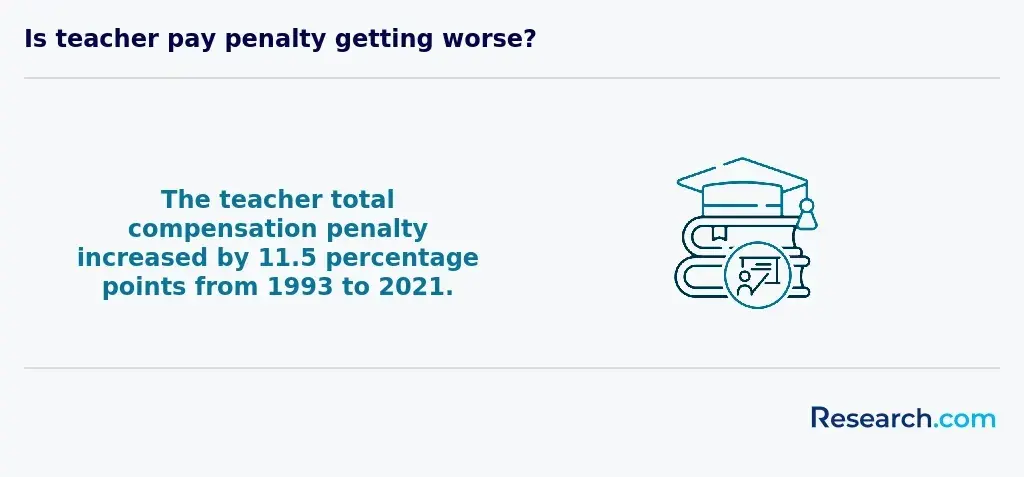
How competitive is history teacher compensation compared to other education careers in Missouri?
Missouri history teacher compensation should be evaluated against both K-12 teaching roles and other education-related careers. History teachers may earn steady pay with benefits, but advancement often depends on district salary schedules, graduate education, years of experience, stipends, or movement into leadership roles.
In the salary data discussed above, history teacher income ranges from approximately $48,000 to $54,000 annually depending on the source used, while other education roles may have different pay structures, schedules, and credential requirements. Comparing teaching with roles such as those discussed in this child life specialist salary guide can help you evaluate whether classroom teaching, student support, or another education-adjacent path better fits your financial and professional goals.
How can partnering with school librarians enhance history instruction?
School librarians can be valuable partners for history teachers because they help students find, evaluate, and use information responsibly. A librarian can support lessons involving primary sources, digital archives, historical newspapers, government documents, oral histories, maps, and research databases.
This collaboration is especially useful for inquiry-based history projects. Teachers can focus on historical questions and interpretation, while librarians can teach source evaluation, citation practices, research organization, and media literacy. Educators interested in this allied school role can explore how to become a school librarian in Missouri.
What are the challenges of teaching history to students in Missouri?
History teachers in Missouri need strong content knowledge, classroom management skills, and the ability to lead thoughtful discussions. The subject can be deeply engaging, but it can also bring public scrutiny because history connects to identity, citizenship, race, politics, religion, economics, and local memory.
- Curriculum disputes: Debates over critical race theory, the 1619 Project, and how to discuss race and power can create pressure from parents, boards, lawmakers, or community groups.
- Coverage gaps: Educators have raised concerns that important topics such as the 9/11 attacks and Reconstruction may not always receive enough depth in high school curricula.
- Community engagement: Teachers may need to communicate clearly with families and administrators about lesson goals, source selection, and how classroom discussions are moderated.
- Patriotism and critical inquiry: Teachers may be expected to promote civic pride while also helping students analyze evidence, debate interpretations, and understand historical complexity.
- Student readiness: Students may enter class with uneven reading skills, limited background knowledge, or strong prior assumptions about historical events.
The best preparation is not avoidance. Future teachers should learn how to design standards-aligned lessons, use credible sources, provide age-appropriate context, document instructional choices, and build classroom norms for respectful discussion.
Can private school teaching broaden my career as a history educator in Missouri?
Private schools in Missouri can offer another route for history educators, especially for teachers who want smaller learning environments, mission-driven schools, or more flexibility in curriculum design. Requirements can differ from public school certification rules, so candidates should verify each school’s expectations before assuming a public school credential is required—or not required.
Private school teaching may be a good fit if you value close student mentoring, interdisciplinary courses, or distinctive school communities. It may be less ideal if you need a public district salary schedule, union structure, or a standardized advancement path. Candidates can review private school teacher requirements in Missouri to compare this option with public school employment.
How can digital resources enhance history teaching effectiveness in Missouri?
Digital resources can make history instruction more interactive, but they work best when they serve clear learning objectives. Virtual archives, scanned primary sources, interactive maps, timelines, video clips, and multimedia exhibits can help students examine historical evidence rather than rely only on textbook summaries.
Effective digital history teaching also requires information literacy. Students need to learn how to distinguish primary and secondary sources, identify bias, evaluate credibility, and interpret historical context. Collaboration with teachers in other literacy-heavy subjects can help. For example, educators can compare communication and analysis strategies used in how to become an English teacher in Missouri pathways.
What are the emerging trends and career growth prospects for history teachers in Missouri?
Several trends are shaping history teaching in Missouri: teacher shortages, stronger use of digital instructional tools, community-based history projects, interdisciplinary learning, and heightened public attention to how history and civics are taught. These trends create opportunities for teachers who can combine content expertise with strong pedagogy and careful communication.
Teachers who want to stay competitive should monitor certification updates, develop digital source analysis skills, learn how to facilitate discussion of contested topics, and consider additional credentials when they match district needs. A useful next step is reviewing Missouri teacher certification types and requirements to understand how endorsements and pathways may affect long-term options.
How can Missouri’s local history enhance classroom teaching?
Missouri’s local history gives teachers an unusually rich way to connect national events to places students know. Local examples can make history feel less abstract and help students see how national conflicts, migrations, legal decisions, and economic changes affected their own communities.
Teachers can build lessons around Missouri’s role as a border state during the Civil War, the Lewis and Clark Expedition, the Dred Scott case, the Missouri Compromise, and the Gateway Arch as a symbol of westward expansion. Lessons can also include African American, Indigenous, immigrant, agricultural, labor, and civil rights histories within the state.
Field experiences can deepen learning when they are tied to clear assignments. Sites such as the Harry S. Truman National Historic Site in Independence, the National Frontier Trails Museum, and the Missouri State Museum can support inquiry projects, document analysis, and reflective writing.
Project-based learning is another strong option. Students might research a neighborhood, build a local history timeline, analyze historical photographs, conduct oral history interviews, or compare local events with national developments. These activities help students practice historical thinking while developing a stronger sense of place.
For candidates still choosing a certification route, pairing strong local-history teaching strategies with an affordable preparation plan can be practical. This guide to the cheapest way to get teaching credential in Missouri can help future educators compare cost-conscious routes into the profession.
Should I pursue dual certification to broaden my teaching career in Missouri?
Dual certification can improve flexibility, especially in districts that need teachers who can cover more than one subject or grade band. For a history teacher, an additional certification may increase scheduling options, expand job searches, and support movement into interdisciplinary teaching.
However, dual certification is only worth the extra effort if it aligns with your skills and local demand. Do not add a credential simply because it sounds useful. Review district job postings, ask program advisors which areas are hard to staff, and consider whether you would genuinely want to teach the second subject. One possible comparison point is how to become a middle school math teacher in Missouri, which can help you understand how requirements may differ across subject areas.
What steps should I take to pursue a career as a history teacher in Missouri?
If you are ready to pursue history teaching in Missouri, use a step-by-step plan rather than choosing the first degree or certification program you find.
- Decide the grade level you want to teach. Elementary social studies, middle school social studies, and high school history or social studies can involve different preparation and assessment expectations.
- Choose a certification pathway. Compare traditional undergraduate education programs, post-baccalaureate options, alternative certification, and temporary authorization routes if applicable.
- Verify program approval. Confirm that the program is aligned with Missouri certification requirements before enrolling.
- Plan for assessments early. Identify the correct Missouri-required exams for your target grade band and content area.
- Budget for the full cost. Include tuition, fees, books, testing costs, transportation, and any income changes during student teaching.
- Use financial aid strategically. Apply for federal aid, state scholarships, university awards, and local foundation funding.
- Build classroom experience. Substitute teaching, tutoring, museum education, youth programs, or paraprofessional work can help confirm fit and strengthen applications.
- Prepare for district hiring. Develop sample lesson plans, learn Missouri standards, gather references, and research district salary schedules.
Students focused specifically on secondary classrooms can use this guide on how to become a high school history teacher in Missouri for a more targeted path.
How can integrating art into history lessons enhance student engagement in Missouri?
Art can help students interpret history through images, symbols, material culture, propaganda, architecture, memorials, political cartoons, and public monuments. These sources can make difficult or distant events easier to discuss while strengthening visual analysis and critical thinking.
Examples include analyzing Civil War-era photographs, comparing public memorials, studying Indigenous art and material culture, examining immigration through visual sources, or asking students to create historically grounded exhibits. History teachers interested in more formal collaboration with arts educators can review the requirements to be an art teacher in Missouri.
How can elementary teaching strategies enhance history education in Missouri?
Elementary teaching strategies can help history teachers make complex topics clearer, especially for younger learners or students who need more scaffolding. Storytelling, visuals, timelines, maps, artifacts, role-based discussion, and inquiry questions can turn historical content into accessible learning experiences.
These strategies are not only for elementary classrooms. Middle and high school teachers can also use them when introducing unfamiliar periods, building background knowledge, or helping students organize cause-and-effect relationships. Educators who want to understand age-appropriate pedagogy more deeply can explore how to become an elementary school teacher in Missouri.
Common mistakes to avoid when becoming a history teacher in Missouri
| Mistake | Why it can hurt you | Better approach |
| Choosing a history degree without checking certification alignment | You may graduate with content knowledge but still lack the preparation needed for Missouri public school certification. | Ask whether the program leads to the exact Missouri certification area you want. |
| Assuming reciprocity is automatic | Out-of-state licenses are reviewed individually, and additional documentation or requirements may apply. | Start the Missouri reciprocity process early and keep transcripts, license records, and experience documentation organized. |
| Focusing only on tuition | Testing, fees, transportation, books, and student teaching logistics can change the true cost. | Compare total program cost and ask about scholarships, grants, and aid renewal rules. |
| Waiting too long to prepare for assessments | Delayed or failed exams can postpone certification and hiring. | Identify required tests early and build study time into your program plan. |
| Ignoring district salary schedules | Statewide averages may not reflect your likely pay in a specific district. | Review local salary schedules, stipend policies, and benefits before applying. |
| Underestimating curriculum controversy | History teachers may face sensitive questions from students, parents, or community members. | Use credible sources, align lessons with standards, and communicate learning objectives clearly. |
Questions to ask before choosing a Missouri teacher preparation program
- Is this program approved for Missouri teacher certification in the grade level and subject I want?
- Which assessments will I need to pass, and how does the program prepare students for them?
- Where do student teaching placements usually occur?
- What percentage of the program can be completed online, if any?
- Are there additional fees for testing, field placements, background checks, or certification paperwork?
- What scholarships or grants are available to education majors?
- Does the program support alternative certification, transfer students, or career changers?
- How does the school help graduates connect with Missouri districts?
- Will credits or credentials transfer if I later move to another state?
- Are there options to add endorsements, dual certification, or graduate study later?
Related Articles for Nearby States
- 2027 How to Become a History Teacher in Kansas: Requirements & Certification
- 2027 How to Become a History Teacher in Iowa: Requirements & Certification
- 2027 How to Become a History Teacher in Nebraska: Requirements & Certification
- 2027 How to Become a History Teacher in Arkansas: Requirements & Certification
- 2027 How to Become a History Teacher in Oklahoma: Requirements & Certification
- 2027 How to Become a History Teacher in Illinois: Requirements & Certification
- 2027 How to Become a History Teacher in Kentucky: Requirements & Certification
- 2027 How to Become a History Teacher in Tennessee: Requirements & Certification
- 2027 How to Become a History Teacher in Indiana: Requirements & Certification
- 2027 How to Become a History Teacher in South Dakota: Requirements & Certification
References:
- Education Commission of the States (n.d.). Teacher License Reciprocity: State Profiles. Retrieved from https://www.ecs.org/teacher-license-reciprocity-state-profiles
- Federal Student Aid (January 2024). (GEN-24-01) 2024-2025 Federal Pell Grant Maximum and Minimum Award Amounts (Updated April 5, 2024). https://fsapartners.ed.gov/knowledge-center/library/dear-colleague-letters/2024-01-31/2024-2025-federal-pell-grant-maximum-and-minimum-award-amounts-updated-april-5-2024
- Missouri State University (July 2024). Teacher Certification Areas and State-Required Certification Assessments. https://www.missouristate.edu/ProfessionalEd/teacher-certification-areas-and-state-required-assessment.htm
- National Education Association (April 2024). 2024 Reports Educator Pay in America. https://www.nea.org/resource-library/educator-pay-and-student-spending-how-does-your-state-rank/teacher
- O*Net OnLine (2024). History Teachers, Postsecondary. Retrieved from https://www.onetonline.org/link/summary/25-1125.00
- Tan, T. et al. (August 2024). State Teacher Shortages 2024 Update. Learning Policy Institute. https://learningpolicyinstitute.org/media/4412/download?inline&file=State_Vacancy_2024_RESOURCE.pdf
- U.S. Bureau of Labor Statistics (n.d.). Occupational Employment and Wages, May 2023: History Teachers, Postsecondary. Retrieved from https://www.bls.gov/oes/current/oes251125.htm
- U.S. Bureau of Labor Statistics (April 2024). May 2023 State Occupational Employment and Wage Estimates, Missouri. https://www.bls.gov/oes/2023/may/oes_mo.htm
- Zippia (June 2024). History Teacher Salary. https://www.zippia.com/salaries/history-teacher
- Zippia (July 2024). Job outlook for history teachers in the United States. https://www.zippia.com/history-teacher-jobs/trends
Key Insights
- Missouri’s reported 891 unfilled teacher positions make teaching a timely option, but candidates still need the correct degree, preparation pathway, assessments, and DESE certification.
- The safest first step is to choose a Missouri-approved educator preparation program that matches your intended grade band: elementary social studies, middle school social studies, or grades 9-12 social studies.
- Salary figures vary by source and role. Use statewide averages only as a starting point, then review district salary schedules, stipends, benefits, and advanced-degree policies.
- Out-of-state teachers may qualify through reciprocity review, but Missouri evaluates credentials individually. Keep transcripts, license records, and experience documentation ready.
- Financial aid can meaningfully reduce costs. Compare the Missouri Teacher Scholarship Program, Federal Pell Grant eligibility, university scholarships, and local education foundation awards before enrolling.
- History teachers can grow into curriculum, administration, consulting, museum education, and higher education roles, especially with experience, additional certification, or advanced degrees.
- Missouri’s local history is a major teaching advantage. Using state landmarks, legal history, civil rights stories, and community research can make history more relevant and engaging for students.
- The biggest avoidable mistake is enrolling in a program before confirming certification alignment. Verify requirements first, then compare cost, field placements, exam preparation, and job placement support.
Other Things You Should Know About Becoming a History Teacher in Missouri
Missouri’s initial teaching certificate is valid for 4 years. During that period, a history teacher must complete the state’s required induction and mentoring support and meet any remaining certification conditions before applying for the next-level professional certificate through the Missouri Department of Elementary and Secondary Education.
Missouri history teacher certifications may be transferable to other states through interstate agreements like NASDTEC. However, additional requirements may vary by state, such as specific exams or coursework. Verify with the receiving state's Department of Education for exact conditions.
Aspiring history teachers in Missouri must pass the Missouri Educator Gateway Assessments (MEGA), which include the Missouri General Education Assessment (MoGEA) and the History-Social Science Content Assessment, to obtain certification in 2027. These exams ensure competency in teaching history.