
2027 How to Become a Preschool Teacher in Pennsylvania: Requirements & Certification

Co-Founder and Chief Data Scientist
Becoming a preschool teacher in Pennsylvania is not just a question of liking young children or wanting a classroom job. The real decision is which setting you want to teach in, what credential that setting requires, how much time and money you can invest, and whether you want a pathway that leads to public school certification, private preschool employment, assistant roles, or long-term leadership in early childhood education.
This guide explains the Pennsylvania preschool teacher pathway in practical terms. You will learn what degree is usually needed, how certification works, how alternative routes compare with traditional teacher preparation, what continuing education is required, which specializations can improve your options, and what financial and career factors to review before choosing a program.
Quick answer: How do you become a preschool teacher in Pennsylvania?
For public preschool teaching roles in Pennsylvania, candidates generally need a bachelor’s degree, completion of a state-approved teacher preparation program, supervised student teaching, passing scores on required Pennsylvania educator exams, background checks, and certification through the Pennsylvania Department of Education. An associate degree may qualify you for some entry-level childcare, assistant, or private preschool roles, but it is usually not enough for full public school teacher certification.
Key things to know before choosing this career path
- Licensing authority: The Pennsylvania Department of Education oversees teacher certification standards for educators seeking public school teaching credentials in the state.
- Core certification route: Candidates seeking preschool teaching certification typically complete a bachelor’s degree in early childhood education or a related field, finish a state-approved teacher preparation program, complete supervised student teaching, and pass the required Pennsylvania Educator Certification Tests.
- Testing requirement: Preschool teacher candidates are commonly assessed through the PreK-4 assessment and PECT-related testing components. Before registering, applicants should confirm current exam requirements directly with the Pennsylvania Department of Education or the testing provider because testing policies can change.
- Application process: After completing education, testing, and background check requirements, candidates submit certification materials through the Pennsylvania Department of Education’s online system. Processing may take several weeks, so applicants should plan ahead.
- Renewal requirement: Pennsylvania educators must complete 180 hours of continuing education every five years to maintain certification and stay aligned with current instructional practices and state expectations.
- What degree do you need to become a preschool teacher in Pennsylvania?
- What alternative certification programs are available in Pennsylvania?
- How do you apply for a Pennsylvania preschool teaching license?
- What continuing education is required for Pennsylvania preschool teachers?
- What specializations can preschool teachers pursue?
- How can Pennsylvania preschool teachers move into higher-level roles?
- How do Pennsylvania regulations affect preschool classrooms?
- What is the job outlook for preschool teachers in Pennsylvania?
- What skills matter most for preschool teachers?
- What financial factors should aspiring preschool teachers consider?
- How can preschool teachers work with speech-language professionals?
- How can advanced degrees improve preschool teacher career options?
- How can teachers build inclusive preschool classrooms?
- Can online certification work for Pennsylvania preschool teachers?
- How can digital tools support preschool learning?
- How can preschool teachers transition into elementary education?
- How can creative arts strengthen preschool curriculum?
- How can music support preschool learning outcomes?
- How can special education strategies be used in preschool?
- How do certification requirements influence long-term career growth?
- What challenges do Pennsylvania preschool teachers commonly face?
- What financial aid options are available?
- What should private preschool teacher candidates know? Review aid options Review community resources
What degree do I need to become a preschool teacher in Pennsylvania?
The degree you need depends on the type of preschool position you want. If your goal is a public school preschool teaching role or a state-certified Grades PK-4 teaching position, you should plan for a bachelor’s degree and a state-approved teacher preparation program. If you want to begin in childcare, preschool support, or some private preschool settings, an Associate’s Degree in Early Childhood Education or a related field may help you qualify for entry-level opportunities.
The key mistake is assuming that every preschool job has the same educational requirement. Pennsylvania preschool employment can include public school classrooms, private preschools, childcare centers, Head Start programs, faith-based schools, and assistant roles. Each employer may evaluate credentials differently, but public school certification follows state rules.
| Education path | Typical time commitment | Best fit | Important limitation |
| Associate’s Degree in Early Childhood Education | Typically two years | Childcare roles, assistant positions, and some private preschool settings | Usually not enough by itself for full public school teacher certification |
| Bachelor’s Degree in Early Childhood Education or a related field | Usually four years | Students seeking Pennsylvania Grades PK-4 certification and lead teaching roles | Must be paired with state-approved preparation, exams, student teaching, and background checks |
| Graduate study or advanced coursework | Varies by program | Teachers interested in leadership, specialization, curriculum design, or administration | Higher cost and time commitment, so ROI should be evaluated carefully |
- Early childhood education coursework matters: Strong programs teach child development, play-based learning, assessment, family engagement, classroom management, and age-appropriate instructional design.
- Accreditation should be checked before enrollment: For certification-focused students, the most important question is whether the program is recognized for Pennsylvania teacher preparation. A low-cost program is not a bargain if it does not meet certification requirements.
- Degree level affects career flexibility: An associate degree may help you start faster, while a bachelor’s degree generally opens more options for certified teaching and advancement.
- Salary outcomes are not guaranteed: The Bureau of Labor Statistics indicates that preschool teachers with a Bachelor’s Degree earn a higher average salary than those with an Associate’s Degree, but actual pay depends on employer type, location, experience, funding, and role responsibilities.
If you are choosing between an associate and bachelor’s program, start with your target job description. Then work backward from the employer’s requirements rather than choosing a program first and hoping it qualifies you later.
What are alternative certification programs for becoming a preschool teacher in Pennsylvania?
Alternative certification programs are designed for people who already have a bachelor’s degree or substantial professional experience and want to move into teaching without completing a traditional undergraduate teacher preparation route from the beginning. In Pennsylvania, alternative routes must still align with Pennsylvania Department of Education requirements if the end goal is state certification.
When an alternative certification route makes sense
- You already hold a bachelor’s degree in another field.
- You are changing careers and want a more direct path into education.
- You have experience as a teaching assistant or childcare worker and want to become fully certified.
- You need a program with evening, hybrid, or online coursework while continuing to work.
Traditional route vs. alternative route
| Pathway | How it usually works | Best for | What to verify |
| Traditional teacher preparation | Degree coursework, field experiences, student teaching, and certification testing are built into a planned education program. | Students beginning college with the goal of becoming certified teachers. | Confirm the program is state-approved for the Pennsylvania credential you want. |
| Alternative certification | Candidates may complete certification coursework and field requirements after earning a bachelor’s degree, sometimes while working in an education setting. | Career changers, degree holders, and experienced classroom assistants. | Confirm eligibility rules, field placement expectations, testing requirements, and whether the route leads to PK-4 certification. |
| Online or hybrid certification coursework | Academic coursework may be delivered online, while clinical practice or student teaching must still meet state expectations. | Working adults who need flexibility. | Make sure online delivery does not create problems with Pennsylvania licensure requirements. |
How classroom experience can help
Work as a teaching assistant can make the transition easier because you already understand routines, family communication, child behavior, and classroom safety. However, experience alone does not replace certification requirements for public school teaching. Use your experience to strengthen your application, request strong recommendations, and select a program that recognizes your background where appropriate.
Fast-track and online options
Some candidates look for fast-track or online alternative certification options because they cannot pause work for a full-time campus program. Flexibility can be valuable, but speed should not be the only factor. Before enrolling, ask whether the program is approved for Pennsylvania certification, how student teaching is arranged, what exams are required, and whether graduates have successfully obtained the intended credential.
If you are comparing teacher certification pathways in other states as part of a relocation plan, Research.com’s guide to Oklahoma teaching certificate programs can help you understand how state-specific requirements can differ.
How do you get a preschool teaching license in Pennsylvania?
To become a licensed preschool teacher in Pennsylvania, you must complete the state’s education, testing, background check, and application requirements. The credential commonly associated with this pathway is Grades PK-4 certification, which prepares educators for teaching from nursery age through fourth grade.
Step-by-step licensing checklist
- Choose the right degree program: Enroll in a bachelor’s degree program in early childhood education or a closely related field that supports Pennsylvania certification goals.
- Complete a state-approved teacher preparation program: Make sure the program includes required coursework, supervised fieldwork, and student teaching.
- Pass required certification exams: Candidates are expected to meet Pennsylvania educator testing requirements, including the PreK-4 assessment and related PECT components.
- Complete fingerprinting and background checks: Applicants must submit fingerprints for review through the Pennsylvania State Police and the FBI as part of the child safety screening process.
- Gather official documentation: Prepare transcripts, test score records, application forms, and any background clearance materials required by the Pennsylvania Department of Education.
- Submit the certification application: Apply through the Pennsylvania Department of Education’s online certification system.
- Plan for review time: Application review can take several weeks to months, so do not wait until the school year is about to begin.
- Track renewal obligations: Once certified, maintain documentation for continuing education and renewal requirements.
Documents you should prepare early
- Official transcripts from all relevant colleges or universities.
- Evidence that your teacher preparation program is complete.
- Required exam score reports.
- Fingerprinting and background check documentation.
- Completed Pennsylvania Department of Education certification forms.
- Payment for application, testing, and background check fees.
Costs to expect
Licensing expenses may include application fees, certification exam fees, transcript fees, and background check fees. These costs are separate from tuition, books, transportation, and unpaid or reduced-work student teaching time. If you are budgeting for certification, include both direct fees and the opportunity cost of completing field placements.
If you are comparing licensing systems across states, you may also want to review Research.com’s overview of Illinois teaching credentials.
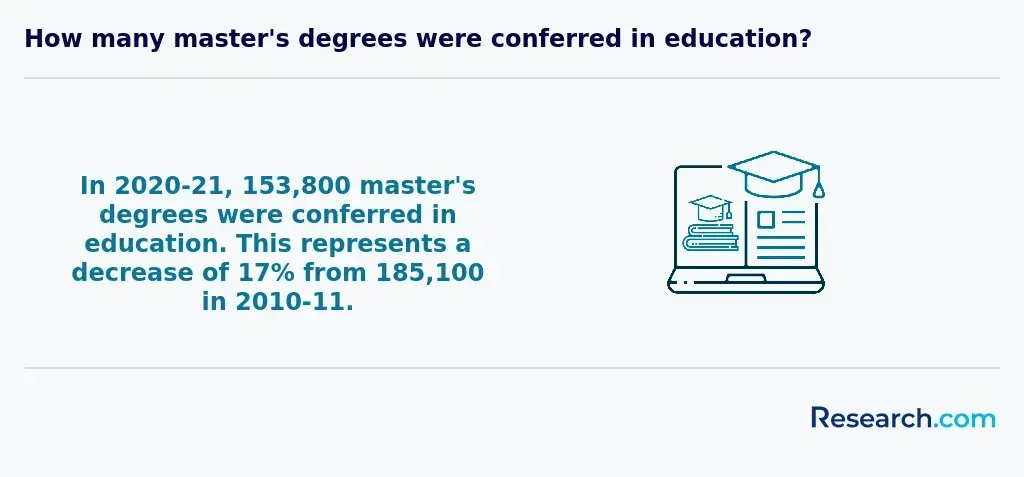
What are the continuing education requirements for preschool teachers in Pennsylvania?
Certified preschool teachers in Pennsylvania must complete 180 hours of professional development every five years to renew their teaching certification. This requirement is designed to keep educators current on instructional practices, child development research, classroom safety expectations, equity practices, and state policy changes.
Continuing education should be planned strategically instead of treated as a last-minute compliance task. The best professional development strengthens both your renewal file and your classroom practice.
| Professional development area | Why it helps preschool teachers | Good fit for |
| Child development and early learning | Improves understanding of age-appropriate instruction, behavior, and developmental milestones. | All preschool teachers |
| Classroom management | Builds routines, positive behavior supports, and safer learning environments. | New teachers and teachers in high-need classrooms |
| Special education and inclusion | Helps teachers adapt instruction for children with disabilities and developmental delays. | Teachers in inclusive classrooms |
| Cultural competency | Supports communication and curriculum choices for multilingual and culturally diverse families. | Teachers in diverse communities |
| Assessment and documentation | Strengthens observation, progress monitoring, and family communication. | Lead teachers and program coordinators |
Professional development may be available through school districts, universities, community colleges, professional organizations, conferences, and approved online providers. Keep records of completion, dates, hours, and provider information so renewal does not become a documentation problem.
What specializations are available for preschool teachers in Pennsylvania?
Specialization can help preschool teachers serve more complex classrooms, qualify for targeted roles, or prepare for leadership. The right specialization depends on the children you want to serve and the type of employer you want to work for.
- Early childhood special education: This area prepares teachers to support children with disabilities, adapt classroom activities, collaborate with specialists, and create inclusive learning environments.
- Bilingual education: Teachers who can support English language learners and communicate across languages may be especially valuable in diverse preschool communities.
- Montessori or Reggio Emilia approaches: These models emphasize child-led exploration, creativity, hands-on learning, and carefully designed learning environments.
- STEM education for young children: Preschool STEM focuses on inquiry, observation, building, measuring, sorting, experimenting, and problem-solving in developmentally appropriate ways.
- Curriculum development: Teachers interested in designing lesson sequences, aligning curriculum with standards, or supporting program-wide planning may benefit from curriculum-focused training.
Before paying for a specialization, ask whether it is recognized by your employer, whether it supports certification or endorsement goals, and whether it connects to a realistic job opportunity. If you are comparing teacher credential pathways in nearby or other states, you can also review Research.com’s guide to Arkansas teaching credentials.
How can preschool teachers in Pennsylvania advance their careers?
Career growth in preschool education usually comes from a combination of experience, additional credentials, leadership responsibilities, and specialization. Advancement does not always mean leaving the classroom; for some educators, it means becoming a lead teacher, mentor, curriculum specialist, or inclusion coordinator.
- Earn an advanced degree: A master’s degree in early childhood education or a related field can deepen expertise in assessment, curriculum, child development, leadership, or research. It may also support movement into supervisory or specialized roles.
- Prepare for director or administrator roles: Teachers who want to manage preschool programs may need additional coursework in educational leadership and may pursue the Pennsylvania Director Credential, which involves targeted training and early childhood experience.
- Become a mentor or trainer: Experienced teachers can support new educators, lead professional development sessions, or help improve classroom quality across a center or district.
- Move into advocacy or policy work: Teachers with strong classroom experience can contribute to organizations focused on early childhood funding, access, quality standards, family services, and workforce development.
- Explore research or consulting: Educators with graduate training may contribute to curriculum evaluation, early learning research, program improvement, or consulting for early childhood organizations.
| Career goal | Useful preparation | Questions to ask before pursuing it |
| Lead preschool teacher | Bachelor’s degree, certification, classroom experience, strong family communication skills | Does the role require public certification or center-specific qualifications? |
| Preschool director | Leadership coursework, program management experience, Pennsylvania Director Credential | Will I be responsible for compliance, staffing, budgets, and family enrollment? |
| Special education-focused preschool teacher | Training in IEP support, inclusion, behavior strategies, and specialist collaboration | Do I need an additional endorsement or specialized credential? |
| Curriculum specialist | Advanced coursework in curriculum design, assessment, and instructional coaching | Will this role be classroom-based, district-based, or program-wide? |
Teachers interested in supporting children with developmental, behavioral, or learning needs may also find it useful to explore related paths such as special education counselor careers.
How do Pennsylvania state regulations affect preschool teaching?
Pennsylvania regulations shape who can teach, how classrooms are staffed, what safety practices must be followed, and how programs document learning and compliance. These rules are not just administrative details; they influence daily classroom routines, staffing decisions, curriculum planning, and teacher workload.
- Child-to-teacher ratios: Pennsylvania mandates a maximum ratio of 10 children per teacher in preschool settings. This standard is intended to protect supervision quality and ensure children receive adequate attention.
- Health and safety expectations: Preschool teachers must help maintain clean, safe, and developmentally appropriate learning spaces. Emergency plans, health screenings, safe materials, and supervision procedures all matter.
- Licensing expectations: Public school preschool teachers must meet certification requirements, typically including a bachelor’s degree, approved preparation, exams, and background checks.
- Curriculum frameworks: Teachers are expected to use age-appropriate learning activities aligned with Pennsylvania early learning expectations and developmental goals.
- Assessment and reporting: Educators may be required to document student progress and program effectiveness through observations, assessments, or state-related reporting processes.
Regulatory compliance can feel burdensome, especially for new teachers, but it also gives structure to classroom quality. The practical approach is to build compliance into daily routines instead of treating it as separate paperwork.
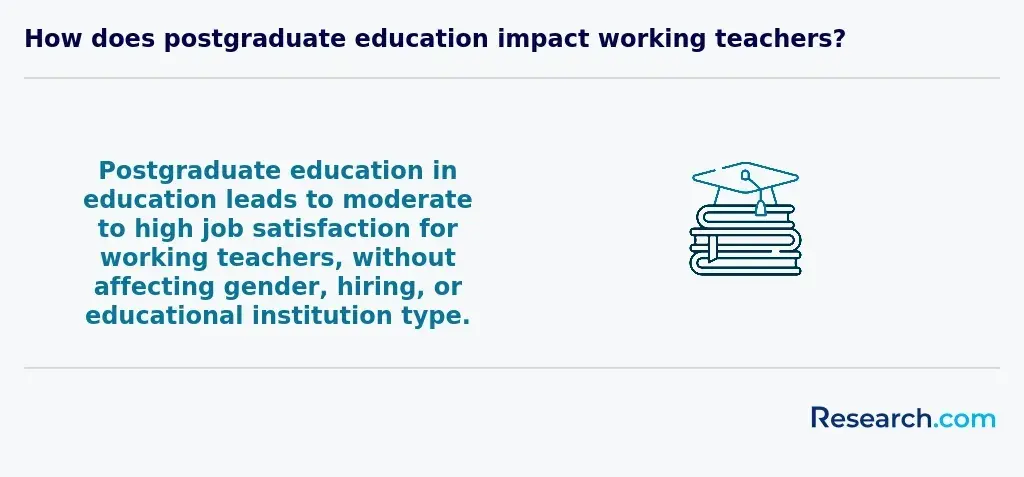
What is the job outlook for preschool teachers in Pennsylvania over the next 5 years?
The job outlook for preschool teachers in Pennsylvania is described as positive, with projected growth of approximately 7% according to the Bureau of Labor Statistics. Demand is shaped by public funding, population patterns, family need for early learning programs, and employer capacity to recruit qualified teachers.
- Urban and rural demand differ: Urban areas often have more preschool programs and larger populations, while rural areas may have fewer openings but persistent need for qualified educators.
- Demographic change affects hiring: As Pennsylvania classrooms become more culturally and linguistically diverse, teachers with inclusive teaching skills and family engagement strengths may be better positioned.
- Public funding matters: Programs such as Pre-K Counts and Head Start influence the number of available early childhood roles and the resources available to classrooms.
- Public and private employers offer different trade-offs: Public programs may have more structured certification requirements, while private preschools may vary widely in pay, benefits, schedule, and credential expectations.
- Economic conditions can affect stability: Funding cuts, enrollment shifts, and local budget constraints can influence openings, even when early childhood education remains an essential service.
If you like working with young children but are not sure classroom teaching is the right long-term fit, compare this path with broader early childhood development careers, including family support, intervention services, program coordination, and child development roles.
What skills are essential for success as a preschool teacher in Pennsylvania?
Successful preschool teachers combine warmth with structure. They need to keep children safe, support early learning, communicate with families, document progress, and respond calmly to behavior that is still developing. Content knowledge matters, but so does emotional stamina.
- Clear communication: Preschool teachers must explain expectations to young children, communicate progress to families, and collaborate with aides, specialists, and administrators.
- Classroom management: Strong routines, visual schedules, predictable transitions, and positive reinforcement help young children feel secure and engaged.
- Creativity: Effective preschool lessons often use stories, movement, art, play, songs, hands-on exploration, and sensory activities.
- Observation and assessment: Teachers need to notice developmental patterns, document growth, and identify when a child may need additional support.
- Differentiation: Preschool classrooms include children with different languages, abilities, temperaments, and family backgrounds. One-size-fits-all teaching rarely works.
- Patience and resilience: Young children test boundaries, need repetition, and experience big emotions. Teachers must stay calm and consistent.
The best way to build these skills is through supervised classroom experience, feedback from mentors, and reflective practice. Coursework is important, but preschool teaching is learned most deeply through working with children in real classrooms.
What financial considerations should aspiring preschool teachers in Pennsylvania be aware of?
Before enrolling in a teacher preparation program, aspiring preschool teachers should compare the full cost of becoming certified against likely career outcomes. Tuition is only one part of the equation. Certification exams, background checks, books, transportation, unpaid fieldwork, childcare, and reduced work hours during student teaching can all affect affordability.
| Cost factor | Why it matters | How to reduce risk |
| Tuition and fees | Program cost can vary widely by institution and delivery format. | Compare total program cost, not just per-credit tuition. |
| Certification exams | Testing fees can add up, especially if retakes are needed. | Ask programs about exam pass support and preparation resources. |
| Student teaching | Clinical placements may limit paid work hours. | Plan savings early and ask about placement schedules. |
| Accreditation and approval | A nonqualifying program can delay or block certification. | Confirm Pennsylvania Department of Education alignment before enrolling. |
| Salary expectations | Pay differs by public, private, nonprofit, and childcare settings. | Review local job postings for realistic compensation in your county or city. |
If affordability is your main concern, compare approved options carefully and review Research.com’s guide to the cheapest teaching credential program in Pennsylvania.
How can preschool teachers collaborate with speech-language professionals in Pennsylvania?
Speech and language development is central to preschool readiness. Preschool teachers are often the first professionals to notice when a child struggles with articulation, vocabulary, listening comprehension, social communication, or expressive language. Collaboration with speech-language professionals can help teachers respond earlier and more effectively.
- Share classroom observations with speech-language professionals, including when communication challenges appear during play, transitions, group time, or peer interaction.
- Use specialist-recommended language strategies during everyday routines, not only during pull-out services.
- Coordinate with families so strategies are reinforced at home and school.
- Adapt storytime, songs, visual supports, and play centers to encourage language practice.
- Document progress and communicate changes clearly with the support team.
Educators who want to understand this related profession more deeply can review Research.com’s guide on how to become a speech pathologist in Pennsylvania.
How do advanced degree programs enhance career prospects for preschool teachers in Pennsylvania?
Advanced degree programs can help preschool teachers move beyond basic classroom instruction into leadership, specialized teaching, curriculum development, coaching, research, or administration. They can also deepen knowledge in child development, assessment, differentiated instruction, and program design.
An advanced degree is most useful when it connects to a specific career objective. For example, a teacher interested in gifted early learners may choose coursework focused on enrichment and talent development, while a teacher interested in administration may prioritize leadership and program management.
Graduate study requires a serious time and financial commitment, so compare tuition, delivery format, accreditation, practicum expectations, and employer tuition support. Teachers interested in enrichment-focused pathways may want to explore gifted and talented programs online as one possible direction.
What are the key steps to building a diverse and inclusive preschool classroom in Pennsylvania?
An inclusive preschool classroom helps children see themselves, respect others, and participate meaningfully regardless of language, disability, culture, family structure, income level, or learning profile. Inclusion is not a poster on the wall; it is reflected in materials, routines, communication, discipline, assessment, and family relationships.
- Audit classroom materials: Choose books, dolls, songs, images, and dramatic play materials that represent different races, languages, religions, abilities, family structures, and communities.
- Build family partnerships: Ask families about home languages, routines, cultural practices, child strengths, and concerns. Families should not hear from the teacher only when there is a problem.
- Use culturally responsive teaching: Connect lessons to children’s lived experiences and avoid treating one culture as the classroom default.
- Design for different abilities: Use visuals, movement, adaptive materials, quiet areas, sensory supports, and multiple ways for children to participate.
- Address bias early: Preschoolers notice differences. Teachers should answer questions honestly and model respectful language.
- Continue professional learning: Organizations such as the Pennsylvania Association for the Education of Young Children can support educators through training and professional networks.
Those who want to begin through an assistant position can learn more about how to become a teacher assistant in Pennsylvania before committing to full teacher certification.
Is online certification a viable option for obtaining a preschool teaching license in Pennsylvania?
Online certification coursework can be a practical option for working adults, career changers, and current childcare employees, but online delivery does not remove Pennsylvania’s certification requirements. Candidates still need to complete approved coursework, required assessments, clinical experiences, student teaching, and background checks.
Before enrolling in an online program, ask these questions:
- Is the program approved or accepted for Pennsylvania preschool or PK-4 certification?
- How are student teaching and field placements arranged in Pennsylvania?
- Does the program prepare students for the required Pennsylvania educator exams?
- What support is available for certification paperwork and testing?
- Are there additional in-person requirements?
For flexible options, start by reviewing an accredited teacher certification program online, but always verify Pennsylvania-specific applicability before enrolling.
How can preschool teachers integrate digital tools to enhance classroom outcomes in Pennsylvania?
Digital tools can support preschool learning when they are interactive, brief, developmentally appropriate, and tied to clear instructional goals. They should not replace play, conversation, outdoor movement, hands-on materials, or teacher-child interaction.
- Use digital storybooks or audio supports to reinforce vocabulary and listening skills.
- Use documentation apps or assessment tools to track observations and communicate progress.
- Choose interactive tools that require children to think, sort, create, or respond rather than passively watch.
- Set clear screen-time boundaries and follow employer and family communication policies.
- Use technology to support accessibility, such as visual schedules, communication supports, or translated family messages.
Teachers interested in how instructional technology changes across grade levels can compare early childhood practice with guidance on how to be a middle school math teacher in Pennsylvania.
How can I transition from preschool to elementary education in Pennsylvania?
Preschool teachers who want to move into elementary education should begin by comparing their current certification with the grade levels they want to teach. Because Pennsylvania’s Grades PK-4 certification covers nursery age through fourth grade, some preschool teachers may already be closer to elementary eligibility than they realize. Others may need additional coursework, testing, field experience, or a different certification route.
- Review your current certificate type and grade span.
- Identify the elementary grade levels and school settings you want to pursue.
- Ask the Pennsylvania Department of Education or your preparation program what additional requirements apply.
- Gain experience with older children through field placements, summer programs, tutoring, or substitute opportunities where appropriate.
- Update your resume to show assessment, literacy, math readiness, family communication, and classroom management experience.
For a role-specific pathway, review Research.com’s guide on how to become an elementary teacher in Pennsylvania.
How can preschool teachers effectively integrate creative arts into their curriculum?
Creative arts help preschool children build language, fine motor skills, self-expression, social confidence, pattern recognition, and problem-solving. The strongest arts integration connects creativity with learning goals without turning every project into a teacher-directed craft.
- Visual arts: Use drawing, painting, collage, clay, and open-ended materials to strengthen fine motor control and imagination.
- Movement: Include dance, stretching, rhythm games, and dramatic movement to support coordination and self-regulation.
- Dramatic play: Use costumes, props, and pretend scenarios to build language, empathy, and social skills.
- Storytelling: Invite children to draw, act out, or dictate stories to connect art with early literacy.
- Community connections: Partner with local artists, museums, libraries, or arts educators when possible.
Educators who want a deeper arts education perspective can review guidance on how to become an art teacher in Pennsylvania.
How can music education enhance preschool learning outcomes in Pennsylvania?
Music can support preschool learning because it combines rhythm, repetition, language, movement, memory, and social participation. Songs can make transitions smoother, reinforce vocabulary, introduce counting patterns, and help children practice listening and turn-taking.
- Use welcome songs and cleanup songs to create predictable routines.
- Pair rhythm activities with syllable clapping and early phonological awareness.
- Use call-and-response songs to support listening and expressive language.
- Offer simple instruments for patterning, coordination, and group participation.
- Include music from different cultures and family traditions to strengthen inclusion.
Teachers who want to expand music instruction beyond basic classroom activities can explore how to become a music teacher in Pennsylvania.
How can preschool teachers integrate special education strategies into their curriculum?
Special education strategies are useful in every preschool classroom because they make instruction clearer, more flexible, and more accessible. Teachers do not need to wait for a formal diagnosis to use supports such as visual schedules, simplified directions, sensory breaks, adaptive seating, peer modeling, and small-group instruction.
- Use individualized education plans when applicable and coordinate with specialists.
- Break tasks into smaller steps and model each step visually and verbally.
- Offer multiple ways for children to respond, such as pointing, speaking, drawing, moving, or using communication supports.
- Plan transitions carefully because many behavior challenges occur during unstructured movement from one activity to another.
- Document what works so strategies can be shared with families and support teams.
For more detailed information on related credentials and responsibilities, review special education teacher requirements in Pennsylvania.
How do Pennsylvania teacher certification requirements shape long-term career growth?
Certification requirements influence career growth because they determine which classrooms you can lead, which employers can hire you, and which leadership or specialization pathways are available later. Meeting the minimum requirements may get you started, but maintaining and building your credentials can affect your options over time.
Teachers who understand certification rules can plan more strategically. For example, they can choose professional development that supports renewal and specialization, avoid programs that do not lead to the desired credential, and prepare for leadership roles before an opportunity appears.
For a broader explanation of credential categories and state rules, review Pennsylvania teacher certification requirements.
What are the common challenges faced by preschool teachers in Pennsylvania?
Preschool teaching is meaningful work, but it is also demanding. Teachers must manage behavior, communicate with families, document learning, comply with regulations, support diverse learners, and maintain their own energy throughout long days with young children.
- Large class demands: Pennsylvania’s average preschool class size often exceeds 20 students, which can make individualized attention difficult even when ratio rules are followed.
- Administrative workload: Lesson plans, assessments, family updates, compliance documentation, and meetings can compete with direct teaching time.
- Behavior support: Preschoolers are still learning impulse control, emotional regulation, and social problem-solving, so teachers need consistent positive behavior strategies.
- Language and cultural diversity: Teachers may need to adapt communication, materials, and family engagement practices for children from varied backgrounds.
- Burnout risk: Emotional labor, staffing shortages, and physical demands can make self-care and professional support essential.
| Common mistake | Why it creates problems | Better approach |
| Choosing a program without checking approval | The program may not meet Pennsylvania certification requirements. | Verify state alignment before applying or paying deposits. |
| Focusing only on tuition | Fees, exams, fieldwork, and lost work hours can change the real cost. | Build a full certification budget. |
| Assuming online means fully remote | Student teaching and field experiences usually require in-person placements. | Ask how clinical requirements are completed. |
| Waiting to plan continuing education | Renewal can become stressful if hours are not tracked. | Document professional development throughout the five-year cycle. |
| Relying only on passion for children | Preschool teaching also requires assessment, documentation, regulation, and family communication. | Build both relational and professional skills. |
What financial aid options are available for aspiring preschool teachers in Pennsylvania?
Financial aid can make a major difference for students preparing to become preschool teachers. The best strategy is to combine grants, scholarships, employer support, work-study, and careful program selection before relying heavily on loans.
- Federal and state grants: Eligible students may qualify for Pell Grants, which can provide up to $6,495, and the Pennsylvania State Grant, which can provide up to $4,123 annually for students attending approved institutions.
- Early childhood education scholarships: Organizations in Pennsylvania, including the Pennsylvania Association for the Education of Young Children, may offer scholarships for students committed to working with young children.
- Loan forgiveness programs: Teachers who work in qualifying high-need or low-income settings may be eligible for loan forgiveness. The Teacher Loan Forgiveness Program can forgive up to $17,500 of federal student loans after five years of qualifying service.
- Continuing education support: Current educators may be able to use professional development grants or employer support to pay for additional coursework.
- Work-study and employer tuition assistance: Some colleges offer work-study roles, and some early childhood employers help employees pay for degrees or credentials.
To compare lower-cost degree options, review Research.com’s guide to affordable online education degrees elementary.
What community resources are available to support preschool teachers in Pennsylvania?
Preschool teachers do not have to work in isolation. Pennsylvania educators can draw on professional associations, libraries, early childhood centers, local agencies, and peer networks for materials, training, referrals, and collaboration.
- Local early childhood education centers: These centers may provide workshops, coaching, resource libraries, or program support.
- Pennsylvania Association for the Education of Young Children: Professional membership can offer networking, advocacy updates, training opportunities, and conference information.
- Public libraries: Libraries can support classroom literacy through storytimes, book collections, community events, and educator-friendly materials.
- Child Care Information Services: This state-funded support system helps families locate child care and may connect educators with professional development resources.
- Grant opportunities: Local and state organizations may offer funding for classroom materials, program improvements, or teacher training.
- Teacher networks: Local groups and online communities can help teachers exchange lesson ideas, behavior strategies, job leads, and emotional support.
What are the unique certification requirements for private preschool teachers in Pennsylvania?
Private preschool requirements can differ from public school certification rules. Some private employers may prioritize hands-on experience, center-based training, faith-based mission alignment, Montessori or Reggio Emilia experience, bilingual ability, or specialized early childhood credentials. Others may still prefer or require state certification.
Because private preschool standards vary by employer, candidates should not assume one credential fits every school. Review job postings carefully and ask whether the position requires Pennsylvania certification, childcare qualifications, background clearances, a degree, specialized training, or prior classroom experience.
If you are considering private school employment, review private school teacher requirements in Pennsylvania to compare expectations before applying.
What do preschool teachers in Pennsylvania say about the career?
“Becoming a preschool teacher in Pennsylvania changed how I understood education. I came from a small town where teachers were deeply respected, and that influenced my decision to enter early childhood education. Once I completed my degree and entered the classroom, I saw how much the state’s early learning focus included social and emotional growth, not just academic readiness. On my first day, the children’s curiosity reminded me why the work matters. Seeing them gain confidence gave me a strong sense of purpose, and the professional resources available to teachers helped me continue improving.” - Jane
“Teaching preschool in a diverse Pennsylvania community taught me how important inclusion is. My students came from many cultural and linguistic backgrounds, so I had to design lessons that helped every child feel connected. I used local history, family traditions, and community themes to make learning more personal. When children saw their own lives reflected in the classroom, they became more excited to participate. Professional development helped me refine those strategies and become more intentional in my teaching.” - Richard
“My interest in preschool teaching came from my own childhood experience in a play-based program. I wanted to give children that same sense of discovery. Pennsylvania’s early childhood expectations allowed me to build activities around exploration, art, nature, and hands-on learning. One of my favorite projects involved learning about Pennsylvania parks, and the children’s enthusiasm made the project unforgettable. Teaching preschool has shaped my career and also changed how I see children’s capacity to wonder, question, and grow.” - Jamie
Related Articles for Nearby States
- 2027 How to Become a Preschool Teacher in New Jersey: Requirements & Certification
- 2027 How to Become a Preschool Teacher in Delaware: Requirements & Certification
- 2027 How to Become a Preschool Teacher in Maryland: Requirements & Certification
- 2027 How to Become a Preschool Teacher in New York: Requirements & Certification
- 2027 How to Become a Preschool Teacher in West Virginia: Requirements & Certification
- 2027 How to Become a Preschool Teacher in Ohio: Requirements & Certification
- 2027 How to Become a Preschool Teacher in Virginia: Requirements & Certification
- 2027 How to Become a Preschool Teacher in Connecticut: Requirements & Certification
- 2027 How to Become a Preschool Teacher in Rhode Island: Requirements & Certification
- 2027 How to Become a Preschool Teacher in Massachusetts: Requirements & Certification
Key Insights
- Public preschool certification usually requires more than an associate degree: An Associate’s Degree in Early Childhood Education can support entry-level or assistant roles, but public school preschool teaching in Pennsylvania generally requires a bachelor’s degree, approved preparation, testing, student teaching, and state certification.
- Program approval matters as much as program cost: Before enrolling, confirm that your degree or certification route aligns with Pennsylvania Department of Education requirements for the credential you want.
- Alternative certification can work for career changers: If you already have a bachelor’s degree, an alternative route may be faster than starting over, but it must still satisfy Pennsylvania certification standards.
- Renewal is an ongoing responsibility: Certified teachers must complete 180 hours of continuing education every five years, so professional development should be planned and documented from the start.
- Career growth depends on specialization and leadership preparation: Teachers can advance through special education, bilingual education, curriculum design, director credentials, mentoring, advocacy, or graduate study.
- Financial planning should include hidden costs: Tuition is only part of the investment. Exams, background checks, field placements, transportation, and lost work time can affect the real cost of becoming certified.
- The best pathway starts with the job you want: Decide whether you want public school certification, private preschool employment, assistant work, administration, or another early childhood role, then choose the credential path that fits that goal.
References:
- education.pa.gov (14 Jun 2023). CSPG 69 - Grades PK-4. Pennsylvania Department of Education.
- ed.psu.edu (n.d.). Elementary & Early Childhood Education, B.S. (PK-4). PennState College of Education.
- preschoolteacher.org (24 Sep 2014). Requirements for Early Childhood Education Jobs in Pennsylvania. PreSchoolTeacher.org.
Other Things You Should Know about Becoming a Preschool Teacher in Pennsylvania
To become a certified preschool teacher in Pennsylvania, candidates must pass the Pennsylvania Educator Certification Test (PECT) for Early Childhood Education. These exams assess teaching skills and subject-specific knowledge essential for preschool education. Passing them is a crucial step in the certification process.
Absolutely! In Pennsylvania, you can pursue a career as a preschool teacher with an associate's degree in early childhood education. This foundational qualification opens doors to various teaching opportunities, especially in private preschools and childcare centers. However, to enhance your prospects and meet state licensing requirements, consider the following steps:
- Gain Experience: Seek internships or volunteer positions in early childhood settings to build your skills.
- Pursue Further Education: Consider completing a bachelor's degree to qualify for public school positions.
- Obtain Certification: Familiarize yourself with the Pennsylvania Department of Education's certification process for early childhood educators.
By taking these steps, you can embark on a fulfilling journey in preschool education!
Preschool teachers in Pennsylvania must complete the state-required background checks before working with young children. These include the PA Child Abuse History Clearance, Pennsylvania State Police criminal history check, and FBI fingerprinting through the Department of Education or a school employer. Clearances are typically renewed every five years.
Yes, alternative certification programs exist in Pennsylvania. Prospective preschool teachers can pursue alternate routes like the American Board for Certification of Teacher Excellence (ABCTE) or Pennsylvania's Intern Certificate, which allows teaching while completing certification requirements.


