2027 Can You Get Financial Aid for an Online Entertainment Business Bachelor's Degree?

Co-Founder and Chief Data Scientist
Paying for an online entertainment business bachelor's degree is often the deciding factor between enrolling now, delaying school, or choosing a different program. The flexibility of online study can help working adults, parents, and career changers, but affordability still depends on accreditation, enrollment status, aid eligibility, deadlines, and how much debt a student is willing to take on.
Industry data shows the average annual cost for online bachelor's in entertainment business programs hovers around $15,000, which can be difficult for students balancing tuition with rent, family expenses, transportation, technology, and lost work hours. The good news is that online students may qualify for many of the same aid options as campus-based students when they attend an eligible accredited institution.
This guide explains how financial aid works for online entertainment business bachelor's programs, including accreditation requirements, scholarships, grants, loans, employer tuition assistance, international student limitations, timing, and what to expect during the approval process.
Key Benefits of Financial Aid for an Online Entertainment Business Bachelor's Degree
- Financial aid lowers upfront costs, making an online entertainment business bachelor's degree more affordable and accessible to students from diverse economic backgrounds.
- Access to grants and scholarships increases enrollment opportunities, helping students pursue careers in a competitive, evolving entertainment industry.
- Reducing reliance on loans minimizes long-term student debt, allowing graduates to focus on career growth instead of financial burdens after completing their degree.
Can You Get Financial Aid for an Online Entertainment Business Bachelor's Degree?
Yes. Students can often get financial aid for an online Entertainment Business bachelor's degree if the school is accredited, participates in the relevant aid programs, and the student meets eligibility rules. Online format alone does not automatically disqualify a student from federal, state, institutional, or private aid.
The most important factor is not whether the program is online, but whether the institution is eligible to award aid. Students should confirm that the school participates in federal student aid programs before applying, especially if they plan to use Pell Grants, federal student loans, or work-study funding.
Recent studies show that about 37% of U.S. undergraduate students are enrolled exclusively in distance education, with a substantial portion receiving financial assistance. That growth has made online aid policies more familiar to colleges, but students still need to check the details for each program.
Common eligibility factors
- Accreditation: The institution must generally hold recognized accreditation for federal financial aid eligibility.
- Enrollment level: Many aid programs require students to enroll at least half time, though exact rules vary by aid type.
- Academic progress: Students usually must maintain satisfactory academic progress to continue receiving aid.
- Citizenship or residency status: Federal aid is limited to U.S. citizens and eligible non-citizens.
- Financial need: Some aid is need-based, while other aid may depend on merit, employer policies, military status, or institutional priorities.
Students comparing online entertainment business programs should ask each school for a full cost of attendance, not just tuition. Books, software, technology fees, graduation fees, and course materials can change the true price. For broader context on online business education costs, Research.com's guide to the cheapest 1 year online MBA programs can help students see how program format, school type, and tuition structure affect affordability.
Do Online Entertainment Business Bachelor's Programs Need to Be Accredited for Financial Aid?
Yes. Online entertainment business bachelor's programs generally need to be offered by an accredited institution to qualify for federal financial aid and most state aid programs. Accreditation is one of the first things students should verify because it affects aid eligibility, credit transfer, graduate school admission, and employer confidence in the degree.
Over 85% of colleges participating in federal financial aid are accredited by recognized agencies, which is a key factor in financial aid eligibility for accredited entertainment business programs. Students should verify accreditation directly through the school, the accreditor, or official recognition sources before enrolling.
Accreditors students may encounter
- The Higher Learning Commission (HLC): Recognized by the U.S. Department of Education and CHEA, HLC accredits institutions primarily in the central United States. Its accreditation can support institutional eligibility for federal financial aid when other requirements are met.
- The Middle States Commission on Higher Education (MSCHE): MSCHE oversees schools in the Mid-Atlantic region and is recognized by both federal and CHEA authorities. Accreditation from MSCHE signals that an institution has been reviewed against established academic and administrative standards.
- The Southern Association of Colleges and Schools Commission on Colleges (SACSCOC): This accreditor serves the southern U.S., with recognition from the Department of Education and CHEA. SACSCOC accreditation helps confirm institutional legitimacy for eligible aid programs.
- WASC Senior College and University Commission (WSCUC): WSCUC accredits mainly West Coast institutions and holds recognized status from federal and CHEA bodies. Its review process focuses on institutional effectiveness, academic quality, and student outcomes.
- The Accrediting Council for Independent Colleges and Schools (ACICS): ACICS is a national accreditor recognized by the Department of Education, though it has faced scrutiny in recent years. Prospective students should verify the current accreditation and aid status of any institution associated with ACICS before committing.
How to check before you apply
- Confirm the school is accredited by a recognized agency.
- Ask whether the specific online bachelor's program is eligible for federal student aid.
- Review whether credits are likely to transfer to other accredited institutions.
- Ask admissions and financial aid offices to provide written confirmation of aid eligibility.
Accreditation does not guarantee that a program is affordable or career-relevant, but it is a baseline requirement for many funding options. Students still comparing academic paths can also review interesting majors that pay well to weigh entertainment business against other career-focused fields.
Are International Students Eligible for Aid for Online Entertainment Business Bachelor's Degrees?
International students may have access to some aid for online entertainment business bachelor's degrees, but their options are usually more limited than those available to U.S. citizens and eligible non-citizens. Federal financial aid is typically not available to international students, so funding often depends on the institution, private scholarships, home-country support, or family resources.
Before the pandemic, more than one million international students were enrolled in U.S. postsecondary institutions, though fully online learners represented a smaller segment. For online students living outside the U.S., aid access can be especially limited because some scholarships, work options, or residency-based programs are tied to location or visa status.
- Federal Aid Restrictions: International students are typically ineligible for federal financial assistance, such as Pell Grants or federal loans, because these programs require recipients to be U.S. citizens or eligible non-citizens.
- Institutional Scholarships: Some universities offer scholarships or tuition discounts for international learners. These awards vary widely, may be competitive, and often require separate applications.
- Alternative Funding: Private loans may be available, but many lenders require a U.S.-based co-signer. Students should compare interest rates, repayment timing, currency exchange risk, and borrower protections before accepting a private loan.
- Home-Country Support: Some students qualify for scholarships, employer funding, government sponsorships, or education loans in their country of residence.
- Visa and Residency: Fully online students studying from outside the U.S. generally have fewer aid options than students attending in person or in a hybrid format. Visa status can affect eligibility for certain school-based or external awards.
- Program-Specific Awards: A small number of entertainment business programs may offer targeted awards for international students, but these opportunities are usually limited and should be confirmed early.
International applicants should contact the school's financial aid office before applying and request a written estimate of total costs, available aid, payment deadlines, and refund policies. They should also ask whether online students outside the U.S. pay the same tuition rate as domestic online students.
What Types of Financial Aid Are Available for Online Entertainment Business Bachelor's Degrees?
Financial aid for online entertainment business bachelor's degrees can come from federal, state, institutional, employer, military, private, and industry sources. The best funding plan usually combines several smaller sources rather than relying on one award to cover everything.
Students should separate aid into two categories: money that does not need to be repaid and money that creates a repayment obligation. Grants, scholarships, waivers, and employer benefits can reduce net cost. Loans can make enrollment possible, but they increase long-term financial responsibility.
- Grants: Grants are typically need-based and do not require repayment when students meet program rules. They may come from federal, state, or institutional sources.
- Scholarships: Scholarships may be awarded for academic performance, financial need, creative work, leadership, community service, diversity initiatives, or entertainment industry goals.
- Work-Study: Work-study can provide part-time income, but availability for online students depends on the school and whether suitable positions exist. Some roles may be remote; others may require proximity to campus or an approved employer.
- Tuition Waivers: Some schools offer tuition reductions for online students, military-affiliated students, veterans, employees, partner organizations, or transfer students.
- State Funding: State grants and scholarships can help eligible residents, but rules may depend on residency, school location, enrollment intensity, and program approval.
- Institutional Support: Colleges may provide merit awards, need-based grants, transfer scholarships, completion grants, or emergency aid for enrolled students.
- Employer Tuition Assistance: Working students may receive reimbursement or direct tuition payment from employers, especially when the degree supports business, marketing, media, management, or leadership responsibilities.
- Private Loans: Private loans can fill funding gaps but often have fewer borrower protections than federal loans. Students should compare repayment terms carefully.
Because entertainment business combines management, marketing, finance, media, and creative industry knowledge, students may also compare aid policies across related business programs, including an online business administration degree, to understand how tuition, scholarships, and transfer credits differ across similar academic paths.
Students researching accredited online study in other fields can also review online MFT programs accredited to see how funding considerations may apply across professional degree options.
Are There Scholarships for Online Entertainment Business Bachelor's Degrees?
Yes. Scholarships may be available for students in online entertainment business bachelor's programs, though eligibility depends on the school, the sponsor, and the student's background. Some scholarships are open to all business majors, while others target media, entertainment, music business, sports entertainment, digital production, marketing, or creative entrepreneurship.
In the 2020-21 academic year, nearly 59% of undergraduate students received some form of financial aid, underscoring the significant support available across fields of study. Scholarships are especially valuable because they reduce cost without adding debt, but students should not assume they will automatically cover a large share of tuition.
- Institutional Awards: Colleges may offer scholarships based on grades, transfer GPA, leadership, creative portfolios, professional experience, or demonstrated interest in entertainment business.
- Need-Based Aid: Some scholarships use financial need as the main eligibility factor. Students may need to submit financial aid forms, tax information, or school-specific documentation.
- Industry Partnerships: Entertainment companies, media organizations, alumni groups, or professional associations may sponsor awards for students preparing for careers in entertainment management, production, marketing, or live events.
- Diversity Initiatives: Some awards support underrepresented students in entertainment, media, business, and creative leadership fields.
- Transfer and Adult Learner Scholarships: Online bachelor's students are often transfer students or working adults. Some schools have awards designed specifically for these populations.
- Eligibility Considerations: Students should confirm whether an award is open to online learners, part-time students, out-of-state students, and students in entertainment business rather than general business only.
Scholarship application tips
- Apply before priority deadlines, not just final deadlines.
- Reuse strong essays carefully, but tailor each response to the sponsor's mission.
- Highlight industry experience, internships, creative projects, event work, leadership, or entrepreneurship.
- Ask whether scholarships are renewable and what GPA or enrollment level is required to keep them.
- Watch for displacement policies, where a new scholarship may reduce other institutional aid.
Can You Take Out Student Loans for an Online Entertainment Business Bachelor's Degree?
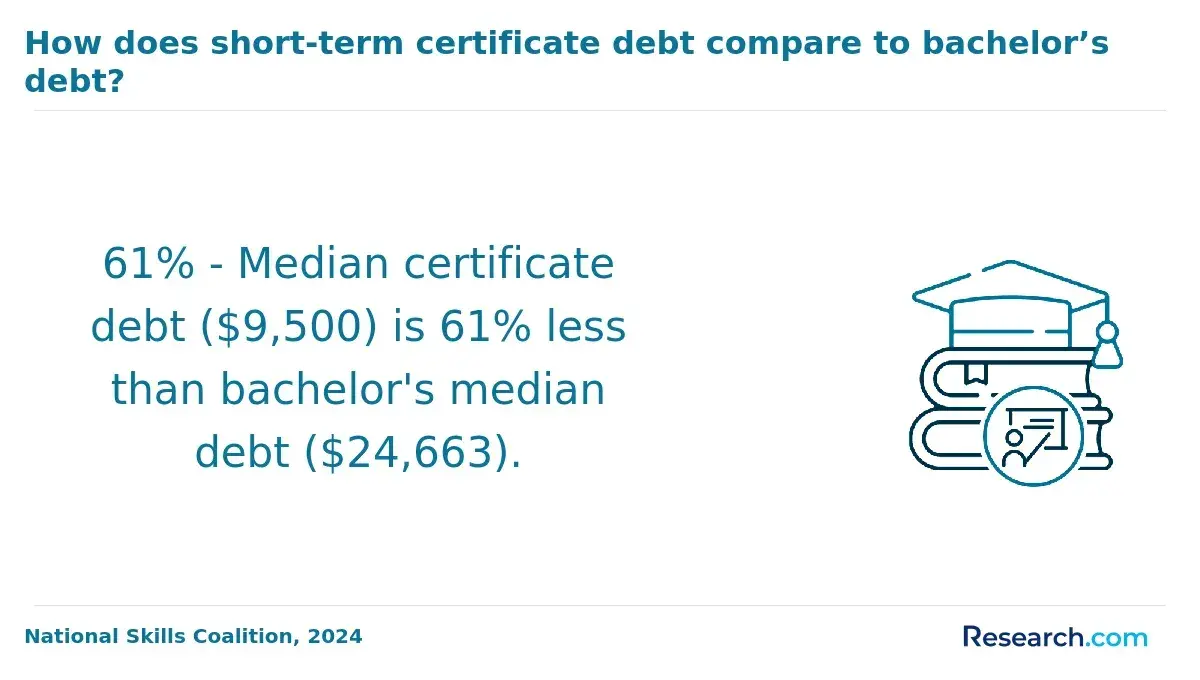
Yes. Eligible students can often take out student loans for an online entertainment business bachelor's degree when the institution participates in federal student aid programs and the student meets loan requirements. Approximately 62% of bachelor's degree earners in the U.S. have utilized student loans, reflecting how common borrowing is in undergraduate education.
Loans can help students start or continue a degree when grants, scholarships, savings, and employer benefits are not enough. However, they should be used carefully because they must be repaid, usually with interest. Students should borrow only what they need and compare the expected monthly payment with realistic early-career earnings in entertainment business roles.
Federal loans vs. private loans
- Federal student loans: These are generally the first loan option students should consider because they often include standardized repayment plans and borrower protections. Eligibility depends on federal rules, school participation, enrollment status, and other factors.
- Private student loans: These are offered by banks, credit unions, and other lenders. They may require credit approval or a co-signer, and terms can vary significantly.
Questions to ask before borrowing
- How much debt will I have at graduation if I borrow this amount every year?
- When does repayment begin?
- Is the interest rate fixed or variable?
- Can I reduce borrowing by transferring credits, studying part time, using employer benefits, or applying for more scholarships?
- What happens if I stop attending, reduce my course load, or change programs?
Online students should also ask whether loan disbursement dates match the program's academic calendar. Some online programs use accelerated terms, multiple start dates, or nontraditional sessions, which can affect when funds arrive and when tuition bills are due.
How Does Employer Tuition Assistance Work for Online Degrees?
Employer tuition assistance can reduce the cost of an online entertainment business bachelor's degree for working students. With nearly 60% of U.S. employers providing some form of educational assistance, this benefit is worth checking before taking on loans or paying tuition out of pocket.
Employer support is especially relevant for students already working in entertainment, media, hospitality, marketing, live events, sports, music, gaming, or corporate communications. Even if a job is not directly in entertainment, a business-focused degree may still align with management, operations, project coordination, marketing, or leadership responsibilities.
- Direct Payment: Some employers pay the school upfront after the employee receives approval. This can reduce cash-flow pressure because the student does not have to pay first and wait for reimbursement.
- Reimbursement: Many employers require employees to pay tuition first, complete the course, earn an eligible grade, and then submit documentation for repayment.
- Eligibility Rules: Policies may require a minimum period of employment, full-time status, manager approval, a degree related to the job, or continued employment after the course ends.
- Policy Limits: Employers may set annual or lifetime caps and may exclude fees, books, software, repeated courses, or non-approved institutions.
- Grade Requirements: Some programs reimburse only courses completed with a minimum grade.
- Repayment Clauses: Employees who leave the company soon after receiving assistance may have to repay part or all of the benefit.
How to use the benefit wisely
- Request the tuition policy in writing before enrolling.
- Confirm whether the online program and school are approved.
- Ask how employer aid interacts with federal aid, scholarships, and billing deadlines.
- Keep receipts, transcripts, course descriptions, invoices, and approval emails.
- Plan for upfront costs if reimbursement comes after the term ends.
Does Financial Aid Cover Full Tuition for Online Entertainment Business Bachelor's Programs?
Financial aid can sometimes cover full tuition, but students should not assume it will. Full coverage is more likely when a student combines several aid sources, qualifies for substantial need-based aid, receives strong institutional scholarships, transfers many credits, or uses employer or military benefits. For many students, aid reduces the cost but does not eliminate it.
The average unmet financial need for undergraduates in the U.S. has hovered around $4,200, highlighting a frequent gap between aid awarded and actual costs. This gap can include tuition not covered by aid, fees, books, software, technology requirements, and living expenses.
- Limited Full Coverage: Full tuition coverage is rare because many aid programs are designed to supplement, not fully fund, a degree.
- Multiple Aid Sources: Students often need a mix of federal and state grants, institutional scholarships, employer support, tuition waivers, and loans.
- Institutional Variability: Tuition and aid packages vary widely among schools offering online entertainment business degrees. A larger scholarship at a high-tuition school may still leave a higher net price than a smaller award at a lower-cost school.
- Enrollment Status: Part-time students may receive different aid amounts than full-time students. Accelerated online schedules can also affect billing and disbursement timing.
- Non-Tuition Costs: Even when tuition is covered, students may still pay for course materials, technology, portfolio tools, production software, fees, and other expenses.
How to estimate your real cost
- Ask each school for the total cost of attendance.
- Compare net price after grants and scholarships, not just listed tuition.
- Check whether aid is renewable each year.
- Calculate how many credits you still need after transfer evaluation.
- Review payment plans before borrowing for small remaining balances.
Students considering entertainment business may also look at related digital business and media programs. Research.com's overview of degrees in social media can help compare similar online fields where financial aid structures may be comparable.
When Should I Apply for Financial Aid for Online Programs?
Students should apply for financial aid as early as possible, ideally before applying or shortly after choosing a shortlist of online entertainment business programs. Aid deadlines can arrive months before classes begin, and some scholarships or institutional funds are awarded on a priority basis.
According to the National Postsecondary Student Aid Study, nearly 30% of students who missed financial aid deadlines faced greater difficulty affording tuition. Missing a priority deadline does not always mean a student receives no aid, but it can reduce access to limited grants, scholarships, and school-based funding.
Recommended timing
- Before applying: Check accreditation, aid eligibility, tuition, fees, transfer credit policies, and scholarship deadlines.
- After admission: Submit required financial aid forms and monitor the school portal for missing documents.
- Before registration: Confirm your aid package, payment deadline, loan requirements, and any remaining balance.
- Before each academic year: Renew aid applications, scholarships, and employer tuition assistance approvals as required.
Financial aid application deadlines for online entertainment business students can vary significantly between institutions. Programs with multiple start dates may have separate billing and aid timelines for each term. Students should ask whether aid will be available for their intended start date and whether funds disburse before tuition is due.
Students comparing programs in other online fields, such as online architecture programs, should use the same planning approach: verify eligibility early, track deadlines, and confirm the actual net cost before enrolling.
How Long Does It Take to Get Approved for Financial Aid?
Financial aid approval timelines vary, but students should plan for several weeks from application to final award confirmation. According to the National Association of Student Financial Aid Administrators, federal aid processing typically takes between two and four weeks.
That timeline can be longer if the school requests additional documentation, the student is selected for verification, tax information is inconsistent, admission is incomplete, or the program has a nontraditional online calendar. Students should not wait until the tuition deadline to begin the process.
What can affect approval speed?
- Completeness: Missing signatures, forms, transcripts, or identity documents can delay review.
- Verification: Some students must submit additional financial documents before aid can be finalized.
- School processing volume: Financial aid offices may be slower near the start of a term.
- Aid type: Federal grants, loans, state aid, institutional scholarships, and employer reimbursement each follow different timelines.
- Enrollment confirmation: Aid may not disburse until the student registers for the required number of credits.
How to avoid delays
- Submit aid forms early.
- Use the same personal information across admissions and aid documents.
- Check your student portal and email frequently.
- Respond quickly to requests from the financial aid office.
- Ask when funds will disburse and whether you need a payment plan while waiting.
Students in online entertainment business programs should also confirm whether course materials, production tools, or software must be purchased before aid arrives. If so, they may need to budget for short-term upfront costs.
What Graduates Say About Financial Aid for an Online Entertainment Business Bachelor's Degree
- : "“When I decided to pursue an online entertainment business bachelor's degree, I knew financial aid was essential because balancing work and school was already difficult. I applied for a federal Pell Grant, which significantly reduced my tuition costs and helped me focus on coursework instead of constant financial pressure. That support was important as I moved toward a career in entertainment management.” — Nathanael"
- : "“Financial aid gave me a realistic way to study the entertainment industry online without paying the full cost upfront. I qualified for a combination of scholarships and student loans, which helped me cover tuition and living expenses while I stayed committed to the program. I now work in digital media production and feel better prepared for the financial realities of the field.” — Russell"
- : "“I applied for financial aid because the cost of the online entertainment business program was a major concern, especially as a single parent. Receiving a work-study award helped cover tuition and gave me experience connected to my field. It made the degree possible while allowing me to maintain financial stability during school.” — Jose"
Other Things You Should Know About Entertainment Business Degrees
Enrolling part-time can impact your financial aid eligibility. Part-time students often receive reduced federal financial aid compared to full-time students. Always check the specific requirements of your chosen program to ensure that your enrollment status aligns with their financial aid criteria, as it may vary by institution.
Financial aid generally covers tuition and fees but may have limitations on how funds can be used for technology or equipment needed for entertainment business courses. Some aid packages allow students to purchase laptops or software essential for coursework, especially if provided through a school-approved budget. It's important to review the financial aid policy regarding allowable expenses to avoid unexpected out-of-pocket costs.
Maintaining satisfactory academic progress is critical to continue receiving financial aid in an online entertainment business degree program. Falling below a required GPA or failing to complete a minimum percentage of courses can result in suspension of aid. Students should monitor their academic standing regularly and consult financial aid advisors if facing difficulties.
References
- The Safest Way to Finance an Online Bachelor’s Degree in 2026 https://www.collegetransitions.com/blog/how-to-finance-an-online-bachelors-degree/
- Can you use student loans for online degrees? | edX https://www.edx.org/resources/can-you-use-student-loans-for-online-degrees
- Financial Aid for Undergraduate International Students https://www.nafsa.org/about/about-international-education/financial-aid-undergraduate-international-students
- Can You Get A Student Loan For Online Degrees? https://findadegree.co.uk/can-you-get-a-student-loan-for-online-degrees/
- A Guide to Accredited Online Business Administration Programs https://www.aiuniv.edu/degrees/business/articles/a-guide-to-accredited-online-business-administration-programs
- How to Get Your Employer to Pay for College With Tuition Assistance Programs https://www.umassglobal.edu/blog-news/get-your-employer-pay-college-tuition-assistance-programs
- Scholarships for international students & Financial Aid | RBS https://romebusinessschool.com/scholarships/
- Entertainment Business Online – The Los Angeles Film School https://www.lafilm.edu/programs/entertainment-business-online/film-business/
- Tuition & Fees - The Los Angeles Film School - Catalog https://catalog.lafilm.edu/010-fees-tuition/
- Guide to Employers Who Subsidize Online Education https://www.onlineeducation.com/features/employers-who-subsidize-higher-ed