
2027 Online Entertainment Business Bachelor's Degrees for Adults Over 40

Co-Founder and Chief Data Scientist
Choosing an online entertainment business bachelor’s degree after 40 is usually not about “starting over.” It is about turning work experience, creative judgment, leadership skills, and industry curiosity into a credential that can support a career pivot or advancement in media, music, production, talent management, digital content, live events, or entertainment operations. For adults balancing employment, family, and financial responsibilities, the main question is whether the program is flexible, credible, affordable, and connected to real entertainment business work.
Online programs can help solve some of the barriers that traditional campus degrees create for midcareer learners. They often offer asynchronous coursework, transfer-credit reviews, prior learning assessment, and curricula focused on practical areas such as licensing, marketing, production budgets, rights management, audience analytics, and digital distribution. Studies show that over 35% of online learners in entertainment-related fields are adults seeking new career paths, which reflects growing demand for programs designed around mature students’ schedules and goals.
This guide explains how to compare online entertainment business bachelor’s degrees for adults over 40, what they may cost, how admissions and transfer credits work, what financial aid may be available, and how to decide whether the degree is a smart investment for your next career move.
Key Points About Online Entertainment Business Bachelor's Degrees for Adults Over 40
- Online entertainment business bachelor's programs offer flexible schedules-ideal for adults over 40 balancing work, family, and education while gaining industry-relevant skills.
- Graduates often see career advancement-68% report promotions or salary increases within two years of program completion, reflecting strong professional value.
- The curriculum emphasizes modern media management and digital marketing, equipping mature students to navigate evolving entertainment landscapes effectively.
What are the best online Entertainment Business bachelor's degrees for adults over 40?
The best online entertainment business bachelor’s degree for an adult over 40 is not simply the program with the most recognizable name. It is the program that matches your career goal, accepts your prior credits where possible, offers real scheduling flexibility, and teaches the business side of entertainment in a way you can apply at work. According to a recent report, enrollment in accredited online entertainment business degrees for adult learners has increased by over 18% since 2025, which suggests that more midcareer students are looking for flexible, career-aligned pathways into entertainment and media business roles.
When comparing programs, start with accreditation, total cost, transfer policy, course format, faculty industry experience, and the strength of career services. Then look at whether the curriculum fits the part of entertainment you want to enter, such as music, film, streaming media, live events, arts management, talent representation, marketing, or production operations.
- University of Arizona: The university is known for its Digital Media program, which connects entertainment business concepts with emerging digital technologies. Its proprietary D2L Brightspace learning platform can be useful for adult students who need an organized, interactive online environment while balancing work and family responsibilities.
- Full Sail University: Full Sail is often a practical fit for students who want project-based learning and industry-facing assignments. Its concentration in Music Business may appeal to learners targeting artist management, music marketing, publishing, licensing, touring, or related music-sector roles. The university holds programmatic accreditation from ACCSC, which is an important point for applicants to verify as part of their due diligence.
- California State University, Northridge: CSUN’s online bachelor’s in Entertainment Industry Studies balances creative context with management-focused coursework. Its connection with the Mike Curb College of Arts, Media, and Communication may be valuable for students who want exposure to media management, entertainment industry structures, and current business practices.
- Southern New Hampshire University: SNHU may work well for adults who need a flexible cloud-based learning model, customizable electives, and a schedule built for working students. Courses such as copyright and licensing are especially relevant because entertainment careers often require a working knowledge of rights, contracts, permissions, and revenue streams.
- Savannah College of Art and Design: SCAD’s online bachelor’s in arts management can overlap with entertainment business for students interested in leadership roles in cultural, creative, and entertainment organizations. Its Curricular Innovation Center supports digital course delivery for learners who need structured online content while managing professional obligations.
For adult learners planning a longer academic path, it can also be useful to understand advanced online study options. For example, some students who later pursue research, teaching, or senior consulting roles may compare the cheapest online PhD options after completing a bachelor’s degree and gaining additional professional experience.
How much do online Entertainment Business bachelor's degrees typically cost?
Online entertainment business bachelor’s degrees typically cost $300 to $800 per credit hour, and most programs require about 120 credits to graduate. Based on those figures, total tuition can range from $36,000 to $96,000 before fees, books, software, transfer credits, scholarships, or employer support are applied. Public universities, particularly for in-state students, are often less expensive than private institutions, but the true cost depends on the school’s tuition model and how many credits you still need to complete.
Adults over 40 should calculate the full cost of attendance, not just the advertised tuition rate. Many online programs charge technology fees; around 75% do, adding $200 to $500 annually on average. Students may also pay for digital textbooks, media software, online learning platforms, exam proctoring, portfolio tools, or course-specific production resources. Over several years, these charges can add several thousand dollars to the degree.
Online study may reduce commuting, relocation, parking, and housing costs, but it does not automatically make a degree inexpensive. The most affordable option is often the one that accepts the most valid transfer credits, lets you keep working, and provides predictable tuition and fees. Students comparing broader low-cost bachelor’s options can use the cheapest online bachelor degree programs as a benchmark, then compare those costs against entertainment-specific programs.
- Ask for a written cost estimate: Request tuition, fees, books, software, and expected annual increases.
- Confirm transfer credit before enrolling: A generous transfer policy can reduce both time and tuition.
- Compare part-time and full-time pacing: A slower pace may protect your work schedule, while a faster pace may reduce the total time you pay fees.
- Check refund and withdrawal rules: Adult learners with job or family obligations should understand what happens financially if they pause enrollment.
What are the admission requirements for adult learners enrolling in online Entertainment Business bachelor's degrees?
Admission requirements for adults over 40 are often broader than the requirements used for recent high school graduates. Recent data from 2025 shows that over 65% of online programs now incorporate professional experience as a key component in evaluating mature applicants. That matters for entertainment business applicants because many adults bring relevant experience from marketing, sales, communications, events, production support, small business ownership, music, media, hospitality, nonprofit arts, or project management.
Most schools still require proof that you are academically eligible for undergraduate study, but many also give weight to professional background, career goals, and evidence that you can manage online coursework.
- Proof of high school completion: Applicants generally need a high school diploma or equivalent credential, such as a GED. This establishes baseline eligibility for undergraduate admission.
- College transcripts, if applicable: If you previously attended college, official transcripts are usually required even if the coursework was completed many years ago. These records help schools determine admission standing and possible transfer credit.
- Professional experience documentation: A resume, work history, or portfolio can help show practical skills in entertainment, media, marketing, business, communications, production, or related fields. For adults over 40, this can be one of the strongest parts of the application.
- Personal statement: The statement should explain why you are pursuing entertainment business, how your background connects to the field, and what you plan to do with the degree. Avoid vague language; admissions reviewers should understand your direction.
- Recommendations: Letters from supervisors, clients, colleagues, or industry professionals can support your application by confirming reliability, creativity, leadership, communication skills, and readiness for degree-level work.
- Prerequisite coursework: Some programs may require or recommend introductory coursework in business, communication, media studies, writing, or math. Adult learners may be able to complete these courses through community colleges or accredited online classes before starting the major.
One professional who completed an online entertainment business bachelor’s degree said the admissions process initially felt demanding because he had to organize work samples while managing a full-time job. He recalled, “Submitting my portfolio was a challenge-I had to carefully select projects that truly reflected my skills.” He also said the personal statement helped him clarify his goals before enrolling. While interviews were not mandatory for him, he noted that several classmates used interviews to explain their motivation and career direction more clearly.
Is a bachelor's in Entertainment Business still a wise investment for adults over 40?
A bachelor’s in entertainment business can be a wise investment for adults over 40 when it leads to a clear career outcome, fills specific skill gaps, and can be completed without taking on unsustainable debt. It is less likely to pay off if you enroll without a target role, ignore transfer-credit opportunities, or choose a program with weak career support and high out-of-pocket costs.
Adults over 40 who complete a bachelor’s degree in entertainment business often see salary increases ranging from 10% to 25% within five years of graduation, reflecting improved skills in areas such as negotiation, marketing, production management, budgeting, and entertainment operations. The degree may also support eligibility for managerial, producer, coordinator, or business-side roles that require a bachelor’s credential or prefer candidates with formal training.
The financial payback period for an online entertainment business degree typically spans six to eight years. That estimate accounts for tuition, possible income lost while studying, and the advantage of flexible online scheduling that allows many adults to remain employed. Many graduates experience promotions between two and four years, especially when they combine prior experience with newly developed business, legal, and digital media skills.
For midcareer adults, the investment case is strongest when the degree helps you do at least one of the following:
- Move from support work into management: Examples include transitions from assistant, coordinator, or administrative roles into operations, production management, artist services, or marketing leadership.
- Formalize experience you already have: A degree can help validate skills gained through years of work in events, media, music, sales, or creative production.
- Build current digital entertainment knowledge: Coursework in streaming, licensing, monetization, social media strategy, and analytics can help experienced workers stay relevant.
- Prepare for entrepreneurship: Students interested in production companies, artist management, event ventures, or creative agencies may benefit from business planning, finance, law, and marketing coursework.
A graduate who completed an online entertainment business bachelor’s program after turning 40 described the experience as demanding but worthwhile. He said, “There were moments when balancing everything felt overwhelming,” but added that current industry insight and new professional contacts made the effort valuable. He credited the degree with increasing his confidence and opening doors to roles he had not previously considered.
How can online Entertainment Business bachelor's degrees help over-40 professionals at work?
Online entertainment business bachelor’s programs can help adults over 40 improve how they plan, communicate, negotiate, budget, market, and manage entertainment-related work. The value is often immediate because many assignments can be connected to current jobs, freelance projects, entrepreneurial ideas, or volunteer work in creative organizations. According to recent data, 78% of students utilize their coursework directly in their jobs, which points to the practical nature of many online business-focused entertainment programs.
- Updated industry skills: Programs can help experienced professionals connect older entertainment models with current digital platforms, streaming distribution, social media promotion, content monetization, audience data, and rights management.
- Stronger business judgment: Coursework in finance, marketing, entertainment law, contracts, and management can improve decision-making around budgets, partnerships, licensing, production timelines, and revenue opportunities.
- Better communication with creative and business teams: Entertainment work often requires translating between artists, executives, vendors, clients, legal teams, and technical staff. Degree coursework can strengthen that cross-functional communication.
- Leadership readiness: Adults with prior work experience may be able to use the degree to pursue supervisory or project leadership roles more confidently.
- Flexible learning formats: Online programs make it more realistic to continue working while studying. Asynchronous classes, part-time schedules, and digital resources can help adults manage school without pausing their careers.
For adults over 40, the biggest workplace benefit is often not the credential alone. It is the combination of a recognized bachelor’s degree, current entertainment business knowledge, and years of professional maturity. Students who already manage people, budgets, clients, events, or creative projects may be able to apply class concepts quickly and demonstrate new value to employers.
Some graduates later pursue advanced business education to deepen leadership or management skills. For example, 18 month MBA programs may complement an entertainment business background for students who want broader executive, entrepreneurial, or strategic management preparation.
What financial aid opportunities are available for adult students enrolling in Entertainment Business degree programs?
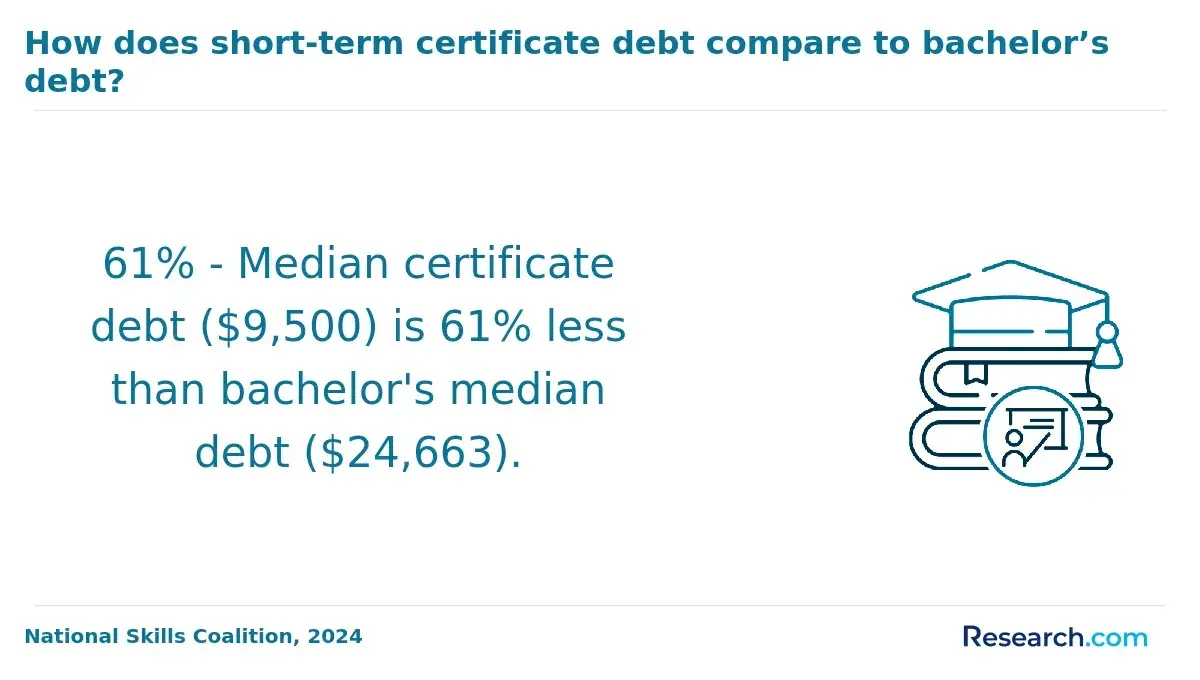
Adult students over 40 may qualify for several forms of financial aid when enrolling in online entertainment business bachelor’s programs. Nearly 85% of college students receive some form of financial aid, making it important to compare aid options before deciding that a program is unaffordable. Eligibility depends on factors such as income, enrollment status, school participation in aid programs, prior borrowing, state rules, employer policies, and scholarship criteria.
- Federal Pell Grant: This need-based grant can help eligible undergraduate students reduce tuition costs and does not require repayment. Eligibility is determined through the Free Application for Federal Student Aid (FAFSA) and depends on income and enrollment status.
- Federal student loans: Adult learners may be eligible for federal loans if the school participates in federal aid programs. Borrow only what you need, and compare repayment obligations carefully before enrolling.
- Workforce Innovation and Opportunity Act (WIOA): WIOA funding may help unemployed or underemployed adults pay for tuition and training-related expenses. Eligibility and benefits vary by state, and students should contact their local workforce agency for details.
- Jeannette Rankin Women's Scholarship Fund: This scholarship supports women aged 35 and older pursuing undergraduate study. It is not exclusive to entertainment business, but it may fit mature women returning to college while managing work and family responsibilities.
- Industry scholarships and grants: Some entertainment organizations, foundations, and schools offer awards for students pursuing media, arts, music, production, or entertainment business education. These may require a portfolio, essay, recommendation, or evidence of professional goals.
- Employer tuition assistance: Adults currently working in media, marketing, communications, events, entertainment, or adjacent fields should ask whether their employer offers tuition reimbursement for job-relevant coursework.
If affordability is the deciding factor and you are comparing business-related programs beyond entertainment, researching an online business degree with financial aid can help you benchmark tuition, aid options, and total cost before committing to a specialized entertainment business pathway.
Students considering future graduate study can also review how other online fields structure accelerated options. For instance, a 1 year master's in psychology online illustrates how online education may be designed for adult learners who need flexible and efficient degree formats.
Before applying, ask each school for a financial aid estimate, scholarship deadlines, satisfactory academic progress rules, and total borrowing limits. Adult learners should also check whether part-time enrollment affects grant eligibility, employer reimbursement, or loan disbursement.
Can your professional Entertainment Business certifications be converted into academic credit?
Many accredited colleges with online entertainment business bachelor’s programs allow adult learners to seek academic credit for professional certifications, workplace training, military training, or documented experience through Prior Learning Assessment (PLA). For adults over 40, this can be especially valuable because it recognizes learning that happened outside a traditional classroom.
Relevant certifications or training may include areas such as project management (PMP), digital media production, marketing analytics, entertainment law fundamentals, production coordination, event management, or rights management. Whether these credentials convert into credit depends on the institution’s PLA policy, the level of documentation provided, and whether the learning matches specific course outcomes in the degree plan.
The process usually involves submitting proof of certifications, training records, a portfolio, work samples, reflective essays, supervisor verification, or passing an exam that demonstrates college-level knowledge. Some schools charge PLA evaluation fees, so students should compare the cost of the assessment with the tuition savings from any credits awarded.
According to data from the Council for Adult and Experiential Learning (CAEL), 80% of U.S. institutions implement these policies, with students often saving six months or more on their education path. The best time to ask about PLA is before enrollment, not after you have already started taking courses that prior learning might have covered.
- Ask which certifications are commonly accepted: Schools may maintain internal equivalency lists or evaluation guidelines.
- Request the maximum PLA credit limit: Some institutions cap how many credits can be earned through prior learning.
- Verify whether PLA credits count toward the major: Some credits may apply only to electives, while others may satisfy core requirements.
- Keep documentation organized: Certificates, syllabi, training hours, project descriptions, and supervisor letters can strengthen your review.
How many previously earned college credits can you transfer into a Entertainment Business program?
Adult learners entering an online entertainment business bachelor’s program can often transfer previously earned college credits, commonly between 60 and 90 semester credits. This can substantially reduce the time and tuition required to finish the degree. However, transfer credit is never automatic. Each school reviews transcripts against its curriculum, accreditation rules, residency requirements, and minimum grade policies.
General education credits often remain usable for longer periods, especially in subjects such as writing, humanities, social science, math, and natural science. Entertainment business-specific courses may face stricter review if they were completed within the past five to seven years, because media platforms, rights practices, marketing methods, and digital distribution models change quickly.
To start the transfer process, students typically submit official transcripts from every college attended. Advisors or registrar staff then evaluate course equivalency and may request syllabi, catalog descriptions, or course outcomes. Research shows that more than 85% of adult students successfully bring credits into their bachelor’s programs, which makes transfer review one of the most important steps for students over 40.
Credit transfer can also shape which program is the best financial fit. A school with a slightly higher per-credit tuition rate may cost less overall if it accepts more of your prior coursework. Conversely, a lower-tuition program may become more expensive if it requires you to repeat credits.
- Get an official transfer evaluation before committing: Do not rely only on informal estimates.
- Ask about residency requirements: Many schools require a minimum number of credits to be completed through their institution.
- Clarify whether credits apply to the major or electives: Credits that only fill electives may not shorten your path as much as expected.
- Check expiration rules: Business, media, technology, and entertainment-related credits may be subject to recency limits.
Do you still need SAT or ACT scores for online Entertainment Business degree admissions at age 40?
Most adults over 40 applying to online entertainment business bachelor’s programs should not assume they need SAT or ACT scores. Many programs have moved toward test-optional admissions, especially for applicants with professional experience, prior college credits, military experience, or a long gap since high school. In these cases, schools often place more weight on transcripts, resumes, personal statements, recommendations, and evidence of readiness for online study.
That said, testing policies vary by institution. Some programs may request SAT or ACT scores if an applicant has no previous postsecondary coursework, has limited academic records, or is applying for competitive scholarships, honors tracks, or special admission pathways. In other cases, test scores may be optional and used only to strengthen an application or support placement decisions.
The practical step is simple: contact admissions before spending time or money on a test. Ask whether standardized scores are required for adult applicants, whether prior college credits waive the requirement, and whether alternative evidence can be used instead. Alternatives may include placement exams, writing samples, professional portfolios, prerequisite courses, or an admissions interview.
- If you have prior college credit: Your transcripts may matter more than old test scores.
- If you have no college credit: Ask whether the school offers placement testing or conditional admission.
- If you are seeking scholarships: Confirm whether test scores affect award eligibility.
- If you have been out of school for decades: Ask about adult learner admissions pathways designed for nontraditional students.
How can adult students evaluate which online Entertainment Business bachelor's degree to choose?
Adults over 40 should choose an online entertainment business bachelor’s degree by matching the program to a specific outcome: promotion, career change, entrepreneurship, industry entry, or credential completion. A good program should fit your schedule and budget, but it should also teach the business, legal, marketing, and management skills needed in today’s entertainment economy.
- Accreditation: Confirm that the institution is properly accredited and that the credential will be recognized by employers, graduate schools, and financial aid agencies.
- Curriculum relevance: Prioritize programs with courses in entertainment law, intellectual property, licensing, content production, digital distribution, audience engagement, marketing, finance, and project management.
- Flexibility and scheduling: Look for asynchronous classes, part-time enrollment, predictable course calendars, and policies that support adult learners with work and family obligations.
- Transfer and prior learning policies: Ask how many credits you can transfer and whether professional certifications or experience can be evaluated for credit.
- Career services: Strong programs should offer resume support, portfolio guidance, networking events, internship information, employer connections, or industry mentorship.
- Faculty and industry access: Review whether instructors have entertainment, media, arts, business, or production experience relevant to your goals.
- Technology and student support: Online learners need responsive technical help, library access, tutoring, advising, and a clear orientation to the learning platform.
- Total cost and aid: Compare tuition, fees, transfer-credit savings, financial aid, scholarships, employer reimbursement, and the cost of taking longer to complete the degree.
Avoid choosing a program based only on convenience. The easiest program to enter is not always the best program to complete, and the lowest advertised tuition may not be the lowest total cost. Ask for graduation requirements in writing, review sample course descriptions, speak with admissions and advising staff, and compare how each program supports adult students specifically.
Entertainment businesses increasingly rely on data to understand audiences, measure campaign performance, price experiences, and guide content decisions. Students who want to strengthen those skills may also explore complementary data science programs later in their education or professional development plans.
What Graduates Say About Their Online Entertainment Business Bachelor's Degree
- : "Choosing to pursue an online entertainment business bachelor's degree at 40 was a calculated decision driven by my desire to change careers without sacrificing my current job. The affordability of accredited programs made it possible to invest in my future without overwhelming financial stress. This degree has opened doors to new opportunities in media production that I never thought were attainable at this stage in life. — Nathanael"
- : "Reflecting on my journey, I realize the flexibility of an online entertainment business degree was essential for balancing family and school commitments. I appreciated how the program's cost structure was transparent and reasonable, allowing me to budget effectively. Professionally, this degree has equipped me with fresh industry knowledge that revitalized my passion and significantly boosted my standing in the industry. — Russell"
- : "Returning to school at 40 to earn a bachelor's in entertainment business wasn't easy, but the program's accreditation assured me of its credibility and value. The price was a major consideration, and I found that investing in a quality online degree was well worth the cost considering the career advancement I experienced. Today, I'm applying strategic insights from the coursework that have transformed how I approach entertainment projects and client relations. — Jose"
Other Things You Should Know About Entertainment Business Degrees
A bachelor's degree in entertainment business can open doors to various roles such as production management, talent management, marketing, and music or film promotion. Adults over 40 often bring valuable industry experience, which combined with a formal degree, enhances prospects for leadership or specialized roles within media companies, studios, and agencies. This degree also supports transitions into entrepreneurial ventures in entertainment.
Yes, many online entertainment business programs are designed with flexibility to accommodate the schedules of working adults. These programs often offer asynchronous courses, allowing students to study at their own pace, and provide options to take fewer courses per term. This flexibility helps adults balance work, family, and education responsibilities effectively.
Most programs require a laptop or desktop computer, reliable broadband internet, a current web browser, webcam, microphone, and access to Zoom or a learning management system such as Canvas or Blackboard. Some courses also require Microsoft Office or Google Workspace for file submission and group projects.
Adults over 40 can build a professional network through internships, virtual events, and discussion forums provided by online entertainment business programs. Schools often facilitate connections with industry professionals, alumni, and peers, which can help with career advancement and industry insight.
References
- Over 40 and Thinking of Career Growth? 6 Successful Online Students Show the Way https://www.onlinedegrees.com/degree360/student-focus/over-40-and-thinking-of-career-growth/
- Entertainment Business Bachelor's https://www.fullsail.edu/degrees/entertainment-business-bachelor-degree-program
- How a Business Degree Built for Adults Accelerates Career Momentum https://www.marian.edu/blog/2026/01/how-a-business-degree-built-for-adults-accelerates-career-momentum.php
- The Best Online Degrees for Working Adults [Complete Guide] https://beal.edu/best-online-degrees-for-working-adults/
- International Qualifications https://admissions.hkbu.edu.hk/admissions/international-qualifications.html
- 10 Reasons Why an Online Business Degree is Worth Pursuing https://lakewood.edu/online-business-degree-benefits/
- Business and Management of Entertainment | UCLA Extension https://www.uclaextension.edu/entertainment/film-tv/certificate/business-and-management-entertainment
- Entertainment Business – The Los Angeles Film School https://www.lafilm.edu/programs/entertainment-business-online/
- Study Entertainment Business: Associate, Bachelor's & Online Degree Info https://learningpath.org/articles/Study_Entertainment_Business_Associate_Bachelors_Online_Degree_Info.html





