2027 How Much Does a Healthcare Management Degree Program Cost? Tuition, Fees & Total Expense Breakdown

Co-Founder and Chief Data Scientist
Estimating the true cost of a healthcare management degree program can be challenging due to rising tuition and additional fees. Studies show that tuition for healthcare management programs has increased by an average of 4. 5% annually over the past five years. Many students overlook expenses like lab fees, textbooks, and technology costs, which add significantly to the total price.
This article breaks down tuition, mandatory fees, and other typical expenses, helping students budget realistically. Understanding these costs allows prospective healthcare management students to compare schools effectively and avoid surprises during their academic journey.
Key Benefits of Knowing the Healthcare Management Degree Program Cost in 2026
- Understanding the total cost of a healthcare management degree helps students plan finances effectively, avoiding unexpected debt beyond the $20,000-$50,000 typical tuition range.
- Knowing expense breakdowns including fees, books, and living costs aids in choosing affordable programs and securing accurate financial aid or scholarships.
- Detailed cost awareness supports career decision-making by correlating educational investment with industry salary averages near $70,000 annually, ensuring realistic return on investment.
What Expenses Are Included in the Full Cost of a Healthcare Management Degree?
Understanding the full cost of a healthcare management degree is crucial for accurate financial planning. Beyond tuition, several key expenses contribute to the total investment required to complete these programs.
- Tuition: The primary expense varies significantly by institution. Public universities typically charge around $10,000 annually for in-state students, whereas private schools may exceed $30,000 per year.
- Mandatory fees: These fees cover student services, technology access, and campus facilities, adding several hundred to thousands of dollars each semester to the overall cost.
- Books and supplies: Students need textbooks focused on business, healthcare law, and management practices. These materials can total between $1,200 and $1,800 per program.
- Technology requirements: A reliable laptop and sometimes specialized software are necessary for coursework, which can cost an additional $500 to $1,500 upfront.
- Clinical or lab fees: While less common in healthcare management than clinical degrees, some programs include practical simulations or case study labs with fees ranging from $200 to $600 per semester.
- Living expenses: For full-time students, room, board, transportation, and personal costs can add $13,000 to $19,000 yearly. Commuters may reduce housing costs but still incur daily expenses.
For those seeking flexibility, reviewing options for a masters degree online 1 year can be beneficial. Considering comprehensive expenses for healthcare management programs in financial planning ensures prospective students accurately estimate the total commitment required in their educational journey.
- Healthcare management degree full cost breakdown 2026
- Comprehensive expenses for healthcare management programs
What Is the Average Total Cost of a Healthcare Management Degree Program in 2026?
The average total cost of a healthcare management degree program in 2026 ranges from approximately $40,000 to $90,000. This total cost includes tuition, additional fees, course materials, and living expenses. Understanding these expenses is crucial for prospective students to accurately plan their academic journey and financial commitments.
Tuition is the largest expense, with public universities offering lower rates, typically between $20,000 and $40,000 for in-state students, while private institutions may charge between $60,000 and $90,000.
Factors influencing healthcare management degree program expenses in 2026 include the format of the program-online options can reduce commuting and housing costs-type of institution, and geographic location, with schools in the Northeast and West generally more expensive than those in the Midwest or South. Additional fees such as technology and residency can add $2,000 to $5,000 annually.
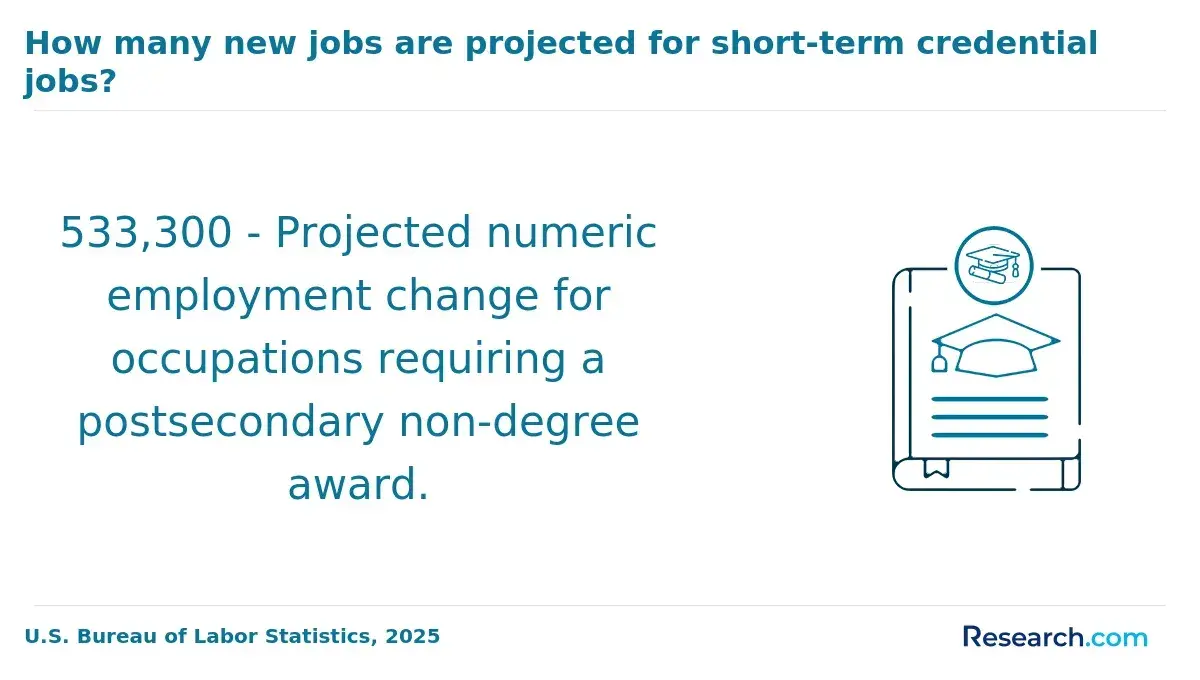
These figures reflect broader national trends in program variety and pricing strategies. For those considering affordable options or alternative career pathways, exploring fast certifications that pay well may also be beneficial.
What Mandatory Fees Do Schools Charge for a Healthcare Management Program in 2026?
Mandatory fees are additional charges separate from tuition that students in healthcare management programs must pay. These fees fund essential services and resources contributing to the quality and delivery of education. Understanding these mandatory fees for healthcare management programs 2026 helps prospective students anticipate the full cost of attendance. Below is an overview of common required fees across many U.S. institutions.
- Technology fees: Typically ranging from $100 to $400 per semester, these fees cover access to online learning platforms, software licenses, and necessary technology infrastructure, especially for hybrid or fully online healthcare management programs.
- Lab or clinical fees: Charged for immersive simulations or onsite clinical training components, these fees vary based on hands-on activities and generally range from $200 to $600 per term.
- Student services fees: Averaging $150 to $300 each semester, these fees support counseling, career services, health centers, and extracurricular activities to enhance student engagement and support.
- Assessment or testing fees: These fees, which typically fall between $50 and $150, cover costs of mandatory exams or certification preparation included in the program curriculum.
- Campus facilities fees: Charged annually, these fees maintain libraries, study areas, and recreational amenities, contributing several hundred dollars to yearly expenses.
Because the exact fee amounts vary widely by institution, students seeking healthcare management degree mandatory charges 2026 should carefully review school disclosures to understand total program costs. For those considering related fields, examining the highest paying masters degrees can also provide insight into investment returns and career prospects.
Breakdown of Private Fully Online Nonprofit Schools

Students pursuing a healthcare management degree in 2026 should anticipate additional fees beyond standard tuition and general university charges. These fees cover essential resources and activities to support practical learning and professional preparation. Common extra expenses include:
- Specialized lab fees: Charges ranging from $200 to $600 per semester maintain simulation labs and healthcare IT systems crucial for hands-on training.
- Program-specific software costs: Annual fees of $100 to $300 provide access to proprietary healthcare management and data analytics software required for coursework.
- Licensing and certification preparation fees: Some programs may require preparation for credentials like the Certified Healthcare Manager (CHM), with costs between $150 and $500 covering exam fees and study materials.
- Required equipment or supplies: Textbooks, tablets, or other necessary devices often total $300 to $700, ensuring students have proper learning tools.
- Fieldwork or practicum costs: Off-campus placements can involve travel, background checks, and insurance fees typically ranging from $100 to $400.
According to National Center for Education Statistics data, these additional fees typically increase healthcare management program costs by 10% to 15%, reflecting the specialized training involved in this field.
Accurately estimating supply and equipment expenses is essential for students to plan the full cost of a healthcare management program. These costs are generally lower than those in clinical healthcare fields due to fewer physical materials required.
Below is a summary of common supplies and tools needed for healthcare management studies:
- Textbooks and study materials: Core reading covers administrative and policy subjects, with annual costs typically ranging from $500 to $1,200 depending on course requirements.
- Specialized software: Programs often require data analysis or simulation tools such as SAS, Tableau, or electronic health record systems, costing between $50 and $300 each semester.
- Computing devices: A personal laptop or tablet capable of running required software usually involves a one-time expense of $600 to $1,000.
- Certification and workshop fees: Some curricula include optional or mandatory sessions on healthcare regulations or management skills, generally priced from $100 to $400.
Living, food, and travel expenses form a significant portion of the total cost for healthcare management students, with variations influenced by location and personal lifestyle choices. Urban centers usually come with higher costs compared to smaller towns, affecting monthly budgets noticeably. The following points highlight typical expense categories students face:
- Housing: Rent can range widely, from about $700 in smaller cities to upwards of $2,000 in major metropolitan areas, depending on whether students live on or off campus and the availability of subsidized housing.
- Utilities: Monthly costs for electricity, water, internet, and other services vary but should be included in housing budgets, often adding several hundred dollars.
- Groceries and Dining: Food expenses typically range between $250 and $450 monthly, covering groceries and occasional eating out; on-campus meal plans may cost more but offer convenience and predictability.
- Local Transportation: Commuting costs using public transit average $70 to $100 monthly, while driving expenses, including fuel and parking, can be substantially higher.
- Travel for Internships and Clinical Placements: Students frequently incur additional travel-related costs for off-site training or networking, which vary depending on distance and frequency.
When discussing these expenses with a healthcare management student, she reflected on the balancing act required throughout her program. She explained how she carefully compared apartment options, opting for a modest off-campus unit that eased financial pressure but necessitated a longer commute. Managing food costs meant relying on grocery shopping and cooking rather than meal plans, which she found both economical and healthier.
Travel for internships presented challenges, especially coordinating budgets around unpredictable transportation needs and occasional overnight stays. She mentioned, "It was stressful at times, juggling these costs while maintaining focus on coursework, but learning to budget effectively became a crucial skill." Ultimately, these experiences underscored the importance of planning and adaptability in managing the comprehensive expenses of a healthcare management degree.
Healthcare management programs often include internships or residencies as key components, though requirements and costs vary by institution and degree level. Bachelor's programs commonly require internships, while graduate-level offerings may provide optional residencies or capstone experiences focused on clinical administration.
These practical placements help students apply theoretical knowledge in real healthcare environments, enhancing their professional readiness. Whether mandatory or elective, such experiential components can affect the overall cost of the program, sometimes being part of tuition but occasionally leading to additional expenses.
Additional costs associated with internships or residencies can include travel, housing, background checks, health coverage, and liability insurance. Expenses may range from about $1,000 to $5,000 depending on the location and length of the placement. Students should request detailed information on potential fees early to budget appropriately.
Planning ahead for transportation and living arrangements can reduce financial strain, ensuring smoother completion of these vital hands-on training requirements within healthcare management education.
Most healthcare management programs permit students to switch between part-time and full-time enrollment, though this depends on each institution's policies. Typically, students must submit a formal request or fill out a change of enrollment form, often requiring approval from an academic advisor or program director. This process ensures the change fits the student's academic progress and degree requirements.
Before switching, students need to evaluate factors like their current academic standing, potential financial aid consequences, and whether the courses they need are offered in the preferred format or schedule.
Switching enrollment status may require students to be in good academic standing, as institutions might restrict changes for those on probation. Financial aid eligibility often depends on enrolled credit hours, so reducing or increasing course loads could affect scholarships, grants, or loans. Course availability may also limit options, possibly lengthening the program's duration. Advisors play a critical role in approving enrollment changes while helping manage impacts on graduation timelines.
When I spoke with a recent healthcare management graduate who had transitioned from part-time to full-time study, he emphasized the emotional and logistical challenges involved. "Switching to full-time was daunting at first because I had work commitments," he shared. "Submitting the formal request was straightforward, but coordinating with my advisor to adjust my course load took some effort." He found that moving to full-time accelerated his graduation and increased his immersion in the material. "It was stressful initially but ultimately rewarding to focus completely on school and finish sooner."
Choosing between part-time and full-time enrollment in healthcare management programs significantly impacts your financial planning and long-term budgeting. Analyzing these cost differences offers clarity for prospective students weighing program duration against immediate and cumulative expenses. Below is a detailed comparison of the two enrollment formats to clarify how tuition, fees, and other costs vary.
The following comparison addresses tuition rates, total program costs, mandatory fees, supplies, and additional living expenses for both part-time and full-time healthcare management degree study options.
Full-time Healthcare Management degree cost 2026
- Tuition per credit: Full-time students generally enroll in 12 to 18 credit hours per semester, with tuition rates ranging from $400 to $700 per credit hour, resulting in $4,800 to $12,600 per semester.
- Total program cost: Programs typically complete in two years or less, concentrating expenses in a shorter time frame and often reducing total costs compared to extended enrollment.
- Mandatory fees: Annual fees for library, technology, and student services may add $300 to $1,000, but these apply over fewer semesters than in part-time study.
- Supply and equipment expenses: Specialized software and course materials may add several hundred dollars, with concentrated upfront costs due to the accelerated pace of study.
- Living and travel expenses: While program length is shorter, full-time enrollment demands a focused financial commitment upfront, potentially reducing long-term living costs.
Part-time Healthcare Management tuition expenses 2026
- Tuition per credit: Part-time students usually take 6 to 9 credits per semester, with similar per-credit rates but spread across more semesters, often three years or more.
- Total program cost: Although the per-credit rate is the same, the elongated duration can increase cumulative tuition and mandatory fees.
- Mandatory fees: Fees accrue each term, extending the total financial obligation over more semesters and increasing overall cost.
- Supply and equipment expenses: Recurrent costs may accumulate over the longer study period, including software updates and materials.
- Living and travel expenses: Extended enrollment may increase living costs and travel expenses if physical campus attendance is required regularly.
For students seeking accelerated options, exploring 1 year doctoral programs online may provide alternative pathways to advance quickly in healthcare management fields.
What Graduates Say About the Cost of Their Healthcare Management Degree
- Bianca: "Pursuing a healthcare management degree was definitely an investment, with average costs around $40,000. Balancing work and studies to cover my living expenses was challenging but taught me valuable time-management skills. Ultimately, the degree has paid off through increased job opportunities and higher earning potential, making it worth every penny. "
- Zen: "While the upfront costs of pursuing a healthcare management degree were significant, I was able to manage living expenses by budgeting carefully and using scholarships. The learning experience itself was enriching, providing a solid foundation in both business and healthcare. In retrospect, the ROI has been impressive given the career growth I've achieved since graduating."
- Annette: "The cost of attending the healthcare management program was a major consideration for me, but through part-time work and careful planning of my living expenses, I made it work. The coursework was intensive but highly relevant, with skills that translated directly to career advancement. The return on investment is clear as my salary now reflects the specialized knowledge I gained."
Other Things You Should Know About Healthcare Management Degrees
Housing and living expenses are generally not included in tuition and fees but are significant components of the total cost of a healthcare management degree in 2027. These costs vary based on location, lifestyle choices, and whether a student lives on-campus or off-campus.
In 2027, enrollment choices in public institutions tend to cost less than private ones for healthcare management programs. Public schools often have lower tuition, especially for in-state students, while private institutions may offer more scholarships that could offset higher tuition fees.
Healthcare management students in 2027 can apply for federal financial aid such as Pell Grants and Direct Subsidized Loans. Additionally, scholarships specific to healthcare management, along with assistantships and work-study programs, can offset costs, reducing the financial burden of tuition and fees.
The program length for a healthcare management degree, often ranging from two to four years, affects total costs due to tuition per credit hour. Accelerated programs may cost less but require a more intensive study pace, impacting overall expenses.
- Hidden Costs of Studying Abroad: What Every Student Should Know https://gradright.com/hidden-costs-of-studying-abroad-what-every-student-should-know/
- Healthcare Management Program | Bachelor of Science Degree https://www.methodistcollege.edu/health-professions/bachelor-degree/healthcare-management
- Cost of Master of Healthcare Administration Degree Program - Seton Hall University https://www.shu.edu/interprofessional-health-sciences-administration/cost-master-healthcare-administration-degree-program.html
- Online MHA Programs Ranked by Affordability (2025) https://www.mhaonline.com/blog/affordable-online-mha-programs-ranked
- Health Administration Current Students https://business.ucdenver.edu/centers/health-administration/health-administration-current-students
- Living costs https://www.reading.ac.uk/ready-to-study/study/fees-and-funding/fees-and-funding-ug/living-costs
- Healthcare Management (Business Management BA Degree Completion) https://www.regiscollege.edu/academics/majors-and-programs/business-management-ba-degree-completion/healthcare-management
- Health Care Administration Management https://www.fanshawec.ca/programs/hct1b-health-care-administration-management/international/fees/current
- Healthcare Management | St. Catherine University https://www.stkate.edu/academics/academic-programs/cfa-healthcare-management
- Administrative Internship Program (Florida) - Non-Clinical Education - Mayo Clinic College of Medicine & Science https://college.mayo.edu/academics/non-clinical-education/administrative-internship-program-florida/