2027 Healthcare Management Degrees Explained: Are They Classified as Professional Degrees?

Co-Founder and Chief Data Scientist
Many prospective students mistakenly believe healthcare management degrees are universally recognized as professional degrees, leading to confusion about licensure and career prospects. In reality, only about 35% of healthcare management programs in the U. S. meet criteria associated with professional-level accreditation. Meanwhile, employment in healthcare administration is projected to grow 28% by 2031, emphasizing demand for qualified professionals.
This article clarifies whether healthcare management degrees qualify as professional degrees, explores program structures, accreditation differences, costs, and career outcomes to guide informed decisions on education and professional advancement in this evolving field.
Key Benefits of Professional Healthcare Management Degrees
- Healthcare management degrees classified as professional degrees enhance career advancement by equipping graduates with leadership skills sought after in complex healthcare environments.
- These degrees offer a strong return on investment, with graduates typically earning 20-30% more than those without advanced qualifications in healthcare administration.
- Holding a professional healthcare management degree often qualifies individuals for regulated roles or executive positions, ensuring long-term job stability amid evolving industry standards.
What Is Considered a Professional Healthcare Management Degree?
Choosing the right healthcare management degree matters for students focused on licensure and career advancement. Recognizing the professional healthcare management degree definition helps in picking programs that emphasize practical skills and industry credentials.
A common myth-versus-fact approach clarifies what truly distinguishes these degrees.
Degree Purpose
- Myth: All healthcare management degrees automatically lead to licensure or certification.
- Fact: Only professional healthcare management degrees intentionally prepare students with applied skills and credential-based outcomes aligned with licensure requirements.
Program Focus
- Myth: These degrees focus primarily on theory without practical applications.
- Fact: They emphasize applied management training specific to healthcare settings, enhancing employability and readiness for certification exams.
Credential Preparation
- Myth: Certification preparation is not a standard part of healthcare management education.
- Fact: Many professional programs integrate preparation for recognized certifications like Certified Healthcare Manager (CHM) or Fellow of the American College of Healthcare Executives (FACHE).
Prospective students should carefully evaluate program criteria for professional healthcare management programs to ensure alignment with career goals and licensure pathways. For those considering advanced healthcare fields, exploring DNP programs can provide additional insights into professional healthcare education options.
Who Should Pursue a Professional Healthcare Management Degree?
Identifying the right candidates for professional healthcare management degrees is crucial for students seeking career-focused, practice-oriented education that prepares them for licensure and real-world clinical environments.
Value for Early Professionals
- Myth: A professional healthcare management degree is only beneficial for recent graduates.
- Fact: While early-career professionals often gain substantial value from these degrees, individuals seeking licensure or specialized roles in regulated healthcare fields also benefit significantly. These programs provide practice-oriented education integrating leadership, compliance, and operational skills essential to the healthcare sector.
Career Changers
- Myth: Career changers won't find a professional healthcare management degree useful.
- Fact: Many career changers pursue healthcare management degrees to enter a fast-growing industry with diverse administrative and management roles. Enrollment in healthcare management programs has increased by over 15% in recent years, reflecting rising demand for skilled professionals.
Identifying the best candidates for healthcare management degrees is critical for students to select programs aligned with their career goals, accreditation standards, and licensure pathways to ensure a practical and efficient educational investment. Understanding healthcare management degree career paths helps focus studies on areas with strong licensing potential and industry need.
For those interested in advanced nursing pathways that overlap with healthcare management, exploring the easiest online DNP programs may offer accessible options integrating clinical and administrative expertise.
What Are the Most Common Professional Healthcare Management Degree Programs?
Knowing the different types of professional healthcare management programs is essential for students to select one that matches their career objectives. This clarity ensures alignment with their desired skills and industry demands.
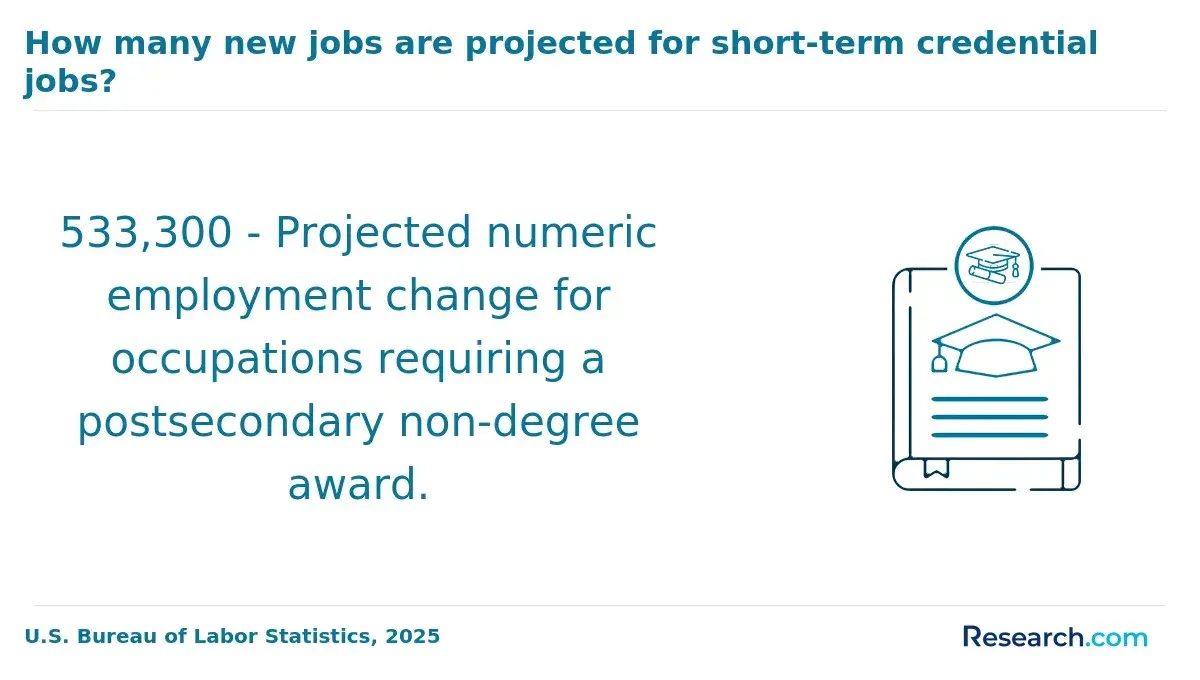
Enrollment in graduate healthcare management programs has grown by approximately 15% over the last five years, reflecting increasing interest in the field.
Common options include:
- Master of Health Administration (MHA): This specialized degree targets healthcare systems management, emphasizing policy, finance, and leadership in clinical and organizational settings. Its comprehensive curriculum prepares students for advanced administrative roles amid complex regulatory environments.
- Master of Business Administration (MBA) with healthcare focus: Combining core business principles with healthcare-specific courses, this program develops versatile managers capable of handling both operational and strategic healthcare challenges.
- Bachelor of Science in healthcare management: Designed for those entering early into healthcare administration, this undergraduate degree offers foundational knowledge of healthcare operations and management practices.
Accreditation is a critical factor for students considering professional healthcare management degree programs because it validates the quality and legitimacy of their education. Studies show that over 80% of students prefer enrolling in accredited programs, highlighting the value placed on recognized oversight.
Given this, it's important to separate common myths from facts about accreditation.
Accreditation Types
- Myth: All healthcare management degrees labeled professional are automatically accredited by the same entities.
- Fact: Accreditation differs at institutional and programmatic levels; institutional accreditation evaluates the entire college or university, while programmatic accreditation focuses on healthcare management programs meeting specific industry standards such as those recognized by key healthcare management degree accreditation bodies.
Licensure & Career
- Myth: Accreditation has no impact on licensure, financial aid, or employment opportunities.
- Fact: Accreditation is essential because many employers, licensing boards, and financial aid programs require degrees from accredited institutions. Lack of proper accreditation can limit career advancement and access to crucial funding.
Credible Accrediting
- Myth: Any accrediting body reviewing educational programs is sufficient for healthcare management degrees.
- Fact: Only recognized organizations such as regional accreditors and specialized agencies endorsed by the U.S. Department of Education or the Council for Higher Education Accreditation provide credible accreditation. These accrediting organizations for professional healthcare programs assure rigorous academic and industry-specific standards.
For prospective students seeking a trustworthy path, exploring options for a healthcare management degree online is advisable as many accredited programs now offer flexible, accelerated formats.
Prospective students benefit from knowing admission requirements for professional healthcare management degrees to better align their qualifications and prepare for the application process. With application numbers rising about 8% annually, understanding these criteria helps gauge competitiveness and readiness.
Below are key components frequently required.
- Bachelor's Degree: Most programs require a completed undergraduate degree from an accredited institution, often favoring fields like healthcare, business, or public administration. This ensures candidates possess foundational knowledge relevant to healthcare management.
- Minimum GPA: A standard minimum GPA around 3.0 is commonly expected, signaling reliable academic performance and the ability to meet program demands.
- Standardized Tests: Some programs request GRE scores, although many are shifting toward holistic admissions that consider a broader range of qualifications and experiences.
- Letters of Recommendation and Statement of Purpose: These documents are essential for admissions committees to evaluate motivation, leadership potential, and alignment with career objectives.
- Relevant Experience: Practical exposure in healthcare or management strengthens applications by demonstrating industry insight and readiness for graduate-level study.
- Prerequisite Coursework: Courses in statistics, economics, or healthcare systems may be required to ensure applicants have necessary academic groundwork.
A graduate I spoke with described navigating the admission process as both rigorous and rewarding. "Preparing my statement of purpose was daunting since I needed to clearly articulate why healthcare management was the right path for me," he recalled.
The recommendation letters required careful selection of mentors who truly understood his career ambitions. He emphasized that the experience helped refine his professional goals and confirmed his commitment to leadership roles in healthcare.
Prospective students should carefully examine the curriculum and practical components of healthcare management programs, as these aspects critically influence career readiness and licensure potential. A clear grasp of course content and hands-on training helps determine how well a program prepares graduates for leadership roles in the healthcare industry.
The following outlines common coursework and practical training requirements in professional healthcare management degrees, highlighting their importance for career advancement and skill development.
- Core Coursework: Courses typically cover healthcare policy, health economics, organizational behavior, healthcare law and ethics, and financial management. These subjects develop essential analytical and administrative skills necessary for managing complex healthcare systems.
- Data Analytics and Health Information Systems: Classes emphasize interpreting health data and managing technological tools, empowering students to improve healthcare delivery through informed decision-making and quality improvement initiatives.
- Practical Training Opportunities: Most programs require internships, residencies, or practicum placements within healthcare organizations. These hands-on experiences allow students to apply theoretical knowledge to real-world challenges like budgeting, staff management, and patient care enhancement.
- Strategic and Operational Skills Development: Practical training fosters competencies in strategic decision-making, effective communication, and operational management, all critical for succeeding in healthcare administration roles.
- Regulatory and Compliance Education: Courses and practical experiences ensure familiarity with healthcare laws and regulations, preparing graduates to navigate legal requirements and ethical standards within clinical and corporate settings.
Engaging in programs that integrate professional healthcare management courses and training requirements not only increases the likelihood of credential recognition but also enhances long-term earning potential. For those exploring affordable accredited healthcare administration degrees, reviewing program structure and practical elements is a vital step toward informed decision-making.
More information is available for prospective students interested in affordable accredited healthcare administration degrees to assess available options and costs.
Understanding the cost of professional healthcare management degrees is essential for prospective students evaluating educational options, as these expenses influence long-term financial planning and career decisions. On average, tuition alone for healthcare management degree programs in the U.S. is about $35,000, with total program costs often ranging between $20,000 and over $60,000.
Several factors contribute to the overall cost, which should be carefully considered alongside tuition and fees.
- Tuition and fees: This forms the largest portion of the total cost and varies significantly based on whether a program is delivered online or in-person and whether the institution is public or private. Programs with hybrid or fully online options may offer different tuition structures.
- Books and materials: Required textbooks, access to digital resources, and software fees can add several hundred to over a thousand dollars each year. These costs depend on course requirements and often fluctuate between programs.
- Technology fees: Particularly for online healthcare management programs, students may pay additional fees to support online learning platforms, streaming, and technical support services. These charges can impact the affordability of remote study.
- Living expenses: For students attending in-person programs, expenses like housing, transportation, and meal costs vary widely by geographic location, sometimes increasing the total commitment substantially.
Prospective students should assess the average cost of professional healthcare management degrees by factoring in these expenses carefully. Evaluating healthcare management degree tuition and fees alongside living and material costs helps clarify the full financial picture before enrollment.
For those interested in alternatives, examining cheapest DNP programs online can provide insight into cost-effective educational pathways in the healthcare field.
Financial aid eligibility is a significant concern for many considering professional healthcare management programs due to their cost and varied accreditation. Over 60% of graduate students in healthcare fields utilize some form of financial aid, highlighting its widespread availability.
Common misconceptions about financial aid for these programs can cause confusion. Below is a clarification using myth-versus-fact points.
Loan Eligibility
- Myth: Professional healthcare management degrees are purely vocational and don't qualify for federal financial aid.
- Fact: Accredited programs often qualify for federal loans such as Direct Unsubsidized Loans and Graduate PLUS Loans, which support graduate-level study.
Scholarships and Reimbursement
- Myth: There are few or no scholarships available for healthcare management students.
- Fact: Many institutions, professional organizations, and employers offer scholarships or tuition reimbursement to support students in these fields.
Loan Forgiveness
- Myth: Financial aid benefits don't extend to healthcare management graduates working in public service.
- Fact: Graduates employed in qualifying healthcare roles may access public service loan forgiveness programs that reduce debt burden.
When asked about her experience, a healthcare management graduate shared that navigating financial aid felt initially overwhelming due to mixed messages online. She recalled, "I had to contact financial aid offices multiple times and carefully research loan types before realizing how many options were truly available."
Furthermore, employer tuition assistance became a crucial recourse, which she described as "a relief that made continuing the program feasible." Her story reflects how diligence and resourcefulness in managing aid contribute to successfully financing such degrees.
Knowing the exact educational requirements for healthcare management careers helps students select programs that fit their professional goals and licensure needs. Below are some common misconceptions clarified through myths and facts.
Degree Necessity
- Myth: A professional healthcare management degree is mandatory for all healthcare management jobs.
- Fact: While beneficial, such a degree isn't required for every role, as licensure and certification depend on job type and state laws.
Licensure Requirements
- Myth: Healthcare administrators must have licensure credentials.
- Fact: Most healthcare administrators do not need licensure, though clinical and specialized roles often do.
Specialized Certifications
- Myth: General healthcare management degrees cover all necessary qualifications for specialized positions.
- Fact: Certain jobs, like clinical managers or compliance officers, often require additional certifications beyond a general degree.
Career Eligibility
- Myth: Any degree or experience suffices for leadership positions in healthcare management.
- Fact: Employers frequently prefer candidates with accredited professional degrees for regulated or high-responsibility roles.
Evaluating the financial return of a professional healthcare management degree is essential for students deciding on further education. Understanding how such degrees affect salaries and career opportunities helps justify the investment of time and money involved.
Below are common misconceptions compared with facts about the salary impact of these degrees.
Salary impact
- Myth: Earning a professional healthcare management degree does not greatly increase salary prospects.
- Fact: Degree holders often experience higher compensation than those with only bachelor's or non-professional qualifications, gaining workplace advantages through specialized expertise.
Promotion guarantee
- Myth: Possessing a professional degree ensures immediate placement in top executive positions.
- Fact: While the degree boosts chances for senior roles, career advancement depends on experience, organizational fit, and additional skills; however, it enhances competitiveness for better-paying jobs.
Skills and growth
- Myth: Only technical abilities determine salary increases in healthcare management.
- Fact: These programs cultivate leadership, strategic planning, and financial management skills vital to advancing beyond technical roles into higher-paying administrative positions.
Investment return
- Myth: The costs of professional healthcare management education are not offset by salary growth.
- Fact: Over the long term, higher salaries and career progression related to the degree typically recoup educational expenses, representing a sound investment.
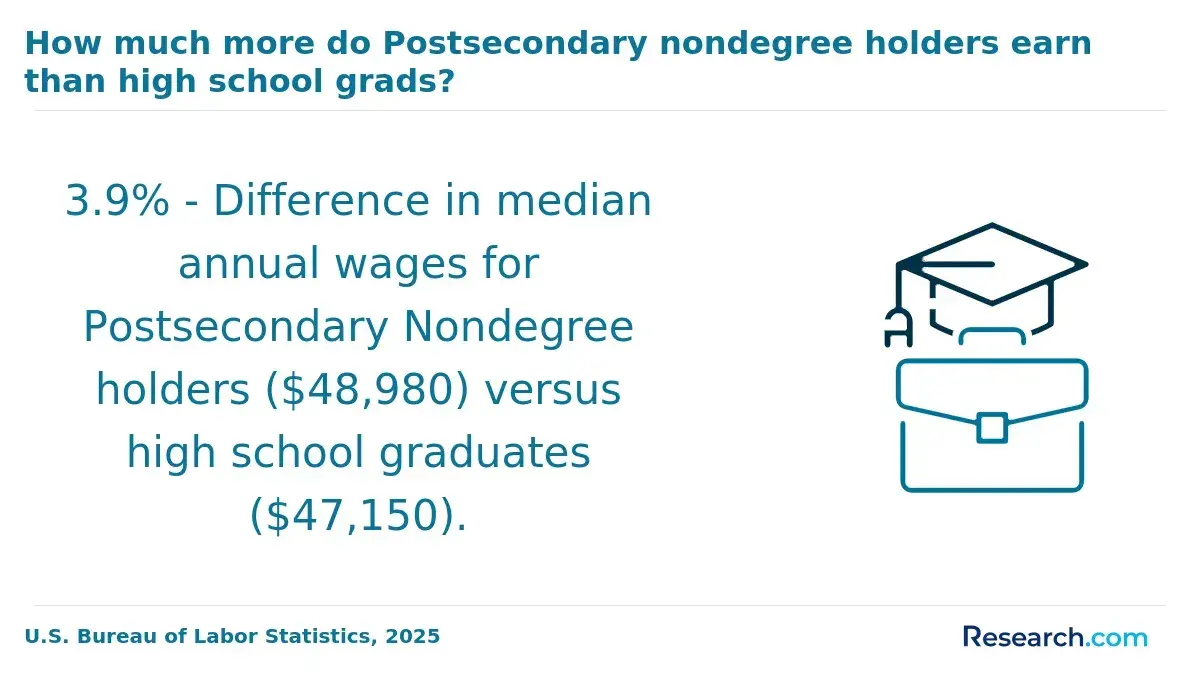
Supports higher average wages compared to non-degree credentials. Enhances eligibility for advancement into leadership roles. Equips graduates with skills for increased responsibility and pay. Delivers positive financial returns despite initial tuition costs.
What Graduates Say About Their Professional Healthcare Management Degree
- Leah: "The flexibility of the professional healthcare management degree program allowed me to balance work and study seamlessly. Knowing that the average cost of attendance was manageable made my decision easier, and now I confidently lead teams in a fast-paced healthcare setting. This program truly transformed my career trajectory. "
- Dorothy: "Choosing to pursue a professional healthcare management degree was a thoughtful decision fueled by my desire to make a deeper impact in the healthcare field. The program's adaptable schedule suited my busy life, and the investment aligned well with the average tuition costs. Reflecting back, this degree opened doors to leadership roles I once thought unreachable. "
- Vincent: "As someone who values efficiency and professionalism, the online format of the healthcare management degree provided the ideal solution for my continuing education needs. The cost was reasonable when compared to other options, and the knowledge I gained has been instrumental in advancing my career in hospital administration. This degree equipped me with the skills necessary to excel in today's evolving healthcare industry. "
Other Things You Should Know About Healthcare Management Degrees
A healthcare management degree should come from an institution accredited by a U.S. Department of Education-recognized agency, such as ACBSP, IACBE, or regional accreditors like SACSCOC or HLC. Programmatic accreditation is less common for this field, so institutional accreditation is the key credential employers and graduate schools check.
Most professional healthcare management degrees incorporate internships or practicum components to give students hands-on experience in healthcare settings. These requirements help students apply theoretical knowledge to real-world situations, develop leadership skills, and build professional networks. The specific length and nature of experiential placements vary by program.
Yes, professional healthcare management degrees are widely recognized and valued by employers in hospitals, clinics, insurance companies, and public health organizations. Graduates with these degrees are often preferred for managerial and administrative roles due to their specialized knowledge of healthcare systems and policies. Recognition depends partly on the degree's accreditation and the institution awarding it.
- MS in Healthcare Management Admission Requirements | MSU Online https://www.michiganstateuniversityonline.com/programs/degrees/ms-healthcare-management/admissions-requirements/
- Common Misconceptions About Healthcare Management Certification https://apaana.com/blogs/misconceptions-about-healthcare-management-certification/
- 6 Key Benefits of a Masters in Health Care Management | UNF https://www.unfc.ca/blog/6-benefits-of-a-masters-in-health-care-management
- Health Care Management Degrees: How to Pick the One For You https://www.coursera.org/articles/healthcare-management-degree
- Why outrage is erupting over Trump plan to exclude nursing from ‘professional’ designation https://www.latimes.com/california/story/2025-11-26/trump-plan-exclude-nursing-professional-degree-list-outrage
- Five Key Courses in Healthcare Management Degree Programs - Healthcare Management Degree Guide https://www.healthcare-management-degree.net/list-articles/five-key-courses-in-healthcare-management-degree-programs/
- Breaking the Myths Around Careers in Healthcare Management https://sushantuniversity.edu.in/blog/breaking-the-myths-around-careers-in-healthcare-management/
- The Top Benefits of Getting a Degree in Healthcare Management from Parker University - Parker University https://www.parker.edu/the-top-benefits-of-getting-a-degree-in-healthcare-management/