2027 Can You Study Nurse Educator Master's Programs Part-Time? Options & Duration

Co-Founder and Chief Data Scientist
Evaluating part-time nurse educator master's programs involves more than confirming their availability; it requires understanding their structural design and the trade-offs embedded within. Variations across institutions affect program length, course order, practicum timing, and cohort dynamics, all influencing academic pacing and professional integration. For many students, juggling employer expectations, licensure stipulations, and family demands means assessing how these elements impact workload management and graduation eligibility. Given evolving graduate education models, part-time pathways may extend completion timelines or alter access to student support. This analysis clarifies essential considerations for those weighing program options against real-world constraints and career trajectories.
Key Benefits of Studying Nurse Educator Master's Programs Part-Time
- Part-time nurse educator master's programs extend completion time by up to 50%, requiring sustained balancing of coursework and professional duties, which may delay entry into advanced roles but supports sustained workforce participation.
- Employers increasingly value practical teaching experience aligned with part-time study, reflecting a trend where workforce readiness often outweighs accelerated graduation, influencing hiring and promotion within academic nursing.
- Online part-time enrollment broadens access for working nurses, yet escalating tuition costs per credit hour-reported rising 4% annually as of 2024-can affect total investment, necessitating careful financial planning over extended timelines.
Can You Study a Nurse Educator Master's Program Part-Time?
Part-time study in a nurse educator master's program tends to be most viable when the program's structure accommodates flexible course sequencing and limits intensive simultaneous coursework or clinical obligations. The feasibility of enrolling part-time heavily depends on the balance between academic demands and outside responsibilities, such as employment or family care. Programs with heavy project-based coursework, clinical hours, or mandatory internships often limit part-time options due to rigid scheduling or required hands-on experience. As part-time nurse educator master's degree programs duration generally extends beyond full-time timelines, students must carefully review program policies and plan for the potential impact of asynchronous versus in-person class formats on their ability to maintain steady progress.
The tradeoffs of choosing part-time enrollment go beyond mere flexibility, affecting factors like time-to-completion, pace of skill acquisition, and career progression. Extending a master's degree over three to four years rather than two can shrink opportunities for networking and real-time engagement with evolving educational methodologies or healthcare trends. Employers may value the demonstrated time management skills part-time students develop, but slower completion might delay eligibility for educator certification or leadership roles, complicating career advancement. This slower trajectory should be weighed against dynamic industry conditions where prolonged study may risk skill obsolescence or missed employment openings, underscoring that increased scheduling flexibility is not an automatic advantage.
Working professionals balancing full workloads and personal commitments often find part-time study aligns better with their realities, allowing learning to be integrated with ongoing clinical or educational responsibilities. Conversely, career changers or those without substantial external demands may benefit more from full-time enrollment to accelerate entry into nurse educator positions. The decision rests on assessing how well a part-time path supports individual career timing and whether spreading coursework over additional years serves long-term goals, especially considering a growing share of graduate nursing students pursue part-time study amid increasing demand across healthcare systems. For those exploring timing options or alternatives in advanced nursing education, exploring programs like the 1 year DNP program online may offer additional pathways with different structural tradeoffs.
How Long Does It Take to Complete a Part-Time Nurse Educator Master's Degree?
Part-time nurse educator master's programs generally span three to five years, a notable extension beyond the typical two-year full-time trajectory. This range is not fixed; actual completion times vary considerably depending on a student's course load each semester and the program's structural flexibility. Enrollment intensity plays a critical role-students taking fewer credits per term for work-life balance will extend their timeline, while those able to accelerate their pace may finish sooner. Recent workforce education trends from 2024 indicate that nearly 60% of students in these programs hold full-time jobs concurrently, underlining how professional commitments shape program duration.
The timeline can also be influenced by factors such as course sequencing, availability of prerequisite or bridge classes, and practicum or clinical obligations that may not align with every student's schedule. Programs with asynchronous online options provide some scheduling relief but may still require coordination for clinical placements, potentially delaying progress if rescheduling is needed. Students balancing caregiving or irregular work shifts often face fragmented study periods, which contribute to extended completion times. Additionally, institutions with rolling admissions or delayed access to certain core courses can further complicate timely progression.
Longer study durations present distinct strategic tradeoffs. While extended timelines may postpone the financial and professional gains of an advanced credential, they enable simultaneous accumulation of practical experience valued by many employers. However, prolonged programs risk challenges in maintaining skill currency and require careful financial and time management planning to prevent burnout. Prospective students should weigh the advantage of flexibility against potential delays in career advancement when mapping their educational decisions.
A candidate applying to a part-time nurse educator program described navigating a protracted admissions cycle marked by rolling deadlines and prerequisite verification. Initially hesitant due to uncertainties about course start dates and whether their current employer's schedule would accommodate clinical hours, they delayed submitting application materials until the final availability window. This cautious timing introduced a wait of several months before enrollment, prompting reconsideration of part-time pacing versus full-time entry. The experience highlighted the importance of early preparation and clarifying program-specific timelines to align educational goals with personal and professional obligations.
How Are Part-Time Nurse Educator Master's Courses Structured?
Part-time nurse educator master's programs are intentionally designed to balance the need for professional flexibility with sustained academic rigor, though structures vary significantly by institution. These design decisions directly shape how students manage workload, engage with peers and faculty, and integrate learning with ongoing career demands.
- Extended Program Duration: Part-time formats typically stretch over three to five years, allowing reduced course loads per semester. This pacing helps working professionals balance study with employment but often delays full program completion, which can impact career advancement timing and financial outlays.
- Hybrid Delivery Models: Many programs use a blend of asynchronous online content and scheduled synchronous sessions such as live seminars or practicum supervision. This mix offers flexibility for learners to access materials on their own time while preserving critical real-time interaction needed for practical skill development and peer collaboration.
- Modular Coursework with Applied Focus: Courses emphasize curriculum design, assessment, and education technology integration to build directly relevant competencies. Modular structures let students digest material incrementally, supporting retention and application but requiring ongoing motivation to prevent fragmentation of learning.
- Practicum and Clinical Teaching Requirements: Even in part-time formats, students must complete hands-on teaching practicums that demand fixed scheduling. These commitments create real-world exposure crucial for competency but can limit flexibility and increase workload unpredictability.
- Academic and Professional Demands: Students juggle rigorous research assignments alongside their coursework and practicums. Employers value candidates who sustain consistent progress, meaning self-discipline and time management are essential in navigating this multi-faceted load.
According to a 2024 report from the American Association of Colleges of Nursing, about 60% of master's nursing students choose part-time enrollment, reflecting the growing reliance on flexible designs despite the inherent tradeoffs these pathways impose on duration and intensity.
Can Students Work Full-Time While Earning a Part-Time Nurse Educator Master's Degree?
Balancing full-time work while pursuing a part-time nurse educator master's degree is attainable under specific conditions, particularly when programs offer asynchronous learning and predictable course schedules. These formats allow students to tailor study hours around demanding jobs, making it easier to plan ahead and reduce conflicts with work commitments. Prior healthcare experience can also ease the learning curve, enabling students to integrate academic content with existing professional knowledge. According to the National Center for Education Statistics in 2024, nearly 40% of part-time graduate students work full-time, demonstrating a significant cohort navigating this balance in the United States.
Despite feasibility, tradeoffs become evident when juggling rigorous job responsibilities alongside academic demands. Cognitive overload and increased stress may result from overlapping deadlines or clinical practicum requirements, while prolonged degree timelines can delay advancement into advanced roles. Networking opportunities may diminish as time constraints limit engagement with peers and faculty, impacting long-term professional growth. Without employer flexibility or strategic workload management, full-time work risks undermining both academic performance and well-being, illustrating the challenges that students face when balancing work and study in part-time nurse educator master's programs. Those considering this path should also analyze related career factors such as medical coder salary expectations to assess financial viability during extended studies.
Which Universities Offer the Best Part-Time Nurse Educator Master's Programs?
Selecting a part-time nurse educator master's program is a strategic choice shaping employability, salary potential, and career flexibility. The "best" program depends heavily on individual circumstances such as current career stage, work-life balance needs, and desired specialization, rather than generic prestige or cost alone.
- Curriculum Relevance and Depth: Programs integrating adult learning theories, curriculum design, and leadership skills better prepare students for evolving educator roles. Depth in practical pedagogy correlates with greater employer recognition and readiness for academic or clinical teaching challenges.
- Faculty Expertise and Industry Engagement: Active faculty involvement in clinical practice or nursing education research ensures content stays current and applicable. Such engagement facilitates networking opportunities and mentorship, which can ease job placement post-graduation.
- Flexible Pacing and Online Accessibility: Offering asynchronous modules and self-paced coursework accommodates working professionals managing family and employment demands. This flexibility reduces dropout rates and helps maintain steady progress toward degree completion.
- Practicum Alignment and Clinical Partnerships: Programs with clear, local practicum arrangements provide essential hands-on teaching experience, enhancing skill application and graduate confidence. Aligning practicums with healthcare facilities familiar to students improves practical readiness and employer familiarity.
- Accreditation and Credentialing Standards: Regional and national accreditation ensures programs meet licensure and employment criteria, affecting eligibility for certifications and institutional hiring preferences. Accreditation thus functions as a quality baseline safeguarding educational investment.
- Graduate Outcomes and Employer Networks: Programs with transparent job placement rates and strong connections to healthcare and academic institutions typically yield smoother career transitions, higher starting salaries, and better role fit.
A graduate who navigated part-time nurse educator studies recalled the admissions phase as fraught with uncertainty. Applying during a rolling admissions cycle, they hesitated to commit before fully reviewing practicum options and scheduling demands. This delay nearly risked missing key application deadlines. Only after speaking directly with faculty about balancing work and practicum duties did they secure a spot, highlighting how timely, program-specific information can critically influence decision-making under tight professional timelines.
How Much Does a Part-Time Nurse Educator Master's Degree Cost?
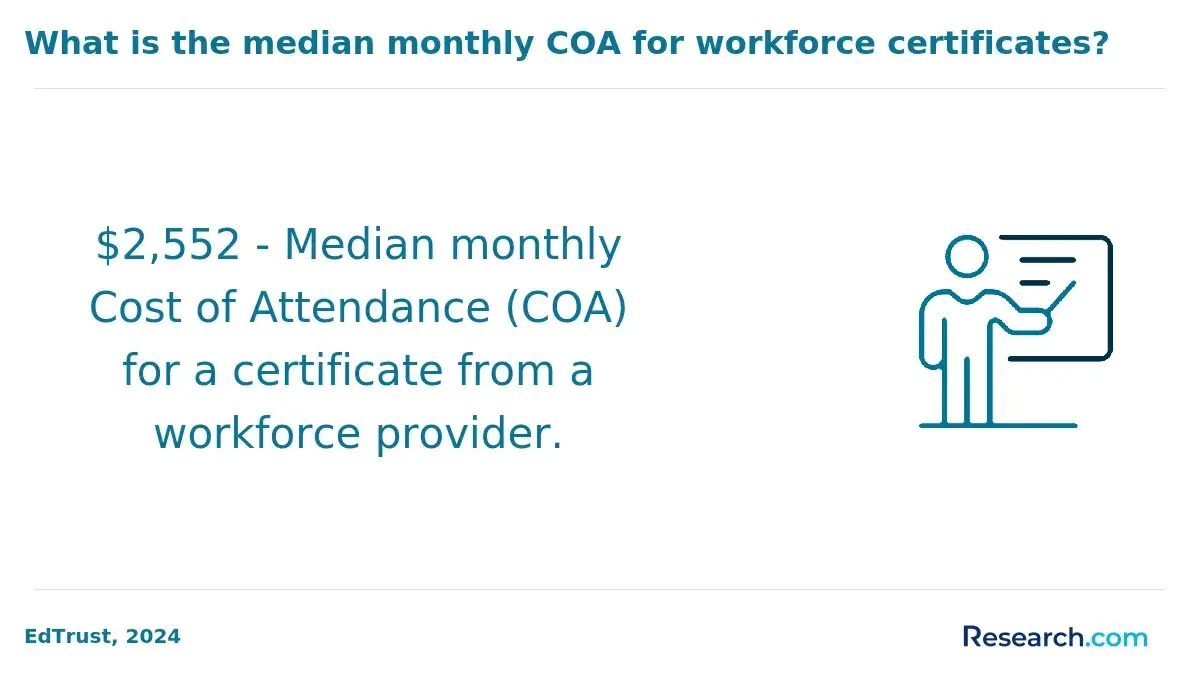
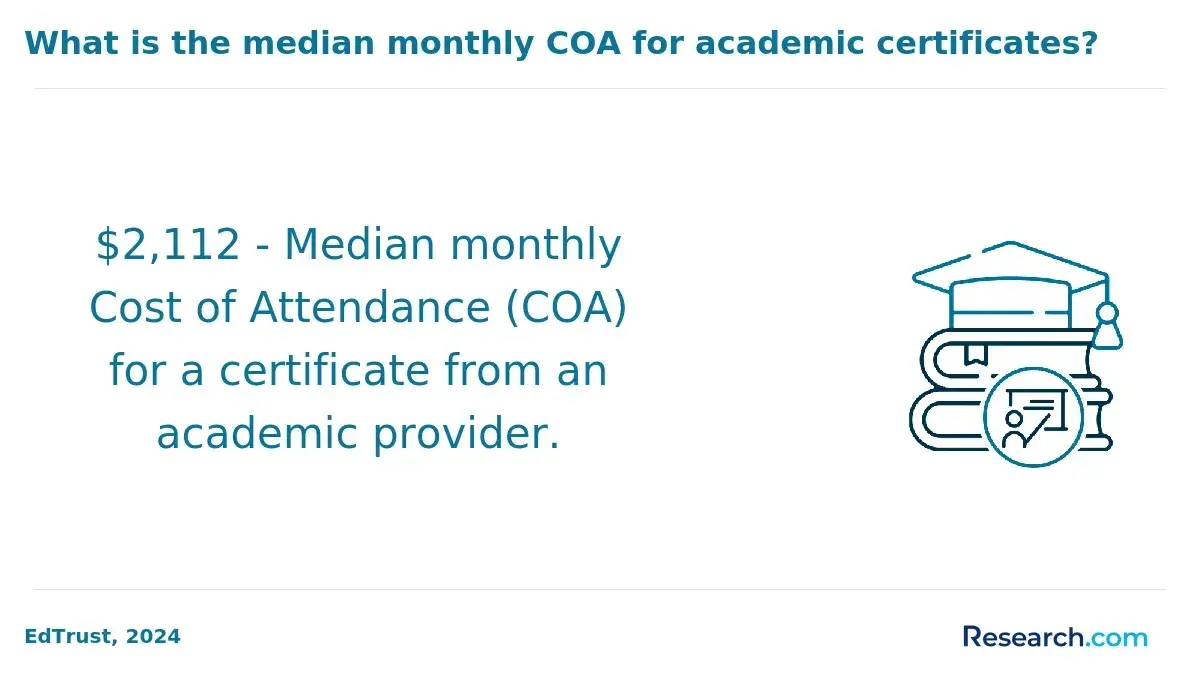
Tuition for part-time nurse educator master's programs typically ranges between $500 and $1,500 per credit hour, according to data compiled by the U.S. National Center for Education Statistics and university financial disclosures. Public institutions often offer lower rates for in-state students, generally between $500 and $900 per credit, while private schools or out-of-state fees may push costs beyond $1,200 per credit. Since these programs commonly require 30 to 40 credits, total tuition can vary substantially, from roughly $15,000 to $60,000 or more, depending on how many courses students choose to take each semester. This variation in pricing is a critical factor when comparing part-time nurse educator master's degree tuition fees across different institutions.
Cost disparities arise primarily from credit-hour billing models, with residency status and institutional reputation influencing rates considerably. Delivery formats also affect pricing: online or hybrid programs may have added technology fees but might reduce commuting and relocation expenses. Importantly, part-time students often extend their enrollment over several years, increasing indirect costs such as recurring semester fees and potentially delaying income gains tied to program completion. This extended timeframe can make a part-time pathway more expensive over the long run than the semester-by-semester tuition suggests.
For those balancing work and education, spreading expenses over time can ease financial burdens, though total costs may be higher due to lengthened enrollment. Employer tuition assistance or reimbursement programs sometimes help offset these costs, depending on the nurse educator's field and workplace policies. When evaluating investment in a degree, prospective students should consider not only the sticker price but also the overall financial impact and how part-time pacing intersects with personal and professional responsibilities. For individuals exploring flexible health education pathways, related options like online rad tech programs can also provide insights on cost structures and institutional offerings.
Do Programs Help Arrange Flexible Clinical Placements for Part-Time Students?
Part-time nurse educator programs typically coordinate clinical placements through established partnerships with healthcare providers, academic institutions, and community organizations to create a broad network of practicum sites. These networks often include multiple geographic locations to reduce travel burdens and offer scheduling flexibility with evening or weekend options. Programs may employ structured coordination systems that facilitate communication between students, clinical sites, and faculty, aiming to balance practical training requirements with students' work and family responsibilities. However, the scope and effectiveness of these arrangements vary widely based on the program's resources and how its curriculum integrates clinical hours.
Despite such efforts, part-time students face significant constraints in securing truly flexible placements. Accreditation and licensing bodies mandate minimum clinical hours and specific competencies, which limit scheduling fluidity and require in-person experiences that cannot be fully replaced by simulations. Site availability often depends on regional partnerships, which can lead to geographic or timing restrictions, and the process requires proactive planning since late requests may result in limited options. Furthermore, coordinating practicum timing with ongoing employment responsibilities remains a challenge, as many employers expect consistent clinical experience that aligns with academic milestones.
Students can improve their chances of obtaining suitable placements by initiating scheduling discussions early and exploring clinical opportunities within their own workplaces, which some employers support as part of professional development. Selecting programs known for strong clinical networks or hybrid models that supplement in-person hours with virtual simulations can also mitigate some scheduling difficulties. A 2024 survey from the National League for Nursing found that approximately 68% of nurse educator programs incorporate some form of flexible placement scheduling, underscoring that while flexibility is increasingly prioritized, it still requires active management by both students and institutions to navigate practical limitations effectively.
What Challenges Do Students Face in Part-Time Nurse Educator Master's Programs?
Part-time nurse educator master's programs offer important flexibility but create distinct academic and logistical challenges that differ markedly from full-time options. These challenges are shaped by the program's structural demands, workload intensity, and the competing professional and personal commitments many students face. Managing these factors effectively is critical to maintaining progress and the quality of learning.
- Time Management Constraints: Balancing coursework with ongoing clinical, teaching, and personal responsibilities requires advanced planning and prioritization. Many students struggle to allocate consistent study time, which can lead to uneven engagement with complex material and reduced preparation for hands-on simulations or practicum experiences.
- Extended Time to Completion: Part-time enrollment stretches degree completion over several years, delaying the credential's impact on career opportunities and employer recognition. This delay may reduce the immediate financial return on investment and complicate long-term career planning in competitive healthcare education markets.
- Integrating Theory with Practice: Students often face difficulty applying rigorous academic content within clinical or teaching environments due to scheduling conflicts or fatigue from overlapping duties. This disconnect can weaken skill development and limit full mastery of evidence-based instructional strategies required by employer standards.
- Financial and Opportunity Costs: Although working while enrolled sustains income, extended tuition payments and prolonged credentialing timelines can accumulate costs and postpone eligibility for higher-paying educator roles, impacting lifetime earnings potential.
- Reduced Networking and Peer Engagement: Part-time formats frequently limit opportunities for immersive collaboration and mentorship found in full-time cohorts, which are critical for professional growth and career mobility in nursing education.
A 2024 survey by the National League for Nursing found that nearly 62% of part-time nursing graduate students reported difficulty maintaining a sustainable study schedule alongside clinical and teaching duties, underscoring the prevalence of these balancing challenges.
Which Careers Benefit Most From Part-Time Graduate Education?
Part-time graduate education in nurse educator programs functions as a strategic instrument for career acceleration, especially in roles where experience, credentialing, and continuous upskilling are tightly interwoven. Its value is highest among professionals who must balance practical demands with educational advancement, allowing immediate application of new skills without interrupting employment. According to the National Center for Education Statistics (NCES) in 2024, approximately 45% of graduate students in health-related fields opt for part-time study, underscoring the demand for flexible scheduling aligned with career progression.
- Clinical Nurses Transitioning to Educators: Part-time study lets clinical nurses maintain active patient care while developing pedagogical expertise, which enhances their credibility and facilitates smoother transitions into academic roles. This dual engagement supports salary growth and institutional trust, as employers value current clinical experience paired with advancing instructional skills.
- Nurse Administrators Moving Into Academic Leadership: These professionals benefit by aligning their management experience with nurse educator competencies part-time, preserving leadership duties while upgrading qualifications. This prevents career disruption and positions them competitively for hybrid roles requiring both operational oversight and educational responsibilities.
- Nurse Researchers Balancing Dual Roles: Part-time education enables nurse researchers to sustain productivity in both investigative and teaching capacities, a balance preferred by 38% of nurse educators with dual roles according to the American Association of Colleges of Nursing (AACN) 2024 survey. The flexibility supports grant commitments while meeting academic teaching demands.
- Healthcare Professionals Transitioning into Nurse Education: Career changers from related fields find part-time graduate programs allow paced credentialing to gain specialized nursing education skills without foregoing current work obligations. This tailored pace aids in meeting the credential requirements necessary for academia.
These observations highlight why part-time nurse educator careers with flexible schedules are crucial for professionals needing to manage employment, family, and education simultaneously without sacrificing advancement opportunities. For those looking into similar hybrid roles with clinical exposure, insights into the forensic autopsy technician career path can offer parallels in flexible, skill-intensive professional training.
What Factors Matter Most When Comparing Program Flexibility?
Program flexibility in part-time nurse educator master's programs is a multi-layered concept that extends beyond mere schedule convenience. Flexibility varies based on how course structures, delivery methods, and support systems intersect with individual students' employment and family commitments. This variability directly influences workload management, time-to-completion, and successful integration of study with professional responsibilities.
- Scheduling Structure: The presence of evening, weekend, or block courses allows students to plan around work shifts and caregiving duties, impacting the feasibility of sustained enrollment. Rigid scheduling can force delays or dropouts, affecting career continuity.
- Asynchronous vs. Synchronous Delivery: Programs offering asynchronous learning provide temporal flexibility for those balancing work and nurse educator graduate study, enabling access to materials anytime. However, synchronous sessions may foster better engagement but limit accessibility for some working professionals.
- Credit Load Adaptability: Options to vary course load per term help students align study intensity with fluctuating personal or job demands, preventing burnout while maintaining steady progress.
- Pacing Options: The ability to accelerate or extend program duration strategically impacts time-to-degree and staffing needs, allowing students to tailor their educational journey without sacrificing learning outcomes.
- Practicum and Clinical Placement Coordination: Thoughtful integration of hands-on requirements with flexible scheduling is essential to meet licensure and employer expectations without disrupting work-life balance.
- Administrative and Academic Support: Responsive advising and tech assistance tailored to remote learners affect retention and mastery, especially in programs relying heavily on online delivery.
According to the National Center for Education Statistics (2024), 67% of graduate students choose programs with asynchronous coursework, underscoring how critical this dimension is for balancing work and nurse educator graduate study.
Evaluation of flexibility must also consider how core content meshes with career-aligned electives to meet employer demands for practical teaching proficiency. Nurse educator roles increasingly require demonstrated competency within comprehensive practicum experiences to enhance employability. For students seeking a balance between job, family, and study, program flexibility is a pivotal factor in achieving academic goals without compromising professional or personal commitments.
For those exploring advanced degrees that incorporate flexibility and practical outcomes, reviewing options including PsyD online programs APA accredited can offer further insight into balancing demanding graduate studies with professional obligations.
What Graduates Say About Studying Nurse Educator Master's Programs Part-Time
- Tristan: "After finishing my part-time nurse educator master's, I quickly realized that many employers were more interested in my practical portfolio and clinical training than just licensure credentials. I tailored my applications around my teaching experience and internship projects, which helped me secure a role in a smaller community college. It's clear to me now that having strong hands-on examples outweighs textbook qualifications in this field."
- Jesiah: "Balancing work while completing the program was tough, but the flexibility made it manageable and allowed me to transition into remote teaching roles more quickly than I expected. Salary growth can be a bit limited without a clinical license, so I'm focusing on gaining additional certifications to advance further. For anyone weighing options, understanding these trade-offs early is crucial to long-term career planning."
- Christopher: "Post-graduation, I found that competing for traditional nurse educator positions meant confronting a high bar for licensure plus years of clinical experience. So, I pivoted toward curriculum development and online training design, where my master's program skills were highly valued. The workplace realities pushed me to adapt, but having that degree gave me credible expertise recognized beyond direct teaching roles."
Other Things You Should Know About Nurse Educator Degrees
In 2027, balancing part-time study with clinical teaching requirements may slow students' progression. The dual commitments can extend study duration but offer flexibility. It's crucial for students to manage time effectively to ensure consistent academic progress while meeting clinical obligations.
Employer attitudes toward part-time graduate study in nurse education vary widely and can significantly impact students' ability to manage workload and finances. Those considering part-time enrollment should evaluate whether their employer offers tuition reimbursement, reduced hours, or schedule accommodations. Prioritizing jobs or departments where continued work aligns with clinical education requirements can reduce stress and increase chances of completing programs on time.
Yes, prerequisites typically include a bachelor's degree in nursing, a valid RN license, and at least two years of clinical experience. Some programs may require completion of specific undergraduate courses related to education or leadership prior to admission into 2027 programs.
In 2027, part-time study can offer a flexible path to becoming a nurse educator while accommodating work or family commitments. However, it may lead to a longer duration before degree completion, potentially delaying career advancement and networking opportunities critical for future employability and professional growth.
References
- Challenges experienced by nurse educators developing postgraduate nursing diploma curriculum programmes, Gauteng https://curationis.org.za/index.php/curationis/article/view/2447/3488
- Benefits of Earning an Online Master's in Nursing Education https://blog.methodistcollege.edu/benefits-of-earning-an-online-masters-in-nursing-education
- What Can You Do With A Master’s In Nursing Education? https://ihm.edu.au/blog/what-can-you-do-with-a-masters-in-nursing-education/
- Do virtual placements work in nurse education? A cohort study into strengths and limitations https://archive.johs.org.uk/article/doi/10.54531/SWQM4476
- 30 Most Affordable Online Nurse Educator Programs https://www.bestmasterofscienceinnursing.com/best/affordable-online-nurse-educator-programs/
- Master’s in Nursing Costs: What You’ll Pay and How to Get the Best Return https://www.onlineu.com/resources/financial-planning/masters-in-nursing-roi
- Master's Education https://www.aacnnursing.org/students/nursing-education-pathways/masters-education
- 50 Cheapest RN to MSN Online Programs | Starting at $19,000 https://www.rntomsn.org/programs/cheapest-online-rn-to-msn-programs/
- Master of Science in Nursing – Nurse Educator https://www.usuniversity.edu/degrees/master-of-science-in-nursing-nurse-educator
- Online Nurse Educator Master’s Degree (MSN) - Purdue University Northwest https://www.pnw.edu/program-finder/nursing-online-msn-concentration-nurse-educator-masters-degree/