2027 Nurse Educator Master's Programs With Bridge or Foundation Courses

Co-Founder and Chief Data Scientist
Prospective nurse educators without a directly related undergraduate background often confront complex admission requirements and prerequisite credit burdens when exploring master's programs. Many institutions offer bridge or foundation courses designed to integrate foundational nursing knowledge with graduate study, yet these pathways vary widely in structure and financial implications.
The National Center for Education Statistics reports a 15% increase in enrollment of non-traditional adult learners in online graduate nursing programs since 2022, underscoring a shift toward flexible, accessible education formats. Understanding how conditional admission, credit load, and total cost intersect informs strategic decisions for those balancing career continuity and accelerated credentialing in this competitive field.
Key Things to Know About Nurse Educator Master's Programs With Bridge or Foundation Courses
- Bridge or foundation courses in nurse educator master's programs often add prerequisite credits, extending completion time and raising total costs, which requires balancing accelerated career entry against financial and time investments.
- Programs granting conditional admission during prerequisite completion reflect workforce demand for nursing educators but may risk delayed credentialing, impacting employer expectations for immediate clinical teaching readiness.
- As online education enrollment rose 12% in 2024 among adult learners nationally, integrated foundation pathways improve access for working professionals, enabling continuous employment while pursuing advanced credentials in nurse educator roles.
What Are Nurse Educator Master's Programs With Bridge or Foundation Courses, and Who Are They Designed For?
Nurse educator master's programs with bridge or foundation courses directly address the challenge faced by applicants whose undergraduate studies did not include the prerequisite nursing or education coursework typically required for graduate admission. This model eliminates the need for separate post-baccalaureate certificates or second degrees by embedding essential foundational knowledge within the graduate program itself.
A professional shifting from a related allied health background into nurse educator roles can complete required core nursing concepts in tandem with graduate-level pedagogy courses, avoiding delays that often result from sequential credentialing. The tradeoff is usually a longer total program length-often extended by one or two semesters-but with greater practical efficiency and accelerated entry into the workforce compared to traditional routes.
This integrated structure commonly sequences foundation courses either as a preliminary phase granting conditional admission or concurrently alongside master's core classes under close academic advising. This concurrency requires students to balance foundational learning with advanced content but preserves progress momentum. The result is a cohesive curriculum, designed to eliminate prerequisite barriers and better reflect the realities of career changers and working professionals who cannot afford extended educational interruptions.
Programs with bridge or foundation courses operate across a diverse array of institutions, including public universities with flexible admissions, private schools, and increasingly, online platforms tailored to non-traditional students. Such formats accommodate those transitioning careers, recent graduates from adjacent disciplines, and incumbents seeking continuous professional development without pausing employment.
It is important for applicants to assess how these programs impact total cost, financial aid eligibility, and credential recognition in clinical or academic settings. Those navigating this landscape may also consider related pathways such as online DNP programs for advanced nurse educator roles requiring doctoral preparation.
- Purpose: To remove prerequisite barriers for applicants lacking aligned undergraduate nursing or education backgrounds, enabling direct access to master's-level nurse educator training.
- Curriculum Structure: Incorporates foundational courses either prior to or alongside master's core courses, integrating prerequisite learning with advanced content.
- Program Length: Typically longer than standard master's due to added foundation credits but shorter than completing separate prerequisite programs.
- Target Audience: Career changers, recent graduates from related but non-nursing fields, and working professionals needing a seamless route to graduate nurse educator credentials.
- Institutional Range: Includes public, private, and online universities with flexible admissions designed to accommodate diverse academic histories and professional schedules.
Which Accredited U.S. Universities Offer Nurse Educator Master's Programs With Built-In Bridge or Foundation Courses?
Graduate programs with built-in bridge or foundation courses offer a vital path for career changers, recent graduates from related fields, and working professionals who cannot take time off for separate prerequisite programs. These integrated curricula reduce barriers by embedding essential foundational content within the master's coursework, but tradeoffs arise in admission flexibility, program length, and cost that must be carefully weighed against workforce demands and long-term employability.
A representative set of accredited U.S. universities offering nurse educator master's programs with embedded bridge or foundational components reflects clear institutional and regional patterns. Public universities in the South and Midwest often lead in accessibility and workforce-aligned pathways:
- University of Texas Health Science Center at Houston: Offers part-time, hybrid coursework designed specifically for students lacking traditional nursing education prerequisites.
- University of South Carolina: Implements a foundational curriculum permitting conditional admission for applicants missing some nurse educator prerequisites.
- Ohio State University: Structures bridge content as part of degree progression rather than a separate pre-master's phase.
Private nonprofit universities, typically mid-sized and teaching-focused, emphasize cohort support and advisement for non-traditional entrants:
- University of Delaware: Embeds foundational courses with a focus on personalized advisement.
- Villanova University: Provides a hybrid model targeting students transitioning from adjacent health disciplines.
- Georgetown University: Maintains a clear foundation component to ease prerequisite gaps for professionals.
Online-focused institutions prioritize flexibility for geographically diverse, working adults who need integrated pathways:
- Walden University: Fully online with explicit bridge options for non-nursing undergraduates.
- Chamberlain University: Offers embedded foundational modules within their online master's curriculum.
- Capella University: Emphasizes competency-based bridge courses allowing acceleration based on prior learning.
This bridge-integrated model is notably uncommon among large, research-intensive universities, aligning instead with institutions oriented toward teaching and workforce development. Verification of bridge program availability and specifics requires consulting institutional program pages, nursing accreditation bodies like CCNE or ACEN, and datasets such as IPEDS.
Prospective students must contact admissions offices directly to confirm evolving prerequisite structures and conditional admission policies, as these elements frequently shift between catalog years and may not be conspicuous in third-party databases or search returns.
What Specific Bridge or Foundation Courses Are Commonly Required Before Full Admission to a Nurse Educator Master's Program?
Bridge or foundation courses serve as essential filters that measure how well applicants with non-nurse educator bachelor's degrees can meet prerequisite knowledge crucial for advanced study. These preparatory classes often dictate the feasibility of a single-degree pathway for career changers or those with adjacent undergraduate fields, and they heavily influence what institution and program format a student may realistically consider.
A working professional requiring flexibility may face increased financial and time burdens if extensive science-based leveling courses are mandated upfront before achieving full admission. Thus, evaluating the specific makeup and volume of foundation courses becomes a strategic step in aligning educational investment with career timelines and workforce readiness.
- Discipline-Specific Leveling: Common prerequisite bridge courses for nurse educator master's programs typically include anatomy, physiology, pathophysiology, and pharmacology, designed to establish core clinical knowledge absent in non-nursing undergraduate backgrounds.
- Graduate Readiness: Beyond clinical leveling, programs often require coursework in research methods, statistics, or healthcare education theory to ready students for the rigors of graduate-level inquiry and pedagogy.
- Assessment Methodologies: Institutions use transcript reviews, placement tests, or standardized criteria to determine which foundation courses applicants must complete; prospective students should clarify these processes early to anticipate their academic paths.
- Institutional Variability: Accreditation standards and program design contribute to significant differences in bridge course requirements-some may demand only minimal prerequisite coursework, while others necessitate substantial foundational preparation.
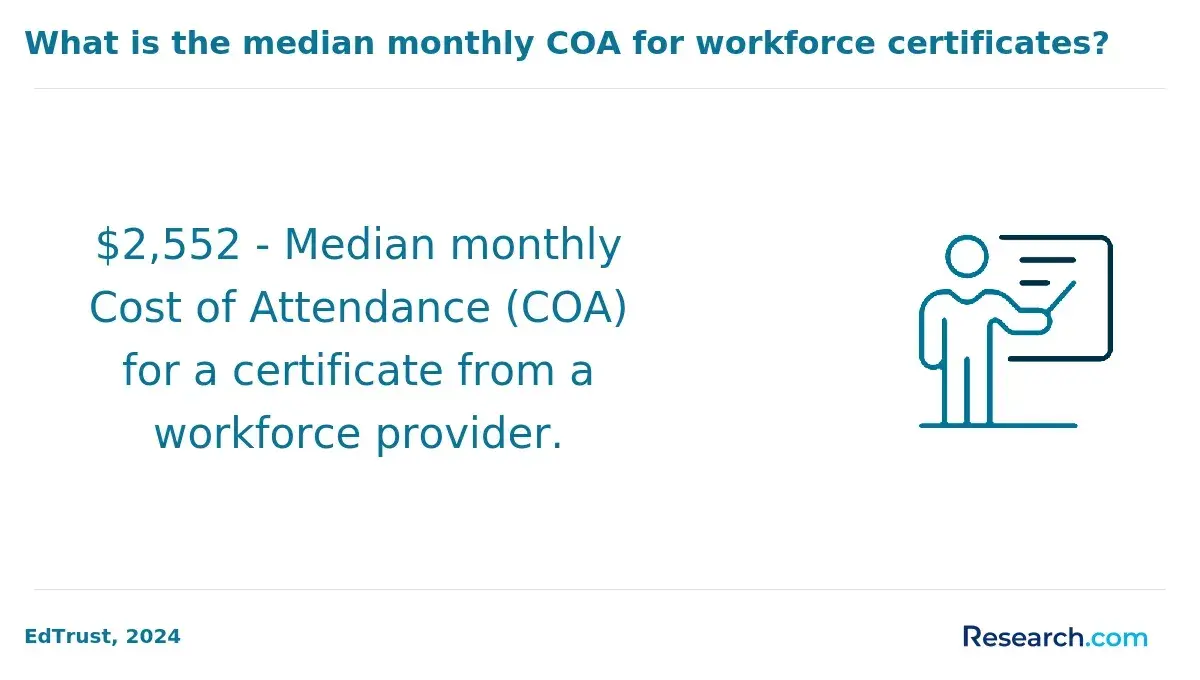
- Practical Implications: The breadth of required foundation courses impacts tuition costs, academic workload, and time-to-degree, factors critical to applicants balancing professional responsibilities and financial constraints.
- Advisory Transparency: Candidates benefit from explicitly discussing with admissions counselors how bridge credits apply to degree progress and financial aid eligibility to avoid unexpected obstacles after enrollment.
Applicants weighing program options might also consult aggregated analyses of program flexibility and preparatory course demands, such as comparative reviews found at best online self paced colleges. This aids in selecting pathways that integrate necessary prerequisite bridge coursework without derailing ongoing professional commitments or extending timeframes beyond practical limits.
How Do Bridge or Foundation Courses in Nurse Educator Master's Programs Differ From a Traditional Post-Baccalaureate or Second Bachelor's Degree?
Choosing between a nurse educator master's program with embedded bridge or foundation courses, a post-baccalaureate certificate, or pursuing a second bachelor's degree hinges on nuanced tradeoffs in time, cost, credential value, and flexibility. Integrated master's programs embed prerequisite content within graduate coursework, enabling students to gain foundational knowledge without delaying their progress toward a graduate degree. This approach often accelerates entry into the workforce compared to completing prerequisites separately or starting over with an undergraduate degree.
- Program Structure: Bridge courses are integrated into the master's curriculum, allowing simultaneous mastery of prerequisites and graduate-level content. Post-baccalaureate certificates are standalone programs focused purely on prerequisites, requiring an additional admissions step before entering a master's program. Second bachelor's degrees involve a full undergraduate course load unrelated to graduate progression.
- Time to Credential: Integrated programs typically reduce overall completion time versus the sequential combination of certificate then master's or a separate bachelor's degree, which can extend the path by several years.
- Cost and Financial Aid: While per-credit graduate tuition is usually higher, bridge-inclusive master's programs often qualify for graduate financial aid, making them more cost-effective than paying for separate certificates or another bachelor's degree that usually lack such aid.
- Credential Recognition: The graduate degree awarded by integrated programs holds consistent employer and licensure value. Certificates add prerequisite validation but confer no degree, while second bachelor's degrees may enhance clinical skills but lack master's-level academic or leadership recognition.
- Flexibility: Bridge programs frequently accommodate working adults with part-time, online, or evening options; certificates often require full-time attendance at separate institutions, and second bachelor's degrees rarely offer such accommodations.
- Admission Considerations: Bridge programs often grant conditional admission based on non-nursing backgrounds, expecting foundation completion while enrolled. However, some selective master's programs may view completed post-baccalaureate certificates as stronger evidence of preparedness.
- Career Outcomes: Integrated master's graduates can enter nurse educator roles earlier with full credentials. Certificates extend the timeline but can enhance competitiveness, while second bachelor's degrees broaden clinical qualifications but delay access to educator-specific roles.
What Are the Admission Requirements for Nurse Educator Master's Programs That Include a Bridge or Foundation Component?
Admission criteria for nurse educator master's programs with bridge or foundation components reflect a deliberate flexibility not found in traditional pathways. These programs accommodate applicants who lack prerequisite coursework in nurse educator studies-such as career changers or graduates from related disciplines-allowing them to integrate foundational learning with graduate-level content. However, this flexibility often introduces variability in cohort academic readiness and pacing demands.
- Undergraduate GPA Thresholds: Many programs accept GPAs in the 2.5 to 3.0 range, lower than the typical 3.0 cutoff seen in standard nurse educator master's tracks, thereby broadening access for individuals from non-traditional backgrounds.
- Required Documents: Applications generally require transcripts, letters of recommendation, and personal statements that articulate career intentions, with some also requesting resumes to highlight relevant healthcare or educational experience.
- Standardized Tests: GRE or comparable exams are seldom mandated or may be waived, emphasizing practical experience and bridging coursework over traditional academic testing.
- Professional Experience: While not always required, prior clinical or educational roles can be beneficial but are considered flexibly given diverse applicant profiles.
- Comparison to Standard Programs: Conventional nurse educator master's admissions require completion of prerequisite courses beforehand, yielding cohorts academically prepared to commence advanced study without foundational gaps.
Bridge-integrated models further diverge in admission structure. Conditional admission requires students to clear specific benchmarks during the bridge segment to progress fully, impacting financial aid and credit transferability if program changes occur. Conversely, direct admission enrolls students into combined phases simultaneously, often providing more straightforward academic standing and funding continuity.
Non-traditional candidates should anticipate that success in these programs hinges on disciplined time management, academic rigor during foundational coursework, and leveraging existing professional experience. Although designed to reduce barriers, these pathways demand significant commitment to bridge educational gaps and facilitate progression into nurse educator roles in a competitive healthcare workforce.
What Is the Minimum GPA Requirement for Nurse Educator Master's Programs With Bridge or Foundation Courses, and How Does Prior Academic Background Affect Eligibility?
Admission to nurse educator master's programs featuring bridge or foundation courses typically requires an undergraduate GPA ranging from approximately 2.75 to 3.0 on a 4.0 scale, though competitive programs may expect closer to 3.2. This slightly lower threshold compared to standard nurse educator programs reflects the academic leveling purpose of the bridge phase, which accommodates applicants from non-nursing backgrounds and offsets some GPA shortfalls with additional foundational coursework. For example, a career changer with a 2.8 GPA but solid healthcare experience might gain conditional admission, leveraging professional experience to balance GPA concerns.
The impact of prior academic background is critical: applicants with unrelated undergraduate degrees often face more stringent evaluative scrutiny and may need to complete prerequisite credits or demonstrate competence through standardized tests or relevant work experience. Those coming from allied health or education fields usually navigate admissions more smoothly due to overlapping knowledge bases and competencies.
Admissions committees assess GPA as one factor alongside clinical experience, letters of recommendation, and personal statements. Lower GPA applicants benefit from conditional acceptance options or bridge coursework that strengthens readiness before full matriculation. This path caters directly to non-traditional entrants who must maintain employment while pursuing credentials.
Applicants seeking strategies to improve eligibility might consider completing post-baccalaureate prerequisite courses or accumulating relevant professional experience as key preparatory steps. These approaches signal commitment and academic capability, crucial in competitive admissions environments.
- Minimum GPA Requirements: Most accredited programs set a baseline GPA between 2.75 and 3.0, with some competitive programs closer to 3.2. Provisional admissions may be offered below these thresholds conditioned on foundational course completion.
- Prior Academic Background: Non-nursing degrees often require bridge courses or prerequisite credits; allied health and education backgrounds ease admission through transferable competencies.
- GPA vs. Application Components: Admissions weigh GPA alongside clinical experience, recommendations, and statements, allowing strong professional backgrounds to offset modest GPAs.
- Comparison to Standard Programs: Bridge-integrated programs have slightly lower GPA cutoffs, reflecting their support role rather than outright selectivity.
- Pathways for Lower GPAs: Conditional admissions, substitution of professional experience, and post-baccalaureate prerequisite courses enhance candidacy for applicants near or below minimum GPA standards.
Given the rise in demand across healthcare systems for nurse educators, particularly among career changers and working professionals, selecting the right program requires balancing admission ease with academic rigor. For those whose undergraduate background is unrelated, exploring integrated bridge pathways offers a practical route without pausing employment or undertaking separate post-baccalaureate programs.
Prospective applicants might compare these options with alternatives such as an online biology bachelor's degree to strengthen foundational science knowledge prior to graduate study in nurse educator disciplines.
How Many Additional Credit Hours Do Bridge or Foundation Courses Add to a Nurse Educator Master's Program, and How Does This Affect Total Cost and Time-to-Degree?
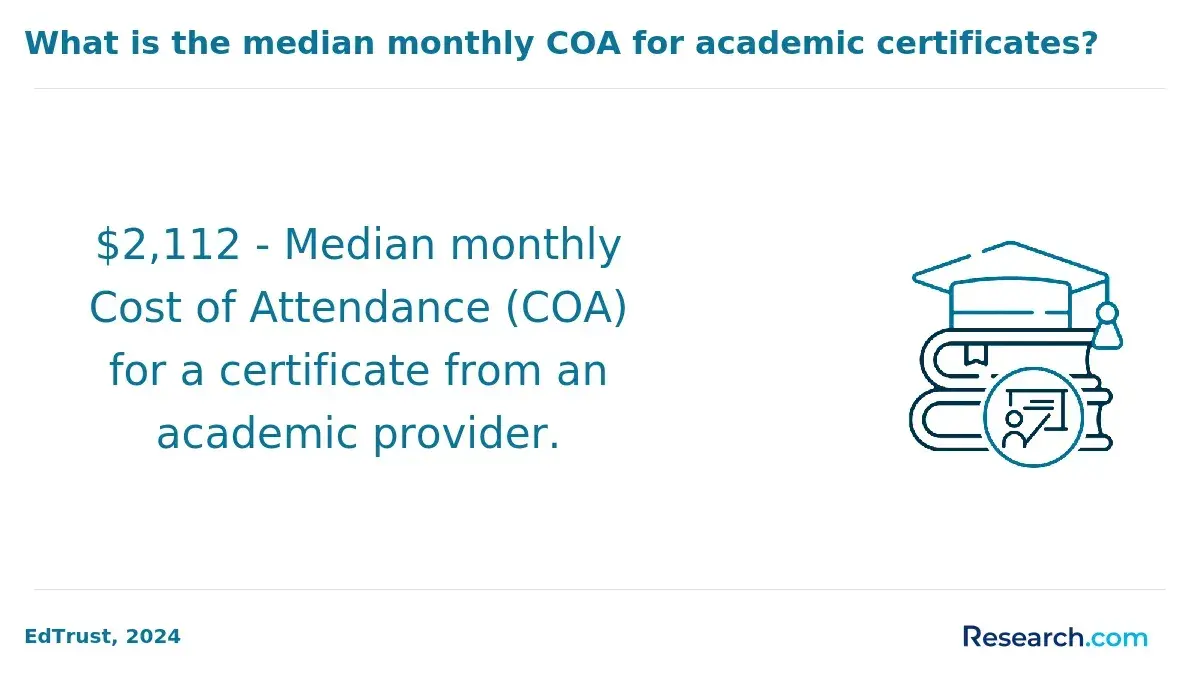
Bridge or foundation courses typically add between 6 and 18 credit hours to Nurse Educator master's programs, a range shaped by accreditation criteria, students' prior academic preparation, and whether these courses are integrated into the degree or required beforehand as non-degree prerequisites. Programs accepting students from unrelated bachelor's backgrounds often demand more leveling credits, inflating total credit requirements and, consequently, tuition. For example, at $500 per credit, a 12-credit bridge sequence can increase costs by $6,000 beyond the core program, a substantial difference compared to programs requiring only minimal additional coursework.
Beyond tuition, these extra credits generally extend the time to degree completion, particularly for part-time students balancing employment. This delay not only raises indirect costs-such as foregone wages, ongoing living expenses, and postponed advancement in nursing education roles-but also impacts workforce entry timing, which employers increasingly consider when evaluating candidates. It's critical for prospective students to aggregate bridge and core credits when assessing total program cost rather than relying solely on per-credit rates and to clarify whether bridge coursework contributes to the degree or stands outside it, as this distinction influences financial aid options and admission status.
What Types of Students Are Best Suited for Nurse Educator Master's Programs With Bridge or Foundation Courses?
Nurse educator master's programs with bridge or foundation courses best serve those without traditional nursing undergraduate degrees who need integrated prerequisite preparation alongside graduate studies. Such candidates typically face a tradeoff: pursuing a single, cohesive master's pathway with foundational coursework versus completing separate post-baccalaureate programs followed by graduate admission. This integrated route is especially valuable for career changers or recent graduates with strong academic records in related fields who demonstrate readiness for graduate-level rigor but lack direct nurse educator prerequisites.
Enrollment data from recent years shows that many students in these programs enter on conditional admission status, reflecting the need to complete bridge coursework before fully engaging in advanced classes-a pattern aligned with employer expectations for comprehensive preparation rather than fragmented credentialing. Conversely, applicants with substantial prior graduate-level nurse educator credits may encounter redundant requirements and should weigh alternative direct-entry master's tracks. Similarly, individuals targeting highly selective programs without bridge options must consider if these pathways align with their credential recognition goals.
- Academic Preparedness: Strong undergraduate GPA in a related health, science, or education field signaling capability for graduate study.
- Professional Motivation: Clear intent to transition into nurse educator roles, often driven by career changers seeking a focused, single-degree route without detached post-baccalaureate steps.
- Flexibility: Availability of time and financial resources to accommodate the extended duration and cost implications of bridge coursework in addition to core master's requirements.
- Work Commitment: Working professionals in nursing or adjacent fields who need flexible scheduling options to balance employment and study without interrupting career momentum.
An honest self-assessment of academic background, financial runway, timeline, and long-term goals is essential before committing. Choosing a bridge-inclusive nurse educator master's program means accepting longer timeframes and potentially higher costs but offers an actionable pathway often unavailable elsewhere. For those seeking consideration of the full landscape of nurse educator graduate options, including those interested in interdisciplinary health education trends, exploring alternatives such as an exercise science degree online may sometimes offer adjacent career flexibility.
Are Bridge or Foundation Courses in Nurse Educator Master's Programs Offered Fully Online, On-Campus, or in a Hybrid Format?
Bridge or foundation courses in nurse educator master's programs frequently feature varied delivery formats, which can have significant implications for accessibility, cost, and student outcomes. A working nurse shifting careers or a recent graduate without a nursing background might assume a consistent online format throughout; however, delivery often diverges between the bridge phase and the master's core curriculum. This mismatch can lead to unexpected on-campus residencies or synchronous session requirements, complicating scheduling for those balancing work or family obligations.
- Fully Online Asynchronous: This format offers maximum flexibility for working adults or those in remote areas, enabling self-paced progress. Yet, the lack of real-time interaction may hinder immediate feedback crucial for mastering clinical concepts.
- Synchronous Live-Online: Scheduled live sessions mimic classroom engagement but require fixed time commitments, which may conflict with shift work common among healthcare professionals.
- Hybrid Formats: Combining online coursework with occasional on-campus labs or practicums addresses the hands-on skill acquisition essential to nurse educator foundational training, though travel and time can add financial and logistical burdens.
- On-Campus Requirements: Some programs mandate significant on-site attendance for clinical or practicum components, limiting geographic flexibility and increasing expenses for students unable to relocate or take extended leave.
For example, a working nurse pursuing hybrid nurse educator foundation courses in master's programs might find the bridge phase online but must attend in-person practicums unexpectedly, undermining prior assumptions about program accessibility.
Because practical skills and clinical knowledge underpin nurse educator roles, it is crucial to evaluate whether an online bridge format sufficiently prepares candidates for graduate-level expectations. Employers increasingly seek educators confident in both theory and clinical application, so gaps in foundational hands-on experience can affect employability.
Prospective students should explicitly inquire about the delivery format for every program stage, not solely the master's core curriculum. Overlooking bridge course requirements risks disrupted schedules or additional costs. Similarly, those exploring non-traditional entry routes should consider prerequisite credit loads and admission conditions to assess total time and financial investment realistically.
Those unfamiliar with standard nursing prerequisites might benefit from exploring resources like accelerated BSN programs for non nurses to better understand alternative pathways into nursing and nurse educator fields.
Overall, selecting a nurse educator master's program with bridge courses fully online versus hybrid or on-campus involves complex tradeoffs between flexibility, instructional quality, and workforce readiness. Decision-making grounded in detailed program structure analysis and realistic workforce expectations yields better alignment with long-term career success.
What Is the Average Cost of the Bridge or Foundation Component in Nurse Educator Master's Programs, and How Does It Affect Total Program Investment?
Opting for a nurse educator master's program with bridge or foundation courses often leads to a higher upfront investment compared to traditional pathways. Accredited programs vary in how they price bridge components: some charge the same per-credit tuition as the master's core courses, others offer reduced rates, while a few use flat fees for the entire foundation sequence. This structural diversity creates a typical cost span of approximately $5,000 to $15,000 for the bridge portion, depending on credit load and institutional policies.
When added to core tuition-commonly ranging from $25,000 to $60,000-the total cost of an integrated bridge program may exceed that of a standard nurse educator master's without a bridge. For example, working professionals who cannot pause their careers may find integrated pathways more time-efficient but should weigh this financial premium against direct cost savings. Hidden expenses also accumulate during the bridge phase.
Technology fees, course materials, proctoring, and clinical practicum charges can boost the total beyond advertised tuition. Underestimating these may impact financial planning and loan requirements. Given these factors, prospective students should seek comprehensive cost-of-attendance breakdowns that include both tuition and ancillary fees before enrollment.
They must also compare this integrated approach against alternatives such as completing prerequisites via a post-baccalaureate certificate or second bachelor's degree plus a standard master's. This comparison is essential to identify the most cost-effective and time-efficient route aligned with their financial constraints, prior academic background, and workforce re-entry goals.
- Pricing Models: Bridge tuition billed at full rates, discounted credits, or flat fees shapes total program cost and financial aid eligibility.
- Cost Ranges: The bridge segment typically adds $5,000-$15,000 depending on credit requirements and school pricing.
- Total Investment: Combined bridge and core tuition often surpass non-bridge master's programs but may shorten completion time.
- Hidden Expenses: Additional fees for technology, materials, proctoring, and clinical activities increase overall costs beyond tuition.
- Cost Comparison: Evaluate integrated bridge master's against separate post-baccalaureate plus master's or second bachelor's plus master's routes for best financial and time efficiency.
- Financial Planning: Request detailed all-in cost estimates including ancillary fees before committing to a program pathway.
What Graduates Say About Nurse Educator Master's Programs With Bridge or Foundation Courses
- Tristan: "Balancing a full-time job and family meant I had limited hours each week to dedicate to the master's program with foundation courses. I chose this route because it offered more flexible scheduling compared to traditional paths, allowing me to gain critical teaching skills without stepping away from work. After graduating, I secured an adjunct teaching position at a local college, though I quickly learned that many employers in the region prioritized clinical experience and portfolios over just the degree, which meant I had to invest extra time building those professional connections."
- Jesiah: "Financial constraints pushed me to pick a bridge program that had a shorter completion timeline, even if it meant some coursework felt dense and fast-paced. This was a deliberate decision to enter the workforce quickly in a competitive market where remote teaching roles are growing but often require demonstrated experience beyond certifications. I landed an internship that helped build my portfolio, which proved essential later on since several hiring managers emphasized practical teaching samples and adaptability over pure academic credentials."
- Christopher: "Coming from a non-clinical background, I chose the nurse educator master's program with foundation courses to make a career pivot, despite knowing it meant a heavier workload and catching up on clinical basics. The program's thorough approach gave me confidence, but in practice, I found advancement options somewhat limited without full licensure credentials. While I gained valuable skills and obtained a stable job in a community college, I realized that to progress further, I would need additional certifications or time in hands-on roles that many employers still prefer."
Other Things You Should Know About Nurse Educator Degrees
Most programs require a minimum GPA-often around 3.0-during the bridge or foundation courses to transition into the core master's curriculum. Falling below this threshold can mean dismissal or the need to retake prerequisite courses, which delays graduation and increases costs. Prospective students should consider whether they can maintain consistent academic performance under potentially accelerated or condensed bridge coursework, as poor performance here limits access to the full degree and may affect financial aid eligibility.
Financial aid availability for the bridge or foundation phase varies as some institutions treat these courses as non-degree or prerequisite credits, which may restrict students from accessing federal aid or certain scholarships. Employer tuition benefits often apply only after full admission into the graduate portion, leaving students to self-fund initial coursework. Therefore, candidates should clarify funding policies upfront and prioritize programs offering integrated financial support across bridge and master's coursework to avoid unexpected out-of-pocket expenses early in the program.
Graduates from these programs are typically recognized as long as the institution is accredited and the program meets state licensing and certification criteria. However, some employers and credentialing bodies scrutinize the pathway, especially if bridge courses extend total program time disproportionately or seem to compensate for inadequate undergraduate preparation. Candidates should prioritize programs with transparent accreditation and demonstrable alignment with licensure requirements, as this influences employability and acceptance by professional associations in nurse educator roles.
References
- Master in Nursing (Education) https://www.lincoln.edu.my/master-of-nursing-education/
- Master of Nursing https://www.oum.edu.my/programmes-offered-at-oum/postgraduate/master-of-nursing/
- Dual Master of Science in Nursing (MSN) Degrees https://nursinglicensemap.com/nursing-degrees/masters-in-nursing/dual-degree/
- California Master’s in Nursing Education Programs - California Degrees https://californiadegrees.org/nursing/masters-in-nursing-education/
- Study Bachelor In Nursing (Hons) - Intake, Entry Requirement, Course fees, duration https://www.msu.edu.my/faculty-health-life-sciences/bachelor-nursing.php
- Master of Science in Nursing | Nurse Educator | Methodist College https://www.methodistcol.edu/academics/graduate-school/msn-nurse-educator
- Masters in Nursing, Nurse Educator Specialization https://www.chamberlain.edu/academics/nursing-school/graduate-programs/msn-nurse-educator
- Master of Science in Nursing – Nurse Educator https://www.usuniversity.edu/degrees/master-of-science-in-nursing-nurse-educator
- Master's Education https://www.aacnnursing.org/students/nursing-education-pathways/masters-education
- Nurse Educator Concentration MSN (Online) https://www.gcsu.edu/health/nursing/nurse-educator