2027 Fastest Way To Become a Counselor in Kansas

Co-Founder and Chief Data Scientist
The quickest path to becoming a licensed counselor in Kansas is not simply choosing the shortest degree program. You also have to meet Kansas coursework rules, pass the required exam, complete supervised clinical experience, and avoid program choices that slow down licensure later. For career changers, bachelor’s degree holders, teachers, social workers, and behavioral health workers, the key decision is how to move efficiently without choosing a program that fails to qualify for the credential you want.
This guide explains the fastest realistic route to counseling licensure in Kansas, what you can do with only a bachelor’s degree, how accelerated and online programs compare, what costs and salary expectations to consider, and when a fast-track option is worth the trade-offs. It is designed to help you choose a program, plan your supervised hours, and avoid delays with the Kansas Behavioral Sciences Regulatory Board.
Quick answer: Fastest way to become a counselor in Kansas
The fastest route to licensed counseling practice in Kansas is to complete a qualifying 60-credit master’s degree in counseling, pass the National Counselor Examination, apply for the Licensed Professional Counselor credential, and then complete the supervised clinical experience required for the Licensed Clinical Professional Counselor credential. Online, hybrid, evening, and accelerated formats may help you finish coursework sooner, but they do not remove Kansas licensing requirements.
Key Benefits of Becoming a Counselor in Kansas
- Steady need for mental health professionals: Kansas continues to need counselors in schools, healthcare settings, community agencies, substance use treatment programs, and rural service areas.
- Reasonable entry-level earning potential: Counselor pay in Kansas often begins around $50,000, though actual earnings depend on license level, specialty, employer, location, and experience.
- Multiple career entry points: Students can begin in bachelor-level support roles, pursue a master’s degree for LPC eligibility, and later advance toward clinical licensure, supervision, private practice, or specialized counseling work.
- Fastest path to licensed counseling in Kansas
- Counseling-related jobs in Kansas with a bachelor’s degree
- Accelerated counseling degree options in Kansas
- Online vs. traditional counseling programs in Kansas
- Challenges of fast-track counseling programs
- How Kansas employers evaluate fast-track graduates
- Cost of fast-track and online counseling programs
- Fast-track substance abuse counseling specialization
- Counselor demand in Kansas
- Kansas licensing criteria for fast-track counselors
- Kansas social worker education requirements
- Counselor salaries in Kansas
- Is the fast route worth it?
- Fast transition into school counseling
- Questions to ask before choosing a fast-track counseling program
- What counselors in Kansas often report about the work
- Typical timeline to become a counselor in Kansas
- Shortest online path to counseling licensure
- Therapist vs. counselor in Kansas
- Life coaching and mental health work in Kansas
- References
What is the fastest way to become a licensed counselor in Kansas?
The fastest practical route is to plan backward from the credential you want. In Kansas, independent clinical counseling practice generally requires more than a bachelor’s degree and more than a short certificate. The main sequence is graduate education, examination, LPC licensure, supervised post-graduate experience, and then LCPC eligibility.
| Step | What Kansas candidates need to complete | How to avoid delays |
| 1. Choose the right graduate program | Complete a 60-credit master’s degree in counseling that includes required counseling content such as ethics, counseling theory, assessment, and human development. | Confirm before enrolling that the curriculum is designed for Kansas LPC eligibility and ask the school how it documents required coursework. |
| 2. Finish practicum and program requirements | Complete the academic and fieldwork requirements built into the graduate counseling program. | Start arranging practicum or internship placements early, especially if you live in a rural area or need evening/weekend hours. |
| 3. Pass the National Counselor Examination | Pass the National Counselor Examination, commonly called the NCE, for the initial Licensed Professional Counselor credential. | Schedule the exam soon after graduation while core counseling concepts are still fresh. |
| 4. Apply for Kansas LPC licensure | Submit the required materials to the Kansas Behavioral Sciences Regulatory Board, including official transcripts, exam scores, background check results, and supervision information. | Use the board’s current checklist and avoid submitting incomplete documents. |
| 5. Complete supervised experience for LCPC | Complete 4,000 hours of supervised experience for Licensed Clinical Professional Counselor eligibility, including 1,500 hours of direct client contact and at least 100 hours of supervision. | Choose a job site and supervisor that can document the required hours correctly from the start. |
From the start of graduate study to LPC licensure, the timeline is often around six years. Reaching the Licensed Clinical Professional Counselor level commonly takes about eight years total. If you are comparing counseling with psychology careers, Research.com’s guide on how long it takes to become a counseling psychologist can help you understand how the pathways differ.
What counseling careers can you pursue in Kansas with only a bachelor’s degree?
A bachelor’s degree alone does not usually qualify someone for independent professional counseling licensure in Kansas. However, it can help you enter behavioral health, human services, education support, or substance use treatment settings while you decide whether to pursue graduate training.
Bachelor-level roles can be useful if you want client-facing experience before committing to a master’s program. They can also help you build references, clarify your preferred population, and become familiar with documentation, case coordination, crisis response, and community resources.
| Role | Typical setting | What you may do | Best fit for |
| Substance abuse counselor under supervision | Recovery centers, treatment programs, community agencies | Support licensed professionals, assist with groups, help clients follow recovery plans, and document services as allowed by the employer and state rules. | Students interested in addiction counseling and supervised substance use treatment work. |
| Behavioral health technician | Inpatient units, outpatient clinics, residential programs | Monitor clients, support treatment plans, help with daily routines, and communicate observations to clinical staff. | People who want direct experience with mental health services before graduate school. |
| Case manager or direct care professional | Nonprofits, schools, social service agencies, community programs | Coordinate services, connect clients to housing, healthcare, employment, education, or crisis resources. | Students who enjoy advocacy, service coordination, and practical problem-solving. |
Some candidates strengthen their early career options through additional supervised experience or credentials such as Certified Alcohol and Drug Counselor preparation. If your long-term goal is clinical mental health work, compare these entry roles with the education and licensure path described in Research.com’s mental health counselor career guide.
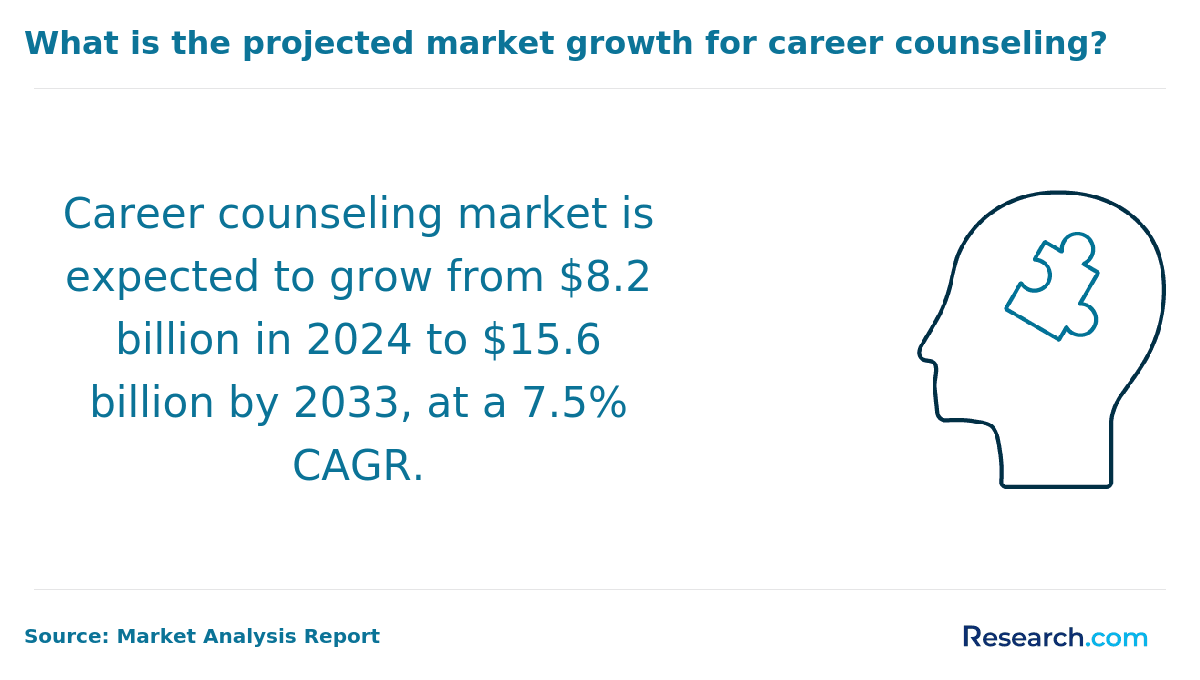
The image below provides additional context on projected growth across counseling-related professions.
Are there accelerated counseling degree programs in Kansas?
Yes. Kansas students can find accelerated, hybrid, online, and evening counseling programs that shorten the classroom portion of the journey. The important caution is that “accelerated” should not mean “less licensure preparation.” A faster program is only helpful if it still meets Kansas educational requirements and prepares you for the exam and supervised practice.
| School | Program structure | Speed and format | Cost or credit detail stated | Important consideration |
| University of Saint Mary | Master of Arts in Counseling Psychology | Can be completed in as little as 30 months, with accelerated evening courses for working adults. | Tuition is $665 per credit hour, and up to nine transfer credits may be accepted. | The program is designed to prepare students for licensure as Licensed Professional Counselors or Kansas Masters Level Psychologists. |
| Calvary University | Five-year accelerated Bachelor of Science and Master of Arts in Biblical Counseling | Students may begin graduate-level coursework in their second year. Coursework is online, with in-person attendance required for licensure candidates. | Graduates earn two degrees plus a minor in Biblical Psychology. | Students should verify how the biblical counseling curriculum aligns with the specific Kansas credential they plan to pursue. |
| MidAmerica Nazarene University | Master of Arts in Counseling | Hybrid format with online and in-person coursework; completion is possible in 33 months. | The program requires 60–64 credit hours, and tuition is $669 per credit hour. | The curriculum aligns with Kansas licensure requirements. |
When comparing accelerated programs, look beyond completion time. Ask whether the program supports practicum placement, whether credits transfer, whether the curriculum meets Kansas licensing rules, and whether the schedule is realistic if you work full time. Research.com’s overview of different types of counseling degrees can help you decide which degree path best matches your intended counseling role.
Are online counseling programs in Kansas faster than traditional ones?
Online programs can be faster for some students, but the format itself does not automatically shorten licensure. The main advantage is scheduling flexibility. If an online program offers multiple start dates, asynchronous classes, transfer credit, and efficient field placement support, it may help you finish coursework with fewer interruptions.
| Program feature | How it can help | Risk to check before enrolling |
| Asynchronous coursework | You can complete lectures and assignments around work or family responsibilities. | Self-paced work requires strong time management; falling behind can erase the speed advantage. |
| Multiple start dates | You may avoid waiting for a traditional semester start. | Not every course may be offered every term, so ask for a full degree plan. |
| No commute | Saved travel time can be used for studying, fieldwork, or exam preparation. | You may still need in-person practicum, internship, or residency requirements. |
| Hybrid clinical preparation | Some programs combine online coursework with local field experiences. | Confirm that approved placements are available near your location. |
For working adults, online study can make the counseling path possible without relocating or leaving employment. However, students should avoid assuming that every online counseling degree meets Kansas licensure standards. Always verify accreditation, required coursework, supervised fieldwork, and board eligibility before enrolling.
What challenges do fast-track counseling students face?
Accelerated counseling programs can save time, but they concentrate a demanding graduate curriculum into a tighter schedule. The most successful students enter with a clear study plan, employer support when possible, and a realistic understanding of the workload.
- Heavy academic load: Completing 60 graduate semester hours, including required counseling content and practicum work, leaves little room for missed deadlines or course repeats.
- Exam pressure: The National Counselor Examination includes 200 questions, so students need sustained preparation rather than last-minute review.
- Compressed clinical skill development: Practicum and internship experiences require reflection, supervision, and feedback. A faster calendar can make it harder to absorb lessons from client work.
- Work-life strain: Many fast-track students are employed, raising children, or changing careers. Burnout becomes a real risk when the schedule is not planned carefully.
- Regulatory tracking: Kansas requirements can change. For example, updated continuing education mandates effective from July 2025 add another reason to monitor state board guidance.
| Common mistake | Why it causes problems | Better approach |
| Choosing the shortest program without checking licensure fit | A fast degree that does not satisfy Kansas requirements can delay or block licensure. | Ask the program to show how each course maps to Kansas LPC requirements. |
| Underestimating practicum logistics | Clinical placements can be competitive or limited by geography. | Ask about placement support before enrolling, not after coursework begins. |
| Focusing only on tuition | Fees, books, travel, technology, and lost work hours can change the true cost. | Compare total program cost and schedule impact. |
| Waiting too long to plan supervision | LCPC hours must be documented properly. | Secure an approved supervision plan early in the LPC stage. |
Financial pressure is another concern for graduate counseling students, as reflected in the chart below.
How do employers in Kansas view fast-track counselors?
Kansas employers may be open to accelerated-program graduates, but they typically focus less on the label “fast-track” and more on readiness for practice. Hiring managers want to know whether the candidate completed a legitimate counseling curriculum, received quality supervision, understands ethics and documentation, and can work safely with clients.
A faster degree can be viewed positively when it shows discipline, motivation, and career focus. It can raise concerns if the graduate has limited hands-on experience, weak references, or unclear supervision history. Candidates can strengthen their profile by documenting practicum quality, collecting supervisor feedback, joining professional development activities, and being transparent about licensure status.
| Employer concern | How a fast-track candidate can respond |
| “Did the program meet Kansas requirements?” | Provide transcripts, program documentation, and licensing board correspondence when appropriate. |
| “Does the candidate have enough client experience?” | Highlight practicum, internship, supervised work, crisis experience, group facilitation, or case management exposure. |
| “Can the candidate handle ethical and clinical complexity?” | Discuss supervision, consultation habits, boundaries, documentation, and mandated reporting knowledge. |
| “Will the candidate stay in the role?” | Explain your connection to the population, setting, or community you want to serve. |
Are fast-track and online counseling programs in Kansas more affordable?
Fast-track and online counseling programs can reduce some costs, but they are not automatically cheaper for every student. Savings usually come from shorter completion time, continued employment, lower relocation expenses, and reduced commuting. The best comparison is total cost to licensure, not tuition alone.
- Tuition differences: Many Kansas-based online programs accredited by CACREP charge between $9,500 and $20,000 total, which may be lower than on-campus options such as Emporia State’s $23,600 full program fee.
- Shorter enrollment period: Accelerated formats may reduce the number of semesters in which students pay fees or carry school-related expenses.
- Ability to keep working: Evening, hybrid, and asynchronous courses may allow students to maintain income while studying.
- Lower relocation and travel costs: Online and hybrid options can reduce costs for commuting, parking, housing, and campus relocation.
- Financial aid access: Kansas residents in eligible online programs may still qualify for in-state tuition opportunities and federal or state financial aid, depending on the program.
| Cost factor | Why it matters | Question to ask the school |
| Tuition per credit | Small differences add up across a 60-credit program. | What is the total tuition for the full degree? |
| Fees and materials | Online fees, books, exam costs, and technology charges can increase the final price. | What costs are not included in advertised tuition? |
| Transfer credits | Accepted credits can reduce time and cost. | How many graduate credits can transfer, and who evaluates them? |
| Field placement expenses | Travel, background checks, liability insurance, and schedule changes may affect affordability. | What costs are tied to practicum and internship? |
| Work schedule impact | A cheaper program may become costly if it forces you to reduce income. | Can students realistically work while enrolled? |
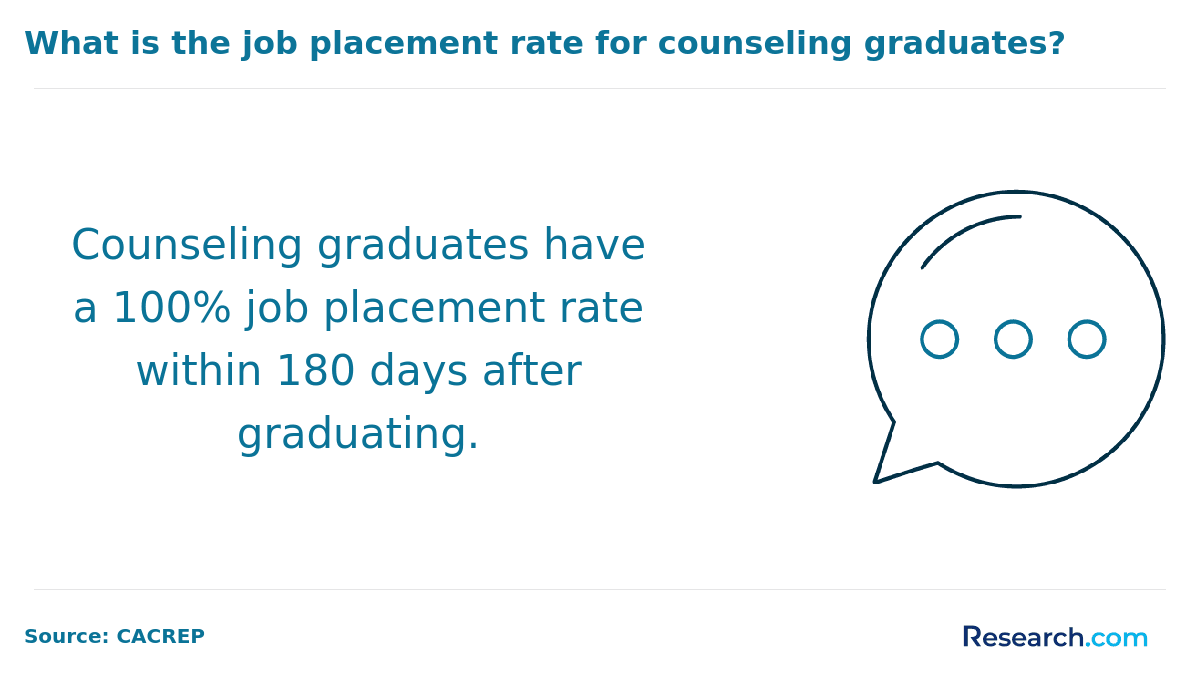
For many students, the most affordable path is the one that balances licensure eligibility, manageable pace, and low debt—not simply the one with the lowest advertised tuition. The image below adds context on employment outcomes for counseling graduates.
What is the fast-track process to specialize as a substance abuse counselor in Kansas?
Students interested in addiction counseling should plan their specialization early. Substance abuse counseling requires knowledge of addiction assessment, recovery planning, relapse prevention, co-occurring disorders, ethics, and population-specific treatment needs. If you wait until after graduation to add this focus, you may lose time finding the right supervision or additional training.
The fastest approach is to choose a counseling program or supervised placement that includes addiction-related coursework and client experience. Candidates should also confirm which Kansas credential they are pursuing and how bachelor’s, master’s, and supervised experience requirements apply. For a focused pathway, review Research.com’s guide on how to become a substance abuse counselor in Kansas.
Is there a demand for counselors in Kansas?
Yes. Kansas shows continued need for counselors, particularly in schools, behavioral health agencies, substance use treatment, and underserved rural communities. Employment for school and career counselors is projected to grow by 7.4% between 2022 and 2032, which is above the national average.
More than 2,600 school counselors already work across Kansas, reflecting ongoing demand for student mental health support, academic planning, and career guidance. Outside the school system, the need for mental health, behavioral disorder, and substance abuse counselors is influenced by broader public awareness of mental health, the opioid crisis, provider shortages, and retirements among experienced professionals.
Demand does not guarantee a job or a specific salary, but it does make program choice and licensure planning more important. Students comparing education costs can use Research.com’s master’s in counseling guide to evaluate how degree investment connects to career goals.
What are the current licensing criteria for fast-track counselors in Kansas?
Fast-track students must meet the same Kansas licensing rules as students in traditional programs. Accelerated coursework may shorten the academic calendar, but it does not replace required education, exams, supervised experience, or board approval.
| Credential stage | Core requirement | Decision point for students |
| Graduate education | Complete a qualifying master’s degree from an accredited institution with the required counseling coursework. | Confirm that the program is built for Kansas counseling licensure before enrolling. |
| Examination | Pass the relevant required exam, including the National Counselor Examination for LPC eligibility. | Ask whether the program provides exam preparation or pass-rate information. |
| LPC application | Submit application materials, transcripts, exam scores, supervision information, and background check documentation to the Kansas Behavioral Sciences Regulatory Board. | Use current board instructions and submit complete records. |
| LCPC advancement | Complete 4,000 hours of supervised experience, including 1,500 direct client contact hours and at least 100 supervision hours. | Choose a role and supervisor that allow proper documentation of clinical hours. |
Because licensing details matter, candidates should review the full LPC license requirements in Kansas before selecting a program or supervision site.
What are the Kansas social worker educational requirements?
Social work and counseling overlap in areas such as client advocacy, case coordination, mental health support, and community services, but they are not the same licensure track. A social work background may help with practical experience, yet it does not automatically satisfy counseling licensure requirements.
If you already have social work education or are choosing between social work and counseling, compare degree accreditation, required coursework, supervised hours, and license types before assuming your credits will transfer. Research.com’s guide to Kansas social worker educational requirements can help you understand how that path differs from counseling licensure.
How much do counselors get paid in Kansas?
Counselor salaries in Kansas vary by specialty, license level, location, employer, and years of experience. A broad counselor salary estimate in Kansas is around $64,138 annually, or approximately $30.84 per hour. However, the number that matters most to you will depend on whether you work in schools, community mental health, substance use treatment, private practice, healthcare, or supervision.
| Counseling category | Salary information stated | What affects earnings |
| School counselors | About $49,590 per year, with entry-level salaries near $38,590 and experienced professionals reaching up to $80,390. | District budget, location, education level, contract structure, and years of service. |
| General counselors | Average wage close to $57,814 annually, with most earning between $50,619 and $65,700. | Employer type, population served, license level, specialty, and caseload. |
| Licensed counselors overall | Commonly range from $52,200 at the 25th percentile to $71,300 at the 75th percentile, with top earners surpassing $90,000. | Advanced credentials, supervisory responsibilities, private practice, specialization, and experience. |
Kansas ranks 50th nationwide for counselor salaries, so students should be realistic about return on investment. Higher pay may be more likely with advanced licensure, clinical specialization, supervisory duties, urban or private practice settings, or hard-to-staff roles. If cost is a major concern, compare programs using Research.com’s ranking of affordable online master’s in counseling programs.
The chart below highlights higher-paying industries for aspiring counselors and can help you think about where specialization may matter financially.
Is taking the fast route to become a counselor in Kansas worth it?
A fast-track counseling path can be worth it if the program is properly aligned with Kansas licensure, you can manage the workload, and you have a clear plan for supervised experience. It is especially useful for career changers who already know they want counseling, working adults who need flexible coursework, and students who want to enter high-need communities sooner.
It may not be the best choice if you need a slower academic pace, want extensive in-person mentoring, are unsure about the counseling profession, or cannot secure quality practicum and supervision. The fastest option is not always the highest-value option.
| Fast-track counseling may be a good fit if... | Consider a slower or different path if... |
| You already understand the counseling role and want to move efficiently toward LPC eligibility. | You are still deciding between counseling, psychology, social work, teaching, coaching, or human services. |
| You can handle intensive reading, writing, practicum responsibilities, and exam preparation. | You need more time to build academic confidence or clinical exposure. |
| Your program clearly meets Kansas licensure requirements. | The school cannot explain how its curriculum maps to Kansas rules. |
| You have support from family, employer, or supervisors. | Your work and personal obligations make a compressed schedule unrealistic. |
What Counselors in Kansas Say About Their Careers
Counselors working in Kansas often describe the field as meaningful but demanding. Rural access gaps, school mental health needs, substance use treatment demand, and community-based care can make the work feel urgent. Many professionals value the chance to serve communities where counseling resources are limited.
Common positives include direct community impact, strong relationships with clients and referral partners, and opportunities to specialize. Common challenges include high caseloads, documentation demands, emotional fatigue, and salary limitations in some public or nonprofit settings.
For students considering the fast route, the lesson is clear: speed can help you enter the field sooner, but long-term satisfaction depends on supervision quality, workload boundaries, continuing education, and choosing a setting that matches your strengths.
How can I transition into school counseling quickly while on the fast-track path?
The fastest transition into school counseling is to choose a program and field placement that are specifically aligned with school counseling requirements. School counselors need preparation in student development, academic planning, career readiness, family and school collaboration, ethics, crisis response, and legal responsibilities in educational settings.
If you are already in education, your classroom experience may help you understand school systems, but you should not assume it replaces counseling-specific requirements. Ask each program whether it leads to the correct Kansas school counseling credential, whether internships occur in school settings, and how graduates complete state requirements. For a dedicated route map, see Research.com’s guide on how to become a school counselor in Kansas.
Questions to ask before choosing a fast-track counseling program
Before enrolling, collect written answers to the questions below. A strong program should be able to explain licensure alignment, costs, field placement, and student support clearly.
- Does the program meet Kansas LPC educational requirements?
- Is the degree 60 credits, and what courses satisfy the required counseling content areas?
- What accreditation does the institution and counseling program hold?
- How are practicum and internship placements arranged?
- Can students complete fieldwork near where they live?
- How many credits can transfer, and what is the transfer review process?
- What is the total cost, including tuition, fees, materials, travel, technology, and exam expenses?
- Does the program support preparation for the National Counselor Examination?
- Can students work full time while enrolled, or is part-time enrollment more realistic?
- What support is available for students pursuing LCPC supervision after graduation?
How long does it usually take to become a counselor in Kansas?
The full timeline depends on your starting point. A student who already has a bachelor’s degree still needs a qualifying graduate degree, exam preparation, LPC application approval, and supervised experience for the LCPC level. The average timeline from beginning graduate coursework to LPC licensure is around six years, while the LCPC credential can take about eight years total.
Students can shorten avoidable delays by choosing the right program the first time, using transfer credits when allowed, arranging field placements early, taking the NCE promptly after graduation, and tracking supervised hours accurately.
What’s the shortest online path to becoming a counselor in Kansas?
The shortest online path is usually an online or hybrid 60-credit master’s program that is designed for Kansas LPC eligibility, offers accelerated terms, supports local practicum placement, and allows students to move directly into exam preparation and the LPC application process. The online format can save commuting time and may offer more start dates, but it cannot remove required coursework, exams, or supervised clinical hours.
Be cautious with fully online programs that do not explain field placement expectations. Counseling is a practice-based profession, so supervised client experience remains essential even when didactic coursework is completed online.
What is the difference between a therapist and a counselor in Kansas?
In everyday conversation, people often use “therapist” and “counselor” interchangeably. In professional licensing, the title matters. A counselor in Kansas may hold credentials such as Licensed Professional Counselor or Licensed Clinical Professional Counselor. “Therapist” is a broader term that can refer to licensed professionals from several backgrounds, including counseling, marriage and family therapy, psychology, or social work.
When comparing programs, focus on the license the degree prepares you to pursue. The job title on a clinic website may say therapist, but your legal scope of practice depends on your Kansas license, training, supervision, and employer policies.
Can life coaches in Kansas work in mental health without a license?
Life coaching is not the same as licensed mental health counseling. Coaches may help clients with goals, motivation, organization, or personal development, but they should not diagnose mental disorders, provide psychotherapy, treat trauma, manage clinical risk, or represent themselves as licensed mental health professionals unless they hold the appropriate credential.
If your goal is to work with mental health conditions, crisis situations, substance use disorders, or clinical treatment plans, a counseling, social work, psychology, or related licensed pathway is the safer and more appropriate route. Short coaching certificates may be useful for communication skills, but they do not replace Kansas counseling licensure.
Related Articles for Nearby States
- 2027 Fastest Way To Become a Counselor in Nebraska
- 2027 Fastest Way To Become a Counselor in Oklahoma
- 2027 Fastest Way To Become a Counselor in Missouri
- 2027 Fastest Way To Become a Counselor in Colorado
- 2027 Fastest Way To Become a Counselor in Iowa
- 2027 Fastest Way To Become a Counselor in Arkansas
- 2027 Fastest Way To Become a Counselor in Texas
- 2027 Fastest Way To Become a Counselor in South Dakota
- 2027 Fastest Way To Become a Counselor in Wyoming
- 2027 Fastest Way To Become a Counselor in Minnesota
References:
- American Counseling Association. (2024). Counseling Workforce Survey. ACA workforce survey
- American Counseling Association workforce survey source Bucher, A. (2023). Master’s in Mental Health Counseling Programs in Kansas. Online MFT Programs
- Calvary University. (n.d.). 5-Year Accelerated BS and MABC. Calvary University
- Counseling Psychology. (n.d.). Best Counseling Schools in Kansas. Counseling Psychology
- Kansas City Kansas Community College. (n.d.). Certified Professional Life Coach (Exam Included). KCKCC Career Training
- Kansas University. (2025). Master's in Counseling Psychology at KU. University of Kansas
- MidAmerica Nazarene University. Master of Arts in Counseling. MidAmerica Nazarene University
- U.S. Bureau of Labor Statistics. (2025). OOH: School and Career Counselors and Advisors. U.S. Bureau of Labor Statistics
- University of Saint Mary. (n.d.). Master's in Counseling Psychology. University of Saint Mary
Key Insights
- The fastest Kansas counseling route still requires a qualifying 60-credit master’s degree, the National Counselor Examination, LPC approval, and 4,000 supervised hours for LCPC eligibility.
- Online and accelerated programs can save time, but only if they meet Kansas licensure rules and provide strong practicum or internship support.
- Bachelor’s degree holders can begin in supervised behavioral health, case management, or substance use support roles, but independent counseling practice requires graduate-level licensure.
- Cost comparisons should include tuition, fees, transfer credit, field placement expenses, exam costs, and whether you can keep working while enrolled.
- Kansas counselor salaries vary widely by setting and credential; advanced licensure, specialization, supervision, and private practice may improve earning potential.
- The best fast-track program is not simply the shortest one. It is the one that gets you licensed with the fewest regulatory, financial, and supervision-related delays.
Other Things You Need to Know About the Fastest Way to Become a Counselor in Kansas
The Kansas Behavioral Sciences Regulatory Board (BSRB) regulates professional counselor licensing in Kansas in 2027. Applicants must complete a board-approved graduate program, finish supervised experience, and pass the National Counselor Examination (NCE) before a license is issued.
To become a licensed counselor in Kansas in 2027, you must have a master's degree in counseling or a related field from an accredited institution. This typically involves completing 60 graduate credit hours, incorporating coursework and practical experience.