
2027 How to Become a Kindergarten Teacher in New Jersey

Co-Founder and Chief Data Scientist
Becoming a kindergarten teacher in New Jersey requires more than enjoying working with young children. You need the right degree, an approved educator preparation pathway, required exams, classroom experience, background clearance, and continuing professional development after you are hired. The process can feel confusing because New Jersey has traditional, alternate route, public school, private school, preschool, kindergarten, and elementary teaching options that overlap but are not identical.
This guide explains how to become a certified kindergarten teacher in New Jersey, what the job involves, how salaries vary, what skills districts look for, and which career paths can expand your options. It is designed for first-time college students, career changers, paraprofessionals, substitute teachers, and current educators deciding whether kindergarten teaching is the right next step.
Quick answer: How do you become a kindergarten teacher in New Jersey?
To teach kindergarten in a New Jersey public school, you generally need a bachelor’s degree, completion of an NJDOE-approved teacher preparation program, supervised classroom experience, passing Praxis exam results, fingerprinting and background clearance, and the appropriate New Jersey teaching certificate. Candidates can follow a traditional university-based route or, if eligible, an alternate route that allows them to begin teaching while completing required pedagogy coursework and mentoring.
The opportunity is meaningful, but it is not effortless. Over 30% of districts reported teacher shortages in 2023, and kindergarten teachers must be ready for academic instruction, classroom management, family communication, inclusive teaching, and extensive documentation. Salary figures vary by source and role definition: New Jersey offers competitive salaries averaging $71,540 according to Bureau of Labor Statistics 2023 data, while Salary.com reports an average annual salary of $57,914 in 2025, with a range between $50,578 and $67,862.
Key facts to know before choosing this path
- Kindergarten teachers in New Jersey earn an average annual salary of $57,914, with reported pay ranging from $50,578 to $67,862 depending on location, experience, and district salary structure (Salary.com, 2025).
- Employment for kindergarten teachers in New Jersey is projected to increase by 7% from 2020 to 2030, with about 590 annual openings created by growth and replacement needs.
- Rutgers University, Montclair State University, and The College of New Jersey are among the well-known institutions offering early childhood education pathways with emphasis areas such as research, inclusive classrooms, field learning, and community engagement.
- What qualifications are required to teach kindergarten in New Jersey?
- Which skills matter most for New Jersey kindergarten teachers?
- How much do kindergarten teachers earn in New Jersey?
- What does a kindergarten teacher do each day?
- How can you gain kindergarten classroom experience?
- What is the job outlook for kindergarten teachers in New Jersey?
- What challenges should you expect?
- Can special education certification strengthen your teaching career?
- How are preschool and kindergarten teaching pathways different?
- What continuing education is available after certification?
- Can private school teaching expand your options?
- How can you move from kindergarten to elementary teaching?
- Can substitute teaching help you move into kindergarten teaching?
- How long does the process take?
- How can you lower the cost of becoming certified?
- How do you find kindergarten teaching jobs in New Jersey?
- Which resources are most useful for New Jersey kindergarten teachers?
Is becoming a kindergarten teacher in New Jersey worth it?
Kindergarten teaching in New Jersey can be worth it if you want a classroom-based career focused on early literacy, math readiness, social-emotional growth, and family partnership. It is a strong fit for people who enjoy structured routines, patient communication, and helping children make major developmental gains during their first formal school years.
It may not be the best fit if you want a low-documentation job, predictable quiet workdays, or a role without licensure requirements. Kindergarten teachers balance instruction with behavior support, parent communication, assessment tracking, and collaboration with specialists. The work is rewarding, but it requires stamina and professional preparation.
| Choose kindergarten teaching if... | Consider another education path if... |
| You want to teach foundational reading, writing, number sense, routines, and social skills. | You prefer working with older students who can complete longer independent assignments. |
| You are comfortable using play, movement, storytelling, songs, centers, and hands-on activities. | You want a role with less parent communication or fewer daily transitions. |
| You can manage many developmental needs in one classroom. | You are not interested in certification exams, student teaching, or ongoing professional development. |
| You value public service, long-term student growth, and school-community relationships. | You want compensation to be driven mainly by bonuses, commissions, or private-sector advancement speed. |
What qualifications are required to teach kindergarten in New Jersey?
New Jersey kindergarten teachers in public schools must meet state certification requirements. A common starting point is a bachelor’s degree in early childhood education or a closely related field from an approved institution. Some candidates begin with campus-based programs, while others compare flexible and lower-cost options such as affordable online elementary education programs when planning their academic route.
| Requirement | What it means for candidates | Why it matters |
| Bachelor’s degree | You need a bachelor’s degree in early childhood education or a related area from an NJDOE-approved college. | The degree provides the academic foundation for child development, teaching methods, assessment, and curriculum planning. |
| Approved teacher preparation | You must complete an approved teacher preparation program that includes at least 100 hours of supervised kindergarten teaching. | Supervised practice helps you learn classroom routines, lesson delivery, behavior support, and professional expectations before becoming the lead teacher. |
| Praxis exams | Candidates must pass Praxis exams covering Core Academic Skills and Principles of Learning & Teaching for P–3. | Exam results show that candidates meet baseline academic and pedagogical standards for early childhood instruction. |
| Fingerprinting and background check | Fingerprinting and a background review are required for the Standard Certificate application. | Schools must verify that educators meet safety and legal clearance requirements before working with children. |
| Continuing professional development | Teachers must complete 100 hours of professional development every five years in areas such as literacy, STEM, student safety, and instructional improvement. | Professional learning keeps teachers aligned with changing standards, student needs, and district initiatives. |
The most important decision is choosing the right certification route. Traditional preparation is often best for students who are still earning a degree. Alternate route certification may be more practical for career changers or candidates who already hold a bachelor’s degree and want to enter the classroom while completing required training.
Which skills matter most for New Jersey kindergarten teachers?
Kindergarten teachers need more than warmth and enthusiasm. Districts look for educators who can teach early academics, manage a busy classroom, communicate with families, support students with different needs, and document progress clearly.
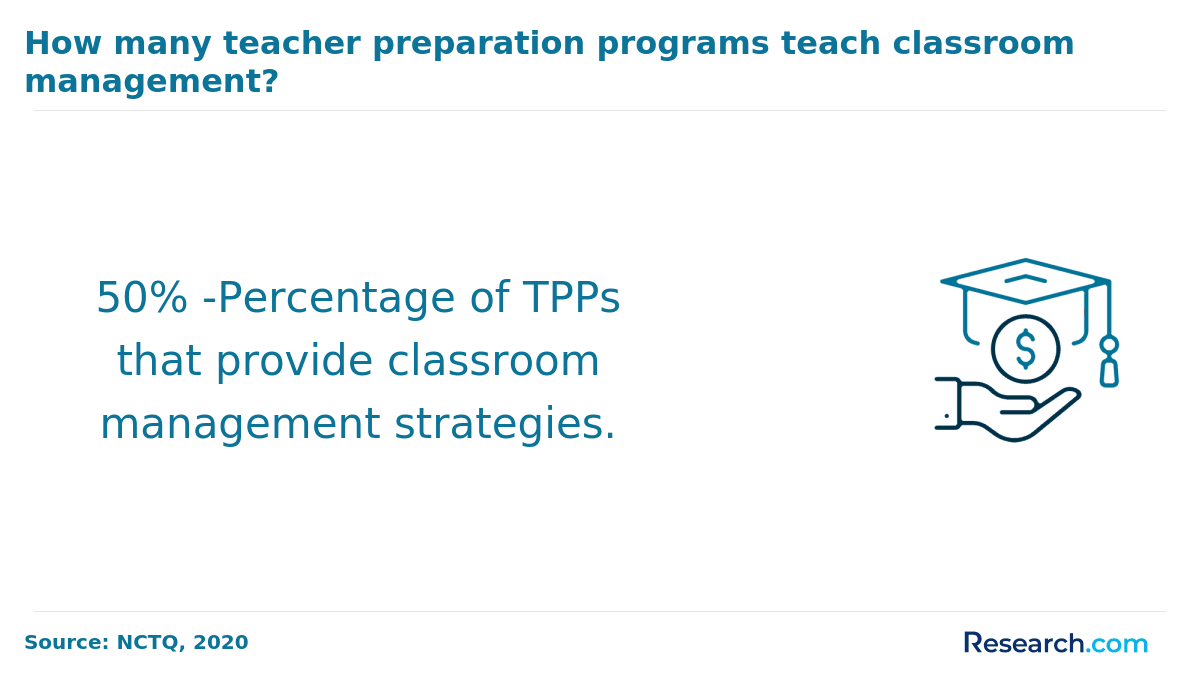
- Classroom management and organization. Young learners need predictable routines, visual cues, smooth transitions, and clear behavior expectations. Strong organization helps the day move from morning meeting to centers, small groups, specials, lunch, rest, and dismissal with fewer disruptions.
- Family communication and professional collaboration. Kindergarten teachers communicate with parents, administrators, paraprofessionals, counselors, reading specialists, and Child Study Teams. Clear updates, respectful listening, and timely documentation are especially important when students receive services under IDEA-related processes.
- Early literacy and numeracy instruction. Teachers must build phonemic awareness, letter recognition, vocabulary, counting fluency, pattern recognition, and early problem-solving through developmentally appropriate lessons.
- Social-emotional learning. Kindergarten classrooms depend on self-regulation, empathy, sharing, turn-taking, conflict resolution, and emotional vocabulary. Teachers model these skills every day, not just during a single lesson.
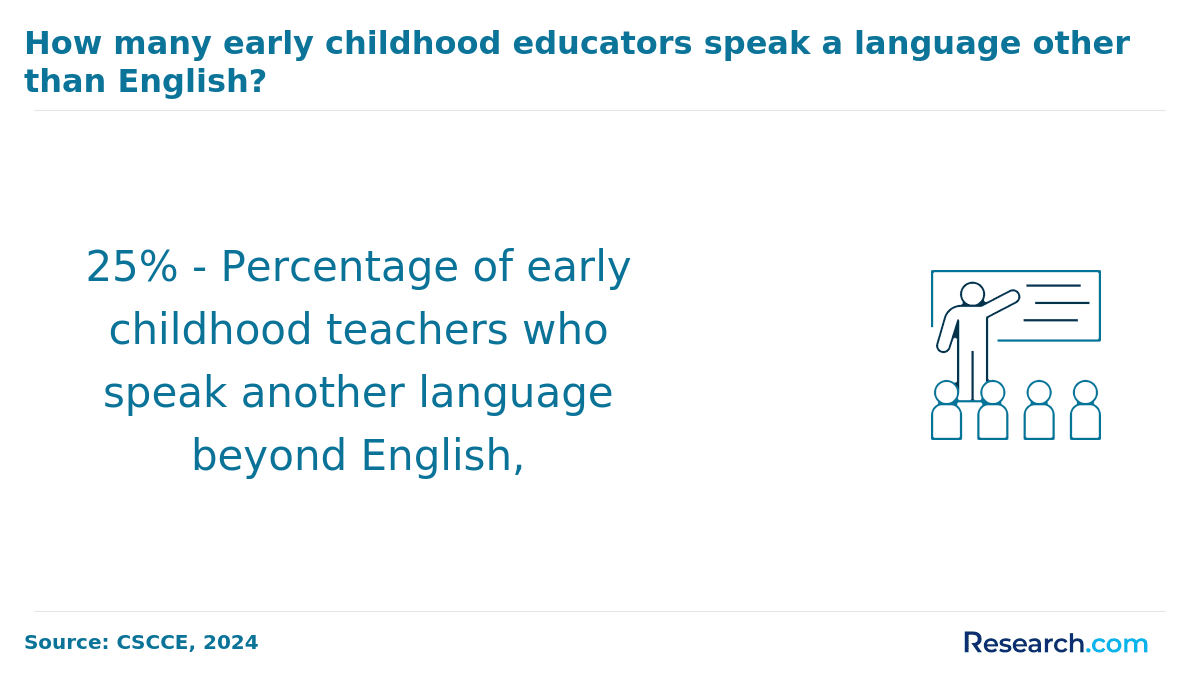
- Differentiated and inclusive instruction. A kindergarten class may include English language learners, students with IEPs, advanced learners, children with limited preschool experience, and students needing behavioral or speech-language support.
- Cultural competence and family engagement. New Jersey classrooms often include families with different languages, cultures, household structures, and school experiences. Effective teachers build trust by making communication accessible and respectful.
- Knowledge of New Jersey standards and rules. Teachers must understand the New Jersey Student Learning Standards, early learning expectations, health and safety requirements, attendance procedures, assessment practices, and local district policies.
- Technology judgment. Digital tools can support instruction, progress monitoring, and communication, but kindergarten teachers must choose age-appropriate technology and avoid replacing hands-on learning with passive screen time.
The employer-skill data below shows that the most frequently identified skill is Kindergarten Teacher at 28.08%, followed by Curriculum Development at 15.02% and Instruction at 14.85%. Behavior Analysis at 9.42% and Collaboration at 8.60% also stand out, which reinforces the importance of classroom routines, lesson design, behavior support, and teamwork with colleagues and families.
How much do kindergarten teachers earn in New Jersey?
Salary depends on the data source, district, contract, years of experience, education level, and whether the role is in a public school, private school, or early childhood setting. Bureau of Labor Statistics 2023 wage data reports that the bottom 10% of kindergarten teachers in New Jersey earn $58,970, while the top 10% earn $101,120. Another salary source, Salary.com, reports an average annual salary of $57,914 in 2025, with a range between $50,578 and $67,862.
| Salary measure | Reported amount | How to use the figure |
| New Jersey average noted in BLS 2023 context | $71,540 | Useful for understanding statewide competitiveness, but compare it with district salary guides before making financial plans. |
| Salary.com average, 2025 | $57,914 | Helpful as a market estimate that may reflect different job definitions and reporting methods. |
| Salary.com reported range, 2025 | $50,578 to $67,862 | Useful for estimating entry and midrange expectations by experience and location. |
| BLS 2023 bottom 10% | $58,970 | Represents lower-end reported wages in the BLS dataset. |
| BLS 2023 top 10% | $101,120 | Shows the upper end of reported wages, often influenced by experience, district pay scales, and advanced credentials. |
Many public school districts use negotiated salary guides with steps for years of service and lanes for education credits or advanced degrees. Entry-level roles are commonly described as starting around $50,000–$57,000. Teachers with 5–10 years of experience may reach $65,000–$72,000, while veteran teachers with 15+ years of experience often reach $85,000–$95,000. If you are comparing teaching career opportunities, review the actual district salary guide rather than relying on a single statewide average.
The data below also shows that the highest annual median salaries for kindergarten teachers in the U.S. are reported in California at $93,510 and New York at $91,300. Massachusetts at $88,800, along with Connecticut and Washington at $85,610, also appear among higher-paying states, reflecting regional labor markets and cost-of-living differences.
What does a kindergarten teacher do each day?
A kindergarten teacher’s day moves quickly. The role combines instruction, supervision, assessment, documentation, behavior support, and frequent communication with adults in and outside the school.
- Plan standards-aligned lessons. Teachers design reading, writing, math, science, social studies, art, movement, and social-emotional activities that connect to New Jersey learning expectations.
- Use play-based and hands-on learning. Kindergarten instruction often relies on centers, manipulatives, dramatic play, songs, movement, drawing, storytelling, and exploration so children can learn through active participation.
- Observe and assess student progress. Teachers monitor letter recognition, phonological awareness, counting, fine motor development, social skills, language growth, and classroom behavior through observations, work samples, portfolios, and screening tools.
- Communicate with families. Parent conferences, progress updates, emails, phone calls, and home-learning suggestions help families understand what their children are learning and where support may be needed.
- Work with specialists and support staff. Kindergarten teachers coordinate with paraeducators, reading specialists, speech-language professionals, counselors, nurses, and Child Study Teams when students need additional services.
- Maintain records and progress reports. Teachers document academic progress, attendance, interventions, behavior notes, grades or standards-based reports, and other records required by the district.
- Support whole-child development. The job includes helping children develop language, physical coordination, independence, curiosity, cooperation, confidence, and safe classroom habits.
| Part of the job | What it looks like in kindergarten | Why it affects student success |
| Academic teaching | Small-group literacy, counting practice, read-alouds, writing centers, and guided exploration. | Children build the core skills needed for later elementary grades. |
| Behavior support | Teaching routines, redirection, calm-down strategies, and positive reinforcement. | Students learn how to participate safely and productively in school. |
| Assessment | Observation notes, screenings, work samples, and progress tracking. | Teachers can identify needs early and adjust instruction. |
| Family partnership | Conferences, classroom updates, home practice suggestions, and problem-solving conversations. | Children benefit when school expectations and home support are aligned. |
How can you gain kindergarten classroom experience?
Classroom experience is essential because kindergarten teaching is learned through practice, not just coursework. Candidates should look for opportunities that build direct experience with young children, lesson delivery, routines, assessment, and family communication.
- Complete supervised student teaching. State-approved educator preparation programs commonly place candidates in classrooms for 12 to 16 weeks, where they co-teach, plan lessons, receive observation feedback, and gradually take on more responsibility.
- Consider the alternate route if you already have a bachelor’s degree. New Jersey’s alternate route can allow eligible candidates to teach as provisional teachers while completing pedagogy coursework and working with a mentor.
- Work as a paraprofessional or intern. Paraeducator roles provide daily exposure to differentiated instruction, small-group support, student behavior plans, literacy practice, and collaboration with certified teachers.
- Volunteer with early childhood programs. Head Start centers, YMCA programs, community camps, and school-based events can help you practice reading aloud, leading activities, supporting routines, and understanding child development. If you are comparing broader early childhood pathways, reviewing online bachelor’s degrees in child development can help you understand related preparation options and salary considerations.
- Look for residency or fellowship models. Year-long residencies in places such as Newark or paid fellowships in Camden may combine co-teaching, stipends, graduate credits, and district relationships that can help candidates move into lead teaching roles.
| Experience option | Best for | Main advantage |
| Student teaching | Traditional education majors | Structured practice with supervision before certification. |
| Alternate route teaching | Career changers with a bachelor’s degree | Allows eligible candidates to teach while completing required preparation. |
| Paraprofessional work | Candidates who want school-based experience before leading a class | Builds practical knowledge of routines, interventions, and classroom culture. |
| Substitute teaching | Candidates building local school connections | Provides exposure to different districts, grade levels, and classroom styles. |
| Residency or fellowship | Candidates seeking intensive preparation in high-need districts | Combines extended fieldwork with mentoring and district networking. |
What is the job outlook for kindergarten teachers in New Jersey?
New Jersey’s projected 7% growth for kindergarten teachers from 2020 to 2030 suggests continued demand, with approximately 590 annual job openings due to growth and replacement needs. Openings may appear in urban districts, suburban systems, private schools, independent early learning centers, and districts expanding literacy or early childhood initiatives.
Demand is not the same everywhere. Bergen, Middlesex, and other populated areas may have different hiring patterns than rural districts or small schools. Candidates with strong classroom management, early literacy training, inclusive teaching experience, bilingual ability, ELL-related preparation, or special education knowledge may be more competitive in districts serving diverse student populations.
Current trends affecting New Jersey kindergarten teachers
- Staffing shortages are shaping hiring. With over 30% of districts reporting teacher shortages in 2023, some districts may rely more heavily on substitutes, provisional teachers, paraprofessionals, and recruitment pipelines.
- Early literacy is under close attention. Kindergarten teachers are expected to identify reading readiness needs early and use evidence-informed strategies for phonemic awareness, vocabulary, comprehension, and print concepts.
- Inclusion is a core expectation. Teachers increasingly work with students who have IEPs, speech-language needs, behavioral needs, and varying levels of preschool preparation.
- Technology is part of the job, but not the whole job. Teachers use digital assessment tools, parent communication platforms, interactive boards, and instructional apps, but strong kindergarten practice still depends on hands-on learning and relationship-building.
- Social-emotional needs remain significant. Teachers continue to support self-regulation, peer interaction, school readiness, and classroom community as part of academic success.
What challenges should you expect as a kindergarten teacher in New Jersey?
Kindergarten teaching can be joyful, but candidates should understand the workload before entering the profession. The biggest challenges often come from managing many needs at the same time.
- Larger classes when staffing shortages make hiring difficult.
- Administrative paperwork that competes with planning and instruction time.
- Wide developmental differences among students in the same classroom.
- Support needs for English language learners, students with IEPs, and children with limited prior school experience.
- Supply costs that teachers may feel pressure to cover when classroom budgets are limited.
- Living-cost pressure when starting salaries are compared with New Jersey’s cost of living.
- Academic remediation and social-emotional support tied to post-COVID learning and development gaps.
- Additional coursework, Praxis exams, professional development hours, or endorsement requirements for teachers who want to expand their credentials.
If you plan to add ESL, special education, or literacy-focused credentials while working, compare flexible graduate options carefully. Some educators review online master’s in teaching programs because they can support career growth without requiring a full-time campus schedule.
Can special education certification strengthen your New Jersey teaching career?
Yes. Special education training can make a kindergarten teacher more effective and more marketable, especially in classrooms where students need individualized support, behavior interventions, assistive strategies, or close collaboration with specialists. It can also help teachers write stronger documentation, contribute to IEP-related conversations, and adapt lessons without lowering expectations.
This path is most useful for teachers who want to work in inclusive classrooms, co-teaching models, intervention roles, or high-need districts. To compare requirements and online preparation options, review this guide to special education certification in New Jersey.
How are preschool and kindergarten teaching pathways different in New Jersey?
Preschool and kindergarten both belong to early childhood education, but they are not interchangeable. Preschool usually places greater emphasis on early socialization, developmental play, language growth, motor development, and school readiness. Kindergarten adds more formal expectations for early literacy, writing, math, classroom routines, and preparation for first grade.
| Pathway | Primary focus | Good fit for candidates who... |
| Preschool teaching | Developmental play, early social skills, language exposure, routines, and readiness. | Want to work with younger children before formal elementary expectations intensify. |
| Kindergarten teaching | Foundational academics, school routines, social-emotional growth, assessment, and family partnership. | Want a bridge between early childhood development and elementary academic instruction. |
| Elementary teaching | Broader academic instruction across later grade levels. | Want more flexibility to teach multiple elementary grades beyond kindergarten. |
If you are deciding between preschool and kindergarten roles, compare the preschool teacher qualifications in New Jersey with kindergarten certification expectations before enrolling in a program.
What continuing education is available after certification?
Continuing education for New Jersey kindergarten teachers usually comes from district professional development days, county workshops, approved state trainings, university coursework, professional conferences, and independent learning activities approved through local procedures.
New Jersey kindergarten teacher professional development requirements are often described as 100 credits every five years, with each credit equaling 15 hours of approved learning. Teachers should verify the exact requirement language with their district or the NJDOE because renewal and tracking expectations can change by role and certificate status.
Common topics include child abuse recognition, school violence prevention, harassment, intimidation and bullying compliance, suicide prevention, mental health awareness, literacy, STEM, inclusive instruction, classroom technology, and family engagement. Rutgers and Montclair State programs, county offices, NJEA learning opportunities, and online providers may all be part of a teacher’s professional growth plan. Teachers interested in arts-integrated instruction may also explore creative graduate options such as the most affordable online MFA programs, although an MFA is not a standard requirement for kindergarten certification.
Keep careful records of provider names, dates, topics, and hours. Waiting until renewal time to reconstruct professional development history is one of the easiest mistakes to avoid.
Can private school teaching expand your options in New Jersey?
Private schools can offer a different teaching environment from public districts. Depending on the school, teachers may experience smaller classes, greater curriculum flexibility, closer family relationships, faith-based or mission-driven instruction, or different administrative expectations. Requirements may also differ from public school certification rules, so candidates should verify each school’s hiring standards before assuming the same credential applies everywhere.
This route may appeal to teachers who want more curricular autonomy or who are exploring school environments beyond traditional public districts. For a closer look at this pathway, see how to become a private school teacher in New Jersey.
How can you move from kindergarten to elementary teaching roles in New Jersey?
Kindergarten experience can support a move into broader elementary teaching because it builds skills in literacy, math foundations, assessment, classroom routines, differentiated instruction, and family communication. However, teachers should not assume that kindergarten credentials automatically cover every elementary grade or assignment.
Before changing grade levels, review endorsement requirements, coursework expectations, Praxis testing, and district hiring preferences. This guide to elementary school teacher requirements in New Jersey can help you understand what may be needed for a transition beyond kindergarten.
Can substitute teaching help you move into kindergarten teaching?
Substitute teaching can be a practical bridge into kindergarten teaching. It helps aspiring teachers learn district routines, practice classroom management, meet administrators, observe curriculum in action, and collect references from local schools. It is especially useful for candidates waiting on certification steps, exploring grade levels, or deciding whether kindergarten is the right long-term fit.
Substitute work is not the same as completing a teacher preparation program, but it can make a candidate more confident and visible to hiring teams. If you want to use this route strategically, learn how to become a substitute teacher in New Jersey.
How long does it take to become a kindergarten teacher in New Jersey?
The timeline depends on your starting point. A traditional candidate often completes a bachelor’s degree in four years, followed by teacher preparation requirements that may include one to two years of focused coursework and student teaching. Candidates who already hold a bachelor’s degree may be able to pursue an alternate route or accelerated structure, but they still need to satisfy certification, testing, mentoring, and classroom requirements.
| Starting point | Likely route | What can affect the timeline |
| High school graduate or first-time college student | Bachelor’s degree plus approved teacher preparation. | Full-time versus part-time enrollment, transfer credits, field placement timing, and exam completion. |
| Career changer with a bachelor’s degree | Alternate route or post-baccalaureate preparation. | Eligibility review, Praxis results, provisional employment, coursework scheduling, and mentoring requirements. |
| Paraprofessional or substitute teacher | Degree completion, certification program, or alternate route depending on education level. | Existing credits, work schedule, financial aid, and district support. |
| Certified teacher in another area | Additional endorsement or certification review. | Current certificate, grade-level coverage, required coursework, and testing. |
For a fuller timing breakdown, review this resource on how long it takes to be a teacher in New Jersey.
How can you lower the cost of becoming certified?
The cheapest pathway is not always the best pathway. A low-cost program that delays certification, lacks proper approval, offers weak placement support, or does not fit your schedule can become expensive in the long run. Instead, compare total cost, accreditation or approval status, exam preparation support, transfer credit policy, field placement quality, and whether you can keep working while enrolled.
- Complete general education credits at a lower-cost institution if credits will transfer into an approved teacher preparation program.
- Ask whether prior credits, work experience, or completed coursework can reduce your remaining requirements.
- Compare public university, online, alternate route, and post-baccalaureate options side by side.
- Check state grants, federal aid, loan forgiveness options, district tuition support, and employer reimbursement policies.
- Do not enroll until you confirm that the program aligns with New Jersey certification requirements for the grade level you want to teach.
For cost-focused planning, see this guide to the cheapest way to get a teaching credential in New Jersey.
Common mistakes to avoid when pursuing kindergarten certification
| Mistake | Why it causes problems | Better approach |
| Choosing a program before checking NJDOE approval. | Coursework may not lead to the certificate you need. | Confirm approval and certification alignment before applying. |
| Looking only at tuition. | Fees, exams, transportation, unpaid student teaching, and delayed completion can raise total cost. | Compare full cost of attendance and time-to-completion. |
| Assuming online means easier. | Online programs still require fieldwork, exams, assignments, and supervised teaching. | Ask how placements, mentoring, and student teaching are handled. |
| Ignoring Praxis timing. | Delayed exams can slow certification or hiring. | Build test preparation and registration deadlines into your plan. |
| Relying only on rankings. | A highly ranked program may not be the best fit for your budget, location, schedule, or certification goal. | Use rankings as one input, then verify outcomes, support, and requirements. |
| Assuming salary averages guarantee your pay. | Actual compensation depends on district salary guides, experience, education level, and role type. | Review posted salary schedules before accepting an offer. |
How do you find kindergarten teaching jobs in New Jersey?
A strong job search combines certification readiness, district research, classroom evidence, and local networking. Hiring teams want proof that you can manage a kindergarten classroom, teach early academics, communicate professionally, and support a wide range of learners.
- Confirm your certification status. Use the NJDOE process to apply for and maintain the appropriate early childhood or kindergarten-related credential before applying for public school roles.
- Study district priorities. Review curriculum goals, early literacy initiatives, school demographics, and family engagement expectations so your application speaks directly to the district’s needs.
- Customize your resume and cover letter. Highlight student teaching, lesson planning, assessments, inclusive practices, classroom management, and knowledge of New Jersey standards.
- Use substitute teaching strategically. Subbing can help you earn local references, demonstrate reliability, and become known to principals and hiring committees.
- Attend job fairs and recruitment events. County job fairs and events such as the New Jersey Staffing and Recruitment Symposium can help you meet district representatives directly.
- Join professional associations. NJEA and early childhood organizations can provide professional learning, networking, and job leads.
- Monitor education-specific job boards. TeachNJ, NJ School Jobs, district websites, and school HR pages can provide current openings.
| Job search step | What to prepare | Why it helps |
| Before applying | Certificate status, Praxis results, transcripts, references, and background clearance information. | Districts can move faster when your documents are ready. |
| Resume stage | Examples of lesson planning, assessments, differentiated instruction, and family communication. | Shows practical readiness rather than only listing coursework. |
| Interview stage | Sample routines, behavior strategies, literacy activities, and inclusive teaching examples. | Helps principals picture you leading a kindergarten classroom. |
| Offer stage | Salary guide, benefits information, mentoring support, class size expectations, and PD requirements. | Allows you to judge whether the role is financially and professionally sustainable. |
Which resources are most useful for New Jersey kindergarten teachers?
The best resources help with certification, financial aid, classroom practice, professional development, and job search planning. Candidates should prioritize official state guidance first, then use professional associations, universities, and district resources to deepen their preparation.
- TEACH Grant Program. Offers up to $4,000 per year for eligible early childhood candidates who commit to teaching in low-income schools.
- Federal Student Aid and the Free Application for Federal Student Aid. Helps candidates evaluate loans, grants, eligibility rules, and repayment or forgiveness options.
- U.S. Department of Education Title II. Provides state-by-state information on teacher preparation performance and accountability.
- New Jersey Department of Education Licensure Unit. The key source for understanding Standard Certificate and Alternate Route certificate requirements.
- New Jersey Aspire Teaching Residency. A paid classroom-based residency that combines graduate coursework with experience in high-need districts.
- New Jersey Education Association Professional Learning and Resource Center. Offers workshops, mentoring opportunities, classroom resources, and professional support.
- New Jersey Association for the Education of Young Children. Provides conferences, networking, early learning resources, and job-related connections.
Questions to ask before enrolling in a teacher preparation program
- Is the program approved for the New Jersey certificate and grade level I want?
- How are student teaching placements arranged, and can I complete them near where I live?
- What Praxis exams are required, and what test preparation support is available?
- Can I complete the program while working, or will student teaching require full-time availability?
- What is the total cost, including fees, testing, transportation, and materials?
- Does the program have partnerships with New Jersey districts?
- How does the program prepare teachers for inclusive classrooms, ELL support, early literacy, and classroom management?
- What support is available for career changers, paraprofessionals, or substitute teachers?
Related Articles for Nearby States
- 2027 How to Become a Kindergarten Teacher in Delaware: Requirements & Certification
- 2027 How to Become a Kindergarten Teacher in Pennsylvania
- 2027 How to Become a Kindergarten Teacher in New York
- 2027 How to Become a Kindergarten Teacher in Maryland
- 2027 How to Become a Kindergarten Teacher in Connecticut
- 2027 How to Become a Kindergarten Teacher in Rhode Island
- 2027 How to Become a Kindergarten Teacher in Virginia
- 2027 How to Become a Kindergarten Teacher in Massachusetts
- 2027 How to Become a Kindergarten Teacher in West Virginia
- 2027 How to Become a Kindergarten Teacher in Ohio
References:
- Athena Careers. (n.d.). Challenges and rewards of a career in early childhood education. Retrieved from https://www.athenacareers.edu/challenges-and-rewards-of-a-career-in-early-childhood-education/
- Camden City Schools. (n.d.). Early childhood education registration. Retrieved from https://camdencityschools.org/families/early-childhood-education/
- Clarifying teacher certification rules and processes. (n.d.). New Jersey Education Association. Retrieved from https://www.njea.org/clarifying-teacher-certification-rules-and-processes/
- Franklin University. (n.d.). What do kindergarten teachers do: Daily work & skills. Retrieved from https://www.franklin.edu/career-guide/kindergarten-teachers/what-do-kindergarten-teachers-do
- How the Alternate Route Program works. (n.d.). New Jersey City University. Retrieved from https://www.njcu.edu/academics/schools-colleges/deborah-cannon-partridge-wolfe-college-education/new-pathways-teaching-nj/how-alternate-route-program-works
- New Jersey City University. (n.d.). Alternate route program information. Retrieved from https://www.njcu.edu/academics/schools-colleges/deborah-cannon-partridge-wolfe-college-education/new-pathways-teaching-nj/how-alternate-route-program-works
- Illumine. (2025). Top 10 challenges preschool teachers face in 2025. Retrieved from https://illumine.app/blog/10-common-problems-faced-by-preschool-teachers
- Kindergarten Cafe. (n.d.). Survival guide for new kindergarten teachers. Retrieved from https://kindergartencafe.org/survival-guide-for-new-kindergarten-teachers/
- New Jersey Alternate Route. (n.d.). Alternate route | NJ Alternate Route Rutgers University. Retrieved from https://njalternateroute.rutgers.edu/alternate-route
- Old Bridge Township Public Schools. (n.d.). Kindergarten. Retrieved from https://www.oldbridgeadmin.org/page/kindergarten
- Old Bridge Township Public Schools. (n.d.). Kindergarten program information. Retrieved from https://www.oldbridgeadmin.org/page/kindergarten
- Rutgers University. (n.d.). Education – Department of Childhood Studies. Retrieved from https://childhood.camden.rutgers.edu/education/
Key Insights
- New Jersey kindergarten teachers generally need a bachelor’s degree, approved teacher preparation, supervised classroom experience, Praxis exams, fingerprinting, background clearance, and ongoing professional development.
- Traditional programs are usually best for first-time college students, while alternate route options may fit career changers who already hold a bachelor’s degree.
- Salary estimates differ by source: BLS 2023 context cites $71,540, BLS wage data reports $58,970 for the bottom 10% and $101,120 for the top 10%, and Salary.com reports a 2025 average of $57,914 with a $50,578 to $67,862 range.
- The strongest candidates can demonstrate early literacy instruction, classroom management, inclusive teaching, family communication, assessment skills, and knowledge of New Jersey standards.
- Do not choose a program based only on cost or convenience. Confirm NJDOE alignment, field placement support, Praxis preparation, total cost, and whether the credential matches the grade level you want to teach.
- Kindergarten teaching can lead to broader options in special education, preschool, elementary education, private schools, substitute teaching, mentoring, curriculum work, and leadership roles, but each path may require additional credentials or experience.
Other Things To Know About Becoming A Kindergarten Teacher in New Jersey
New Jersey requires a criminal history record check for teacher certification, including fingerprinting through the state’s approved vendor. Candidates must also disclose prior convictions and may be denied certification for disqualifying offenses under New Jersey Department of Education rules.
Yes, student teaching is required in New Jersey to become a kindergarten teacher. This involves completing a supervised teaching experience, typically lasting a full semester. It's part of the state's certification process to ensure practical classroom experience.
In 2027, aspiring kindergarten teachers in New Jersey must hold a Bachelor's degree and complete a state-approved educator preparation program. They must pass the Praxis exams, including Praxis Core and Praxis II in Early Childhood Education, to qualify for certification.





