2027 Best Accredited Online Illustration Degree Programs: Compare Tuition, Admissions, and Career Outcomes

Co-Founder and Chief Data Scientist
Choosing an online illustration degree means balancing creative fit, accreditation, cost, portfolio expectations, and career return. The decision matters because creative work is being reshaped by AI tools, remote collaboration, and employer demand for artists who can combine drawing, visual storytelling, and digital production. The U.S. Bureau of Labor Statistics projects 4% growth for special effects artists and animators from 2023 to 2033, about as fast as average. This guide helps aspiring illustrators, transfer students, and working adults compare accredited online options and avoid costly enrollment mistakes.
Key Things You Should Know
- Best overall value usually comes from an accredited program that combines portfolio-based instruction, transparent tuition, flexible pacing, transfer-credit acceptance, and strong career support rather than from the lowest sticker price alone.
- For illustration-related careers, BLS data published in 2024 reports a median annual wage of $99,060 for special effects artists and animators, but outcomes vary widely by portfolio quality, software skills, location, and freelance versus full-time work.
- Students should verify institutional accreditation, compare total program cost including technology and art supplies, and ask for graduation, retention, and career-services data before enrolling.
Which Accredited Online Illustration Degree Programs Offer the Best Overall Value?
The best accredited online illustration degree program is the one that helps you build a competitive portfolio at a total cost you can manage. For most students, "value" means more than tuition: it includes accreditation, course access, faculty feedback, digital studio tools, career coaching, internship support, and the ability to transfer credits.
Online illustration programs are usually Bachelor of Fine Arts, Bachelor of Arts, or related design degrees with illustration concentrations. A BFA tends to offer more studio depth and portfolio development, while a BA may leave more room for electives, business courses, or a double major. Students who want editorial illustration, children's books, comics, concept art, surface design, advertising, or freelance work should prioritize portfolio outcomes over school name alone.
The table below compares common accredited online illustration-related options by the factors that most directly affect value. Always confirm current program availability, tuition, and online delivery with the school before applying, because art programs update formats and curriculum frequently.
| Program type or school example | Best fit | Value strengths | Trade-offs to review |
| Online BFA in Illustration at a specialized art and design institution | Students who want intensive studio training and a portfolio-centered curriculum | Strong critique culture, discipline-specific faculty, broad illustration electives | Often higher tuition and heavier studio workload |
| Online illustration concentration within a graphic design or media arts degree | Students who want illustration plus branding, web, social media, or marketing design skills | More flexible career positioning and useful commercial design training | May include fewer advanced illustration-only courses |
| Accredited online degree-completion program in art, design, or visual communication | Transfer students with prior college credit or an associate degree | Can reduce time to graduation and total out-of-pocket cost | Portfolio sequencing may be less comprehensive than a full BFA |
| Lower-cost online public university art or design pathway | Cost-sensitive students who need regional accreditation and broad creative skills | Lower net price may improve ROI, especially for in-state or transfer students | May not offer a dedicated illustration major online |
A lower-cost program can be the better investment if it still provides regular critique, portfolio milestones, and faculty access. A higher-priced art school may be worth considering if it offers specialized illustration tracks, industry-connected instructors, internship support, and a portfolio-review process that fits your target career.
Students comparing creative degrees with broader online options can also review affordable online degree programs to understand how tuition models, transfer credit, and online delivery affect total cost across fields.
What Accreditation Should Students Look for in an Online Illustration Degree Program?
Accreditation is the first filter students should use because it affects federal financial aid eligibility, transfer credit, graduate school options, and employer confidence. For illustration students, the most important baseline is institutional accreditation from an agency recognized by the U.S. Department of Education or the Council for Higher Education Accreditation.
Programmatic accreditation can add another layer of quality review, but it is not always required for illustration careers. The National Association of Schools of Art and Design is a common specialized accreditor for art and design programs, although many legitimate illustration programs operate with institutional accreditation only. The key is to understand what the accreditation does and does not prove: it confirms a school has met external academic and administrative standards, but it does not guarantee a job, portfolio strength, or admissions advantage.
Use this checklist before submitting an application or deposit. It helps separate legitimate accredited programs from programs that may be expensive but weakly vetted.
- Search the school in the U.S. Department of Education's Database of Accredited Postsecondary Institutions and Programs.
- Confirm that the online campus, online division, or distance-learning program is covered by the institution's accreditation.
- Ask whether the illustration degree itself has specialized art and design accreditation, if that matters for your goals.
- Verify that credits can transfer to other accredited institutions, especially if you may change schools later.
- Be cautious of schools that emphasize speed, vague career promises, or "accreditation" from organizations that are not recognized by federal or CHEA-linked databases.
A common mistake is assuming that online delivery automatically lowers academic quality. In accredited art programs, online students may still complete demanding studio assignments, recorded demonstrations, live critiques, peer reviews, and portfolio checkpoints. The better question is whether the program's online structure gives you enough feedback to improve your work over time.
How Do Tuition Costs Compare Across Accredited Online Illustration Degree Programs?
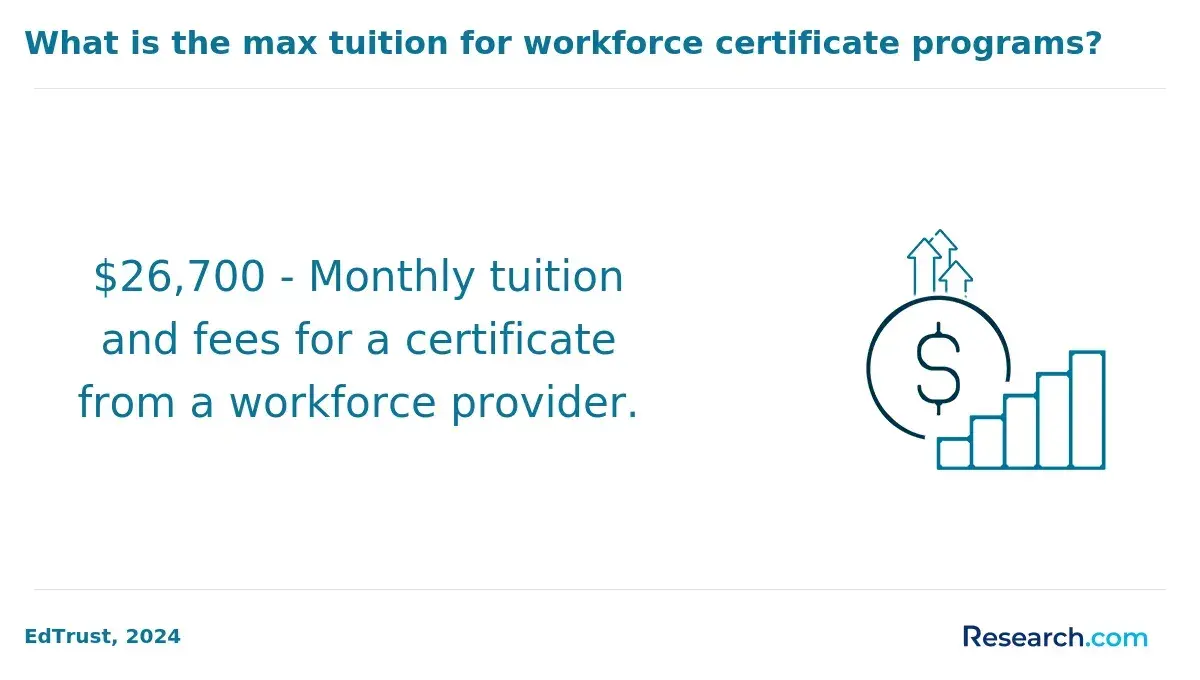
Tuition for online illustration programs varies widely because schools use different pricing models: per credit, per course, per term, or flat-rate full-time tuition. The most reliable comparison is total cost to degree, not cost per credit. Illustration students should also budget for a drawing tablet, software subscriptions, scanning or printing, traditional art supplies, portfolio hosting, and possible residency or exhibition expenses.
The National Center for Education Statistics reported in its latest published tuition data that private nonprofit four-year institutions generally have higher average tuition and fees than public four-year institutions. For illustration students, this means private art schools can deliver highly specialized training, but the price gap must be justified by portfolio development, faculty access, industry relevance, and financial aid.
The table below shows the main cost categories students should compare when reviewing accredited online illustration programs. It is especially useful because two schools with similar tuition can have very different total costs once fees, supplies, and transfer policies are included.
| Cost factor | Why it matters | How to compare programs |
| Tuition model | Per-credit pricing can be easy to compare, while flat-rate pricing may reward heavier course loads | Calculate the full degree cost based on required credits, not just one semester |
| Transfer credits | Accepted credits can reduce both time and tuition | Request a written transfer evaluation before enrolling |
| Technology and software | Illustration courses may require tablets, styluses, design software, cloud storage, or portfolio platforms | Ask for a program-specific supply and technology list |
| Course fees | Online, studio, portfolio, graduation, and proctoring fees can raise the final price | Review the full fee schedule, not only tuition |
| Net price after aid | Scholarships and grants can make a higher sticker-price school more affordable | Compare financial aid award letters line by line |
For many students, the best financial decision is not automatically the cheapest program. A low-cost degree with limited critique, weak portfolio support, or poor transfer transparency can become expensive if it delays graduation or leaves you underprepared. Conversely, a costly program should show clear evidence of student support, portfolio development, alumni work, and realistic career preparation.
How Competitive Is Admission to Accredited Online Illustration Degree Programs?
Admissions competitiveness depends on the school and degree type. Some accredited online illustration programs use open or moderately selective admissions with basic academic requirements, while others require a portfolio, artist statement, prior studio coursework, or a review of transfer credits. Portfolio requirements do not always mean the program is harder to enter; they often help faculty place students into the right level of studio work.
Students should expect most bachelor's programs to ask for a high school diploma or equivalent, transcripts, an application form, and proof of English proficiency when applicable. More selective art programs may also request 8 to 20 examples of creative work. If you are applying as a transfer student, studio credits may be reviewed separately from general education credits, so an accepted transfer transcript does not always mean every art course will count toward the major.
This admissions comparison can help you identify which type of program fits your background and timeline.
| Admissions model | Typical requirements | Best for | Potential concern |
| Portfolio-required admission | Creative samples, transcripts, statement, possible faculty review | Students with prior art training or a strong body of work | May take longer to prepare a competitive application |
| Portfolio-optional admission | Academic documents plus optional creative samples | Students still developing confidence or changing careers | Students should still seek placement advice before starting studio courses |
| Open or broad-access admission | Diploma or equivalent, transcripts, application | Working adults and first-generation students who need access and flexibility | Academic support and retention services become especially important |
| Degree-completion admission | Prior credits, associate degree, portfolio or transcript review | Transfer students who want to finish faster | Major-course sequencing may limit how quickly students can graduate |
A common red flag is a program that makes admission sound effortless but gives vague answers about portfolio expectations, course sequencing, or graduation requirements. Flexible admission can be valuable, but students should still ask how the school helps beginners improve drawing fundamentals, digital workflow, visual storytelling, and professional presentation.
If you are already thinking about graduate study after an undergraduate illustration degree, compare admissions flexibility carefully. Some students later look for the easiest masters degree to get, but creative graduate programs often care less about ease of admission and more about portfolio direction, faculty fit, and career purpose.
Which Learning Formats Offer the Greatest Flexibility in Online Illustration Degree Programs?
The most flexible online illustration programs combine asynchronous coursework with scheduled critique options. Asynchronous classes let students watch demonstrations, complete readings, upload sketches, and revise projects around work or family obligations. Synchronous critique sessions can still be valuable because illustration improves through feedback, discussion, and iterative revision.
Flexibility should not mean isolation. A strong online format should give students predictable access to instructors, peer critique, digital studio demonstrations, portfolio reviews, and clear weekly deadlines. Students who need maximum schedule control should ask whether live sessions are required, recorded, optional, or tied to participation grades.
The table below compares common online learning formats and the students they tend to serve best.
| Format | Flexibility level | Best fit | What to verify |
| Fully asynchronous online | Highest scheduling flexibility | Working adults, caregivers, military students, students in different time zones | How critique, instructor feedback, and peer interaction are handled |
| Online with live critique sessions | Moderate flexibility | Students who want real-time feedback and community | Whether sessions are mandatory and whether recordings are available |
| Hybrid or low-residency | Lower flexibility but stronger in-person networking | Students who can travel for workshops, exhibitions, or studio intensives | Travel costs, residency dates, and attendance requirements |
| Accelerated terms | Flexible calendar but intense pacing | Students who can focus on fewer courses at a time | Whether studio-heavy assignments are manageable in shorter terms |
Students should be realistic about the time required for studio work. A drawing or digital illustration course may require many hours of sketching, revision, critique response, and final rendering each week. If you work full time, part-time enrollment may produce better work and lower stress than an overloaded schedule.
Online learning quality also varies by discipline. Students comparing illustration with other online professional programs, such as online clinical mental health counseling programs, should remember that creative degrees depend heavily on critique, portfolio production, and visual feedback rather than clinical placement or licensure hours.
What Student Support Services Improve Success in Online Illustration Degree Programs?
Student support can make the difference between simply completing courses and graduating with a portfolio that can compete for work. Illustration students need academic advising, technology help, career guidance, mental health support, library access, and discipline-specific feedback from faculty or reviewers.
Online learners should look closely at retention-focused support because studio programs can be demanding. In art courses, students often need help interpreting critique, managing revisions, documenting process work, and building confidence after setbacks. Strong programs make support easy to access before a student falls behind.
These services are especially important for online illustration students because they directly affect persistence, portfolio quality, and career readiness.
- Dedicated academic advising: Advisors should understand studio sequencing so students do not take courses out of order or delay graduation.
- Portfolio reviews: Regular reviews help students identify gaps in drawing, composition, storytelling, digital rendering, and professional presentation.
- Career services for creative fields: Support should include freelance basics, contracts, pricing, resumes, artist statements, networking, and interview preparation.
- Technology support: Students should have help with learning platforms, file formats, digital tablets, portfolio uploads, and software access.
- Online tutoring and writing help: Illustration students still write proposals, project rationales, art history papers, and client-facing communication.
- Accessibility and wellness services: Online students should be able to access accommodations and mental health resources without visiting campus.
A common mistake is asking only about the curriculum and not about response time. Before enrolling, ask how quickly instructors return feedback, whether critiques are written, recorded, or live, and how students get help if a digital file, software issue, or missed deadline threatens their progress.
Which Financial Aid Options Are Available for Accredited Online Illustration Degree Students?
Students in accredited online illustration degree programs may qualify for federal financial aid if the school participates in Title IV aid programs and the student meets eligibility requirements. Aid can include Pell Grants, federal student loans, work-study where available, state grants, institutional scholarships, outside scholarships, employer tuition assistance, military education benefits, and payment plans.
Federal Student Aid rules for the 2024-25 award year list annual Direct Loan limits that begin at $5,500 for dependent first-year undergraduate students. That number is useful because it reminds students that federal loans may cover only part of the cost at higher-priced art schools, making grants, scholarships, transfer credits, and careful borrowing decisions important.
Use the following steps to compare financial aid offers from illustration programs. This sequence helps you focus on real affordability rather than the largest-looking award letter.
- Submit the FAFSA as early as possible and list every school you are seriously considering.
- Separate grants and scholarships from loans, because grants and scholarships usually do not require repayment.
- Compare net price after gift aid, not just total aid offered.
- Ask whether art, merit, transfer, military, adult learner, or portfolio scholarships are renewable each year.
- Check satisfactory academic progress rules, because dropping below required pace or GPA can affect aid.
- Estimate out-of-pocket costs for software, art supplies, hardware, and portfolio hosting before accepting loans.
Be cautious about borrowing heavily for a creative degree without a plan for portfolio development, internships, freelance income, or related design work. Illustration can be a rewarding field, but early-career income may be uneven, especially for freelancers. The safer strategy is to borrow only what fits a realistic post-graduation budget.
Students comparing education investments across very different fields may also look at practical affordability guides such as cheapest ABA-approved paralegal programs to see how accreditation, career regulation, and total cost can change the value equation from one discipline to another.
Which Career Outcomes Are Associated With Accredited Online Illustration Degree Programs?
An accredited online illustration degree can support careers in illustration, animation, concept art, publishing, advertising, visual development, graphic design, motion media, product illustration, surface pattern design, comics, and freelance creative services. However, career outcomes depend heavily on portfolio quality, networking, software skills, business skills, and the ability to adapt to client or employer needs.
BLS data published in 2024 reports a median annual wage of $99,060 for special effects artists and animators, while graphic designers had a median annual wage of $58,910. These figures are useful benchmarks, but they should not be read as expected earnings for every illustration graduate. Many illustrators work freelance, combine multiple creative services, or enter adjacent roles where pay varies by industry and experience.
The table below connects illustration degree preparation to common career paths. It shows why students should evaluate whether a program's portfolio assignments match the type of work they want to pursue.
| Career path | Typical work | Program features that help | Important limitation |
| Editorial or publishing illustrator | Book covers, magazines, children's books, spot illustrations | Sequential art, visual storytelling, typography awareness, portfolio reviews | Freelance competition can be high |
| Concept artist or visual development artist | Characters, environments, props, mood boards for entertainment media | Figure drawing, perspective, digital painting, worldbuilding, iterative critique | Entry-level roles often require a highly specialized portfolio |
| Graphic designer with illustration skills | Brand assets, advertising visuals, social media graphics, packaging | Design software, branding, layout, client communication, production workflow | Some roles prioritize design systems over drawing ability |
| Animator or motion media artist | Motion graphics, storyboards, character animation, visual effects support | Storyboarding, digital tools, time-based media, collaborative production | May require animation-specific training beyond illustration |
| Freelance illustrator | Client commissions, licensing, merchandise, publishing, digital products | Business courses, contracts, pricing, marketing, portfolio website development | Income can fluctuate and requires self-management |
AI is also changing the illustration labor market. Employers and clients increasingly value artists who can combine original drawing ability, art direction, ethical image sourcing, prompt literacy, editing judgment, and brand consistency. A strong degree program should help students understand AI tools without replacing fundamentals such as composition, anatomy, color, narrative, and visual problem-solving.
Students interested in entertainment art may want to compare illustration with a game design degree online, especially if they want structured training in interactive media, level design, game engines, or production pipelines.
How Do Online and Campus-Based Illustration Degree Programs Compare?
Online and campus-based illustration programs can both be academically legitimate when properly accredited. The better option depends on your schedule, learning style, budget, access to equipment, and need for in-person studio culture. Online programs are often stronger for adults who need flexibility, while campus programs may offer more immediate access to studios, exhibitions, equipment, and face-to-face community.
The table below compares the practical differences students should evaluate before choosing a delivery format.
| Factor | Online illustration degree | Campus-based illustration degree |
| Schedule | Often more flexible, especially with asynchronous courses | More fixed class and studio times |
| Critique experience | Can include written, recorded, video, or live online critique | Often includes in-person critique and studio discussion |
| Equipment access | Student may need to provide more technology and supplies independently | Campus may offer labs, printers, scanners, studios, and fabrication resources |
| Networking | Requires intentional participation in online communities, events, and portfolio reviews | More spontaneous peer, faculty, exhibition, and guest-speaker interaction |
| Cost structure | May reduce relocation, commuting, and housing costs | May involve higher living or transportation expenses |
| Best fit | Self-directed students who can manage deadlines and seek feedback proactively | Students who thrive with physical studio structure and daily creative community |
Online programs are not ideal for everyone. Students who struggle with self-direction, need constant in-person feedback, or want access to specialized campus facilities may benefit from a hybrid or campus-based format. On the other hand, students with work responsibilities, caregiving duties, or geographic limits may find that online study is the only realistic path to completing a degree.
The decision should come down to support and fit, not stereotypes about online learning. Ask to see sample online course shells, critique formats, student work, faculty availability, and portfolio outcomes before assuming one format is better.
How Should Students Choose the Best Accredited Online Illustration Degree Program?
Students should choose an accredited online illustration degree by comparing fit, cost, portfolio development, flexibility, and career preparation in a structured way. A ranking can be a useful starting point, but it should not replace your own review of curriculum, faculty, student work, financial aid, and graduation requirements.
The following decision process can help you narrow your options without overlooking important details.
- Define your target outcome, such as children's book illustration, concept art, graphic design, animation support, comics, surface design, or freelance work.
- Confirm institutional accreditation and ask whether any art and design programmatic accreditation applies.
- Review the curriculum for drawing fundamentals, digital illustration, visual storytelling, portfolio development, business practices, and critique.
- Request a total cost estimate that includes tuition, fees, technology, supplies, and expected time to graduation.
- Ask for a transfer-credit evaluation before enrolling if you have prior college coursework.
- Compare online format details, including live session requirements, instructor response time, and critique methods.
- Review student portfolios, alumni examples, faculty work, and career services for evidence of real creative preparation.
- Compare financial aid offers by net price and loan amount, not by the total size of the aid package.
- Ask admissions counselors what happens if you need to pause enrollment, reduce your course load, or retake a studio course.
- Choose the program that offers the strongest combination of affordability, feedback, flexibility, and portfolio relevance for your specific goal.
The biggest mistake is choosing based on one factor: the lowest tuition, the most famous school, the easiest admission process, or the fastest timeline. Illustration is portfolio-driven, so the right program should help you produce better work consistently while keeping debt manageable.
If you are unsure whether illustration is the right investment, compare it with adjacent paths such as graphic design, animation, game art, marketing, user experience, or education. Students who discover they prefer a more regulated or credentials-based path may want to explore other online degree fields before committing to a studio-heavy program.
Other Things You Should Know About Illustration
In 2027, some online illustration degree programs provide internship opportunities, enhancing hands-on experience. Schools like Savannah College of Art and Design (SCAD) and Academy of Art University have industry partnerships, allowing students to work with companies while studying, strengthening both skills and networking.
In 2027, top online illustration programs include Savannah College of Art and Design and Academy of Art University. Tuition varies greatly, with SCAD being notably higher. Admissions typically require a portfolio; however, some programs may have different prerequisites or accept students on a rolling basis.
Online illustration degree programs in 2027 typically require a computer with at least 8GB RAM, a graphics tablet, and access to Adobe Creative Cloud. Reliable internet connectivity is essential for participating in virtual classes and submitting assignments. Check individual program specifications for any additional software requirements.
References
- Learn More About Graduate Outcomes in USA | Fortray USA https://www.fortray.com/us/career-path/graduate-outcomes-job-guarantee-courses-online-learning-certification/
- Illustration, BFA https://www.nec.edu/programs/bfa-illustration
- 2025 Most Popular Online Art and Design Degrees https://www.onlineu.com/degrees/art-design
- Online Illustration Degree | Bachelor's Degree (BFA) https://www.sessions.edu/bachelors/illustration/
- Career earnings by college major - The Hamilton Project https://www.hamiltonproject.org/data/career-earnings-by-college-major/
- Cost of an Online Degree: Calculate the Cost of Your Higher Education https://www.edumed.org/articles/cost-of-an-online-degree/
- Digital Illustration Program | Bachelor Degree of Digital Art https://www.cgspectrum.com/courses/digital-illustration-program
- Graduate Programs - AMI - Association of Medical Illustrators https://ami.org/medical-illustration/enter-the-profession/education/graduate-programs/
- How to get into the Royal College of Art: Steps & Tips | Study.eu https://www.study.eu/article/how-to-get-into-the-royal-college-of-art-steps-tips
- How many art schools should you apply to? https://talk.collegeconfidential.com/t/how-many-art-schools-should-you-apply-to/3674223